Normal Alphabet Worksheets for Ages 5-9 - Page 11
279 filtered results
-
From - To
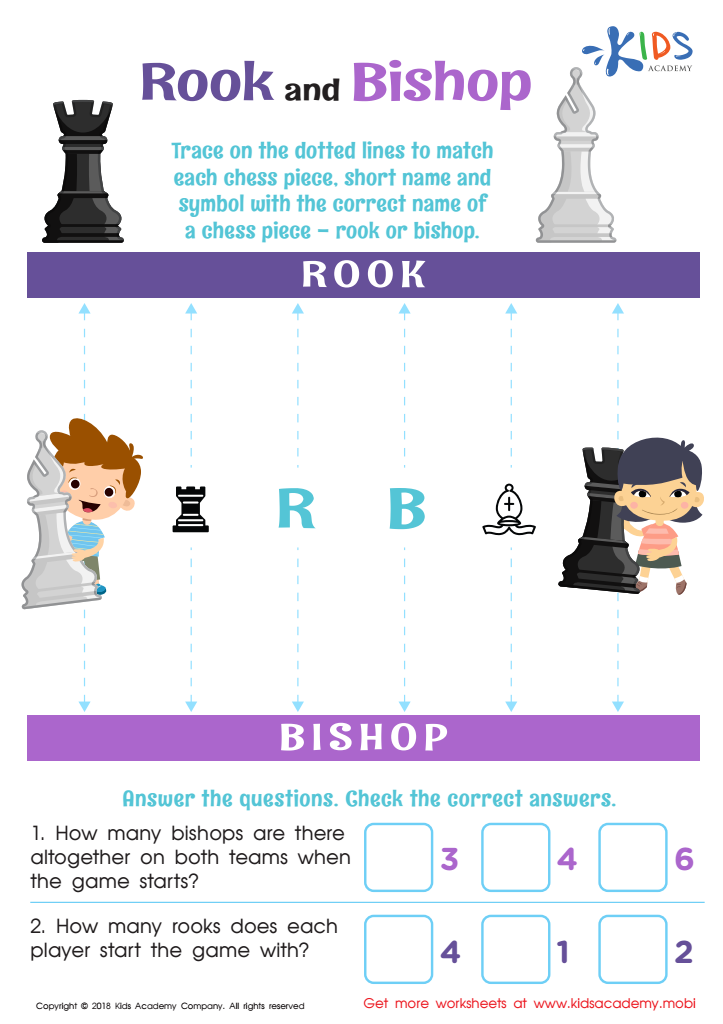
Rook and Bishop Worksheet
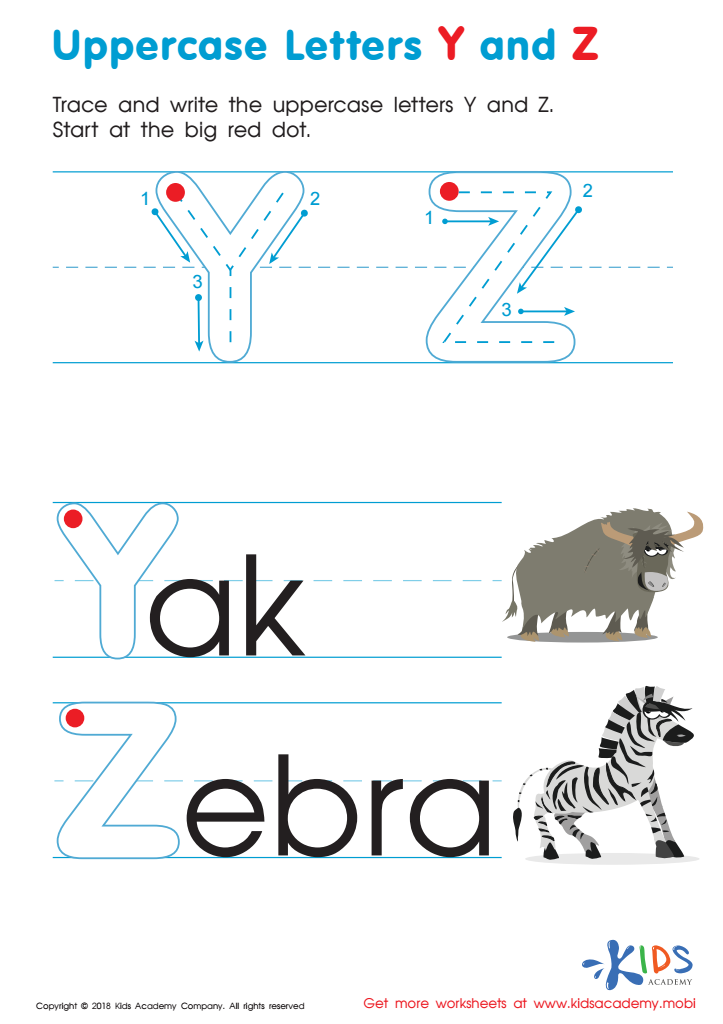
Uppercase Letters Y Z Worksheet
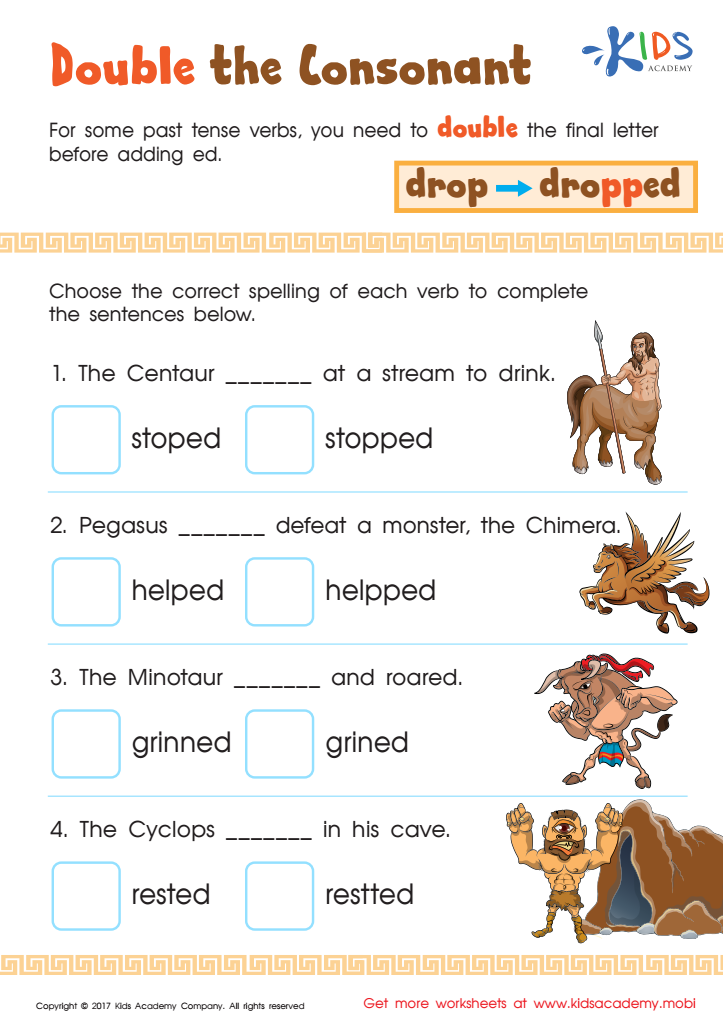
Double Consonant Spelling Worksheet
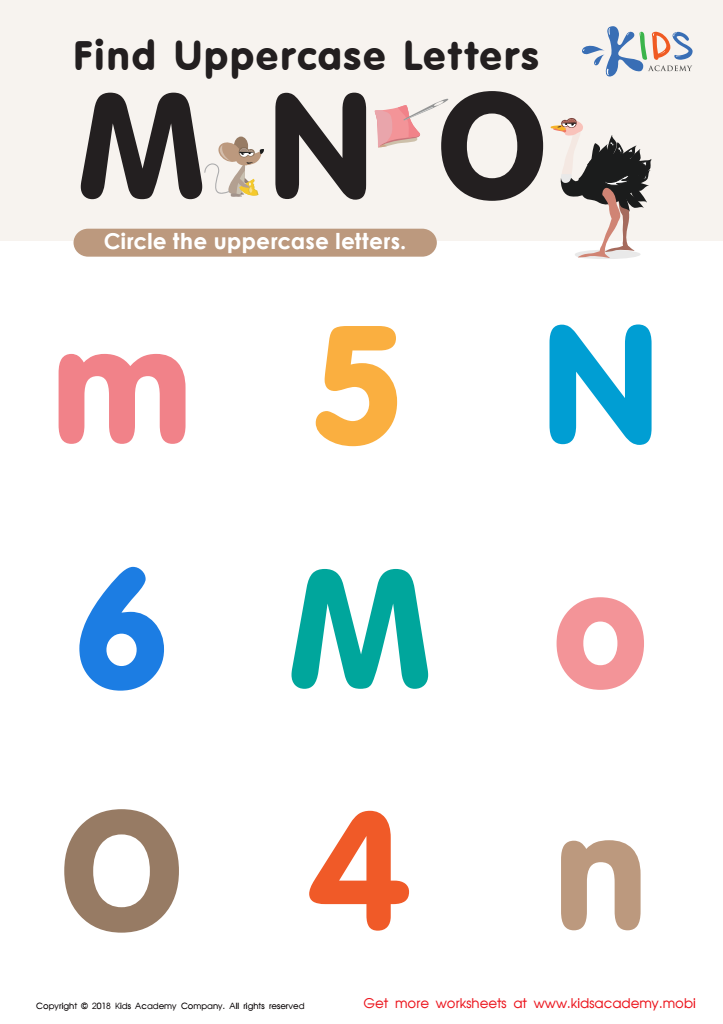
Find Uppercase Letters M, N, and O Worksheet
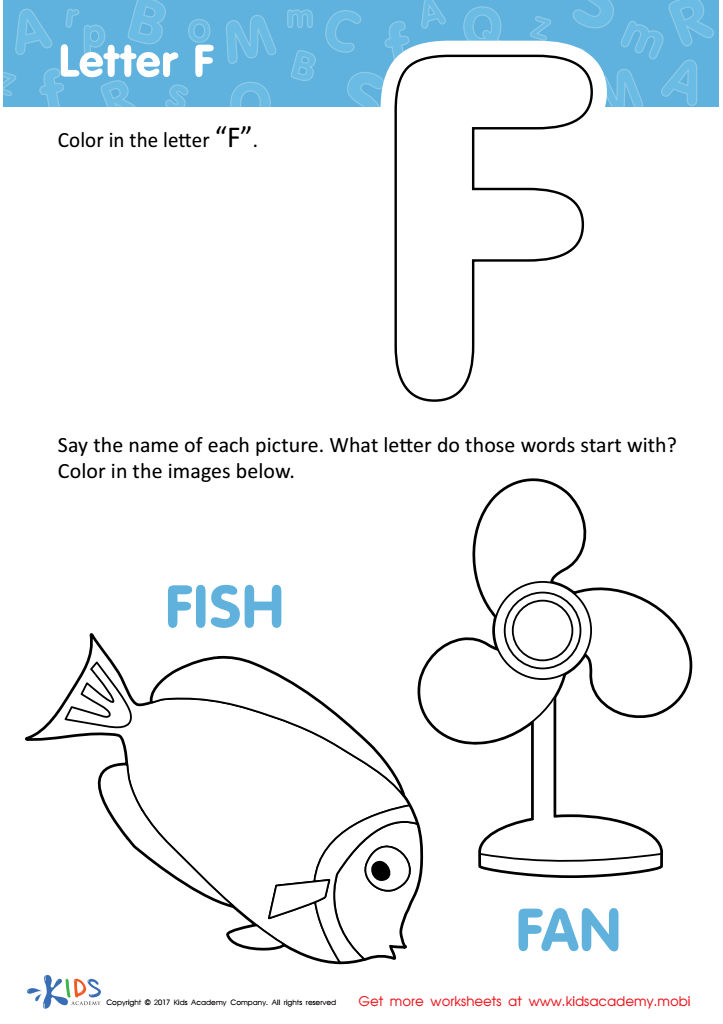
Letter F Coloring Sheet
 Assign to My Students
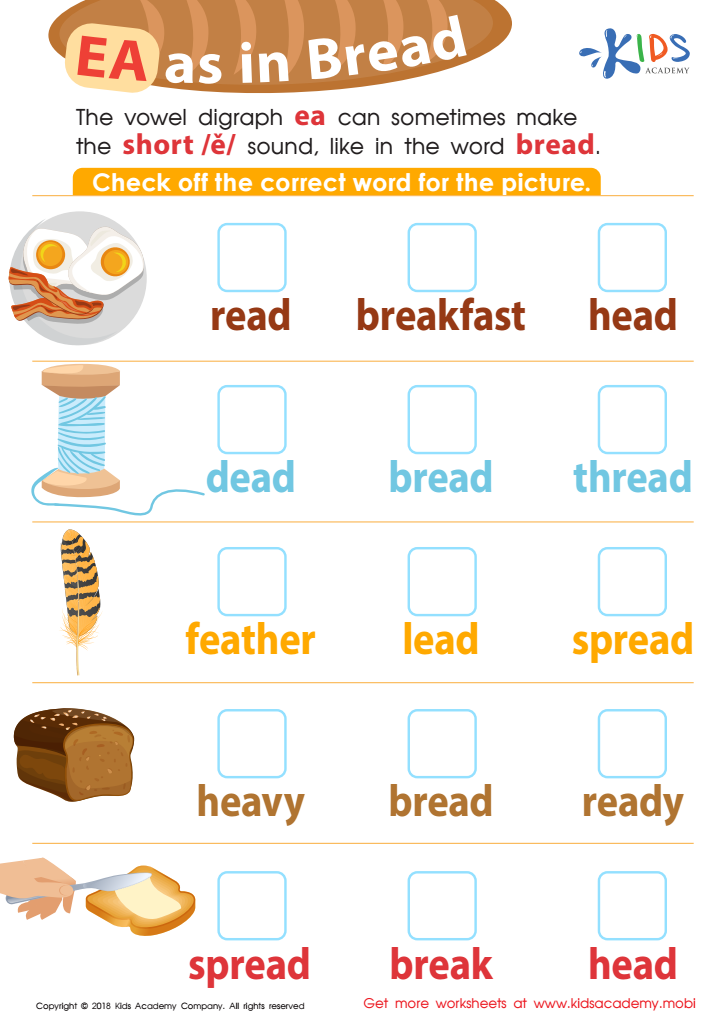
Reading: EA as in Bread Worksheet
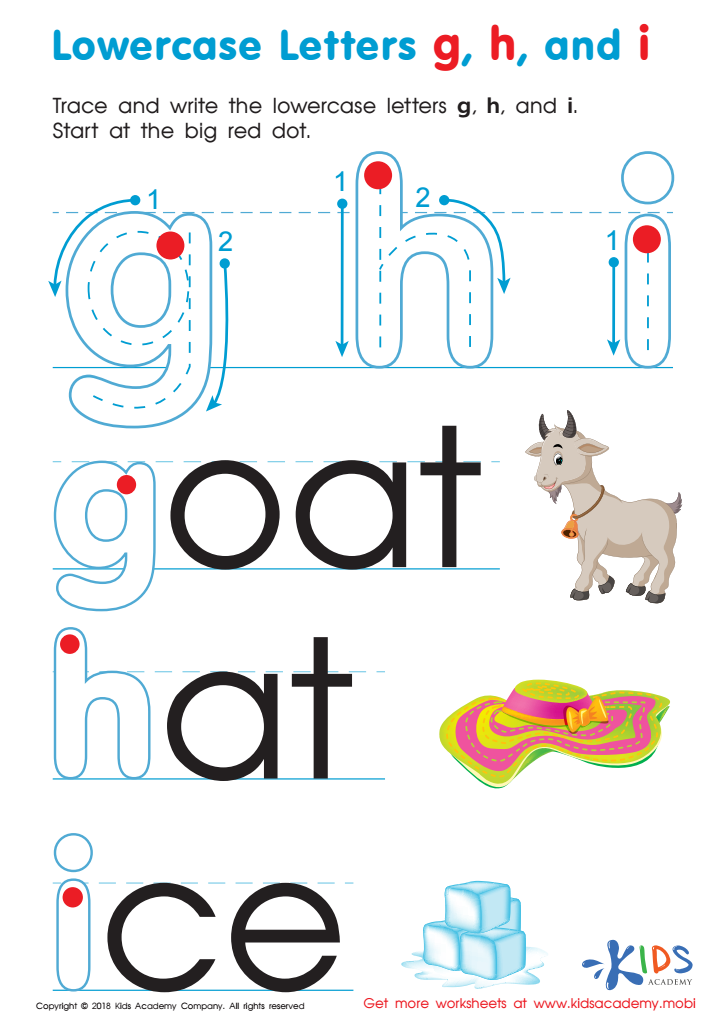
Lowercase Letters g h i Worksheet
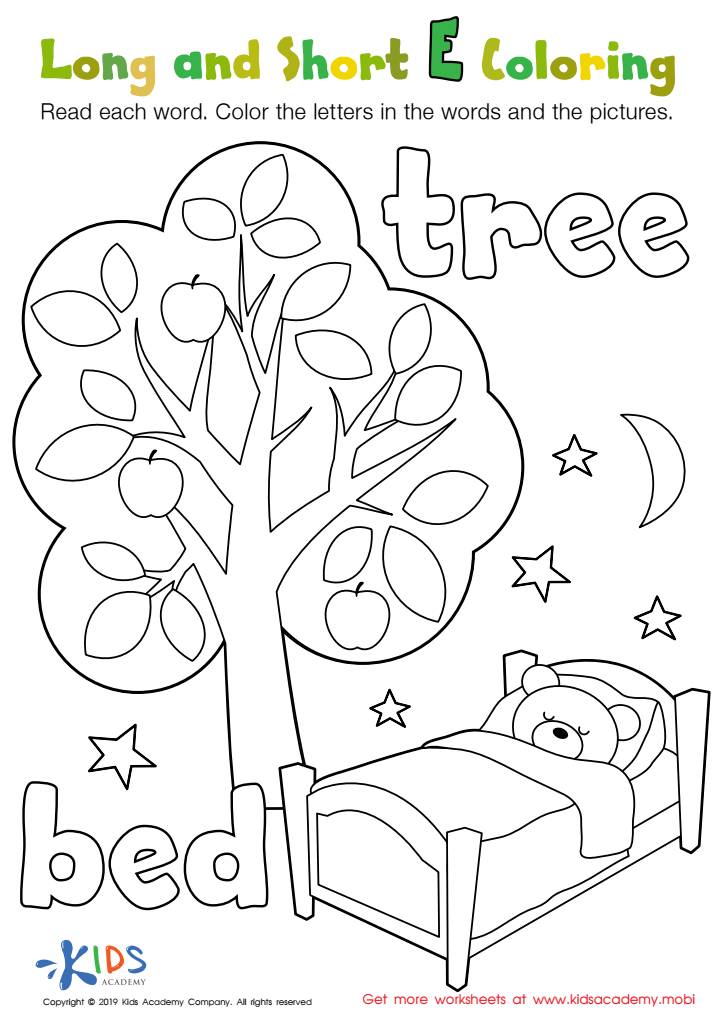
Long and Short E Worksheet
Assign to My Students
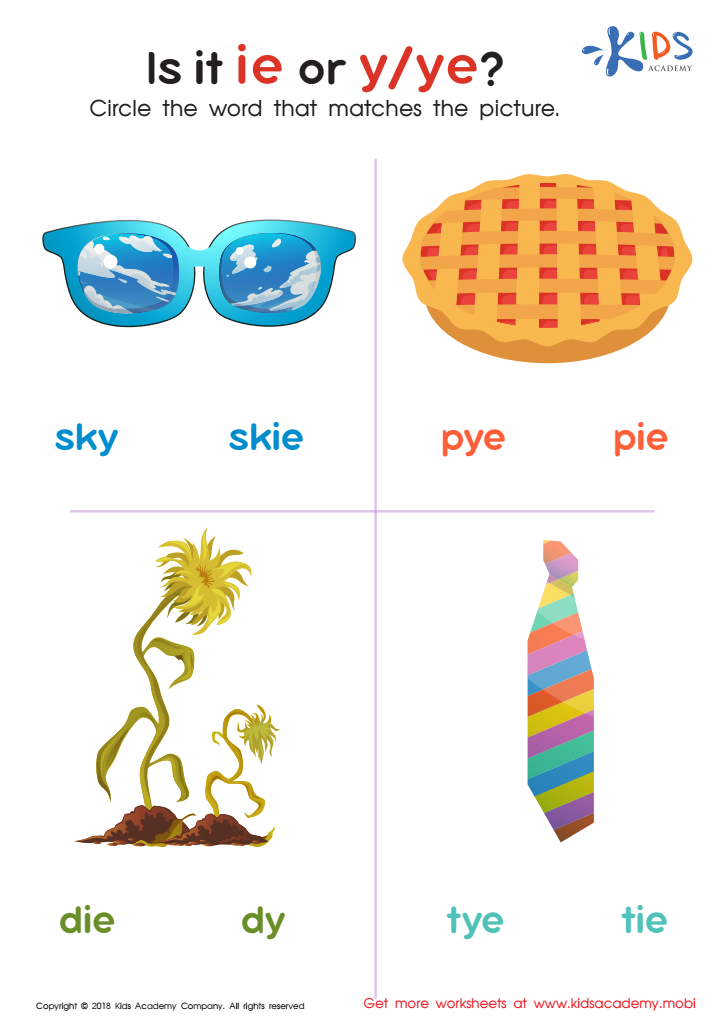
Is It IE or Y/Ye? Worksheet
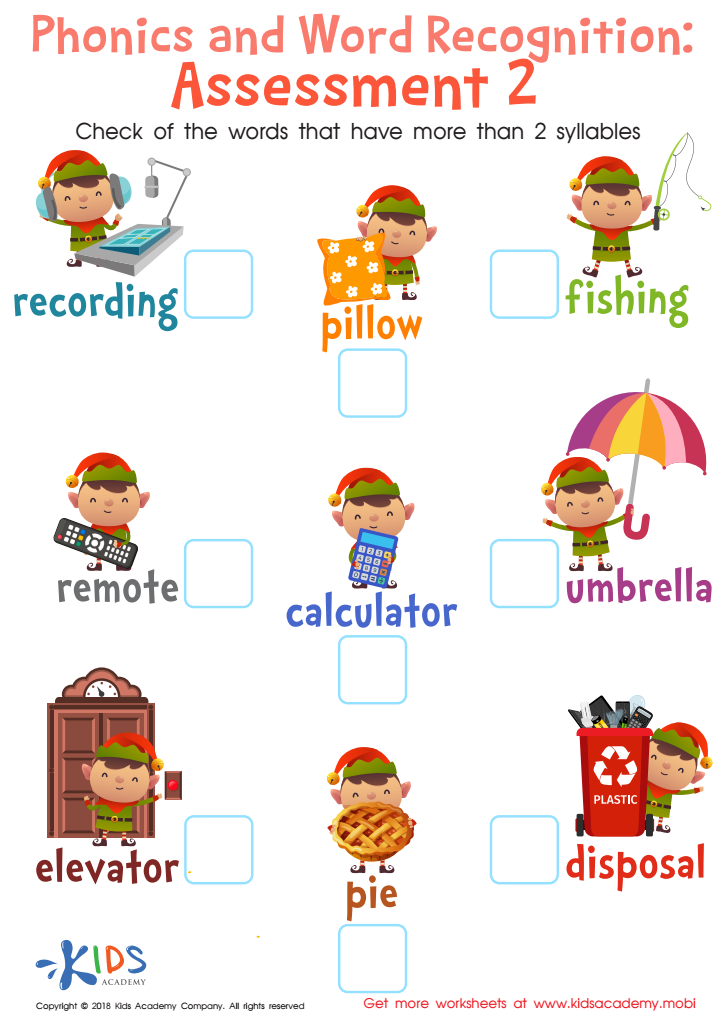
Phonics and Word Recognition: Assessment 2 Worksheet
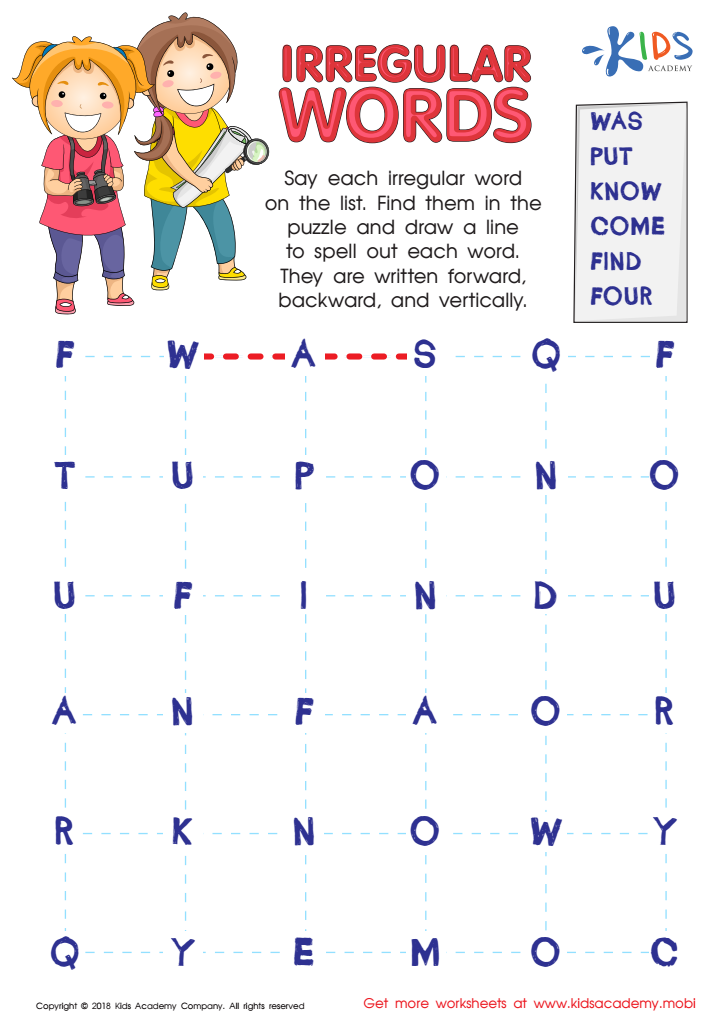
Irregular Words Worksheet
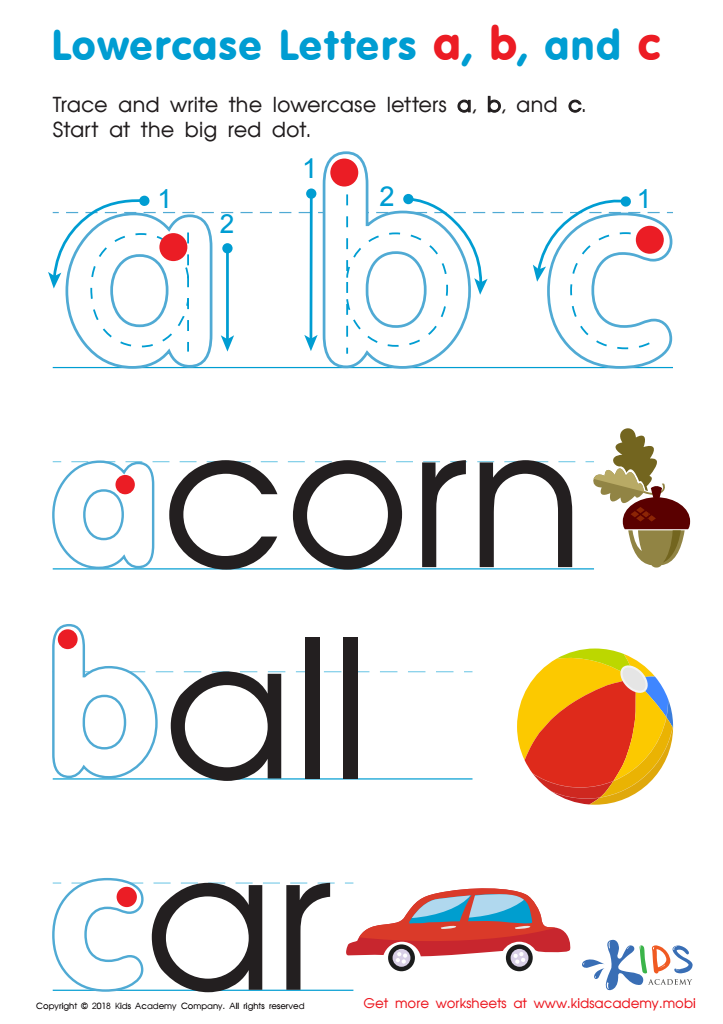
Lowercase Letters a b c Worksheet
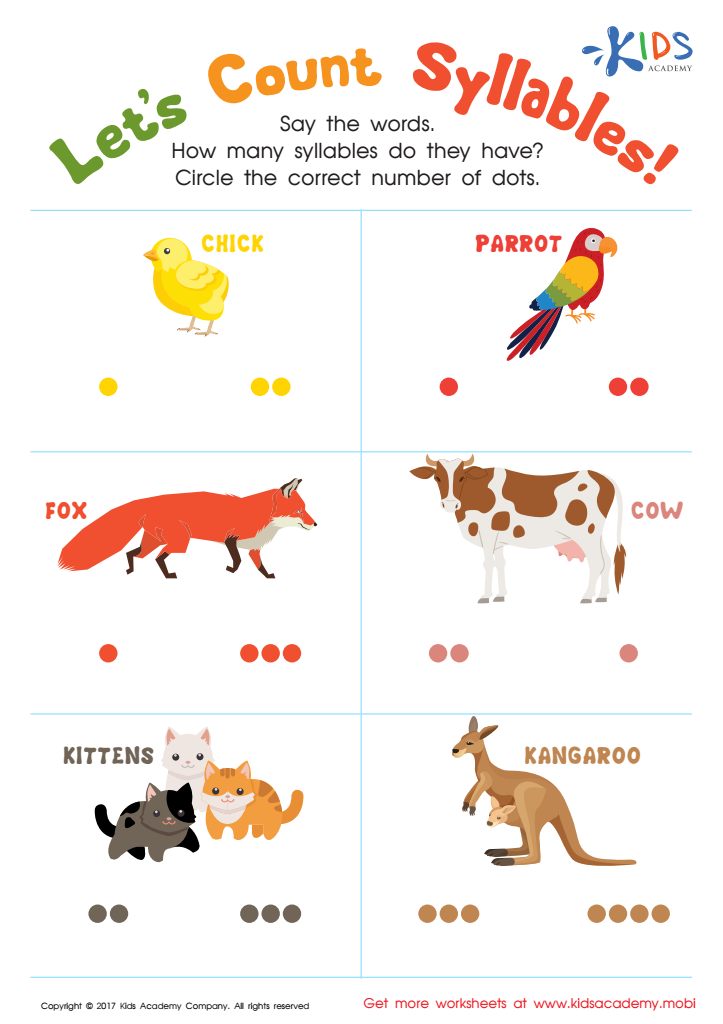
Lets Count Syllables Worksheet
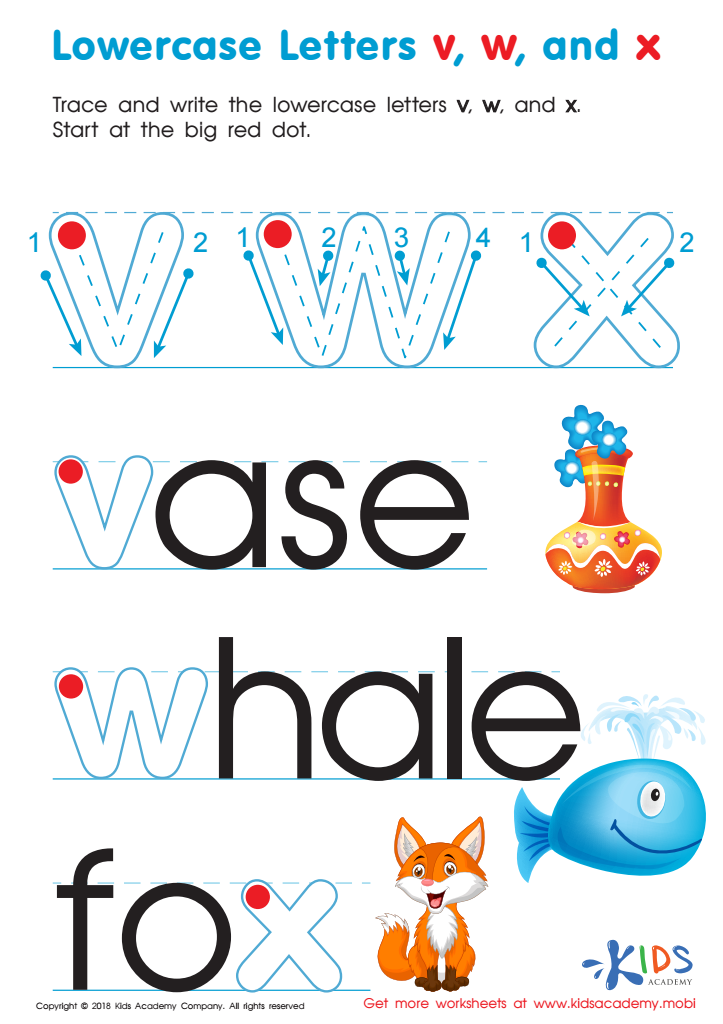
Lowercase Letters v w x Worksheet
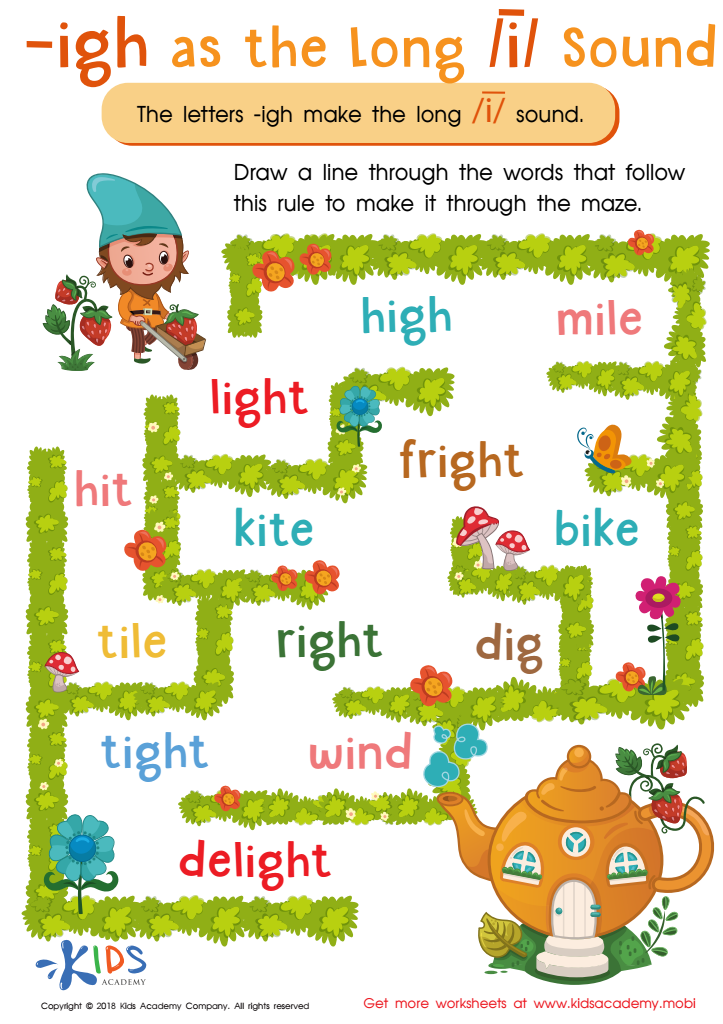
Reading: IGH as Long I Worksheet
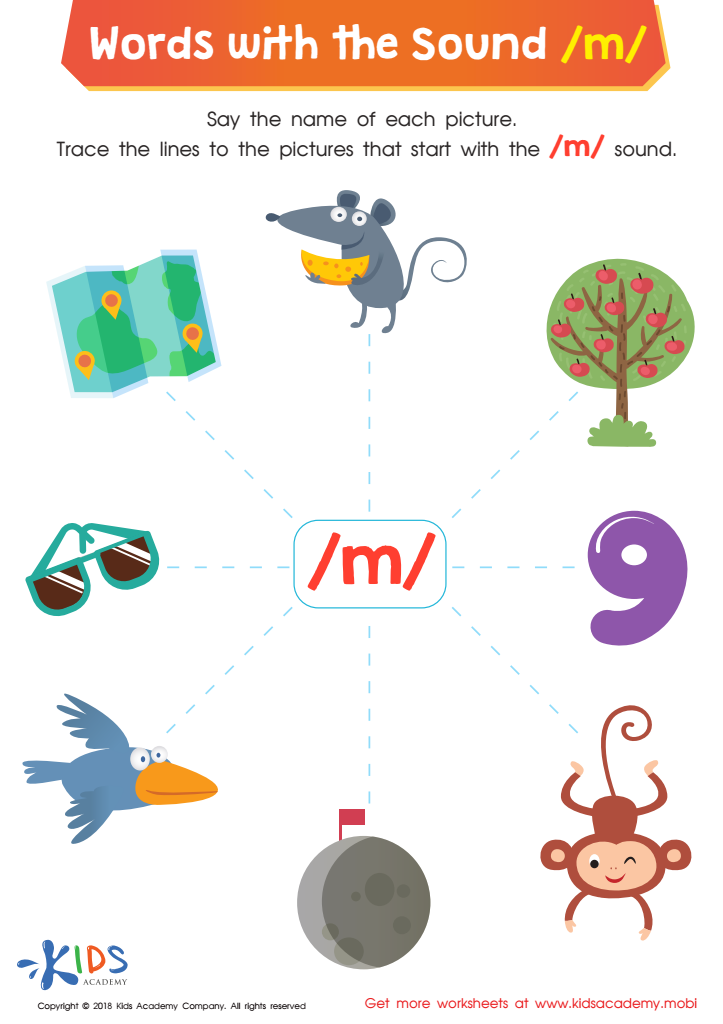
Words with Sound M Reading Worksheet
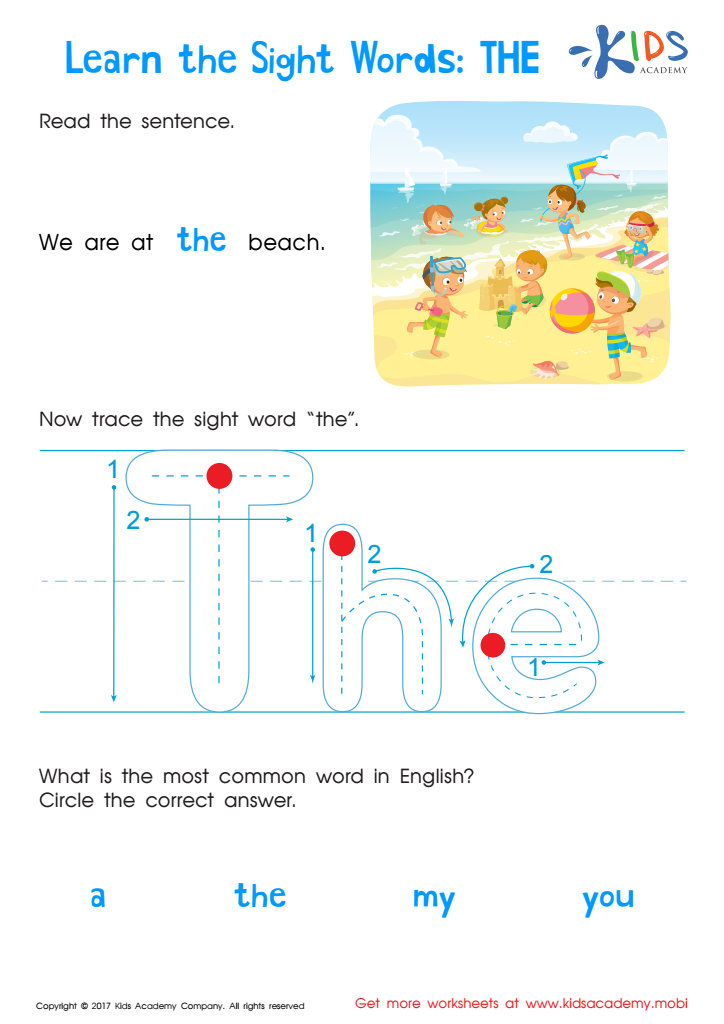
Sight Words: The Worksheet
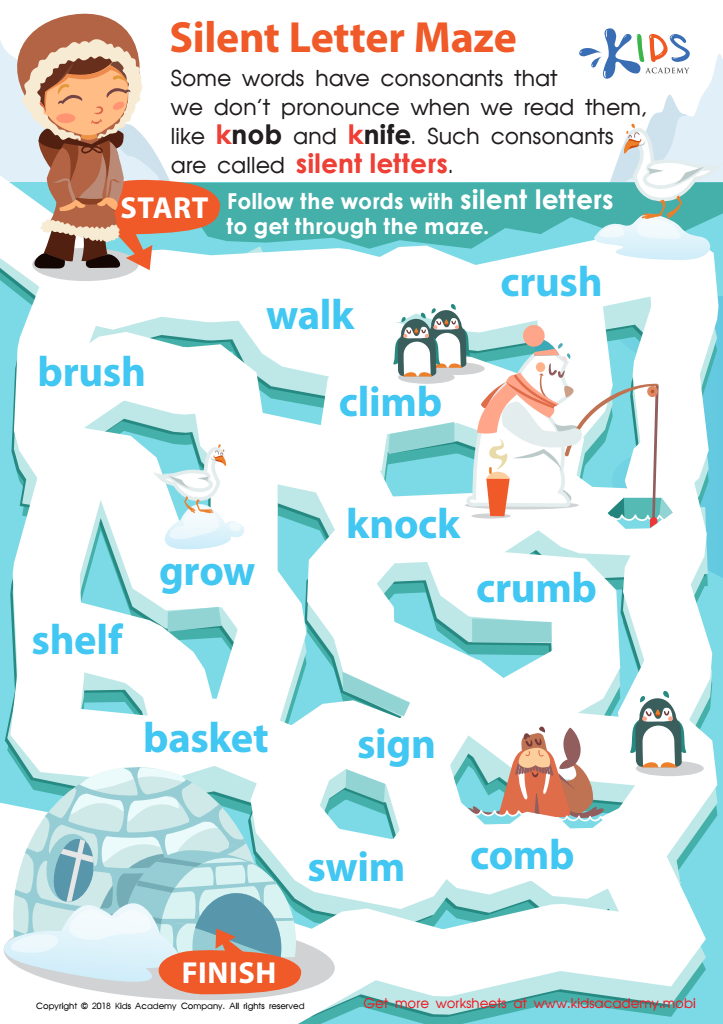
Silent Letter Maze Worksheet
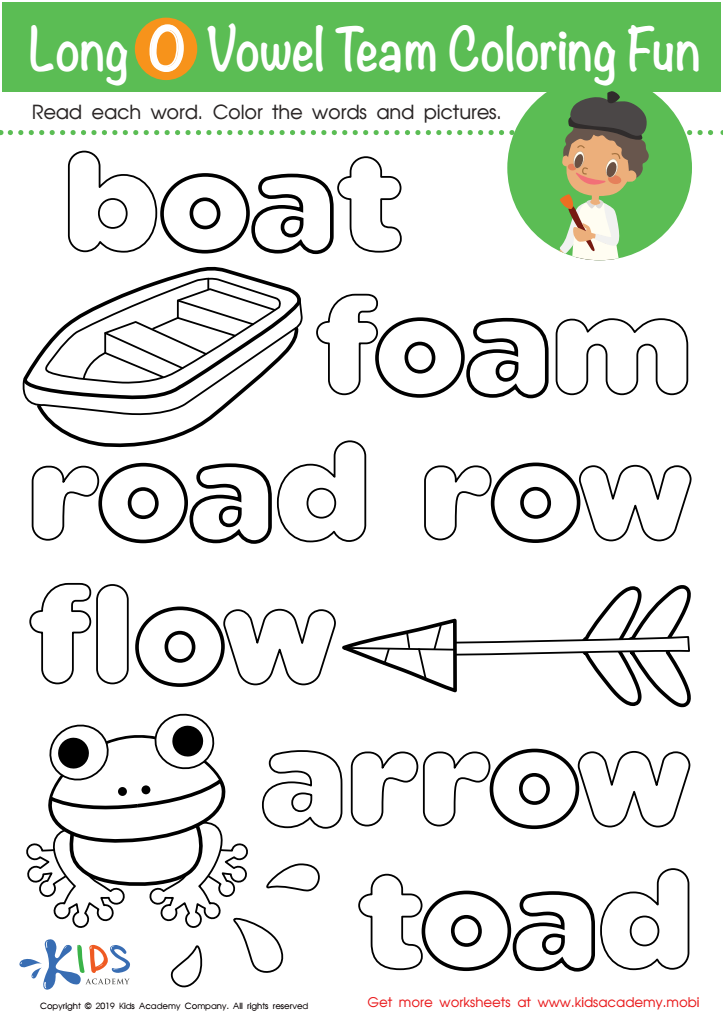
Long O Vowel Team Coloring Worksheet
Assign to My Students
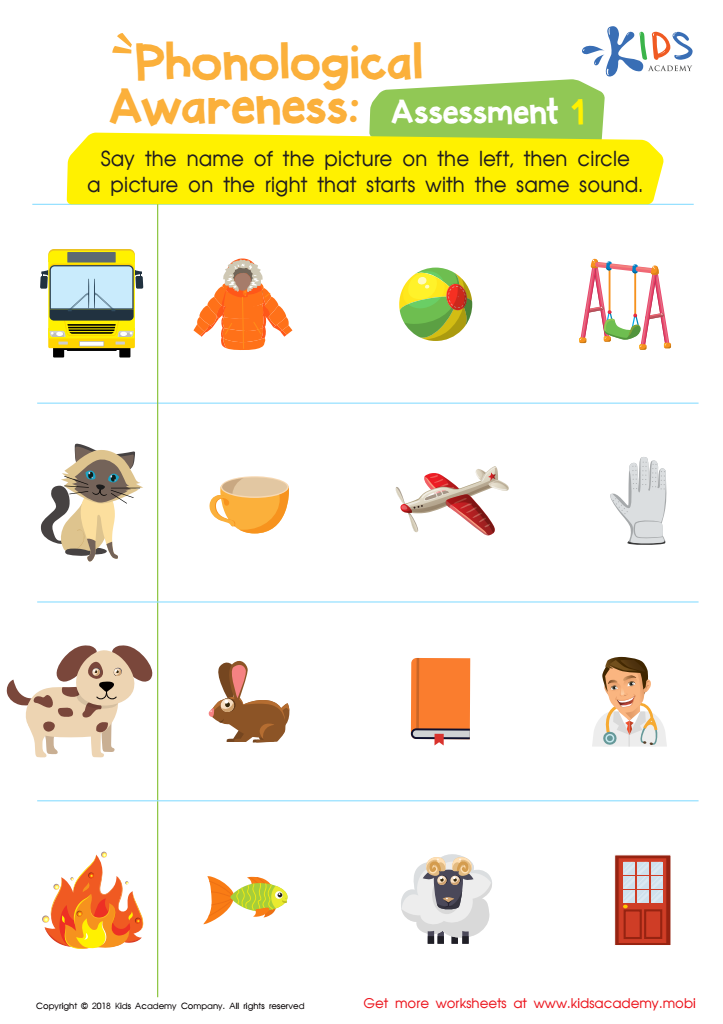
Phonological Awareness: Assessment 1 Worksheet
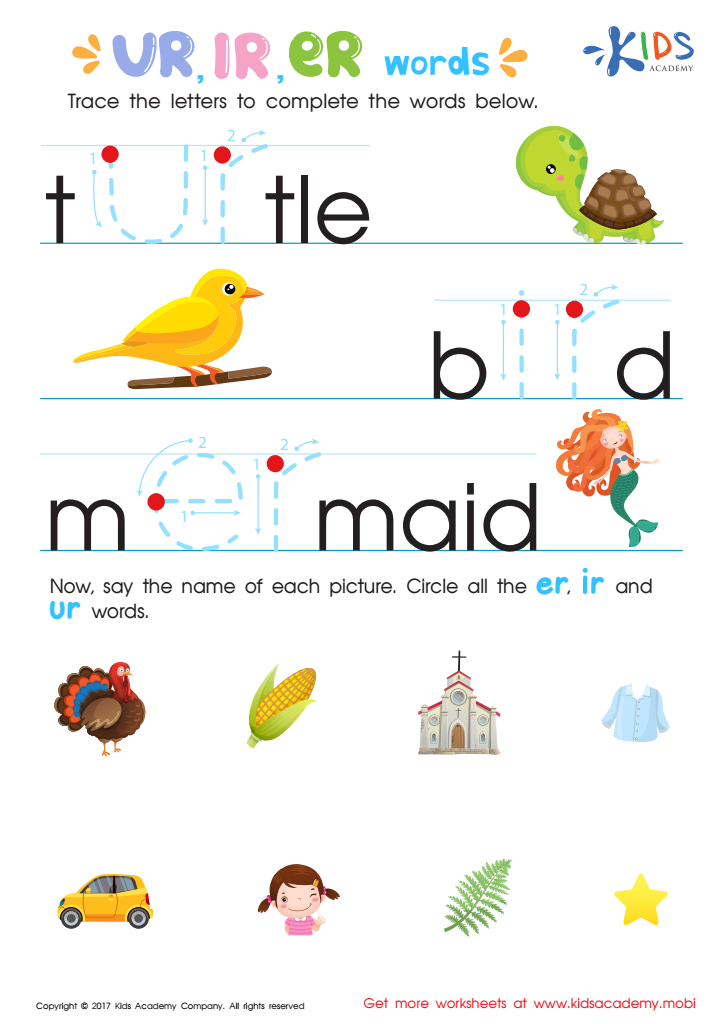
IR UR ER Words Worksheet
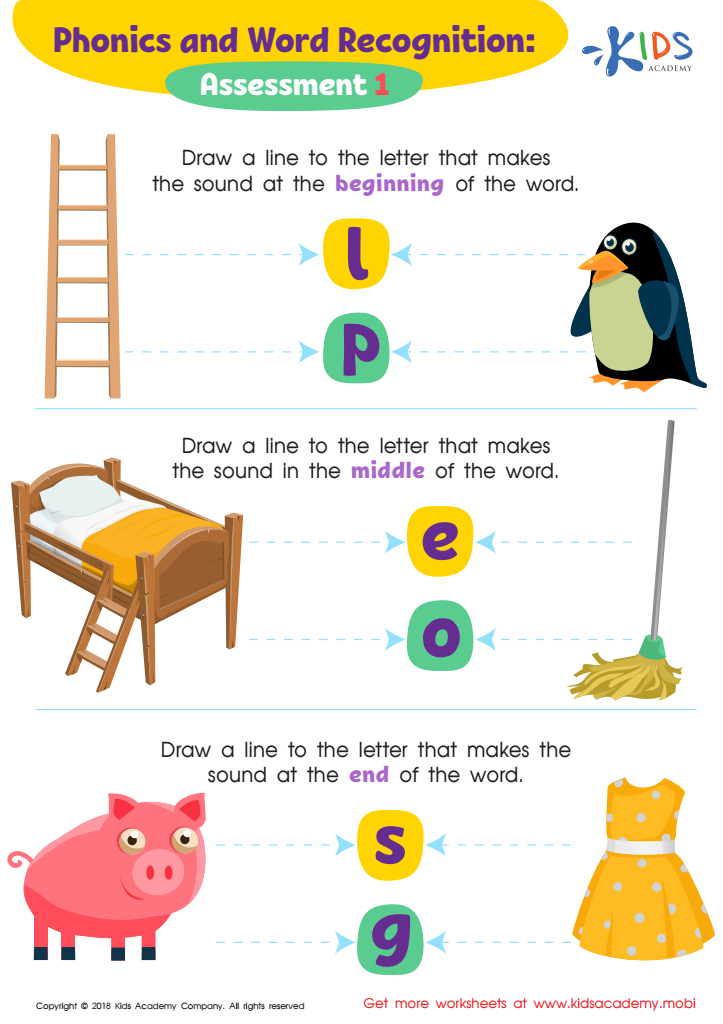
Phonics and Word Recognition: Assessment 1 ELA Worksheet
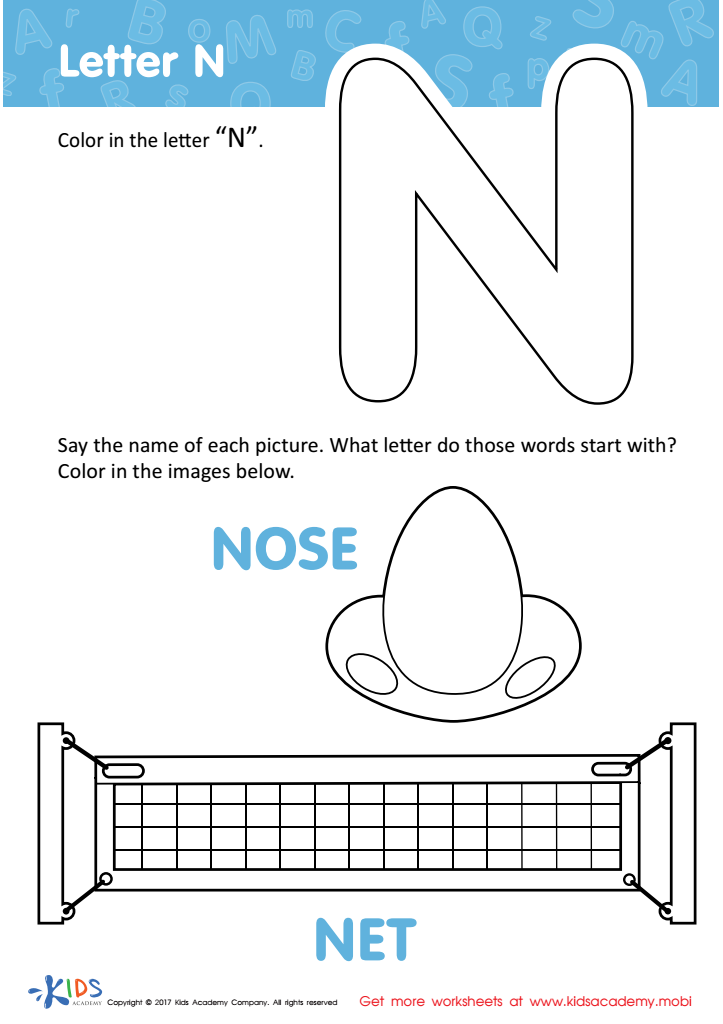
Letter N Coloring Sheet
Assign to My Students








Parents and teachers should care about the Normal Alphabet for ages 5-9 because it plays a crucial role in early literacy development, which is foundational for a child's academic success and lifelong learning. During this critical age range, children are beginning to understand phonemic awareness, letter recognition, and the basics of writing, making them ripe for engaging with the alphabet.
Familiarity with the Normal Alphabet helps children learn how to recognize letters and the sounds they represent. This knowledge is key in helping them progress to reading and spelling, as it forms the backbone of phonics instruction. Moreover, mastering the alphabet instills confidence and encourages a love for reading, which is essential for cognitive and emotional development.
Additionally, integrating the Normal Alphabet into daily activities equips children with important literacy skills. Parents and educators should employ interactive methods, such as games or storytelling, to reinforce learning and make it enjoyable.
In summary, the Normal Alphabet is not just about memorizing letters; it's an essential part of a child's learning journey. By valuing this early literacy stage, adults help shape inquisitive, effective communicators and primed learners for future educational challenges.







