Problem-Solving Skills Normal Worksheets for Ages 5-9 - Page 2
119 filtered results
-
From - To
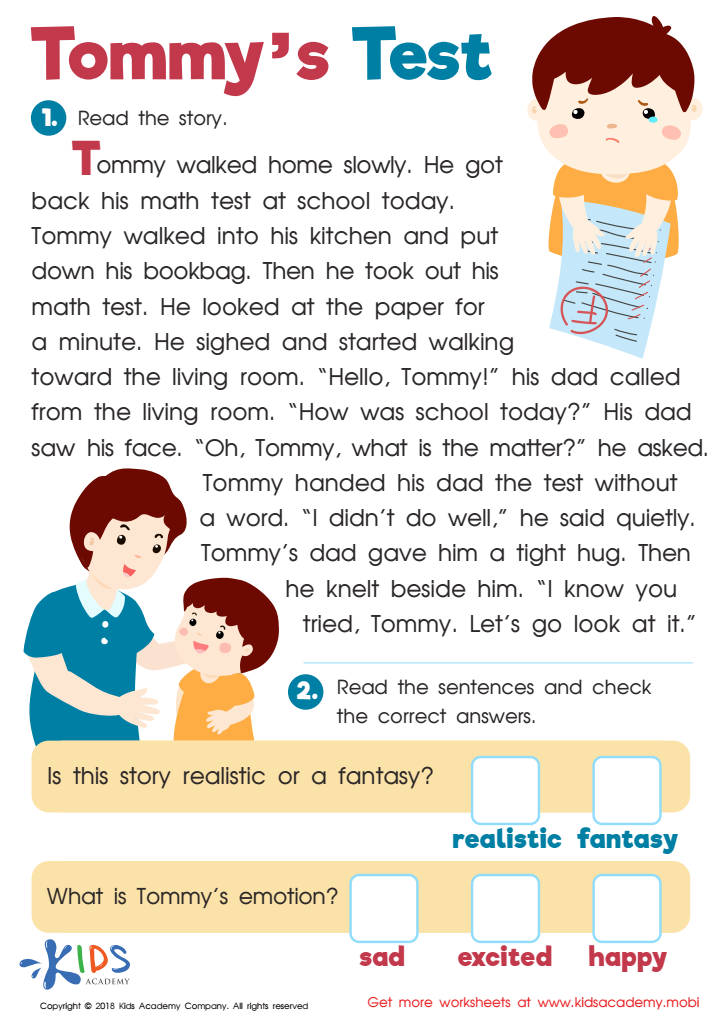
Tommys Test Worksheet
 Assign to My Students

Thanksgiving Word Search Sight Words Worksheet

Spaceship Maze: Galaxies Worksheet
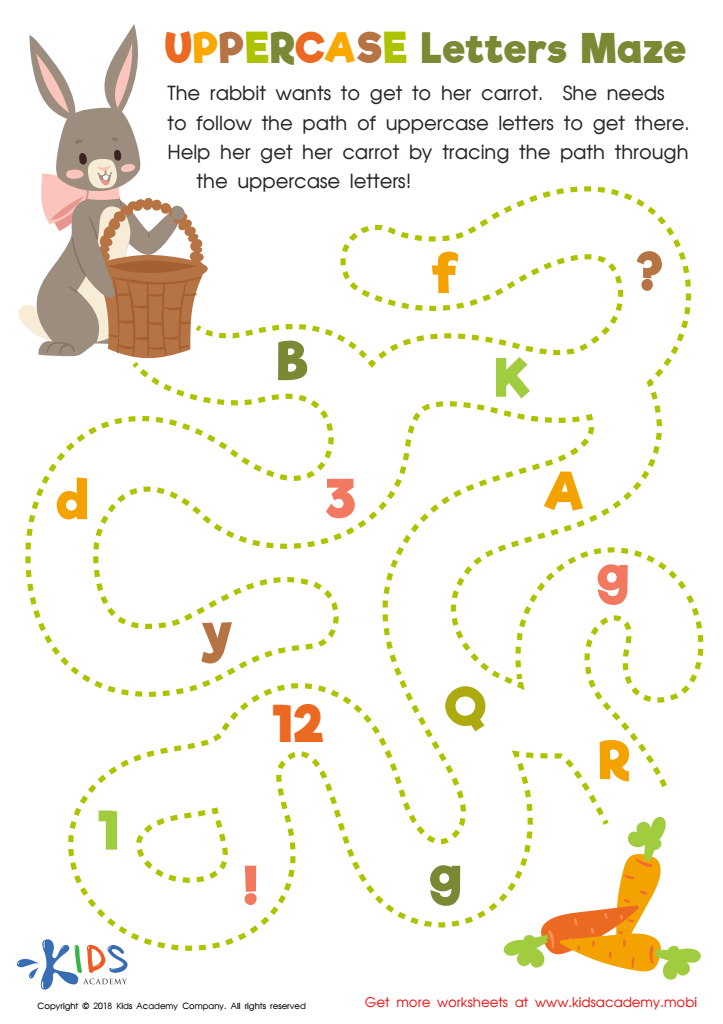
Uppercase Letters Maze Worksheet
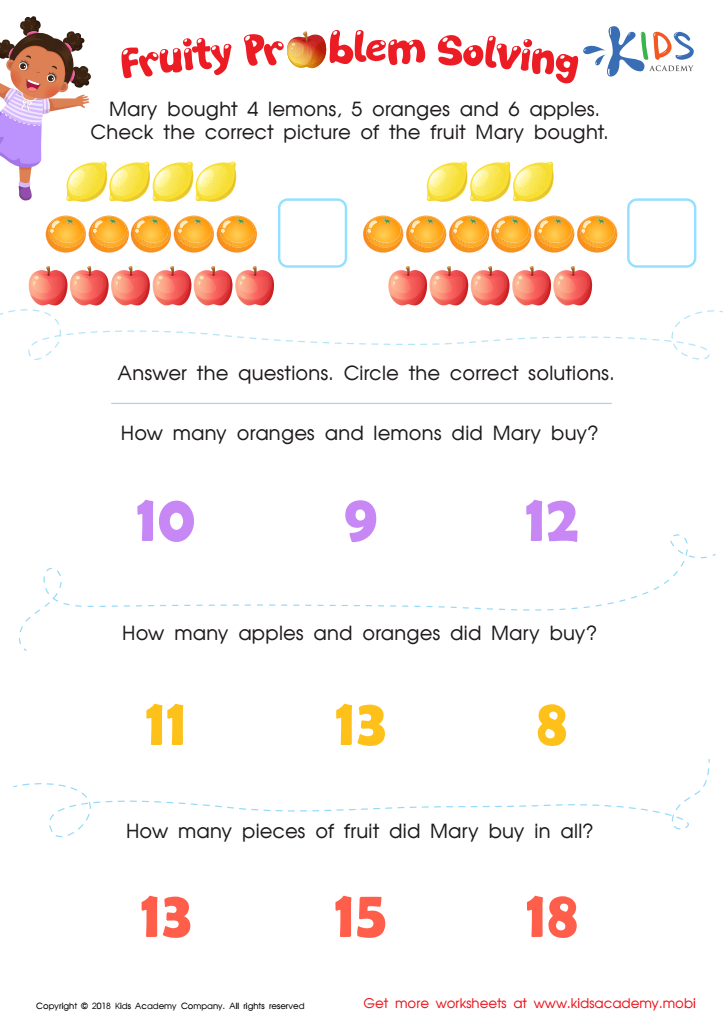
Fruity Problem Solving Worksheet
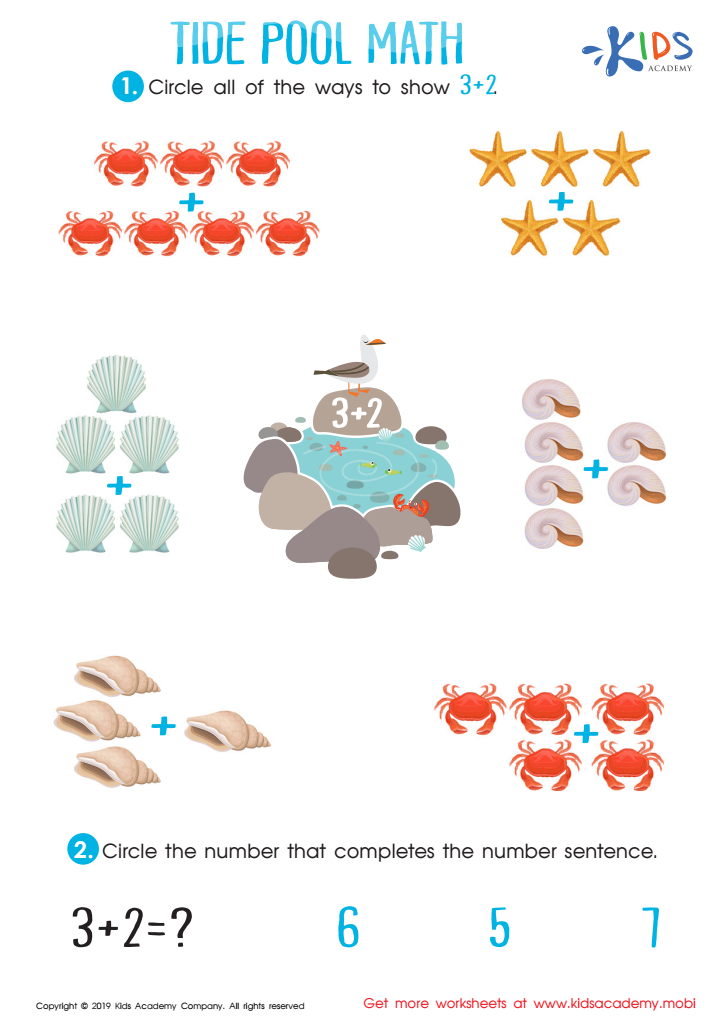
Tide Pool Math Worksheet
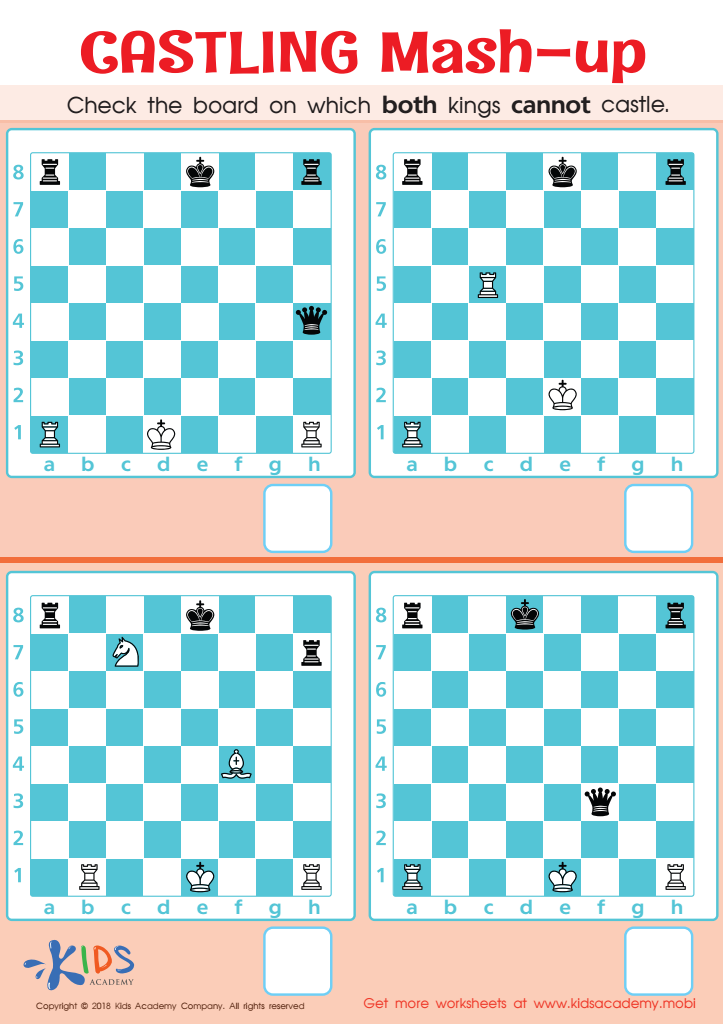
Castling Mash–up Worksheet
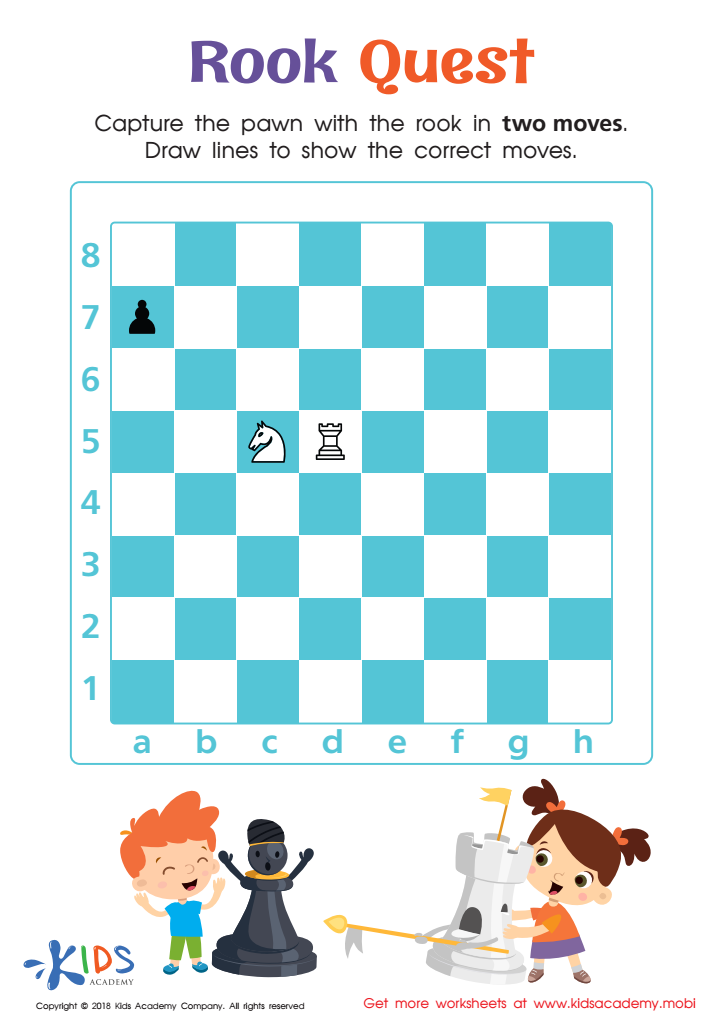
Rook Quest Worksheet
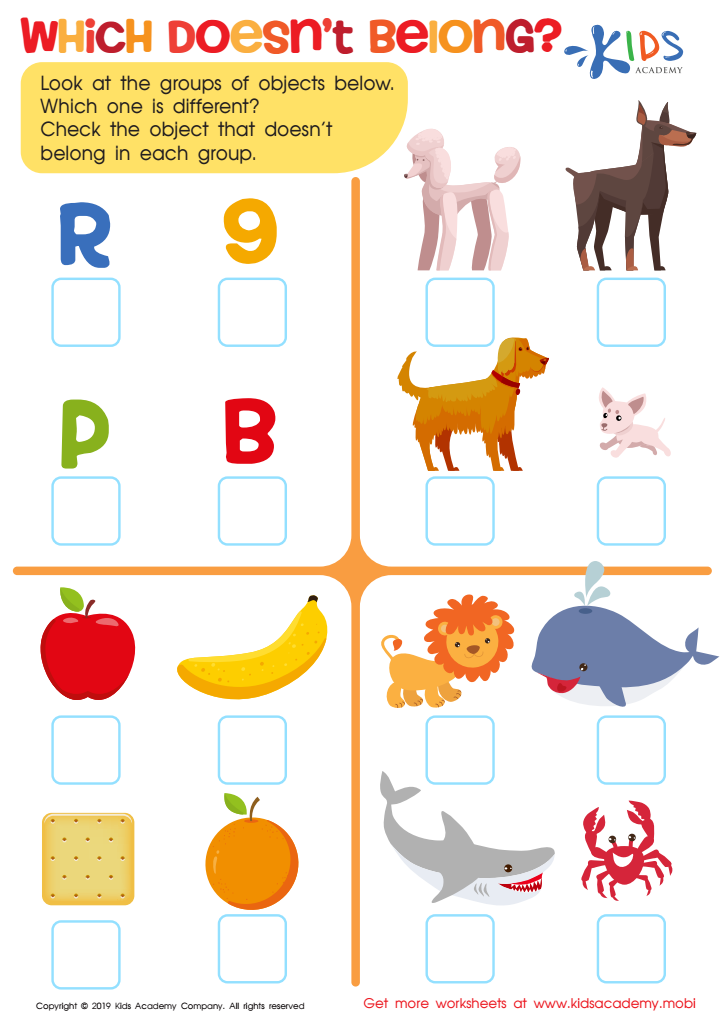
Which Doesn't Belong? Worksheet
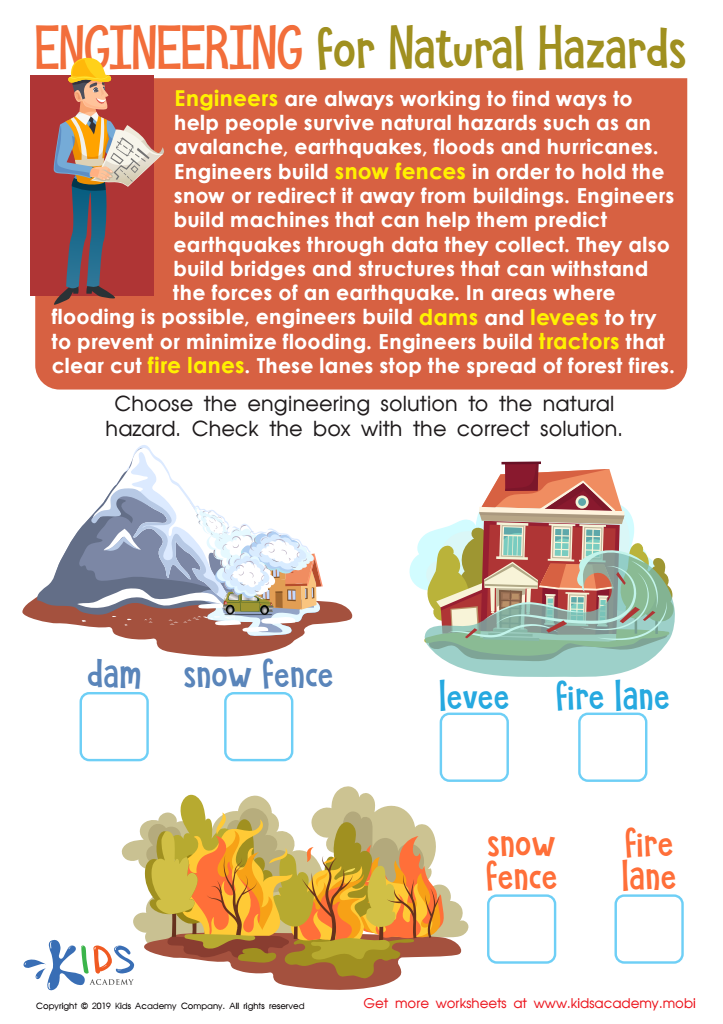
Engineering Natural Hazards Worksheet
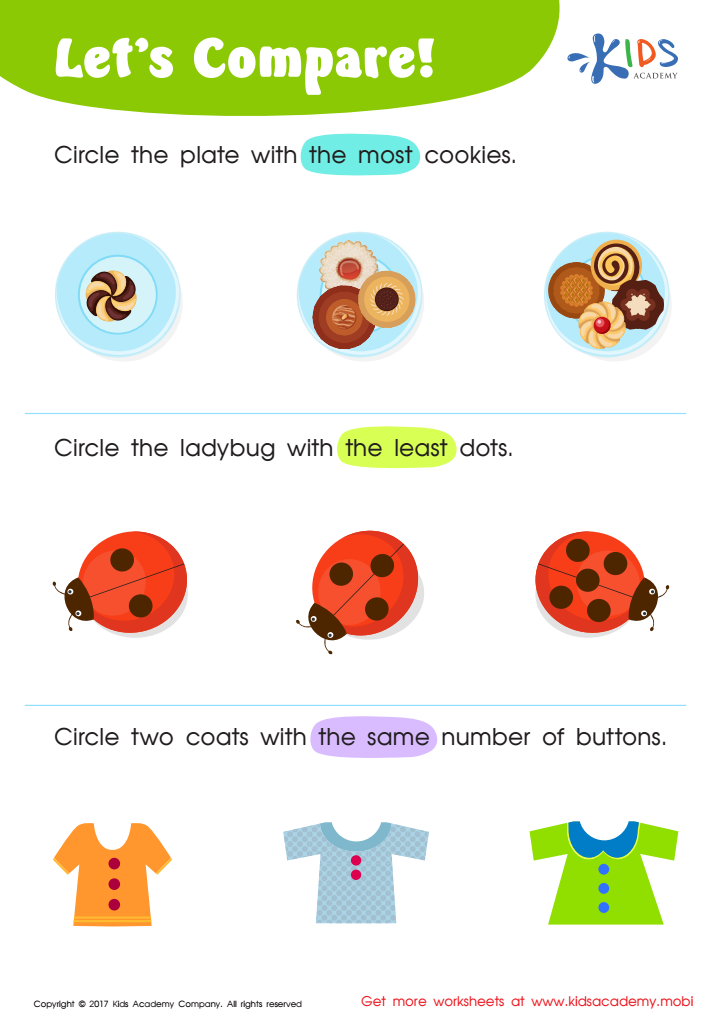
Matching: Classifying Toys by Size Worksheet
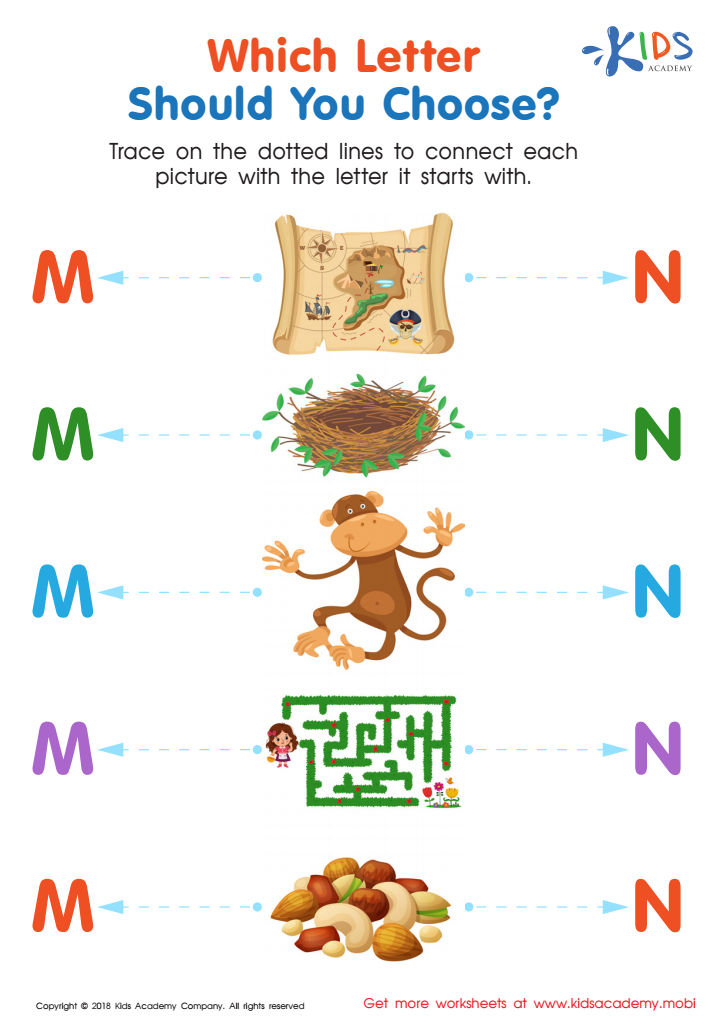
Which Letter Should you Choose? Worksheet
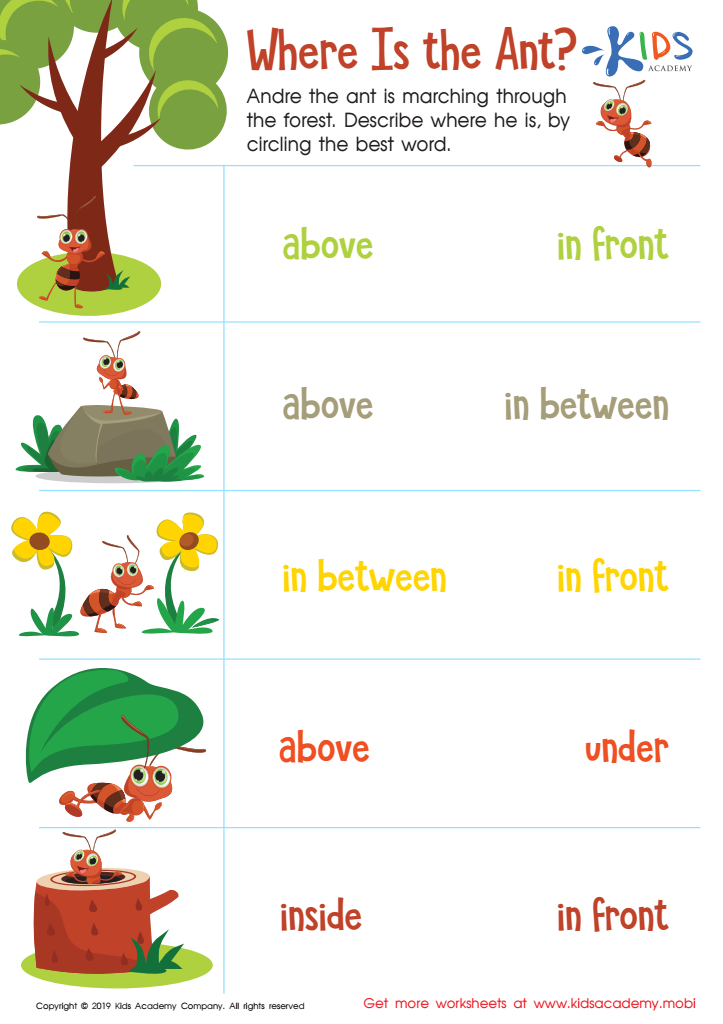
Where Is the Ant? Worksheet
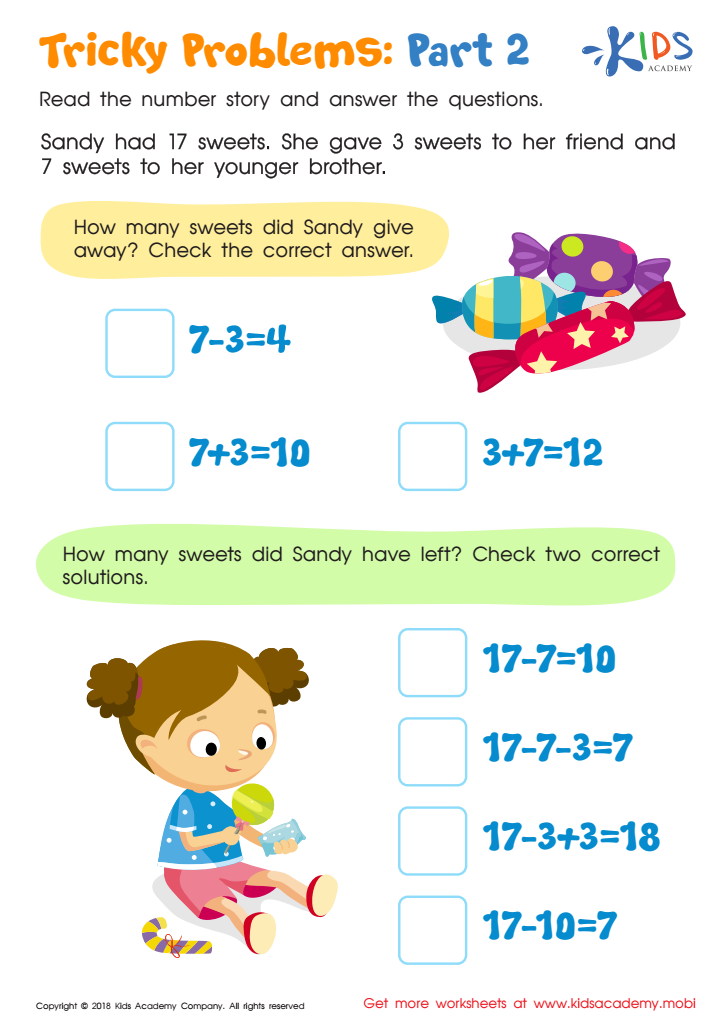
Tricky Problems Worksheet: Part 2
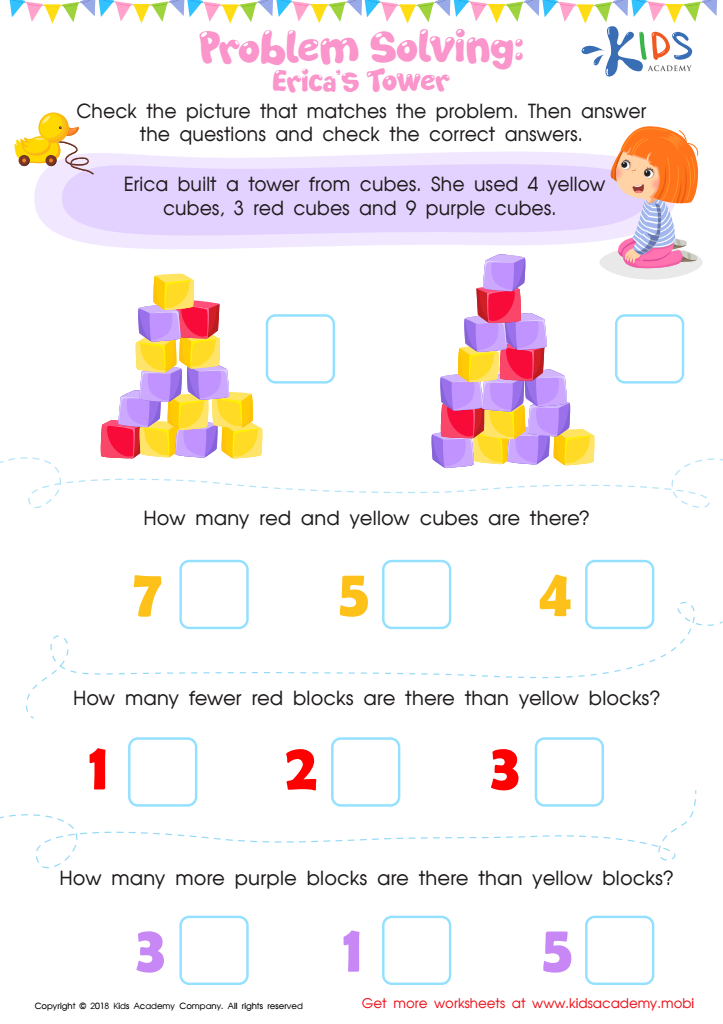
Problem Solving: Erica's Tower Worksheet
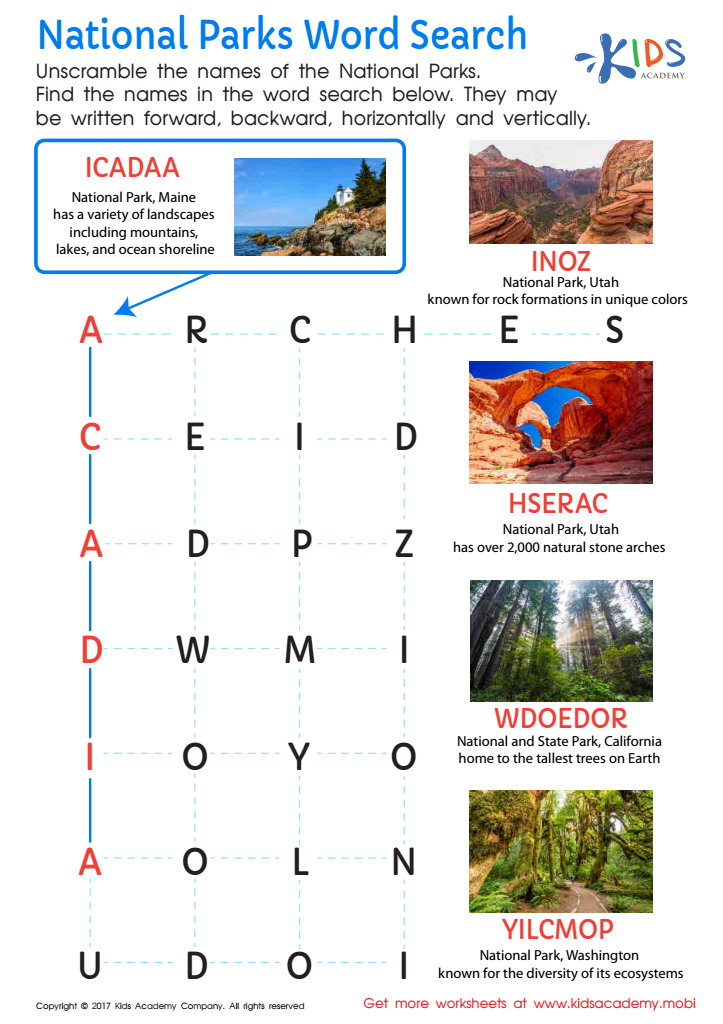
National Parks Word Search Worksheet
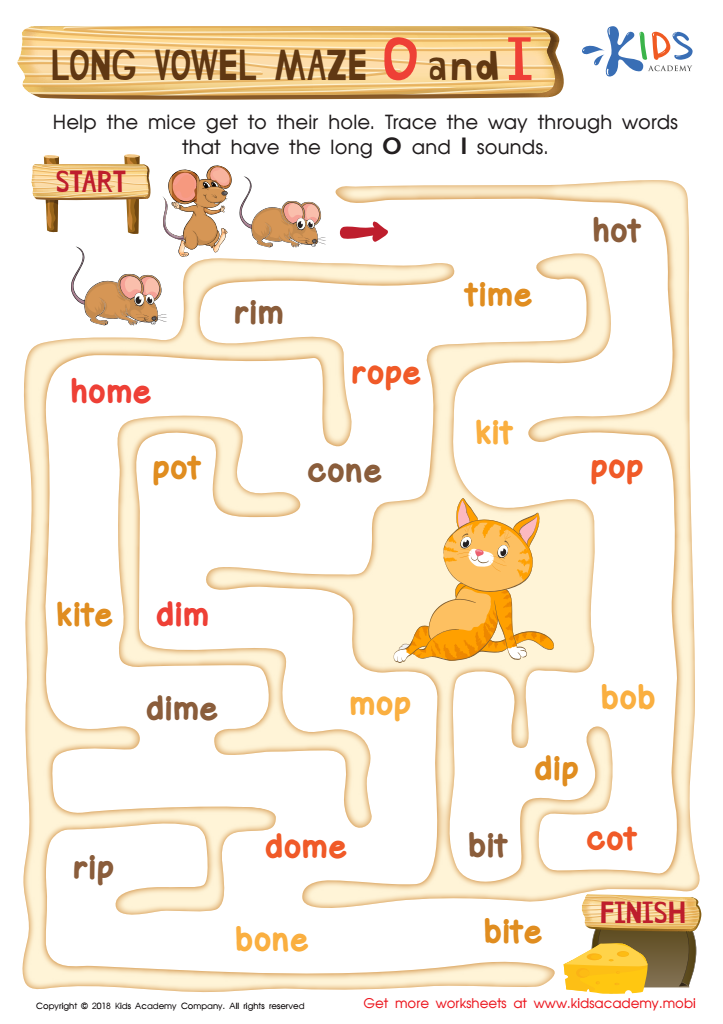
Long Vowel Maze /o/ and /i/ Worksheet
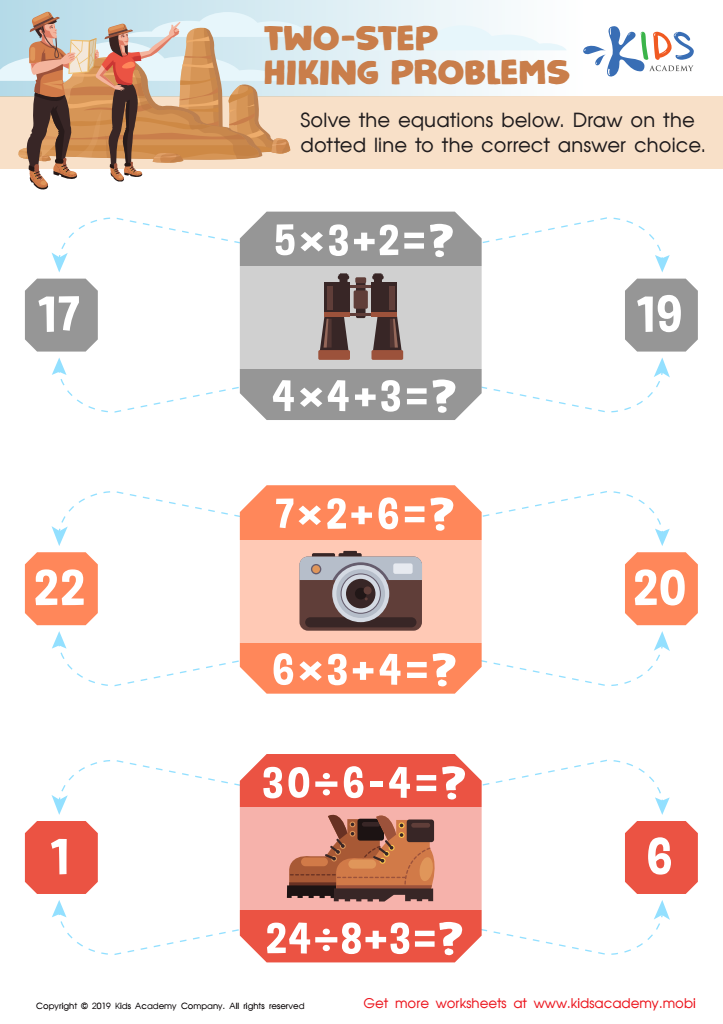
Two-Step Hiking Problems Worksheet
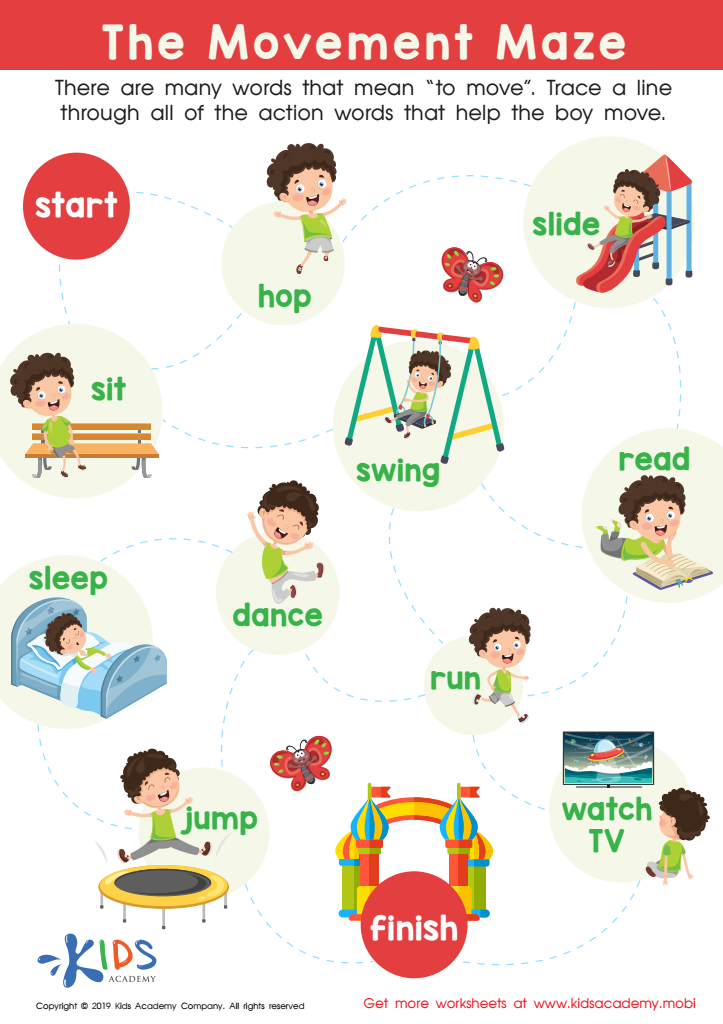
The Movement Maze Worksheet
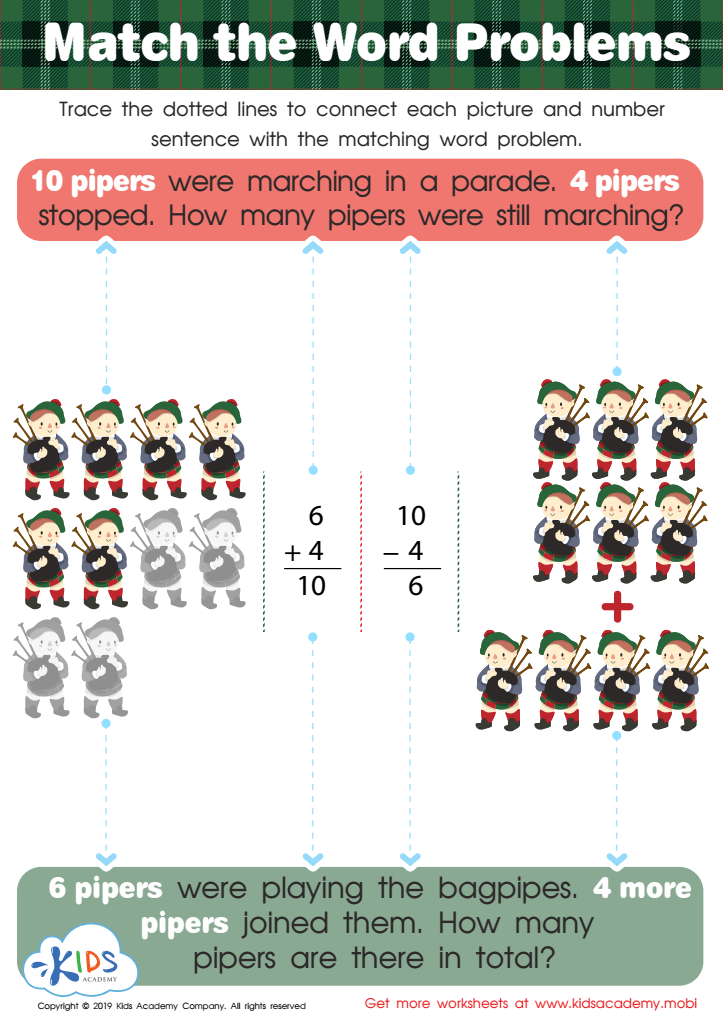
Match the Word Problems Worksheet
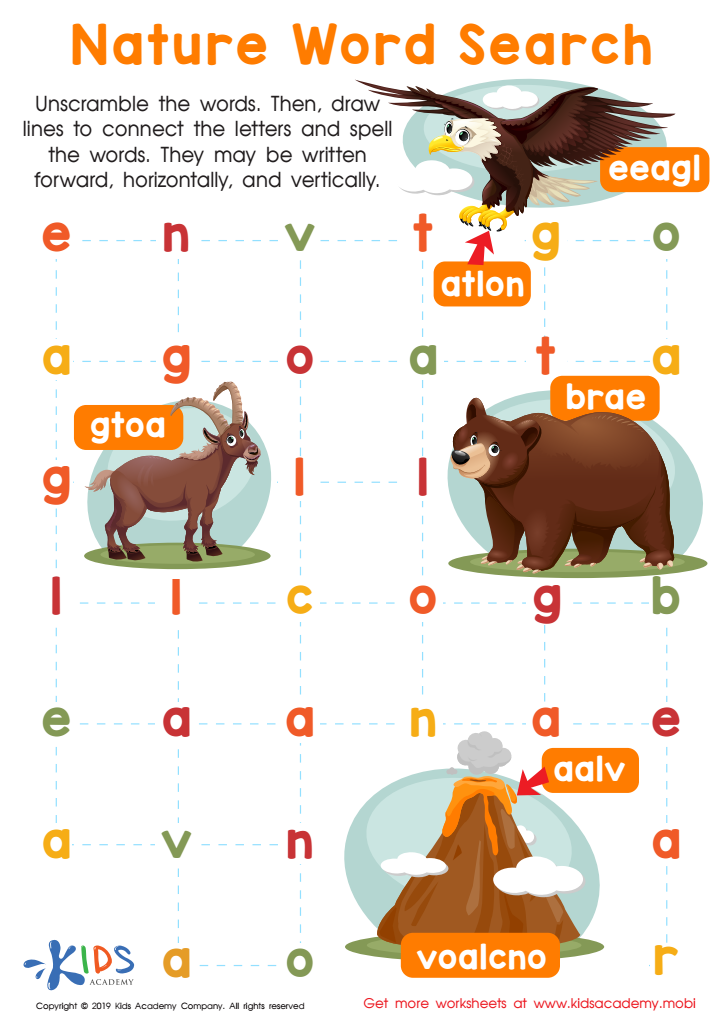
Nature Word Search Worksheet
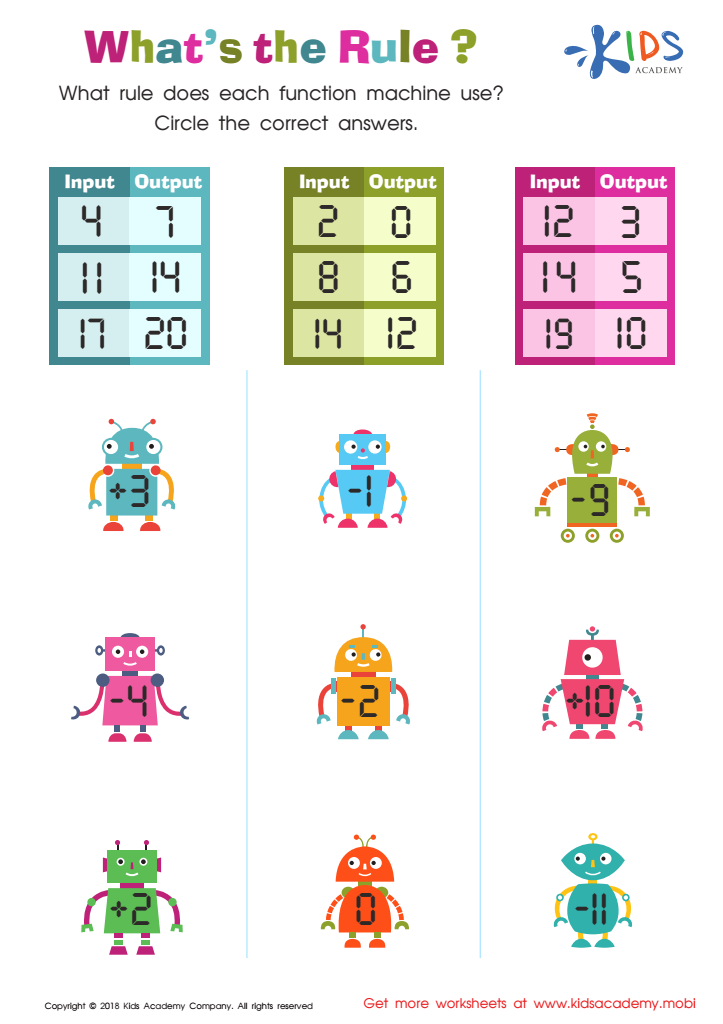
What's the Rule Worksheet
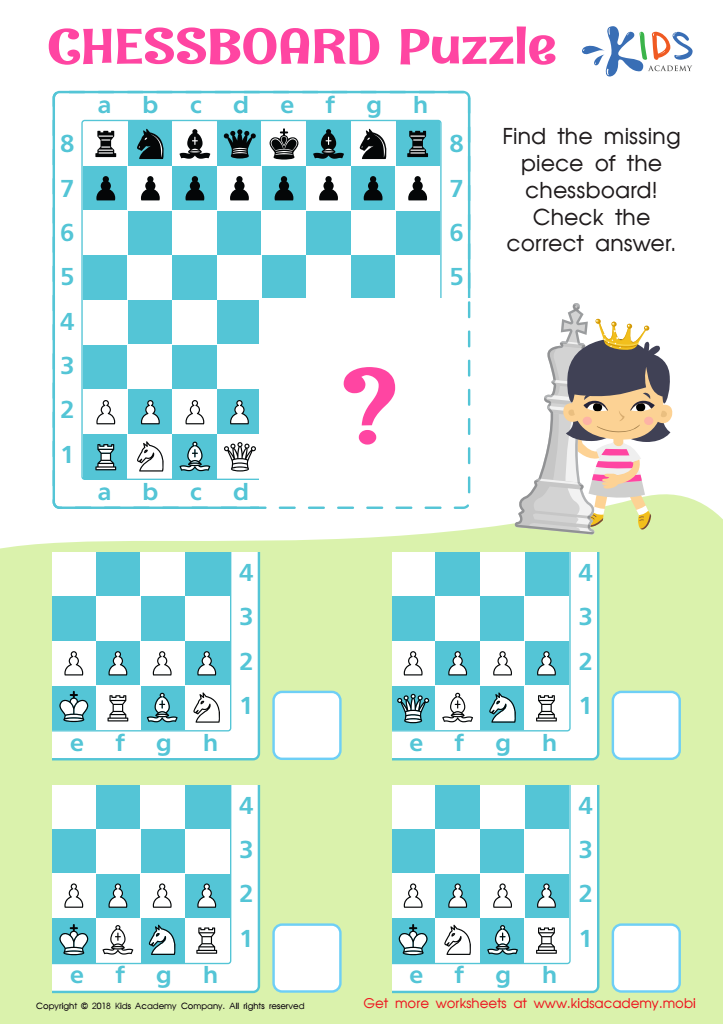
Chessboard Puzzle Worksheet

Multiplying in the Desert Worksheet




.jpg)



Problem-solving skills are essential for children aged 5-9 as they lay the foundation for academic success, social interactions, and personal development. At this young age, children are naturally curious and encounter numerous challenges daily, from figuring out how to share toys with peers to understanding basic math concepts. Developing effective problem-solving skills equips them with the ability to think critically, make decisions independently, and persist through obstacles.
For parents and teachers, fostering these skills can significantly enhance a child's self-confidence and autonomy. By encouraging children to explore different solutions and validating their efforts, adults help them understand that mistakes are learning opportunities rather than setbacks. This mindset not only promotes resilience but also instills a lifelong love for learning.
Additionally, good problem-solving skills facilitate better emotional regulation. When children can assess situations and identify solutions, they are less likely to feel overwhelmed or frustrated. This emotional stability translates to healthier relationships, as they can navigate social challenges more easily and empathically.
In summary, focusing on problem-solving skills during early childhood sets the stage for well-rounded development. It prepares children for the academic demands of school, nurtures emotional health, and enhances social interactions, making it a crucial aspect of both parenting and teaching.








