Normal 2D Shapes Worksheets for Ages 5-9 - Page 2
33 filtered results
-
From - To
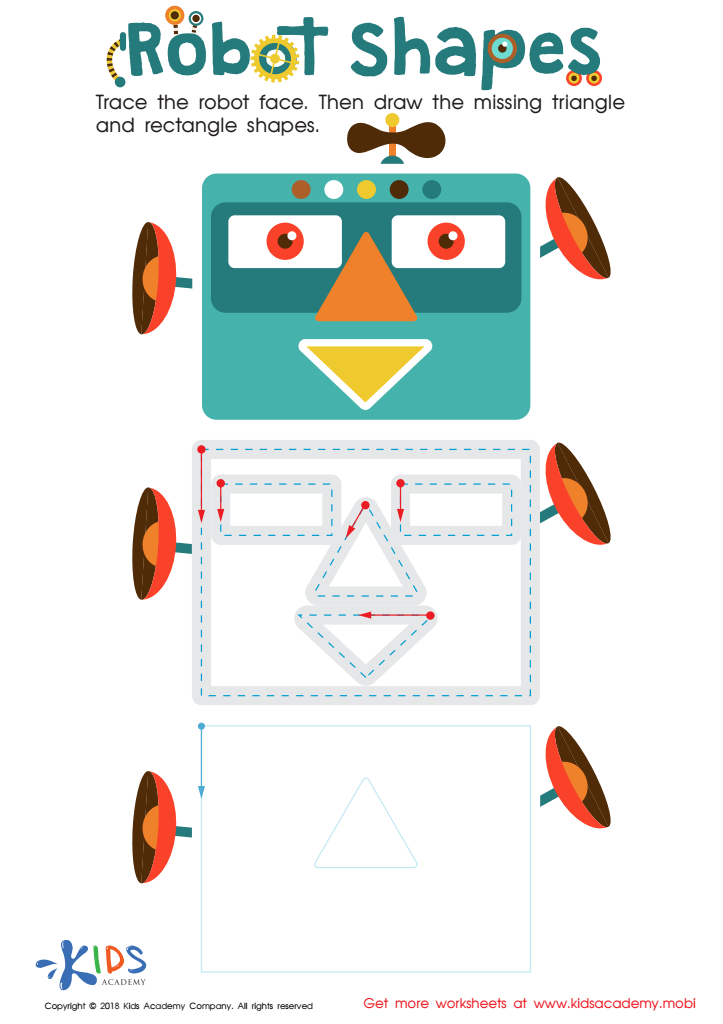
Robot Shapes Worksheet
 Assign to My Students

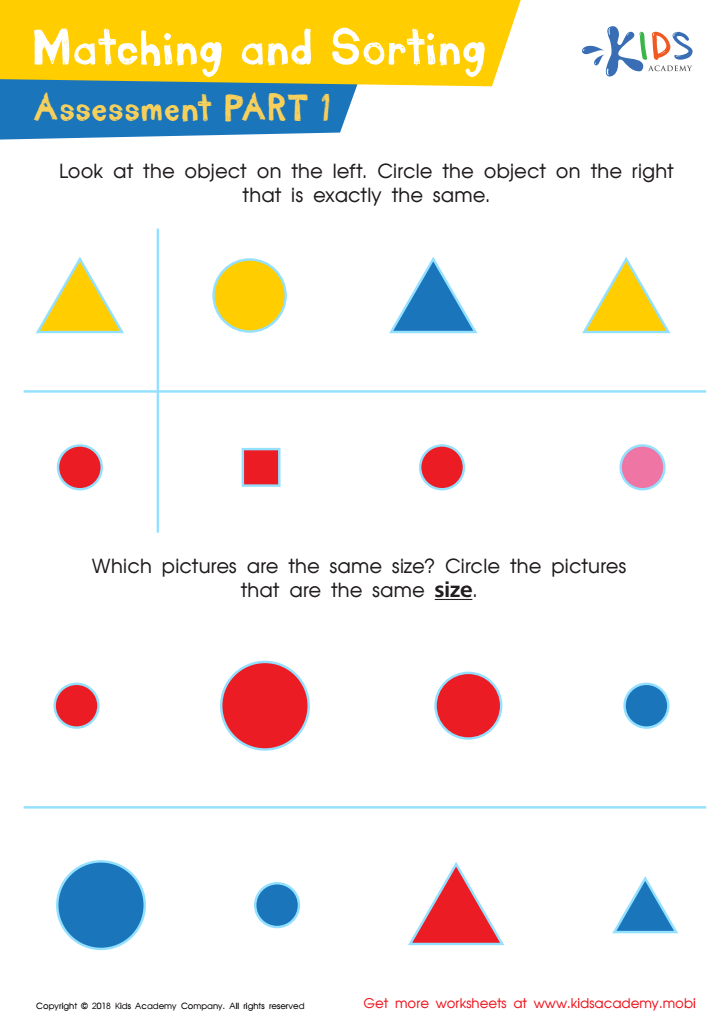
Matching and Sorting for Kindergarten: Assessment 1 Worksheet
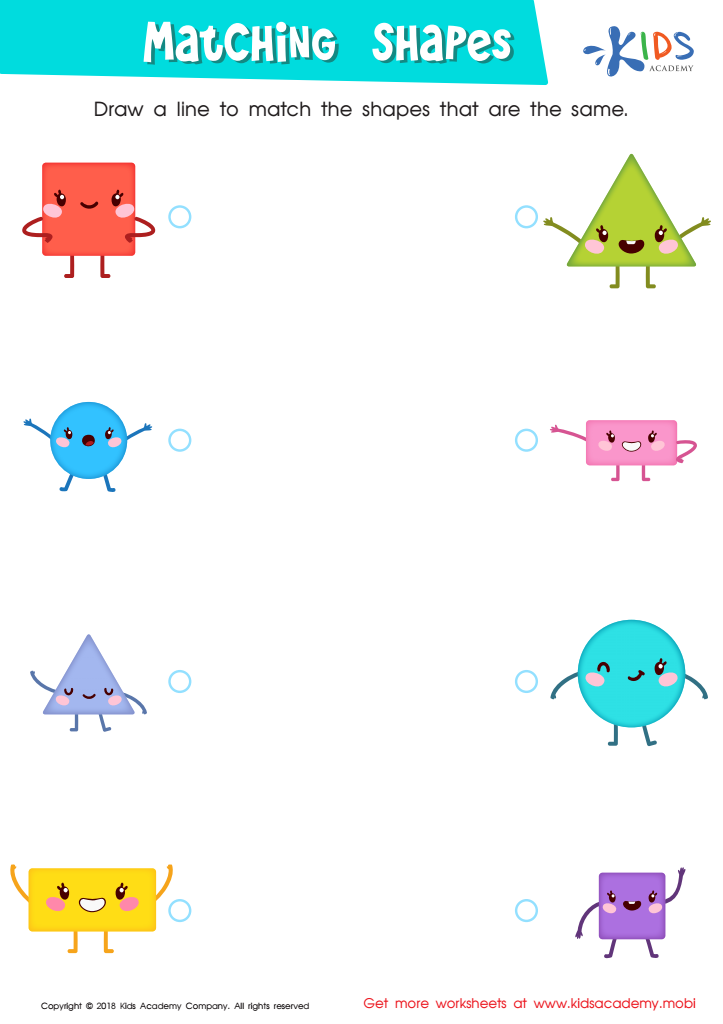
Matching Shapes Worksheet
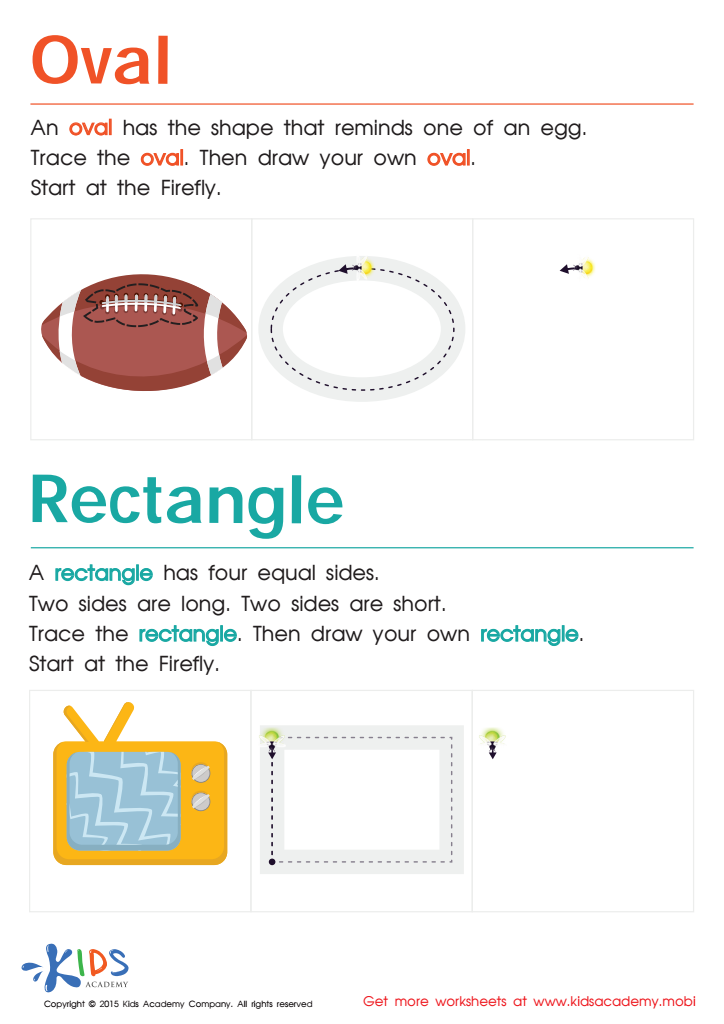
Easy Drawing of Ovals And Rectangles Worksheet
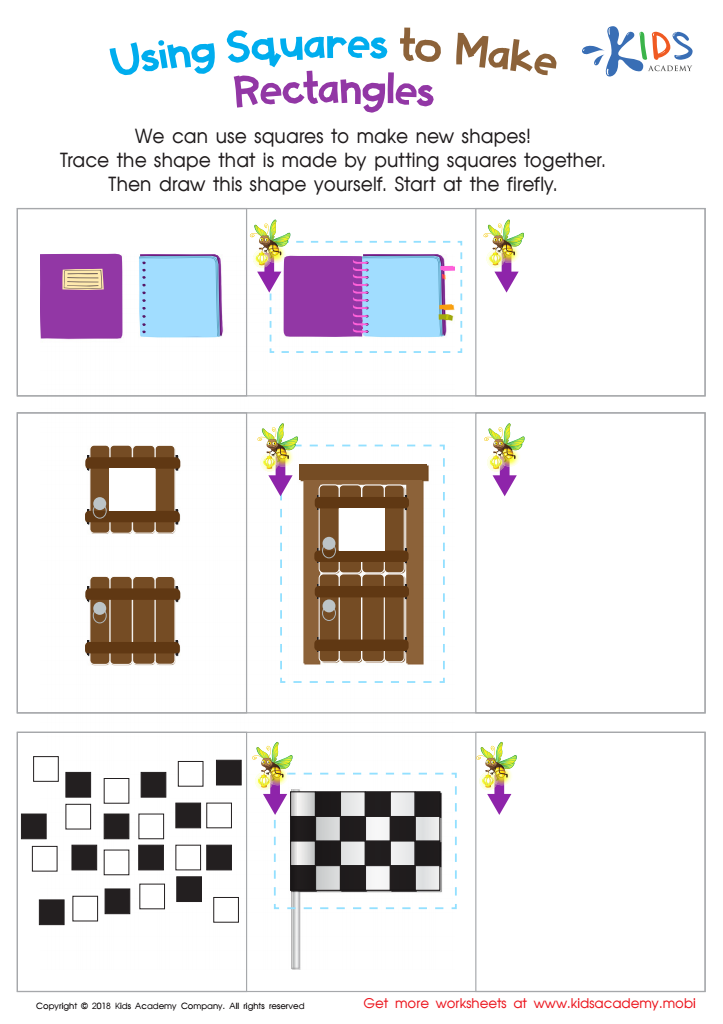
Using Squares to Make Rectangles Worksheet
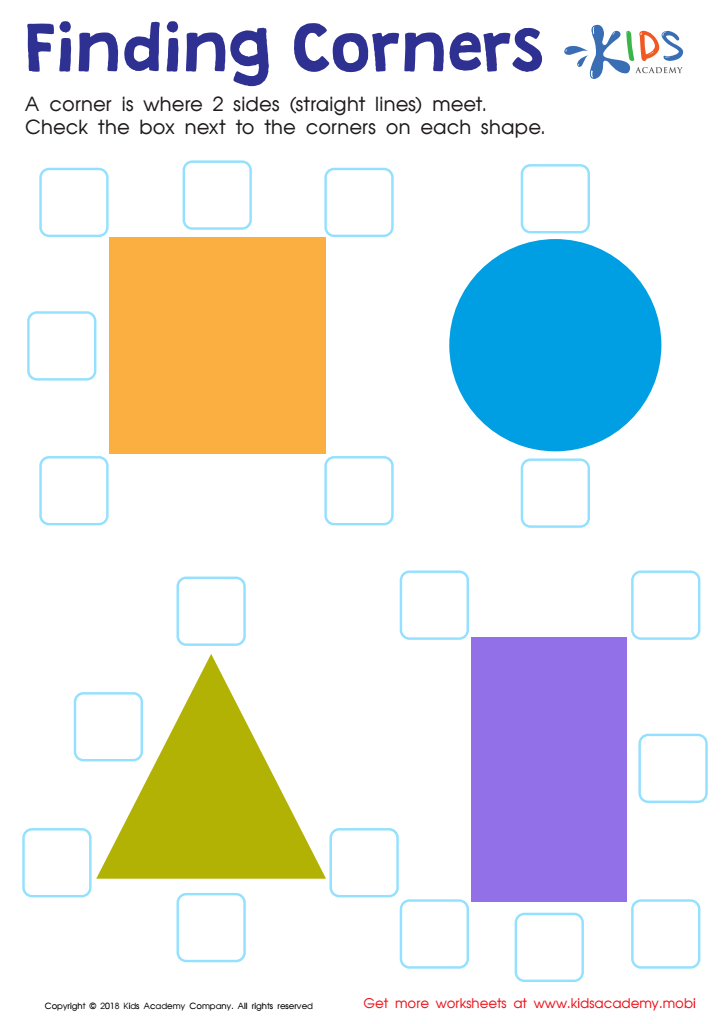
Finding Corners Worksheet
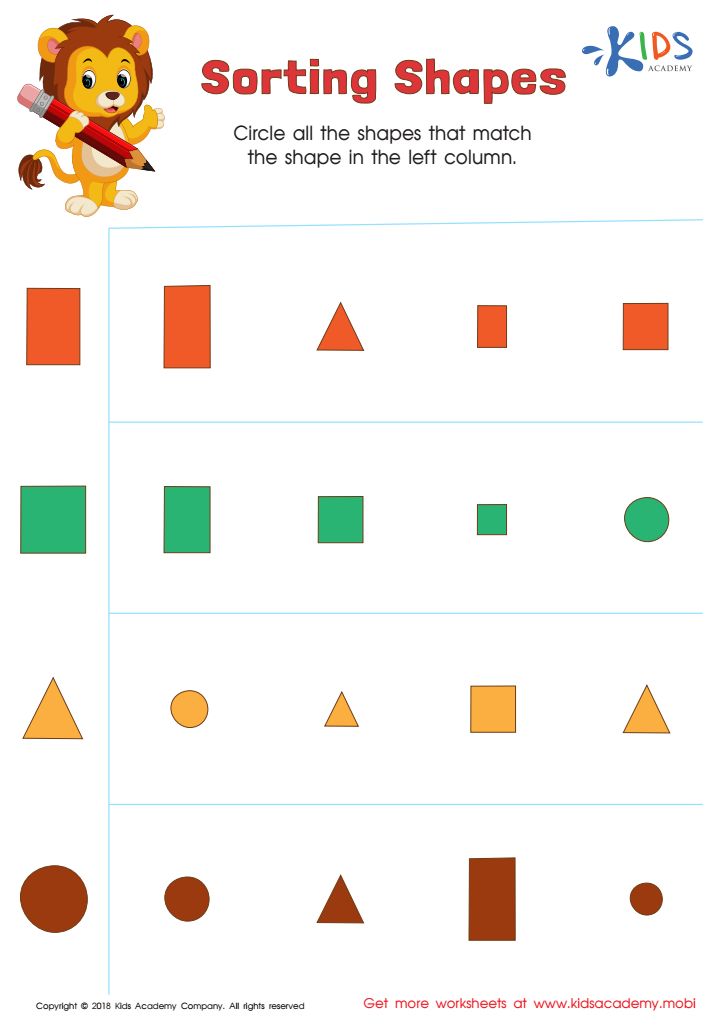
Sorting Shapes - Part 2 Worksheet
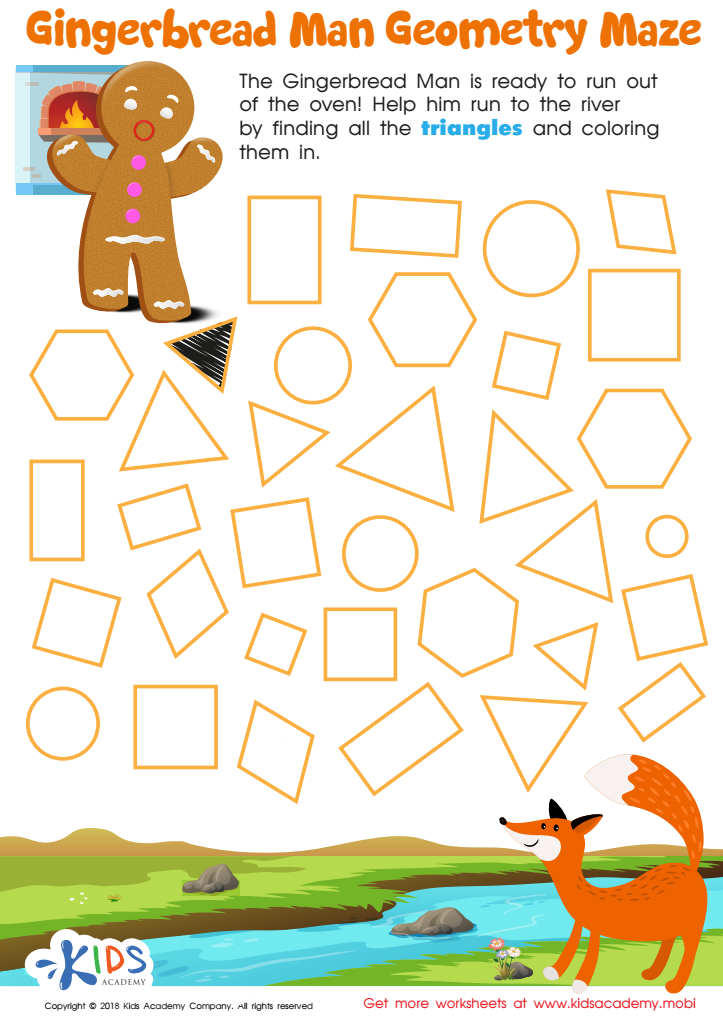
Gingerbread Man Geometry Maze Worksheet
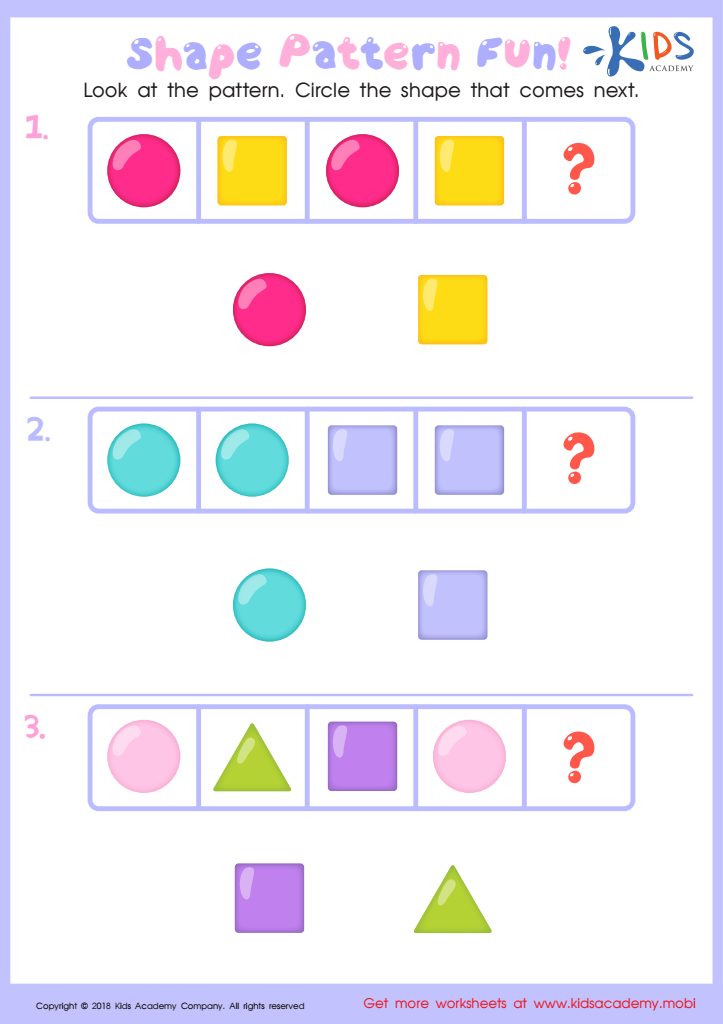
Shape Pattern Fun Worksheet








Understanding 2D shapes is crucial for children aged 5-9 as it forms the foundation for more complex math and geometry concepts. Recognizing shapes helps improve spatial awareness, which is essential in everyday life. These fundamental skills enable children to better understand the world around them and prepare them for future academic challenges.
Learning about 2D shapes also promotes cognitive development by enhancing problem-solving and critical thinking skills. When children figure out how pieces fit together, they practice logical reasoning. This age group benefits from activities such as puzzles, drawing, and shape sorting, which develop hand-eye coordination and fine motor skills.
Moreover, knowing 2D shapes helps in learning to read and write. Letters and numbers are essentially combinations of various straight and curved lines, circles, and triangles. Recognizing shapes can make it easier to distinguish different characters and improve handwriting.
Socially, discussing and playing with shapes encourages verbal communication and collaboration among peers, boosting language and interpersonal skills. Shapes are everywhere in our daily environment, from traffic signs to building structures, making a child's recognition of shapes practical and immediately relevant.
For parents and teachers, incorporating shapes into learning activities makes education more engaging and meaningful, fostering a lifelong interest in mathematics and logical reasoning among young learners.