Fine Motor Skills Normal Math Worksheets for Ages 5-9 - Page 2
43 filtered results
-
From - To
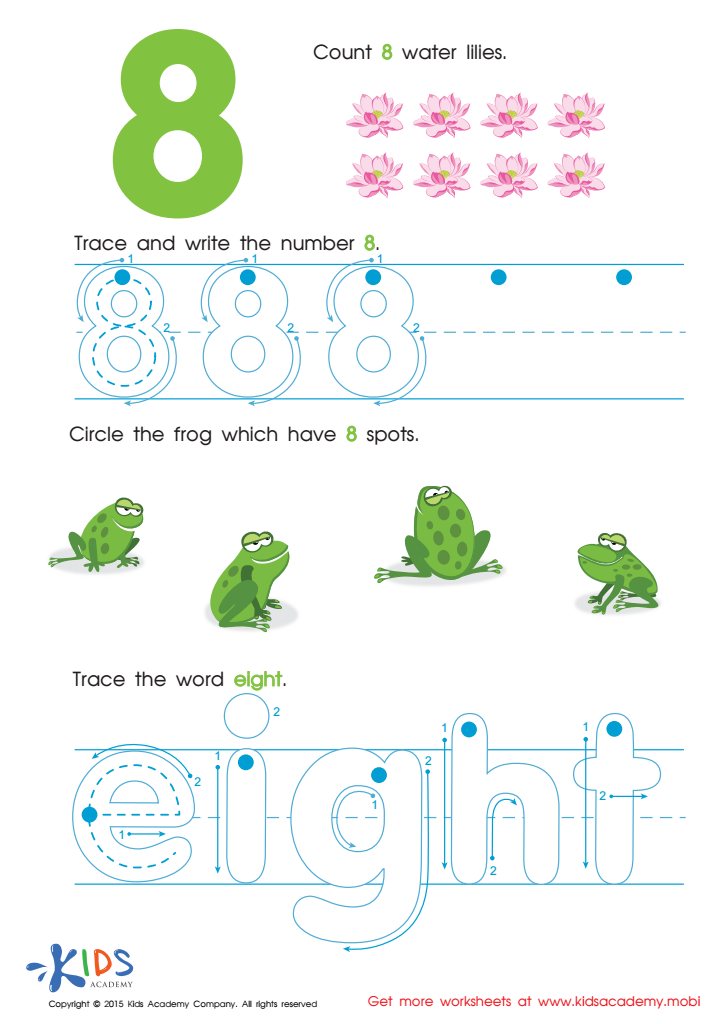
Learn Number 8 Easily Worksheet
 Assign to My Students
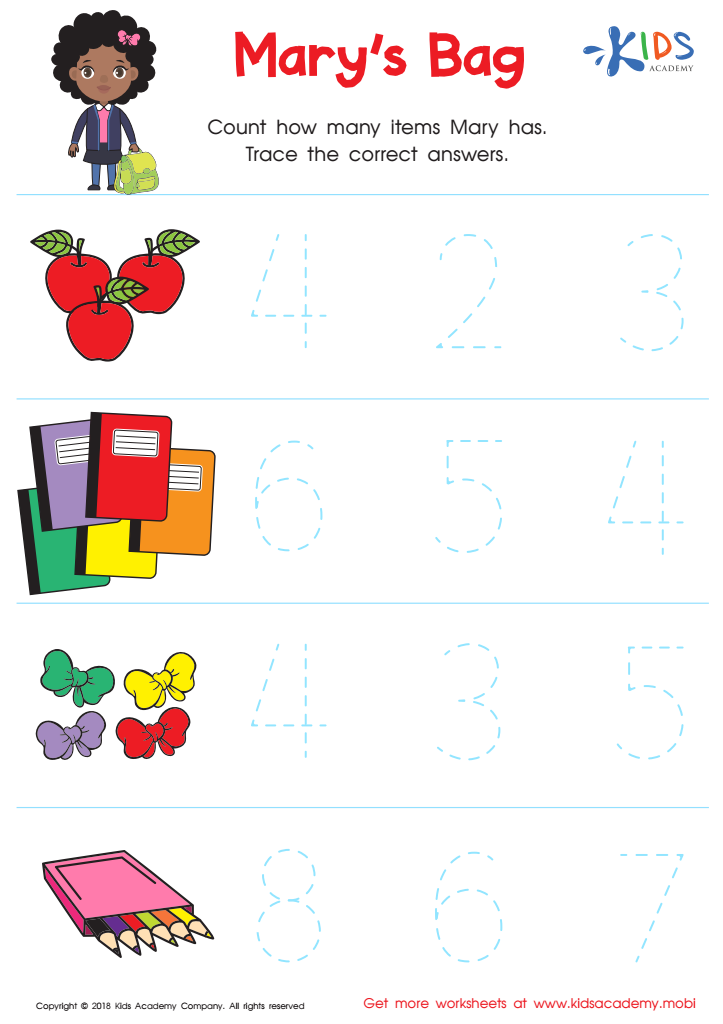
Kindergarten Number Tracing: Mary's Bag Worksheet
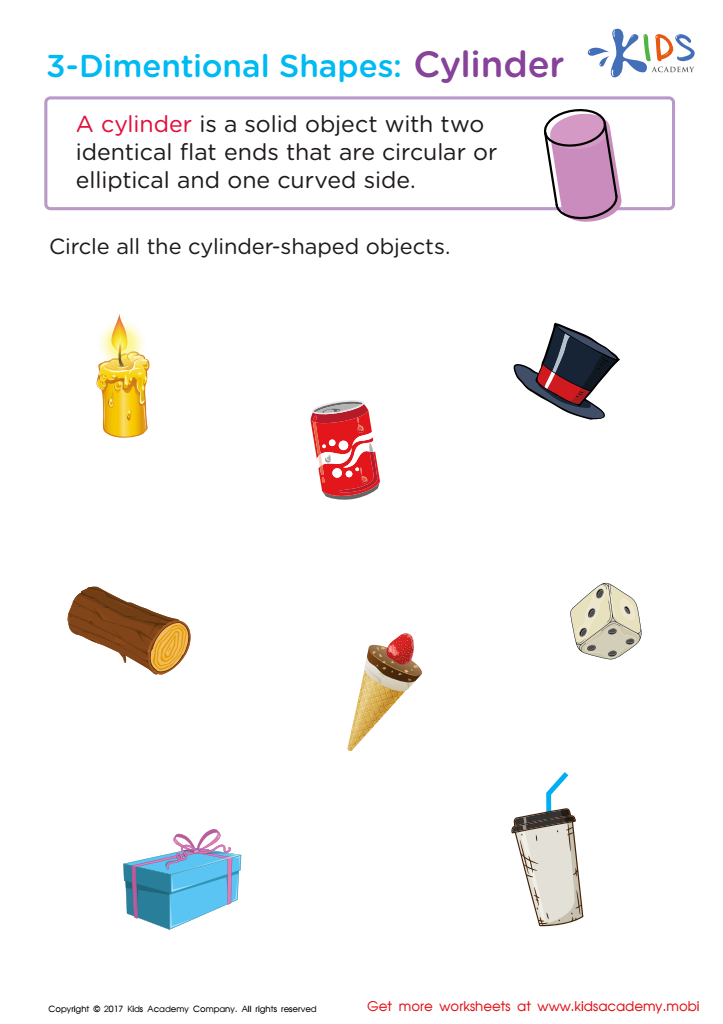
Three–Dimensional Shapes: Cylinder Worksheet
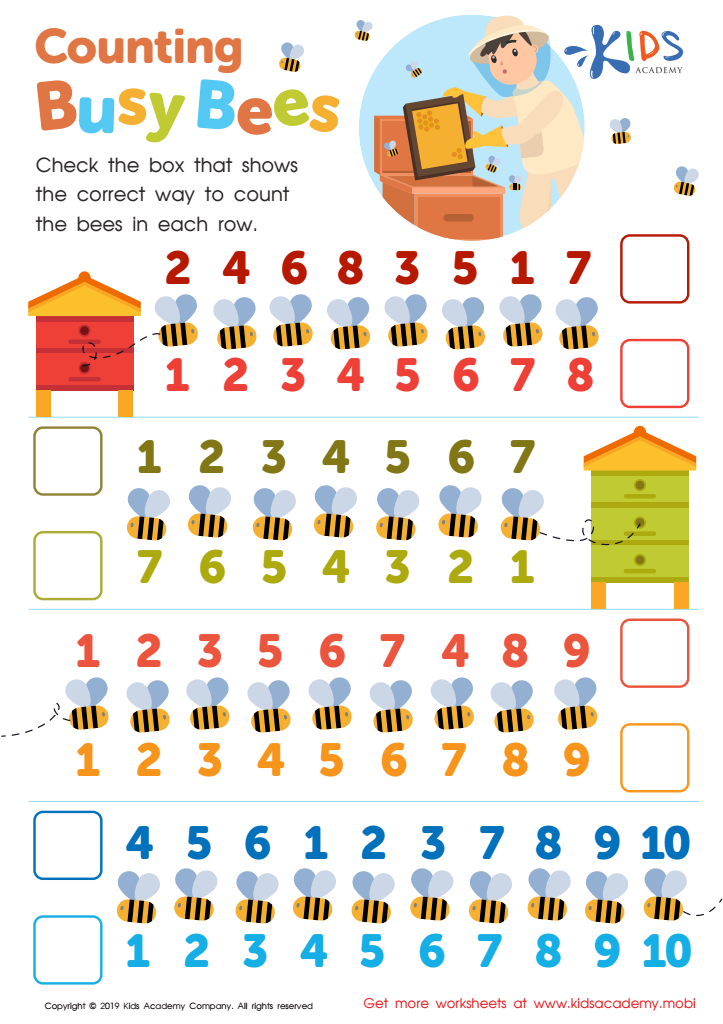
Counting Busy Bees Worksheet
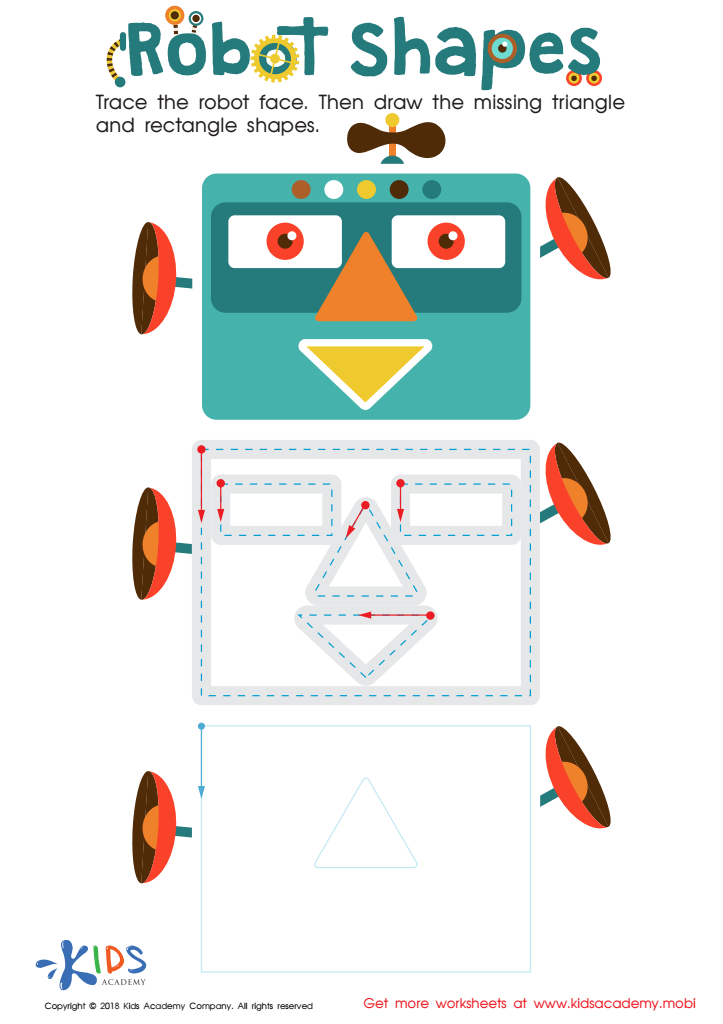
Robot Shapes Worksheet
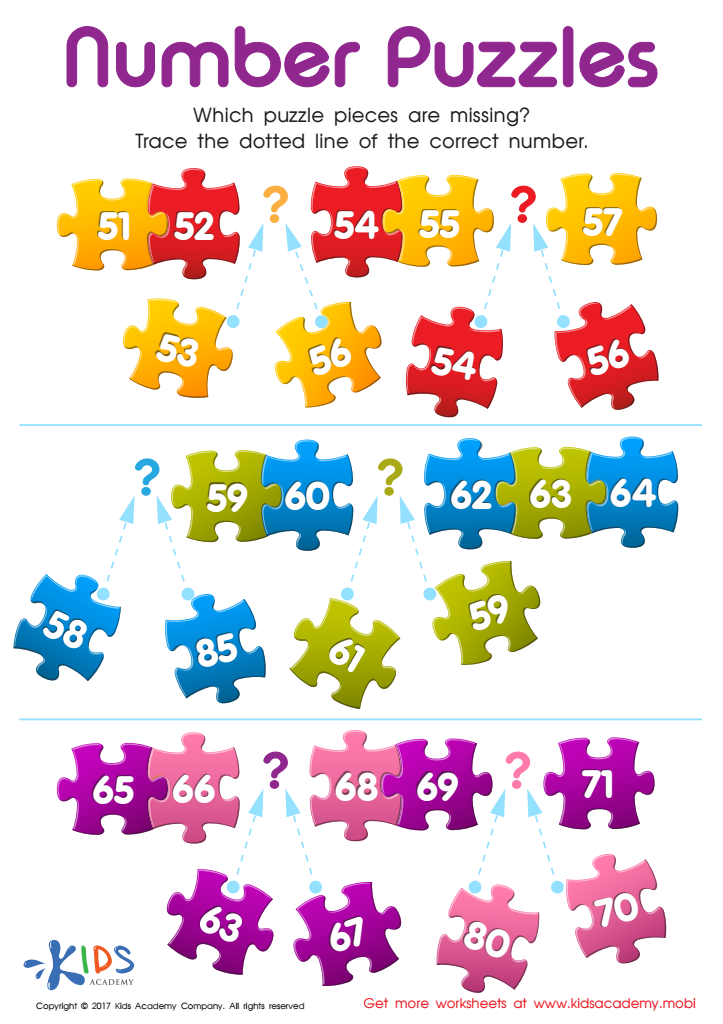
Number Puzzles Worksheet
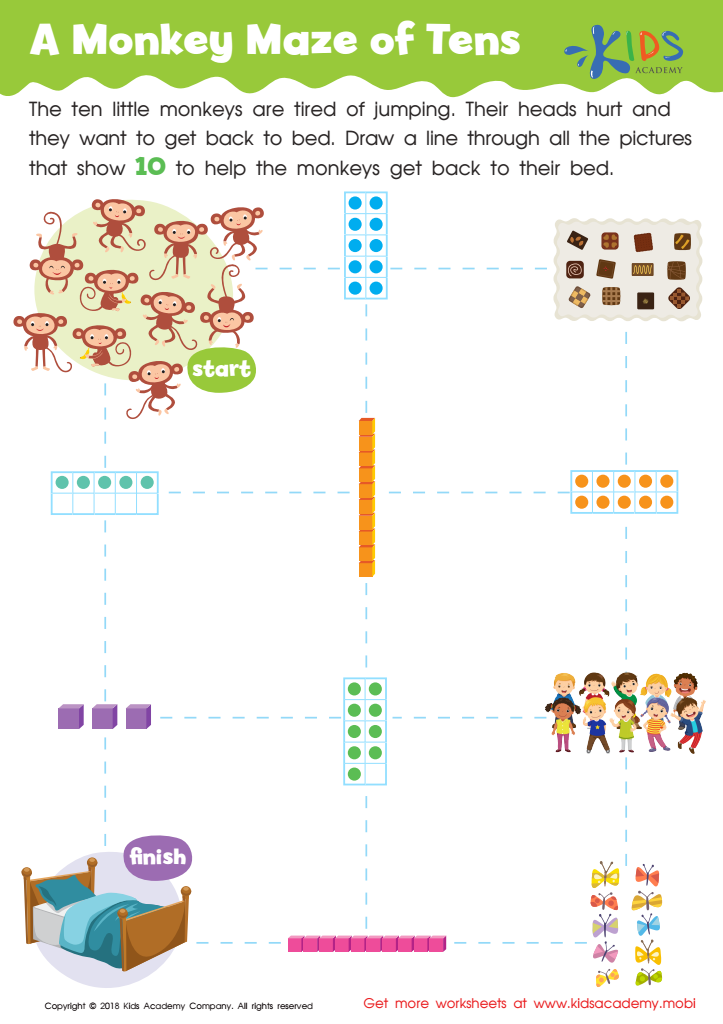
A Monkey Maze of Tens Worksheet
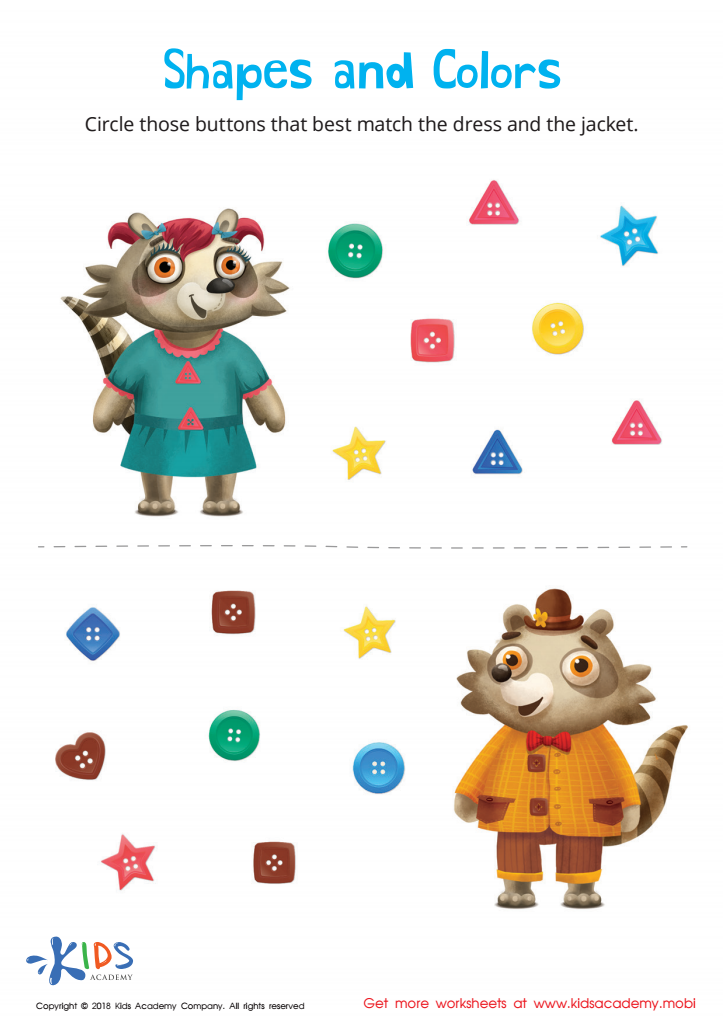
Shapes and Colors Worksheet
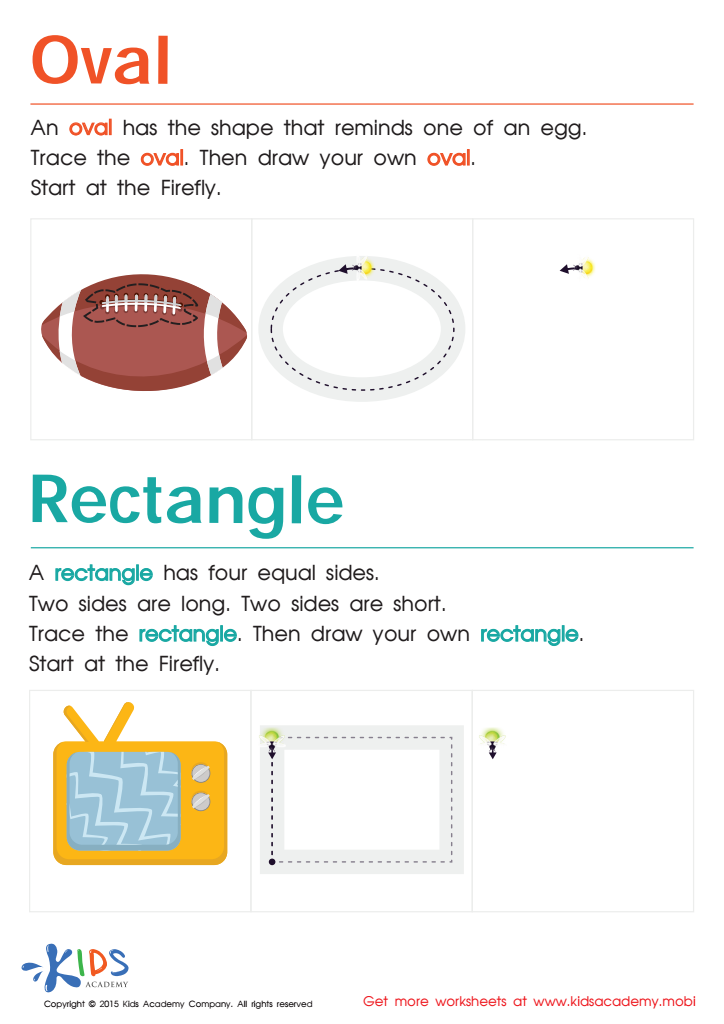
Easy Drawing of Ovals And Rectangles Worksheet
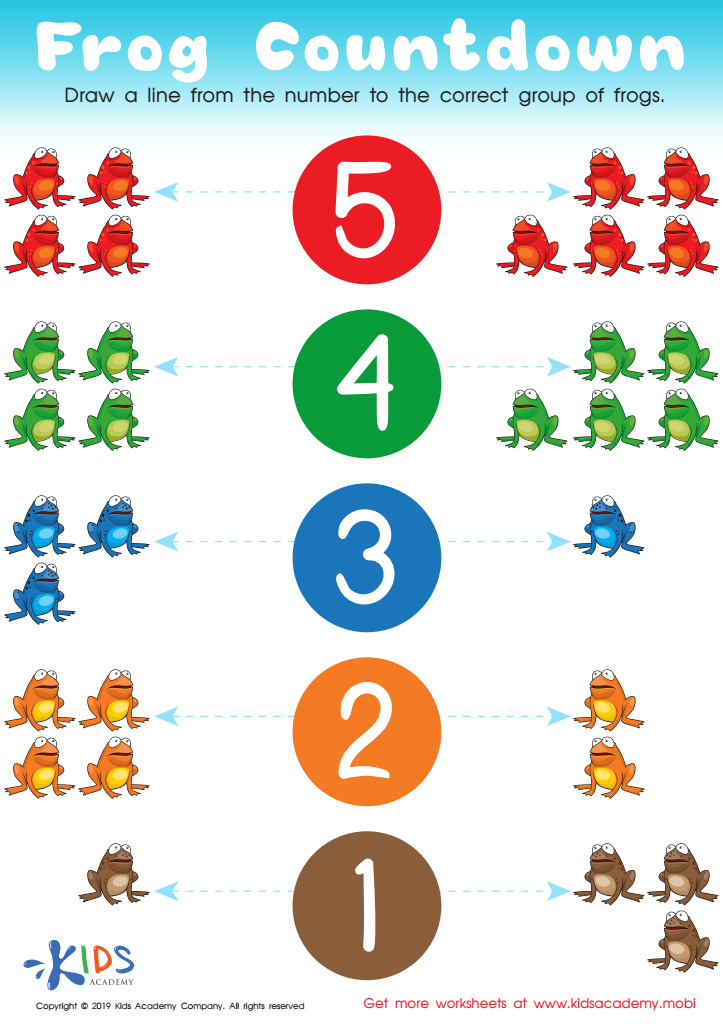
Frog Countdown Worksheet
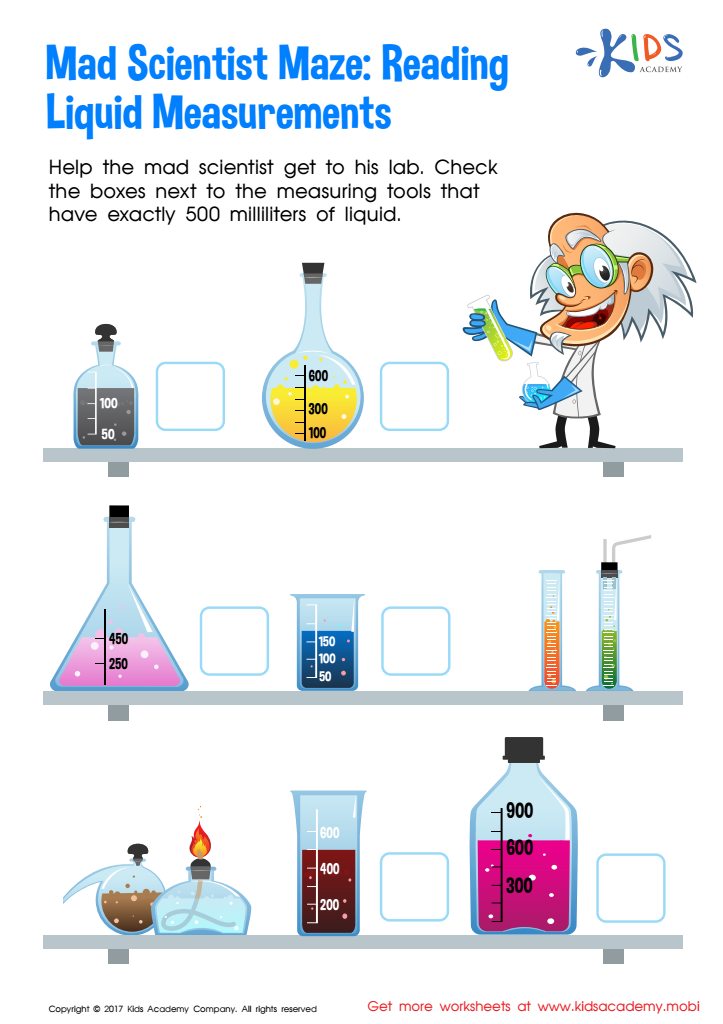
Reading Liquid Measurement Worksheet
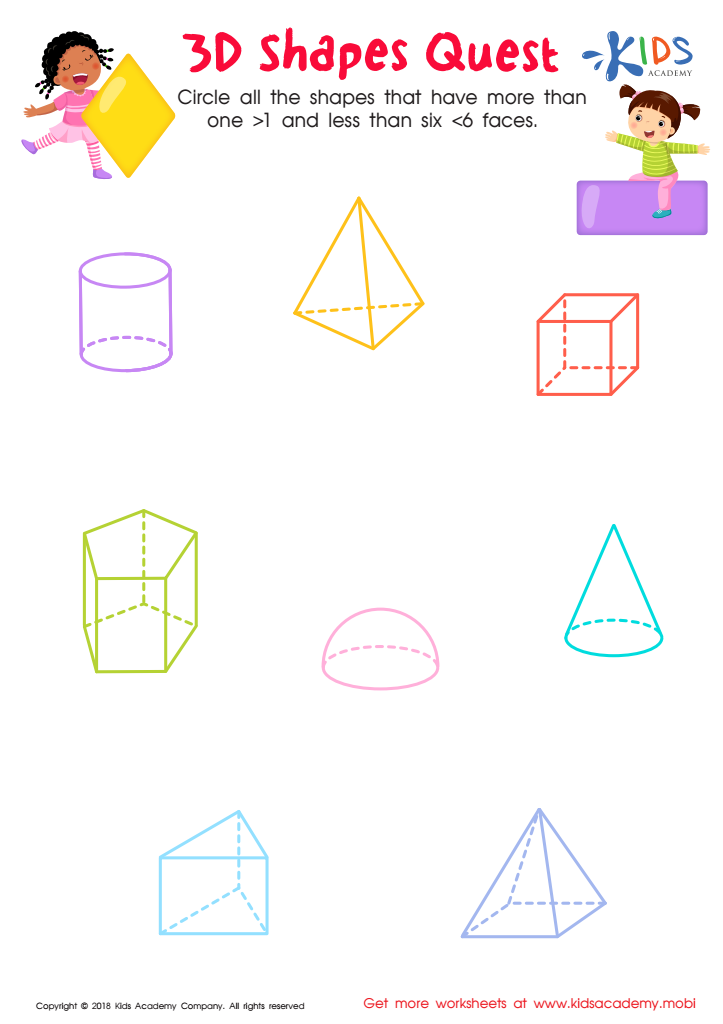
3D Shapes Quest Worksheet
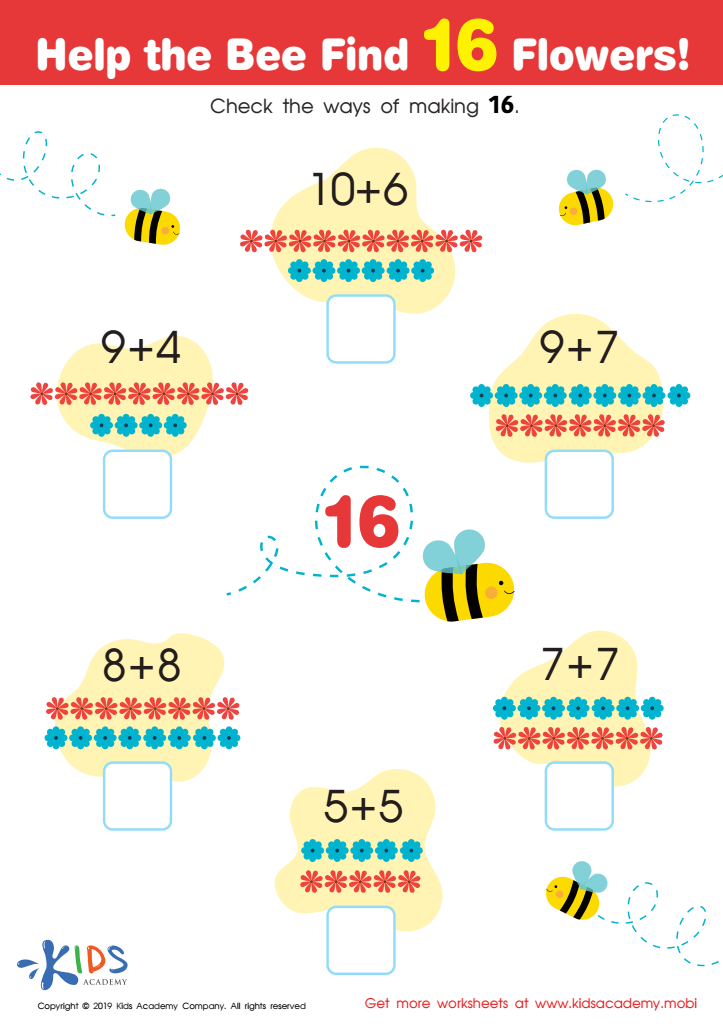
Help the Bee Find 16 Flowers Worksheet
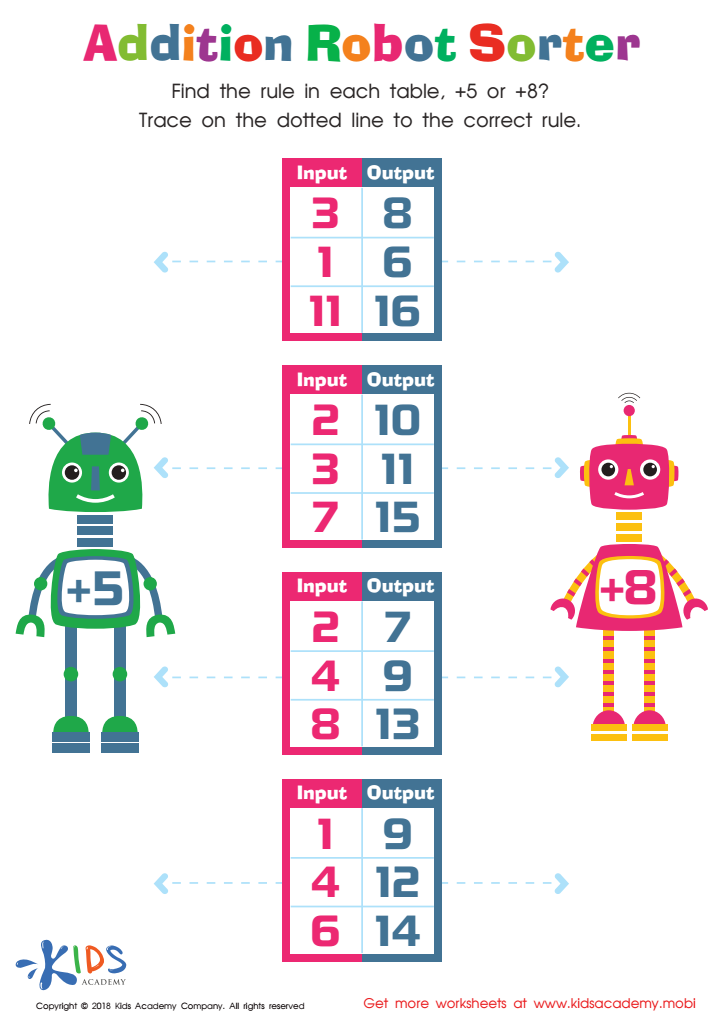
Addition Robot Sorter Worksheet
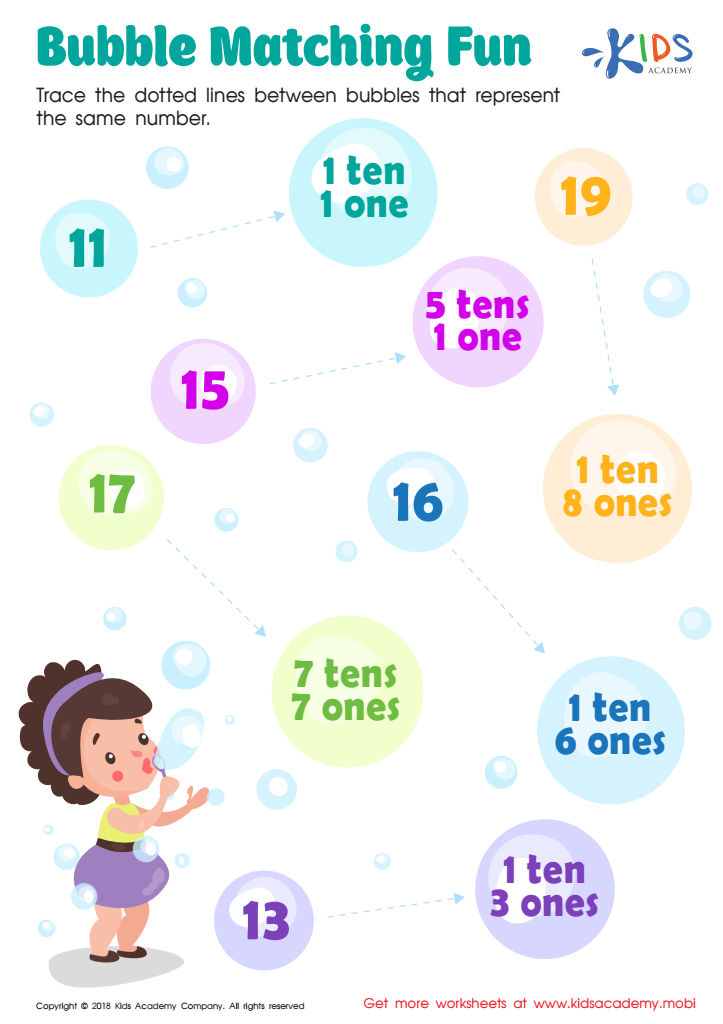
Bubble Matching Fun Worksheet
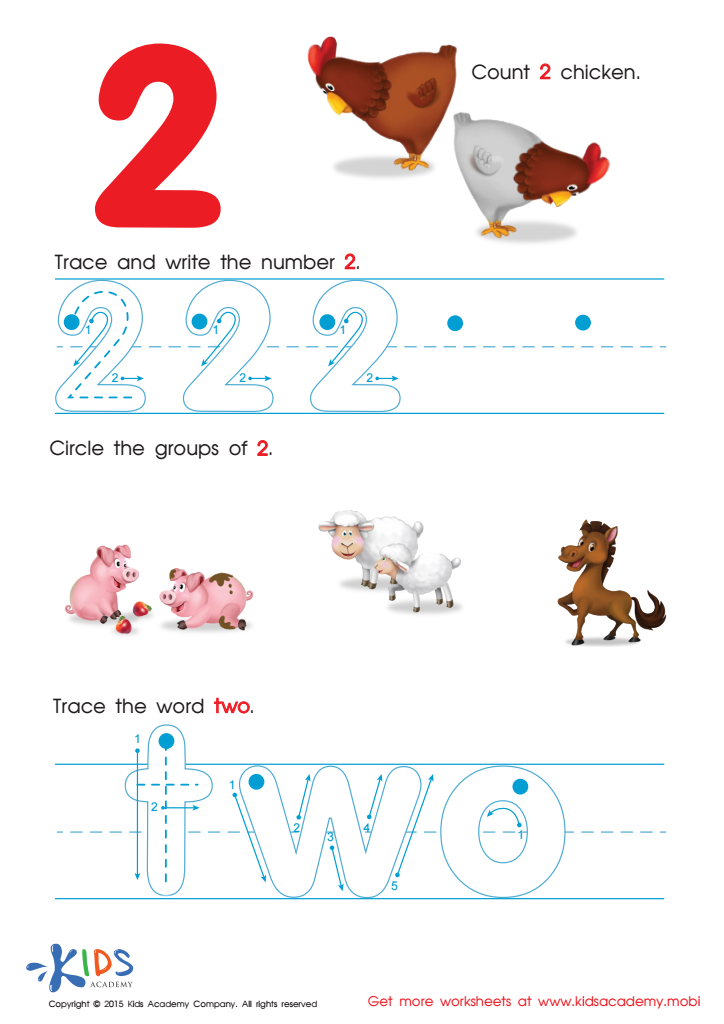
Learn to Write the Number 2 Worksheet
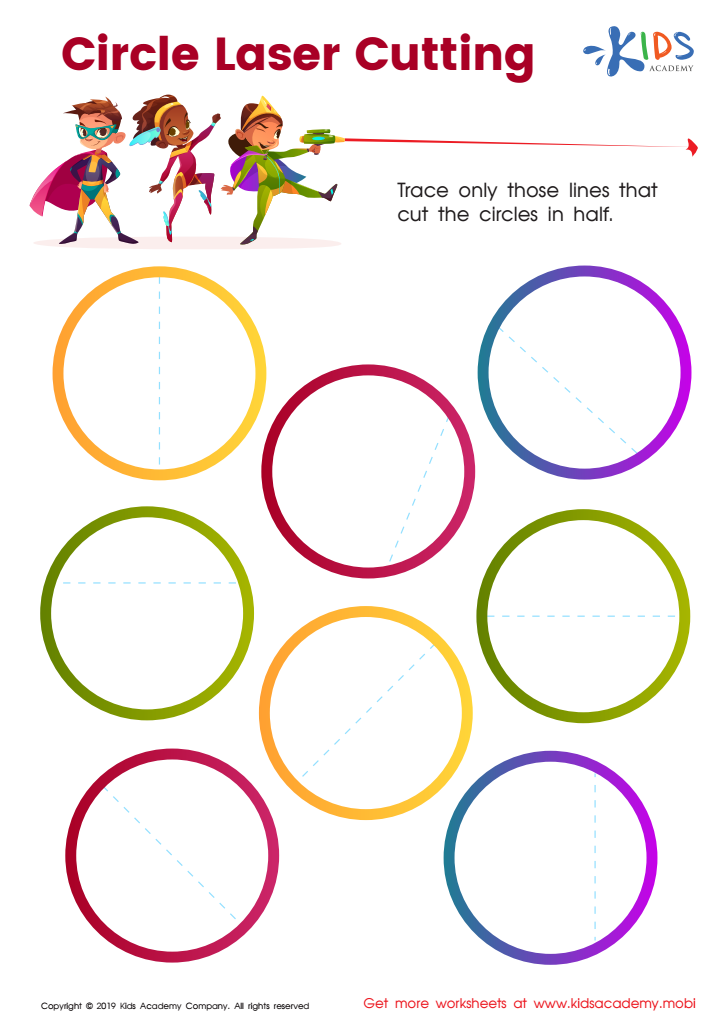
Circle Laser Cutting Worksheet
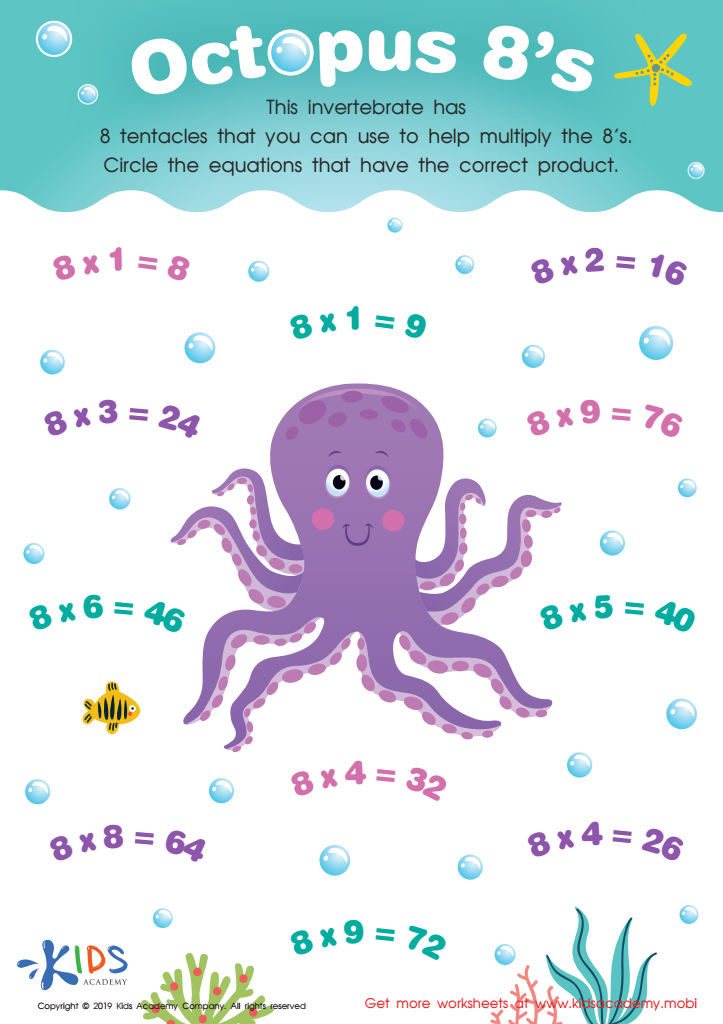
Octopus 8’s Worksheet
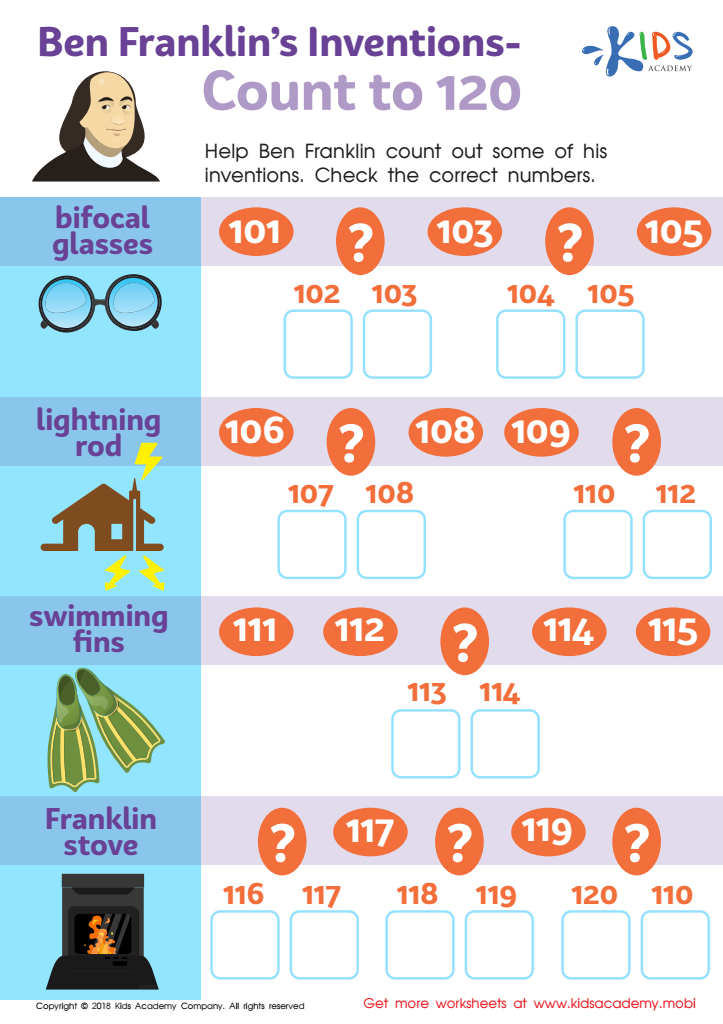
Ben Franklin’s Inventions – Count to 120 Worksheet


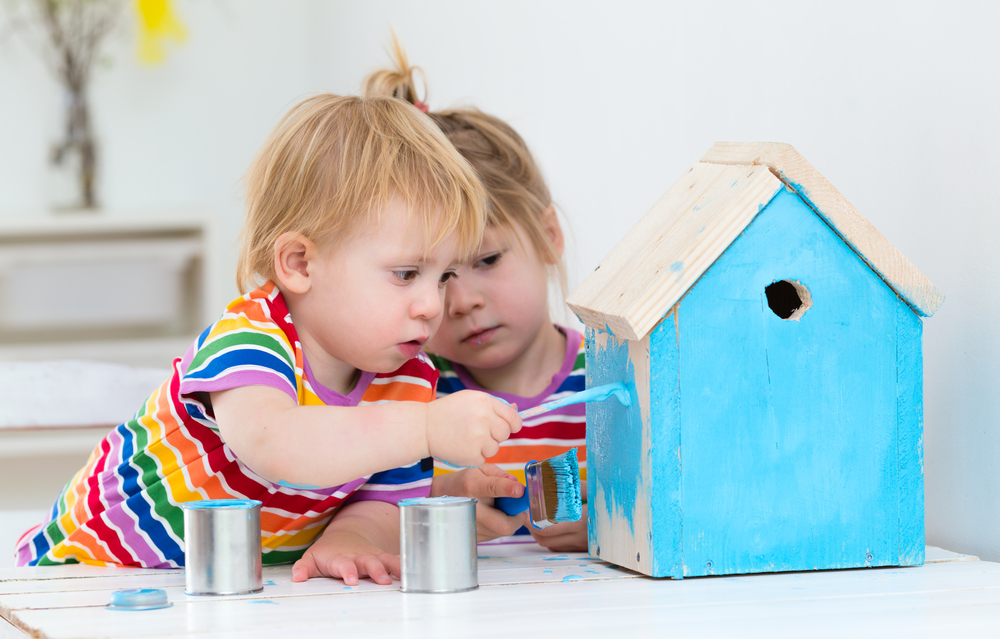


Fine motor skills are essential for young children ages 5-9 because these abilities underpin many crucial daily activities and learning processes. Fine motor skills involve the coordination of small muscles in the hands and fingers, allowing children to perform tasks such as writing, buttoning clothes, using utensils, and manipulating small objects. These skills are foundational for academic achievement, especially in the early grades where activities like drawing shapes, tracing, and forming letters are fundamental parts of the curriculum.
For parents and teachers, focusing on the development of fine motor skills ensures that children can participate confidently in classroom activities and keep pace with their peers. Proficiency in fine motor tasks promotes independence as children are better equipped to manage self-care activities without excessive adult assistance. For mathematical tasks, fine motor skills aid in accurately counting objects, using manipulatives, and completing neatly written number problems, all of which are necessary for achieving math fluency.
Neglecting fine motor skill development may result in frustration, lower self-esteem, or avoidance of fine motor tasks, adversely affecting a child's overall academic performance and engagement. By providing diverse opportunities for practice and gently guiding skill refinement, parents and teachers can significantly enhance a child's educational journey and life skills.








