Shape Recognition Normal Math Worksheets for Ages 5-9 - Page 2
36 filtered results
-
From - To
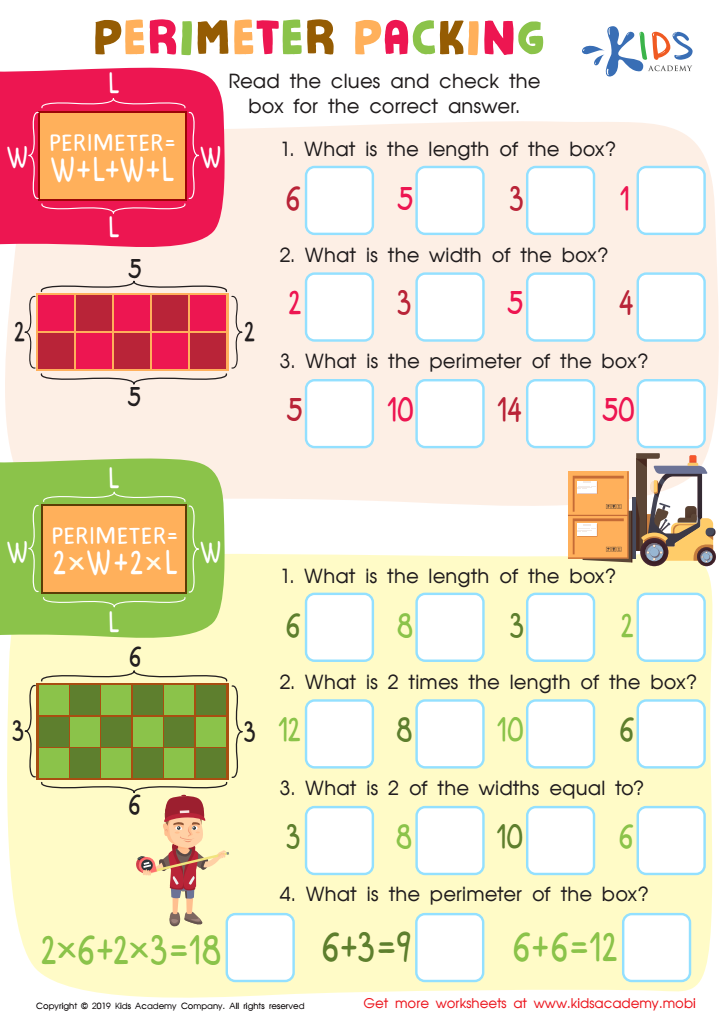
Perimeter Parking Worksheet
 Assign to My Students
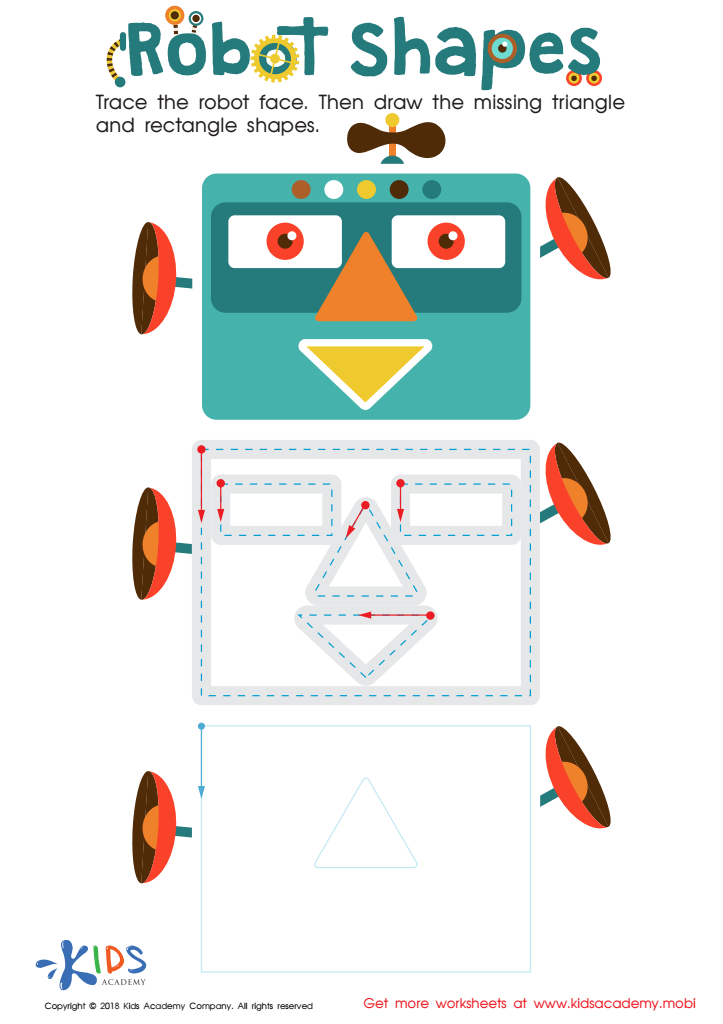
Robot Shapes Worksheet
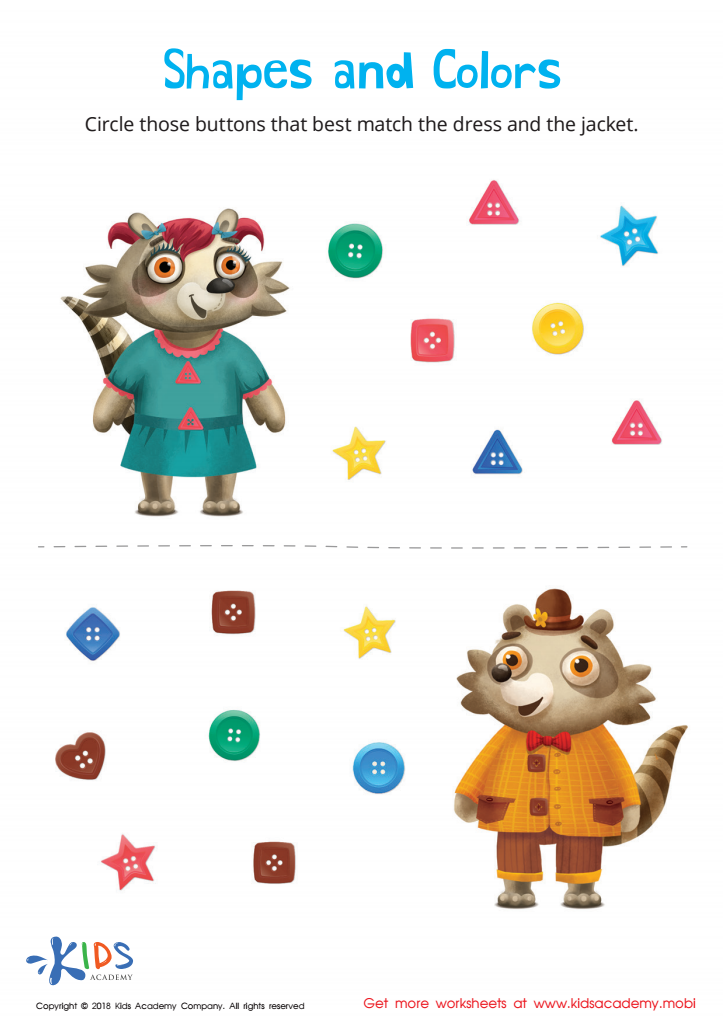
Shapes and Colors Worksheet
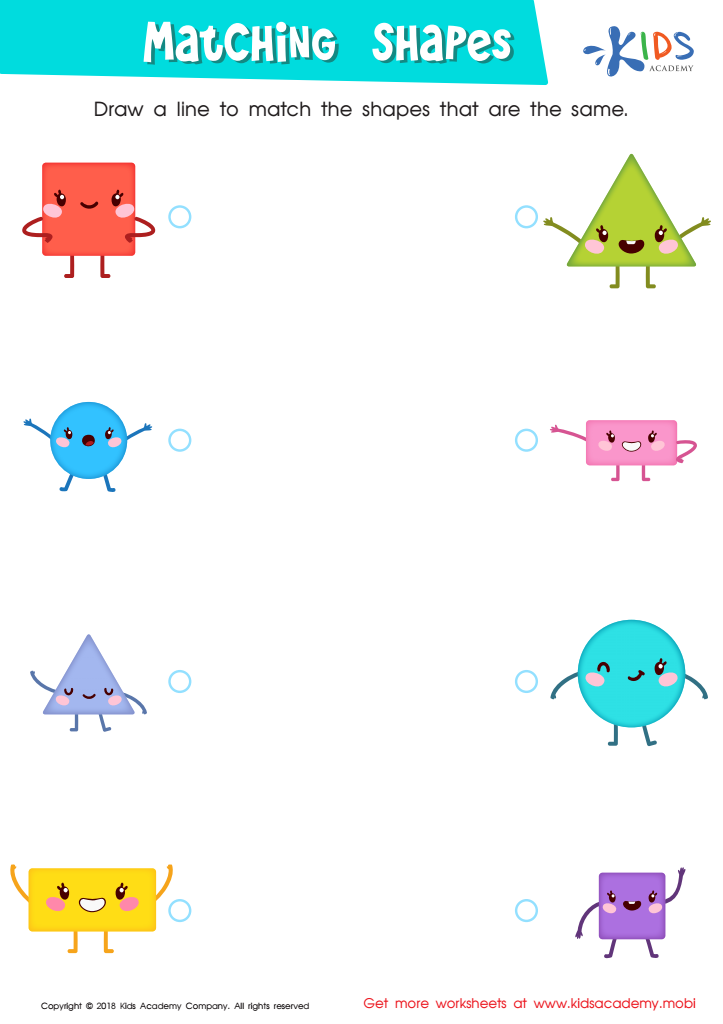
Matching Shapes Worksheet
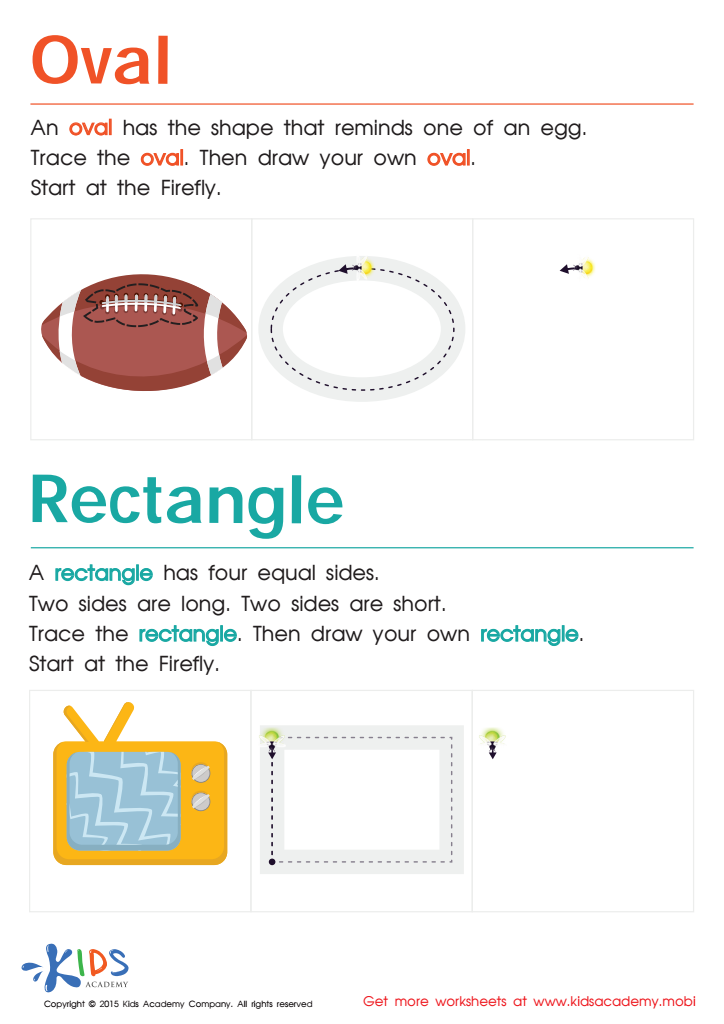
Easy Drawing of Ovals And Rectangles Worksheet
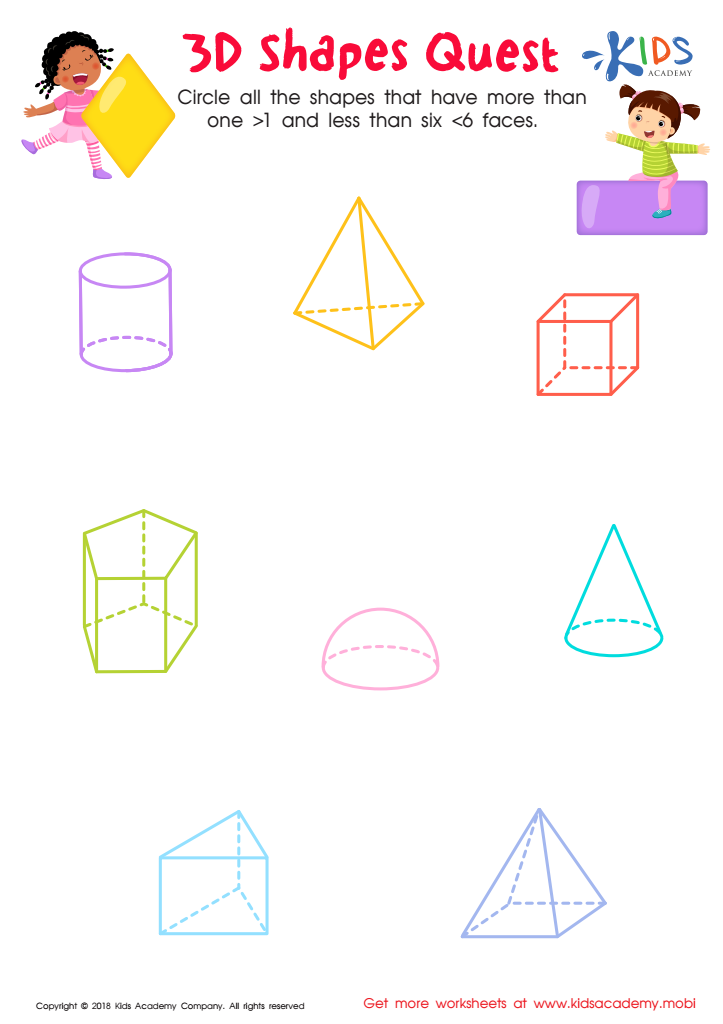
3D Shapes Quest Worksheet
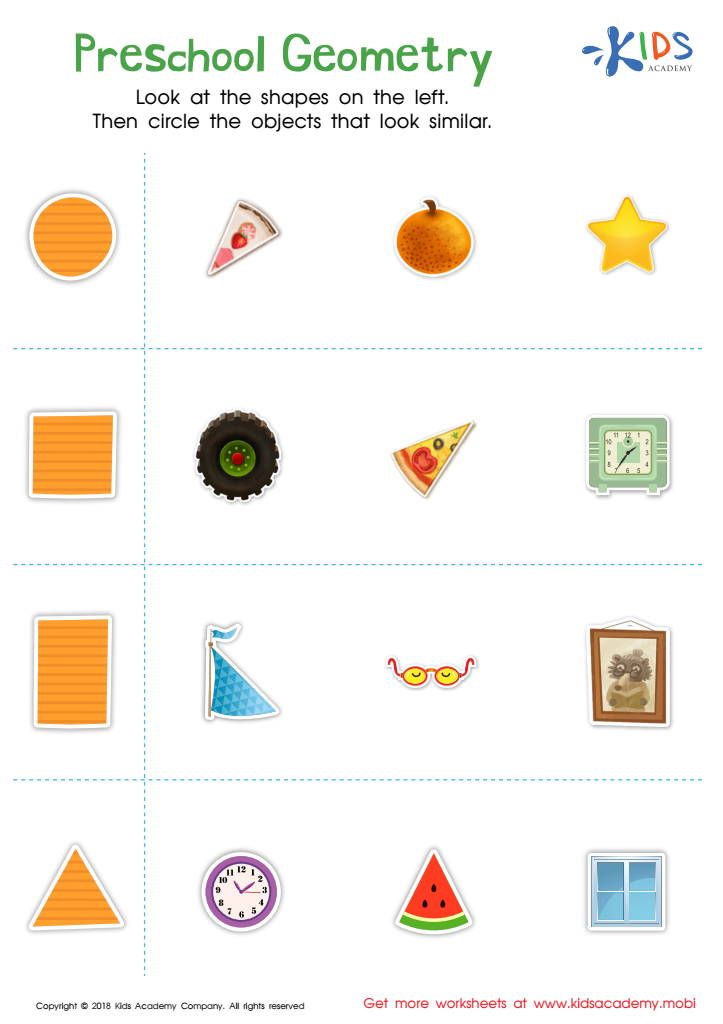
Preschool Geometry Worksheet
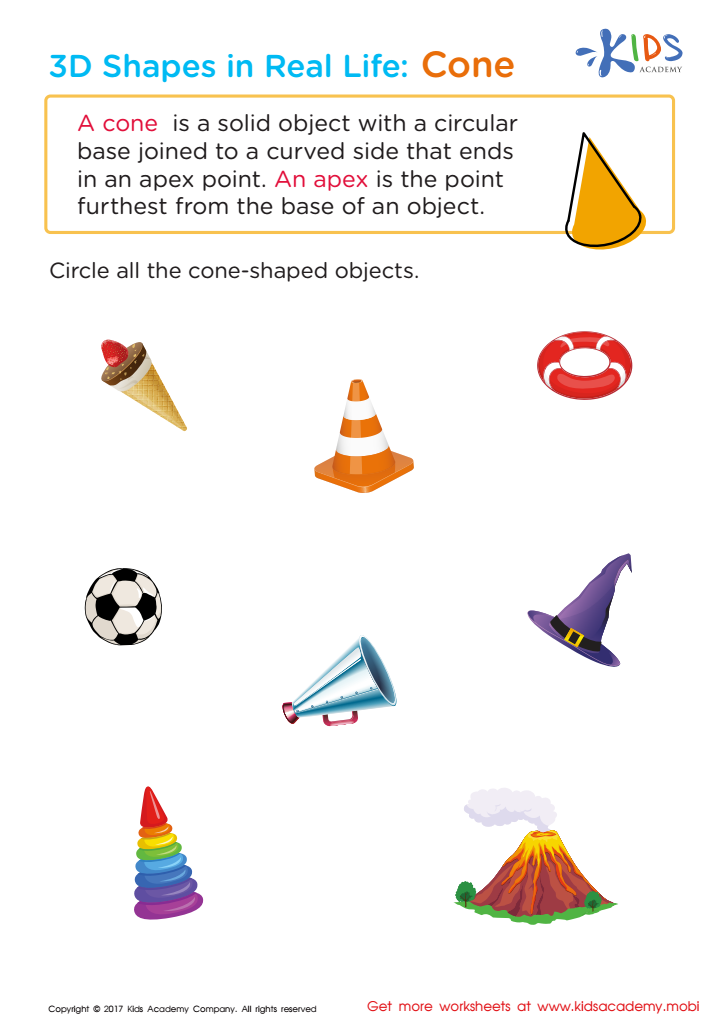
Shapes in Real Life: Cone Worksheet
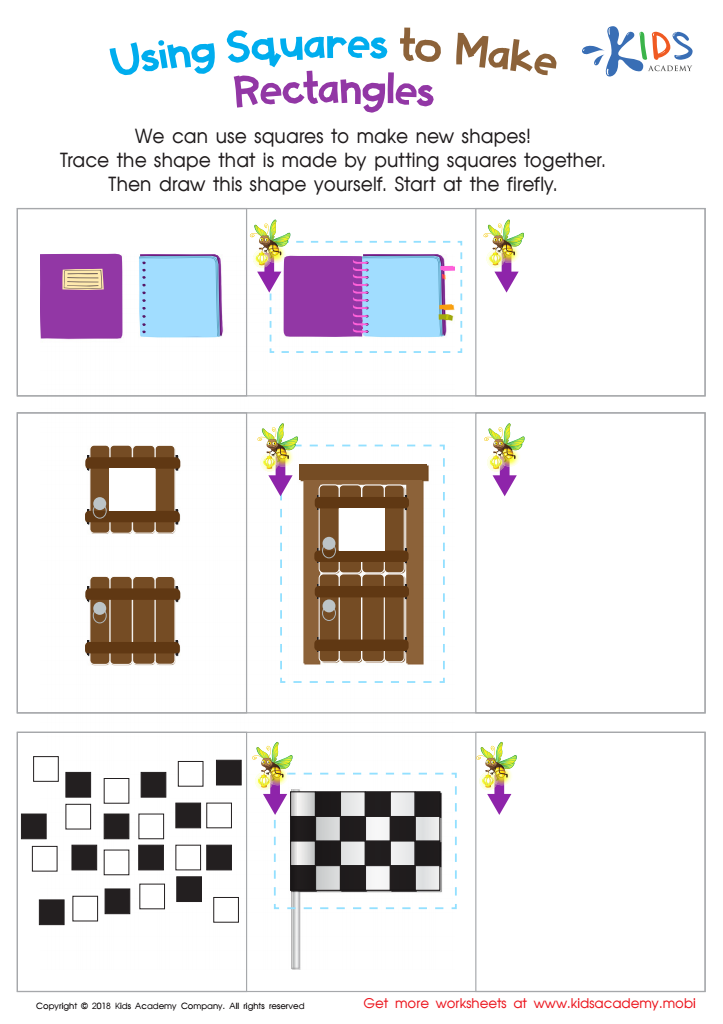
Using Squares to Make Rectangles Worksheet
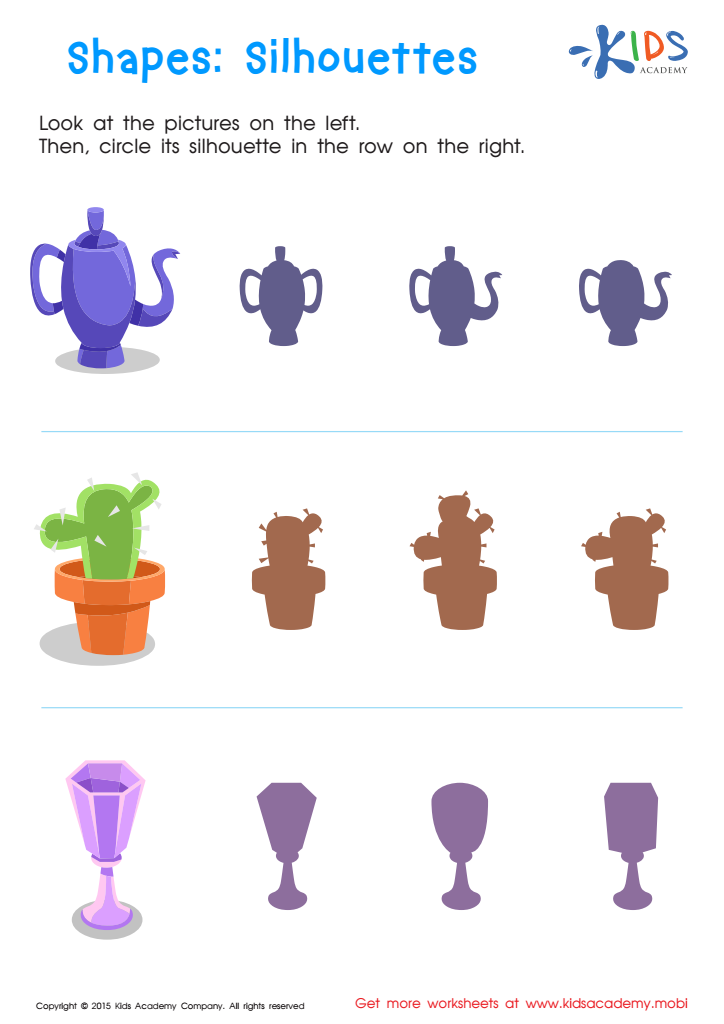
Silhouettes – Shapes Worksheet
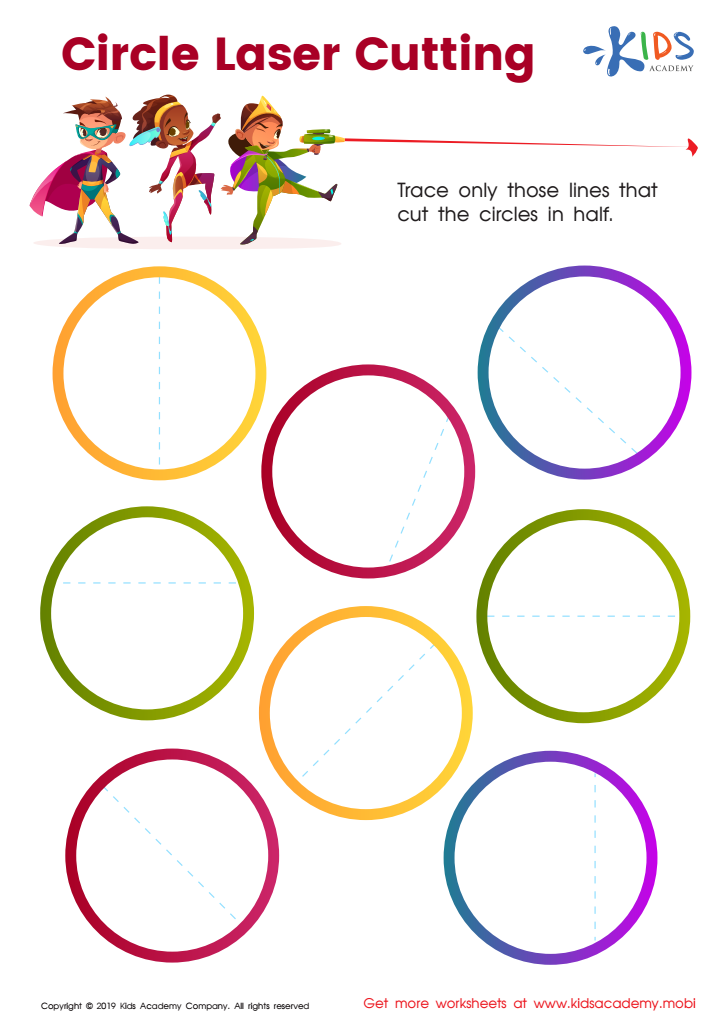
Circle Laser Cutting Worksheet
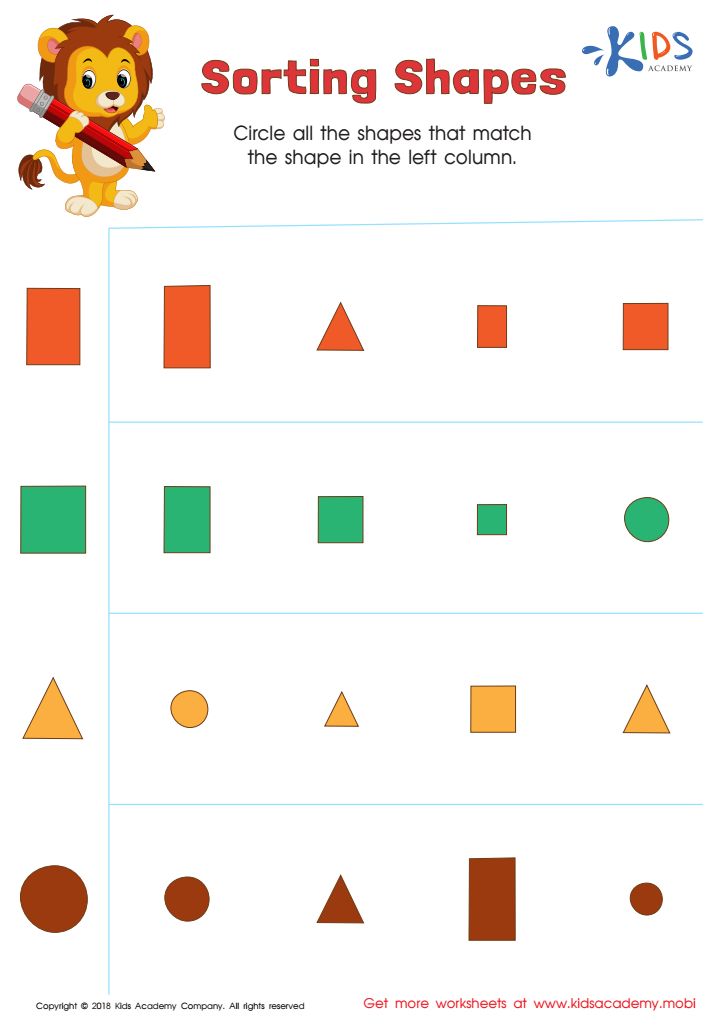
Sorting Shapes - Part 2 Worksheet








Shape recognition is a foundational skill that enhances a child's ability to understand and interact with the world around them. For children aged 5-9, focusing on shape recognition in normal math is vital for several reasons.
First, shape recognition helps in developing spatial awareness, allowing children to grasp the physical space they occupy. This spatial understanding lays the groundwork for more complex mathematical concepts later on, such as geometry, symmetry, and measurements.
Secondly, recognizing shapes contributes to reading and writing skills. Letters and numbers are comprised of various shapes. Gaining the ability to differentiate between circles, squares, and rectangles can also make it easier to learn to write letters and numbers correctly.
Moreover, shape recognition aids in problem-solving and analytical thinking. Children learn better when they can visualize problems and solutions. The ability to recognize and manipulate shapes supports later learning in science, technology, engineering, and math (STEM) fields.
Finally, early competence in shape recognition boosts a child's confidence. Mastery of this skill in a supportive environment prepares children for future academic challenges, fostering a positive attitude toward learning. Thus, both parents and teachers should prioritize shape recognition to build a strong educational foundation.








