Normal Animals Worksheets for Ages 5-9 - Page 2
49 filtered results
-
From - To
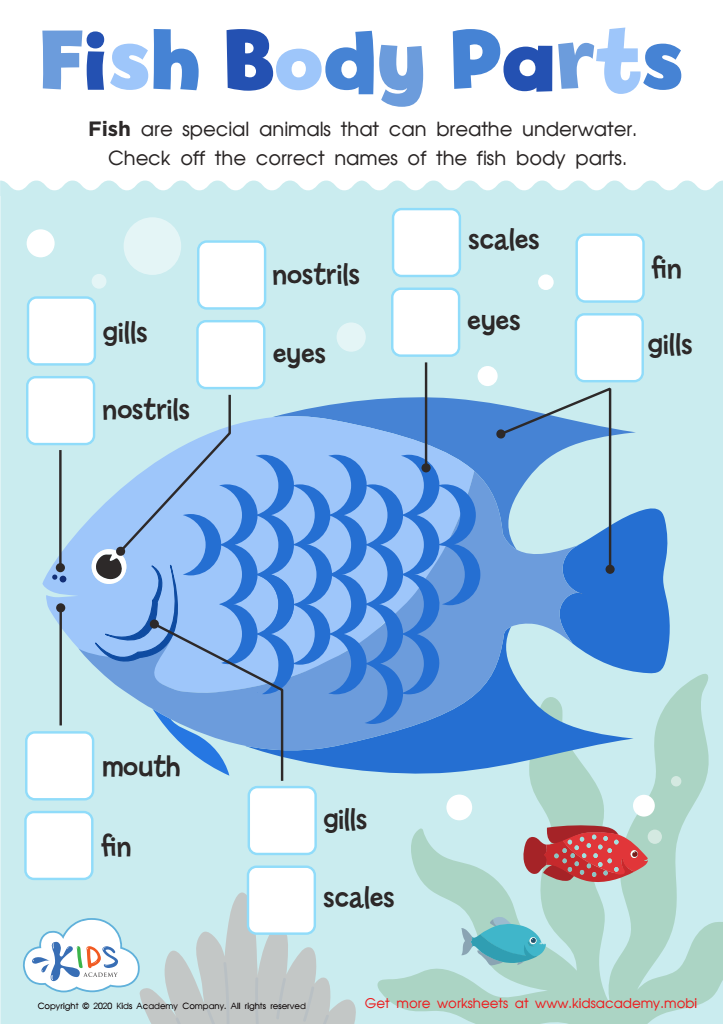
Fish Body Parts Worksheet
 Assign to My Students
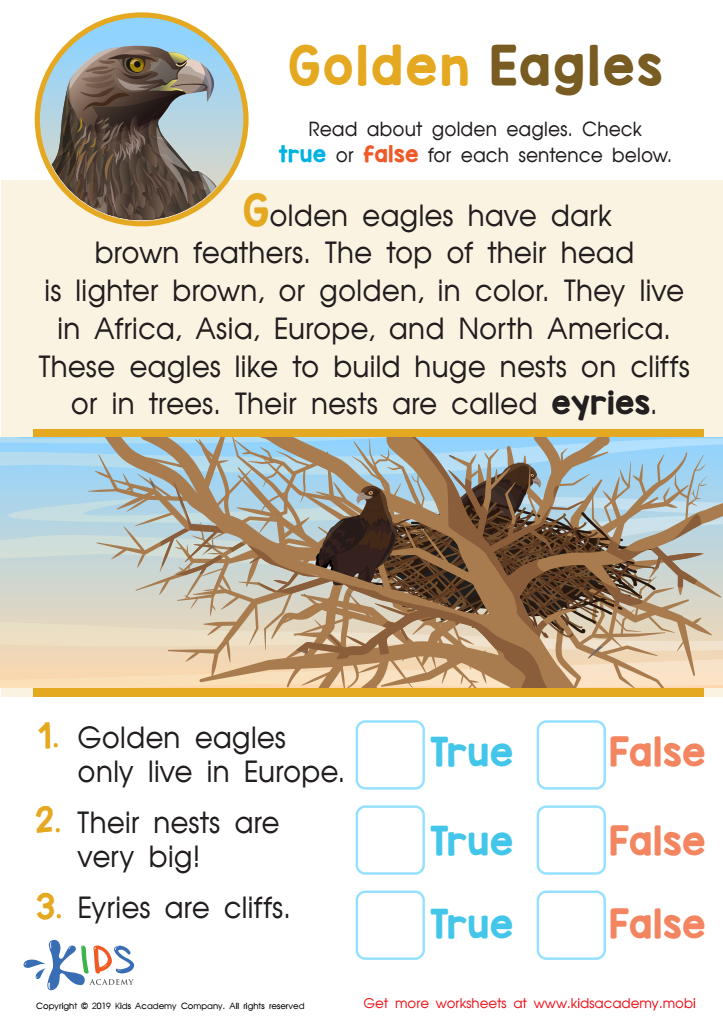
Golden Eagles Worksheet
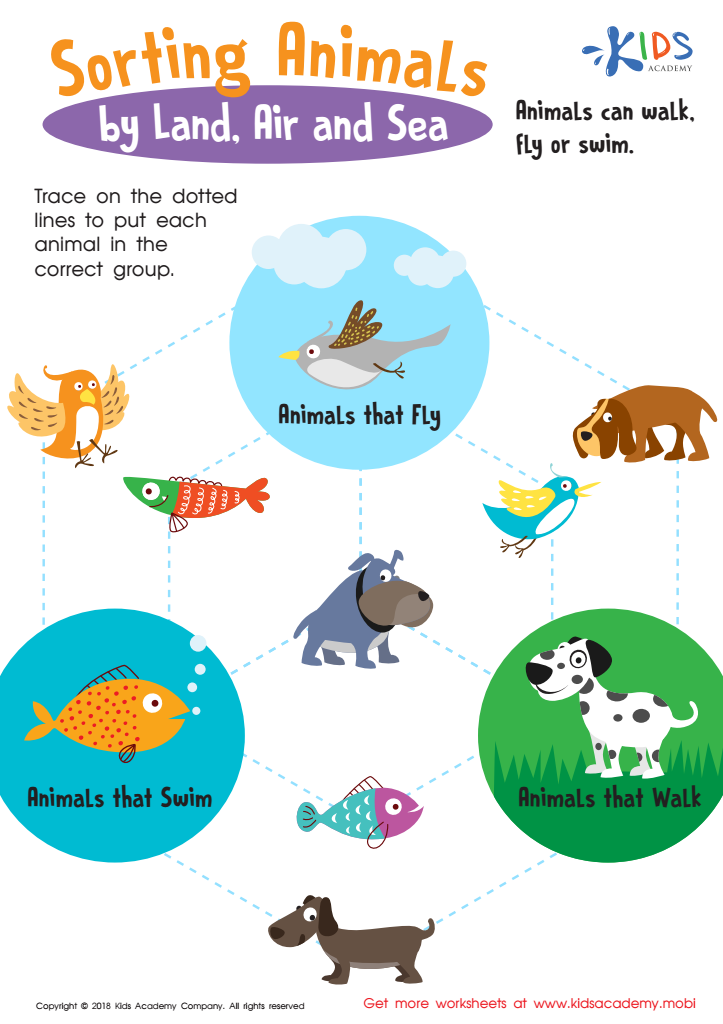
Sorting Animals by Land, Air and Sea Worksheet
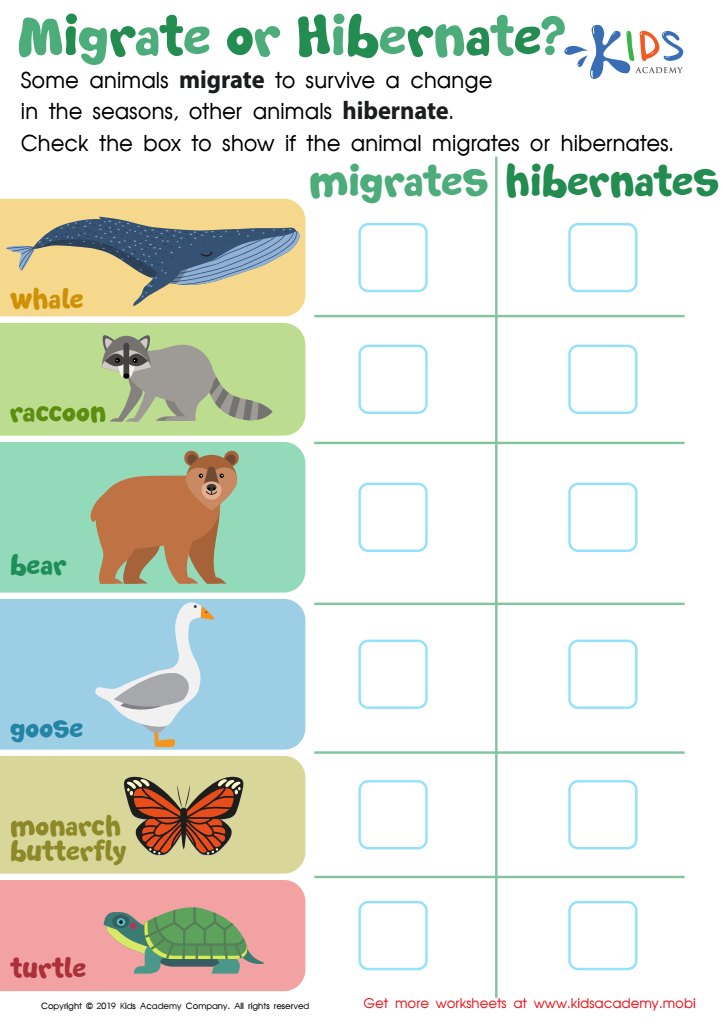
Migrate or Hibernate? Worksheet
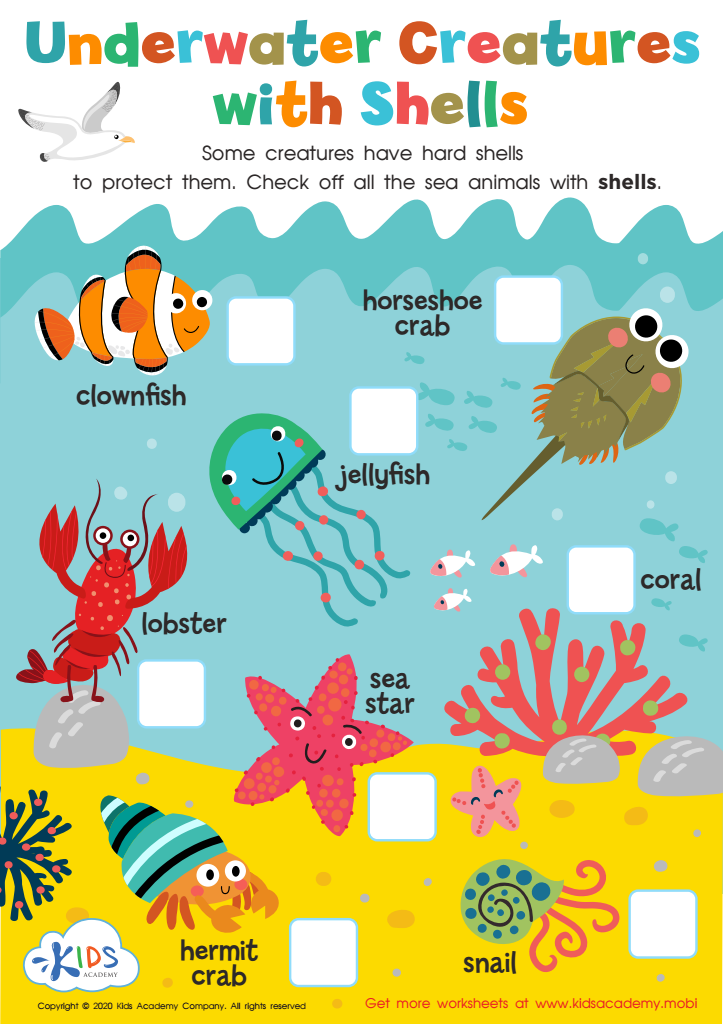
Underwater Creatures with Shells Worksheet
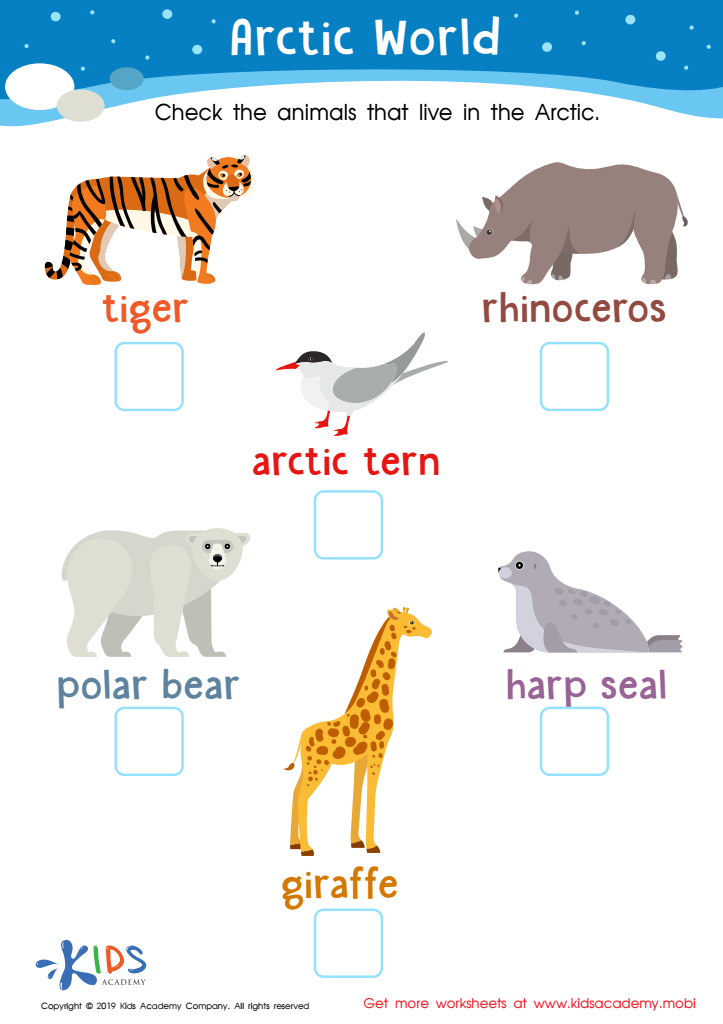
Arctic World Worksheet
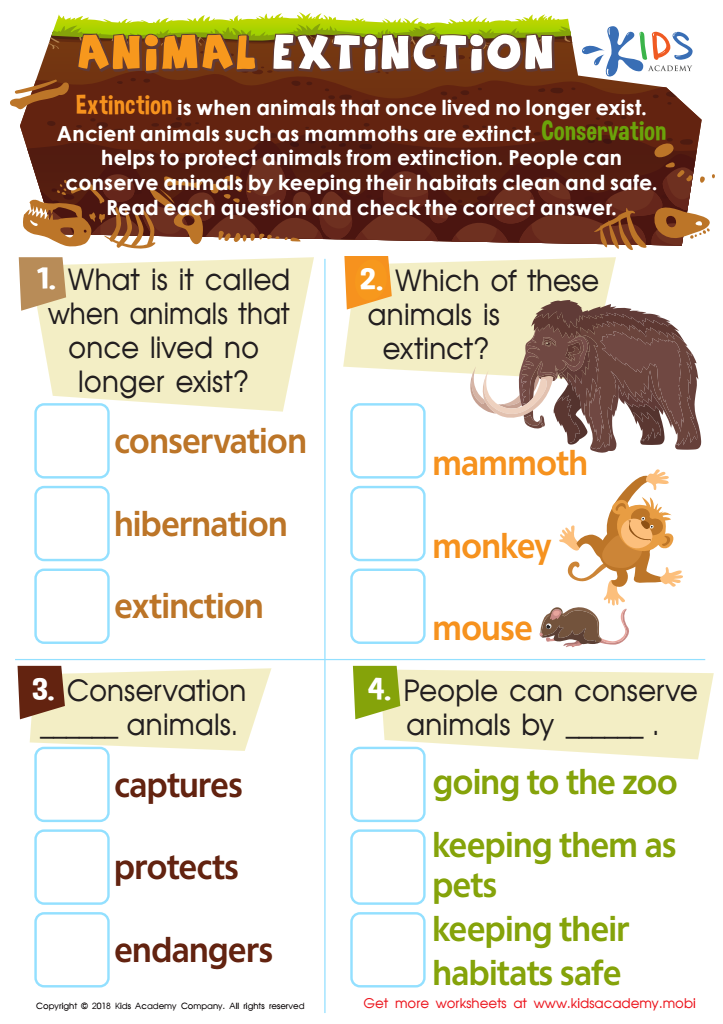
Animal Extinction Worksheet
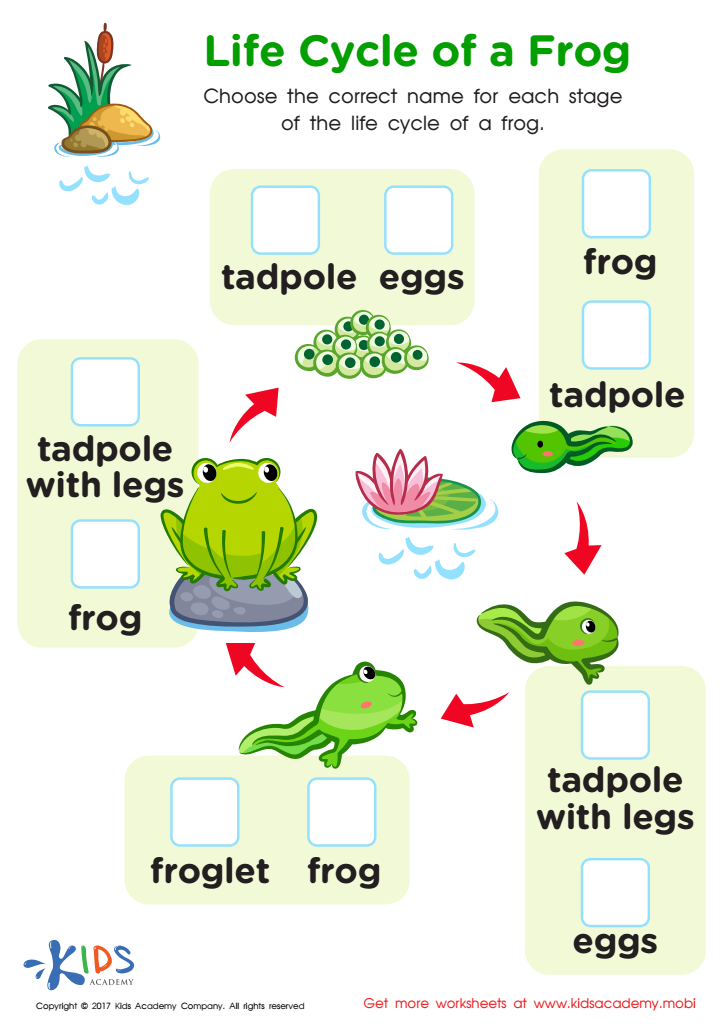
Life Cycle Frog Printable
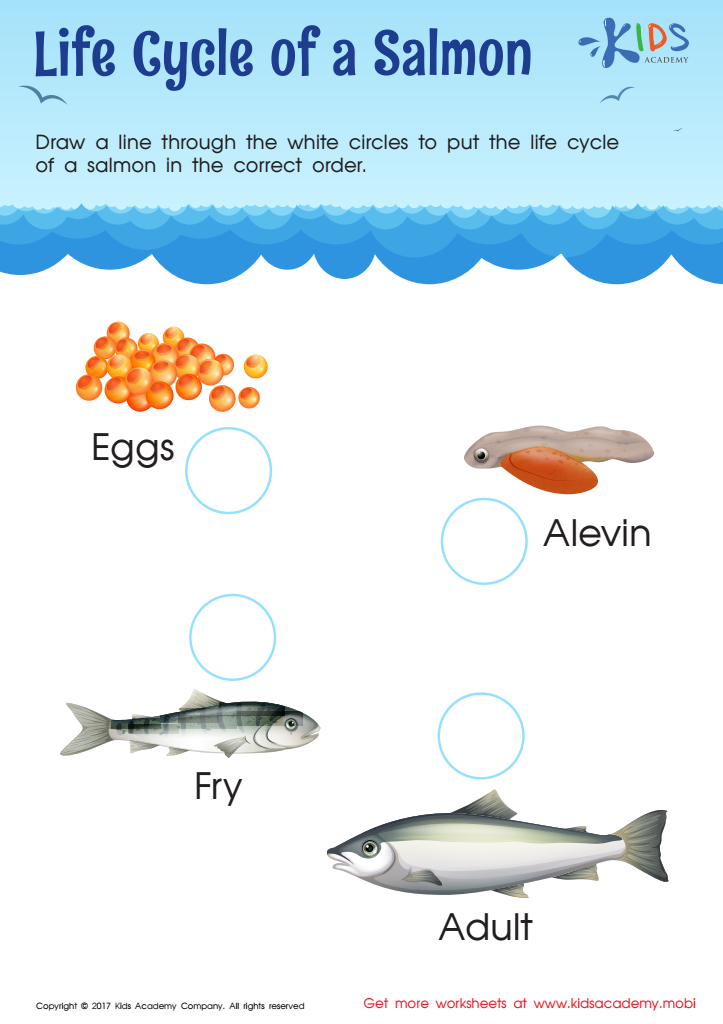
Cycle Of Salmon Worksheet
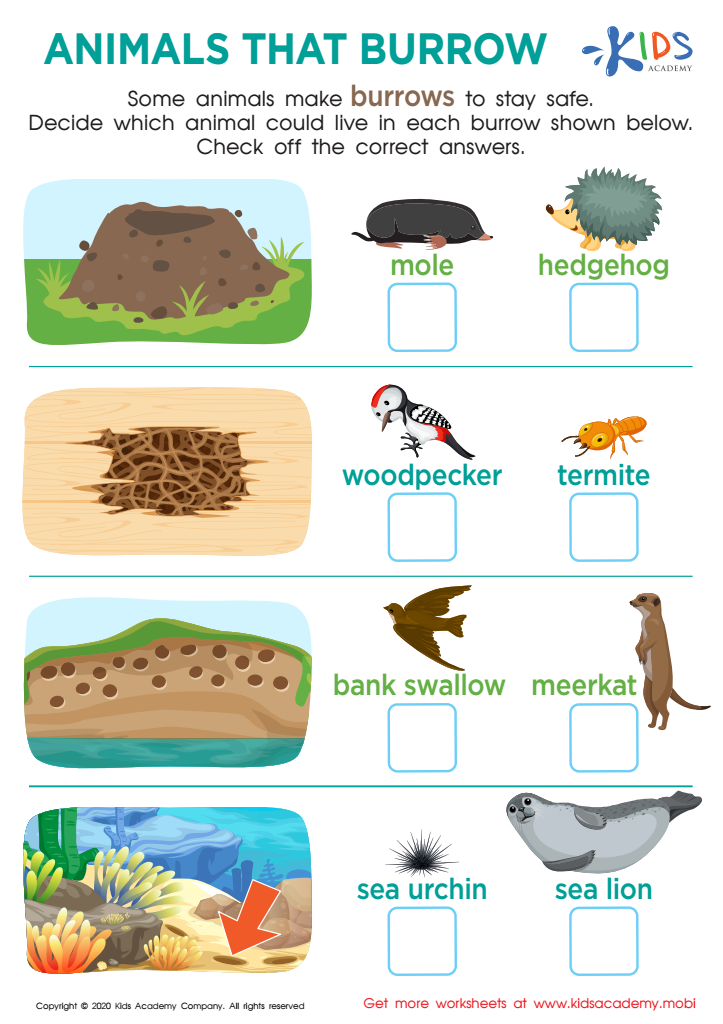
Animals That Burrow Worksheet
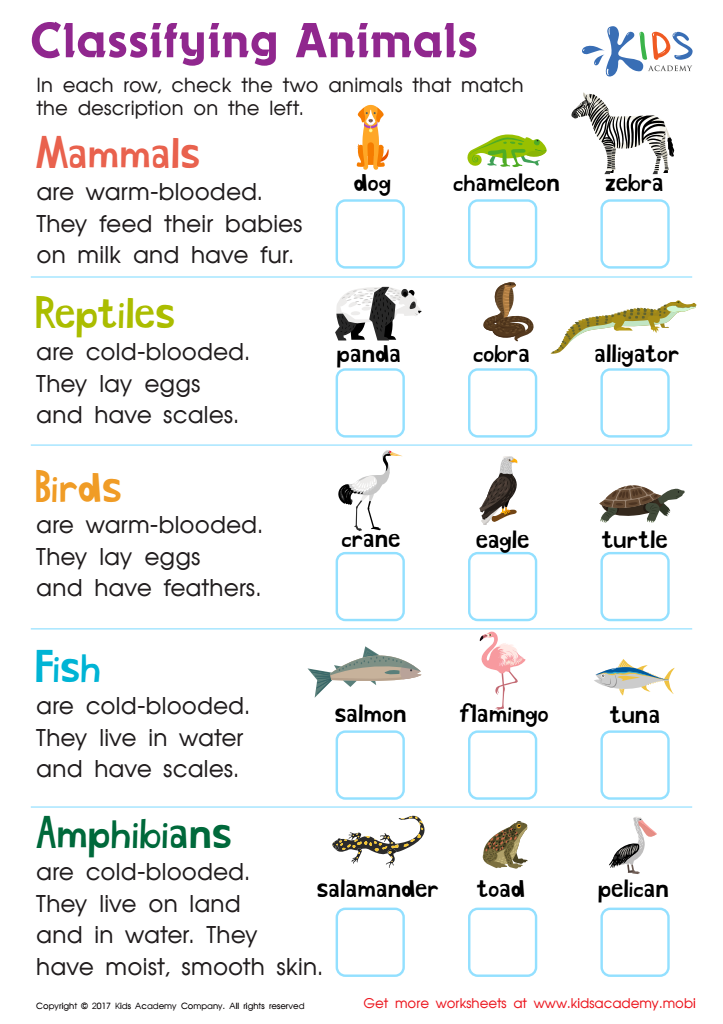
Classifying Animals Worksheet
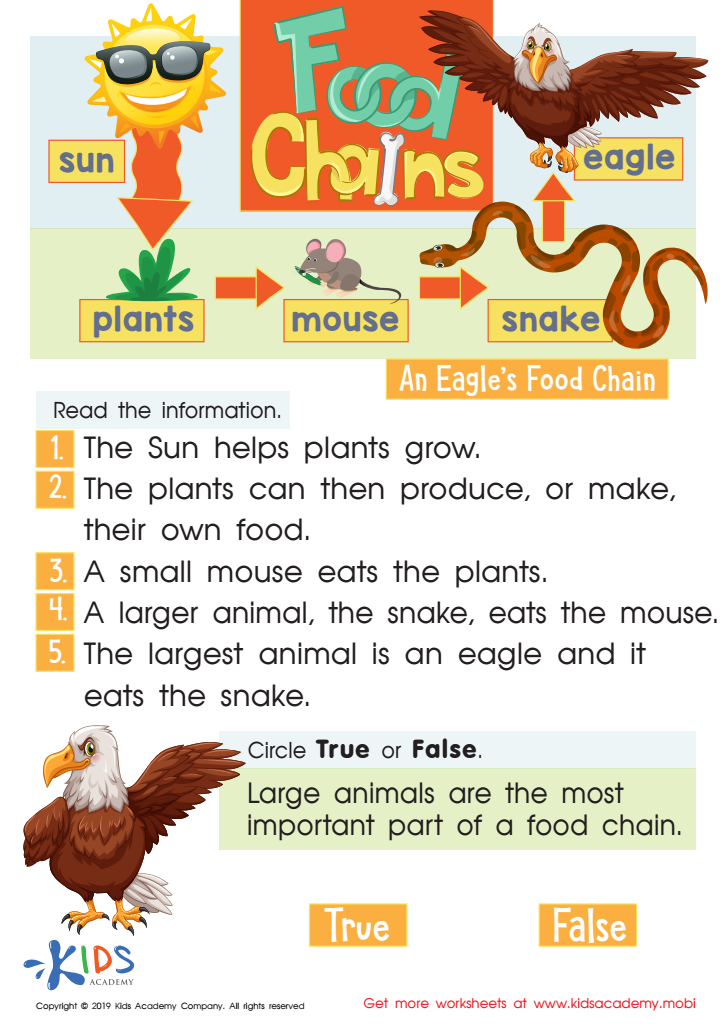
Food Chains Worksheet
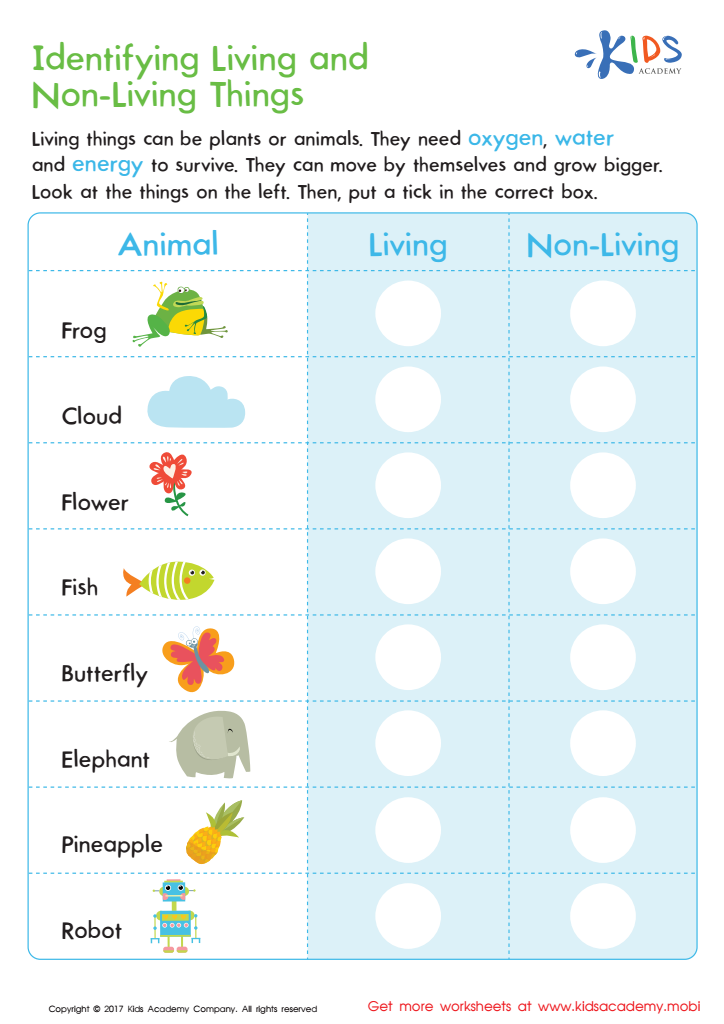
Identifying Living or Non–living Worksheet
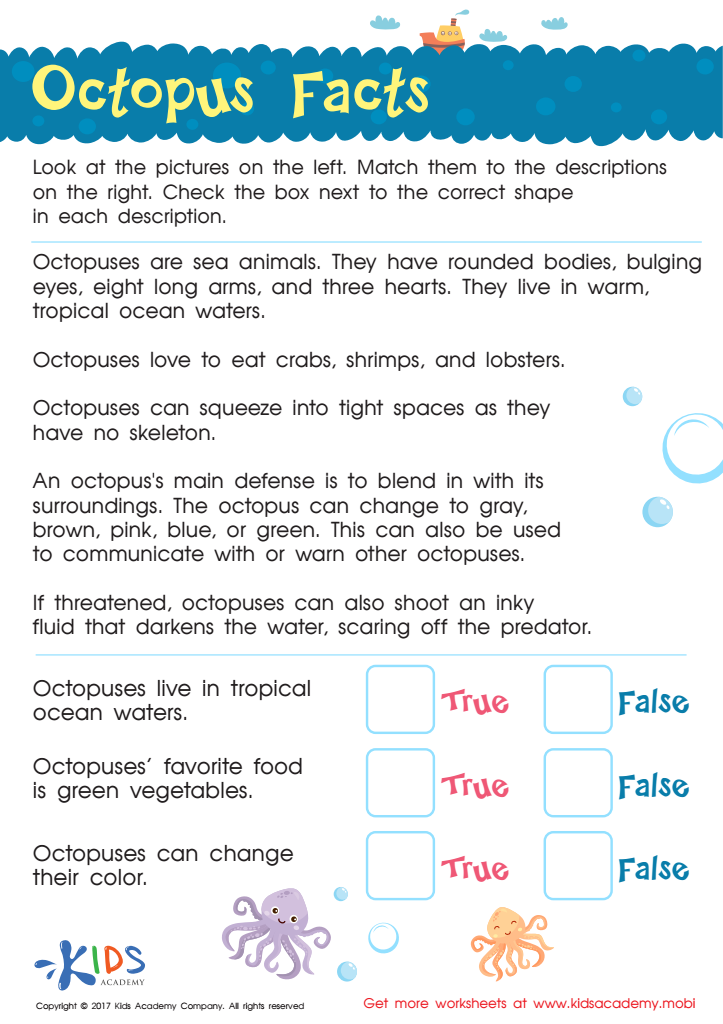
Octopus Facts Worksheet For Kids
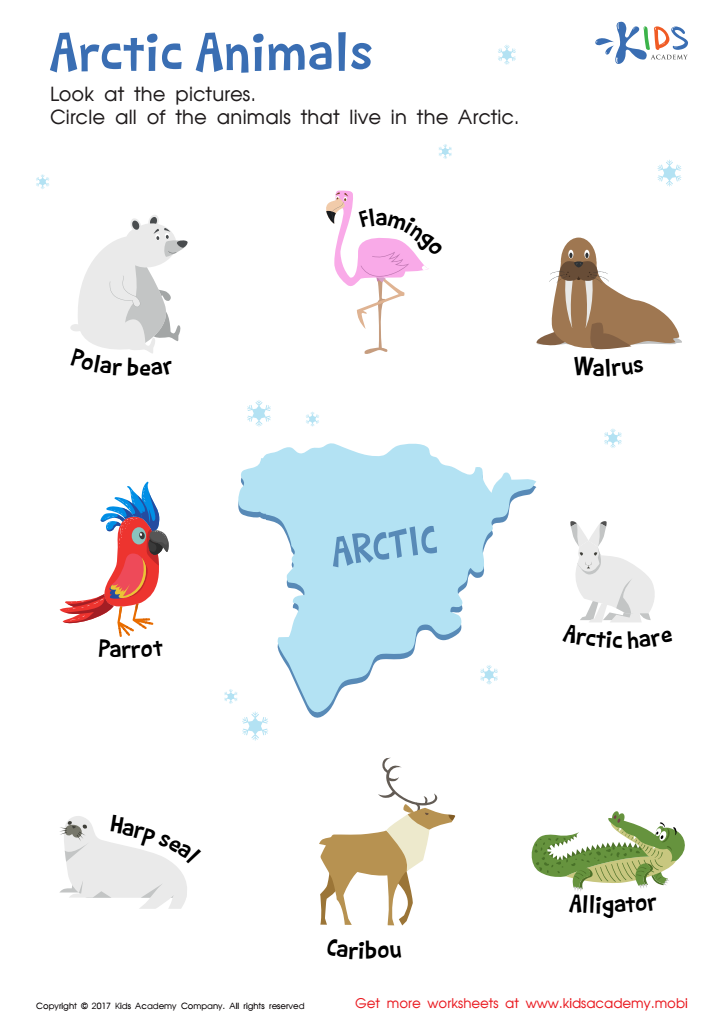
Arctic Animals Worksheet
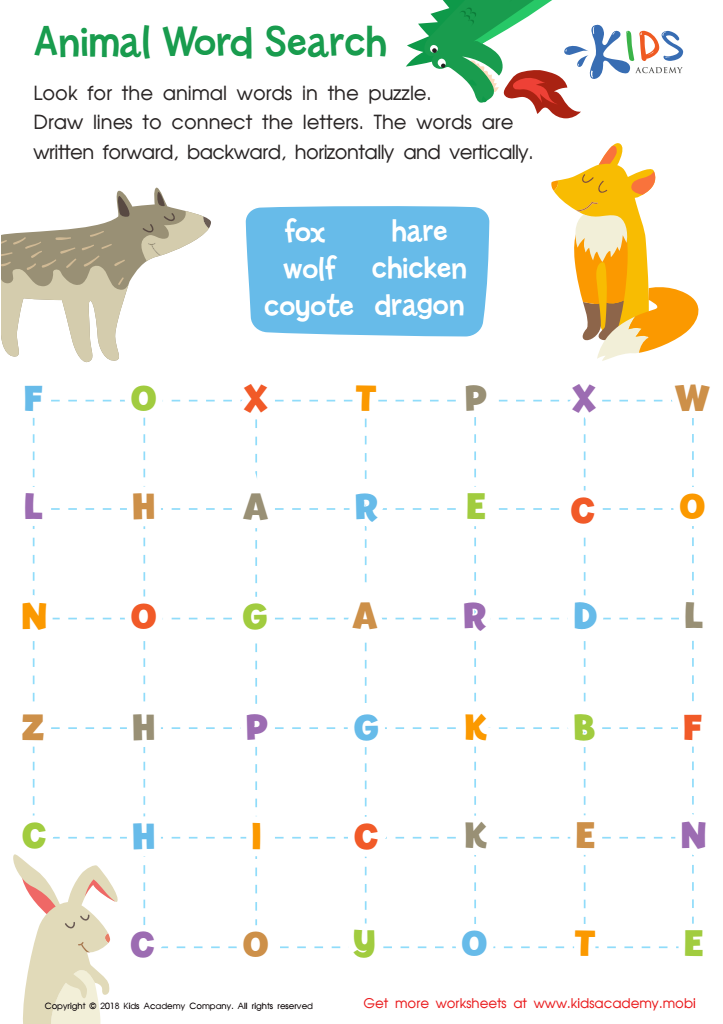
Animal Word Search Worksheet
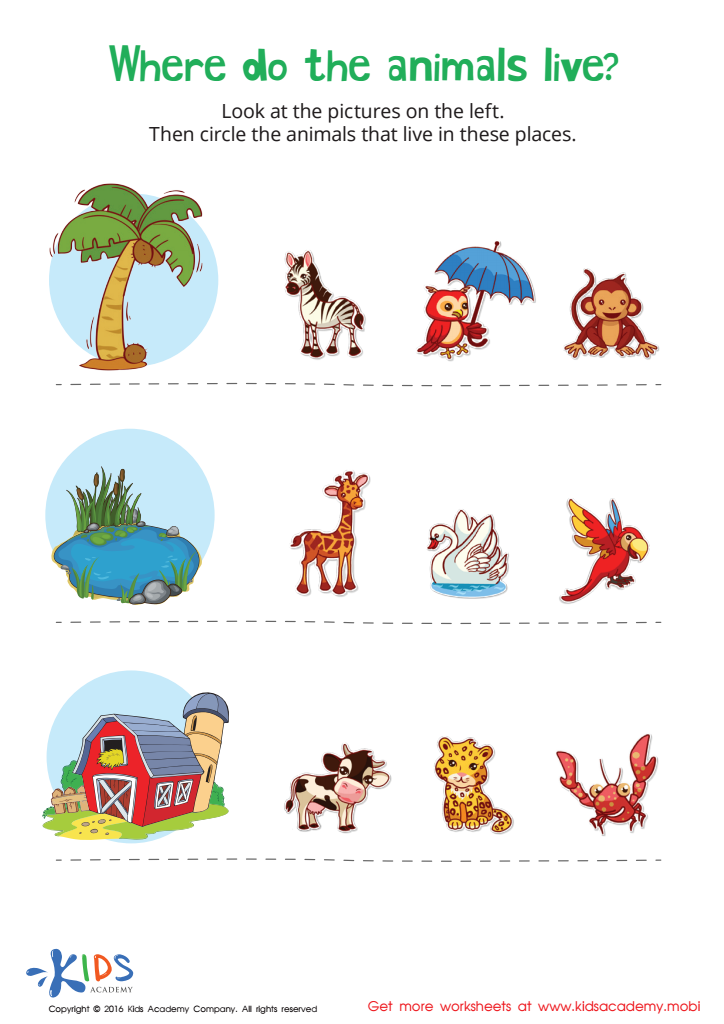
Where Animals Live Worksheet
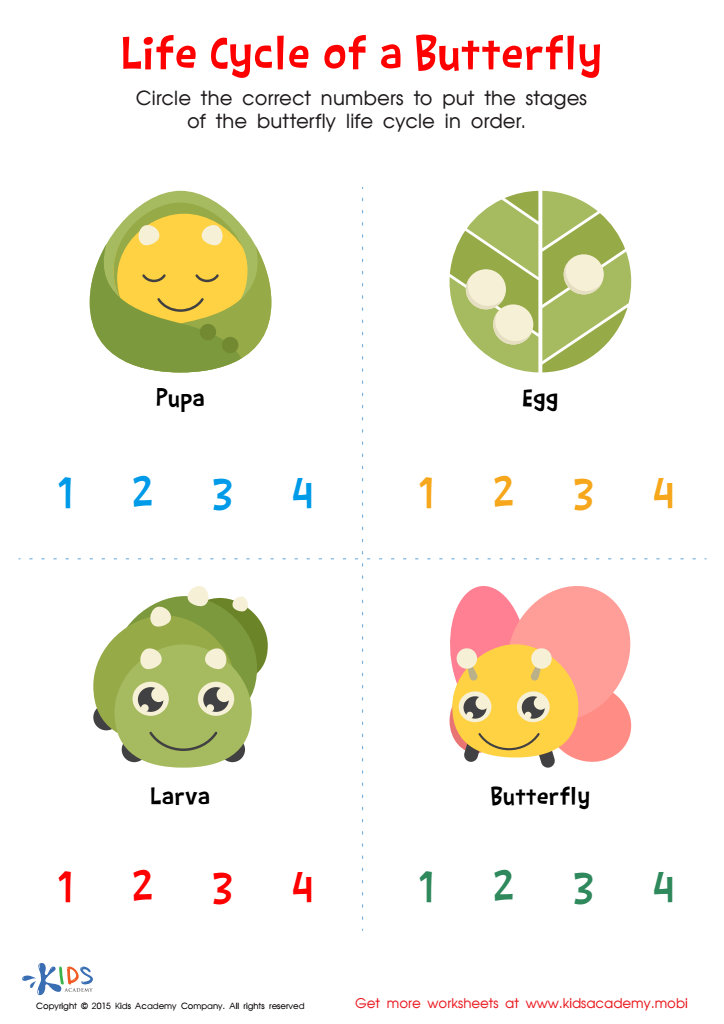
Life Cycle of Butterfly Printable
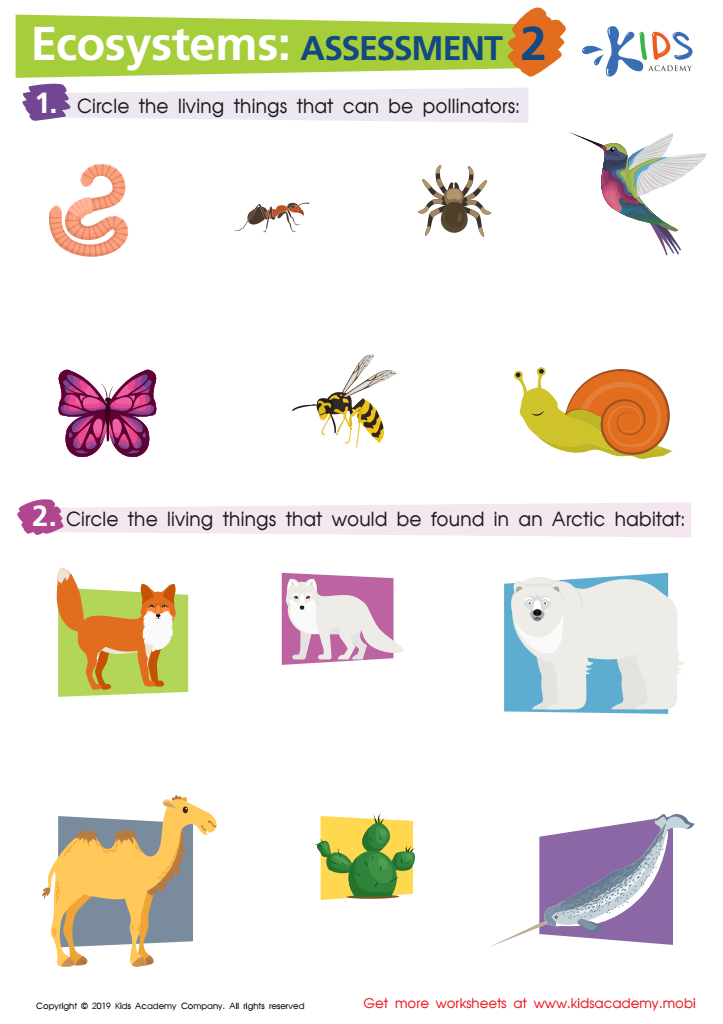
Ecosystems: Assessment 2 Worksheet
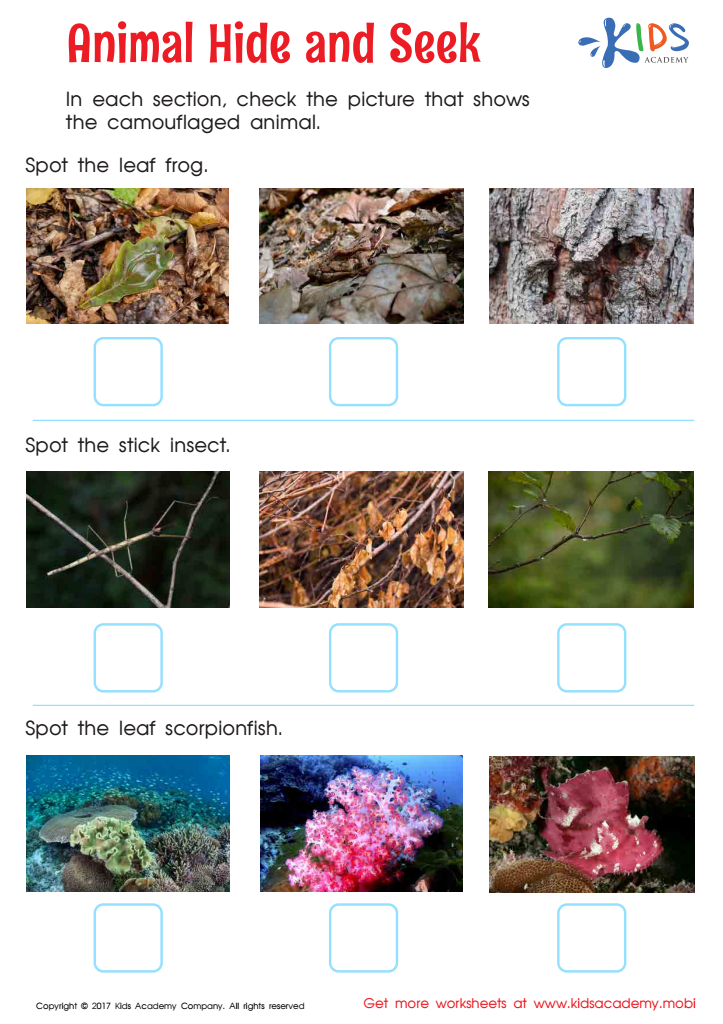
Animal Hide and Seek Worksheet
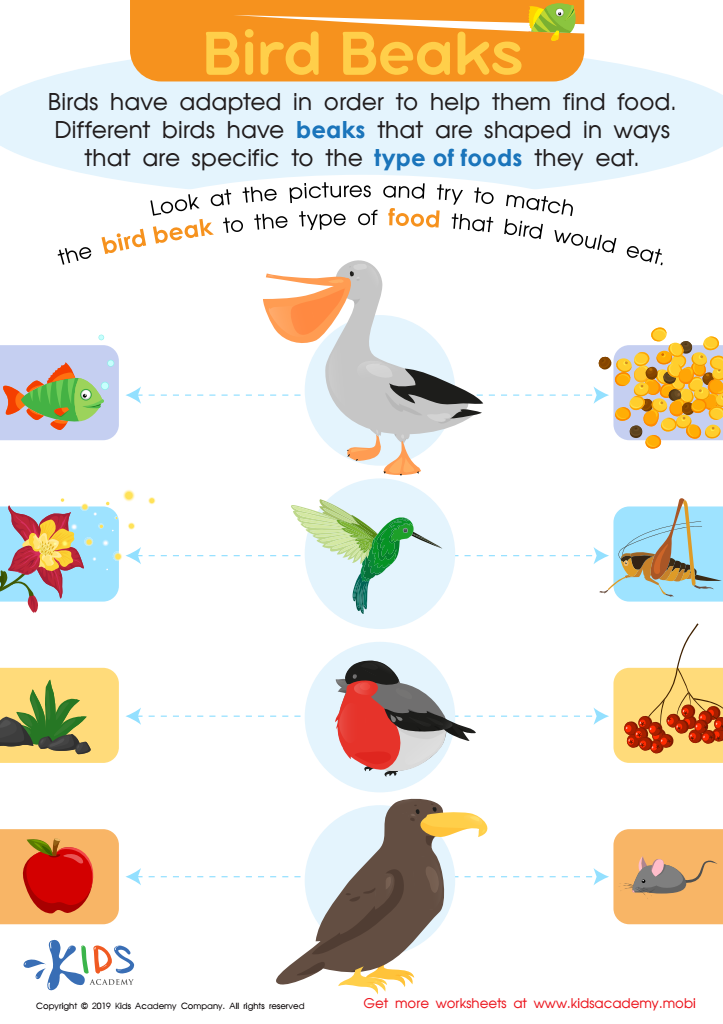
Bird Beaks Worksheet
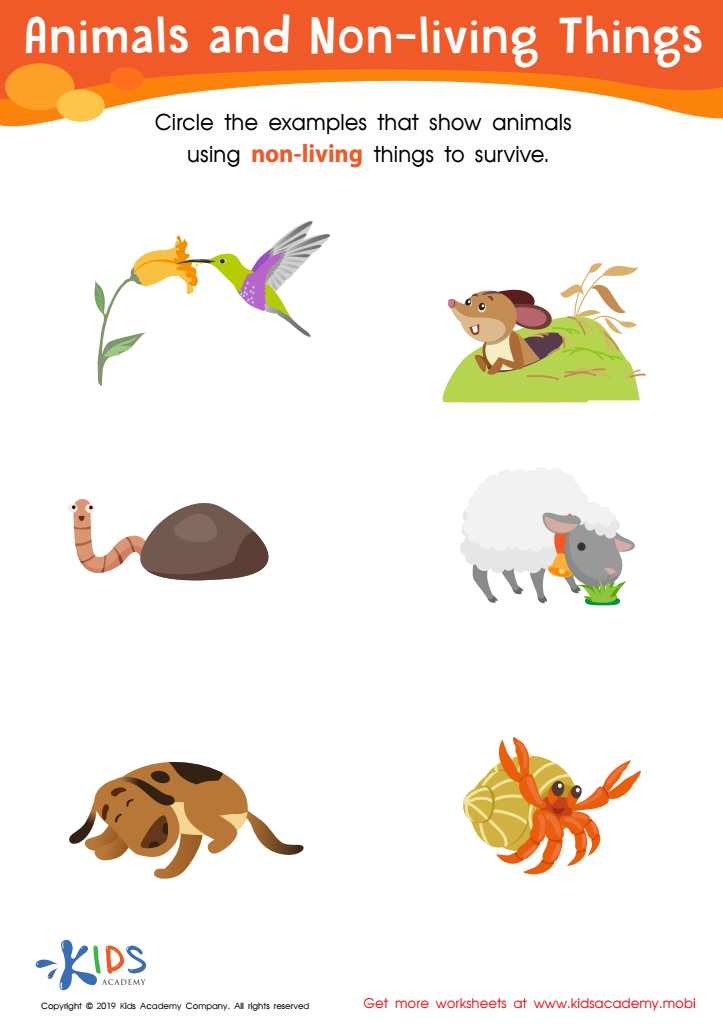
Animals and Non-Living Things Worksheet
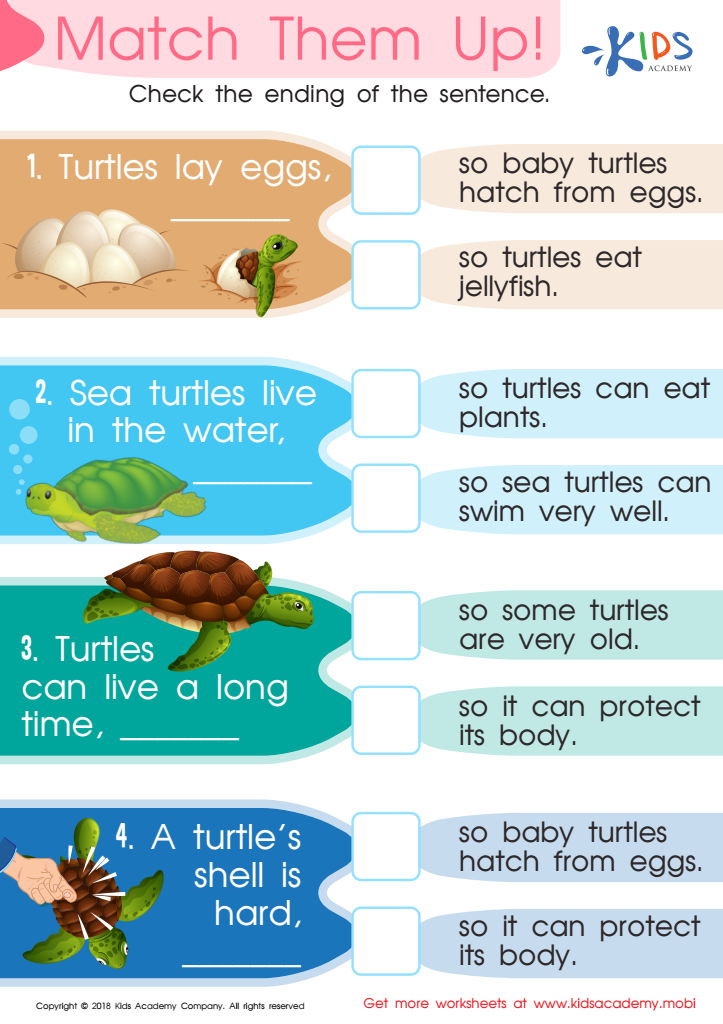
Match Them Up Worksheet
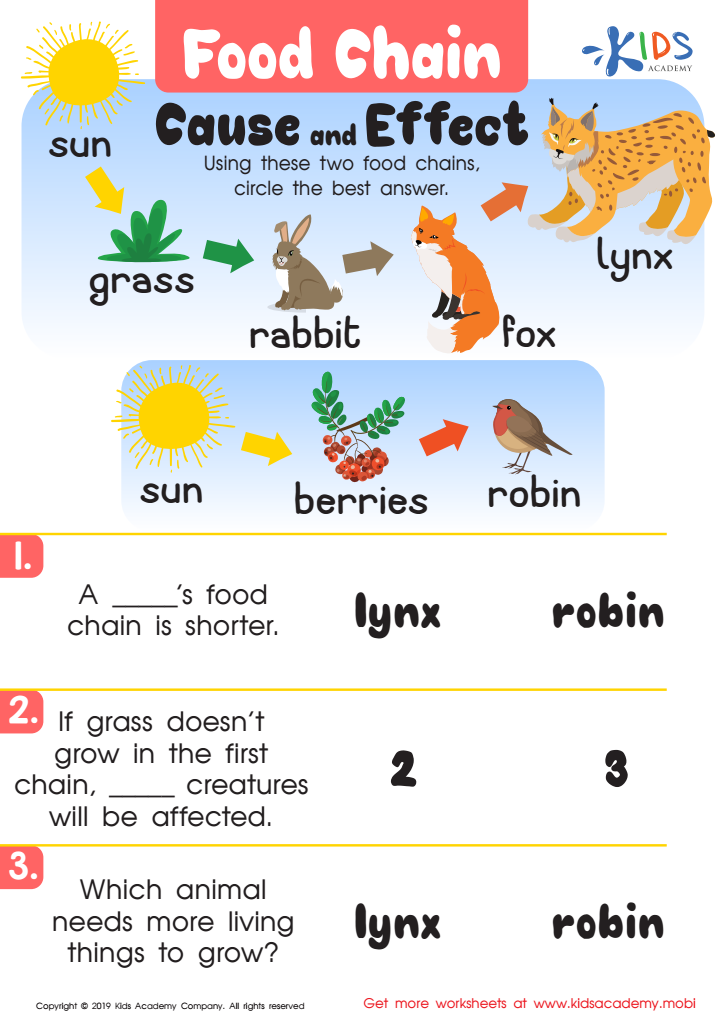
Food Chain Cause Worksheet








Parents and teachers should care about normal animals for children aged 5-9 because these creatures play a vital role in early education, promoting curiosity and fostering understanding of the natural world. At this age, children are naturally inquisitive, and learning about animals can enhance their observation skills, critical thinking, and empathy towards living beings.
Exploring normal animals helps children build vocabulary, as they learn names and characteristics, leading to better communication skills. Engaging with animals can also stimulate creativity through stories, drawings, and role-playing activities, nurturing their imagination.
Moreover, understanding animals teaches children about ecosystems, biodiversity, and the importance of conservation. This awareness fosters a sense of responsibility toward protecting the environment, instilling values that can last a lifetime.
Additionally, normal animals can offer relatable examples for discussions about behavior, family structures, and adaptation to different environments. By relating these concepts to their everyday lives, children can develop a deeper understanding of cooperation, conflict resolution, and respect for differences.
Incorporating normal animals into lessons can make learning fun, captivating children's attention and reinforcing important concepts in science, ethics, and social studies. Ultimately, fostering a love for animals can inspire lifelong learners and compassionate individuals.








