Shape Recognition Normal 2D Shapes Worksheets for 5-Year-Olds
15 filtered results
-
From - To
Introduce your 5-year-old to the exciting world of shapes with our Shape Recognition Normal 2D Shapes Worksheets. These engaging, vividly illustrated worksheets are designed to make learning fun, helping children easily identify and understand basic geometric shapes such as circles, squares, triangles, and rectangles. Perfectly crafted for young minds, these educational tools support early math skills development through enjoyable exercises and activities tailored for pre-schoolers. Download our worksheets today to promote critical thinking, enhance fine motor skills, and ensure your child’s smooth transition into more advanced mathematical concepts. Join us in making learning shapes a delightful adventure!
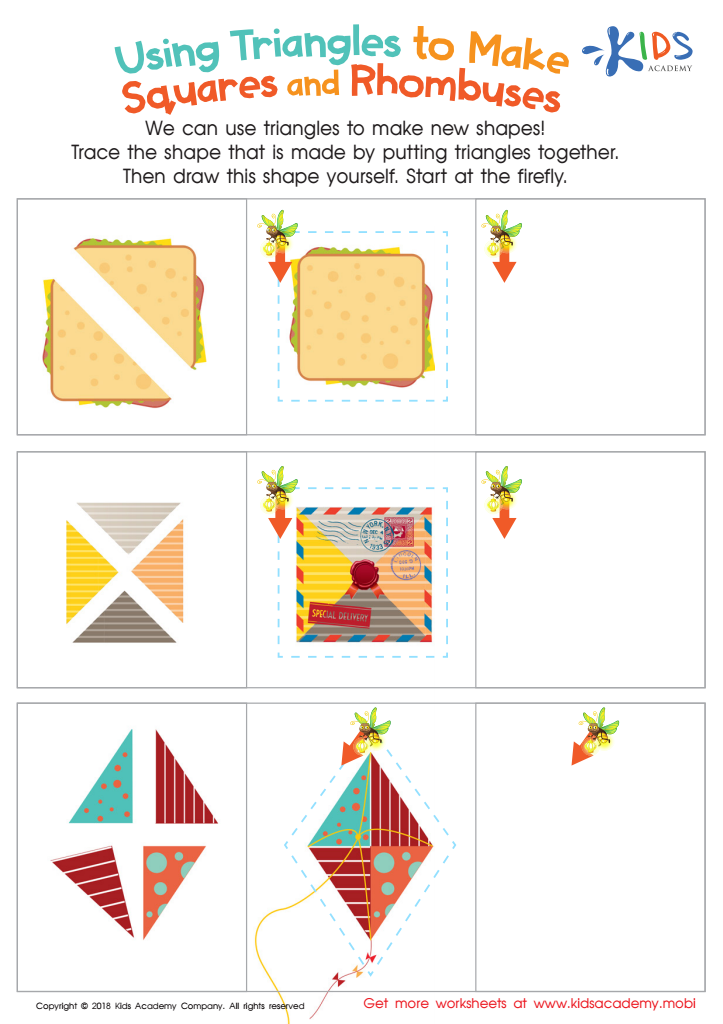
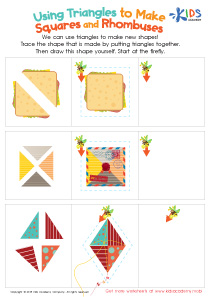
Using Triangles to Make Squares and Rhombuses Worksheet
 Assign to My Students

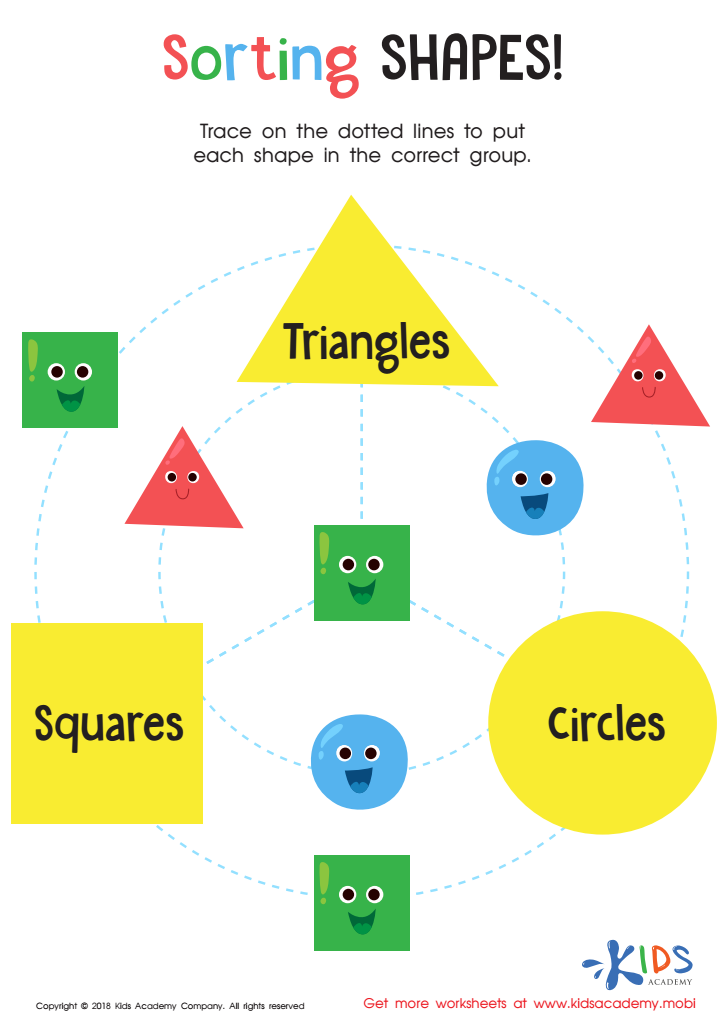
Sorting Shapes - Part 3 Worksheet
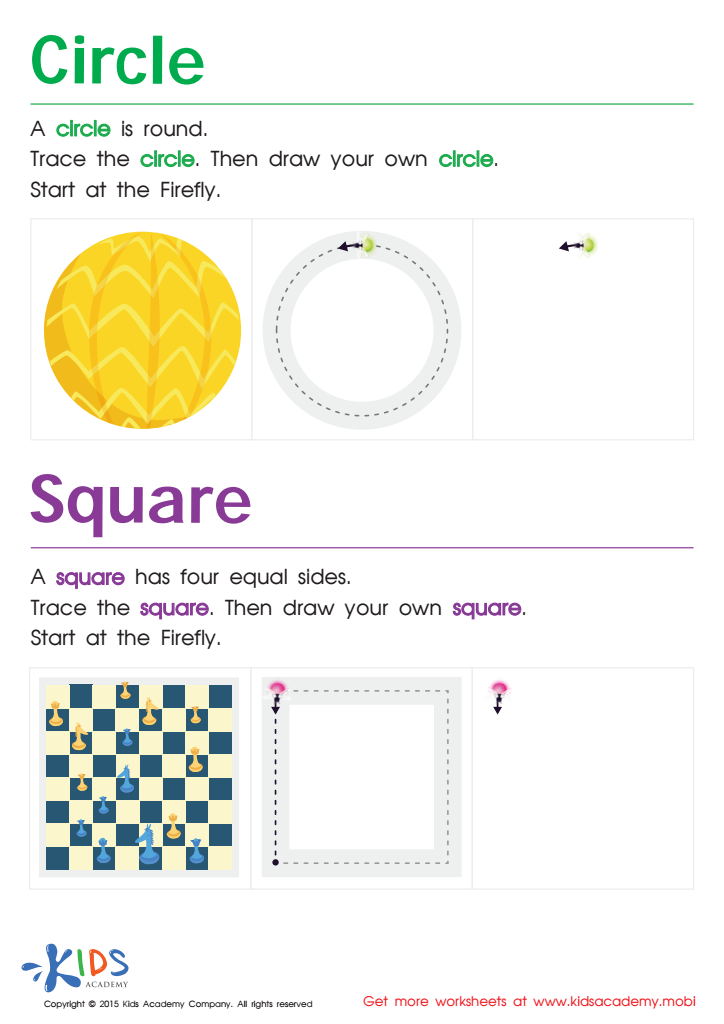
Trace And Draw a Circle And a Square Worksheet
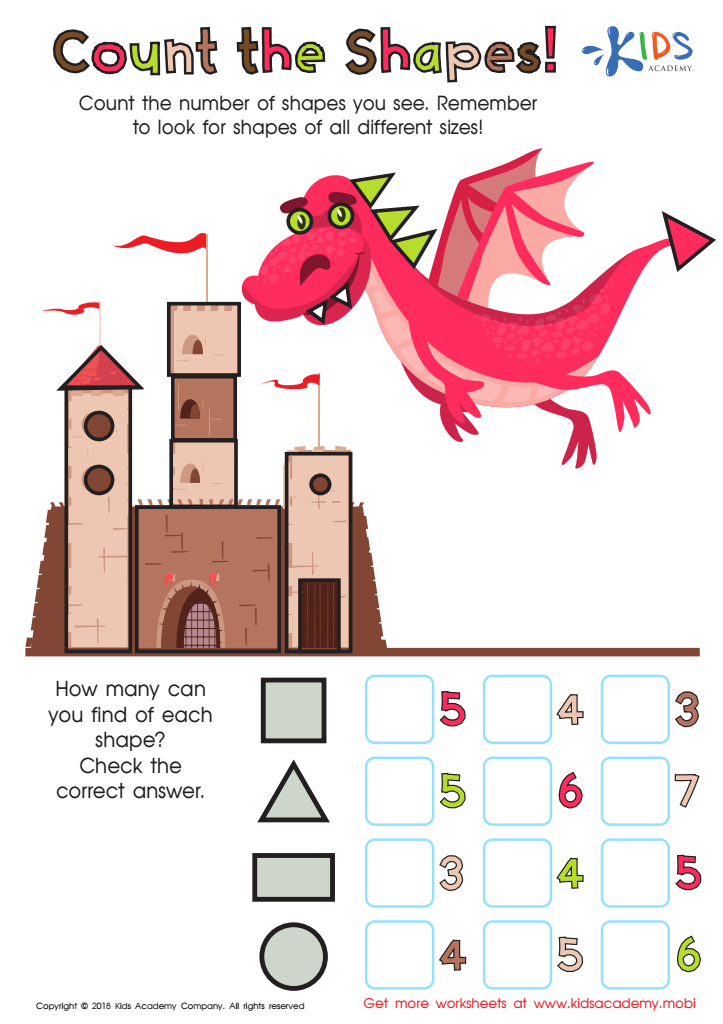
Count the Shapes Worksheet
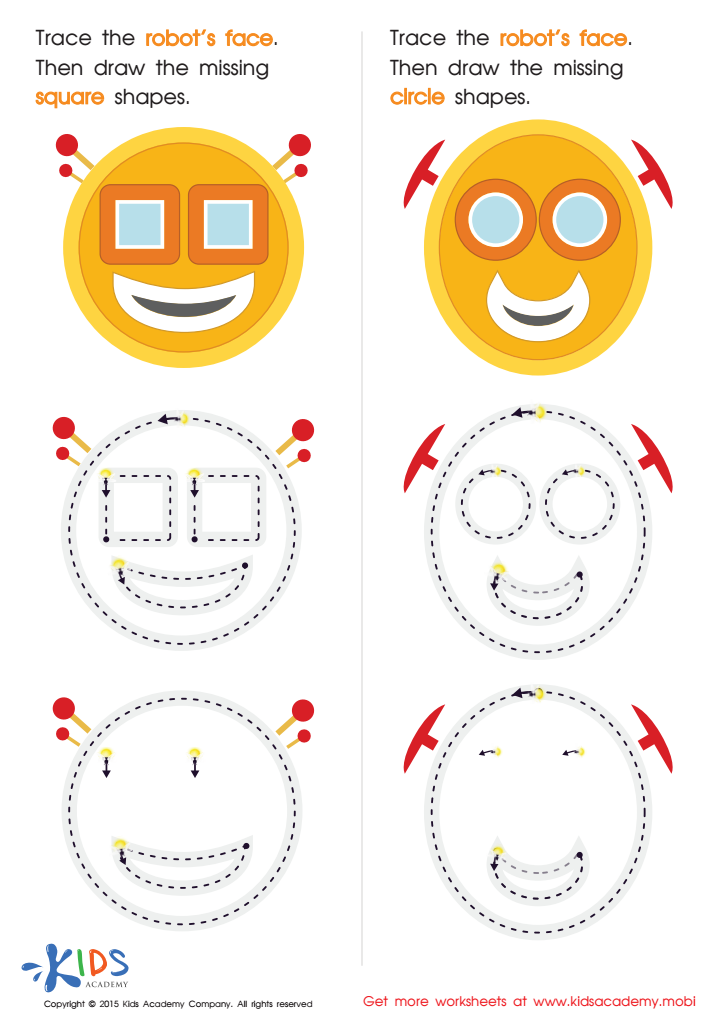
Practicing to Draw Circles And Squares Printable
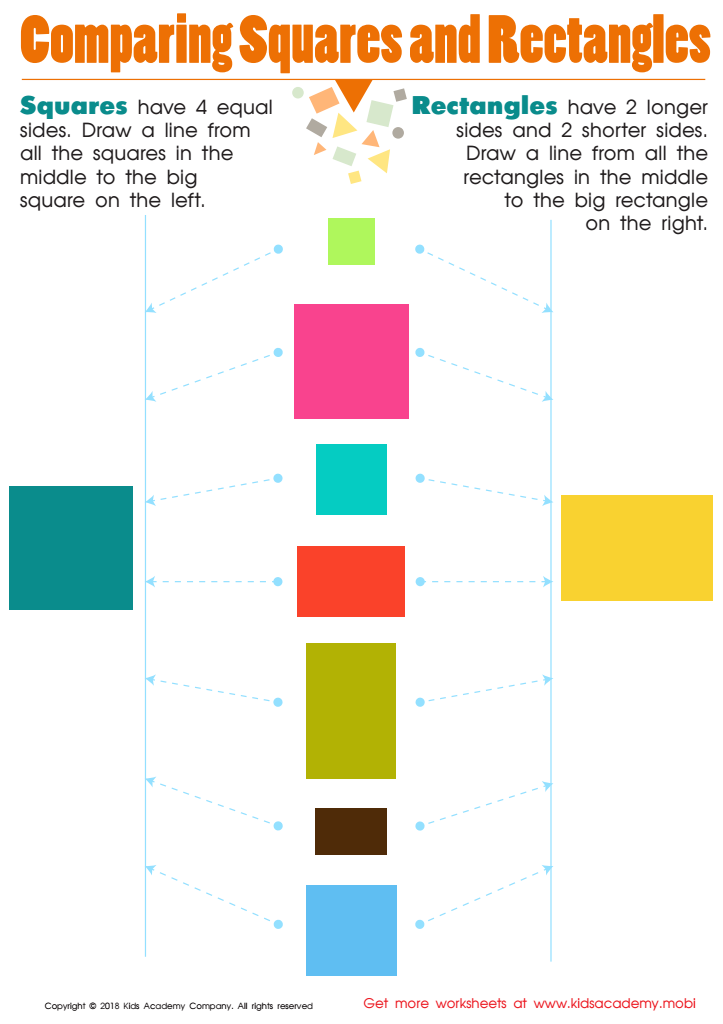
Comparing Squares Rectangles Worksheet
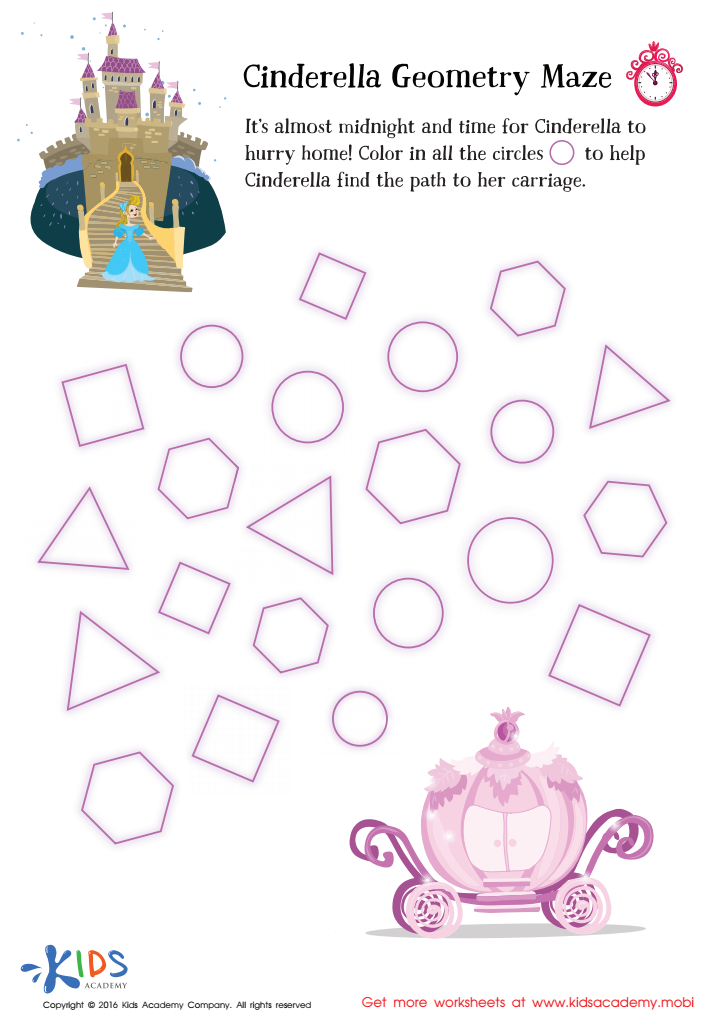
Cinderella Geometry Maze Worksheet
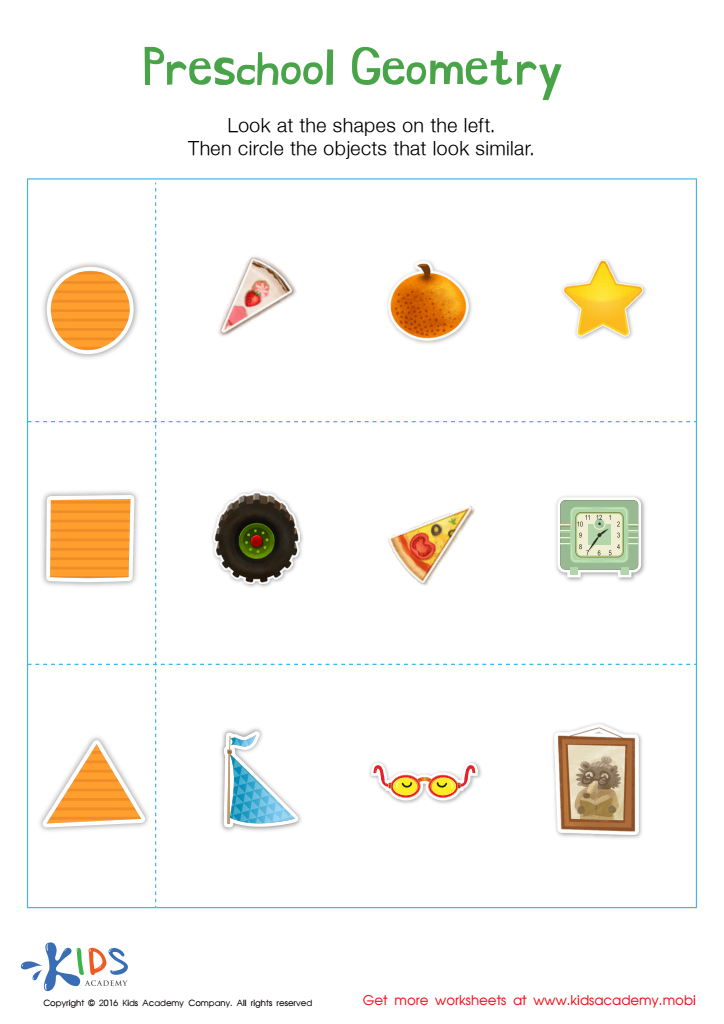
Preschool Geometry Match Up Worksheet
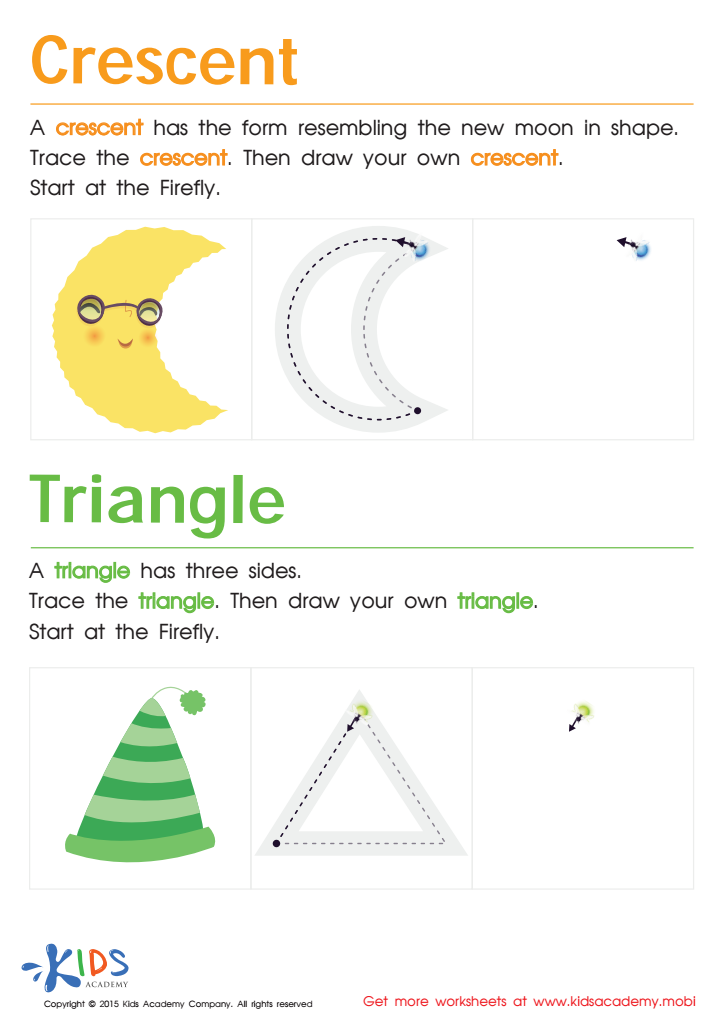
Learning to Draw Crescents And Triangles Worksheet
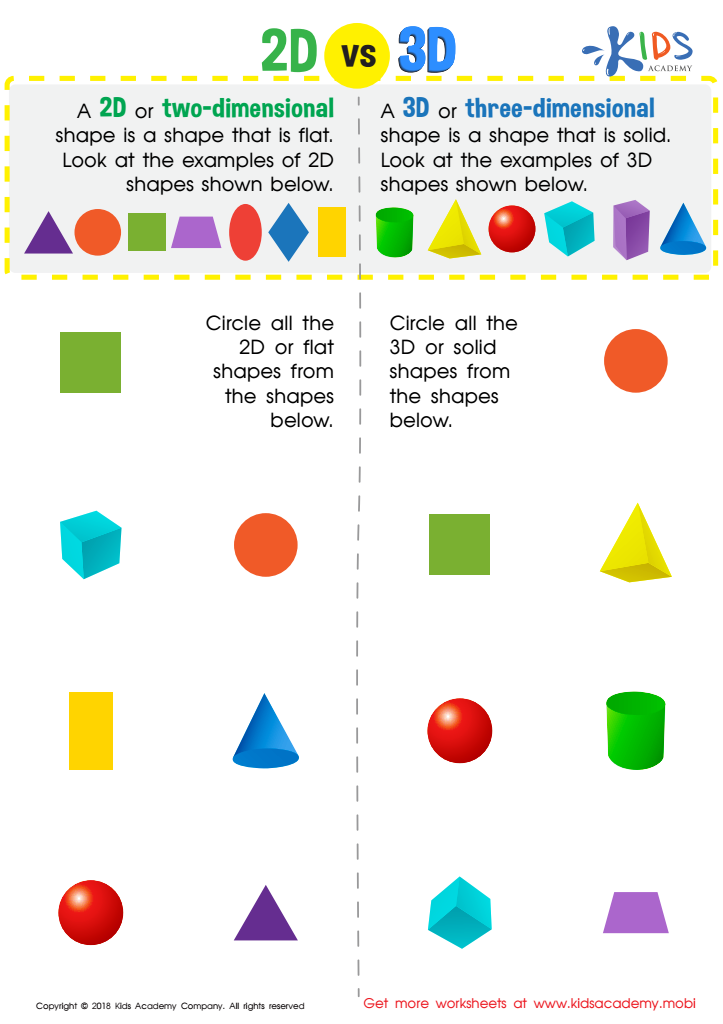
2D vs 3D Shapes Worksheet
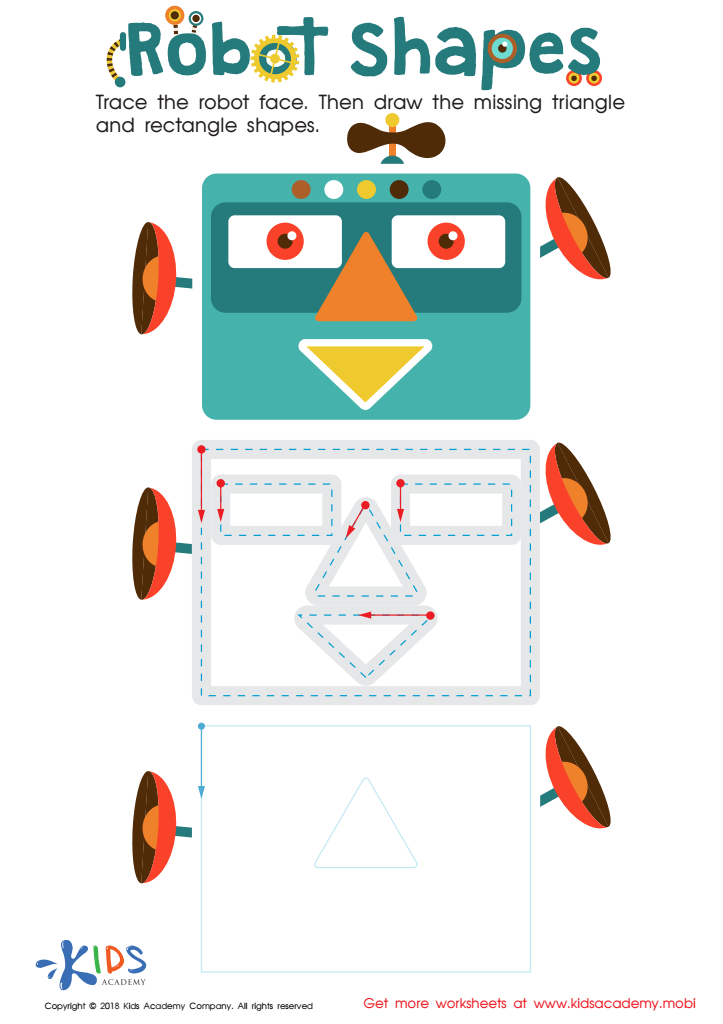
Robot Shapes Worksheet
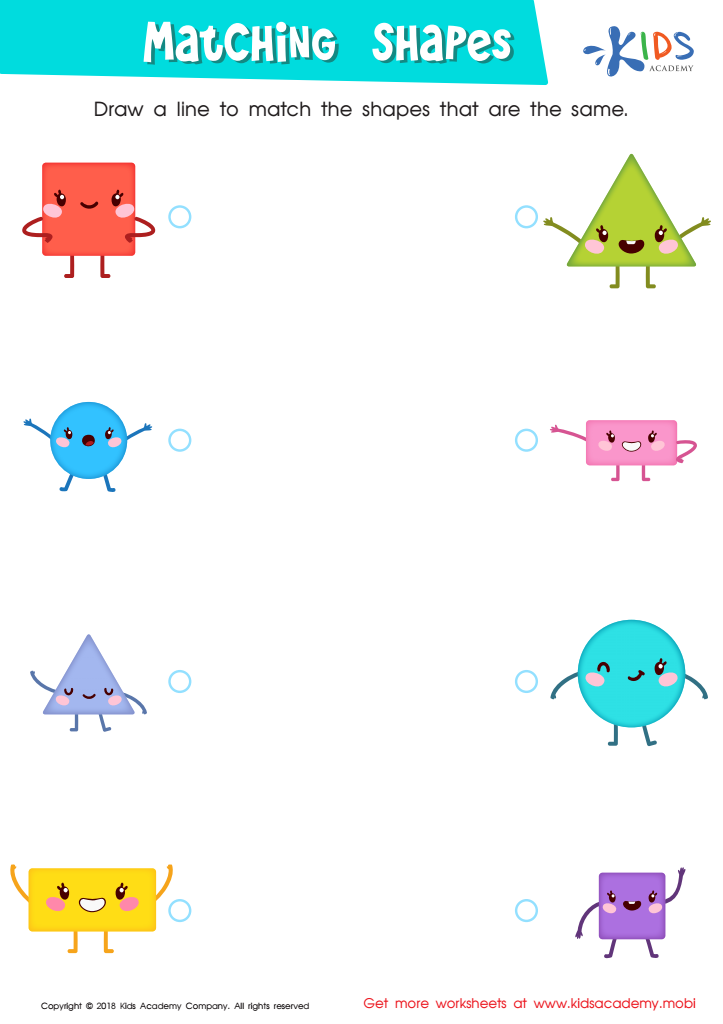
Matching Shapes Worksheet
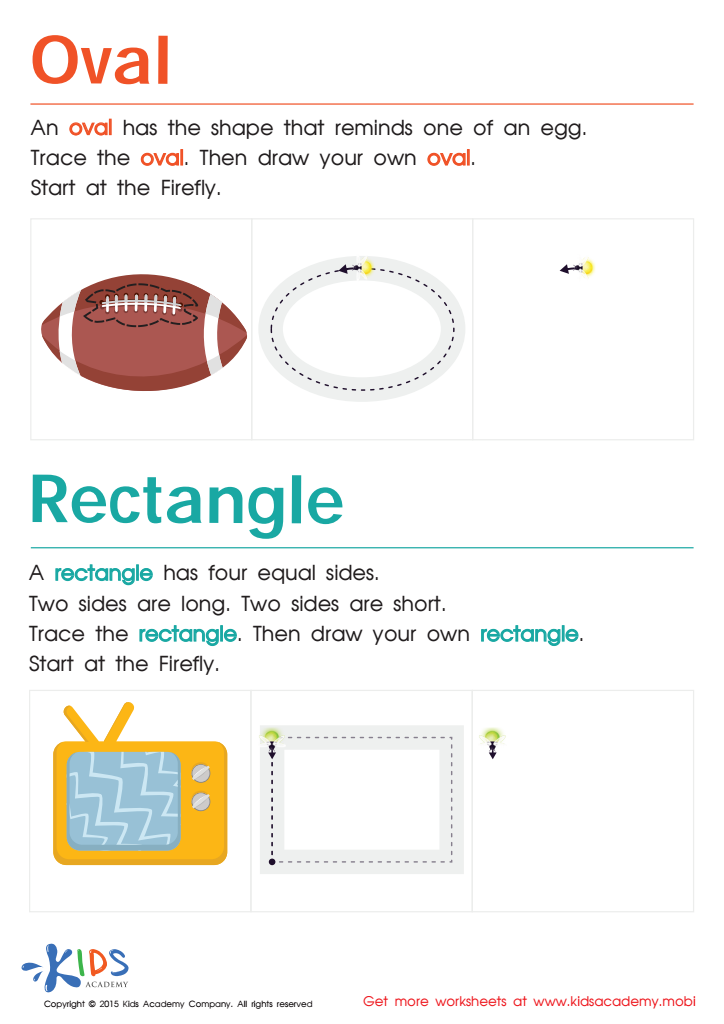
Easy Drawing of Ovals And Rectangles Worksheet
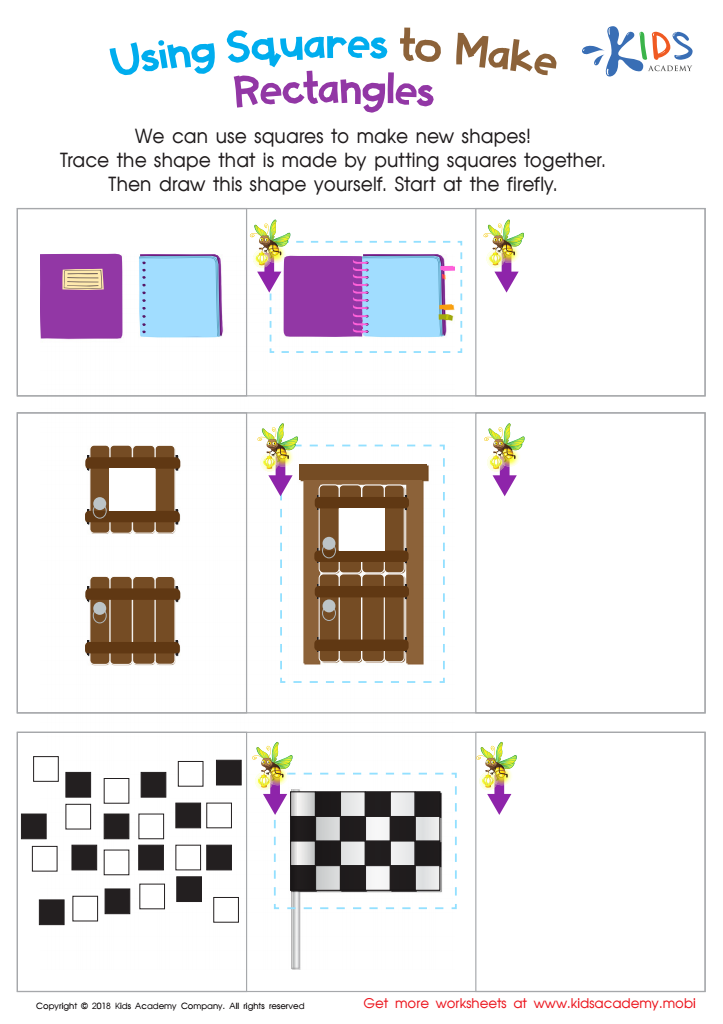
Using Squares to Make Rectangles Worksheet
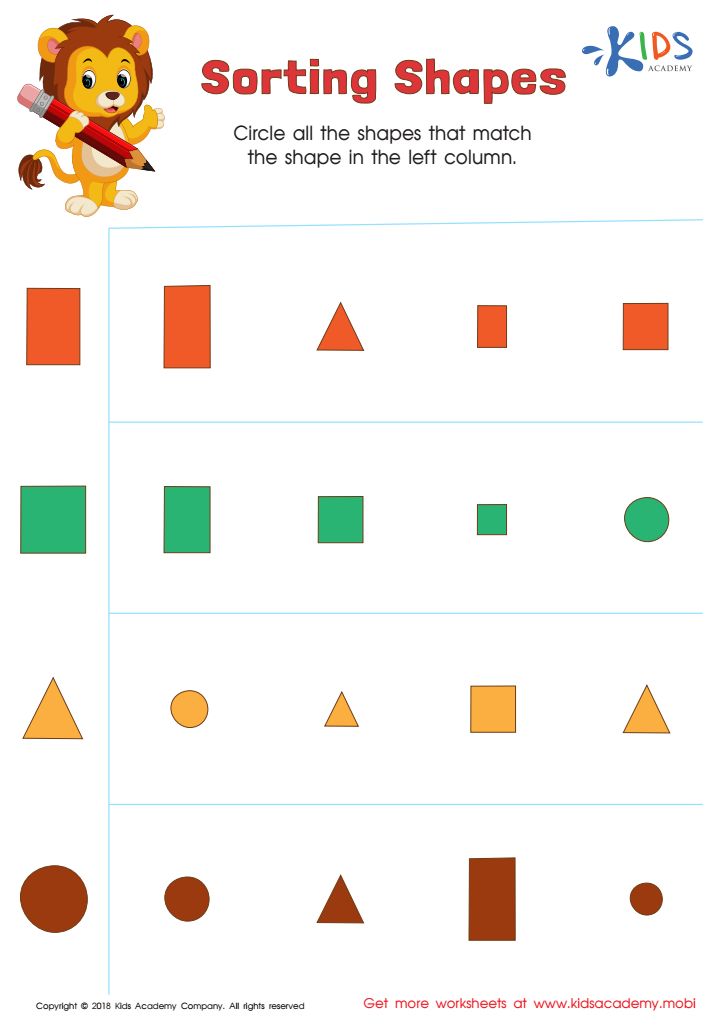
Sorting Shapes - Part 2 Worksheet








Shape recognition for 5-year-olds plays a crucial role in their cognitive development and foundational learning. Understanding normal 2D shapes like circles, squares, triangles, and rectangles helps children develop key mathematical skills. Firstly, recognizing and naming shapes enhances their geometry skills, which forms a basis for more complex mathematical concepts they'll encounter later in school.
Cognitive skills are significantly improved through shape recognition. Identifying common shapes requires children to compare, categorize, and refine their observation skills, stimulating brain connections in critical thinking and problem-solving.
Additionally, recognizing shapes contributes to literacy development. Children draw parallels between shapes and letters, which aids in learning to read and write. For example, the roundness of 'O' can be akin to a circle, while 'A' can resemble a triangle.
Finally, projects involving shapes promote creativity and fine motor skills. Cutting out, tracing, or assembling different shapes can refine hand-eye coordination and introduce the concept of spatial awareness—understanding how shapes fit together.
Given these benefits, parents and teachers should intentionally include shape recognition activities in everyday learning. It's an apt way to ensure holistic cognitive development while laying a strong foundation for future education. This attention will foster a love for learning that will benefit children throughout their academic journey.