Fine Motor Skills Normal Numbers Worksheets for 5-Year-Olds
14 filtered results
-
From - To
Introduce your child to basic math while strengthening their fine motor skills with our Fine Motor Skills Normal Numbers Worksheets designed for 5-year-olds. These engaging and educational worksheets from Kids Academy offer a variety of activities that help young learners develop hand-eye coordination, precise movements, and number recognition. Perfectly crafted by experts, the worksheets include tracing, coloring, and connecting the dots to create an interactive learning experience. Prepare your little one for future academic success by integrating foundational fine motor and numerical skills seamlessly. Download now to make learning numbers fun and highly effective for your child.
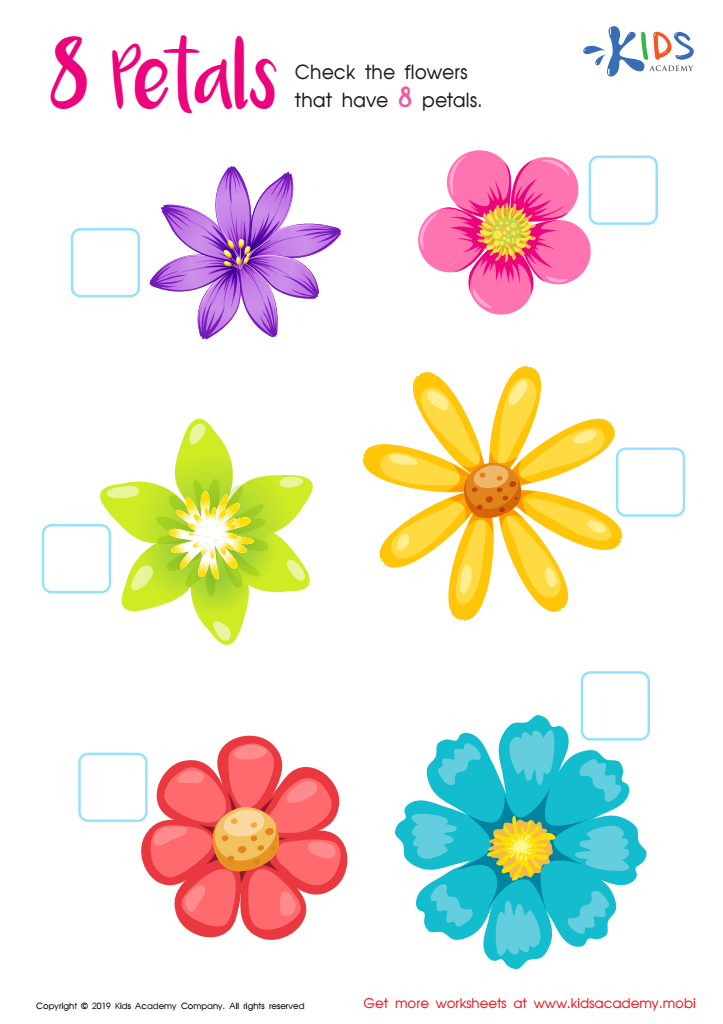
8 Petals Worksheet
 Assign to My Students
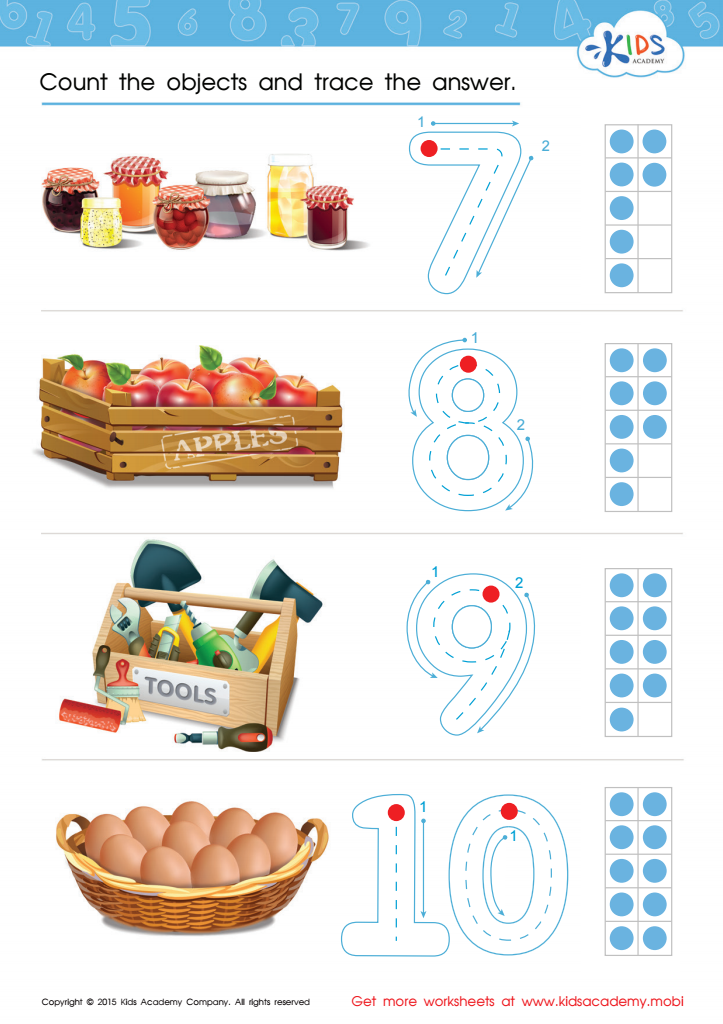
Count and Trace 7 – 10 Worksheet
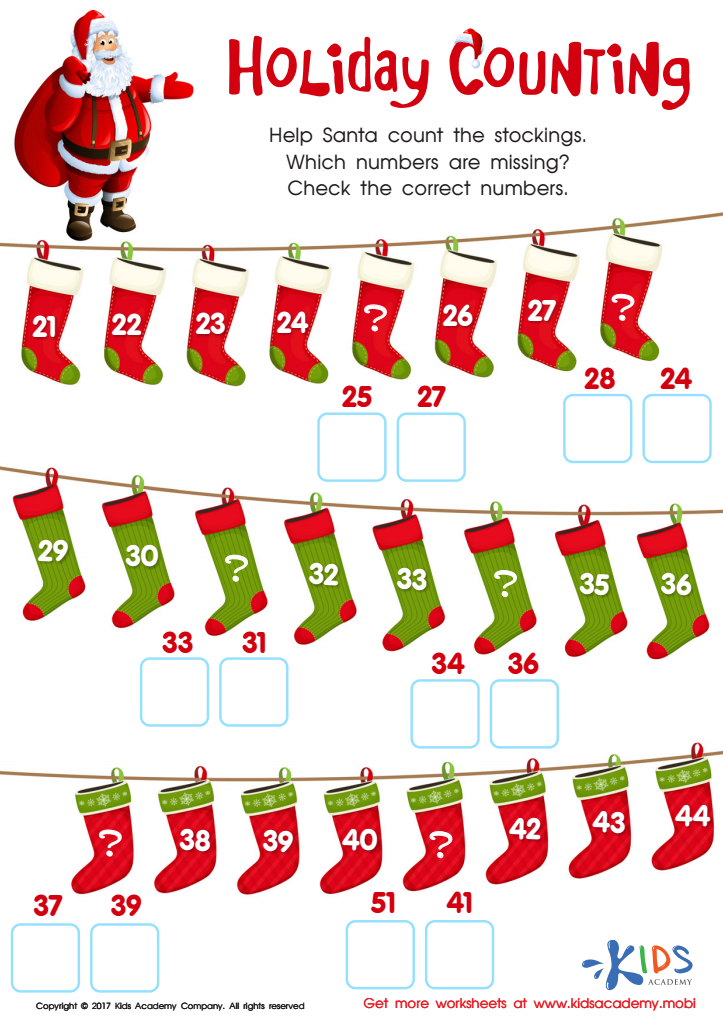
Holiday Counting Worksheet
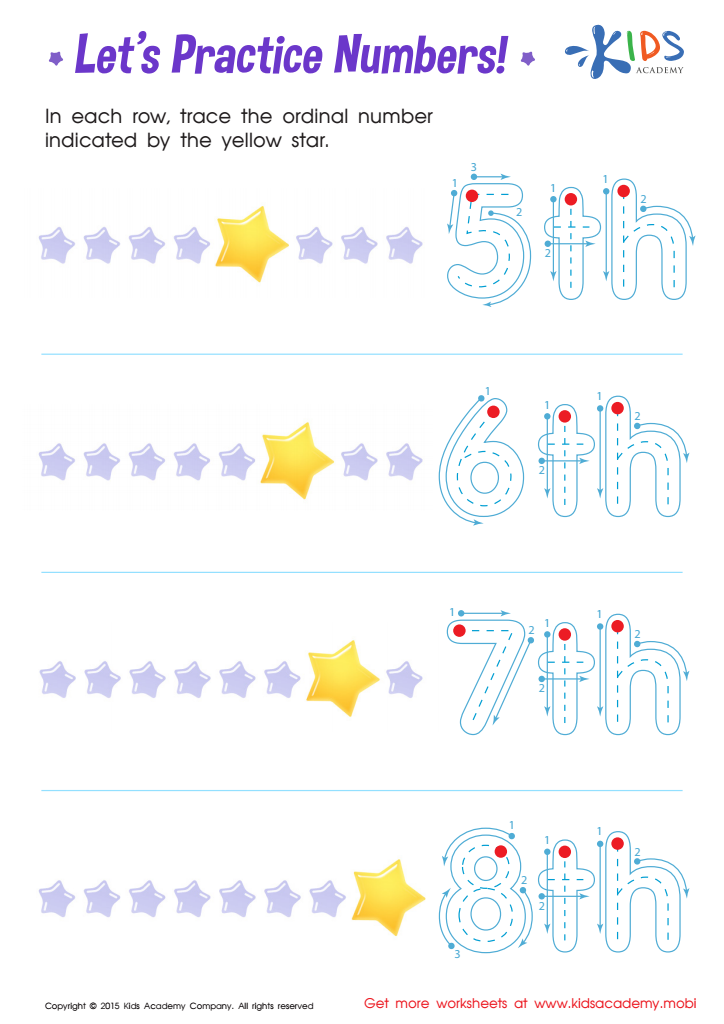
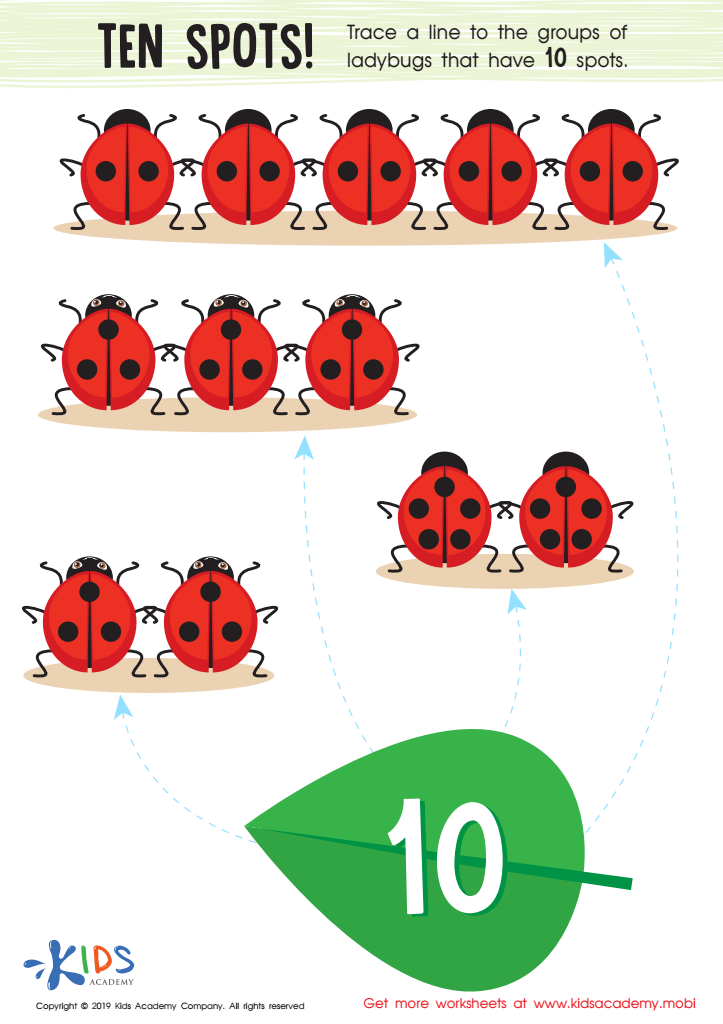
Ten Spots Worksheet
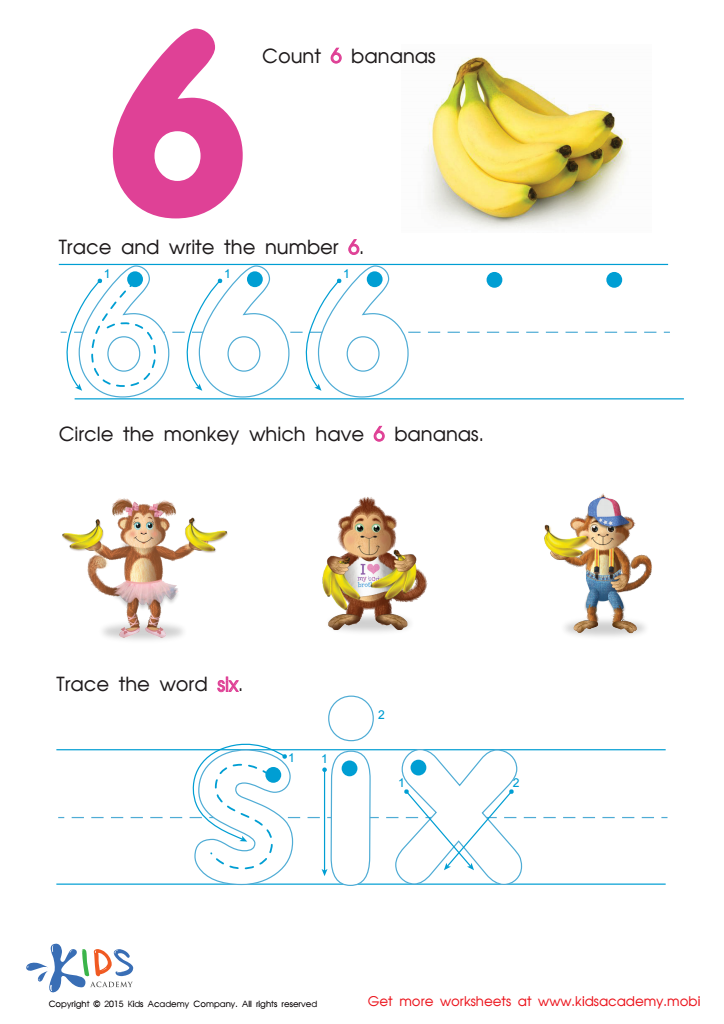
Tracing And Writing Number 6 Worksheet
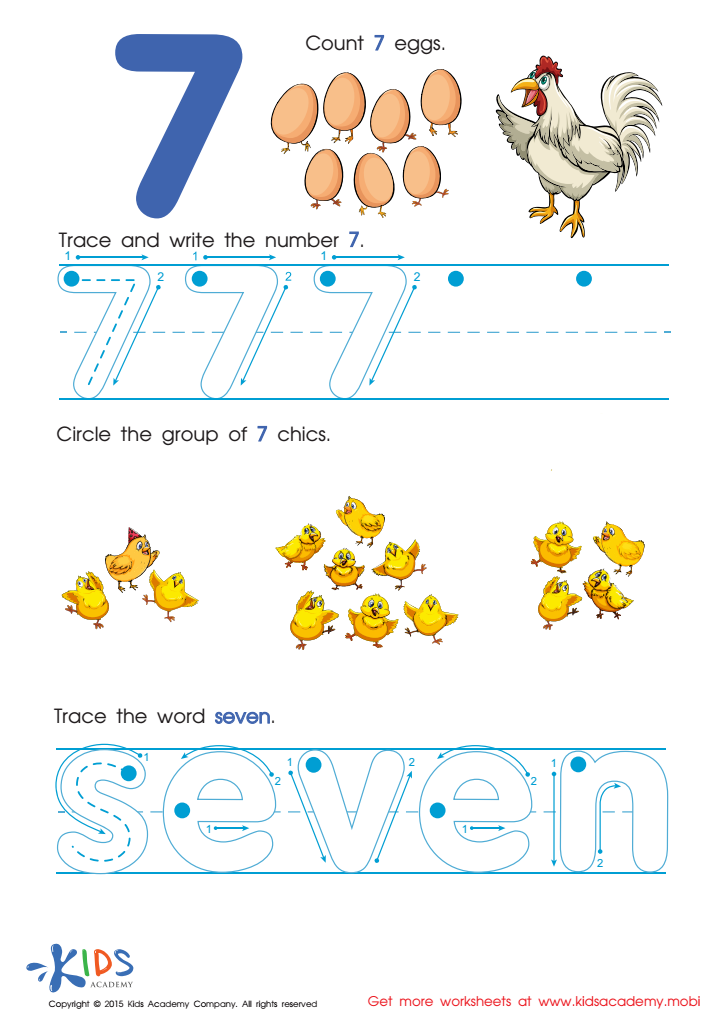
Trace And Write Number 7 with Fun Worksheet
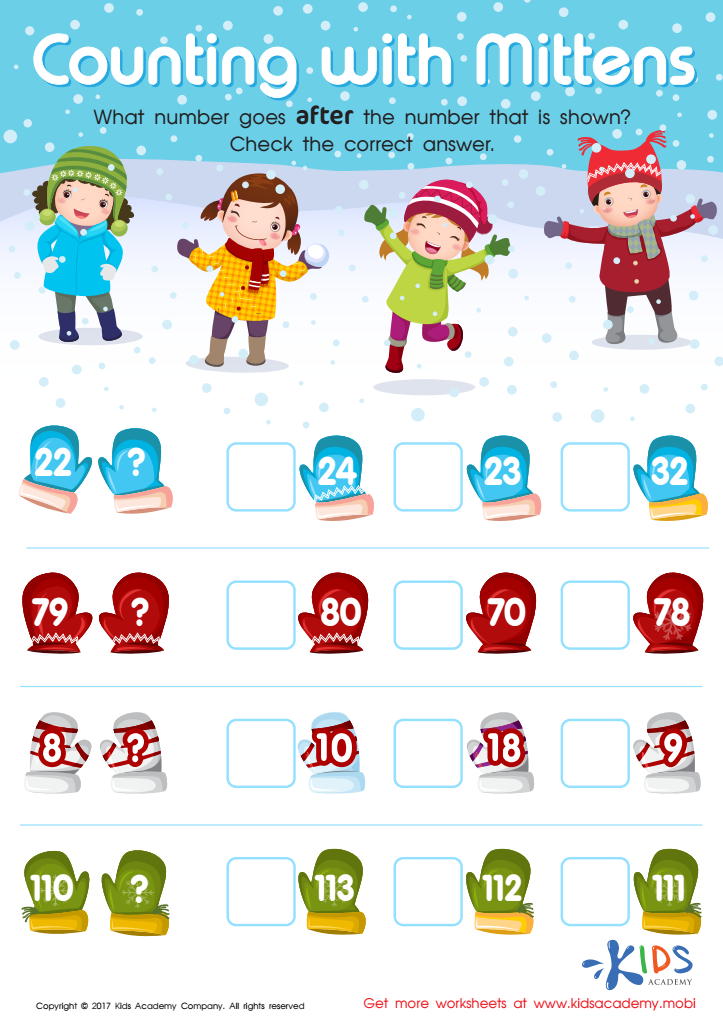
Counting with Mittens Worksheet
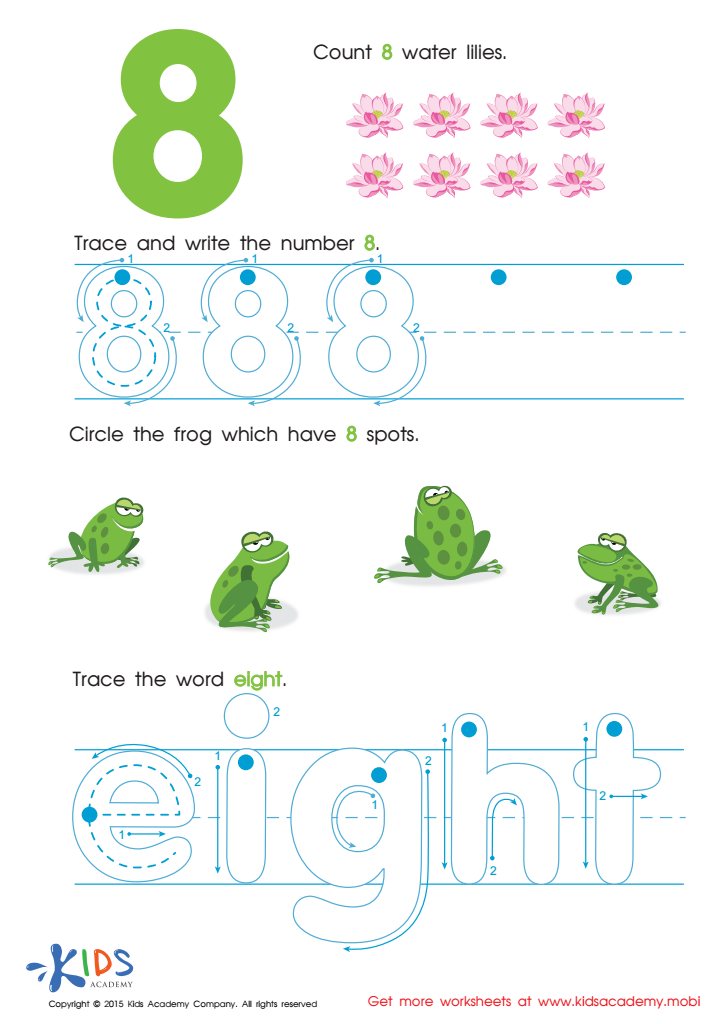
Learn Number 8 Easily Worksheet
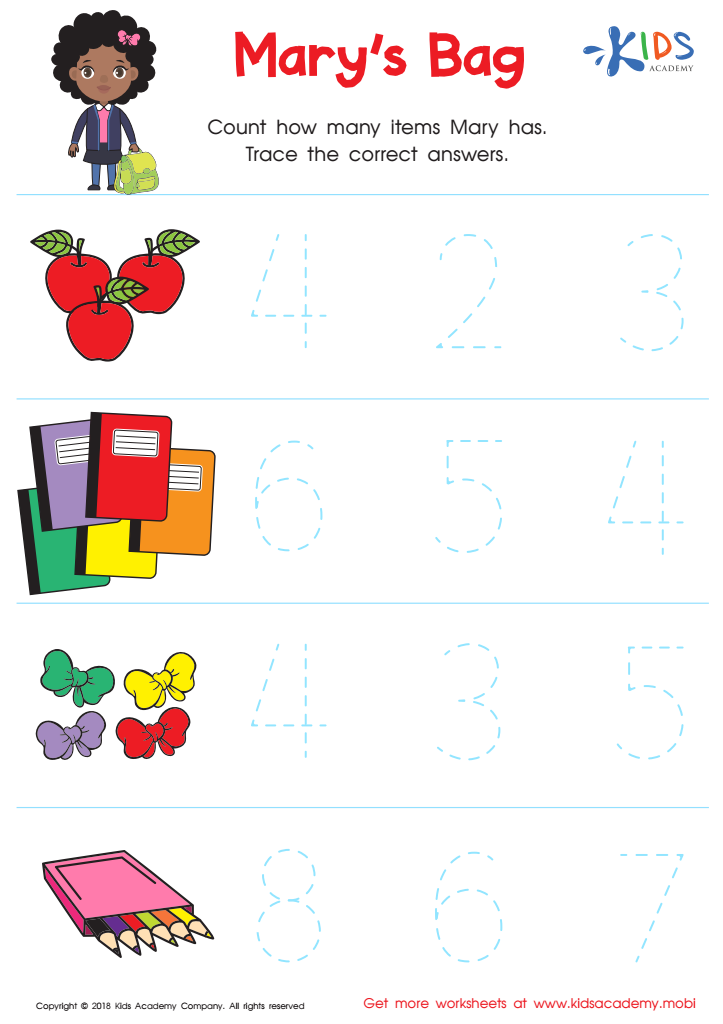
Kindergarten Number Tracing: Mary's Bag Worksheet
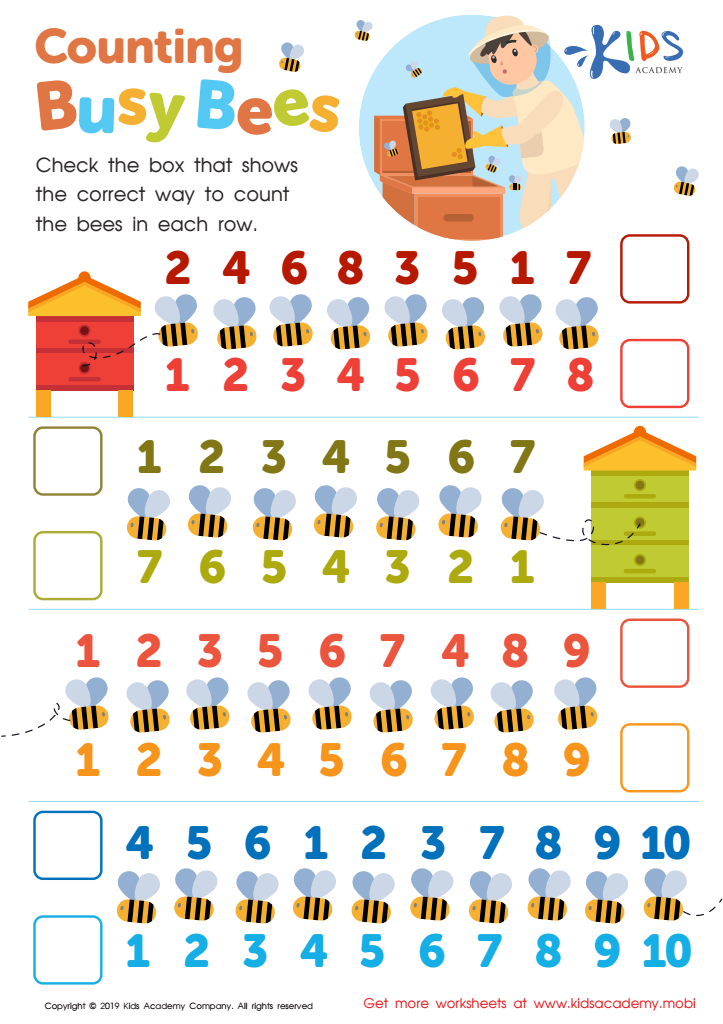
Counting Busy Bees Worksheet
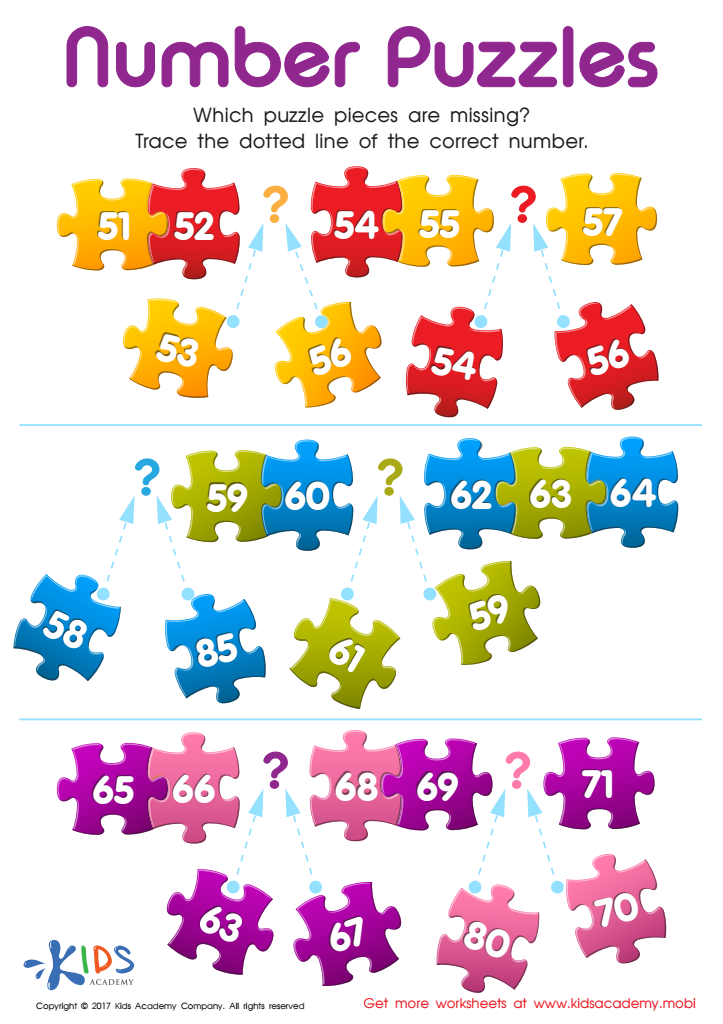
Number Puzzles Worksheet
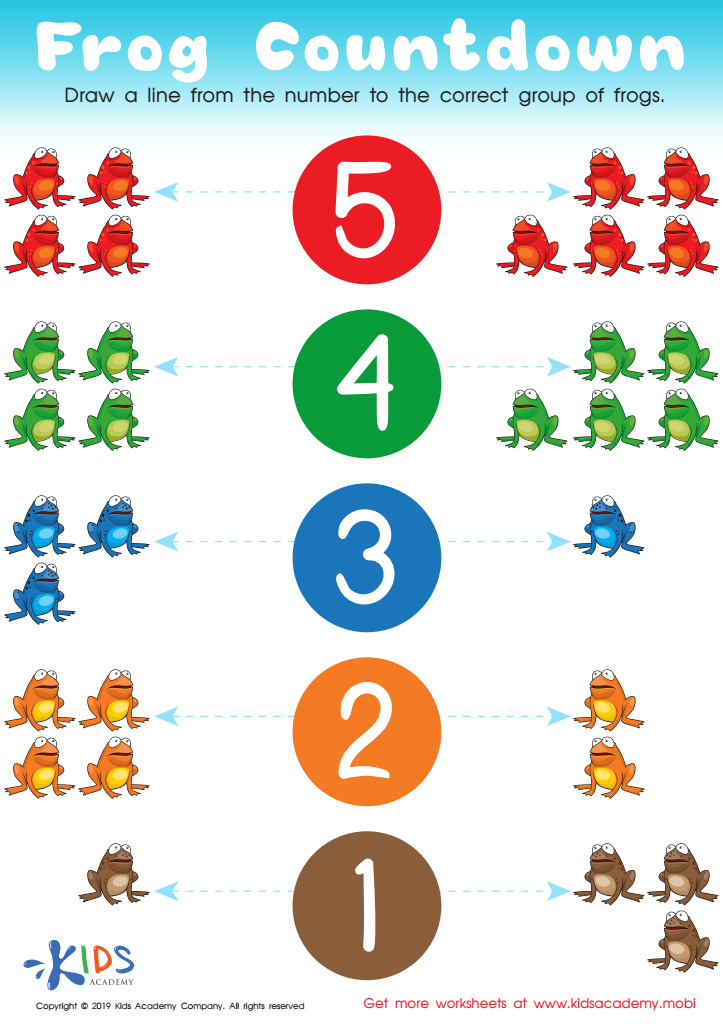
Frog Countdown Worksheet
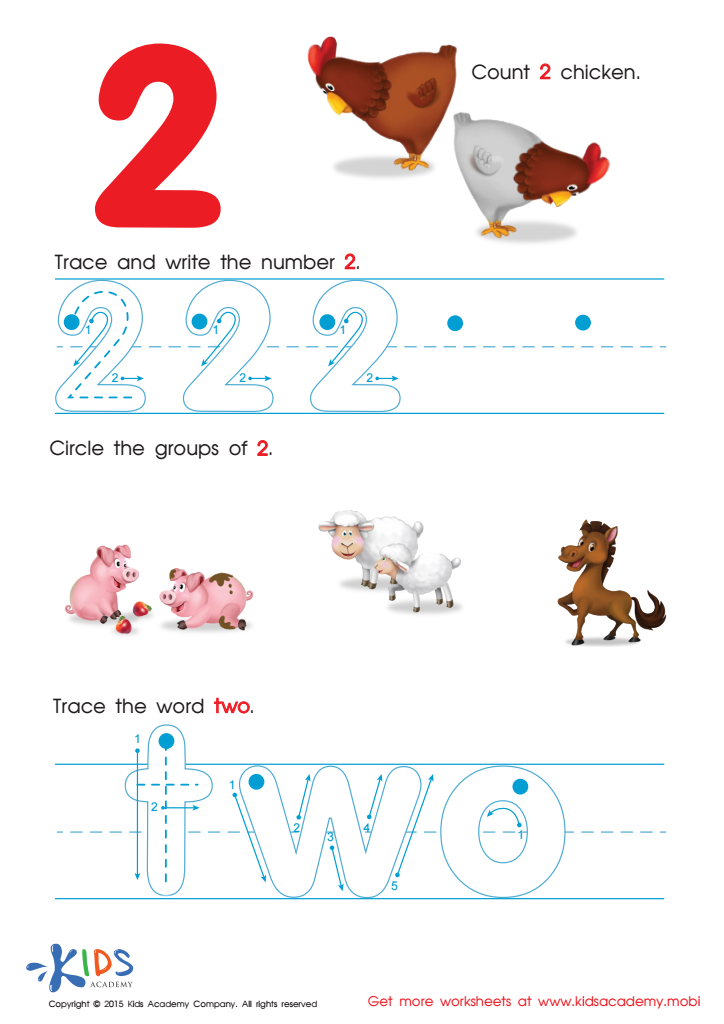
Learn to Write the Number 2 Worksheet








Fine motor skills are crucial components of a child's overall development and form the building blocks for many daily activities and academic pursuits. For 5-year-olds, these skills typically include the ability to hold a pencil properly, cut with scissors, and manipulate small objects. Parents and teachers should be attentive to these milestones because they significantly influence a child's school readiness and future success in various tasks.
Developing fine motor skills lays the foundation for efficient handwriting, which is pivotal for many school-based activities. Poor fine motor control can hinder a child's ability to participate in classroom tasks and may lead to frustration or a lack of confidence. Additionally, these skills are closely linked with cognitive development, helping children enhance their hand-eye coordination, focus, and planning abilities.
Regular monitoring of fine motor skill milestones enables early identification of delays or difficulties, allowing for timely intervention. Activities like drawing, coloring, beading, or playing with clay can support fine motor development and ensure that children are meeting appropriate developmental benchmarks for their age. By prioritizing the development of fine motor skills, parents and teachers can help cultivate a solid foundation for academic success and everyday functioning, ultimately supporting the child's long-term growth and confidence.








