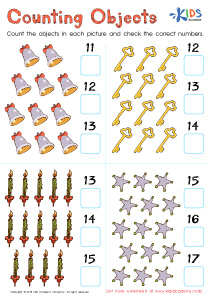
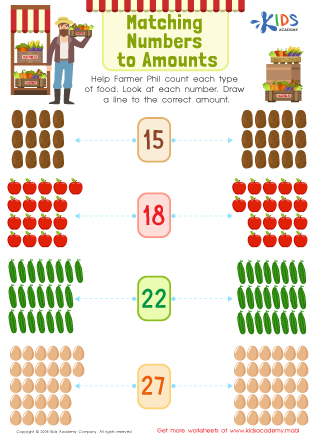
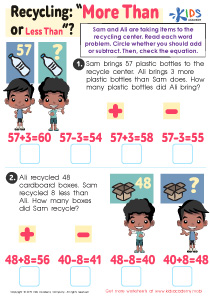
Counting skills Normal Tracing Numbers Worksheets for 5-Year-Olds
12 filtered results
-
From - To
Boost your 5-year-old's counting skills with our Counting Skills Normal Tracing Numbers Worksheets! Designed to develop foundational math abilities, these fun, engaging and educational worksheets provide a hands-on way for young learners to practice tracing and recognizing numbers while reinforcing their counting skills. Each worksheet features bright, kid-friendly illustrations and exercises that gradually increase in difficulty, ensuring your child stays motivated and excited about learning. Perfect for preschool and kindergarten children, these printable resources will set the stage for future math success, helping kids build the confidence they need to master their numbers. Download and start learning today!
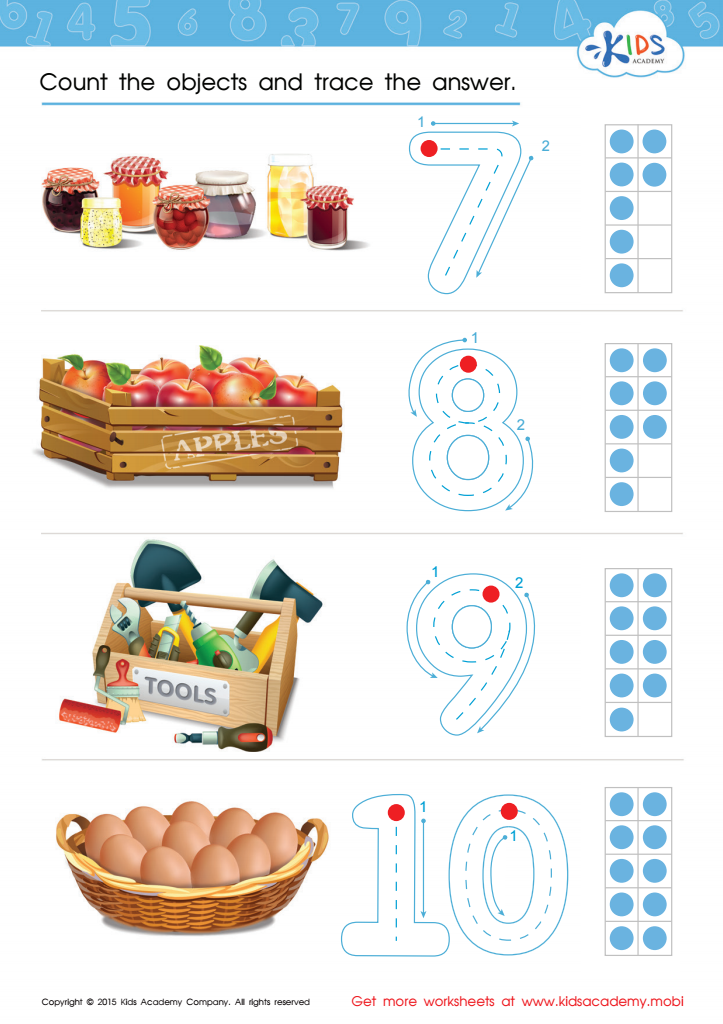
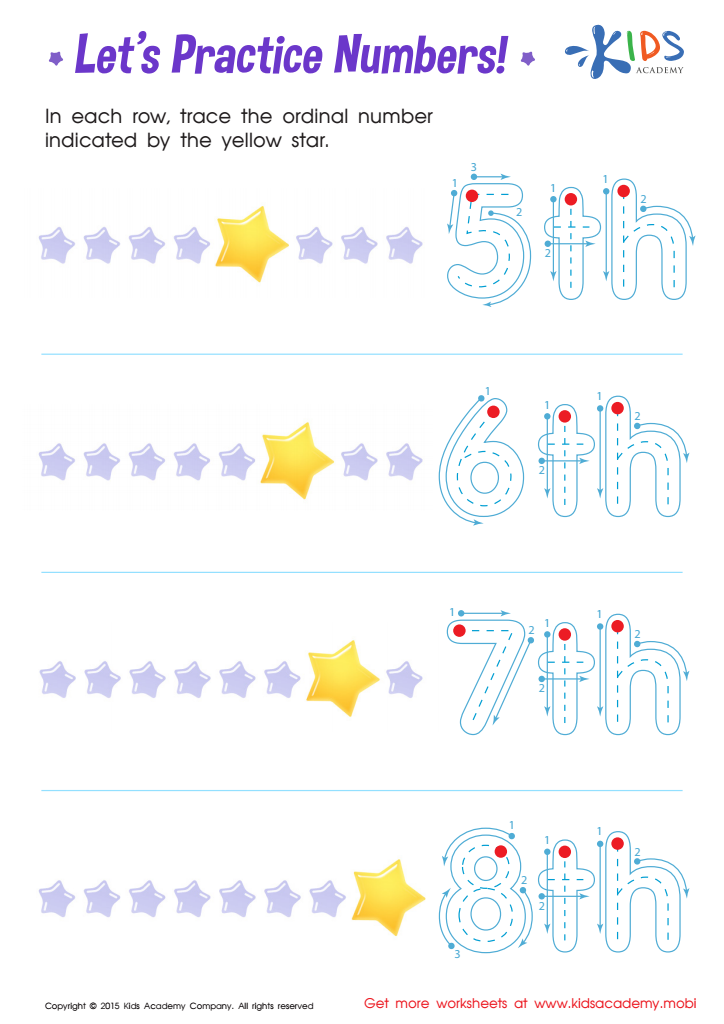
Count and Trace 7 – 10 Worksheet
 Assign to My Students
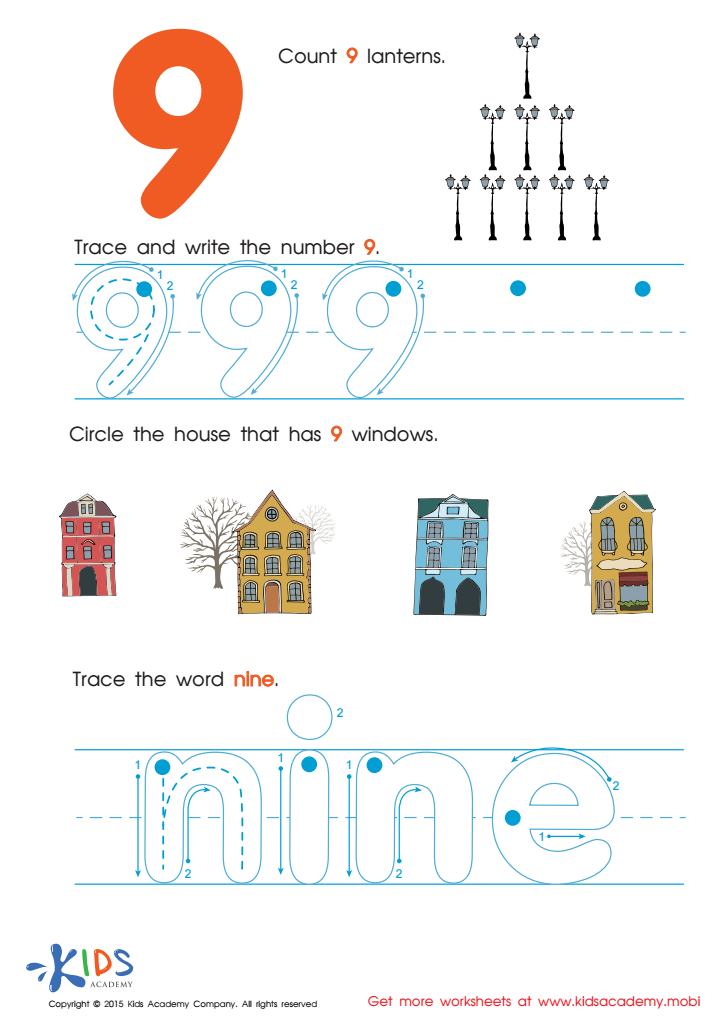
Tracing And Learning to Write Number 9 Worksheet
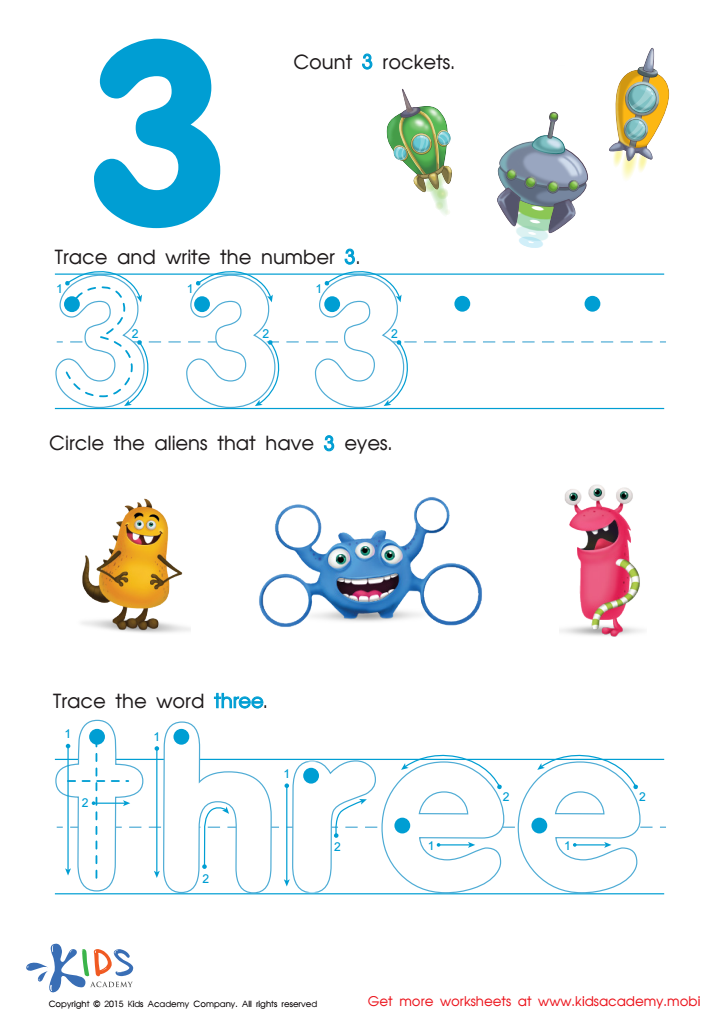
Learning Number Three Worksheet
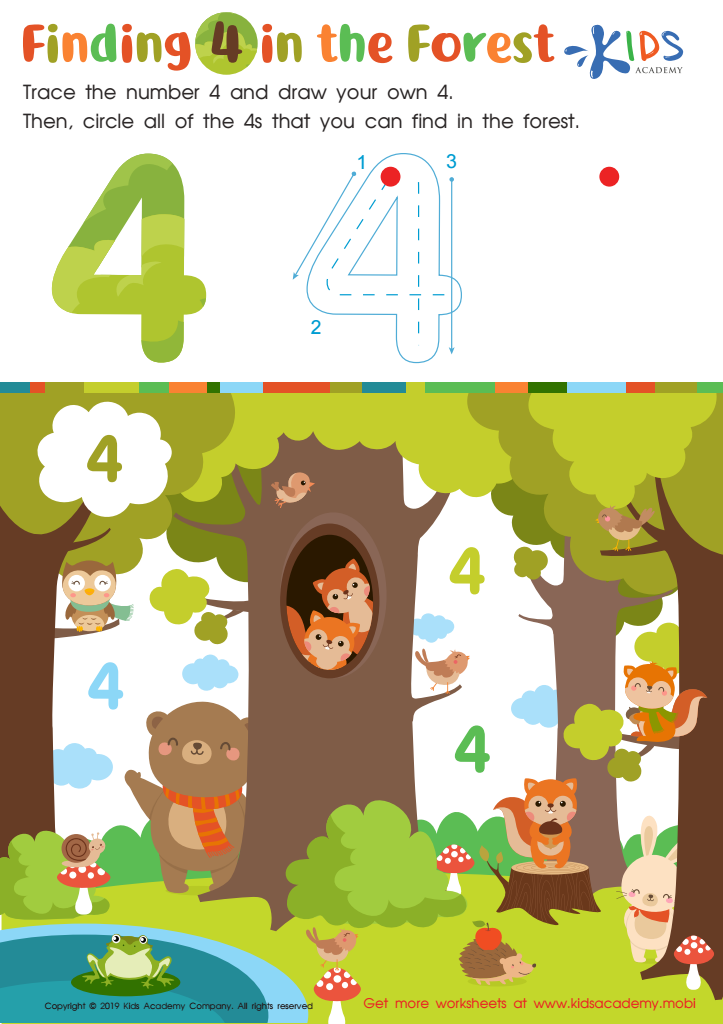
Finding 4 in the Forest Worksheet
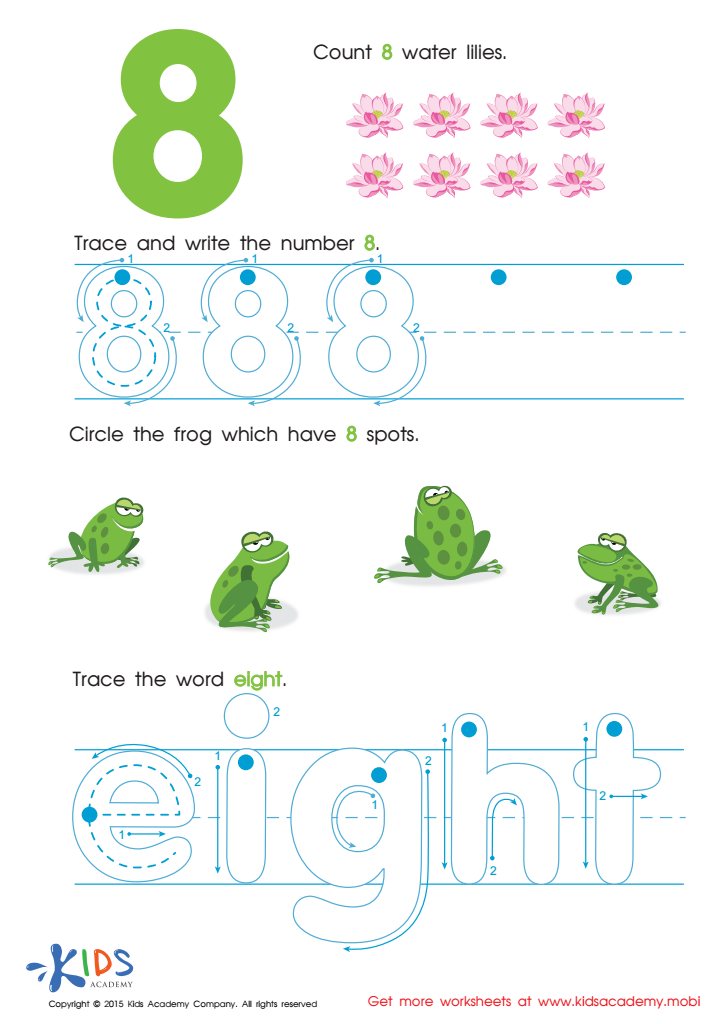
Learn Number 8 Easily Worksheet
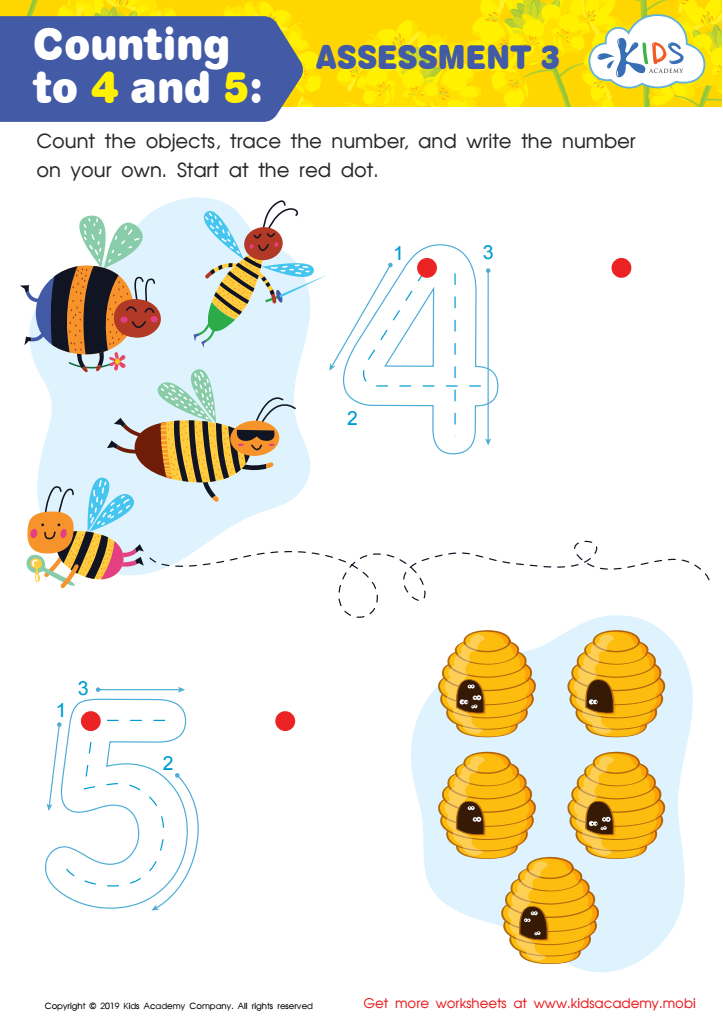
Counting to 4 and 5: Assessment 3 Worksheet
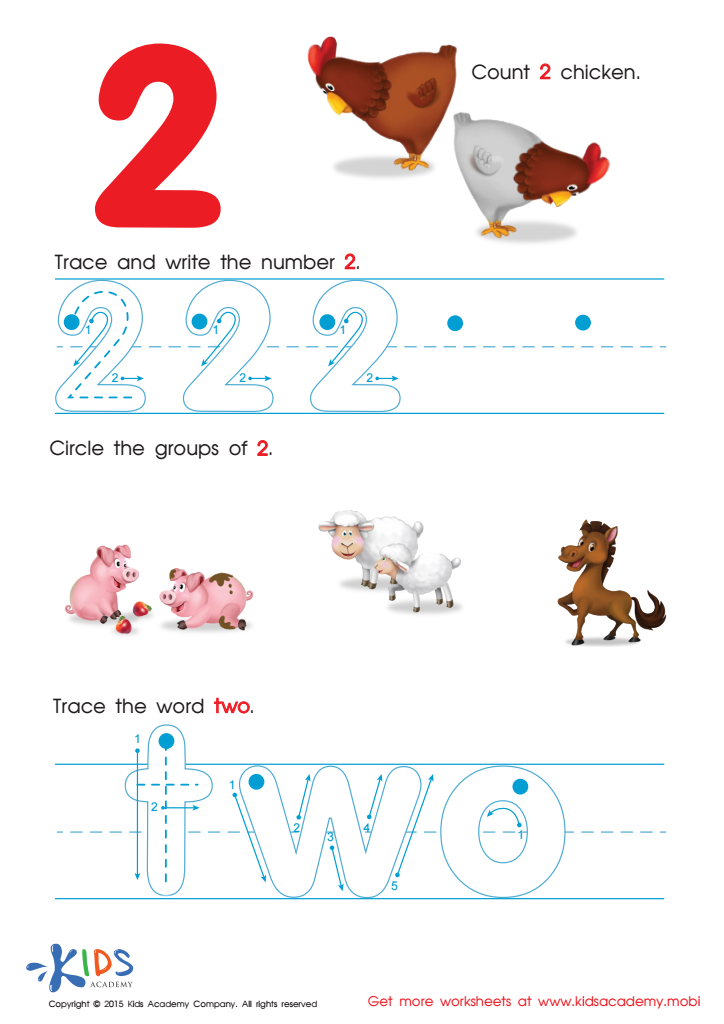
Learn to Write the Number 2 Worksheet
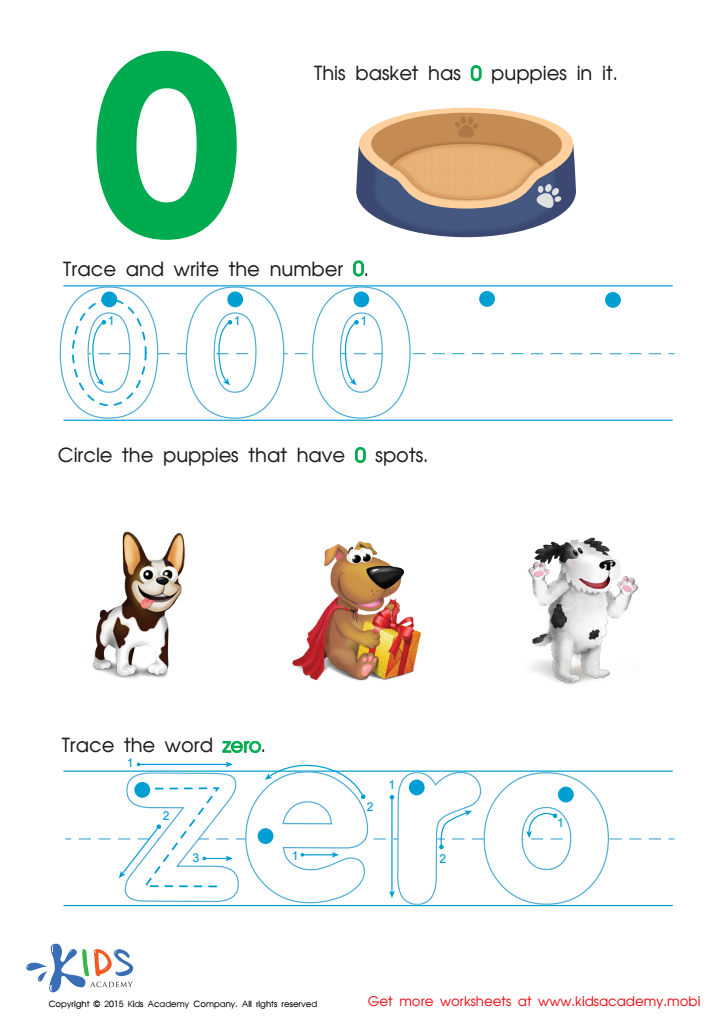
Trace And Write Number 0 Worksheet
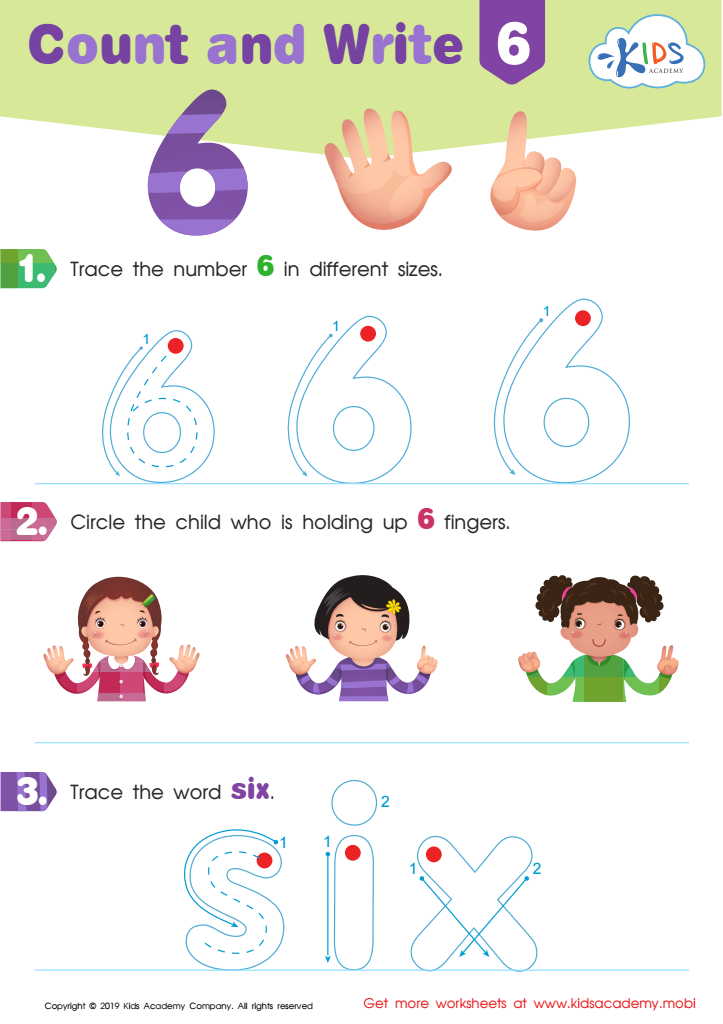
Count and Write 6 Worksheet
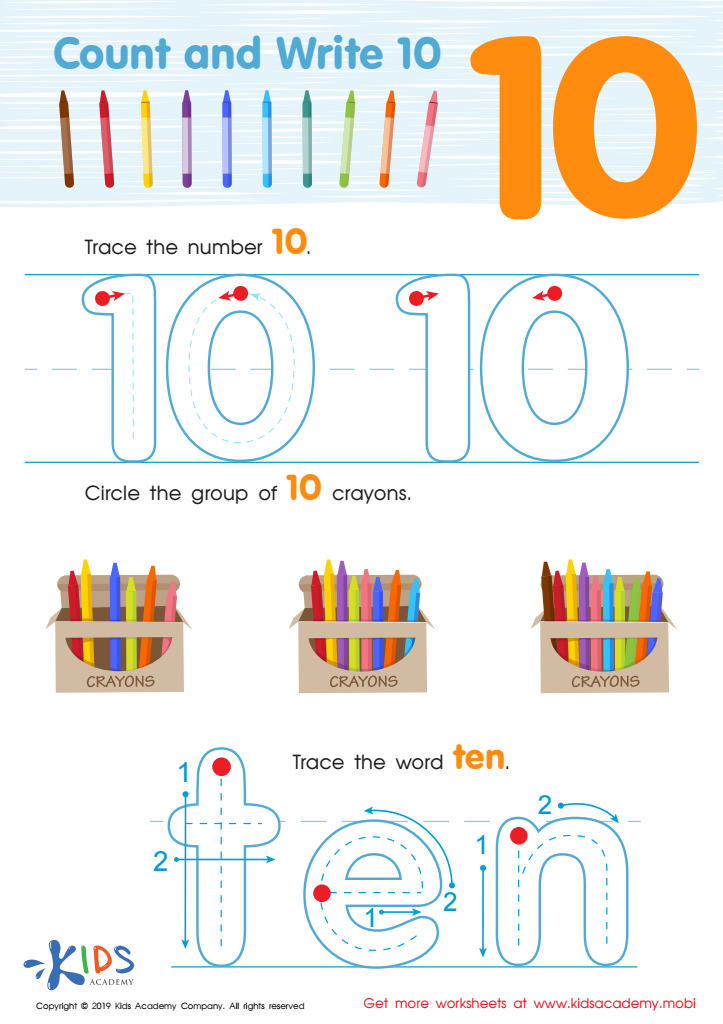
Count and Write 10 Worksheet
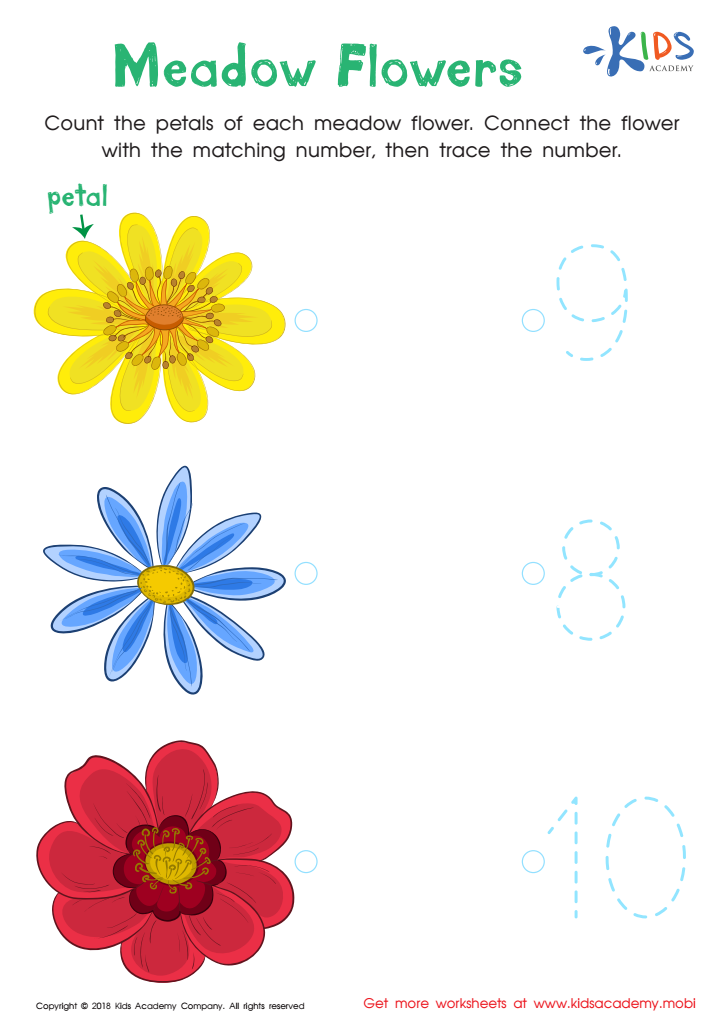
Kindergarten Number Tracing: Medow Flowers Worksheet



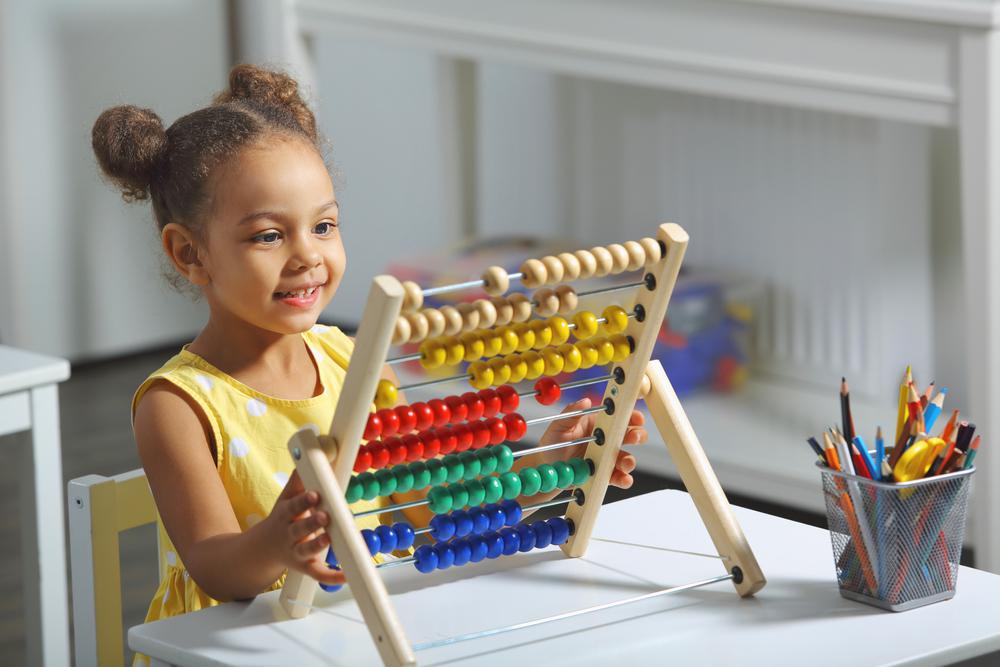




Counting skills and number tracing for 5-year-olds serve as foundational elements in a child’s early academic development, playing a crucial role in their future learning and everyday life skills. First and foremost, counting equips young children with a fundamental understanding of numbers and their sequences, which is essential for tackling more advanced mathematical concepts. When children can count confidently, they are better prepared for lessons in addition, subtraction, and other mathematical operations.
Number tracing offers additional benefits by developing fine motor skills and hand-eye coordination. When children trace numbers, they practice the controlled movements necessary for writing, an essential skill not only for mathematics but language and other subjects. It also improves their ability to recognize number shapes, aiding in numeral identification and ensuring they can distinguish between similar-looking numbers.
Furthermore, early counting and number tracing activities foster critical cognitive skills like memory, attention, and problem-solving. They also boost a child's confidence and independence as they see tangible progress in their abilities. Engaging in such activities in a supportive environment, whether at home or in school, nurtures a positive attitude towards learning. Moreover, it sets the stage for academic success, contributing to a child's enthusiasm for education and their readiness to embrace new, challenging concepts.