Number Sequencing Normal Math Worksheets for Ages 6-7
12 filtered results
-
From - To
Unlock your child's math potential with our engaging Number Sequencing worksheets designed specifically for ages 6-7. These interactive, printable worksheets help young learners master essential sequencing skills, enhancing their number recognition and cognitive abilities through fun exercises. Your child will enjoy exploring patterns, filling gaps, and arranging numbers in ascending and descending order. With a variety of exercises, each worksheet encourages critical thinking while making math a delightful experience. Perfect for classroom or home use, these resources support foundational math skills in a playful and approachable way. Start fostering a love for numbers and early math success today!
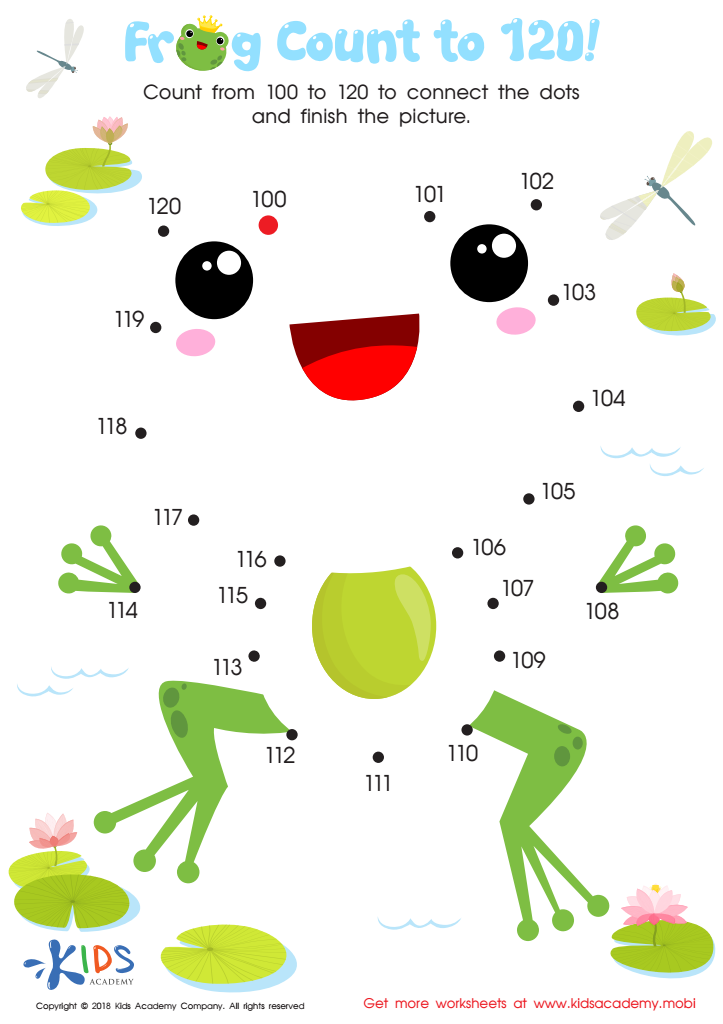
Frog Count to 120 Worksheet
 Assign to My Students
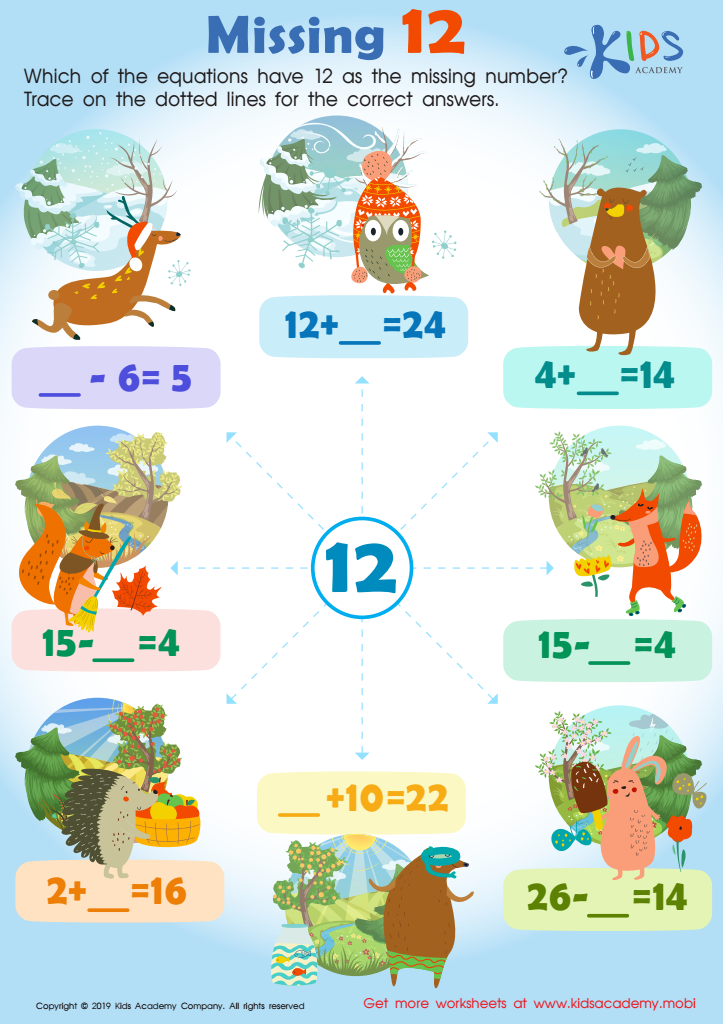
Missing 12 Worksheet
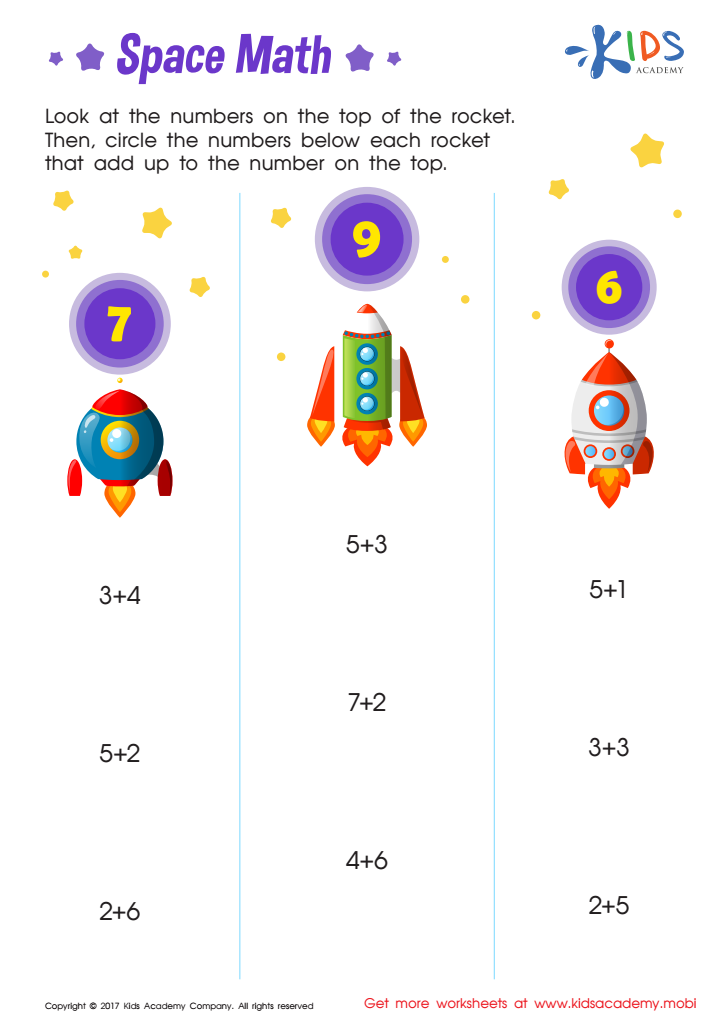
Addition: Space Math Worksheet
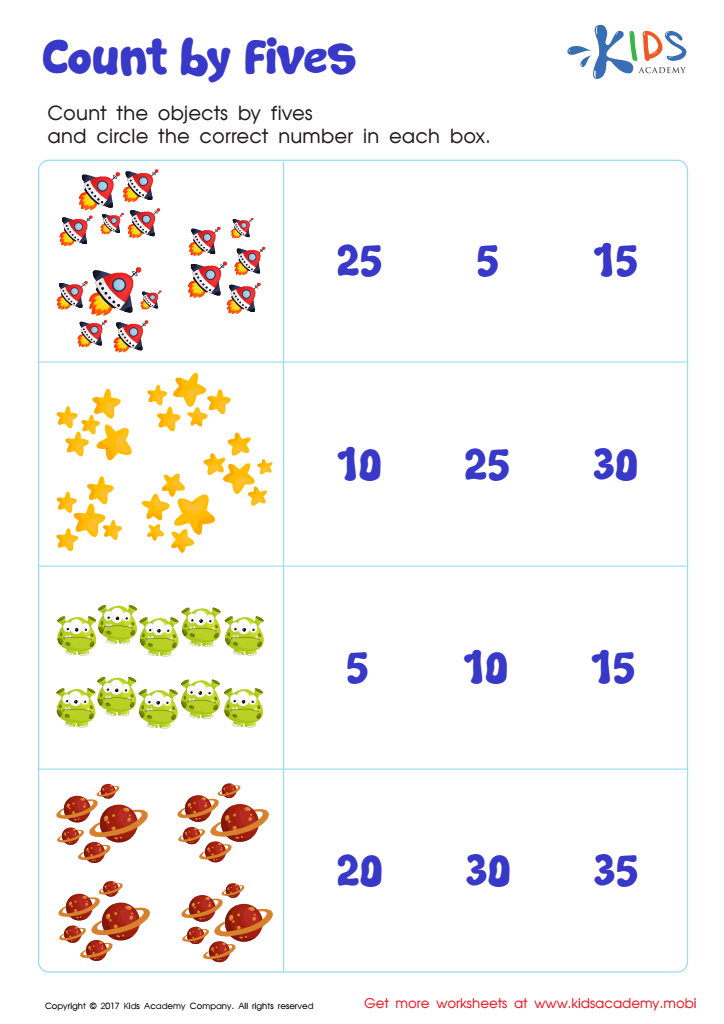
Skip Counting by 5s: Space Math Printable
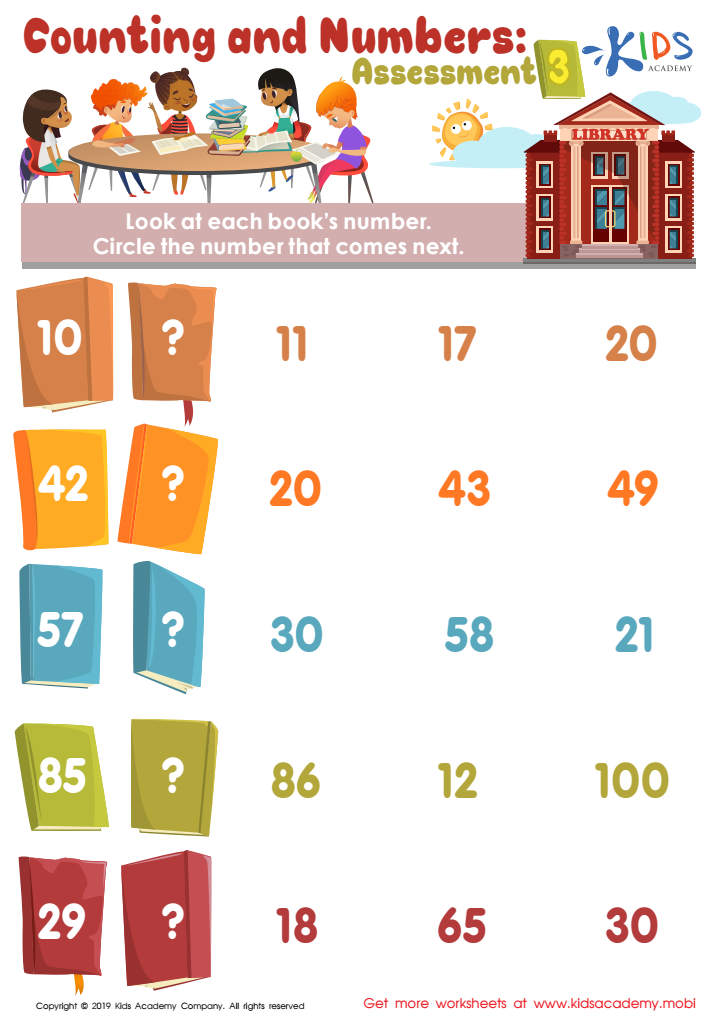
Counting and Numbers: Assessment Worksheet
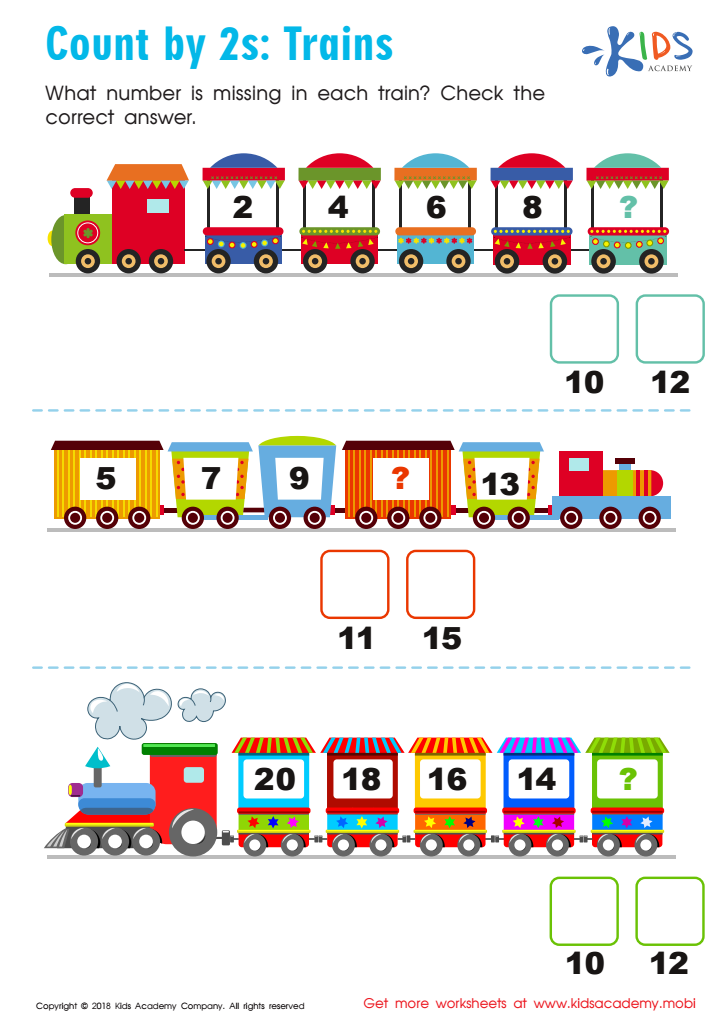
Count by 2's: Trains Worksheet
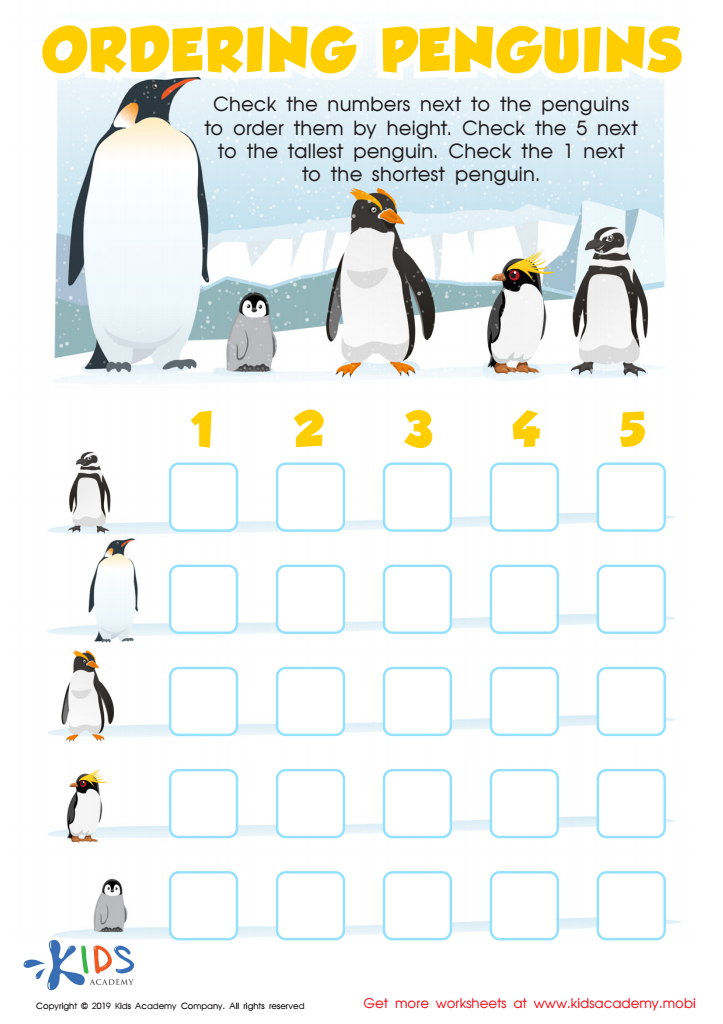
Ordering Penguins Worksheet
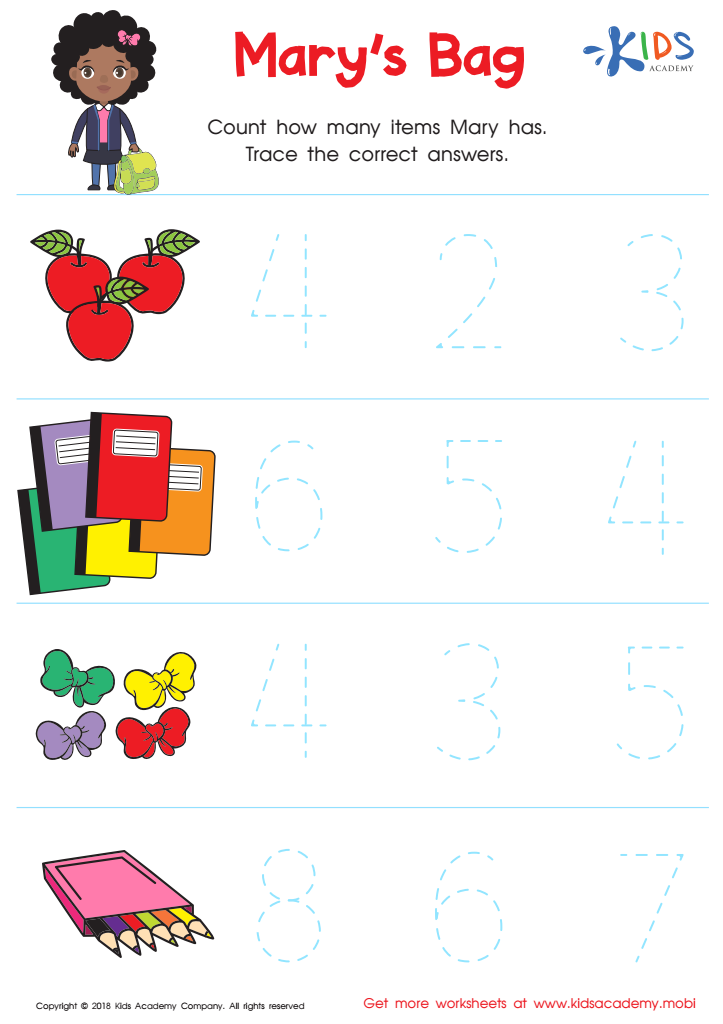
Kindergarten Number Tracing: Mary's Bag Worksheet
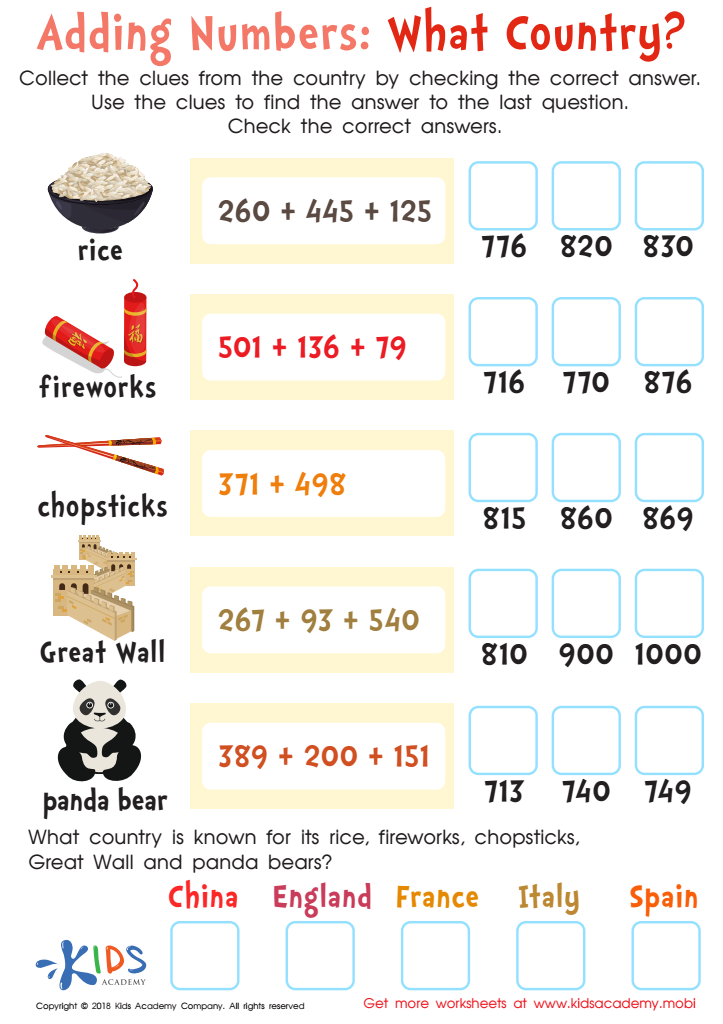
Adding Numbers: What Country Worksheet
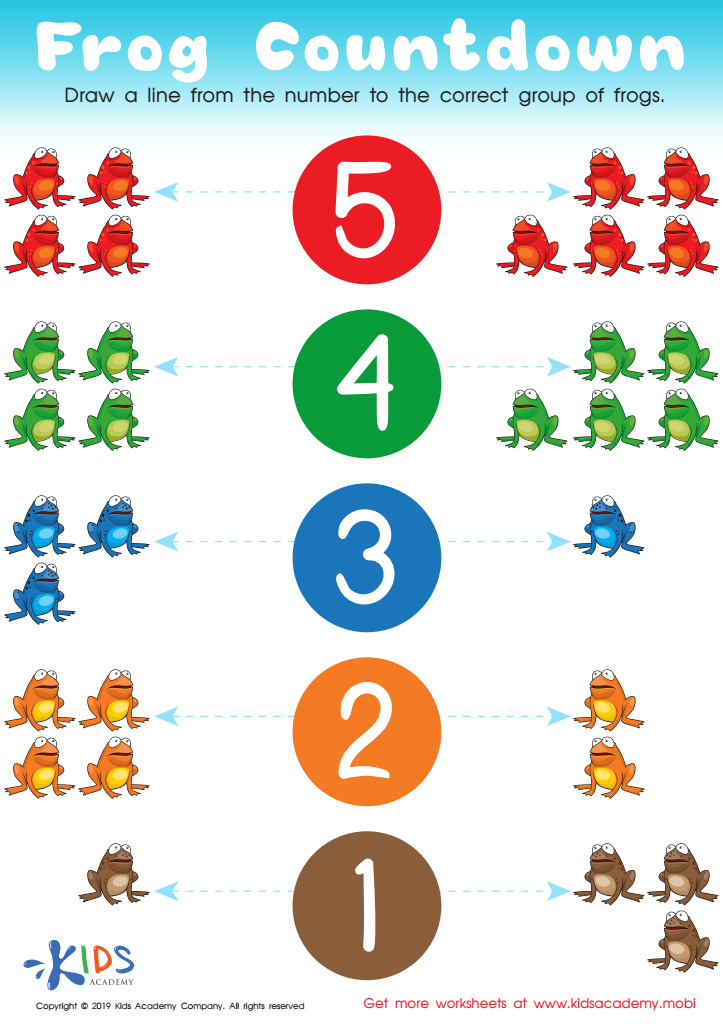
Frog Countdown Worksheet
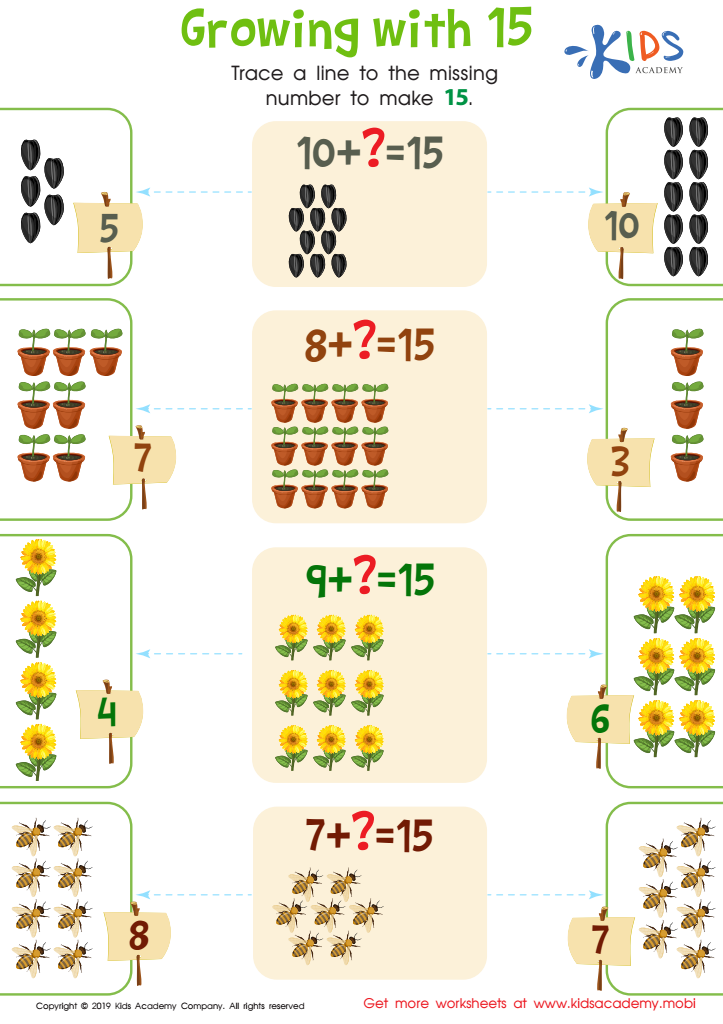
Growing with 15 Worksheet
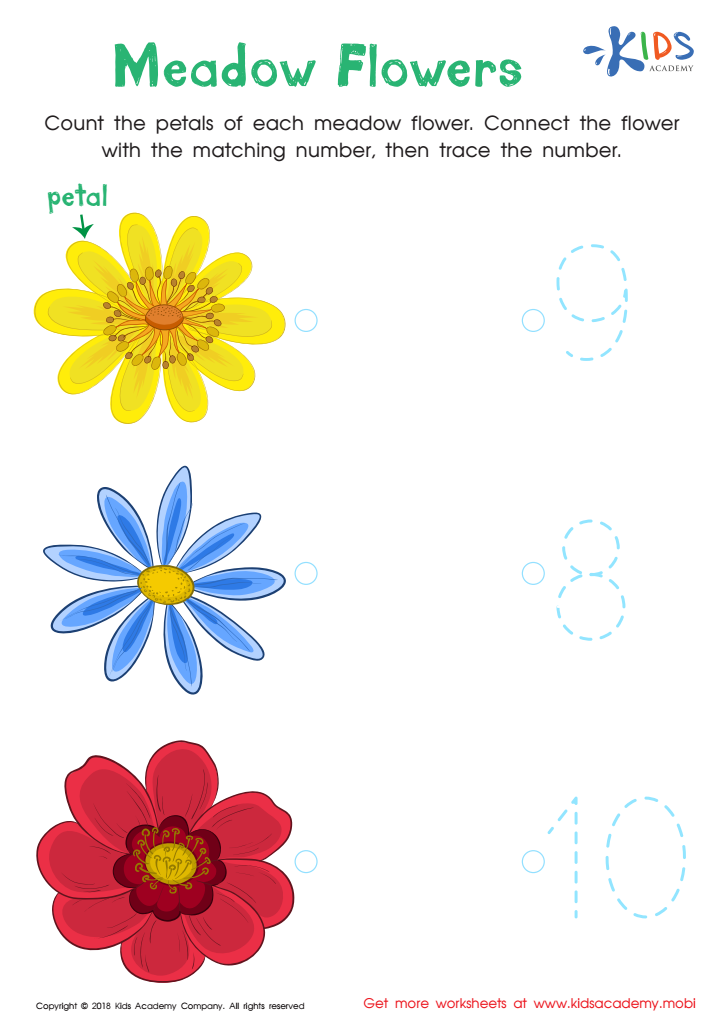
Kindergarten Number Tracing: Medow Flowers Worksheet








Parents and teachers should care about number sequencing in early mathematics for several reasons. Firstly, number sequencing lays the foundation for a child's understanding of mathematical concepts. At ages 6-7, children begin to grasp the idea of ordered sets, which is crucial for addition, subtraction, and multiplication. Mastering sequencing helps children develop number sense and enhances their ability to solve problems logically.
Furthermore, number sequencing promotes cognitive skills such as pattern recognition and critical thinking. When children can identify and create number sequences, they learn to anticipate patterns, which is a vital skill not only in math but also in science and everyday situations.
Additionally, number sequencing supports language development. Children learn to articulate their thought processes as they describe patterns and reasoning, sharing ideas with peers and educators. This verbal practice fosters communication skills, which are essential in collaborative environments.
Lastly, proficiency in number sequencing builds confidence in young learners. As they master this skill, children are more likely to develop a positive attitude towards math, setting the stage for future academic success. Engaging with number sequencing is thus an essential activity that nurtures various areas of growth in early education.








