Problem-Solving Skills Normal Word Problems Worksheets for Ages 6-7
16 filtered results
-
From - To
Introducing our engaging "Problem-Solving Skills Normal Word Problems Worksheets" designed for children aged 6-7! These worksheets provide a fun and interactive way for young learners to enhance their critical thinking and problem-solving abilities through relatable word problems. Each sheet incorporates everyday scenarios, promoting comprehension and reinforcing essential math skills. With simple instructions and varied exercises, students can practice addition, subtraction, and more while developing their reasoning skills. Perfect for use at home or in the classroom, our worksheets help build confidence in young mathematicians, ensuring they enjoy mastering problem-solving techniques. Download now and motivate your child to tackle challenges with enthusiasm!
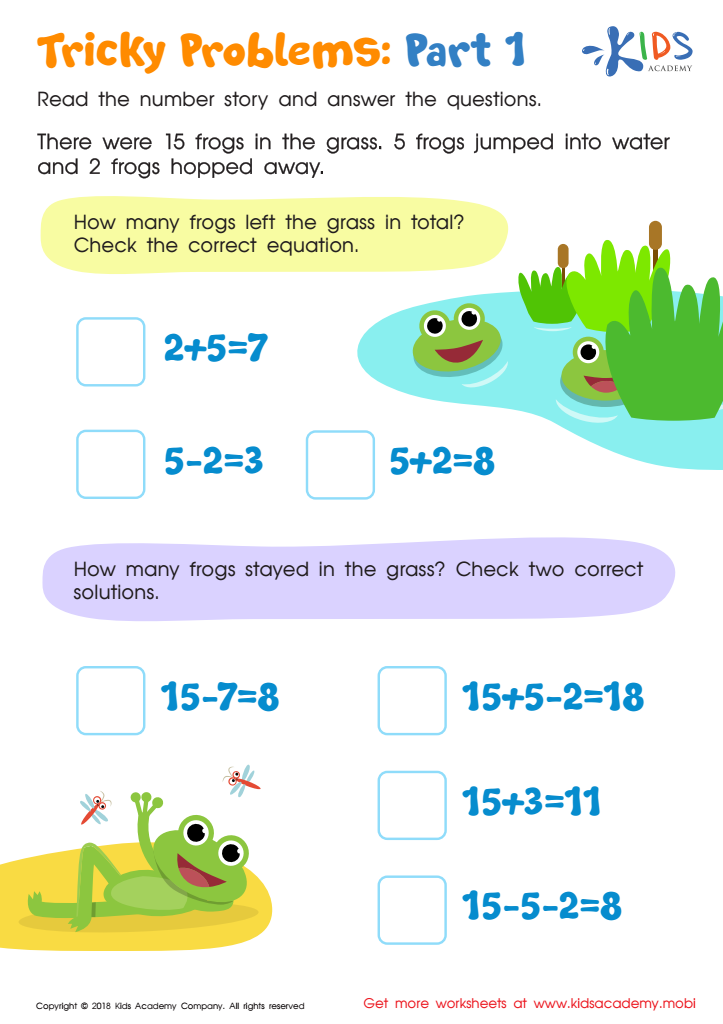
Tricky Problems Worksheet: Part 1
 Assign to My Students
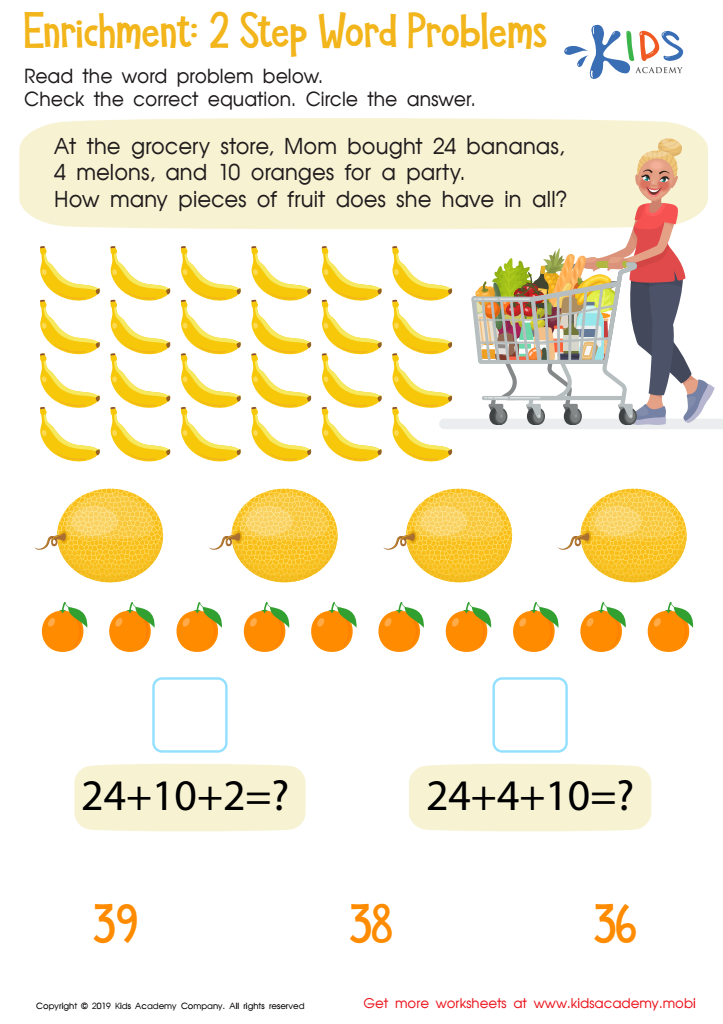
Enrichment -2 Step Word Problems Worksheet
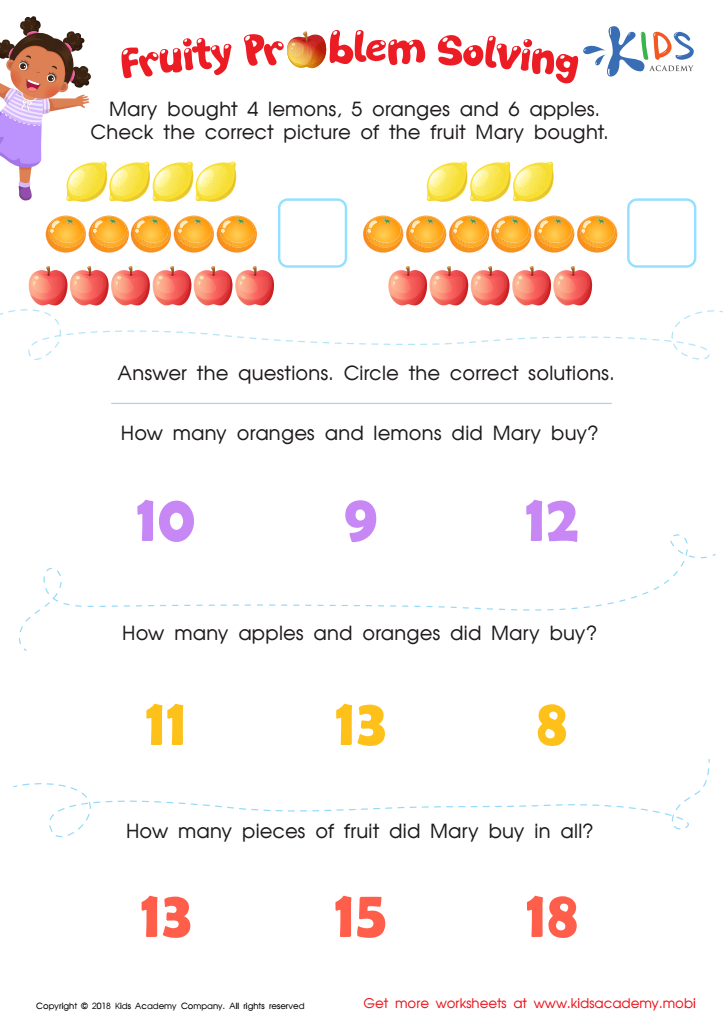
Fruity Problem Solving Worksheet
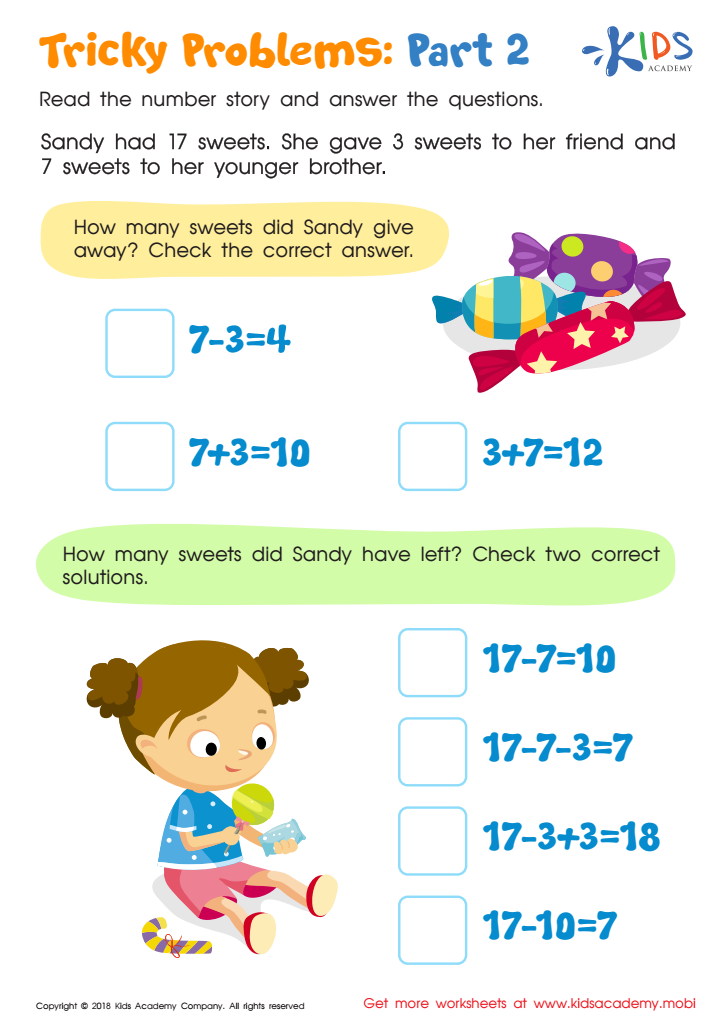
Tricky Problems Worksheet: Part 2
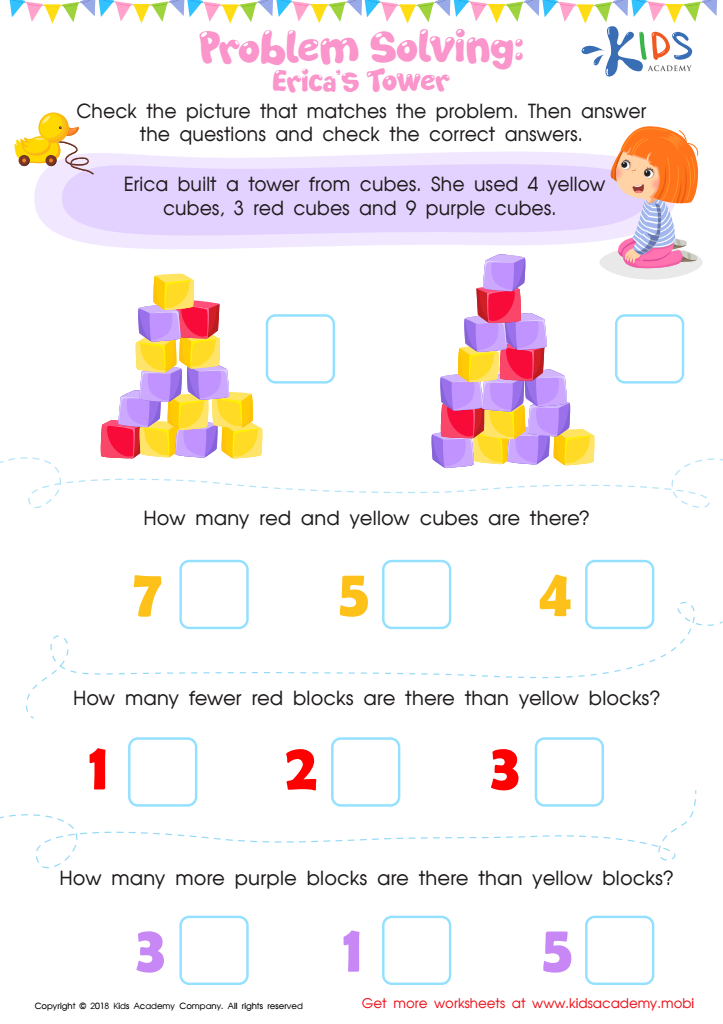
Problem Solving: Erica's Tower Worksheet
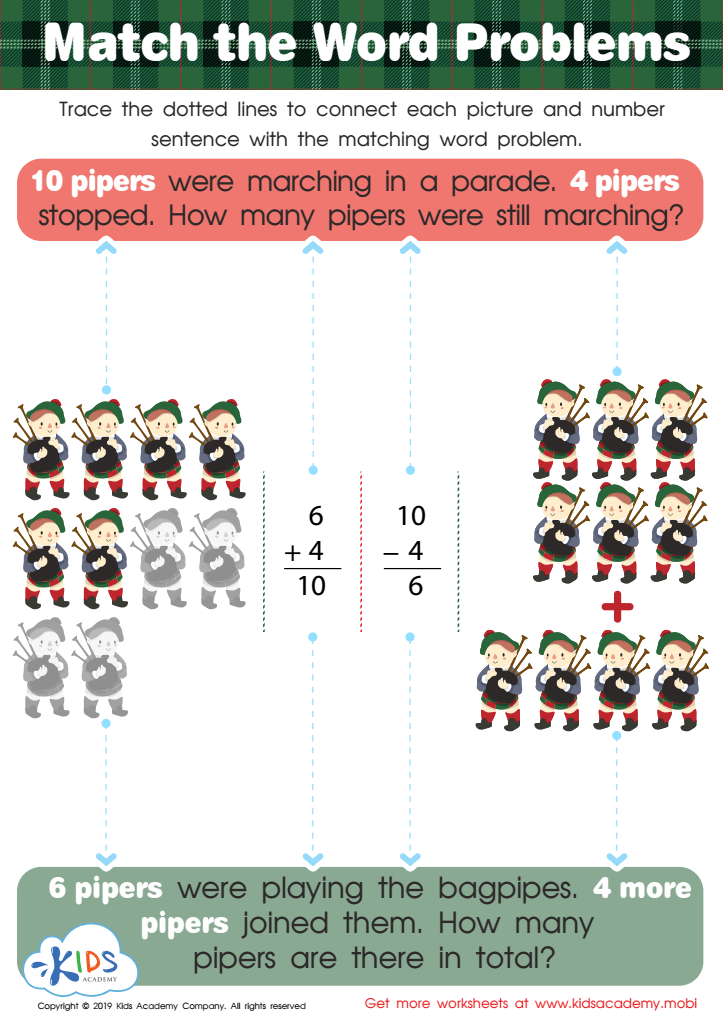
Match the Word Problems Worksheet
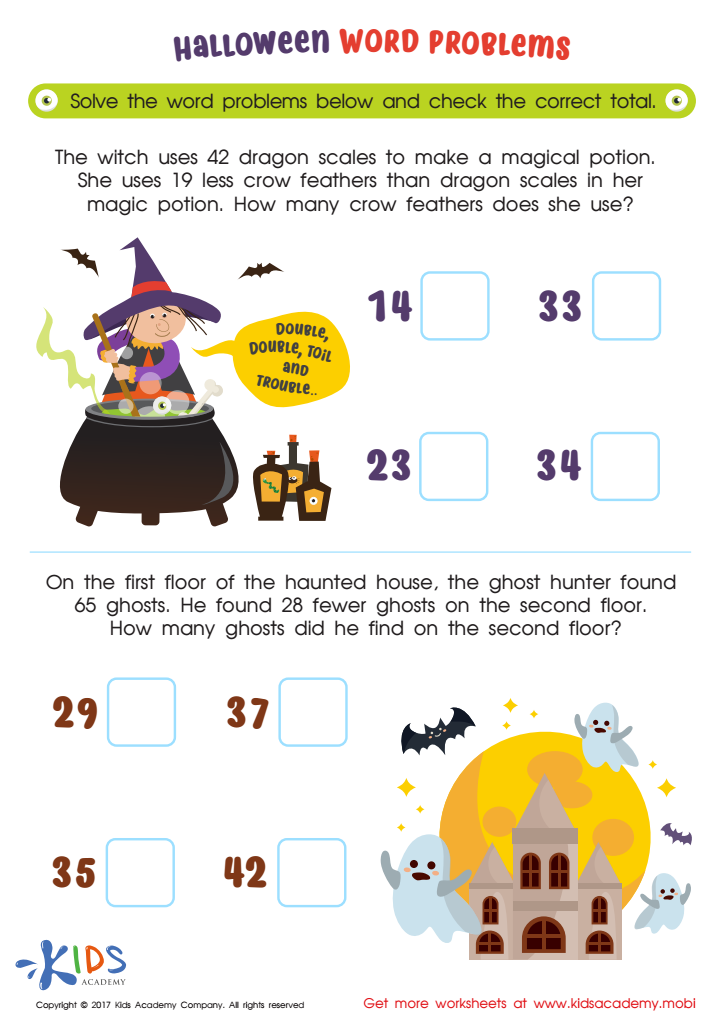
Halloween Word Problems Printable
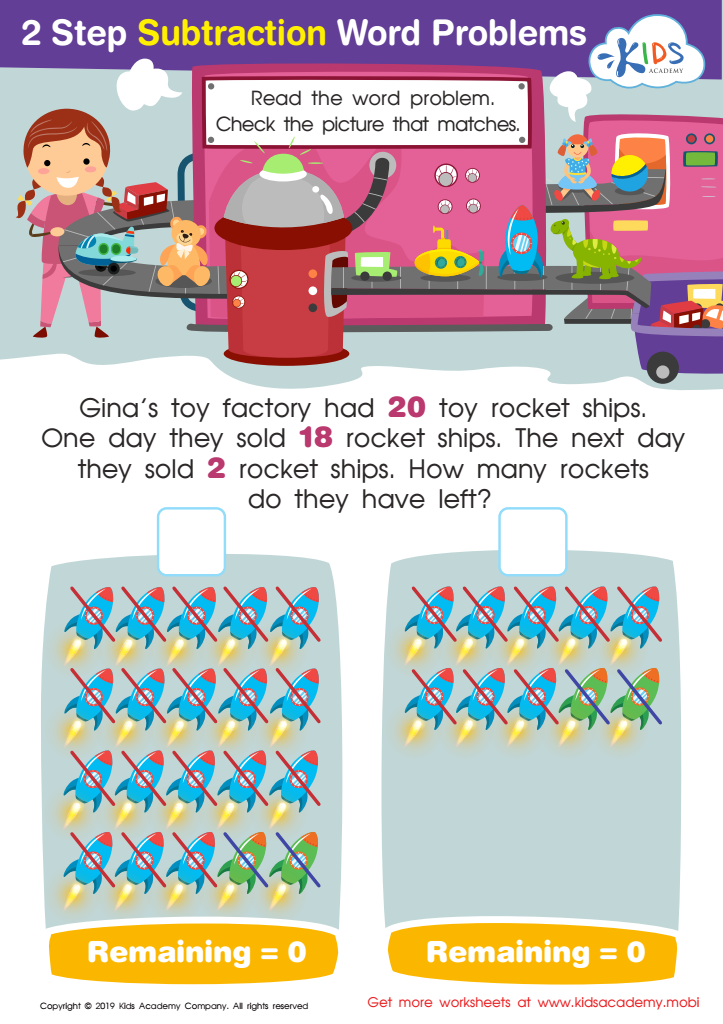
Step Subtraction Word Problems Worksheet
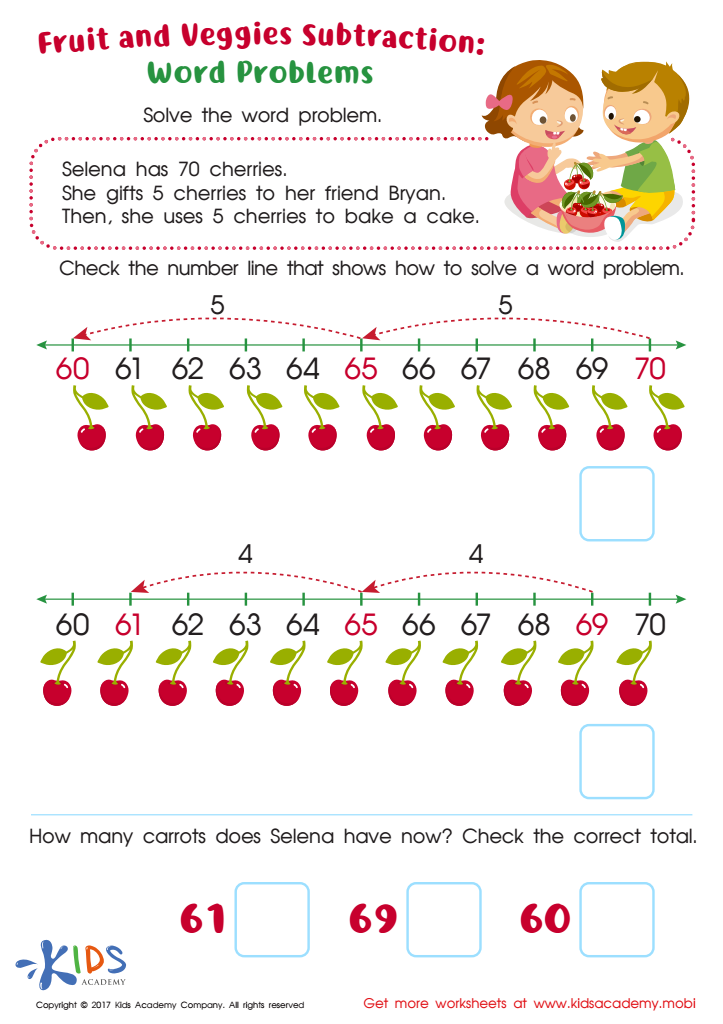
Subtraction Word Problems Free Printable
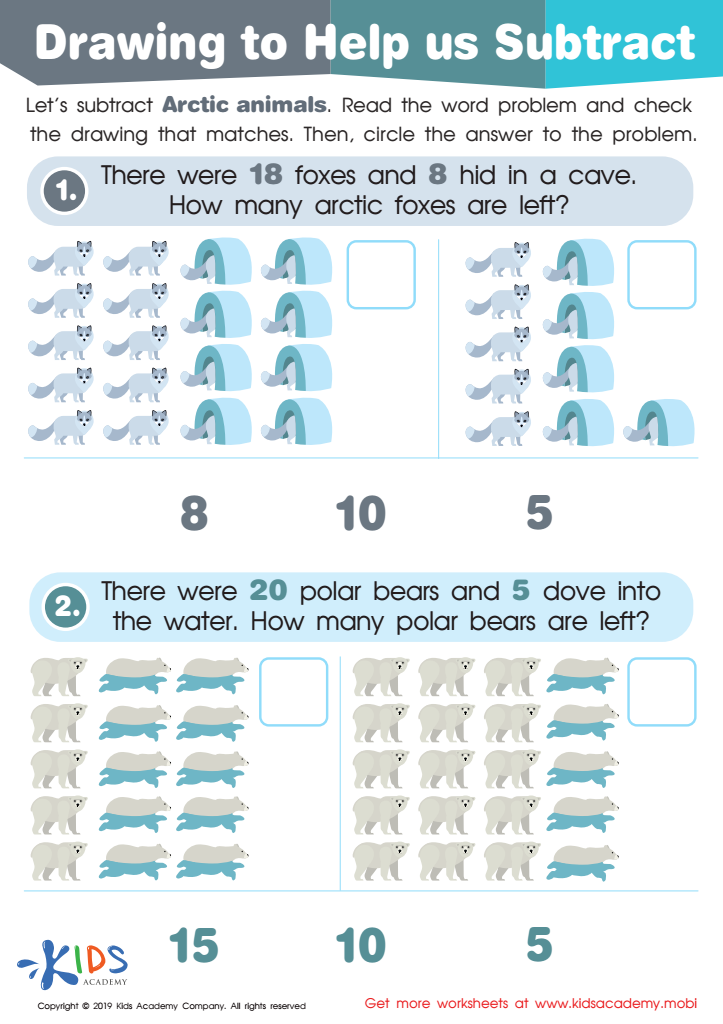
Drawing to Help Us Subtract Worksheet
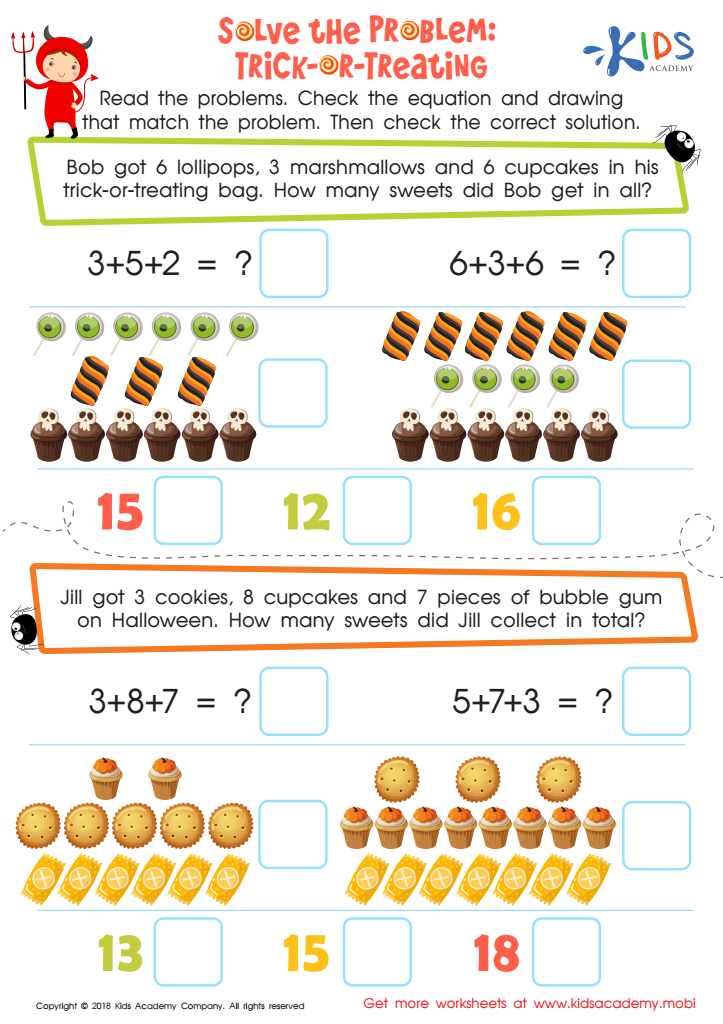
Solve the Problem: Trick–or–treating Worksheet
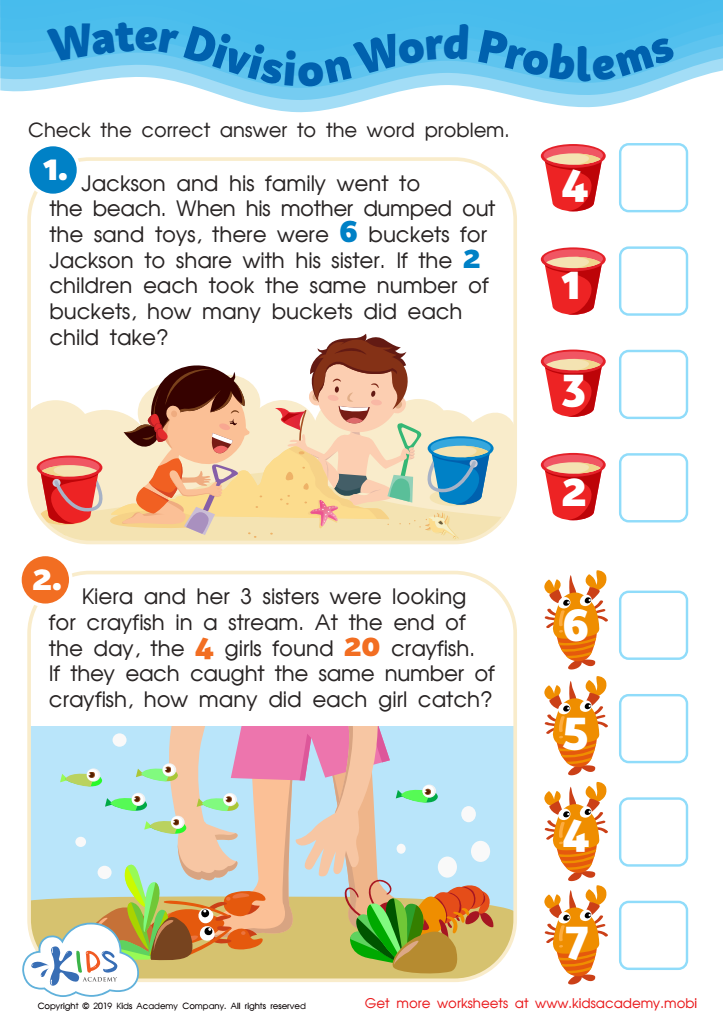
Water Division Word Problems Worksheet
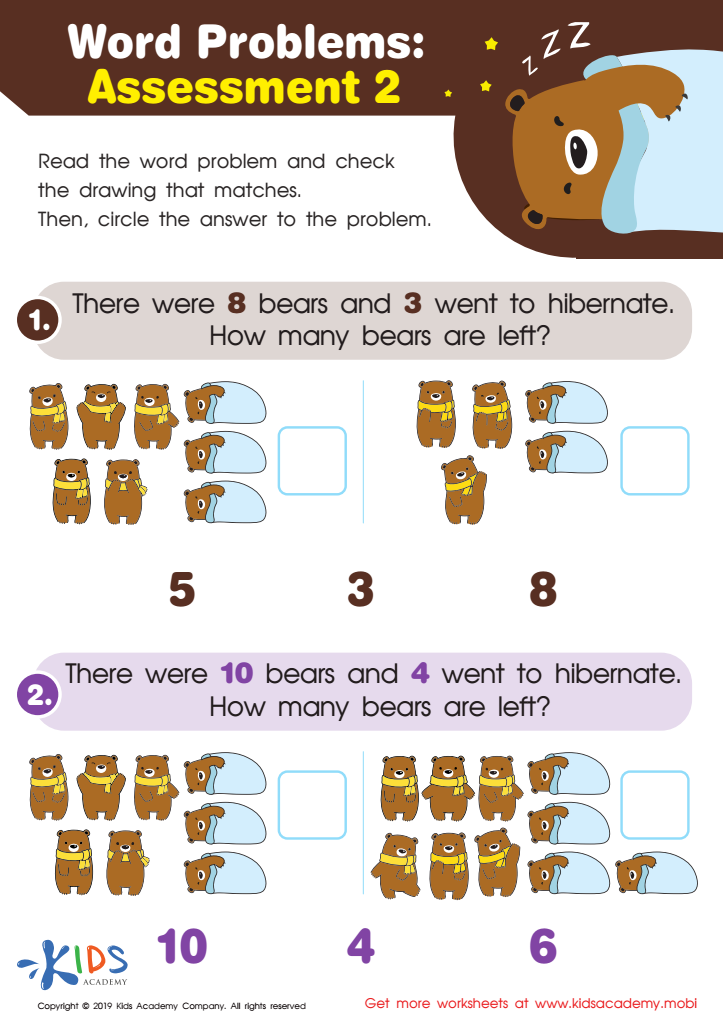
Word Problems: Assessment 2 Worksheet
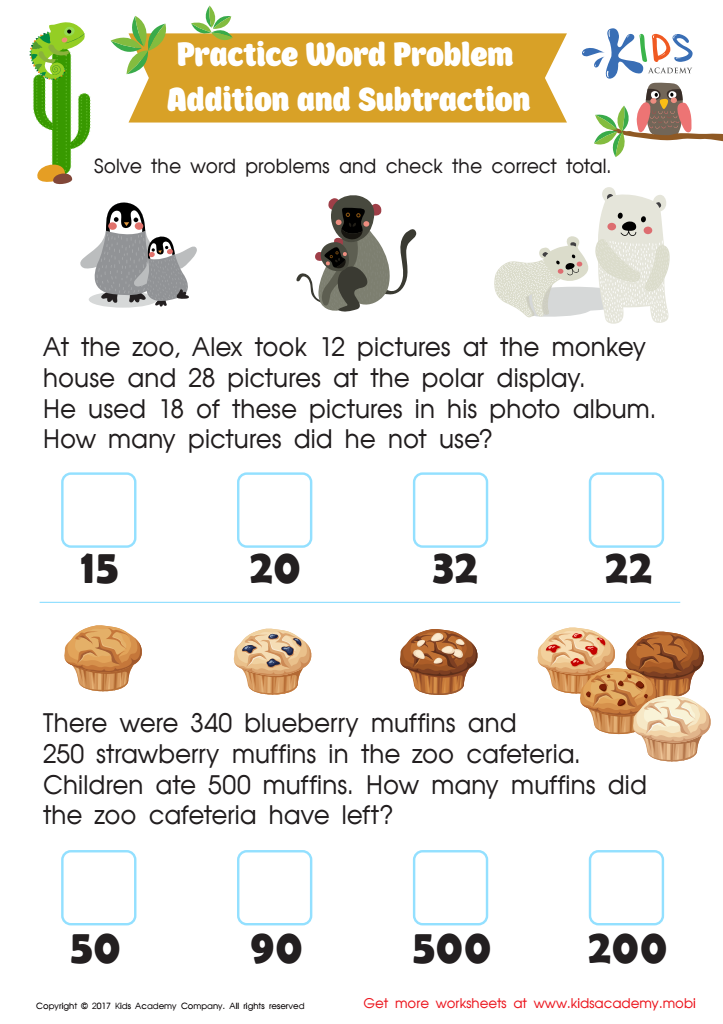
Addition and Subtraction: Word Problems Worksheet
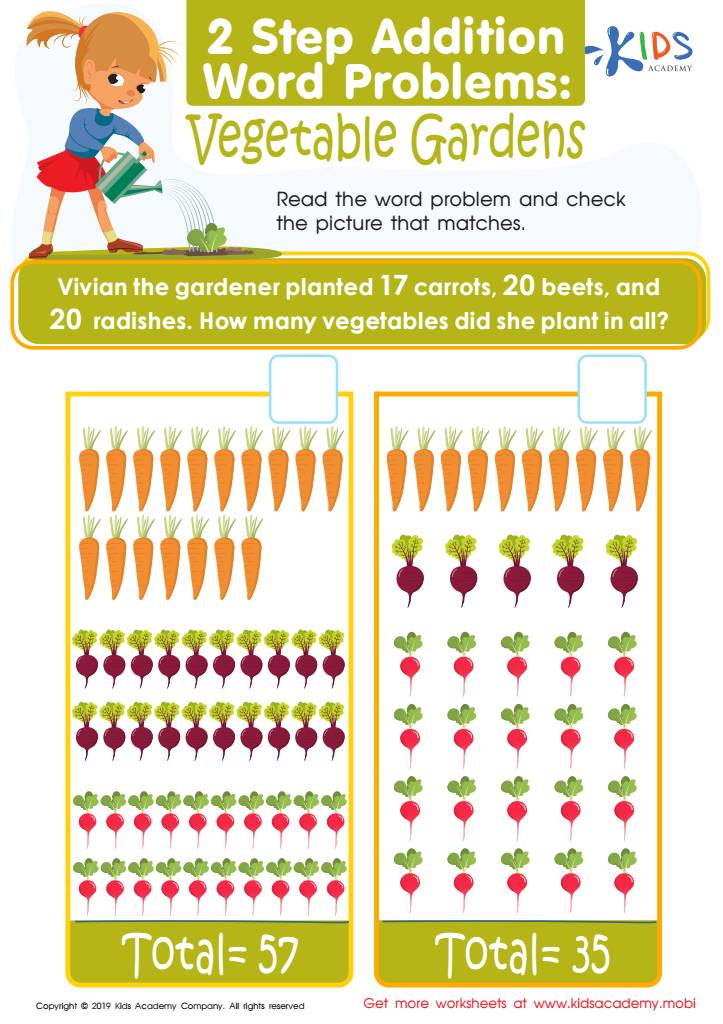
Vegetable Gardens Worksheet
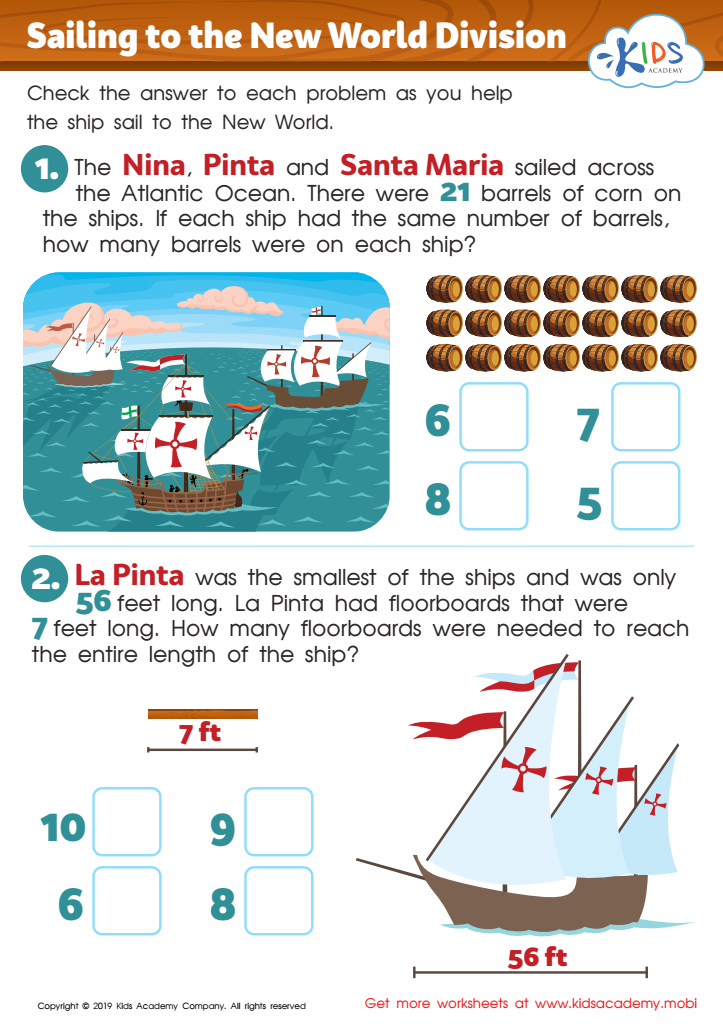
Sailing to the New World Division Worksheet







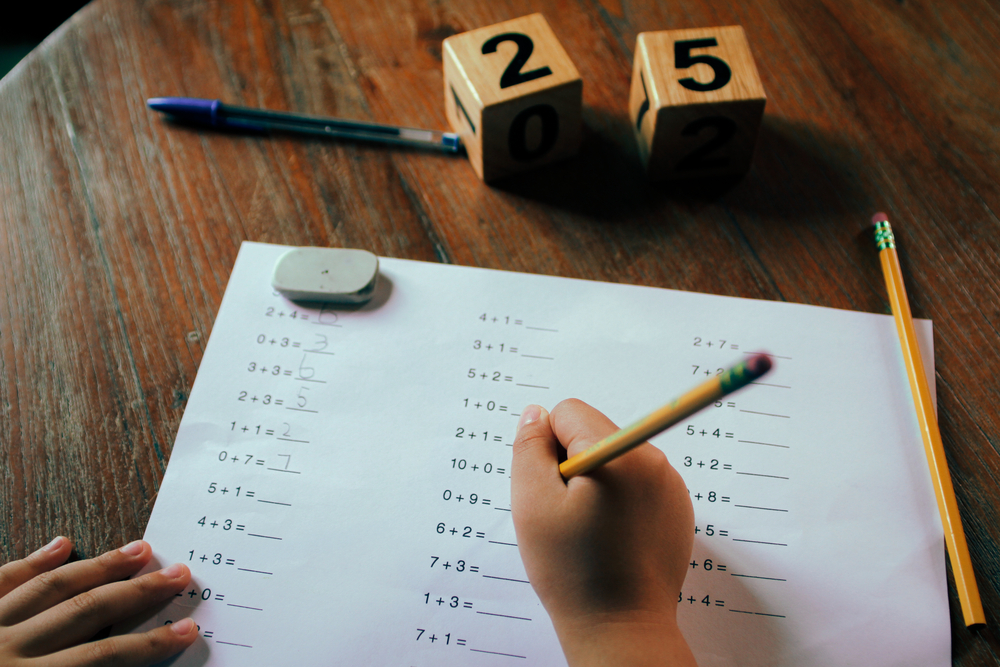
Problem-solving skills, particularly in the context of normal word problems, are crucial for children aged 6-7. During these formative years, children are developing their critical thinking, reasoning, and analytical abilities. Word problems challenge students to synthesize information, understand language nuances, and apply mathematical concepts in real-world situations.
Parents and teachers should prioritize these skills because they foster a deeper understanding of mathematics beyond rote memorization. Encouraging children to engage with word problems promotes resilience and perseverance, as they learn to approach challenges systematically. Moreover, effective problem-solving also enhances communication skills, since students must articulate their thought process and justify their answers.
By emphasizing problem-solving in age-appropriate contexts, educators can help children connect abstract mathematical ideas to everyday life, making learning more relevant and enjoyable. Additionally, strong problem-solving skills lay the groundwork for academic success in subsequent grades, as these skills are essential across all subjects.
Ultimately, nurturing problem-solving abilities equips young learners with the confidence and tools they need to navigate both academic challenges and real-life situations, promoting lifelong learning and critical thinking. This investment in their early education contributes significantly to their overall development and future success.








