Vocabulary enhancement Normal Reading Worksheets for Ages 6-7 - Page 2
52 filtered results
-
From - To
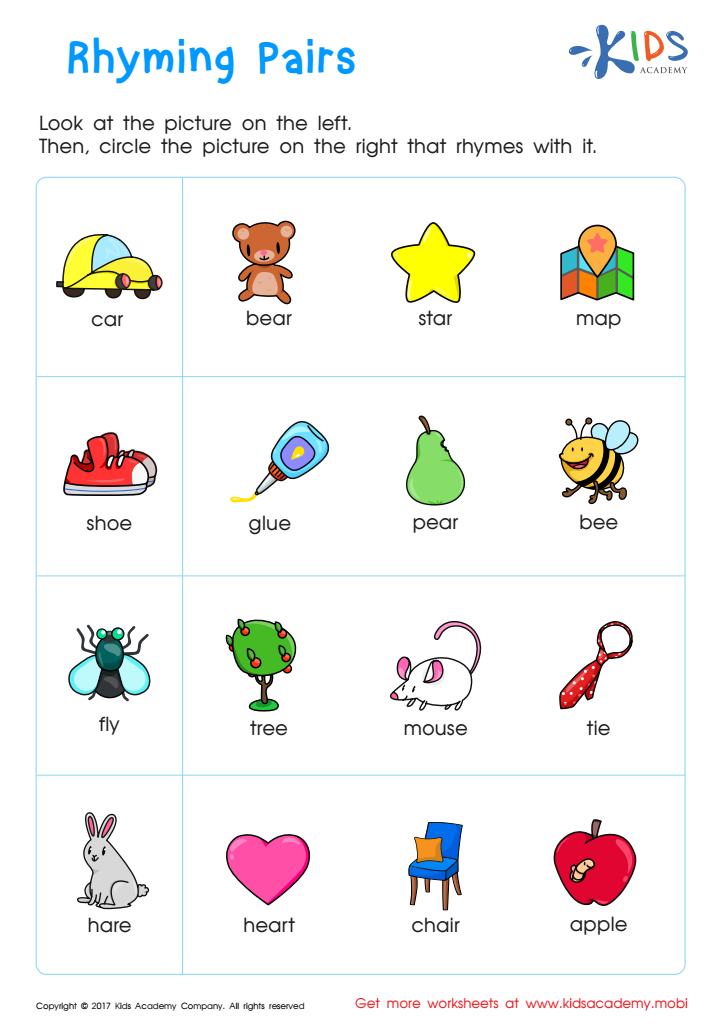
 Assign to My Students
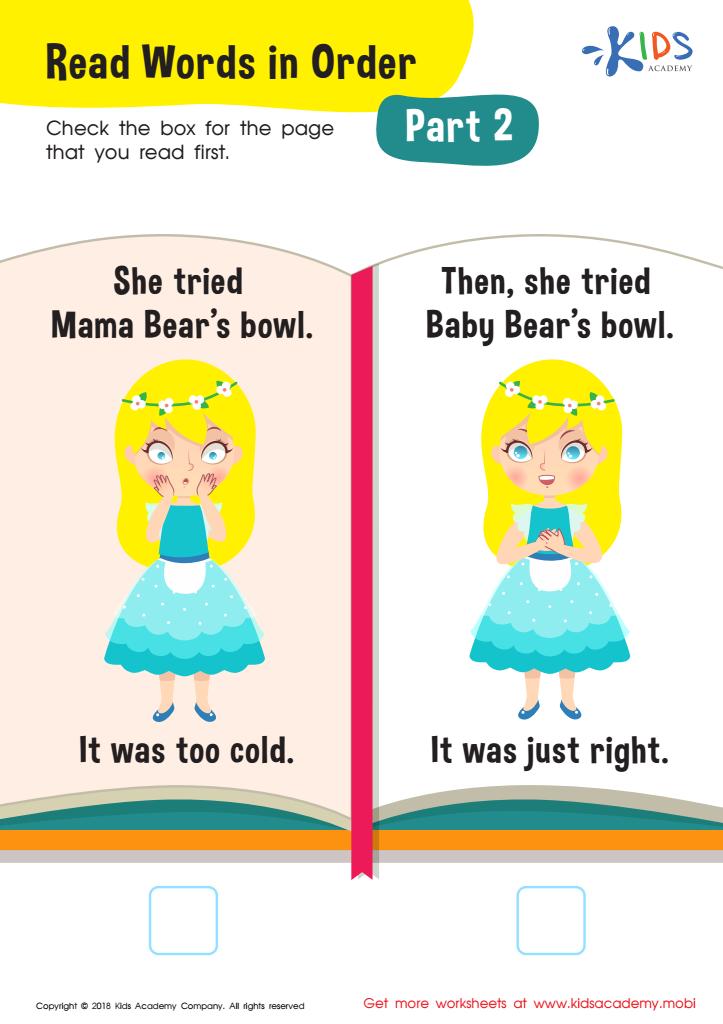
Read Words Order Part 2 Worksheet
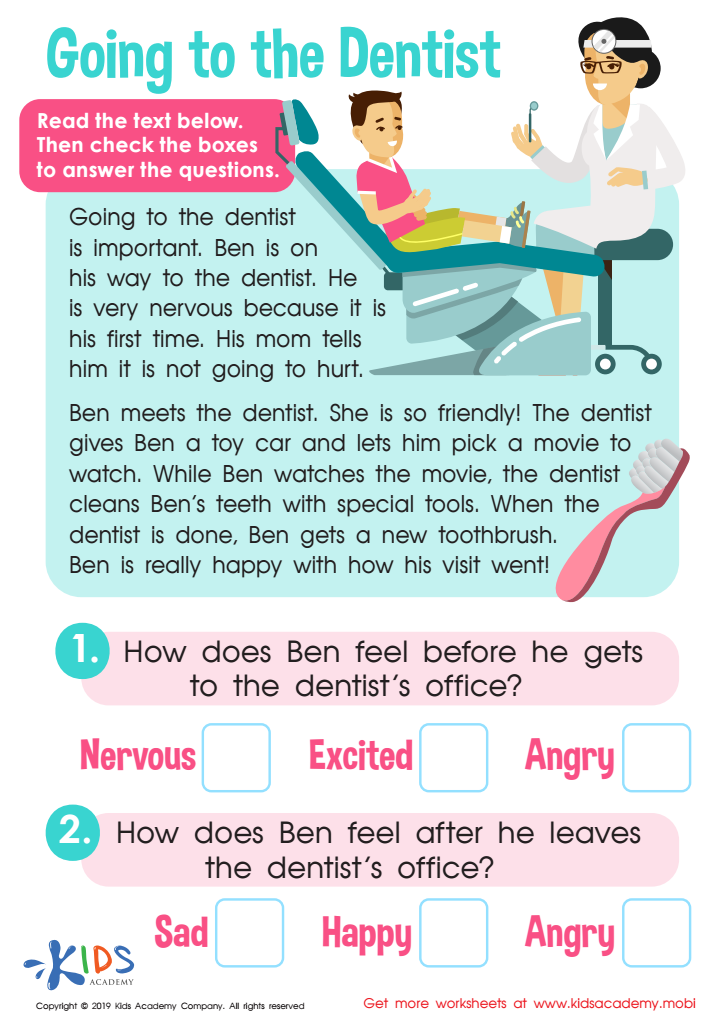
Going to the Dentist Worksheet
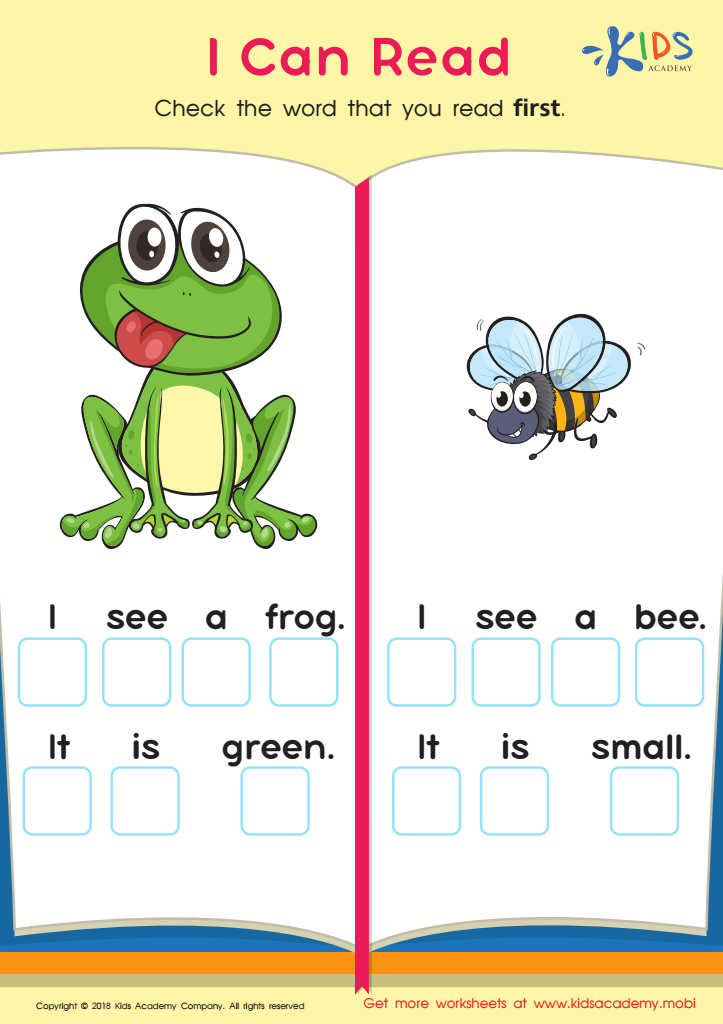
I Can Read Worksheet
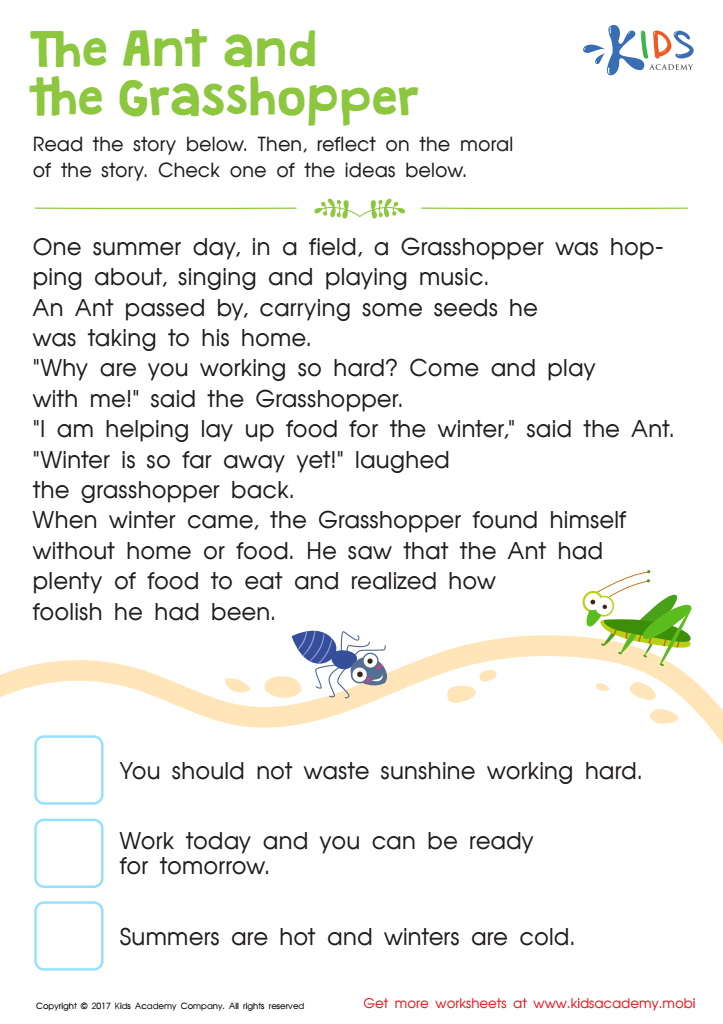
The Ant and The Grasshopper Printable
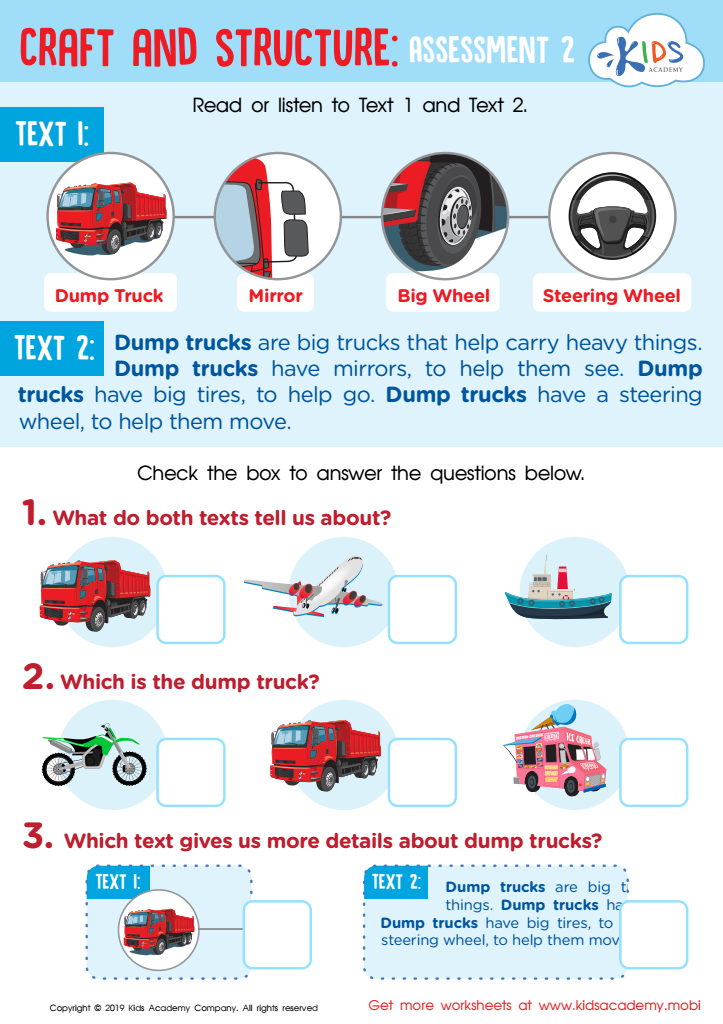
Craft and Structure: Assessment 2 Worksheet
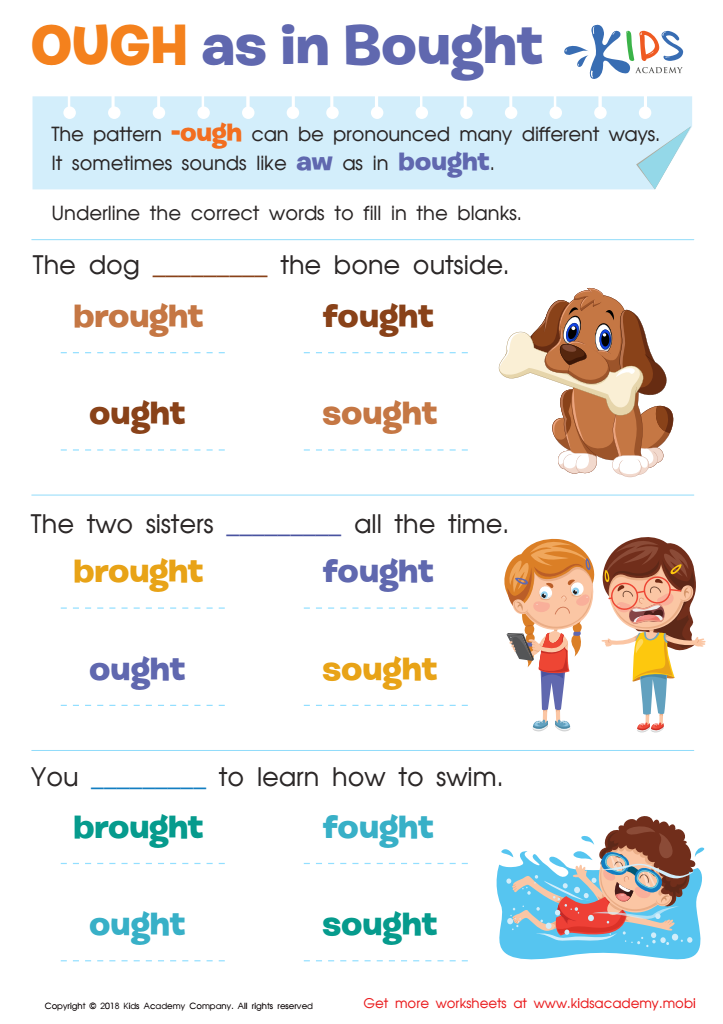
OUGH as in Bought Worksheet
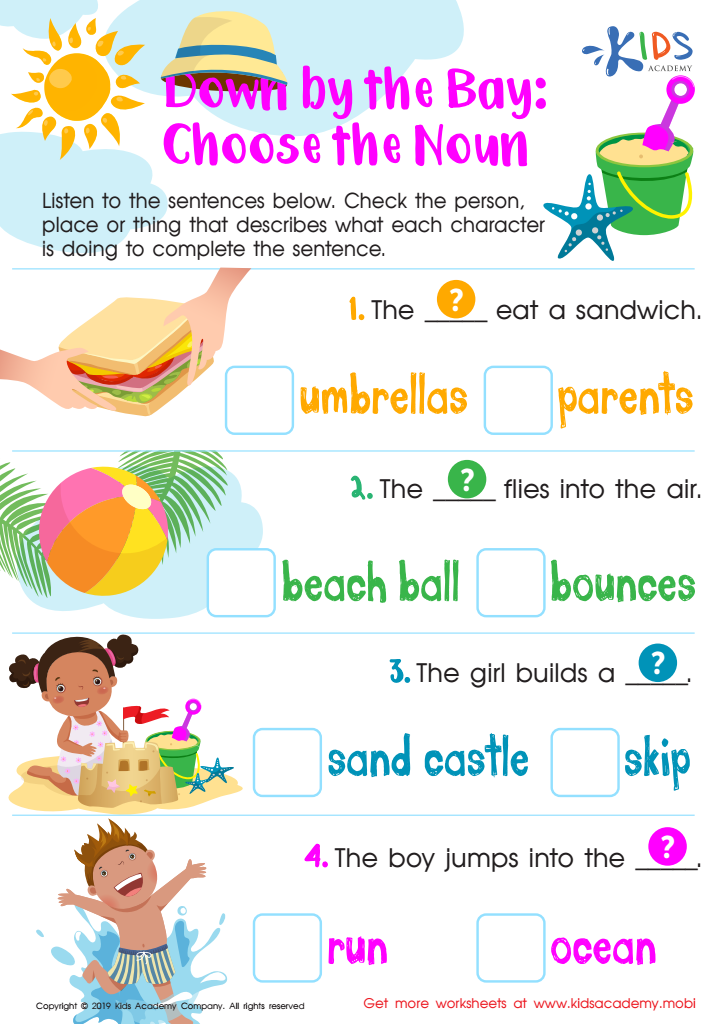
Down by the Bay: Choose the Noun Worksheet
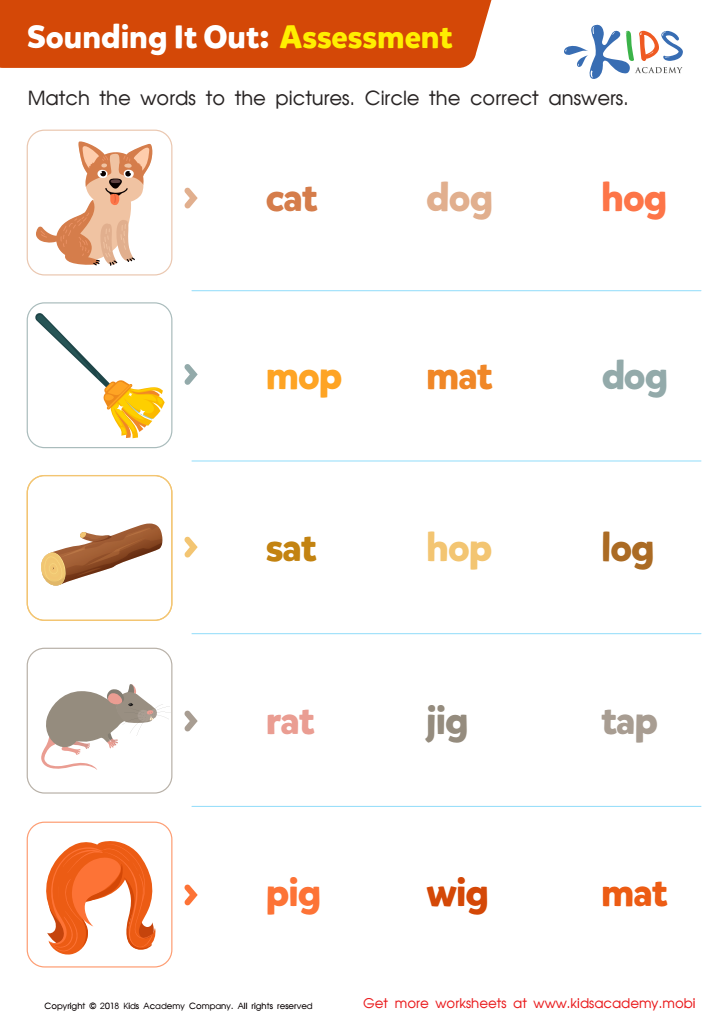
Sounding it Out: Assessment Worksheet
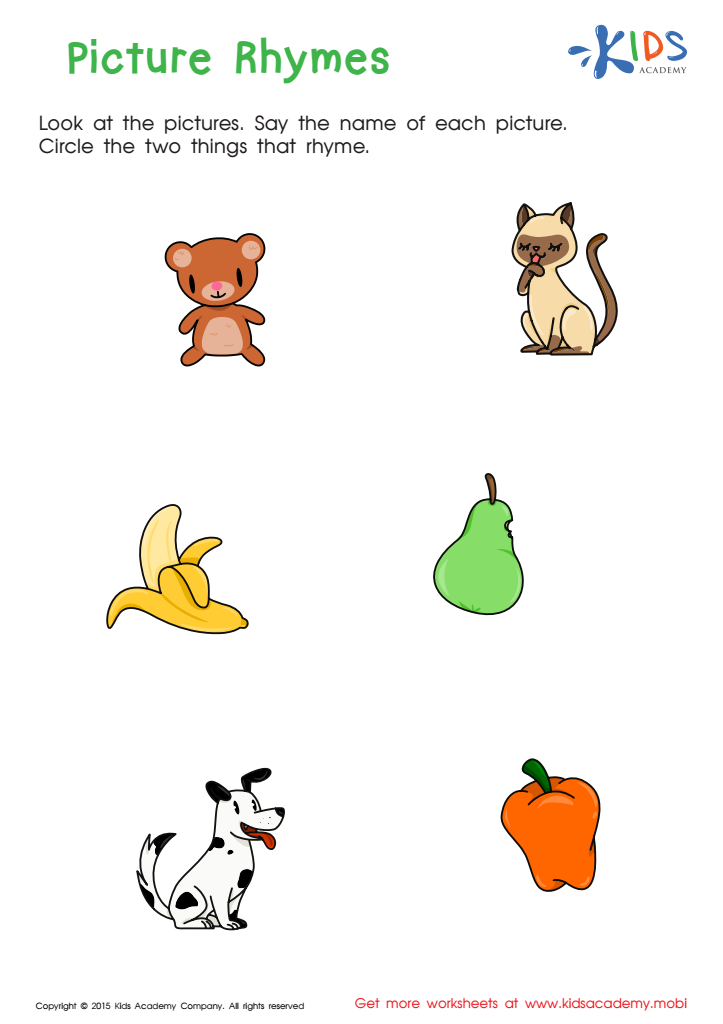
First Words: Picture Rhymes Worksheet
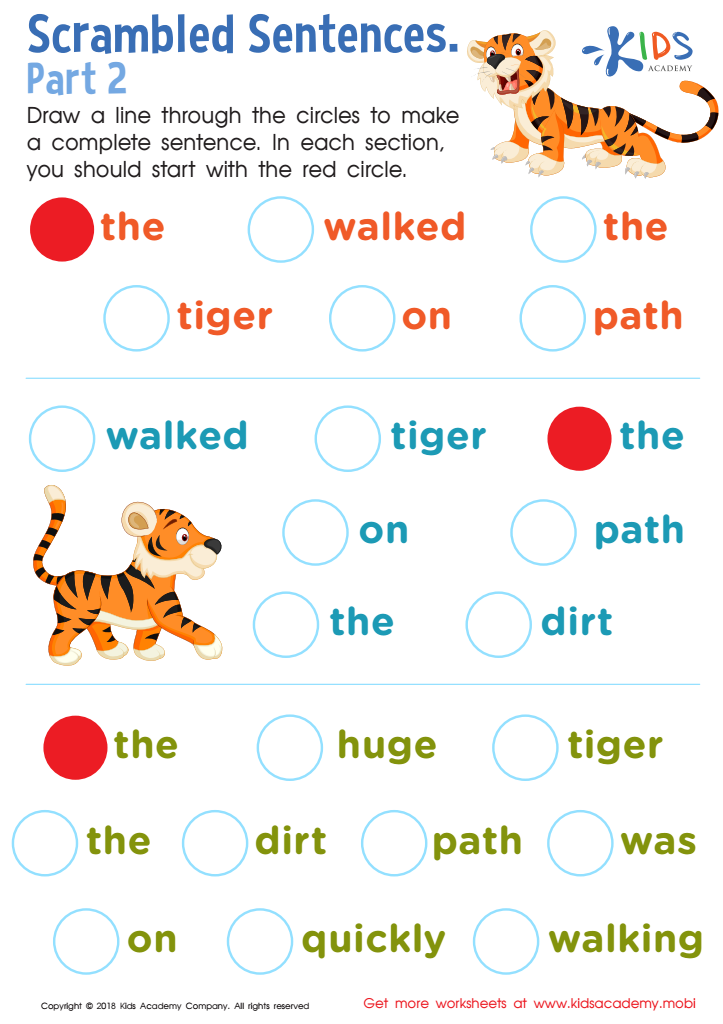
Scrambled Sentences Part 2 Worksheet
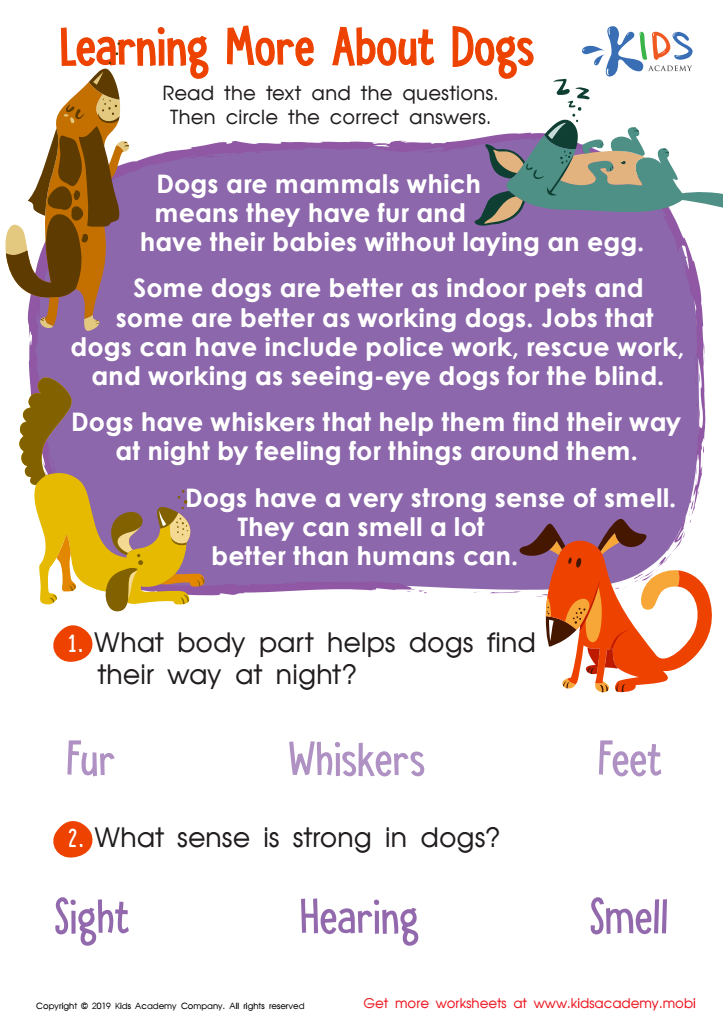
Learning More About Dogs Worksheet
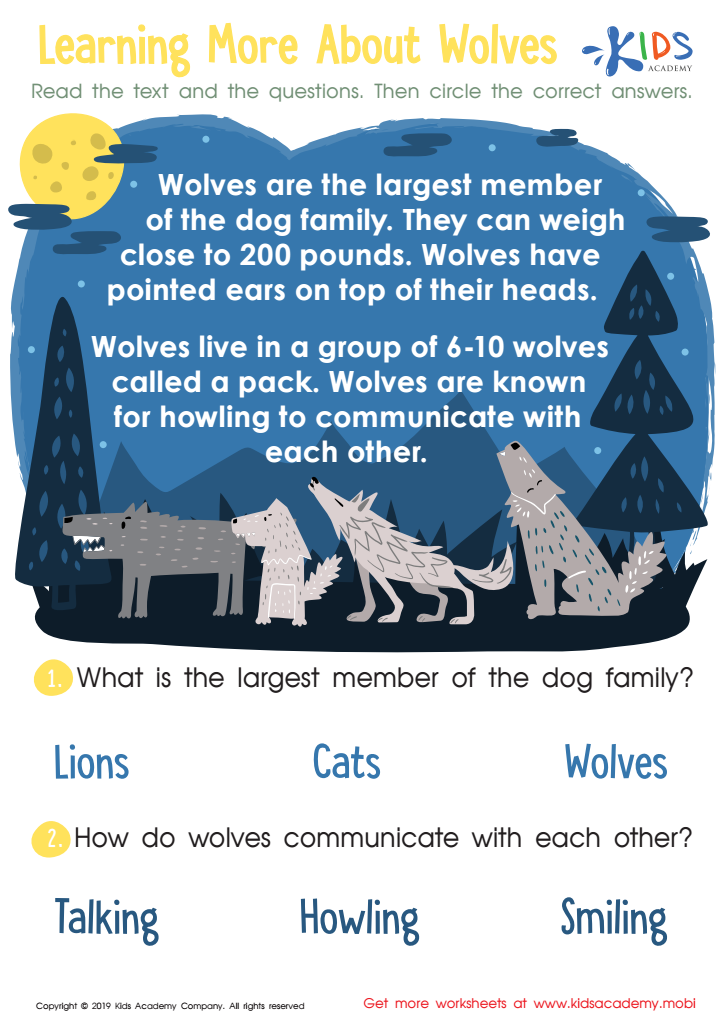
Learning More About Wolves Worksheet
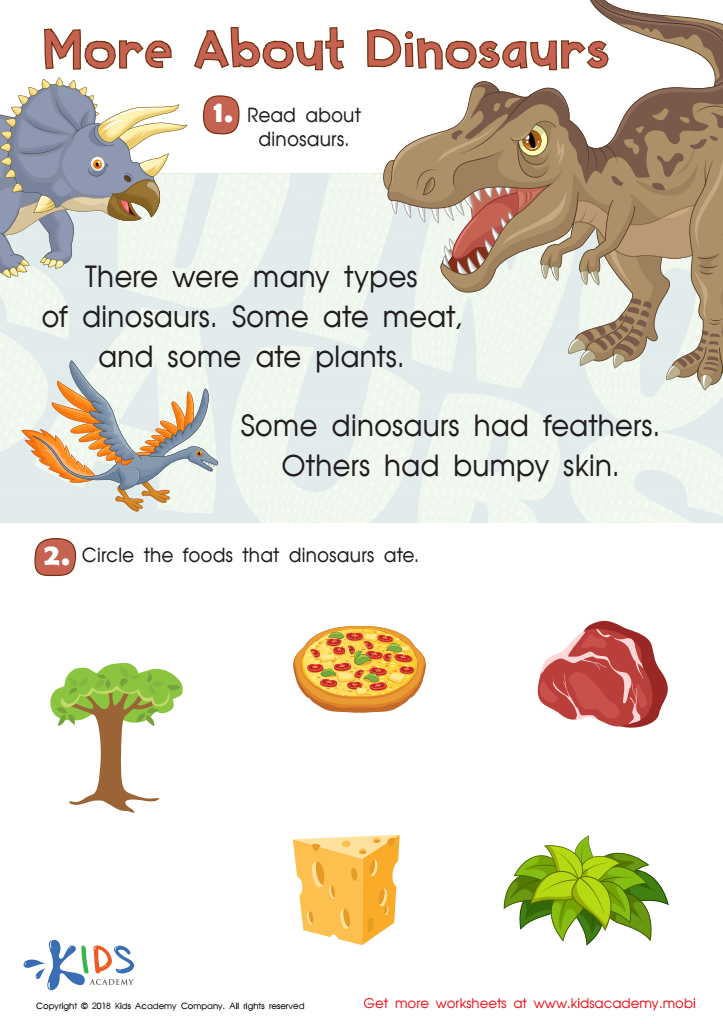
More About Dinosaurs Worksheet

The Planets: Saturn Printable
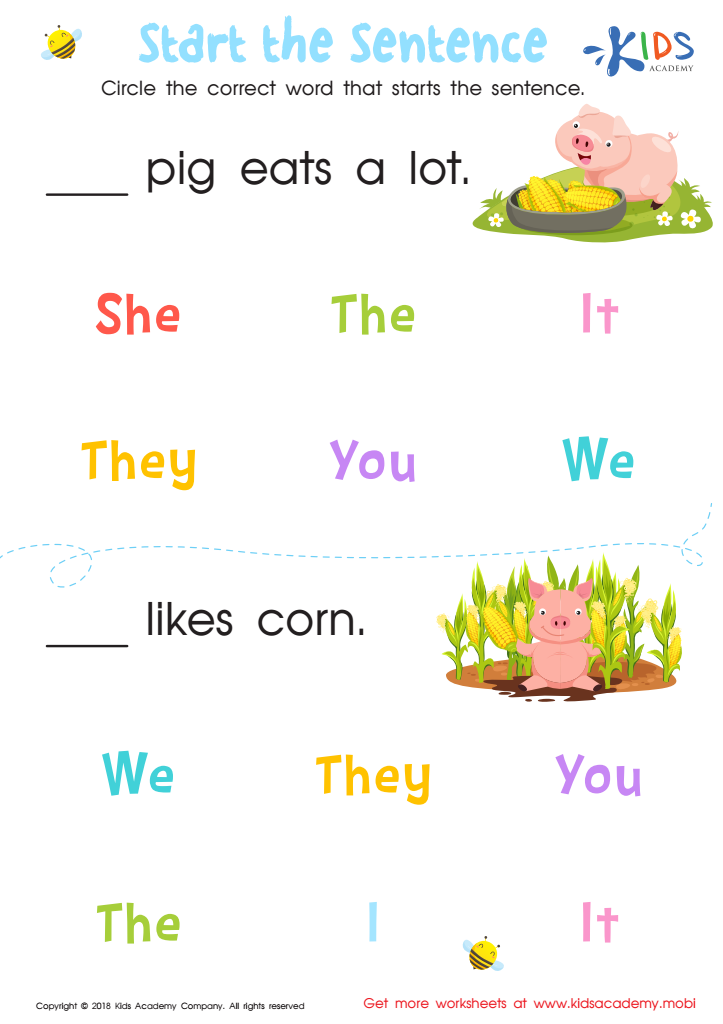
Start the Sentence Worksheet
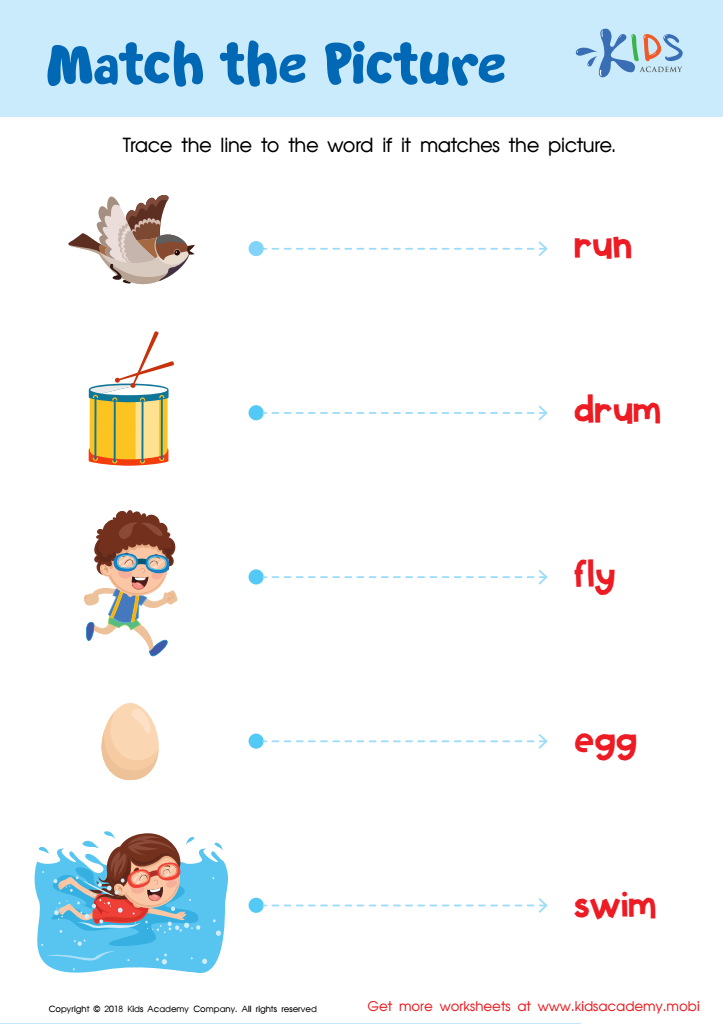
Match the Picture Worksheet
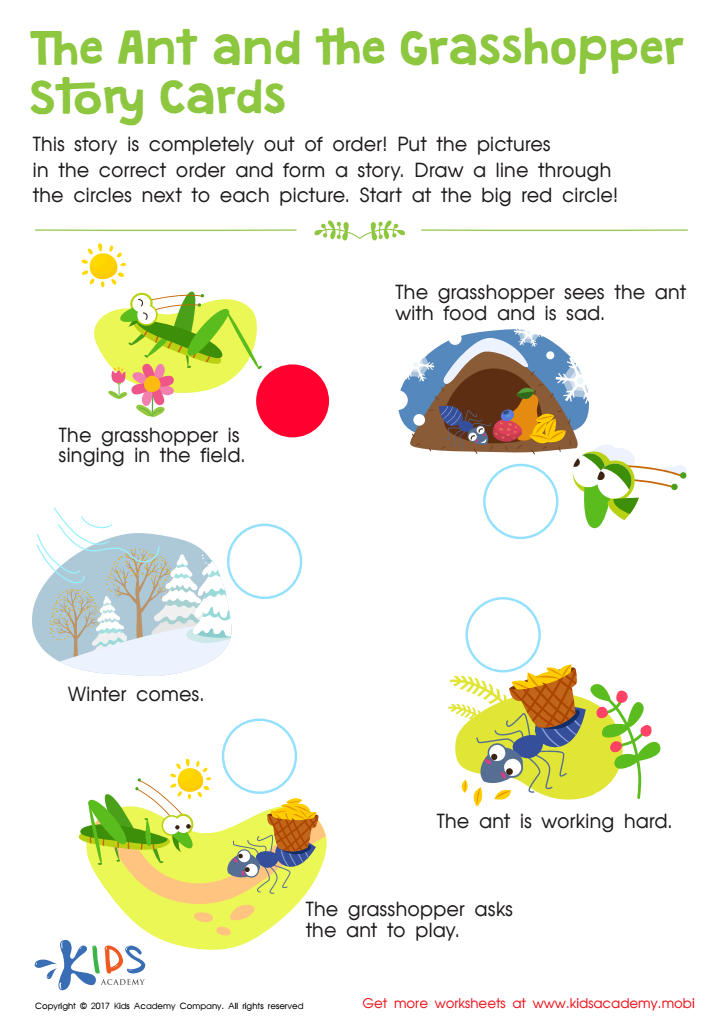
The Ant and The Grasshopper Worksheet
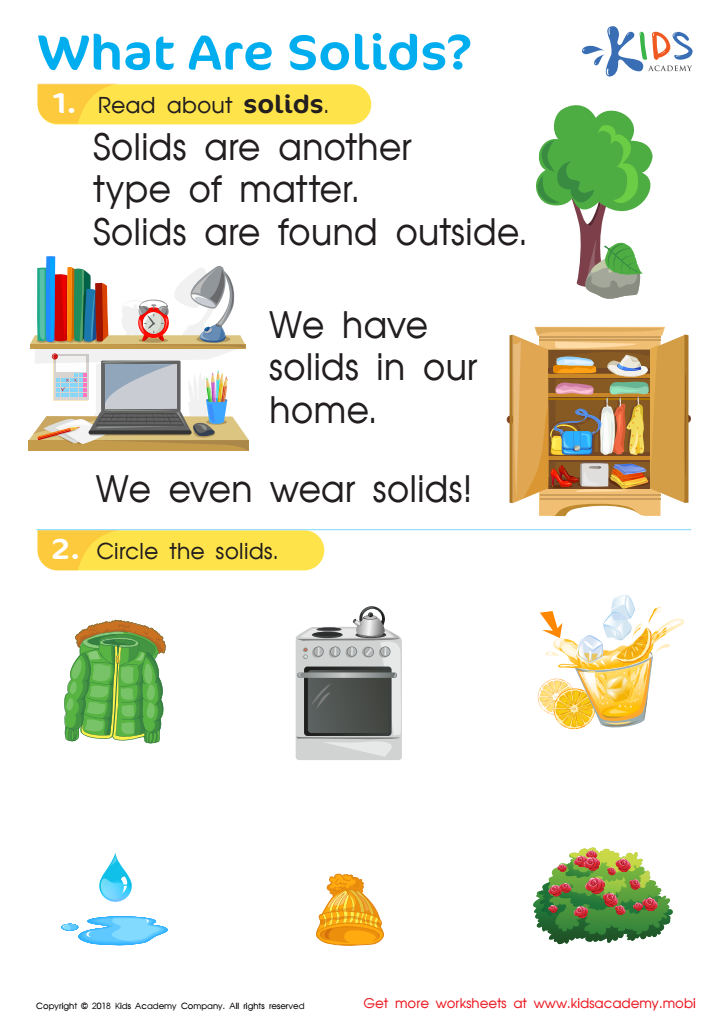
What Are Solids? Worksheet
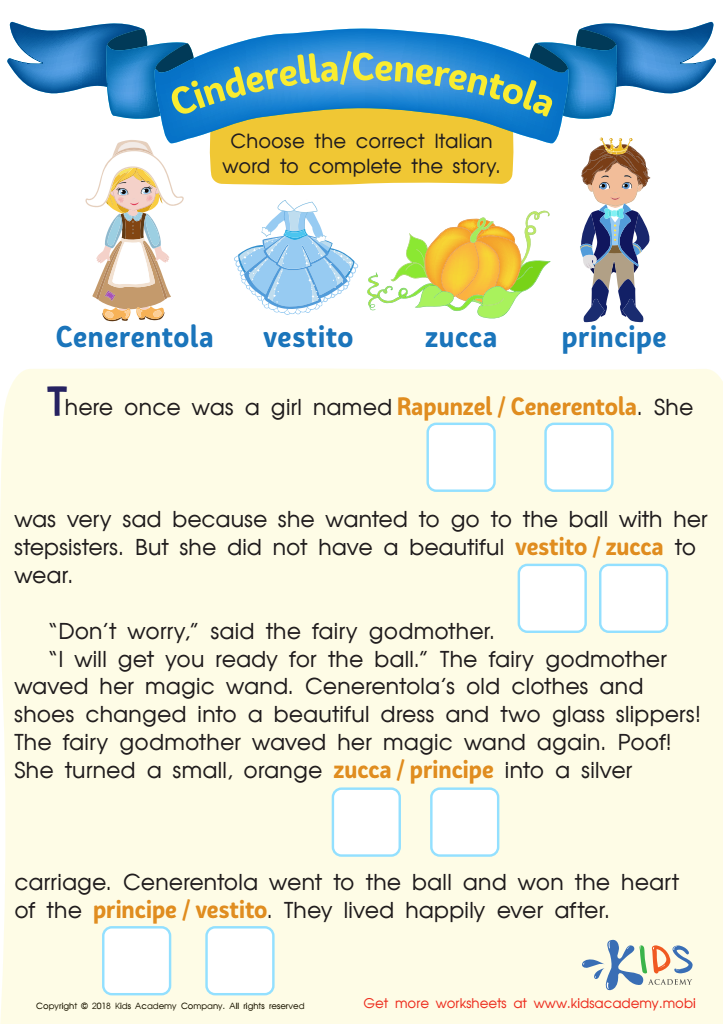
Cinderella / Cenerentola Worksheet
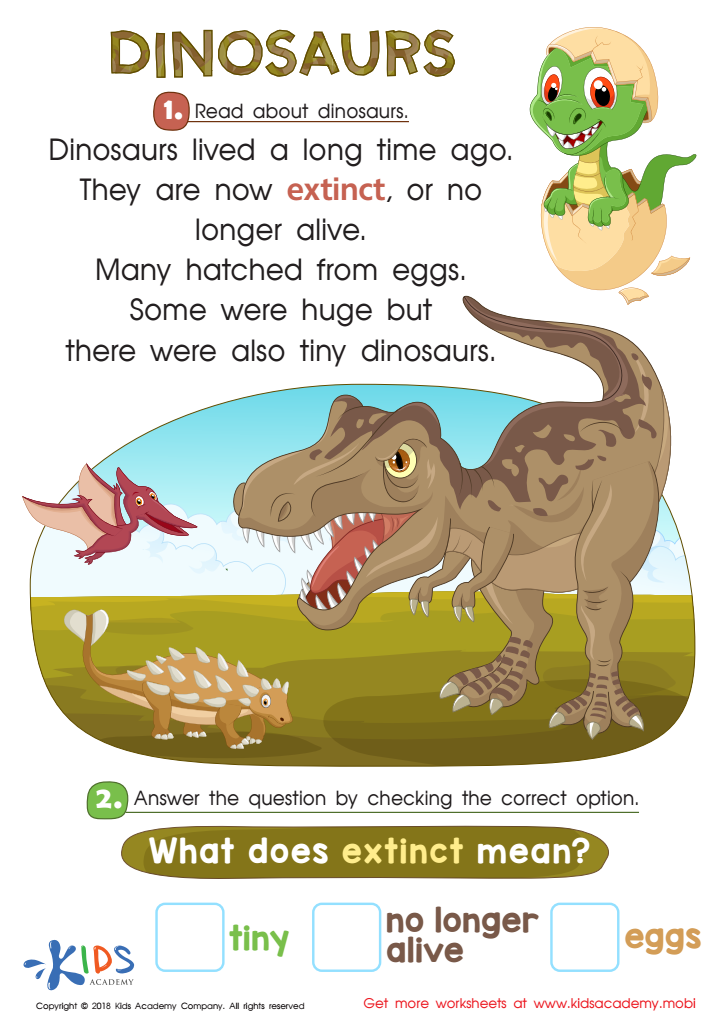
Dinosaurs Worksheet
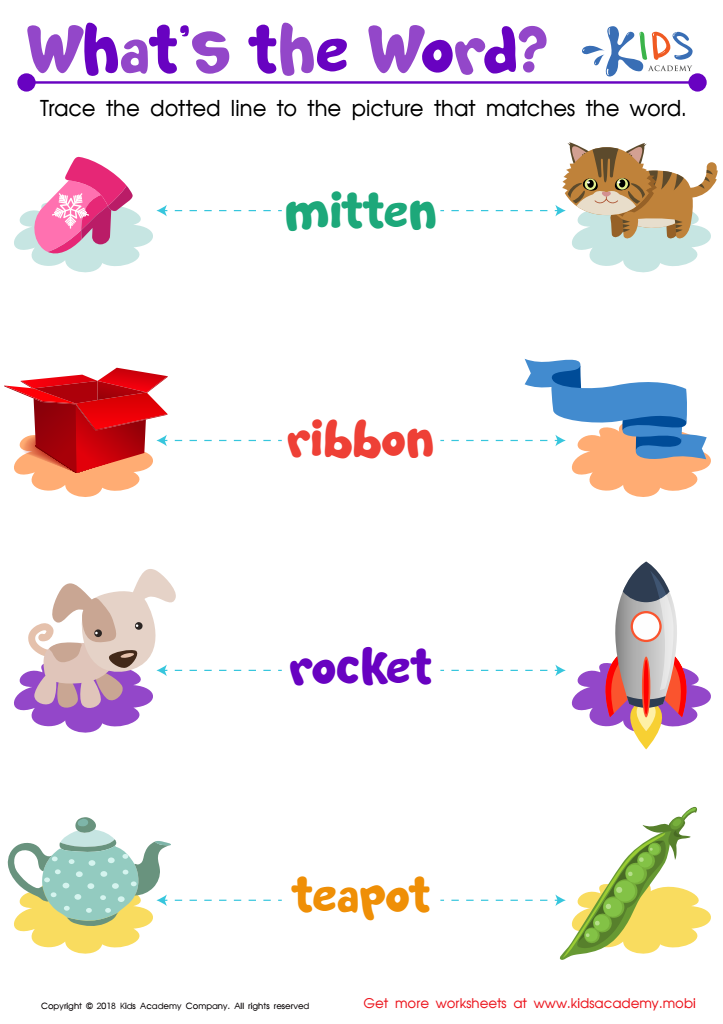
Reading: What's Word Worksheet
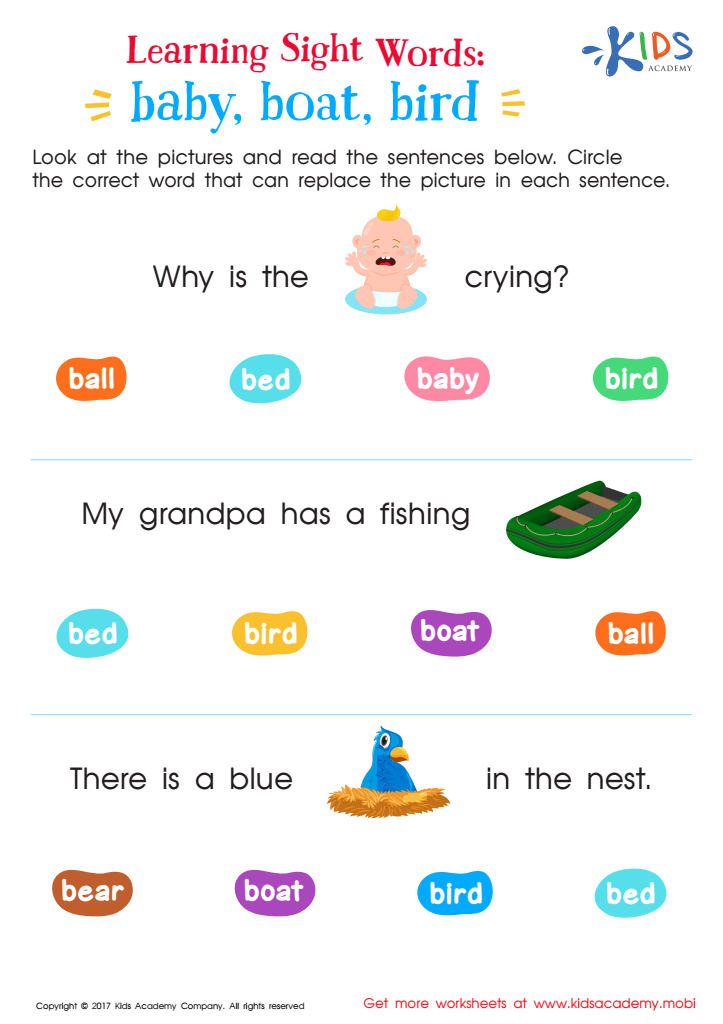
Baby, Boat, Bird Worksheet Sight Words Worksheet
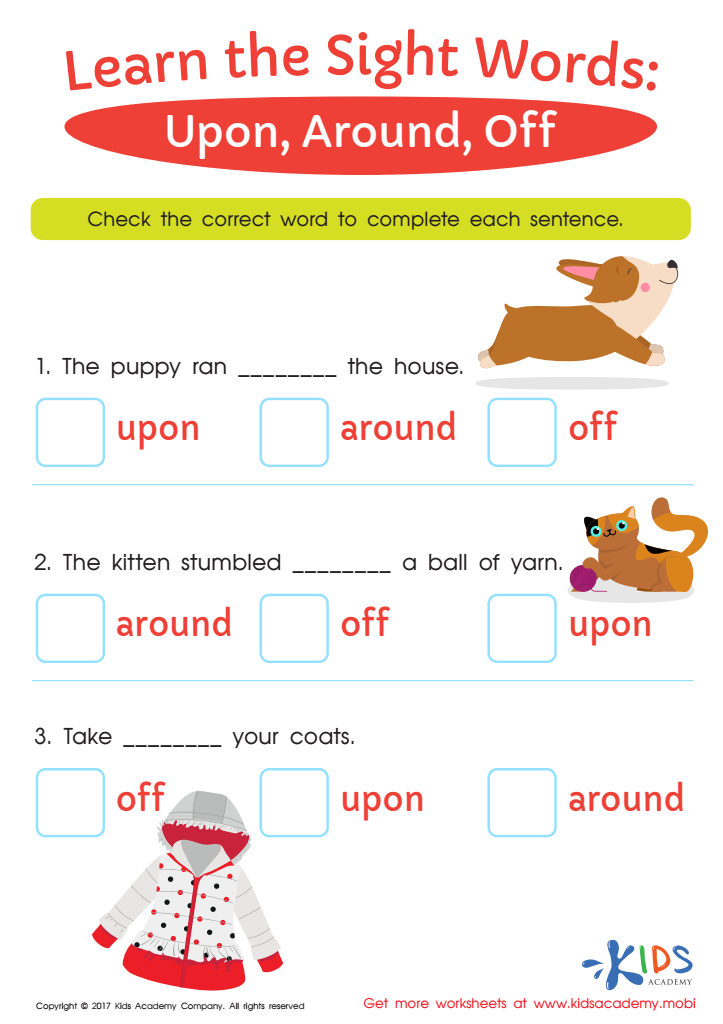
Upon, Around, Off Sight Words Worksheet








Vocabulary enhancement and normal reading proficiency are critical components of a child’s early education, especially at ages 6-7. At this developmental stage, children's cognitive abilities are highly receptive, and a rich vocabulary forms the foundation for effective communication, reading comprehension, and academic success.
First, expanding vocabulary significantly improves reading comprehension. Children who understand more words can grasp the overall meaning of the texts they read, which boosts their confidence and interest in reading. This positive cycle encourages a love for learning and continuous improvement in literacy skills.
Second, a robust vocabulary supports better verbal and written communication. As children learn new words, they can express their thoughts, feelings, and ideas more precisely and effectively. This skill is essential not only for academic purposes but also for social interactions and building healthy relationships.
Third, vocabulary acquisition is closely linked to cognitive development. Learning new words enhances memory, facilitates critical thinking, and stimulates intellectual curiosity. These cognitive benefits contribute to overall academic achievement and a lifelong passion for learning.
Lastly, addressing vocabulary and reading skills early helps in identifying and mitigating potential learning difficulties. Monitoring children’s progress allows for timely interventions, ensuring all children have the opportunity to reach their full academic potential.
Enhancing vocabulary and fostering normal reading habits in early grades set the stage for a bright and successful educational journey, underscoring the importance for both parents and teachers to prioritize these areas.








