Critical Thinking Normal Science Worksheets for Ages 6-7
14 filtered results
-
From - To
Explore our engaging "Critical Thinking Normal Science Worksheets" designed for children ages 6-7! These printable resources encourage young learners to enhance their analytical skills through fun and interactive scientific activities. Each worksheet features age-appropriate exercises that stimulate curiosity, promote problem-solving, and foster a deeper understanding of scientific concepts. With vibrant illustrations and thought-provoking questions, kids will enjoy developing their critical thinking abilities while exploring various science topics. Perfect for teachers and parents seeking to enrich their child's learning experience, these worksheets are a fantastic addition to any educational curriculum. Start nurturing your child’s creativity and cognitive skills today!
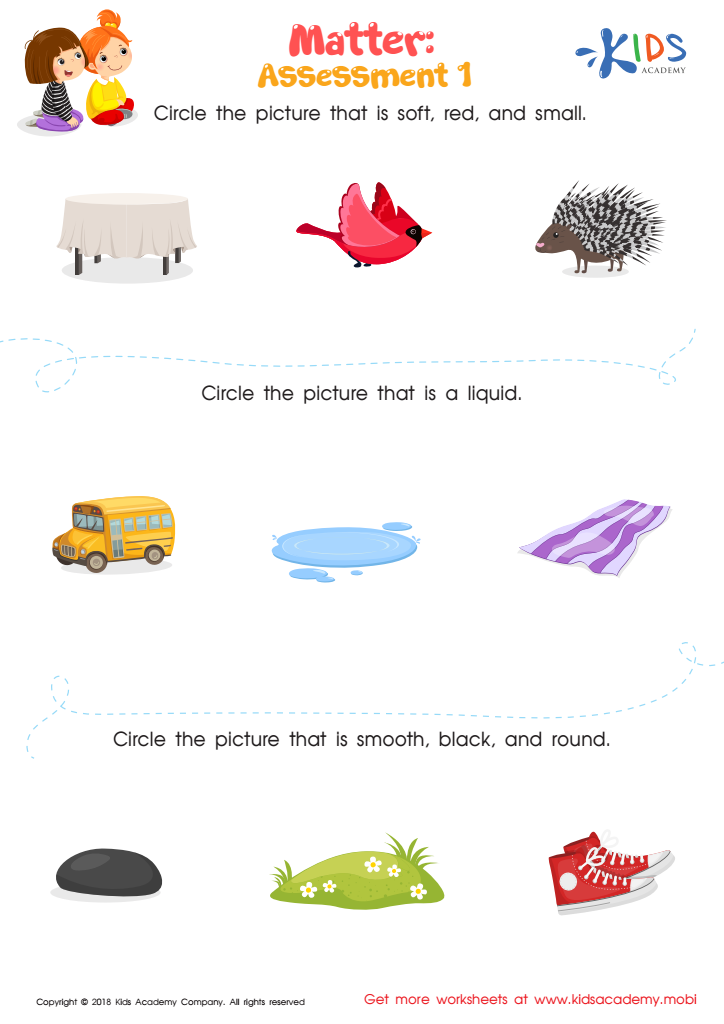
Matter: Assessment 1 Worksheet
 Assign to My Students
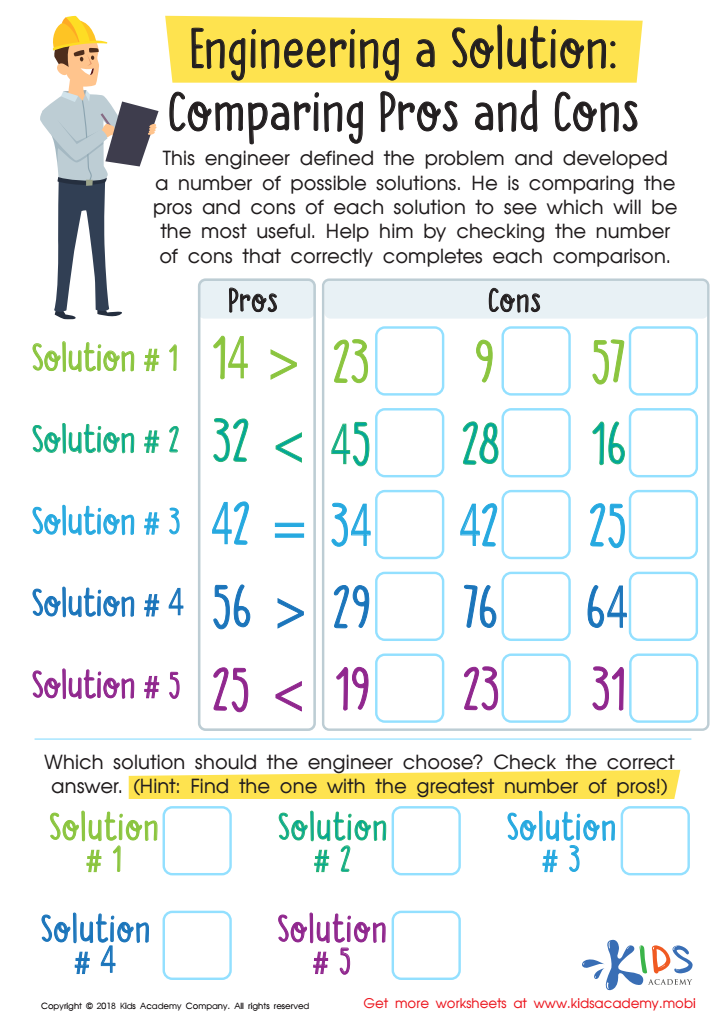
Engineering a Solution: Comparing Pros and Cons Worksheet
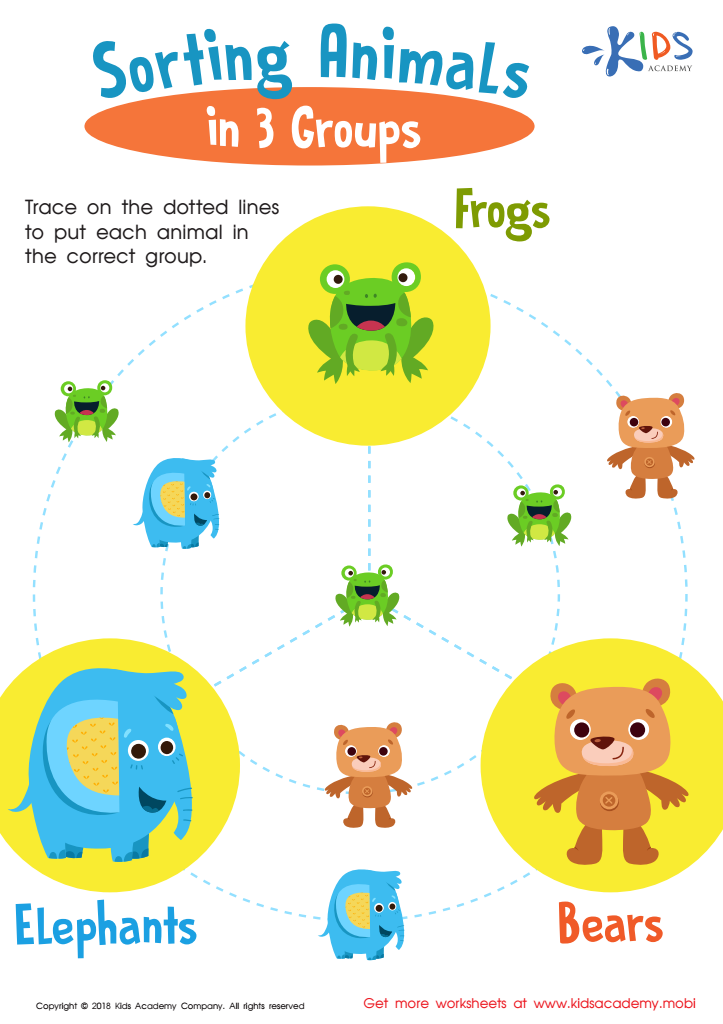
Sorting Animals in 3 Groups Worksheet
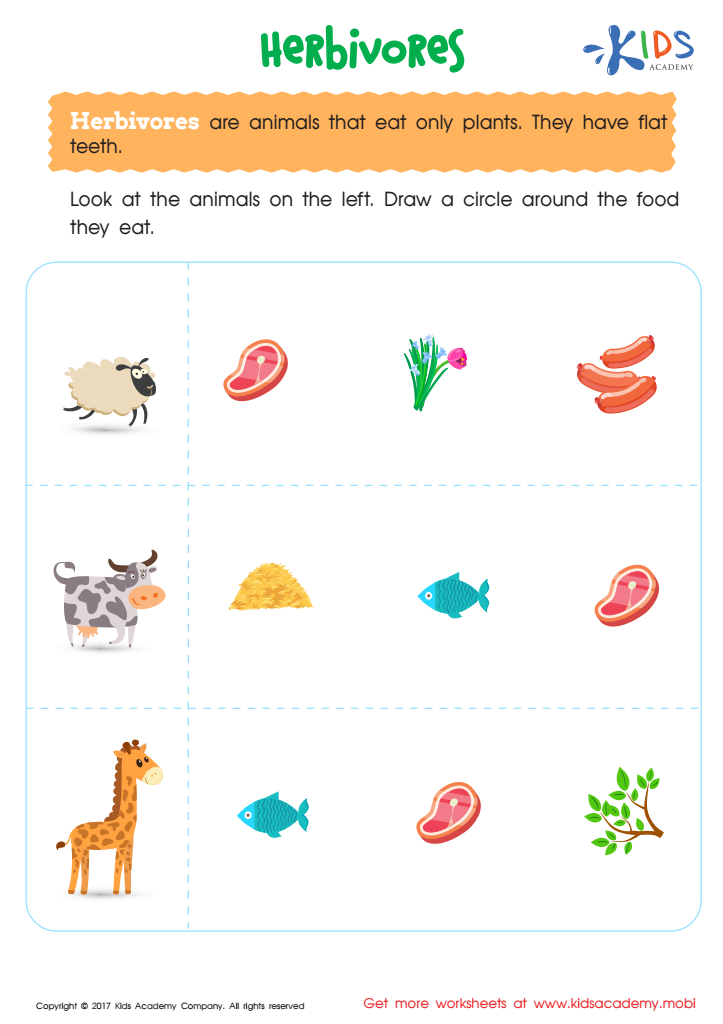
Herbivores Printable
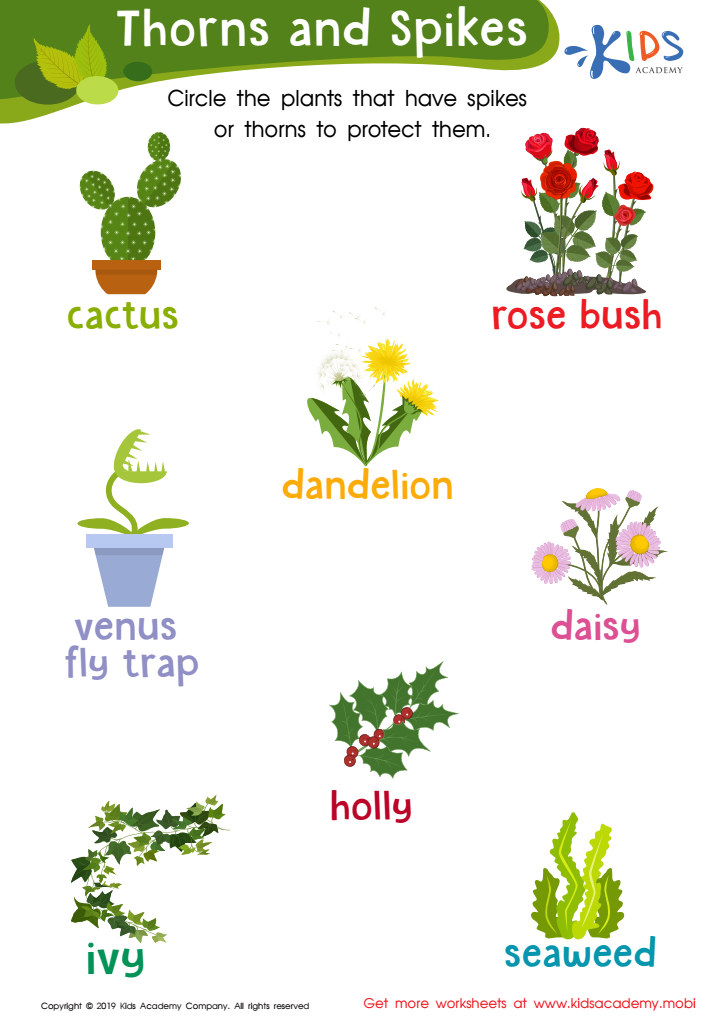
Thorns and Spikes Worksheet
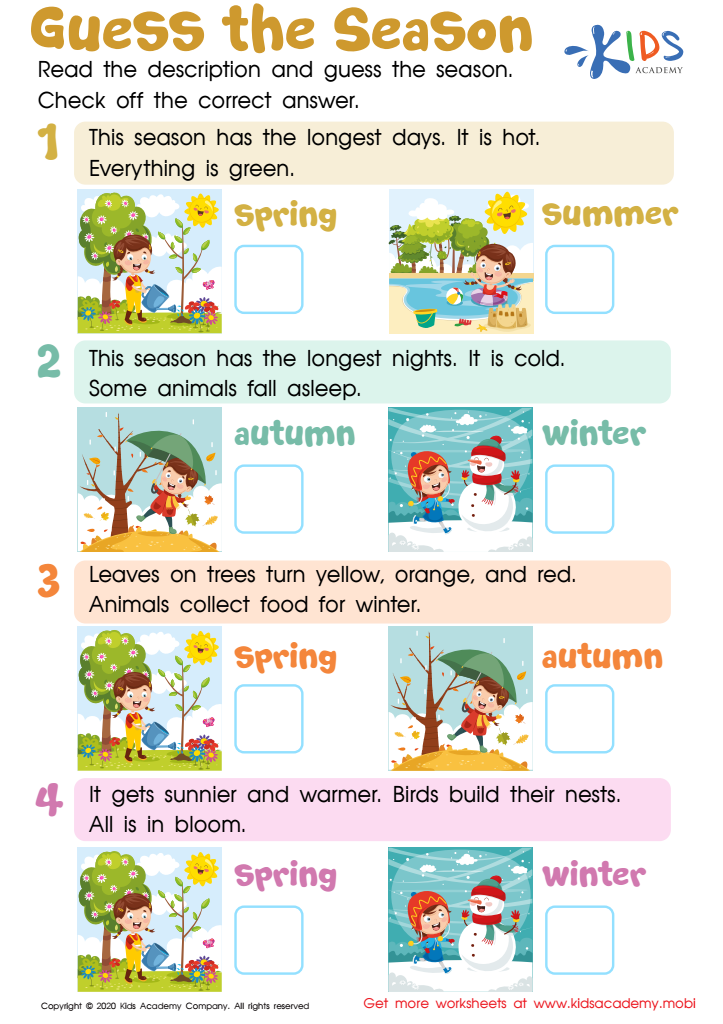
Guess the Season Worksheet
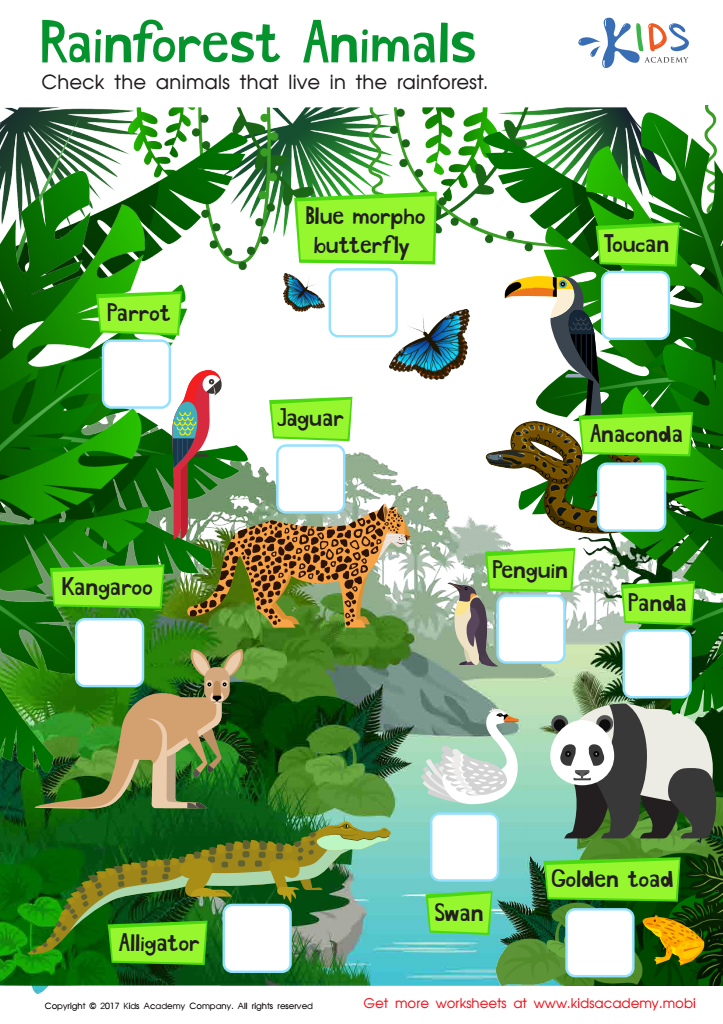
Rainforest Animals Worksheet
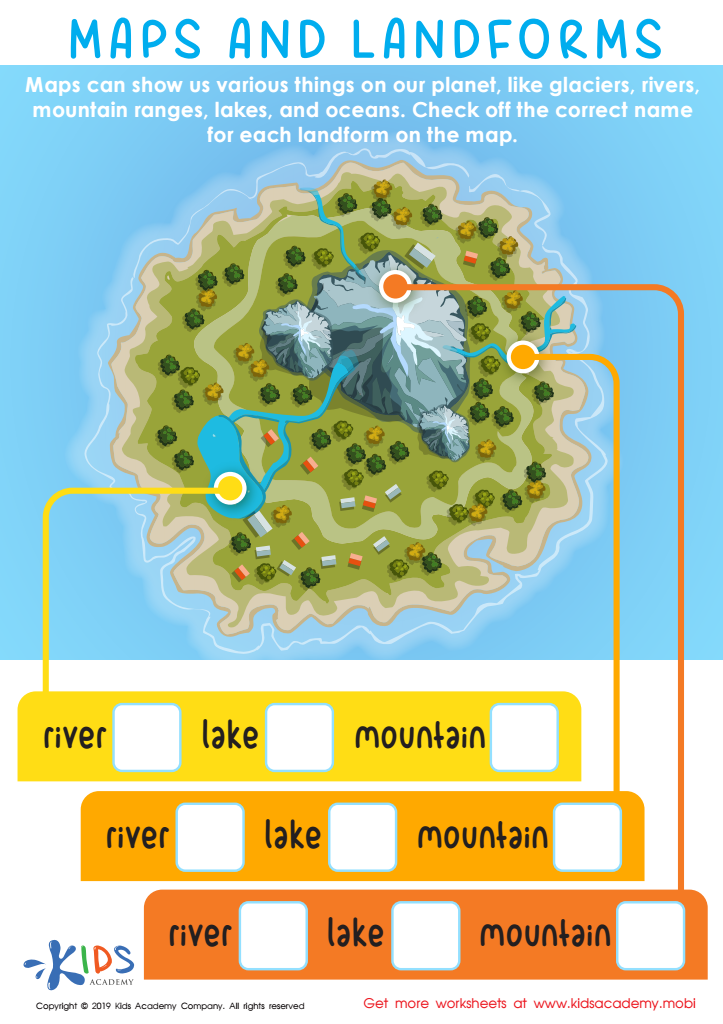
Maps and Landforms Worksheet
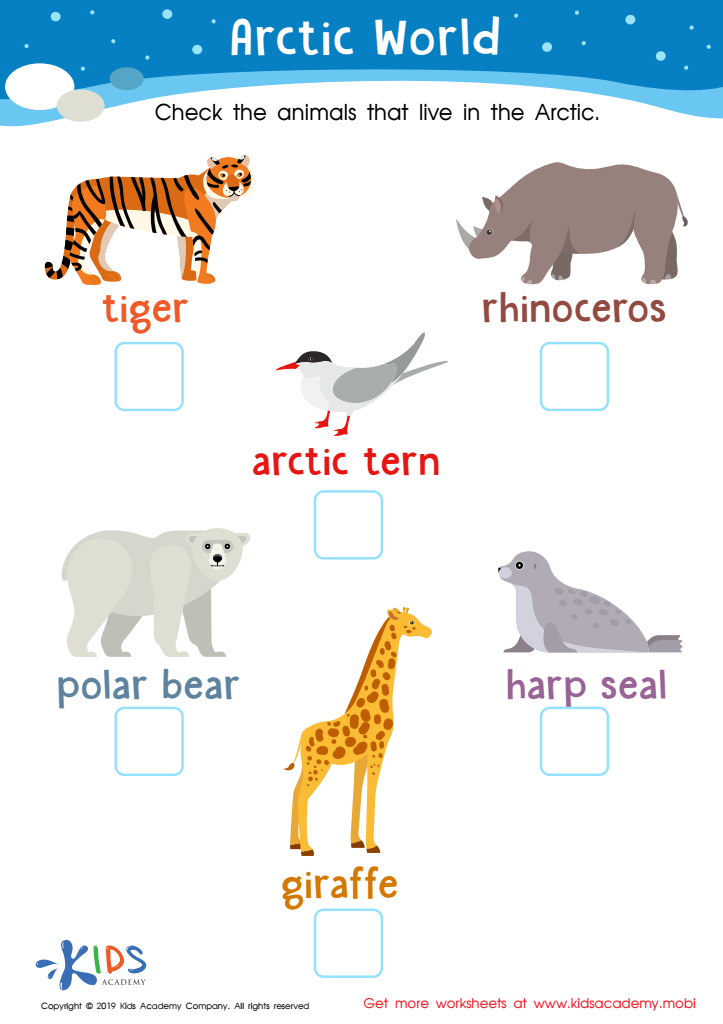
Arctic World Worksheet
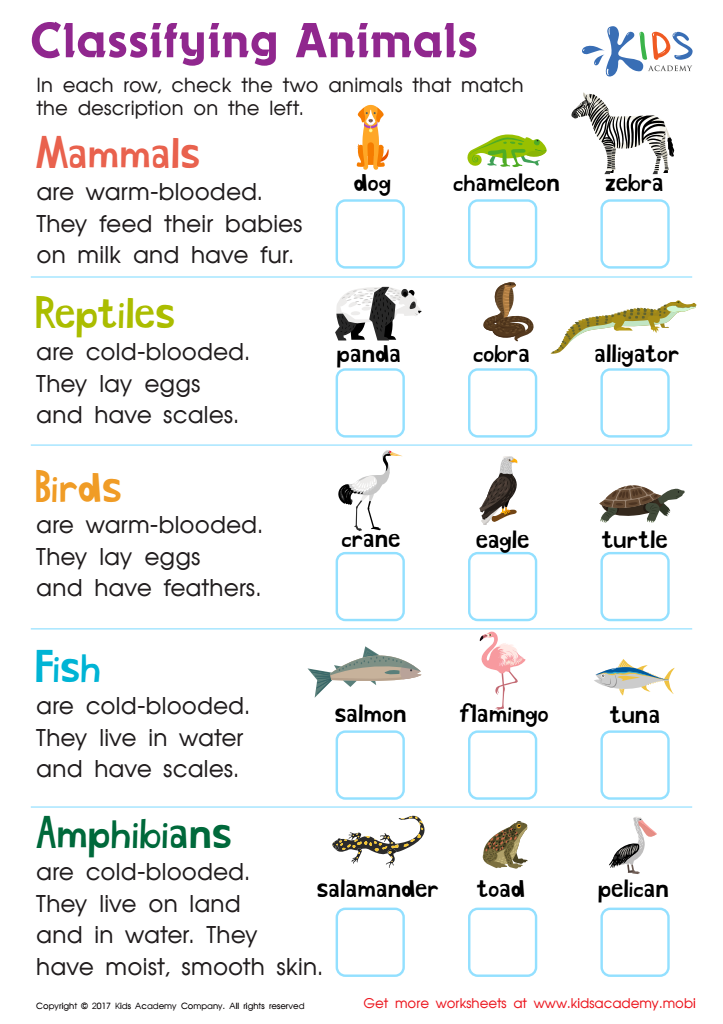
Classifying Animals Worksheet
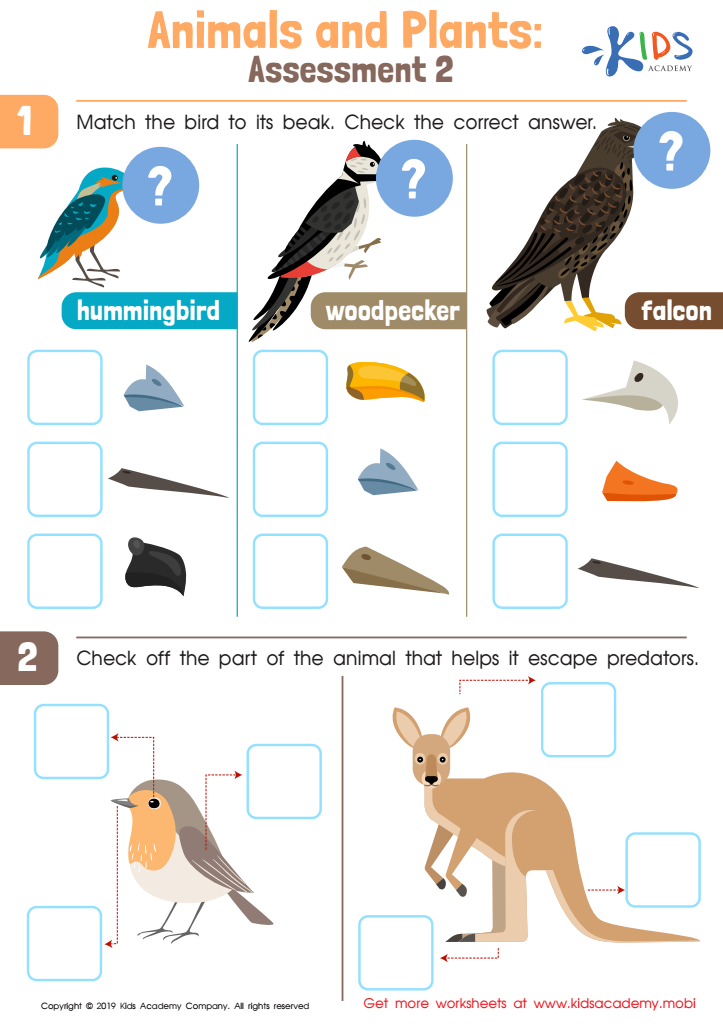
Animals and Plants: Assessment 2 Worksheet
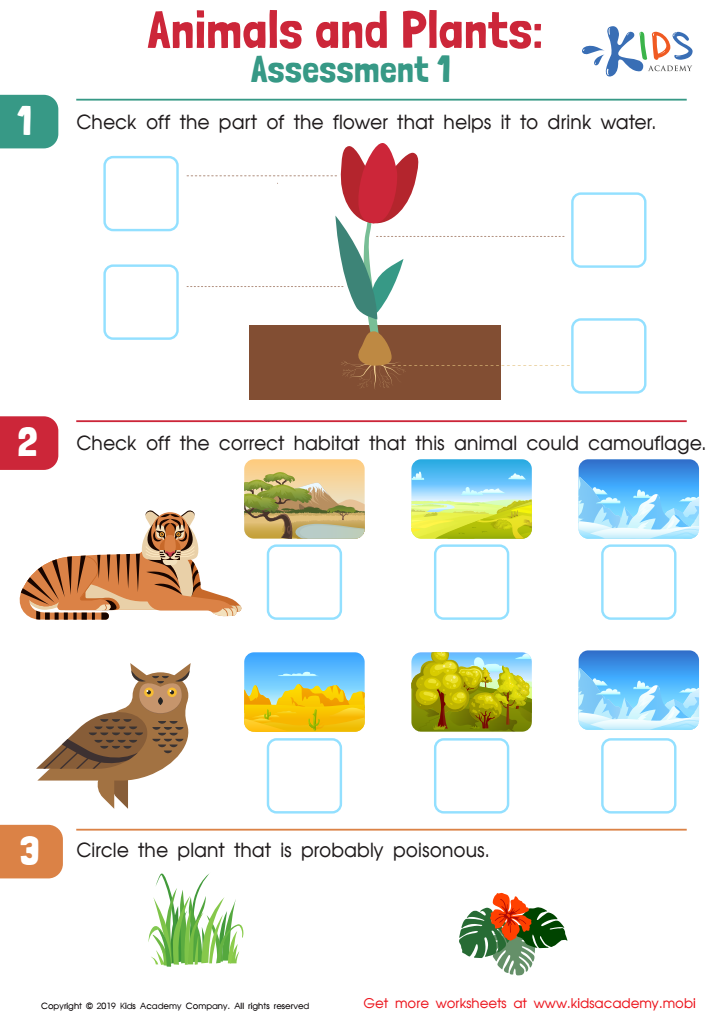
Animals and Plants: Assessment 1 Worksheet







Parents and teachers should prioritize critical thinking in children aged 6-7 for several compelling reasons. At this stage, children are developing cognitive skills essential for problem-solving and decision-making. Critical thinking nurtures curiosity, enabling young learners to ask questions, evaluate information, and seek evidence, laying a strong foundation for future learning.
Incorporating critical thinking into "normal science" enriches the way children understand the world around them. Learning how to think critically scientific inquiry aids them in grasping fundamental concepts, such as cause and effect, experimentation, and the nature of scientific processes. This not only helps children become more scientifically literate but also cultivates an appreciation for questioning and exploration.
Moreover, critical thinking fosters essential life skills, such as collaboration, communication, and adaptability. As children engage in group activities, they learn to listen to others’ ideas, defend their viewpoints, and navigate disagreements constructively.
Ultimately, fostering critical thinking in ages 6-7 prepares children for academic success and equips them with the tools to become informed, responsible citizens. By cultivating these intellectual habits early, both parents and teachers can empower children to thrive personally and academically, making a lasting impact on their development.







