Normal Space Worksheets for Ages 6-8 - Page 2
36 filtered results
-
From - To
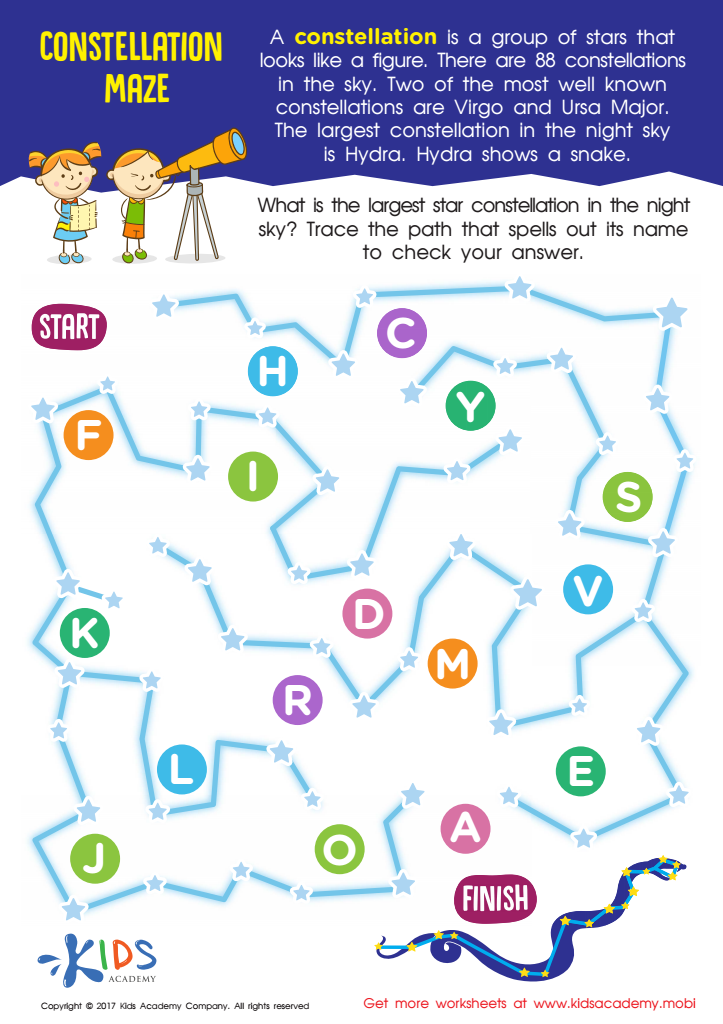
Constellations Worksheet
 Assign to My Students
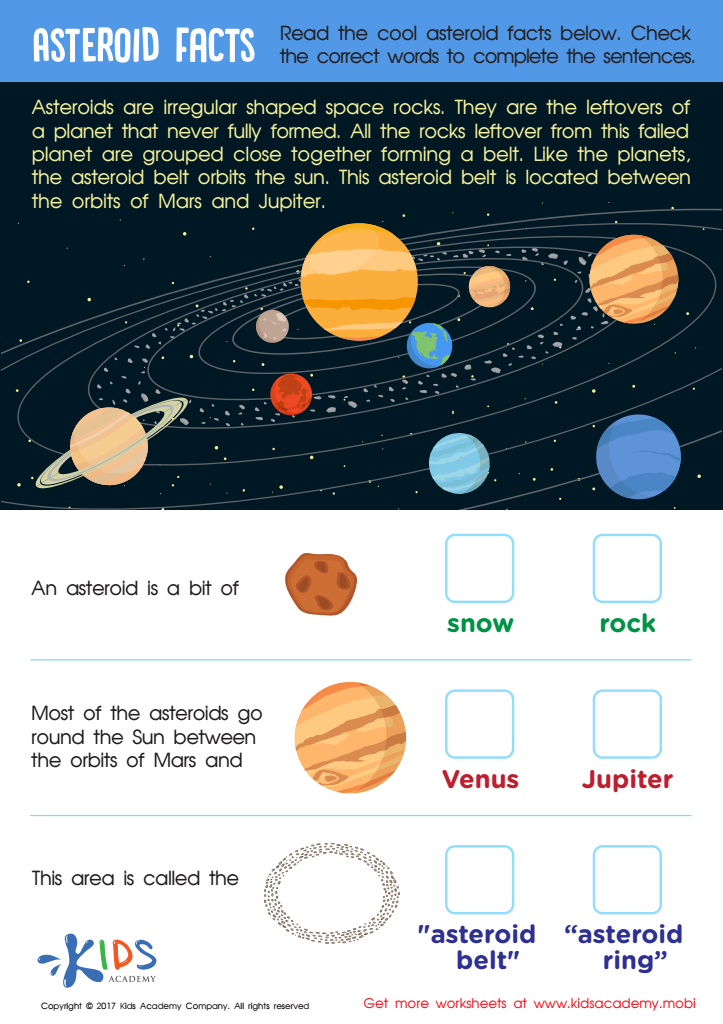
Asteroid Facts Worksheet
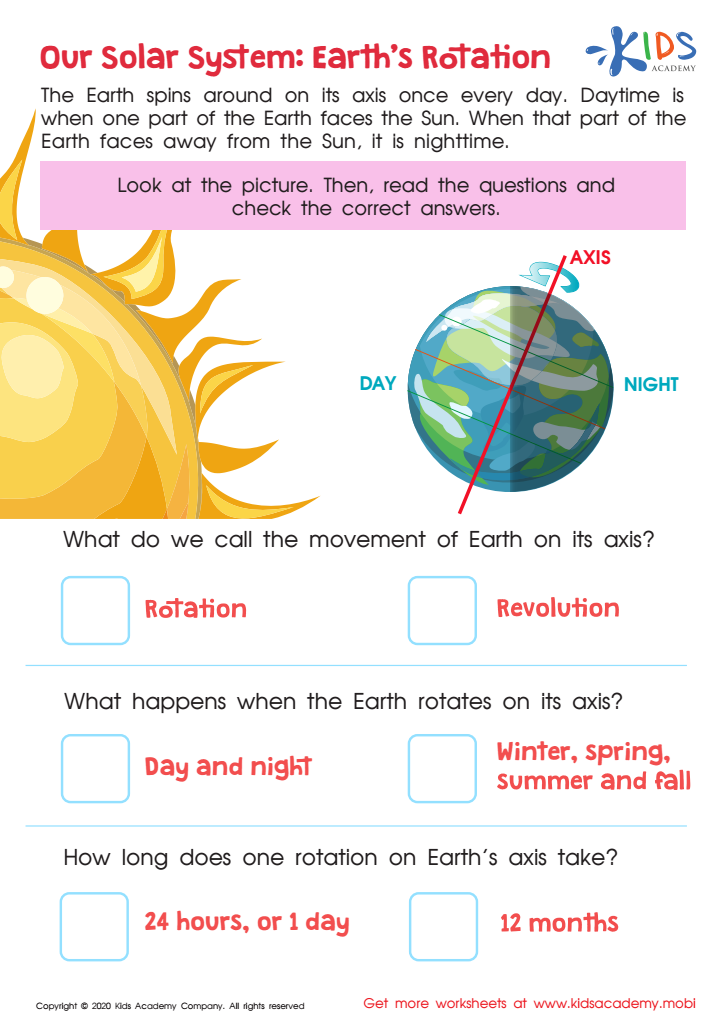
Our Solar System: Earth's Rotation Printable
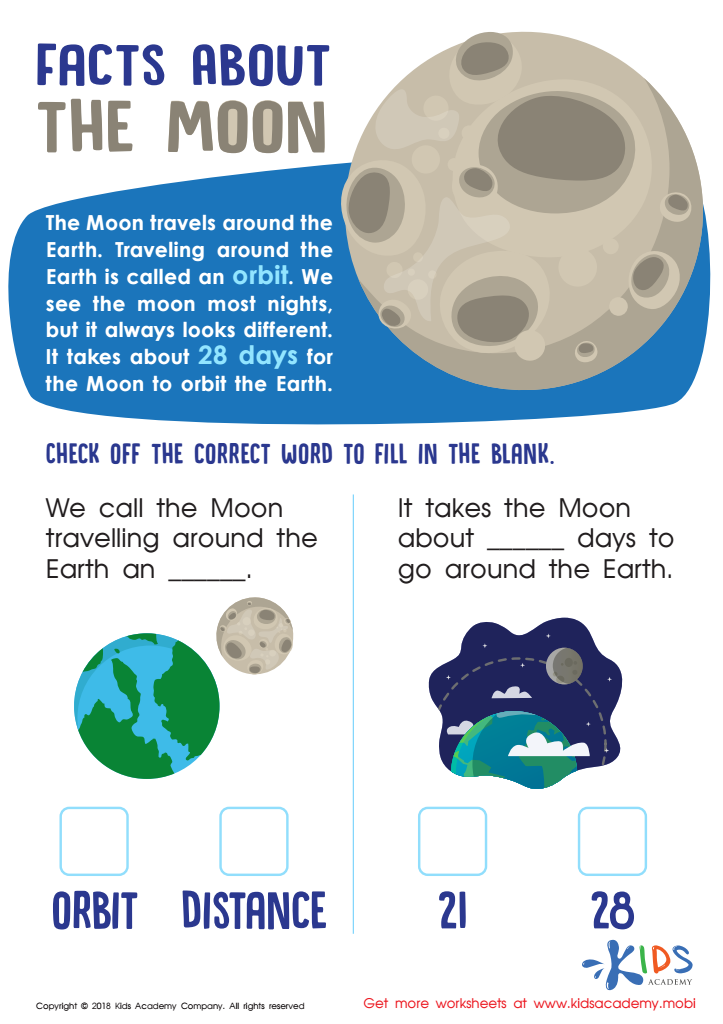
Facts About the Moon Worksheet
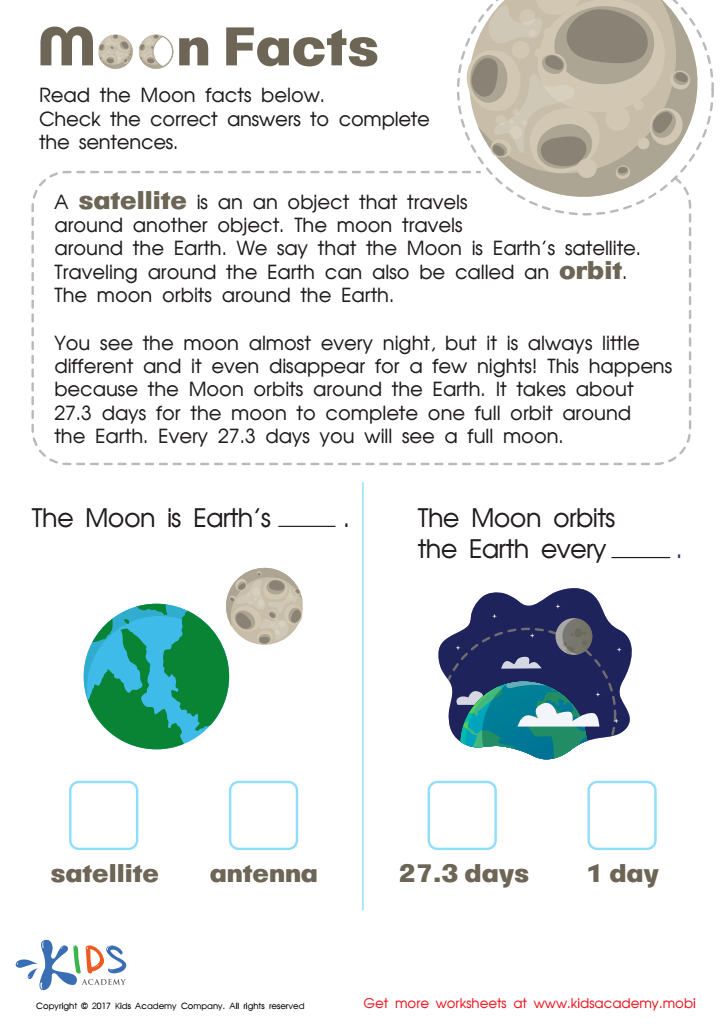
Moon Facts Worksheet
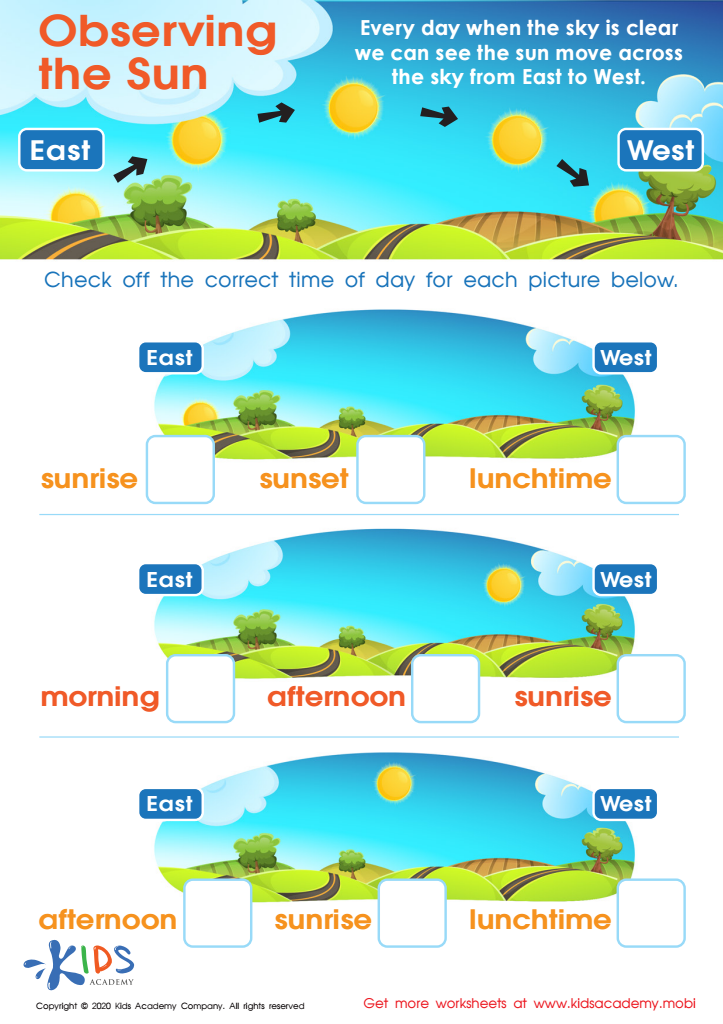
Observing the Sun Worksheet
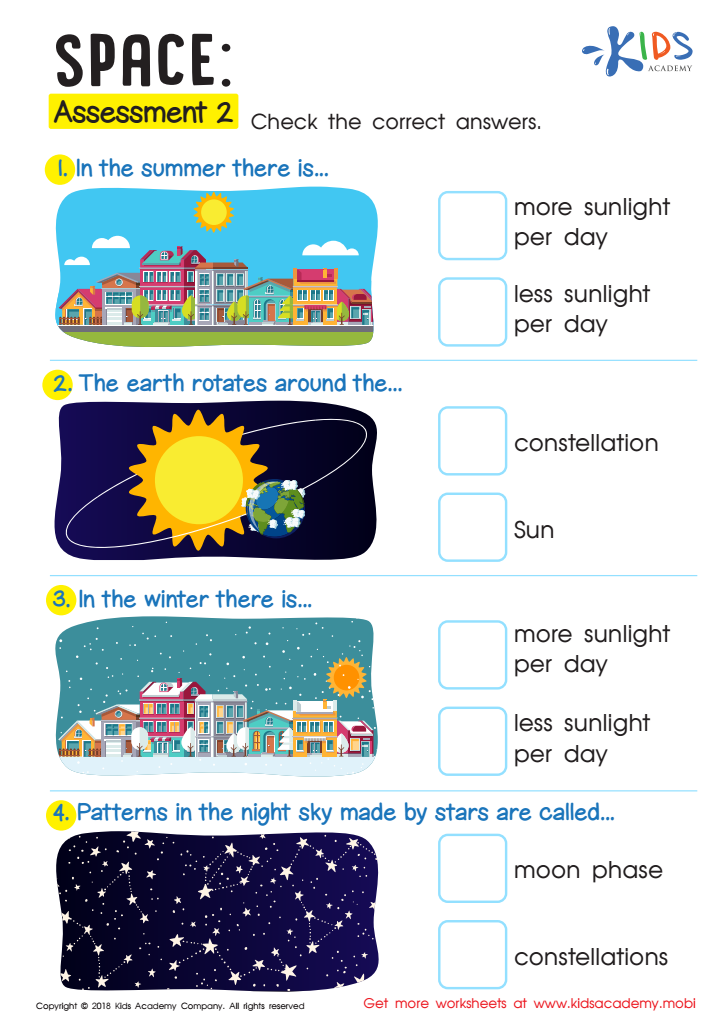
Space: Assessment 2 Worksheet
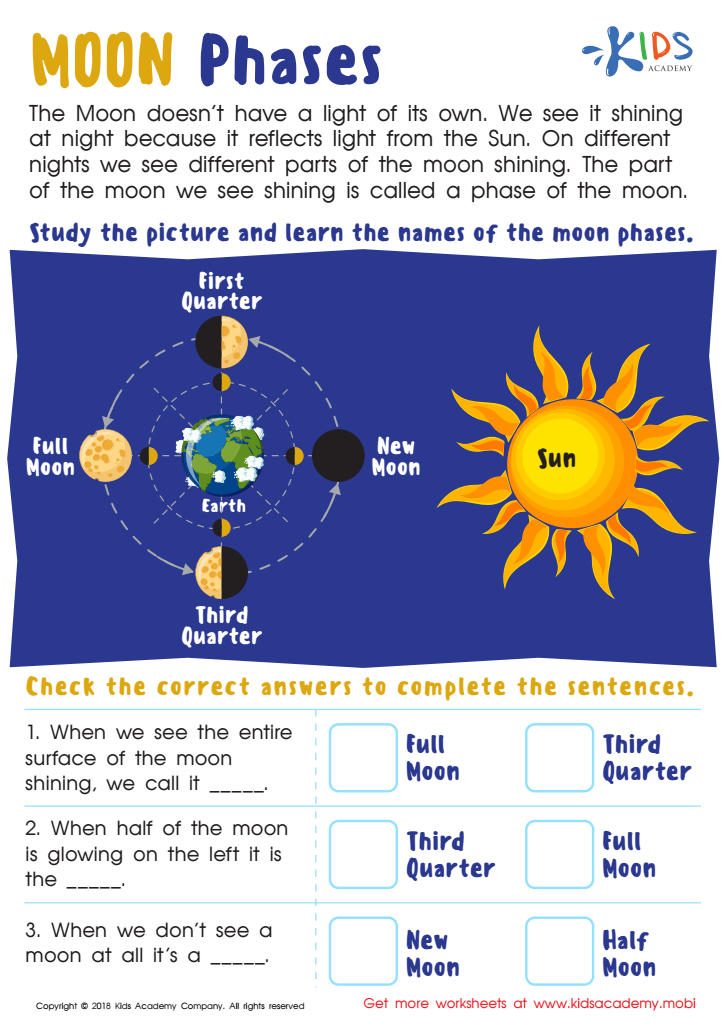
Moon Phases Worksheet
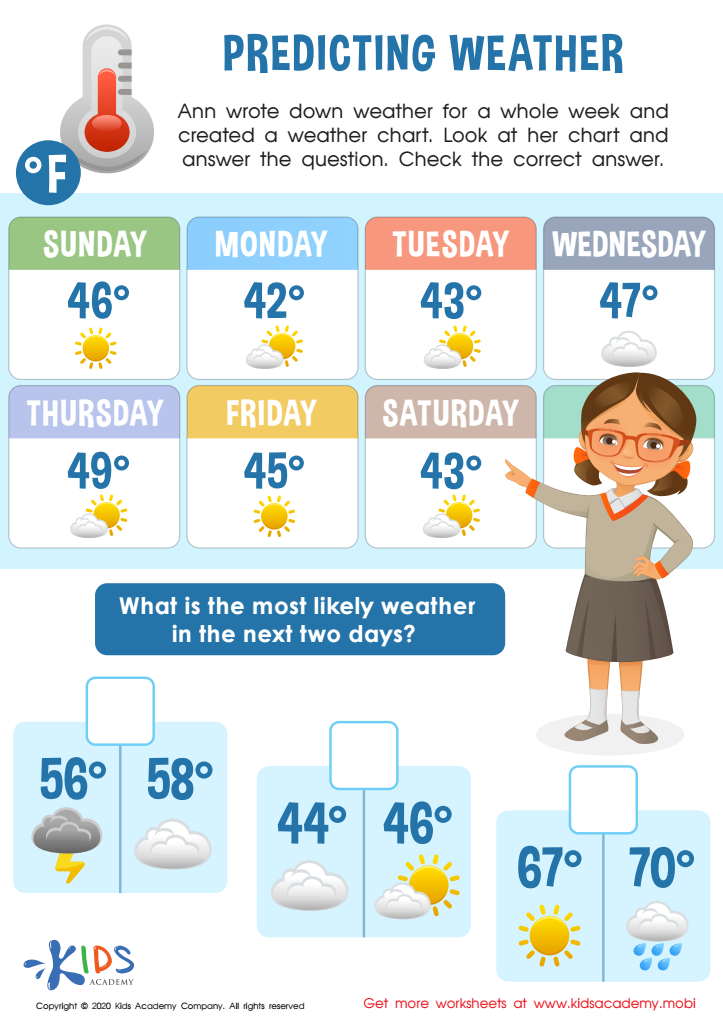
Predicting Weather Worksheet
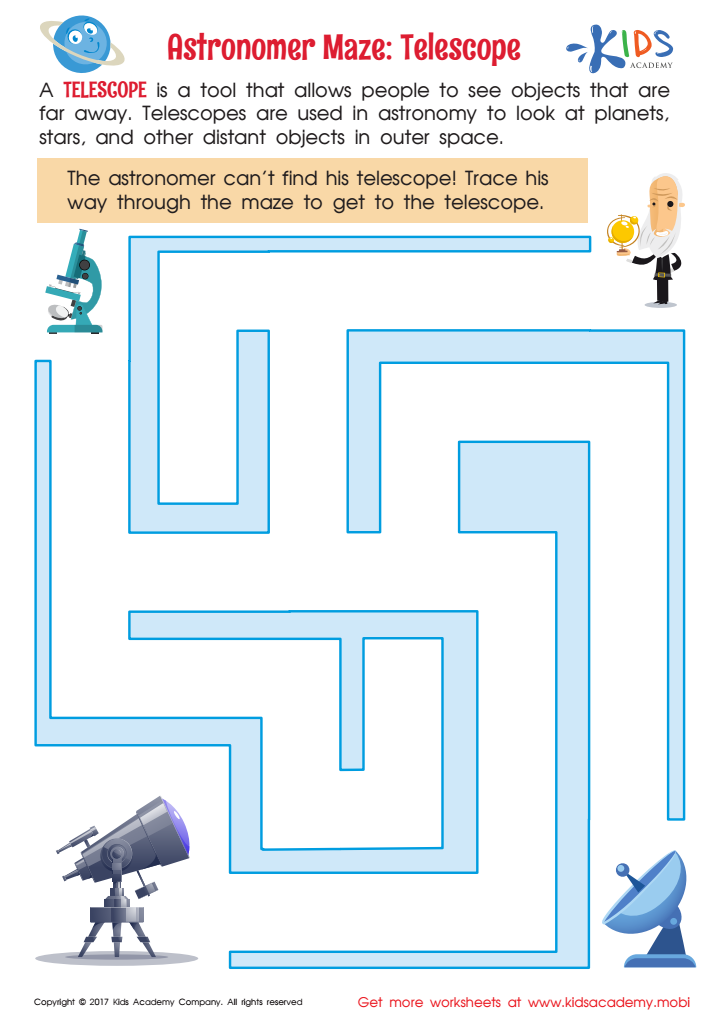
Astronomer Maze: Telescope Worksheet
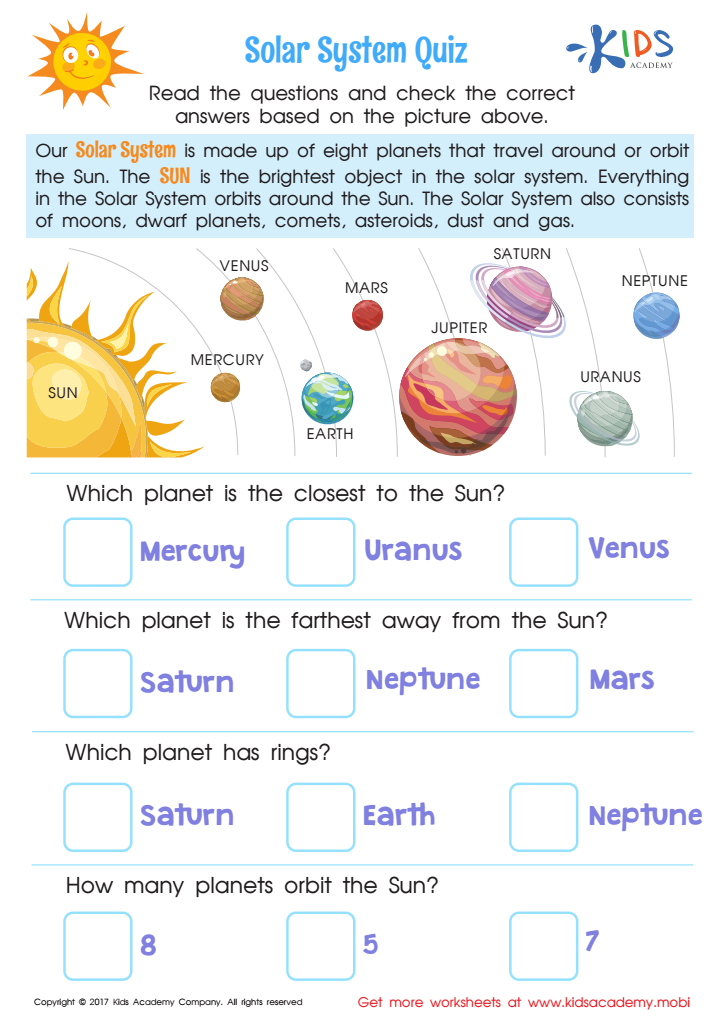
Solar System Quiz Printable
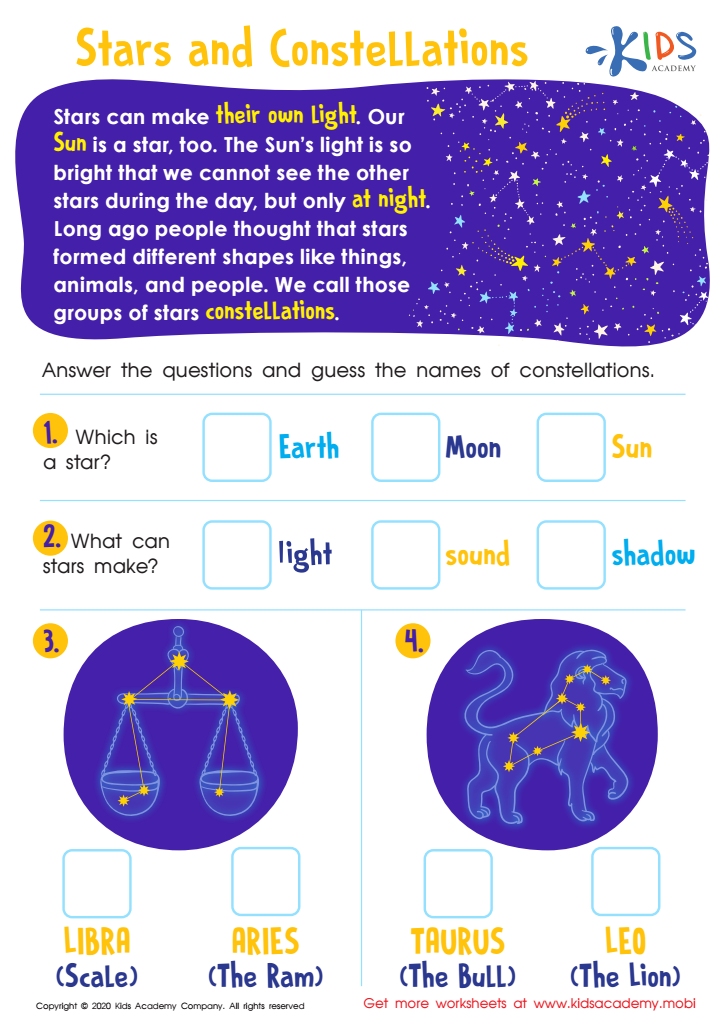
Stars and Constellations Worksheet







Normal Space for Ages 6-8 is crucial for fostering a supportive and inclusive environment where young children can thrive. This developmental stage is pivotal, as children's social, emotional, and cognitive abilities are rapidly growing. Normal Space encourages a sense of belonging, which helps build confidence and self-esteem in children.
Parents and teachers should care because children learn best in spaces where they feel safe and valued. By promoting collaboration and open communication, Normal Space also strengthens relationships among peers, teaching essential social skills such as empathy and teamwork. Engaging in activities within this space helps children develop critical thinking and problem-solving skills, fundamental for lifelong learning.
Moreover, Normal Space nurtures creativity and self-expression, allowing children to explore their interests and passions. It offers an opportunity for parents and teachers to observe and support individual talents, paving the way for a bright future.
Finally, cultivating Normal Space at this age prepares children for future academic and social settings, equipping them with the necessary tools to navigate challenges. By prioritizing Normal Space, parents and teachers invest in the holistic development of children, enabling them to grow into well-adjusted, resilient individuals.







