Normal History Worksheets for Ages 6-8 - Page 3
61 filtered results
-
From - To
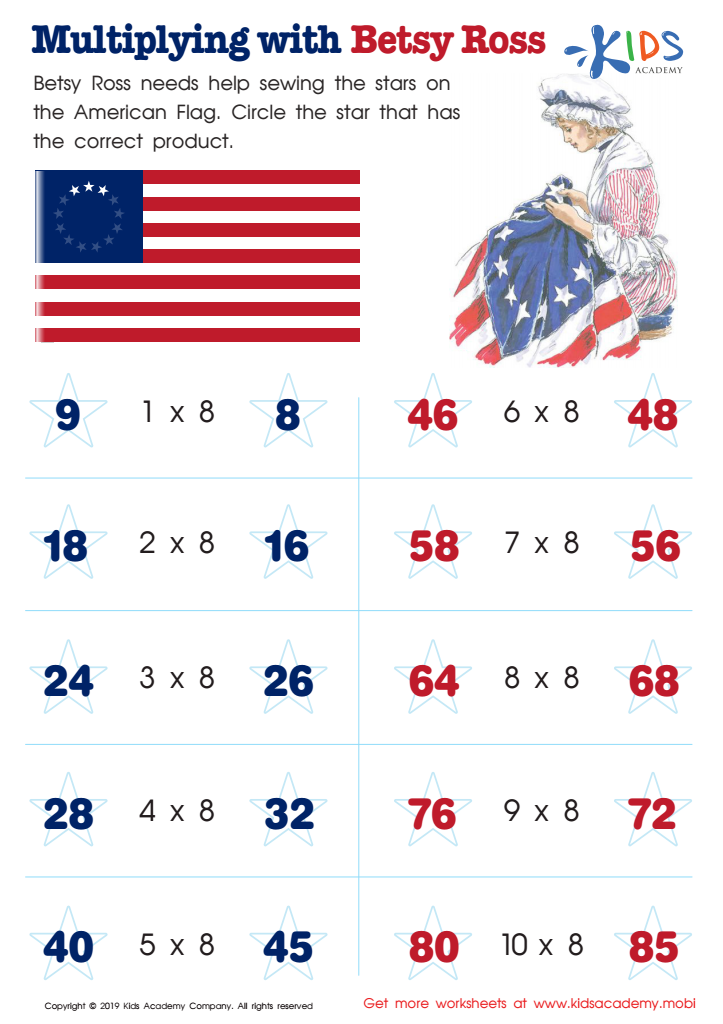
Multiplying with Betsy Ross Worksheet
 Assign to My Students
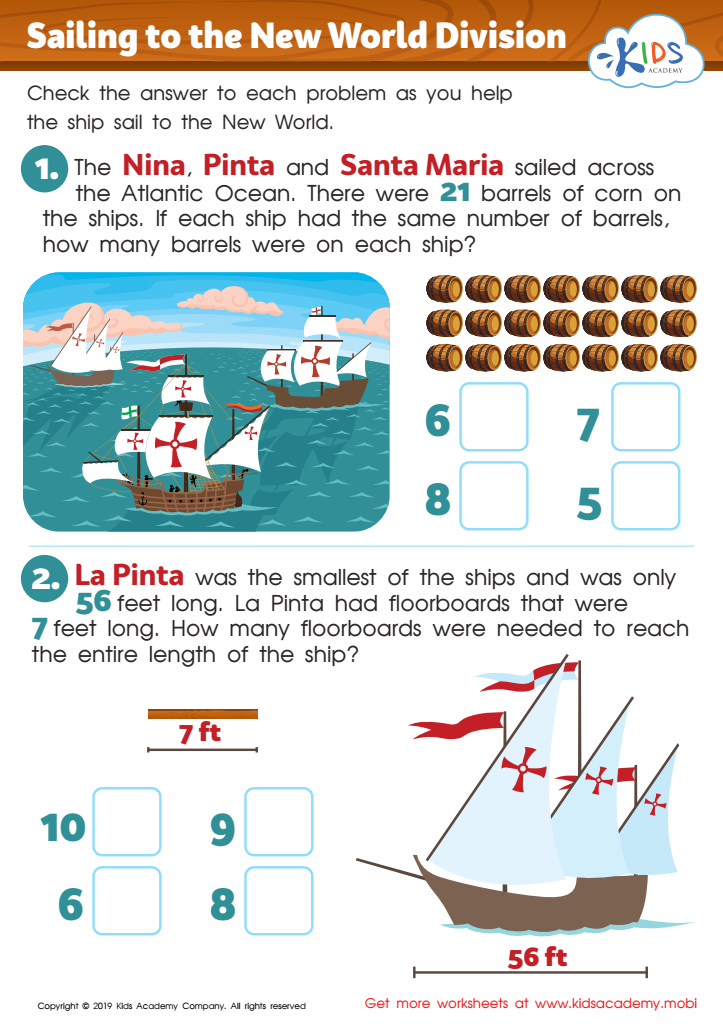
Sailing to the New World Division Worksheet
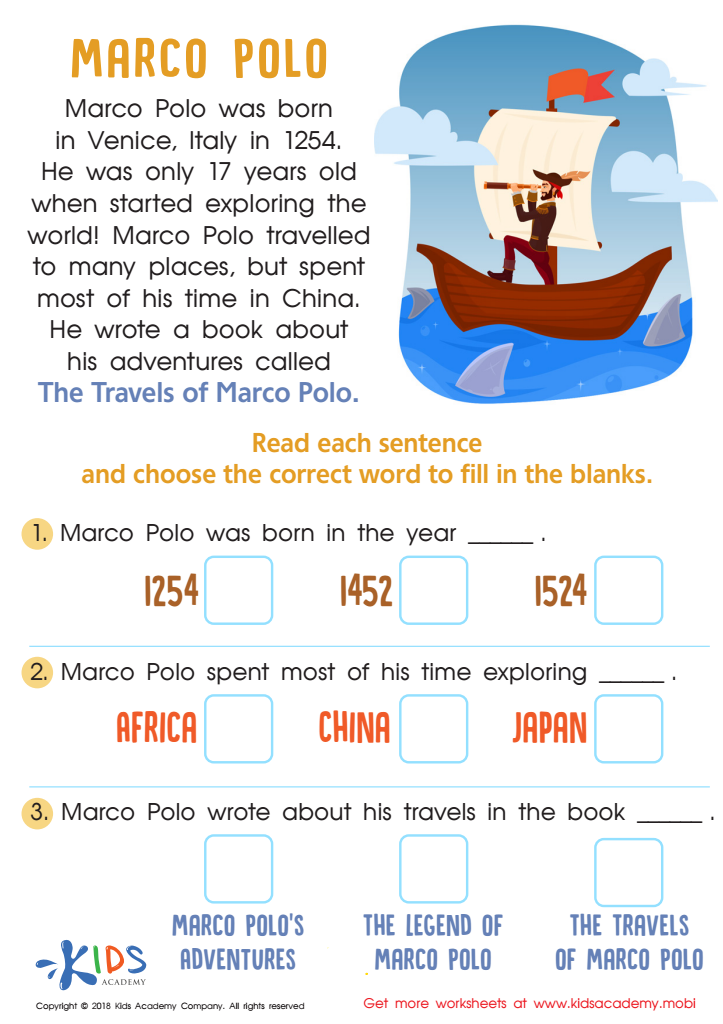
Marco Polo Worksheet
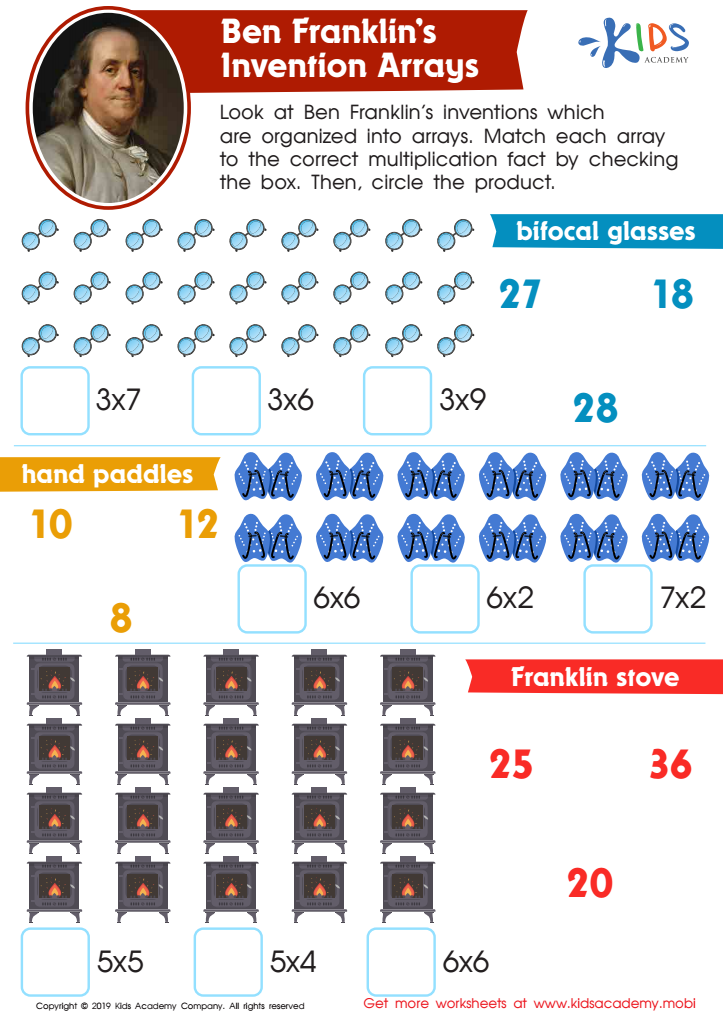
Ben Franklin’s Invention Arrays Worksheet
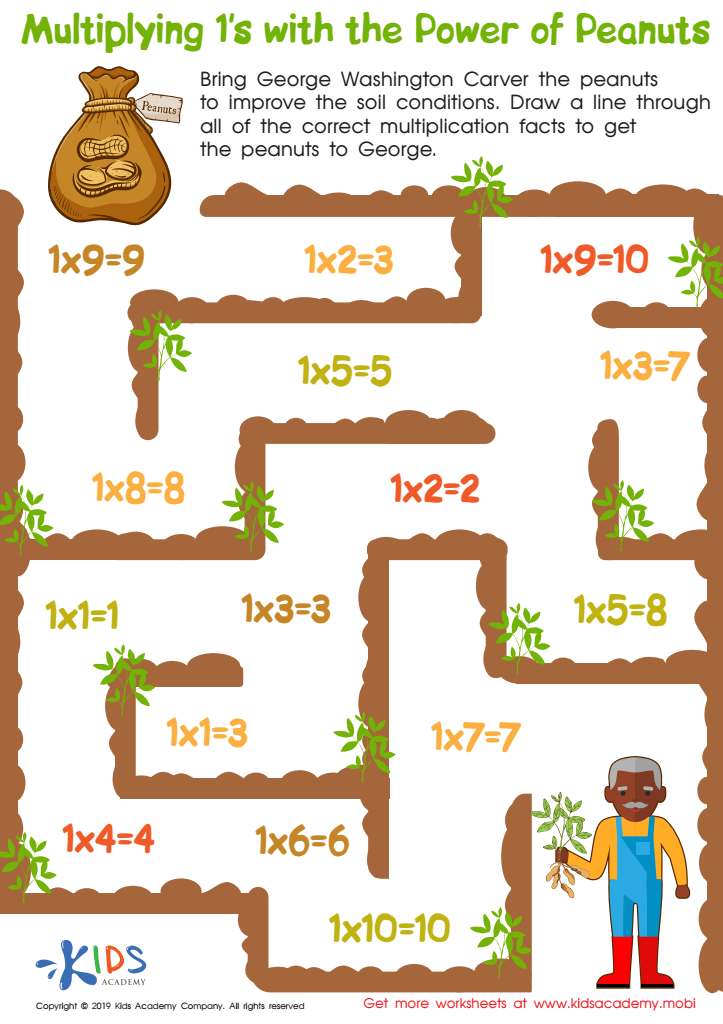
Multiplying 1’s With the Power of Peanuts Worksheet
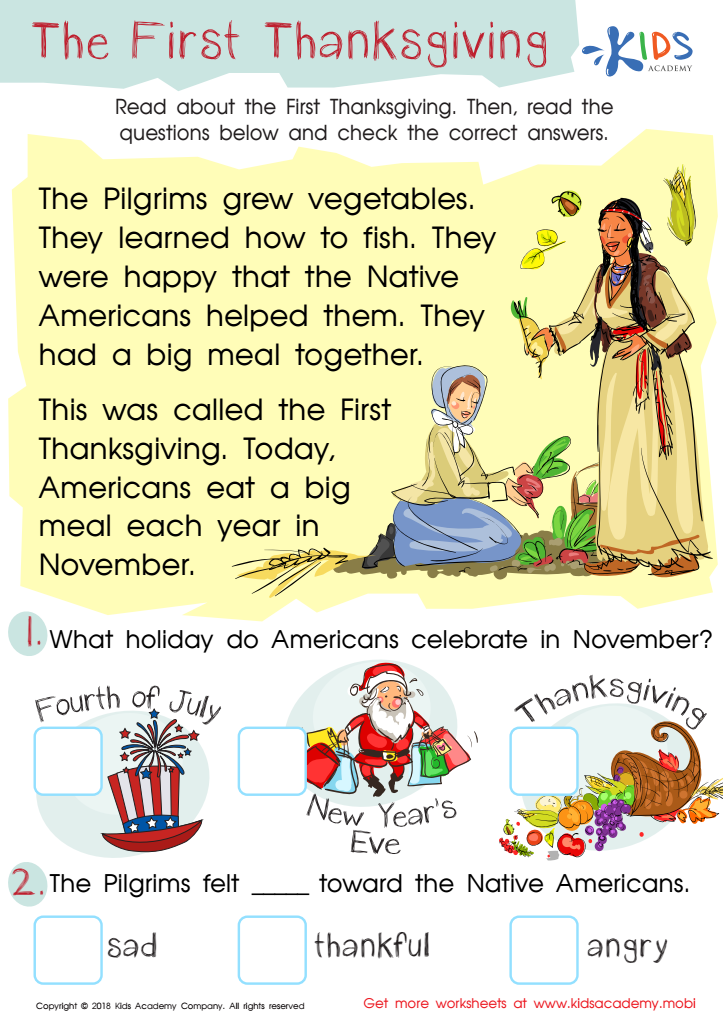
Assessment: First Thanksgiving Worksheet
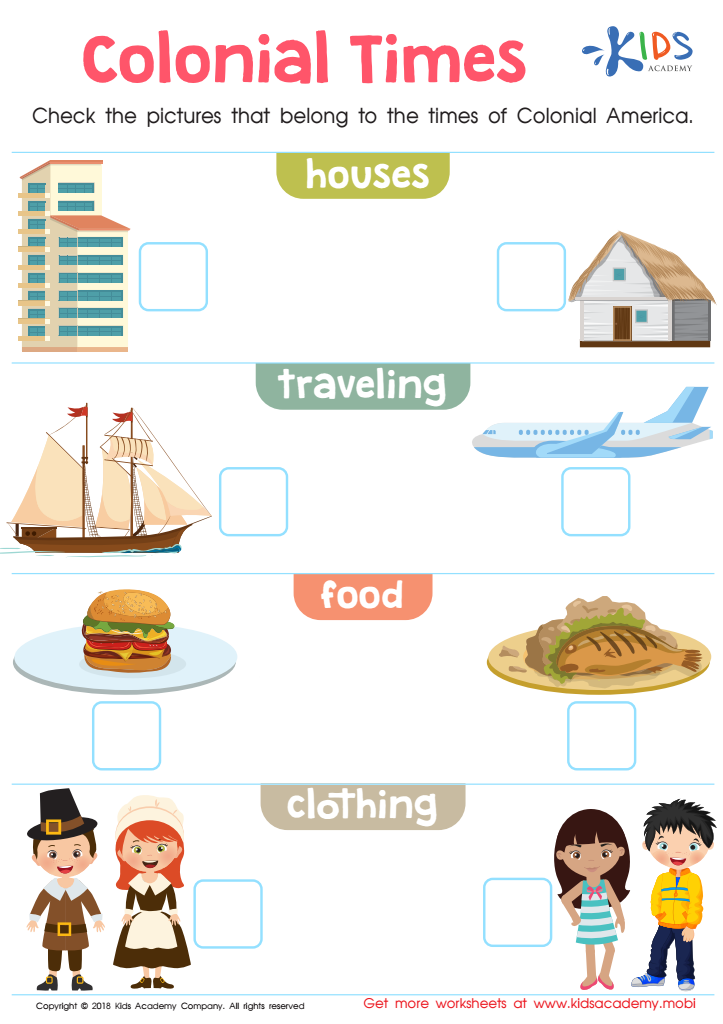
Colonial Times Worksheet
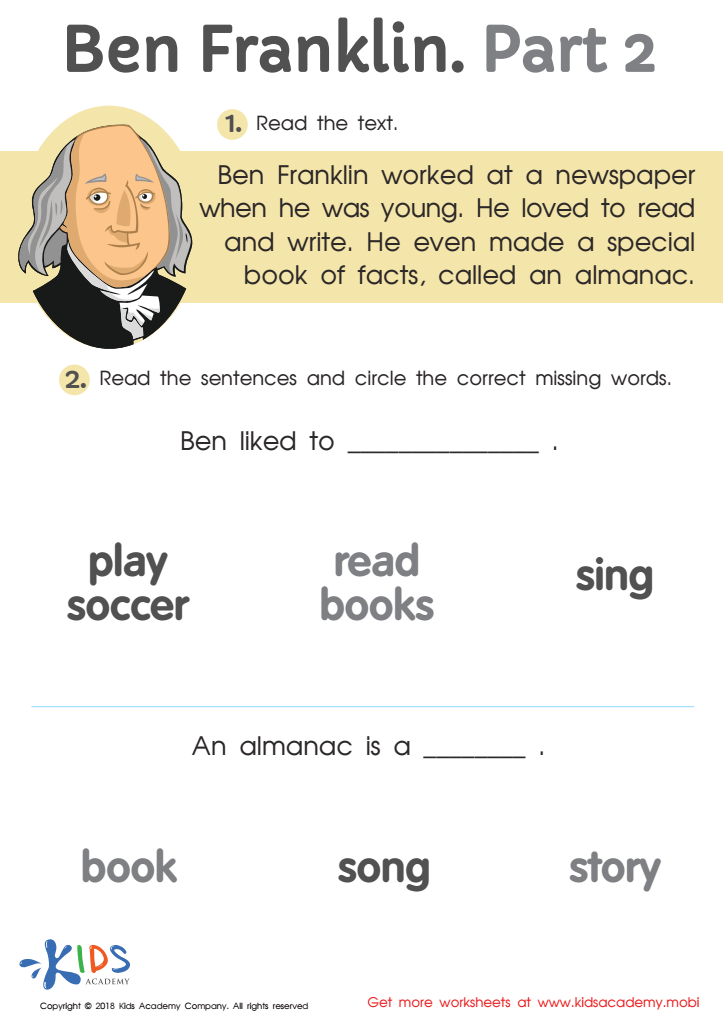
Ben Franklin Part 2 Worksheet
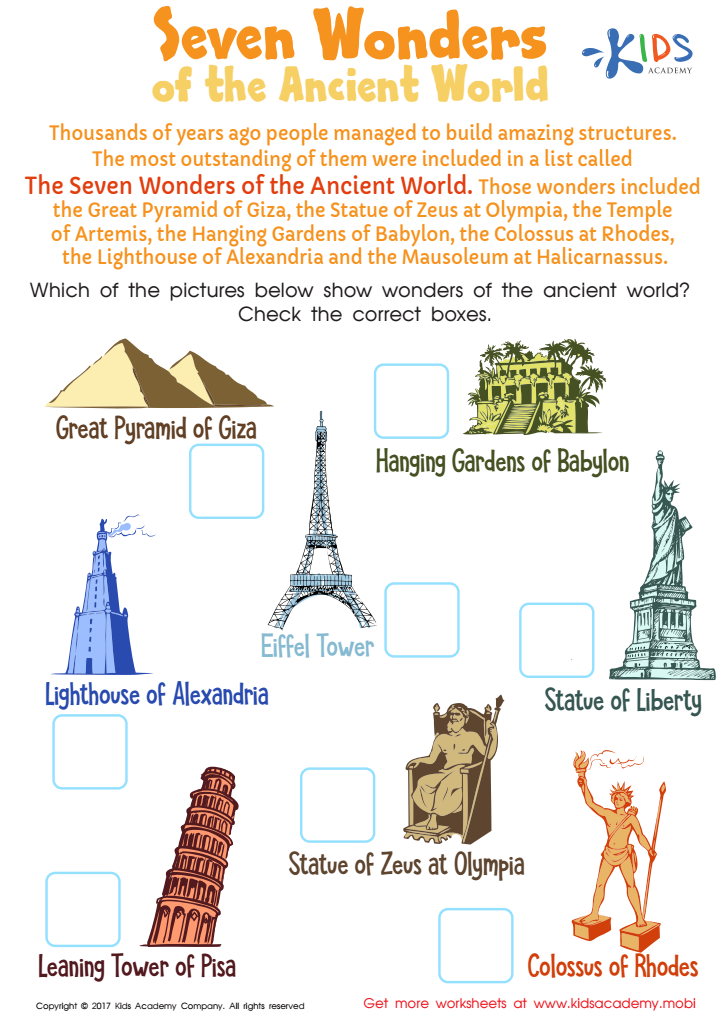
Seven Wonders of the Ancient World Worksheet
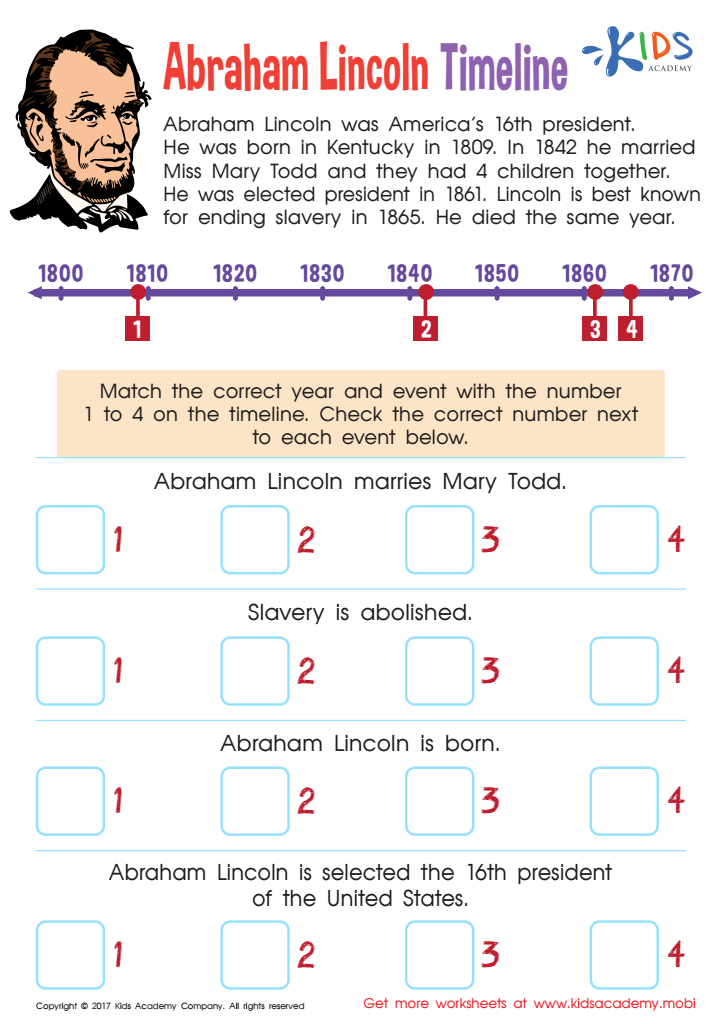
Abraham Lincoln Timeline Worksheet
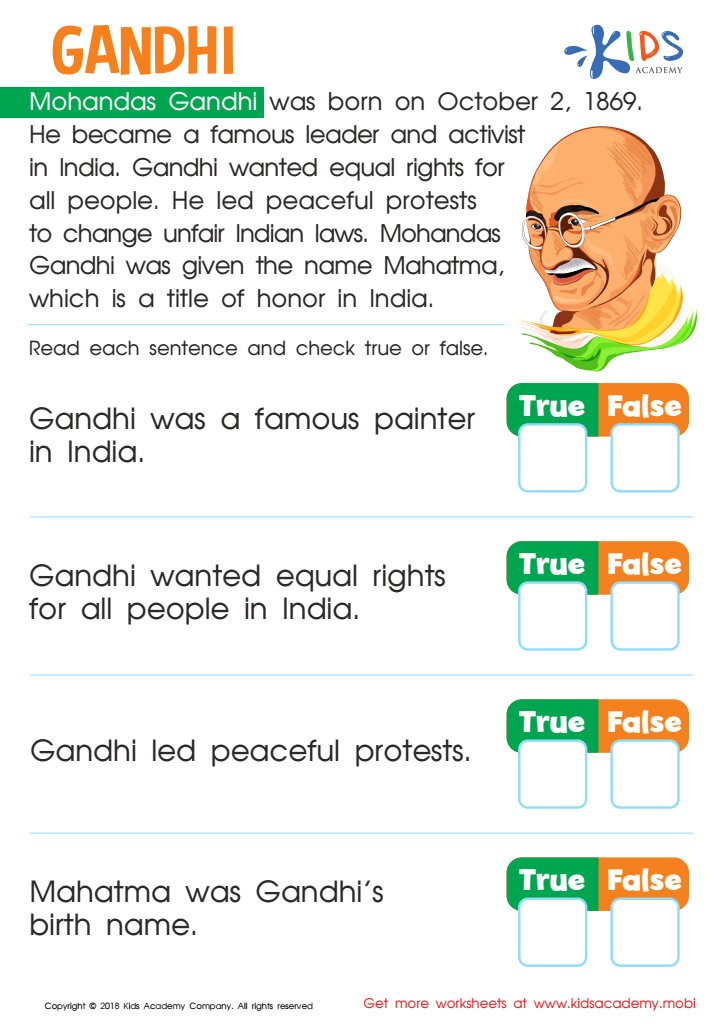
Gandhi Worksheet
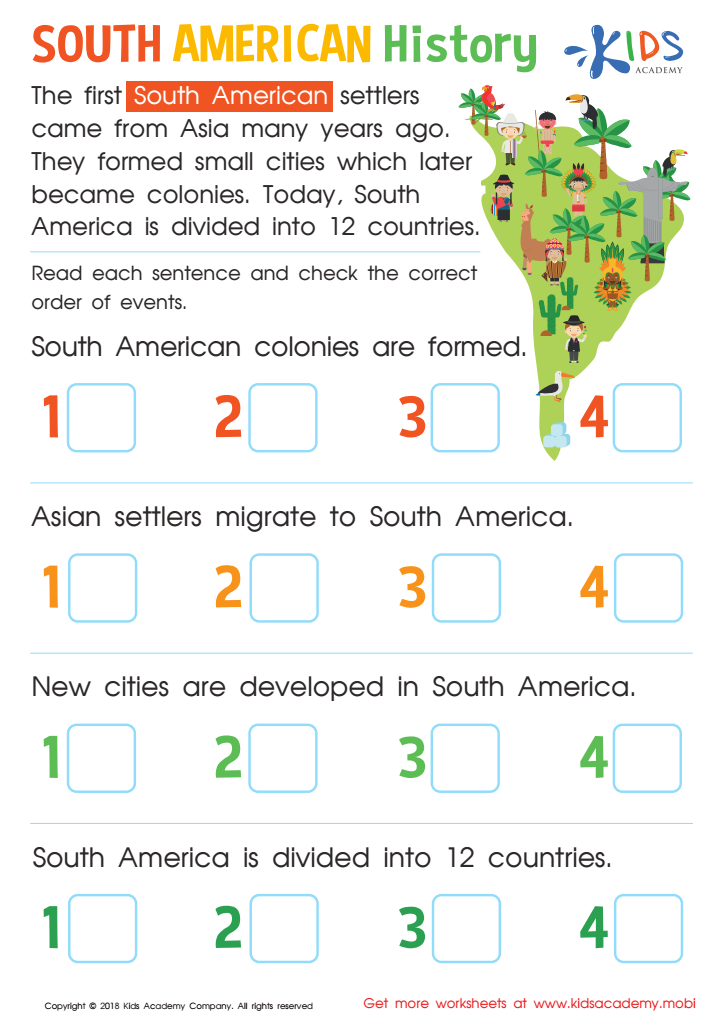
South American History Worksheet
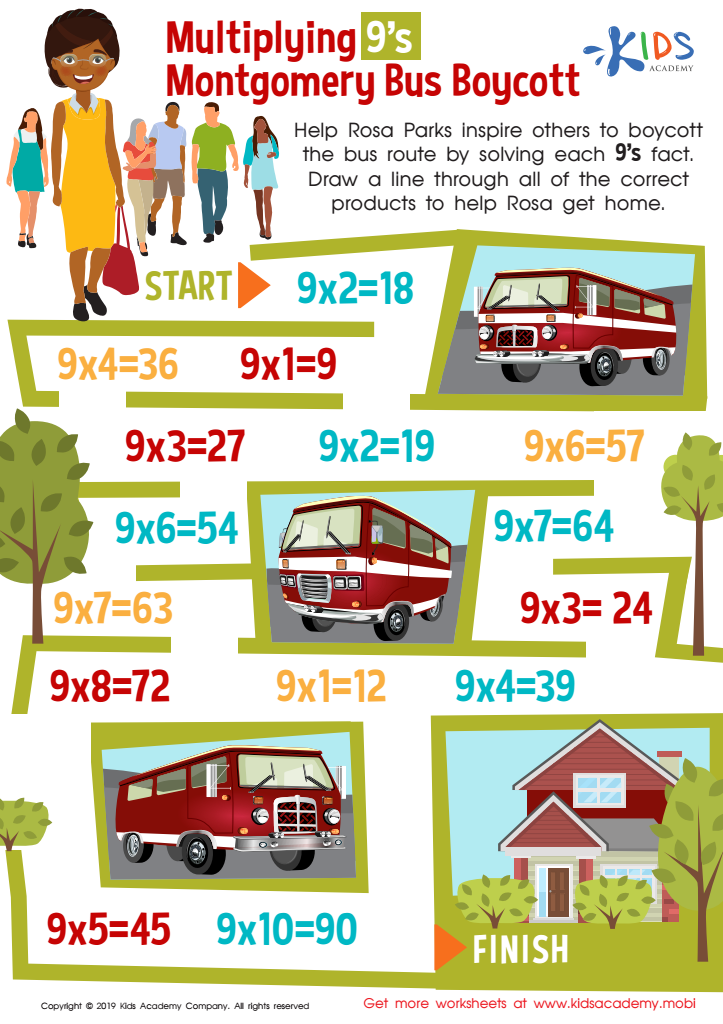
Multiplying 9’s Montgomery Bus Boycott Worksheet








Parents and teachers should prioritize Normal History for children ages 6-8 because it lays a crucial foundation for their understanding of the world. At this age, children are naturally curious about their surroundings and eager to learn about the past. Introducing them to Normal History—essentially, the study of everyday life, social norms, and cultural traditions—builds a strong sense of identity and community.
Children begin to grasp concepts of empathy and perspective as they learn about the lives of people before them, fostering a deeper appreciation for diversity and inclusion. By focusing on relatable historical events and figures, educators engage young learners in meaningful discussions about resilience, cooperation, and values that resonate in their everyday lives.
Moreover, Normal History encourages critical thinking skills. It prompts kids to ask questions about why certain practices exist and how they've evolved, enhancing their analytical abilities. Ultimately, understanding Normal History equips children with the context to navigate contemporary society, making it vital for shaping well-rounded, informed citizens. Thus, investing time in Normal History education not only enriches a child’s cognitive development but also nurtures a connected, empathetic community for future generations.