Normal Writing Worksheets for Ages 6-8 - Page 5
177 filtered results
-
From - To
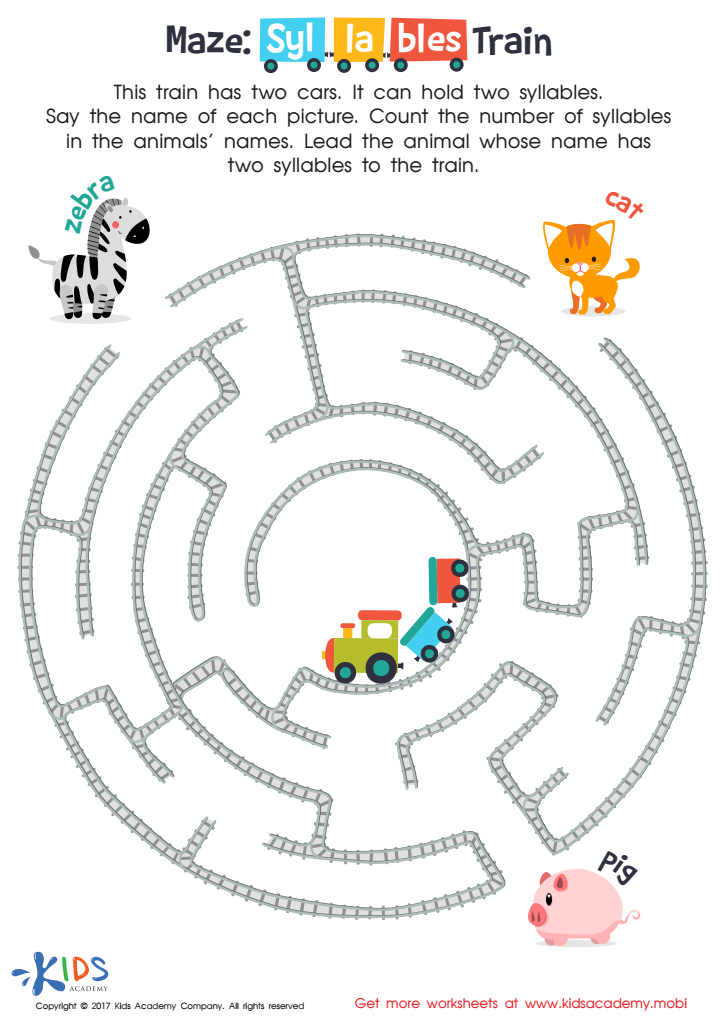
Maze Syllables Word Structure Worksheet
 Assign to My Students
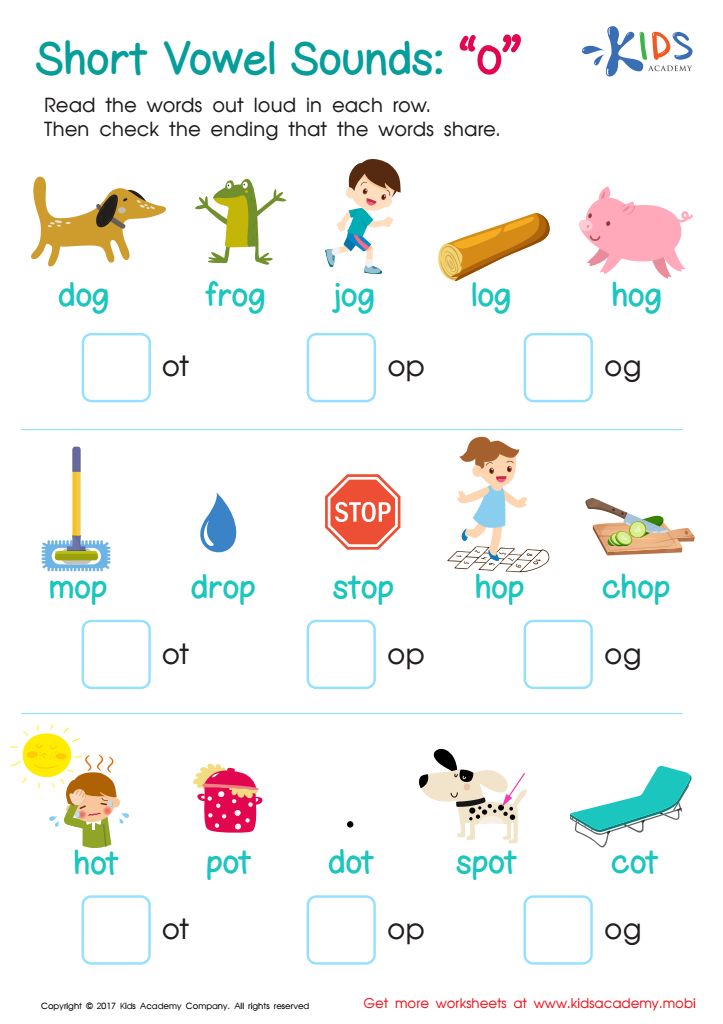
Short vowel Sounds "o" Spelling Worksheet
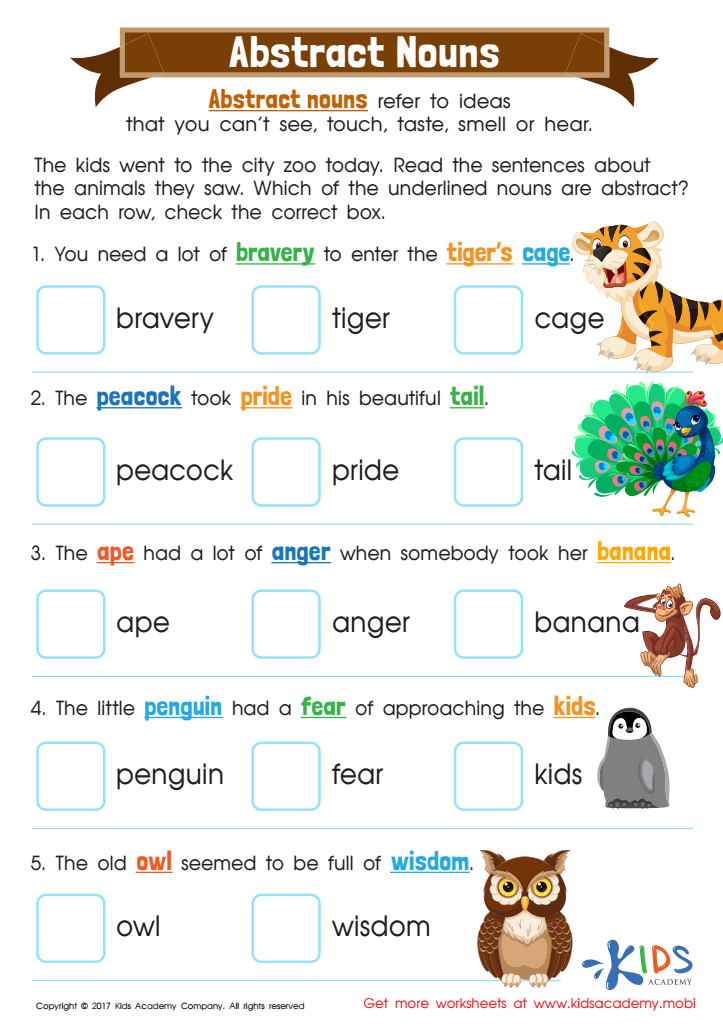
Abstract Nouns Worksheet
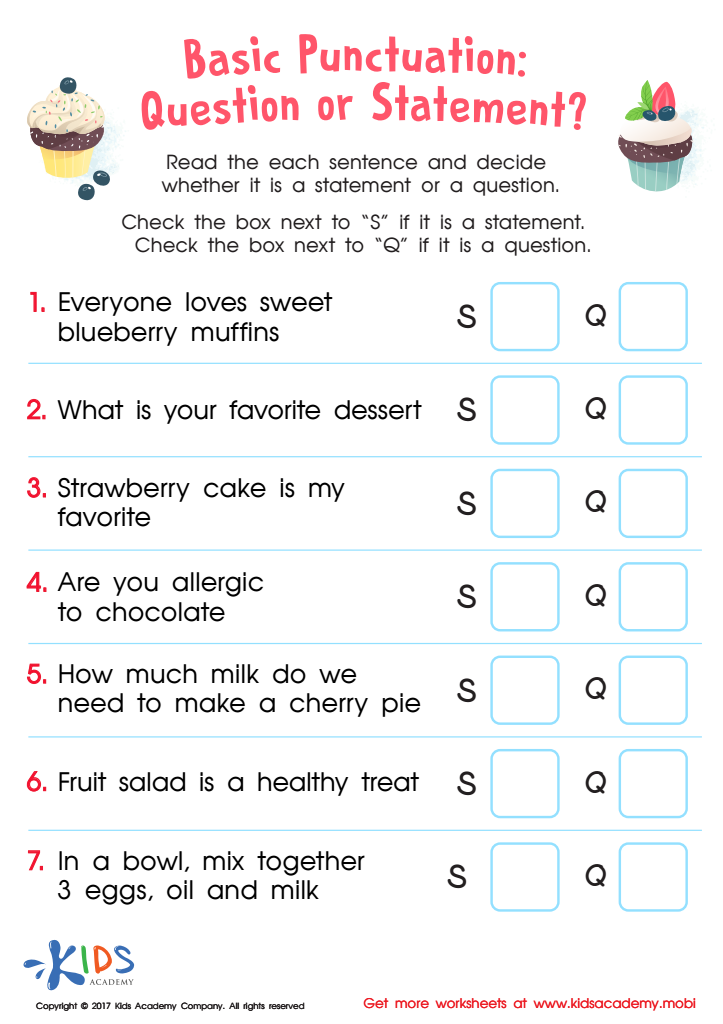
Basic Punctuation: Question or Statement Printable
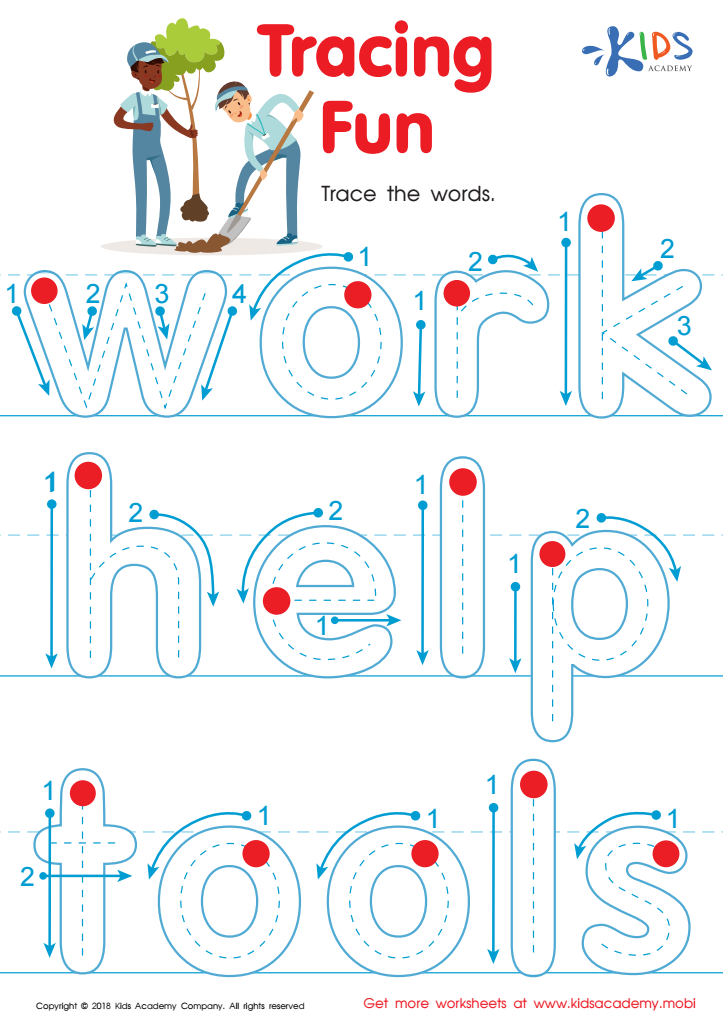
Tracing Fun Worksheet
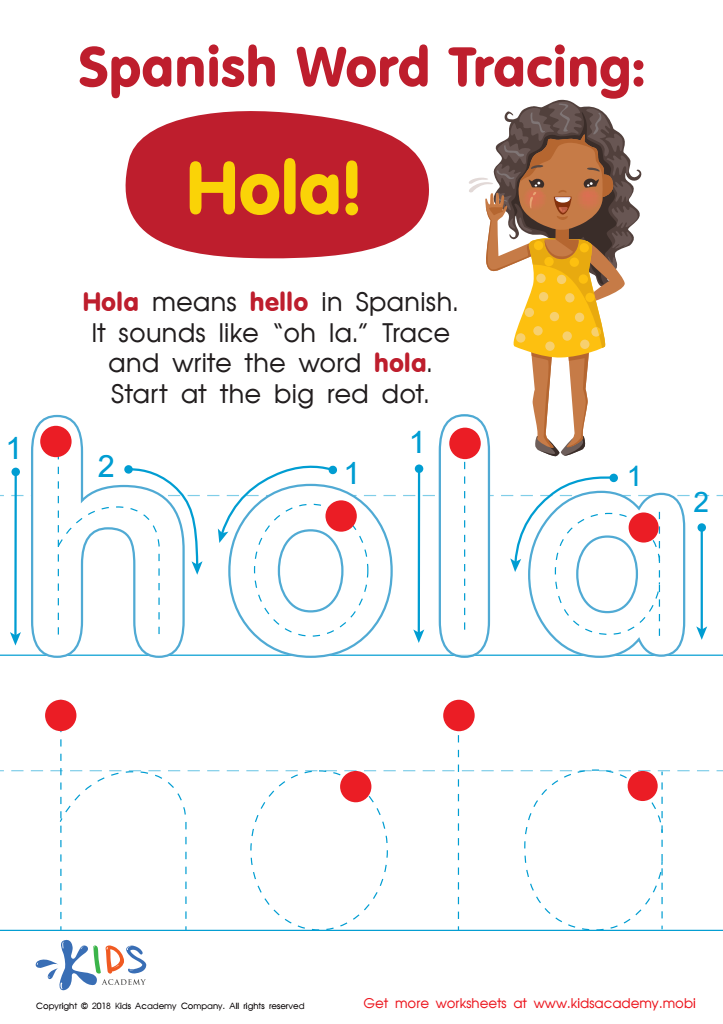
Spanish Word Tracing: Hola Worksheet
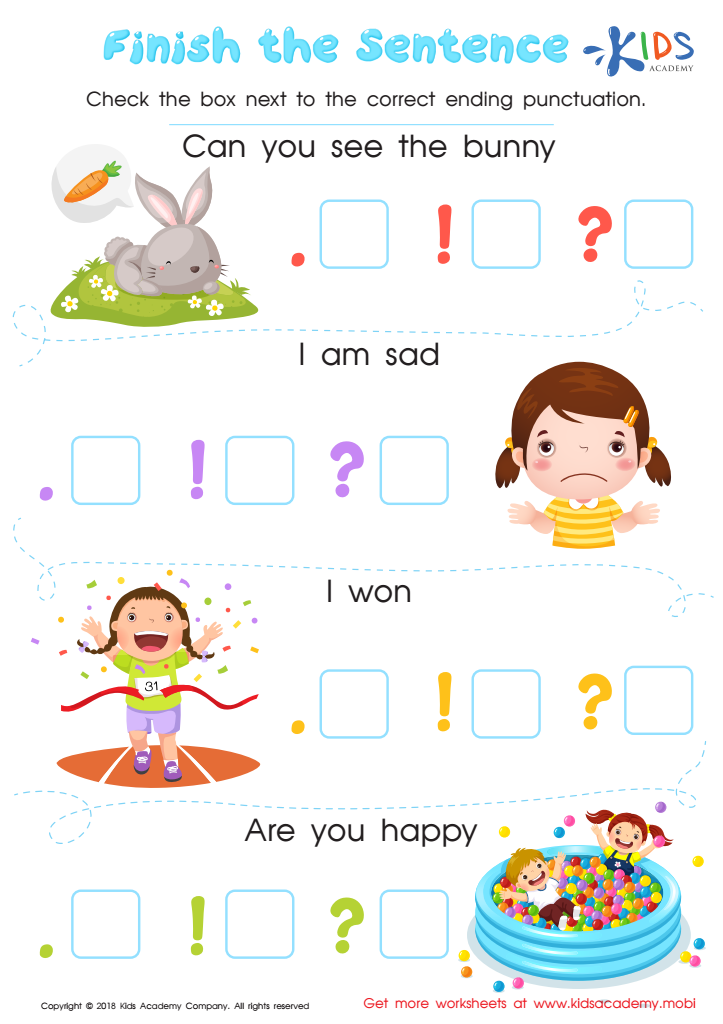
Finish the Sentence Worksheet
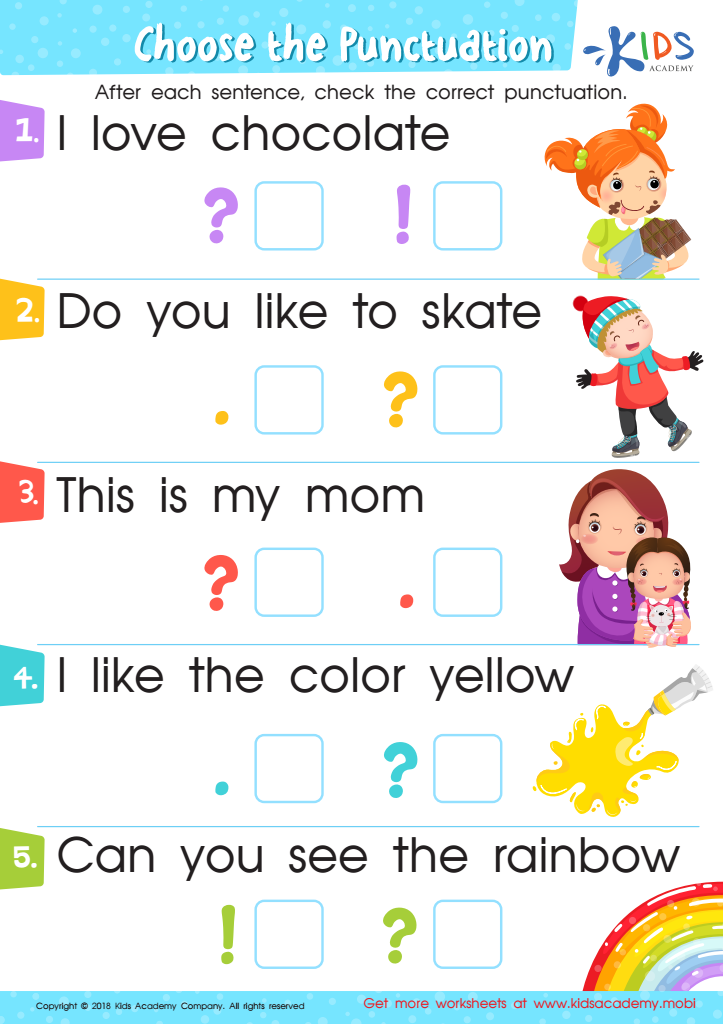
Choose the Punctuation: Assessment Worksheet
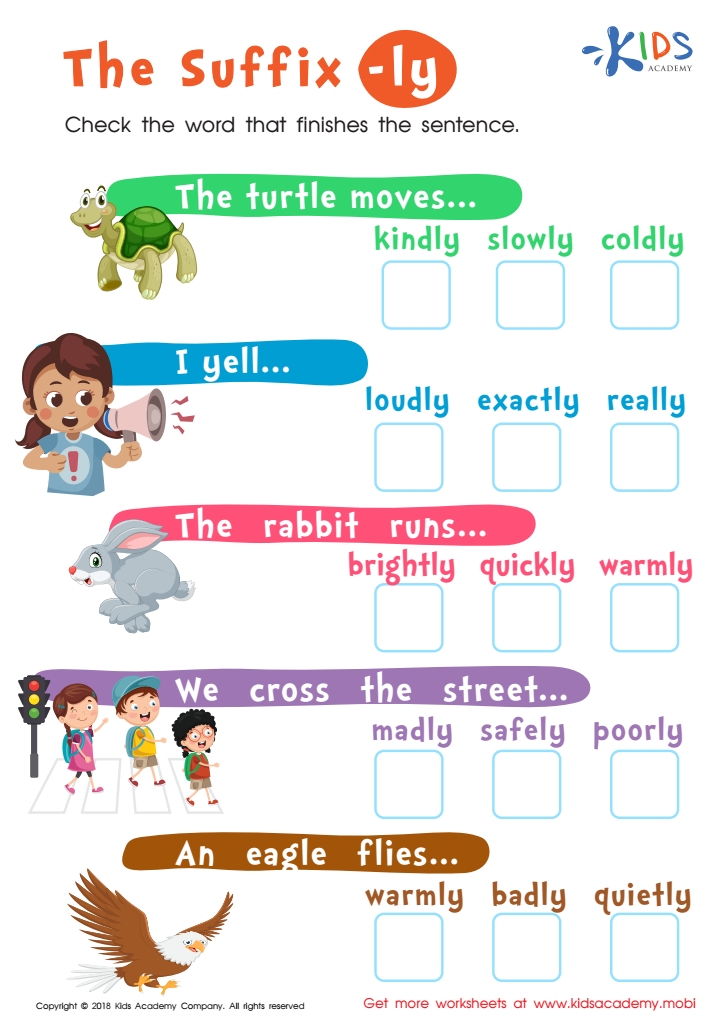
The Suffix -Ly Worksheet
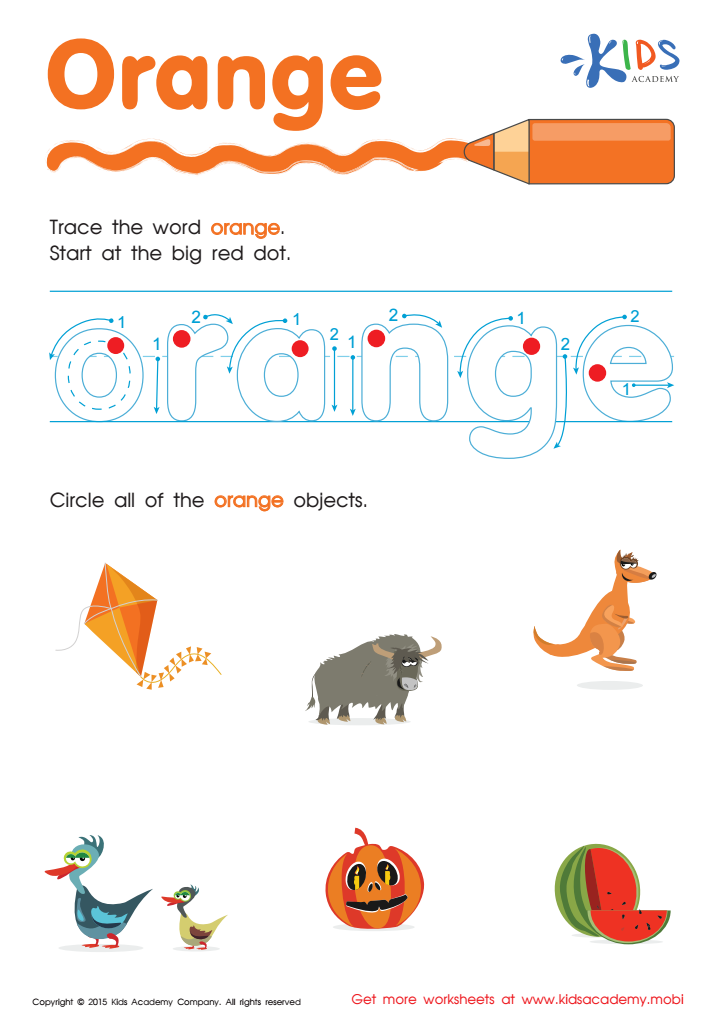
Orange Tracing Color Words Worksheet
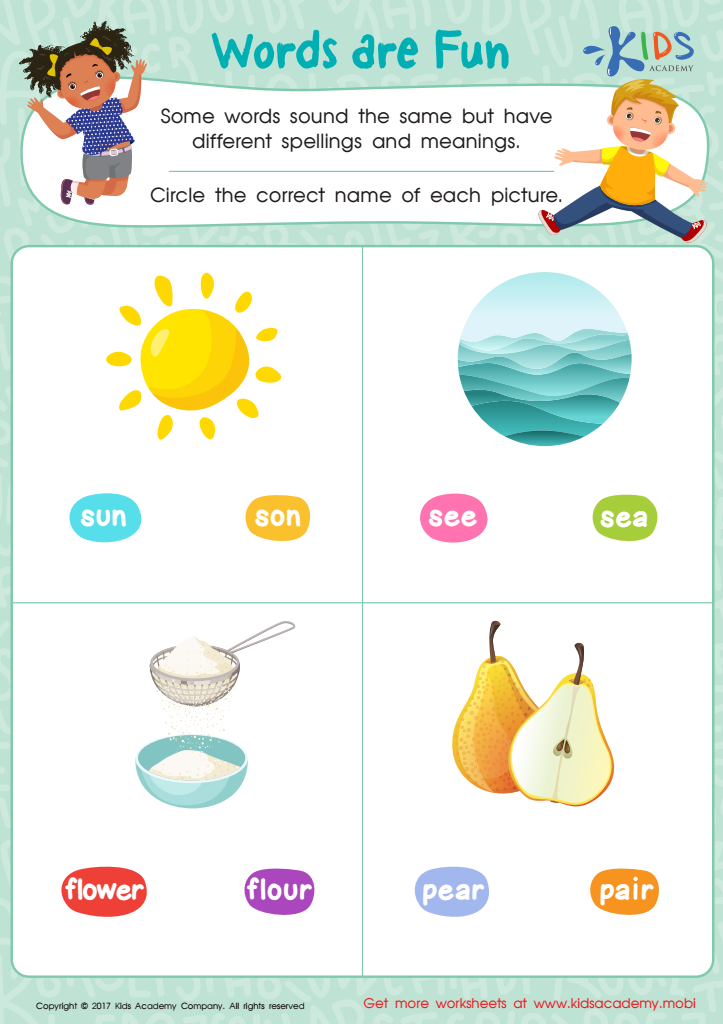
Words Are Fun Worksheet
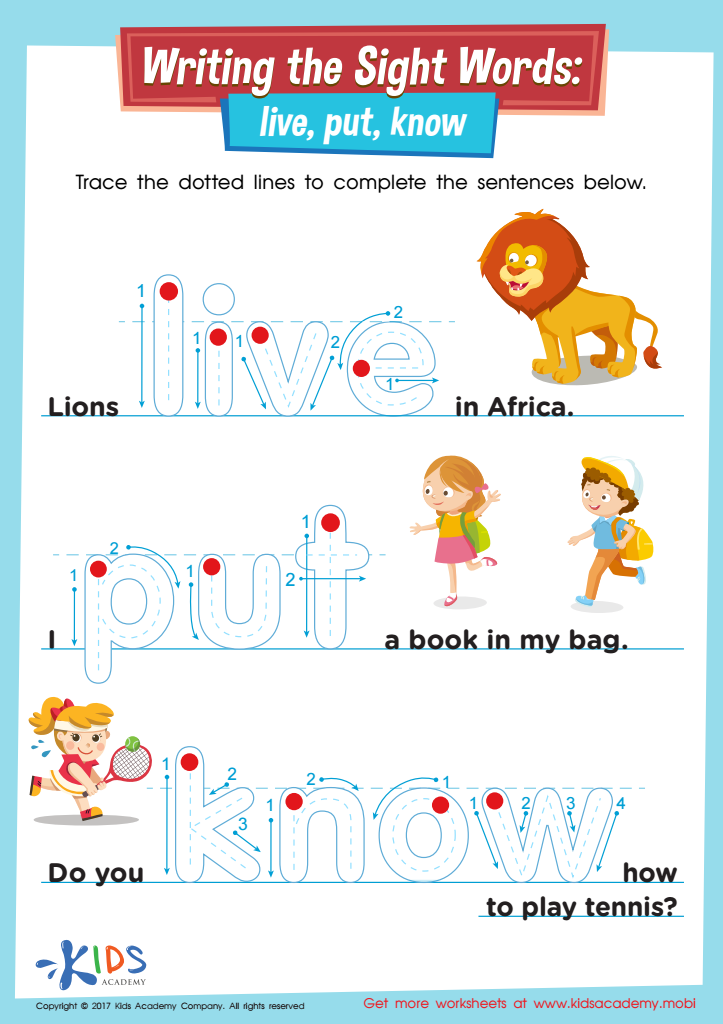
Live, Put, Know Printable Sight Words Worksheet
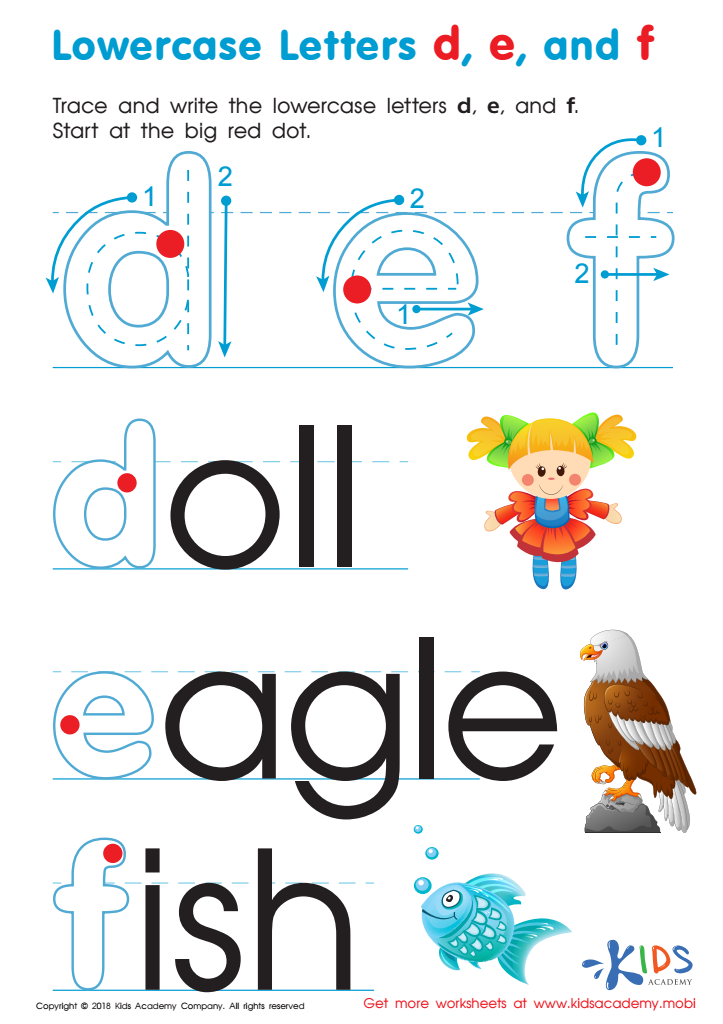
Lowercase Letters d e f Worksheet
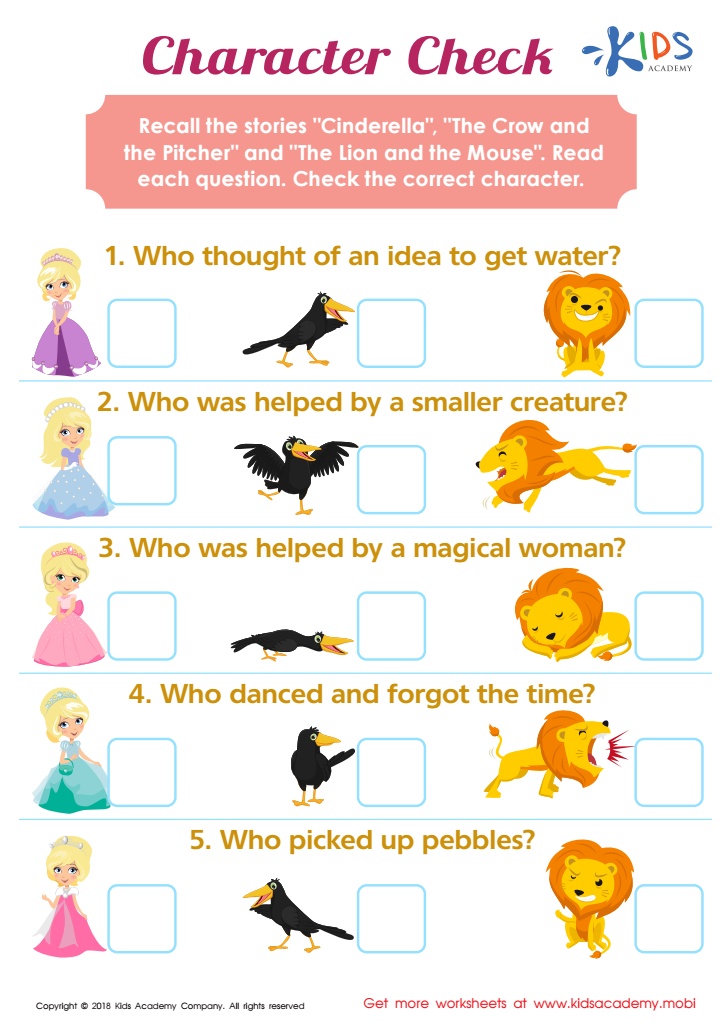
Character Check Worksheet
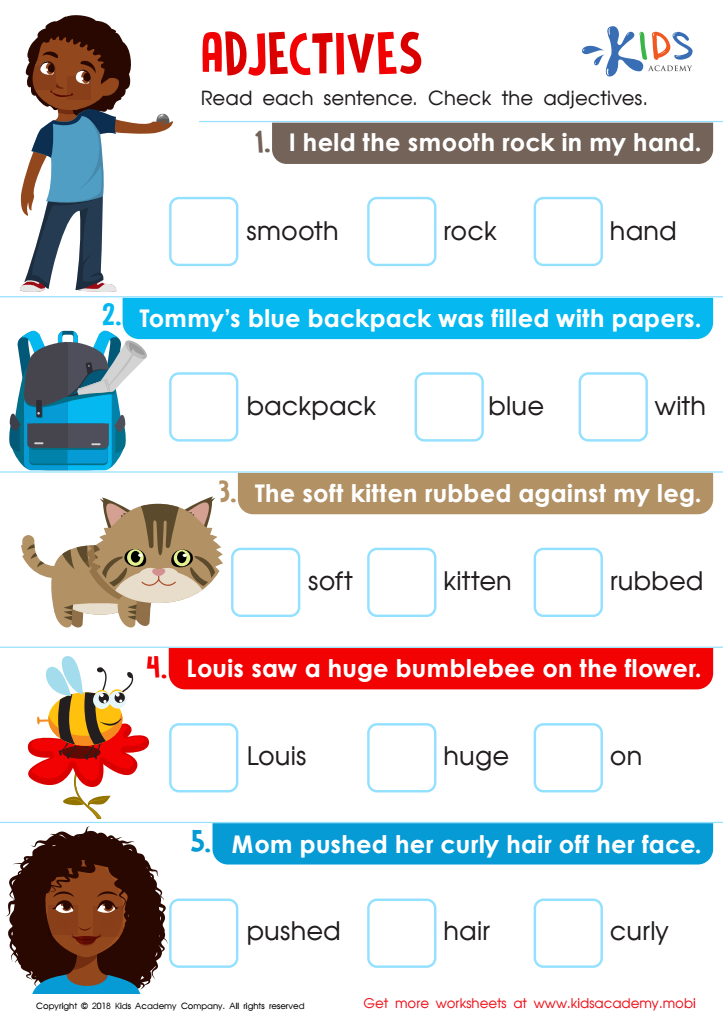
Adjectives Worksheet
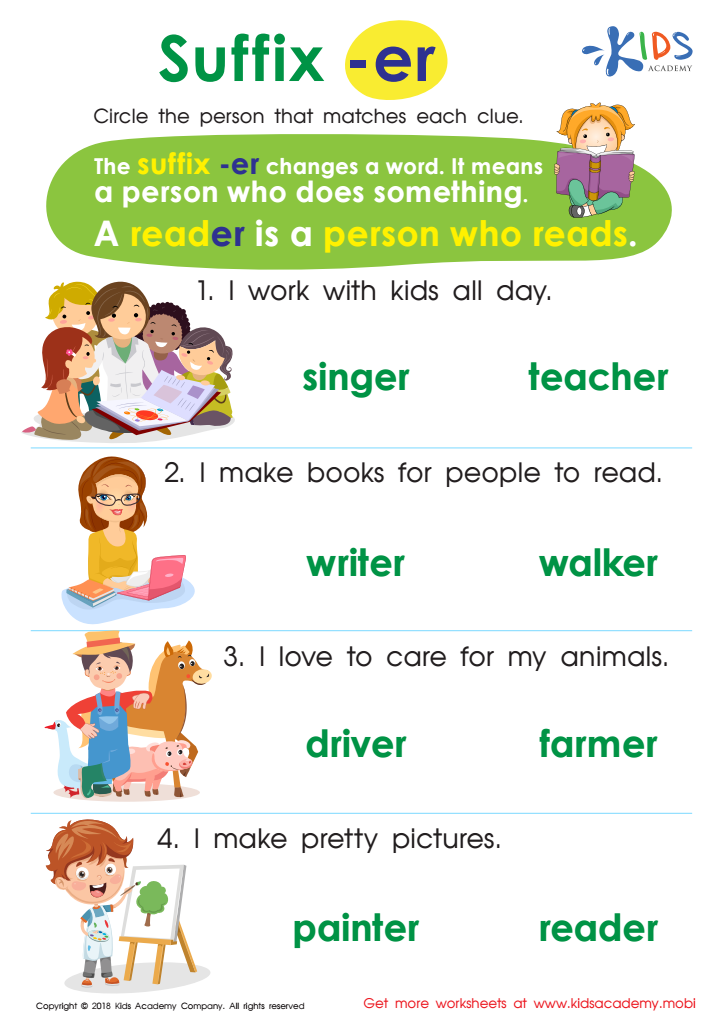
Suffix –er Printable Worksheet
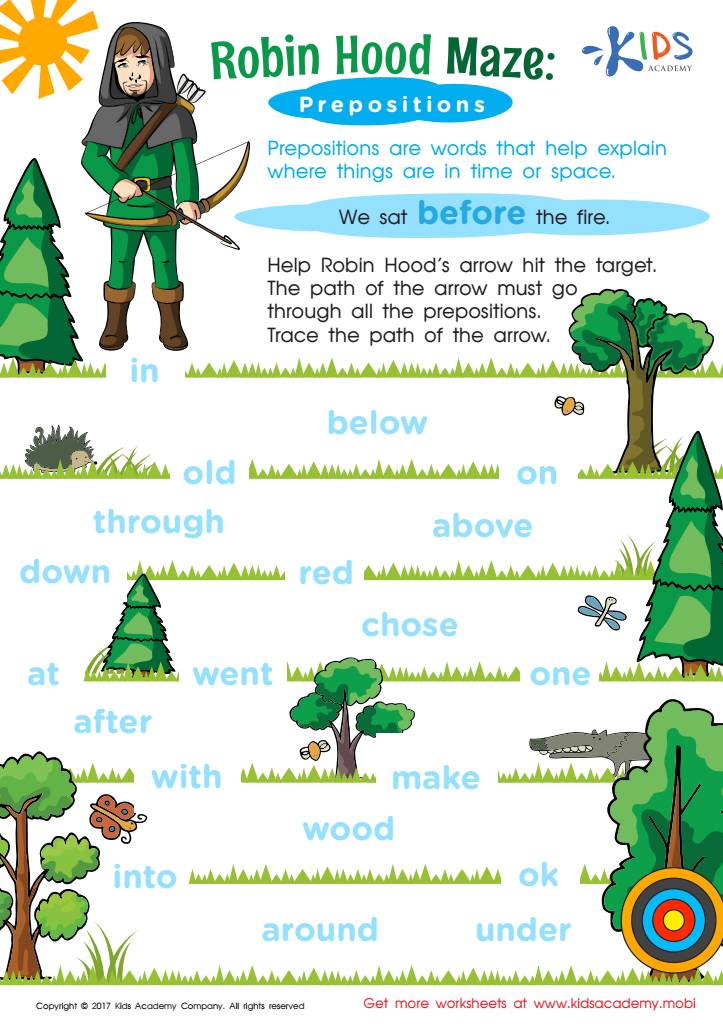
Prepositions Worksheet
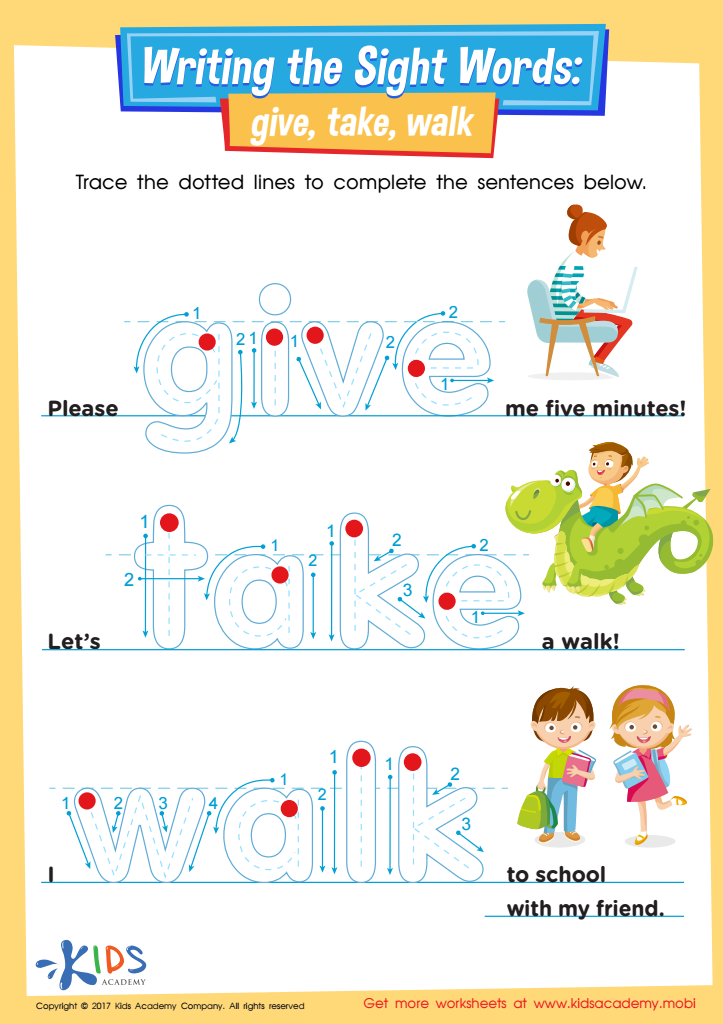
Give, Take, Walk Printable Sight Words Worksheet
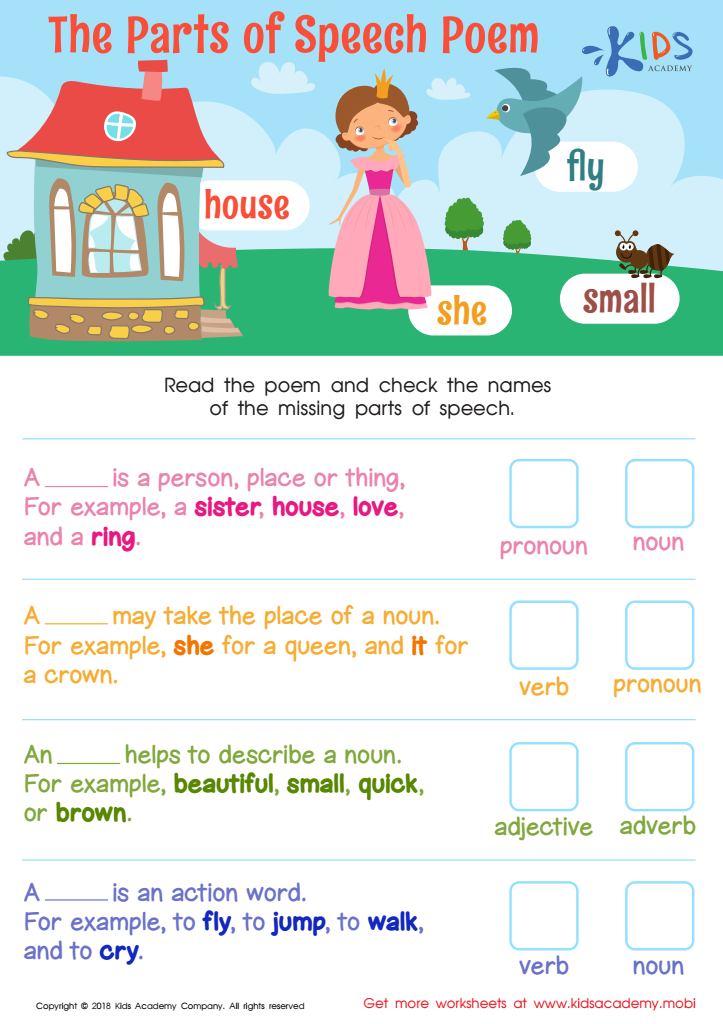
Parts of Speech Printable Worksheet
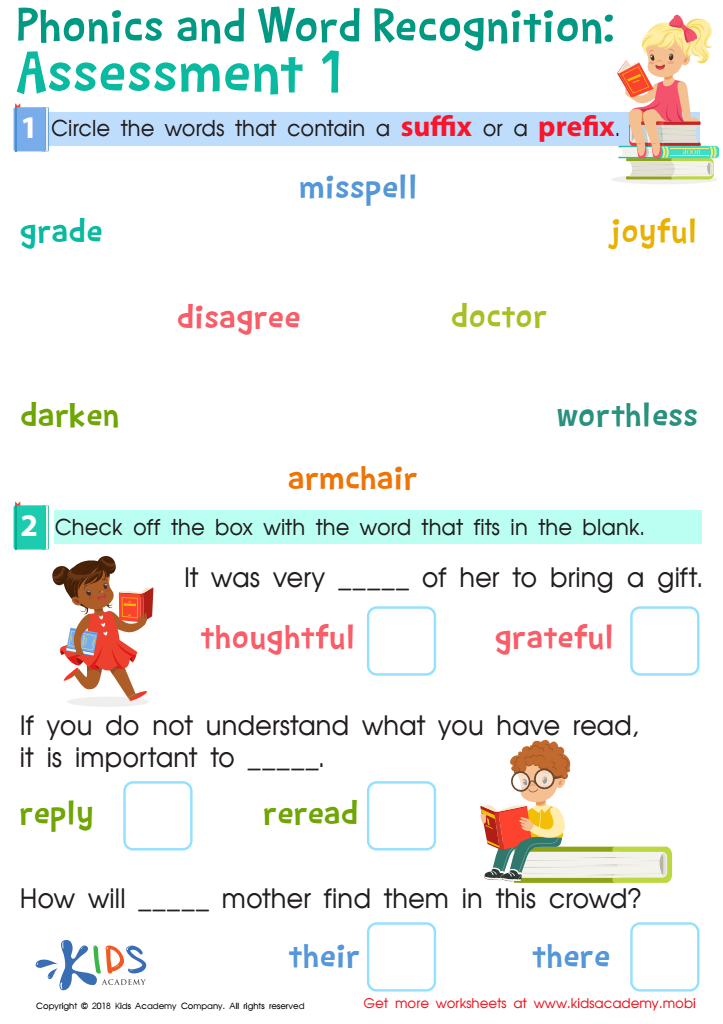
Phonics and Word Recognition: Assessment 1 Worksheet
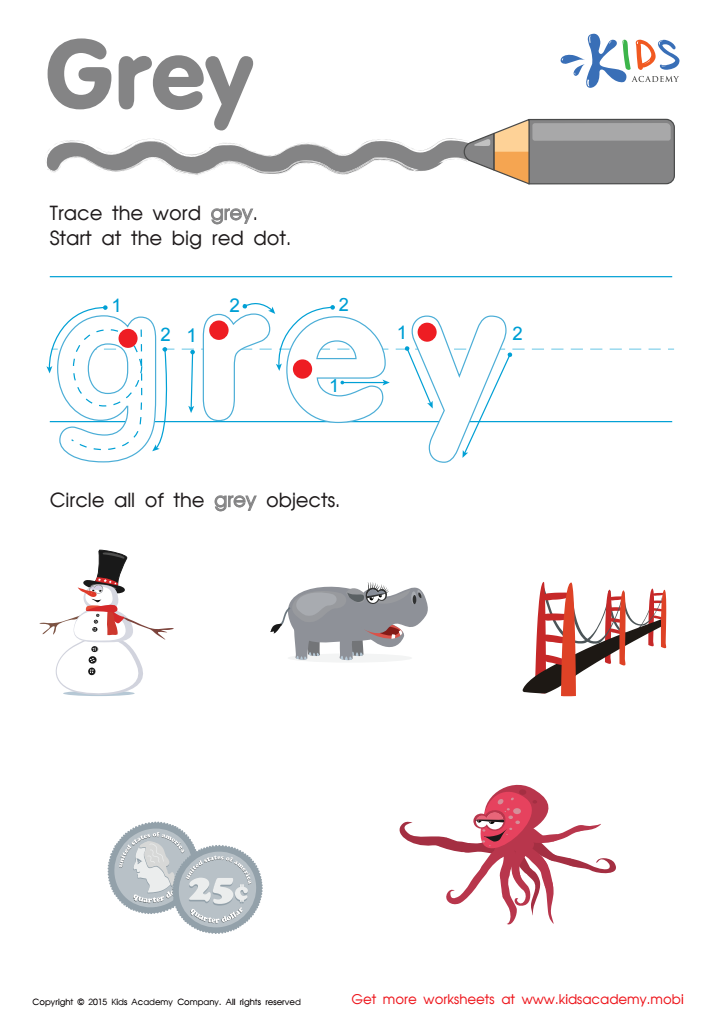
Grey Tracing Color Words Worksheet
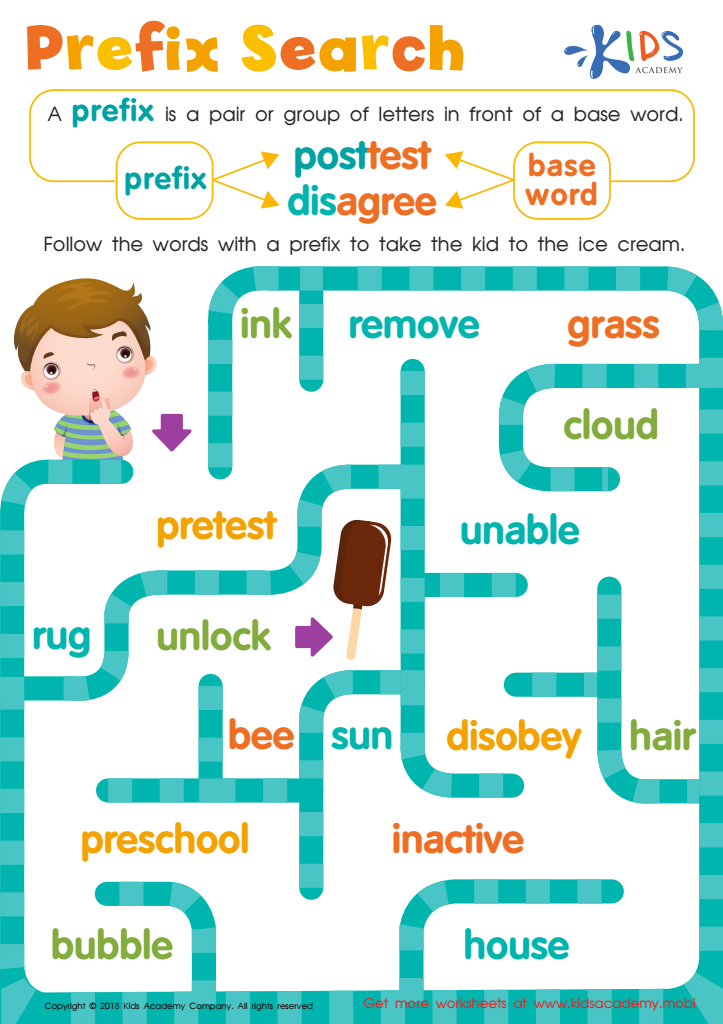
Reading: Prefix Search Worksheet
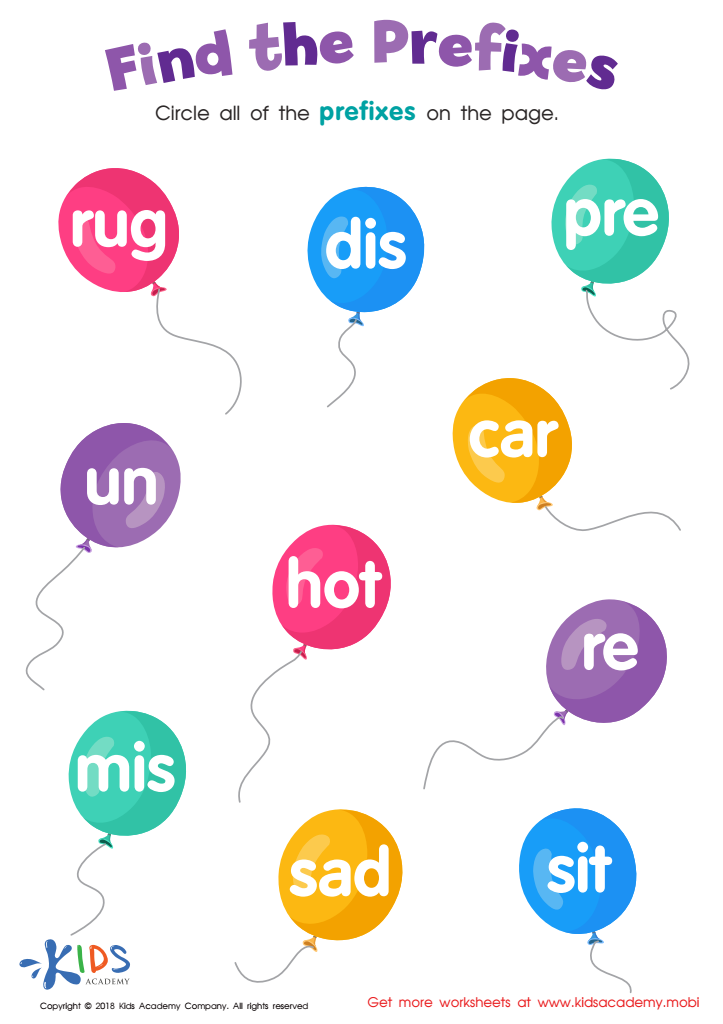
Reading: Find the Prefixes Worksheet


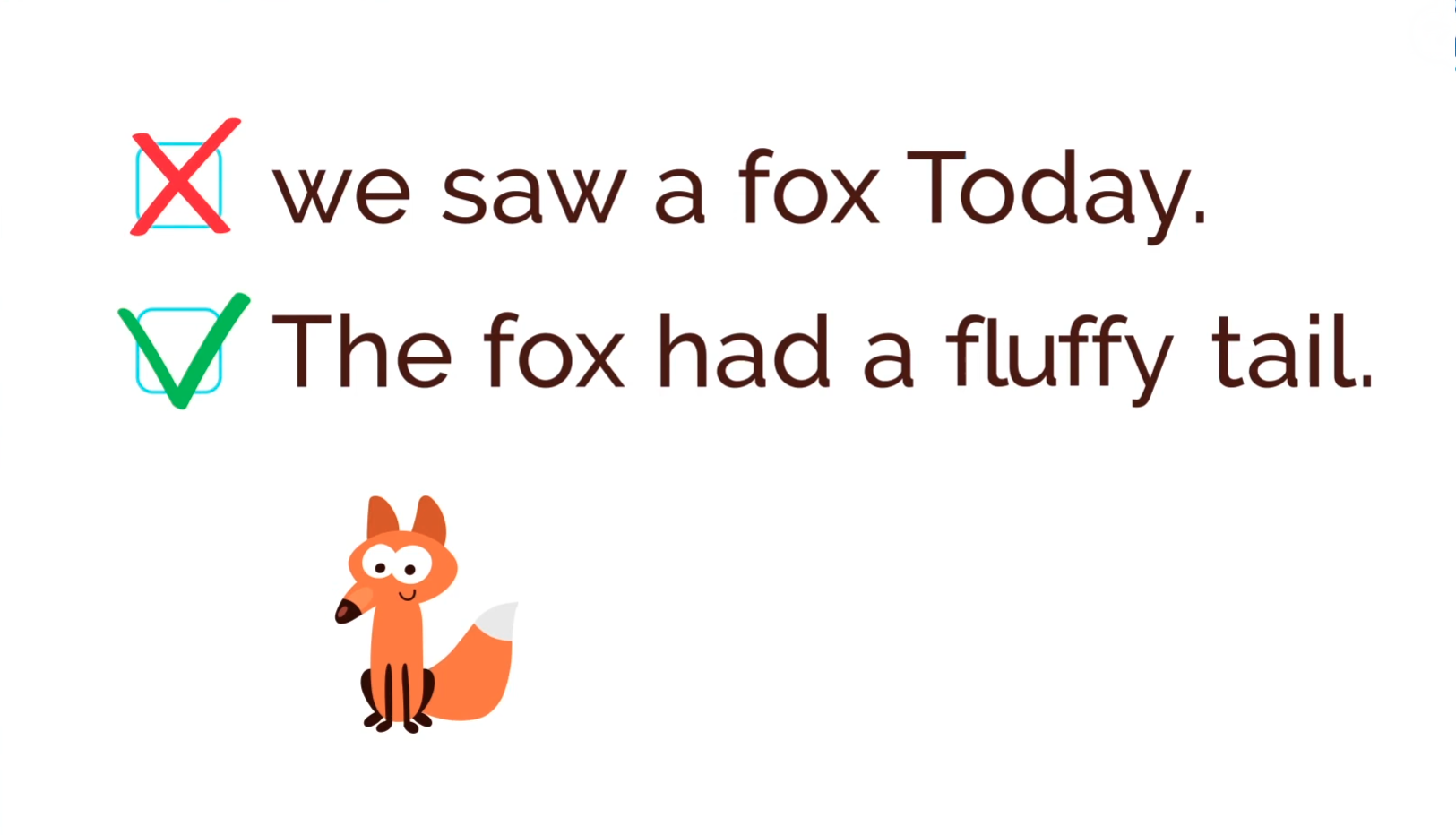





Normal writing development for children aged 6-8 is crucial for several reasons. First, this stage marks a significant transition in their literacy skills. Emerging writers begin to use spelling, punctuation, and grammar rules more effectively, laying the groundwork for fluent communication. By observing this development, parents and teachers can identify whether a child is progressing appropriately or may need additional support.
Second, writing is integral to expressing thoughts and emotions. For children, it acts as a vital outlet for creativity and self-expression, helping them articulate their unique perspectives and experiences. Supporting this process fosters a sense of confidence and autonomy.
Furthermore, writing skills directly correlate with academic success across subjects. Proficient writers can better engage with reading materials and complete assignments more efficiently, ultimately contributing to their overall learning journey.
Finally, cultivating writing proficiency at this young age promotes critical thinking and problem-solving abilities. By encouraging children to organize their ideas and articulate them clearly, educators and parents prepare them for future educational challenges.
Overall, understanding and nurturing the writing skills of children aged 6-8 is essential for their academic, emotional, and cognitive development, providing a foundation for lifelong learning.