Phonics Skills Normal Alphabet Worksheets for Ages 6-9 - Page 2
49 filtered results
-
From - To
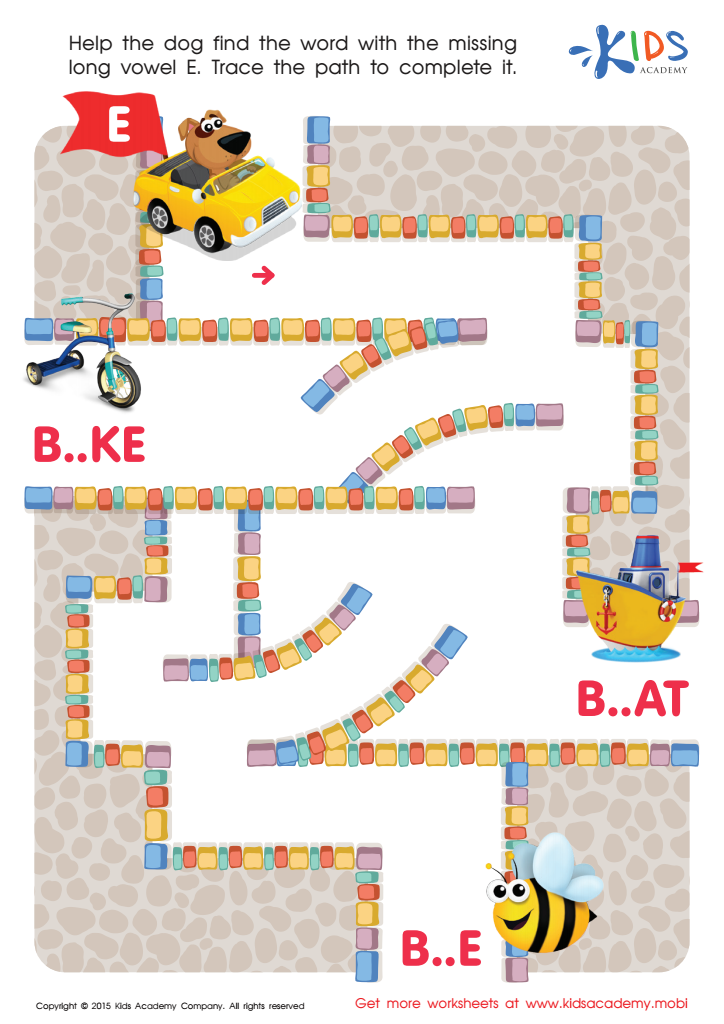
Long Vowel Sound E Worksheet
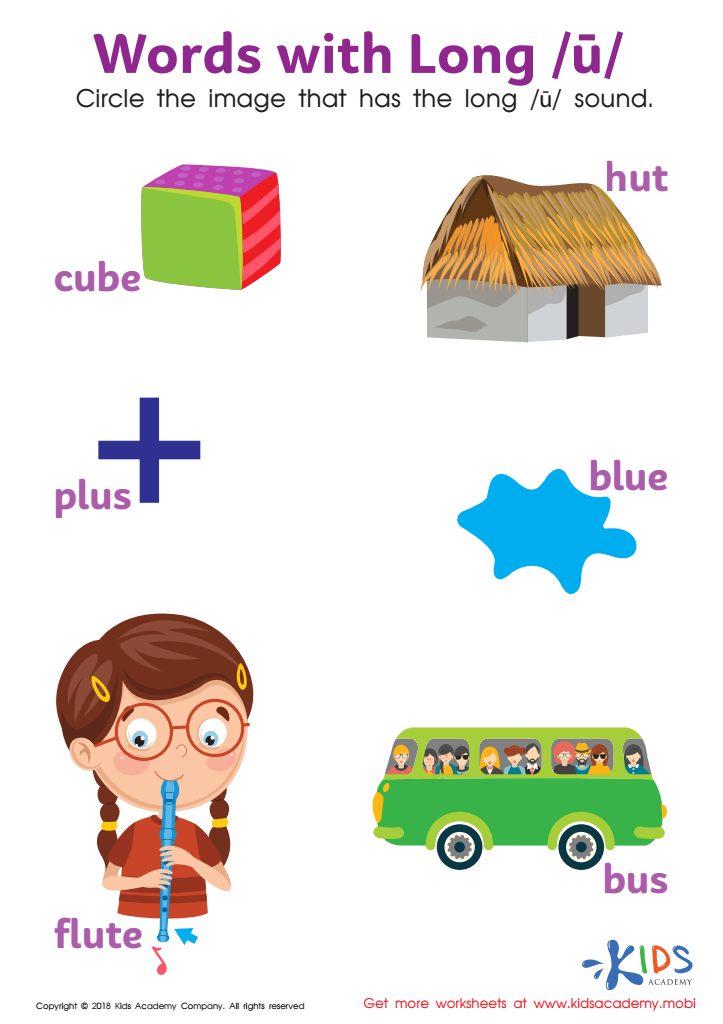
Words with Long U Reading Worksheet
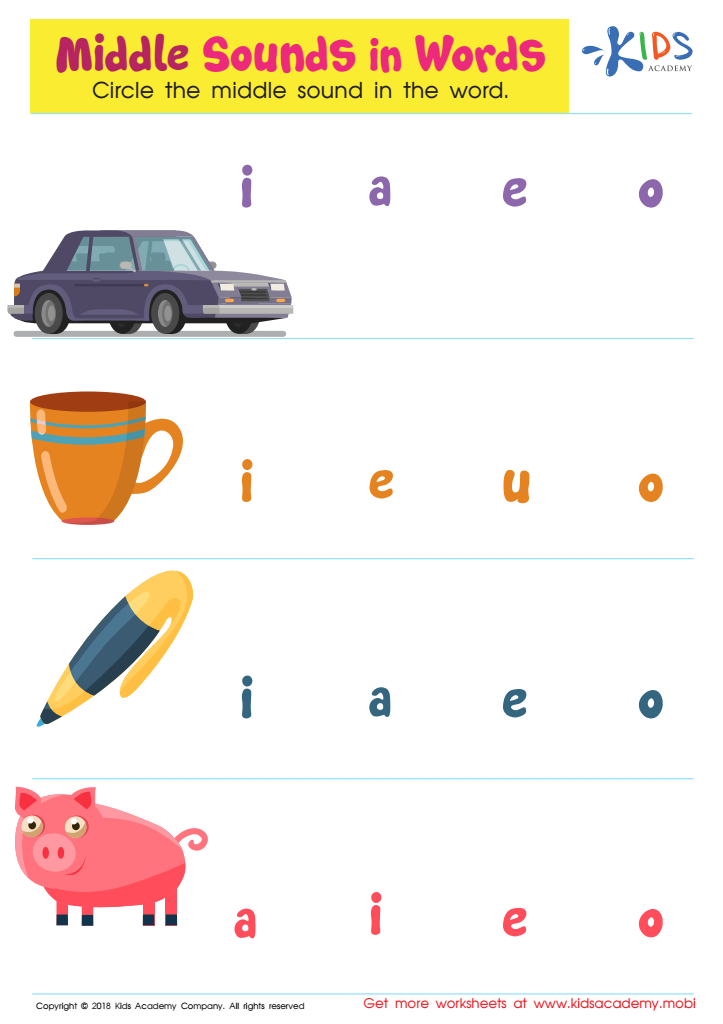
Middle Sounds in Words Worksheet
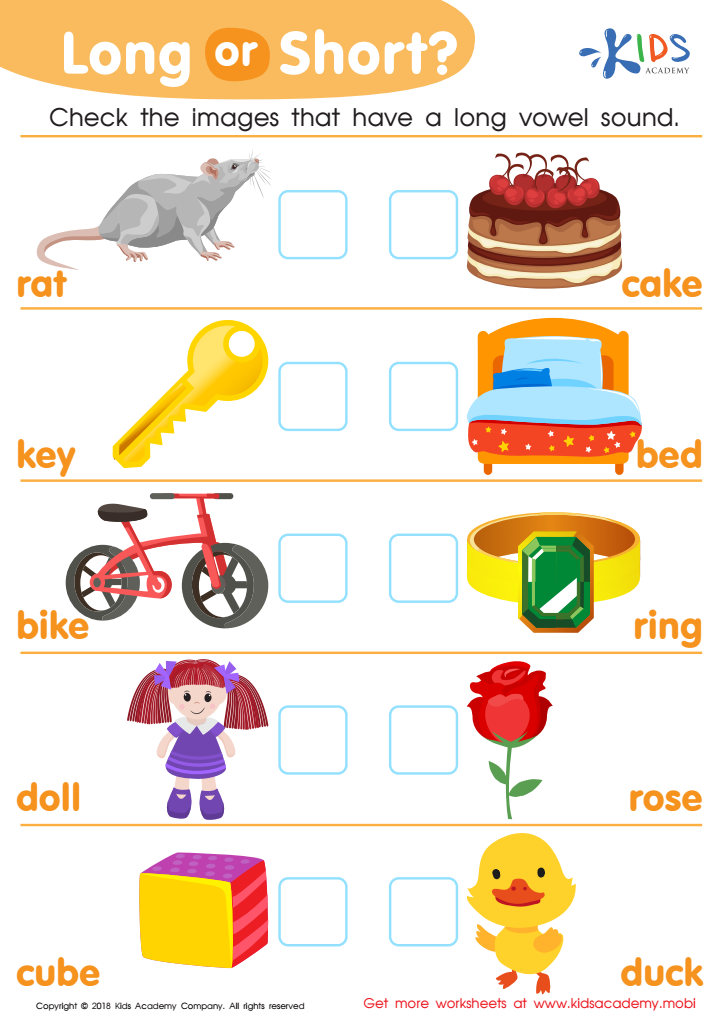
Long or Short Reading Worksheet
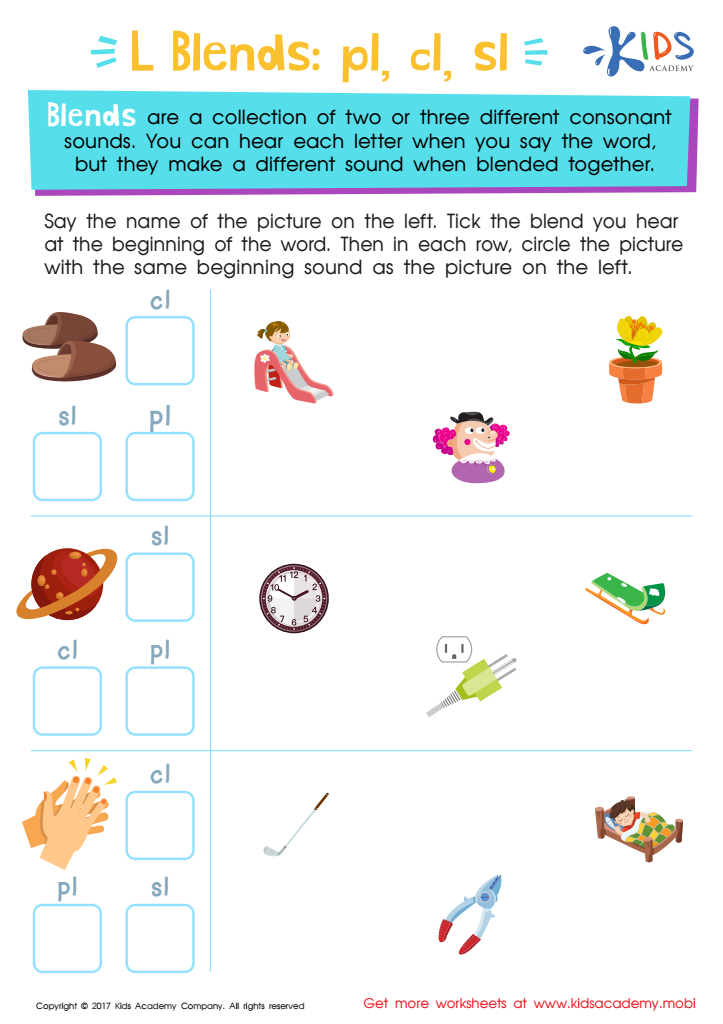
L Blends: "Pl", "Cl" and "Sl" Printable
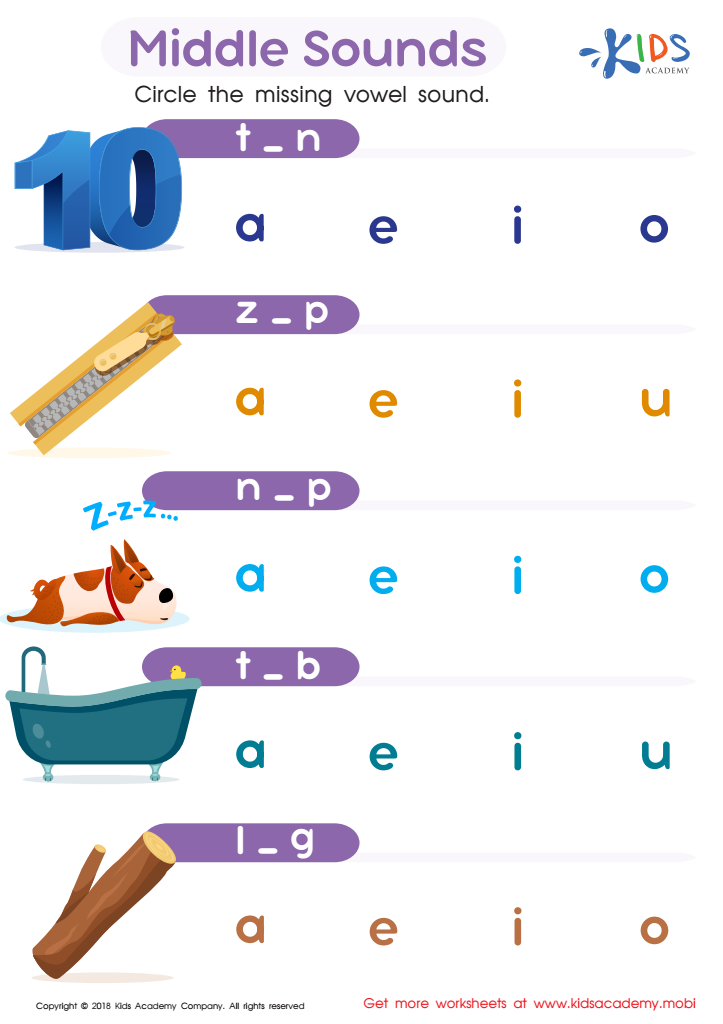
Middle Sounds Worksheet
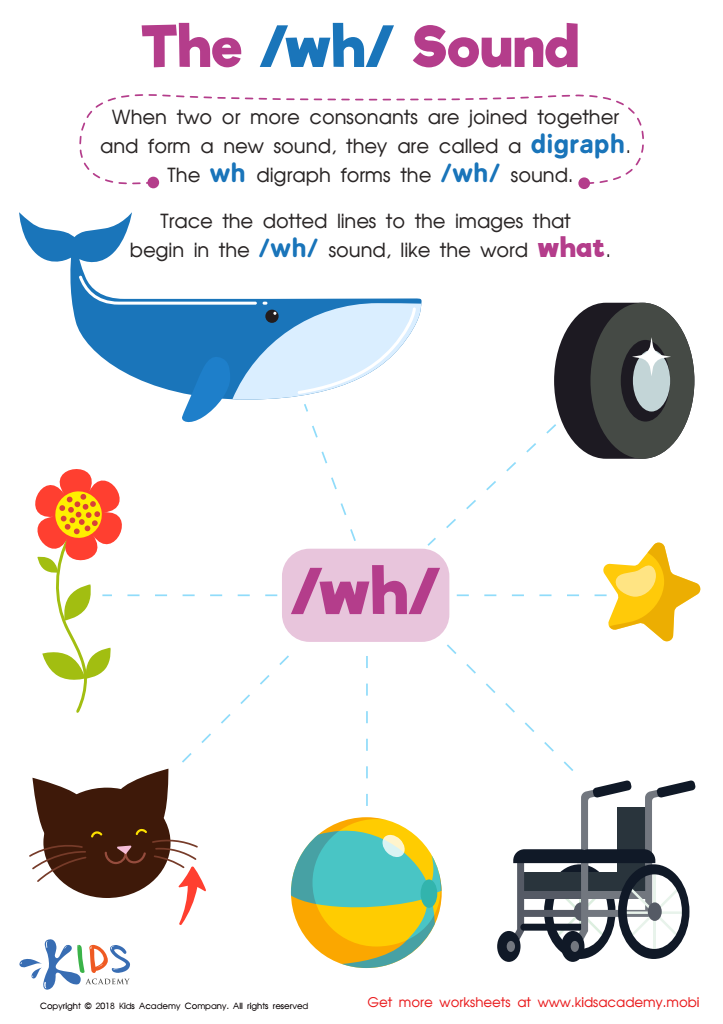
The /wh/ Sound Worksheet
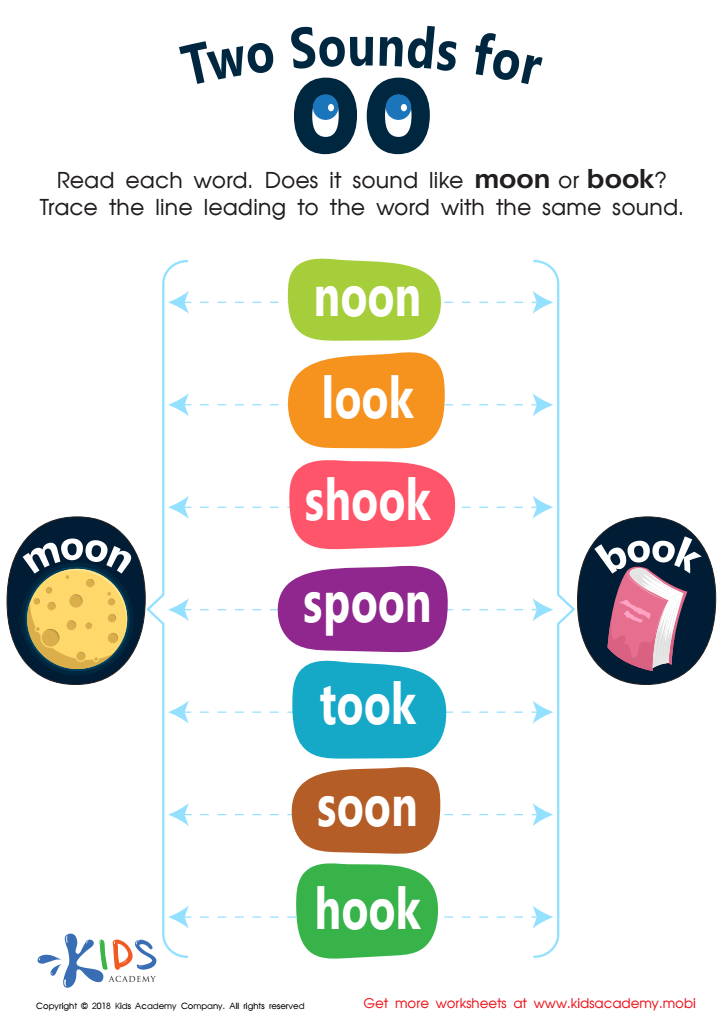
Two Sounds for OO Worksheet
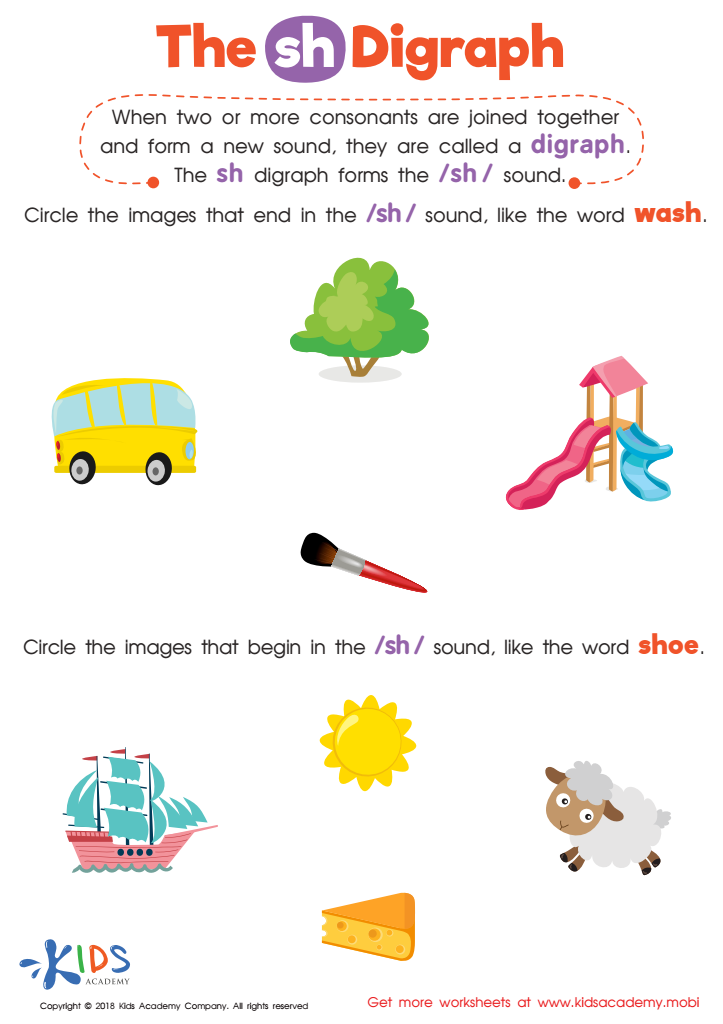
The SH Digraph Worksheet
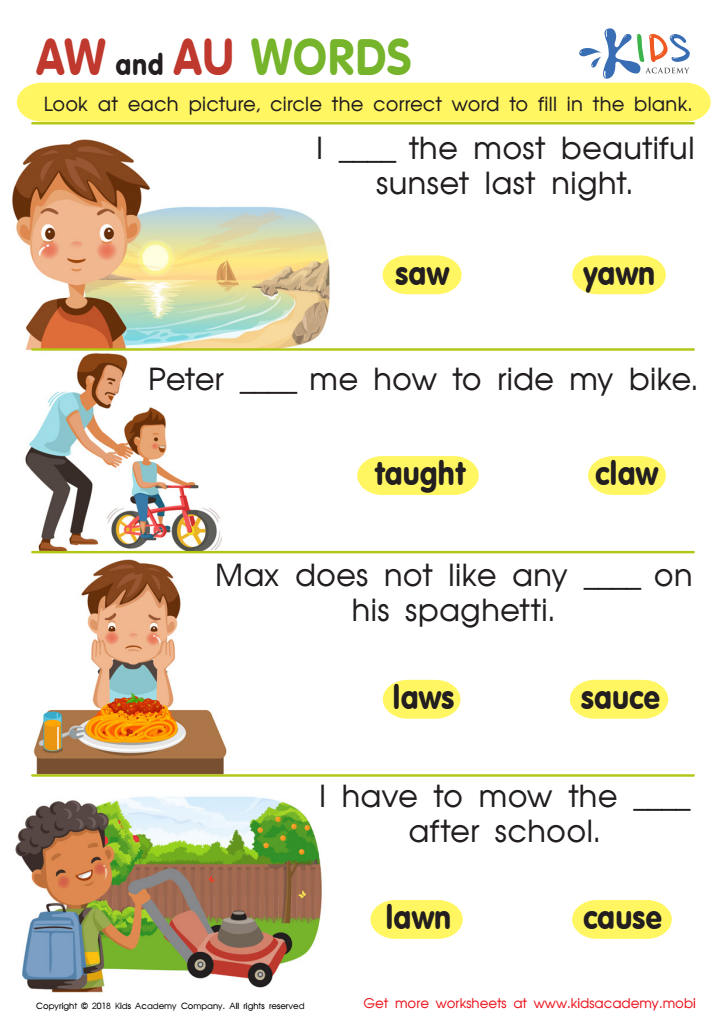
Reading: AW and AU Words Worksheet
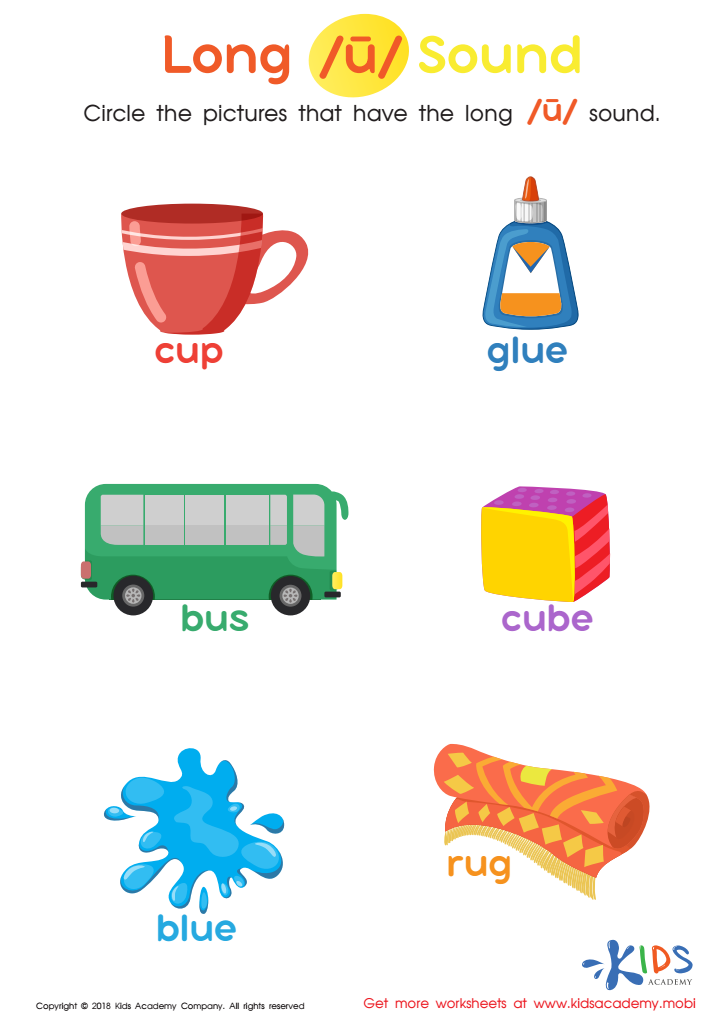
Long «u» Sound Worksheet
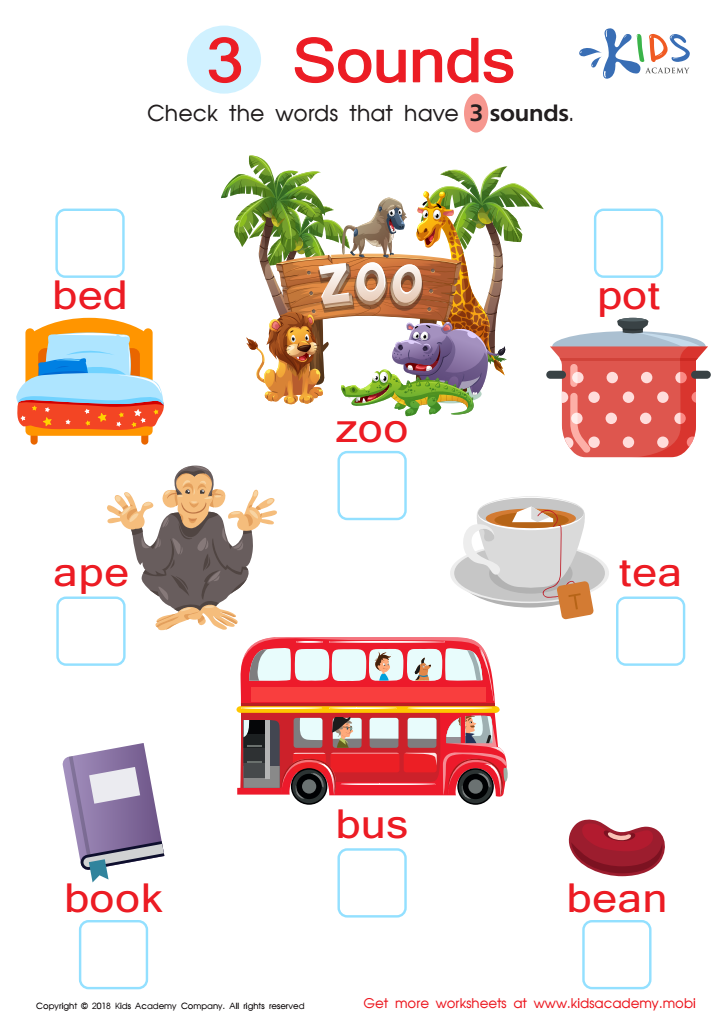
3 Sounds Worksheet
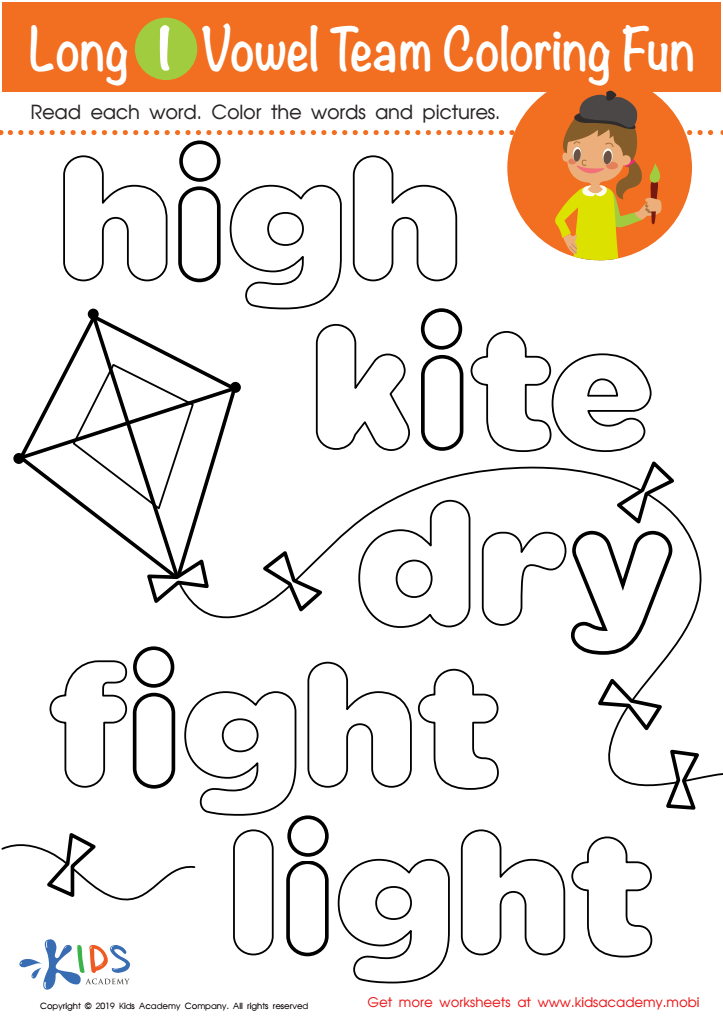
Long I Vowel Team Coloring Worksheet
 Assign to My Students
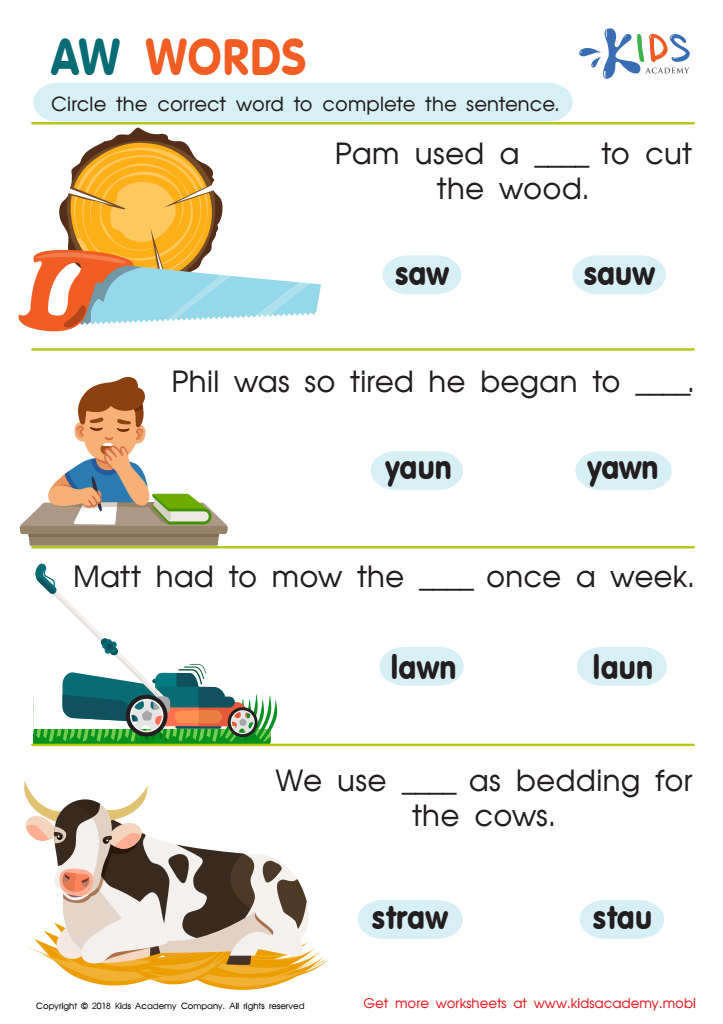
Reading: AW Words Worksheet
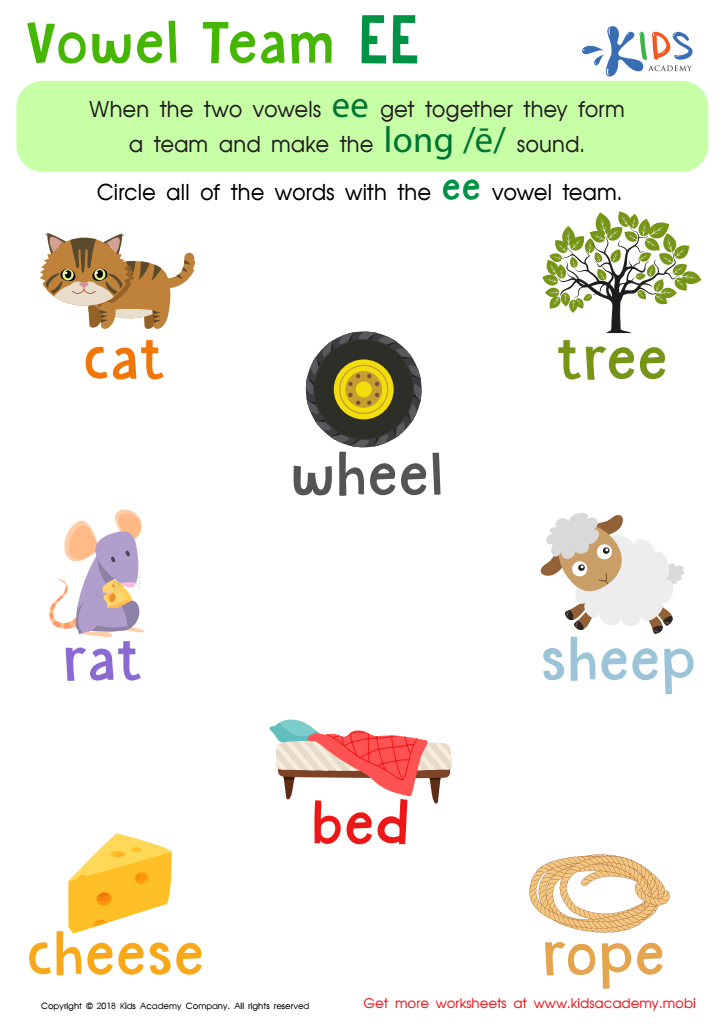
Reading: Vowel Team EE Worksheet
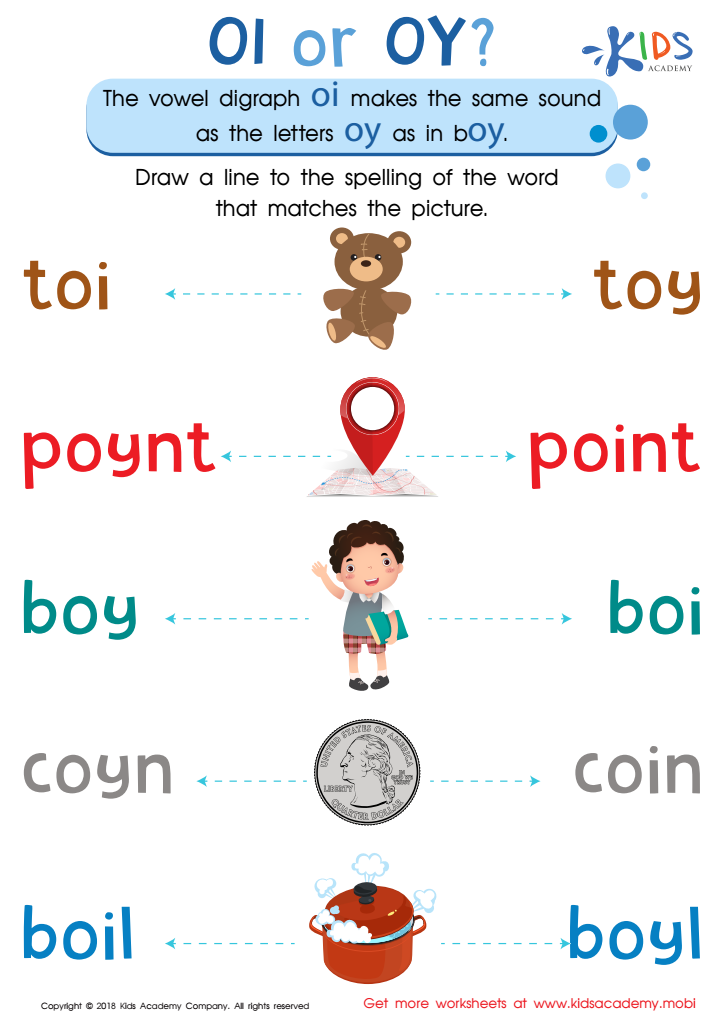
Reading: OI and OY Worksheet
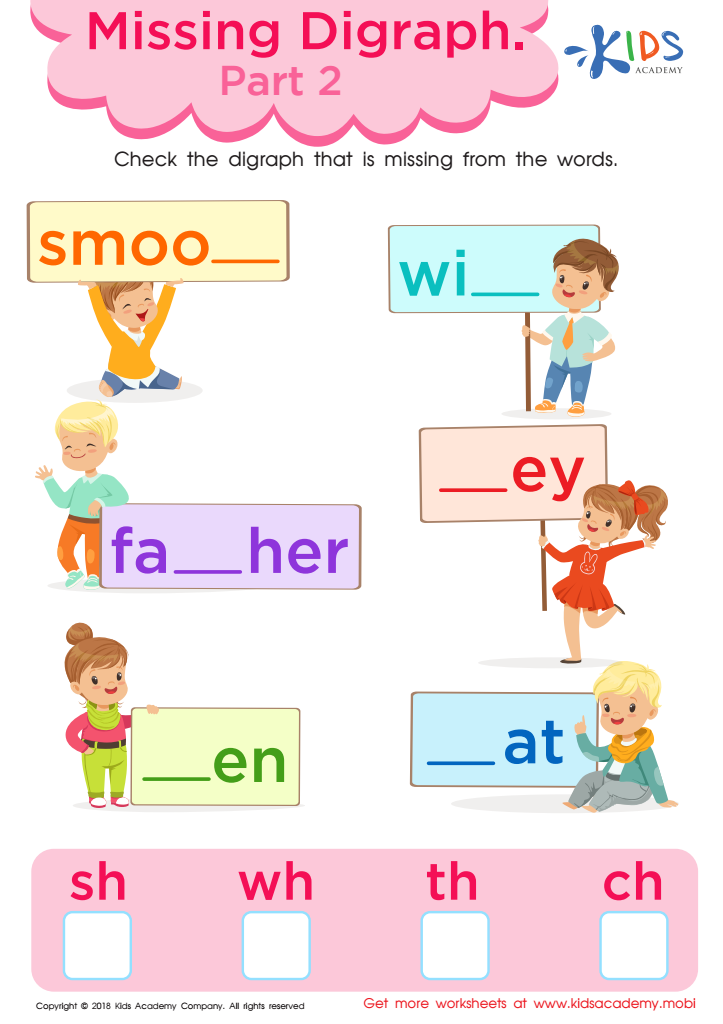
Missing Digraph: Part 2 Worksheet
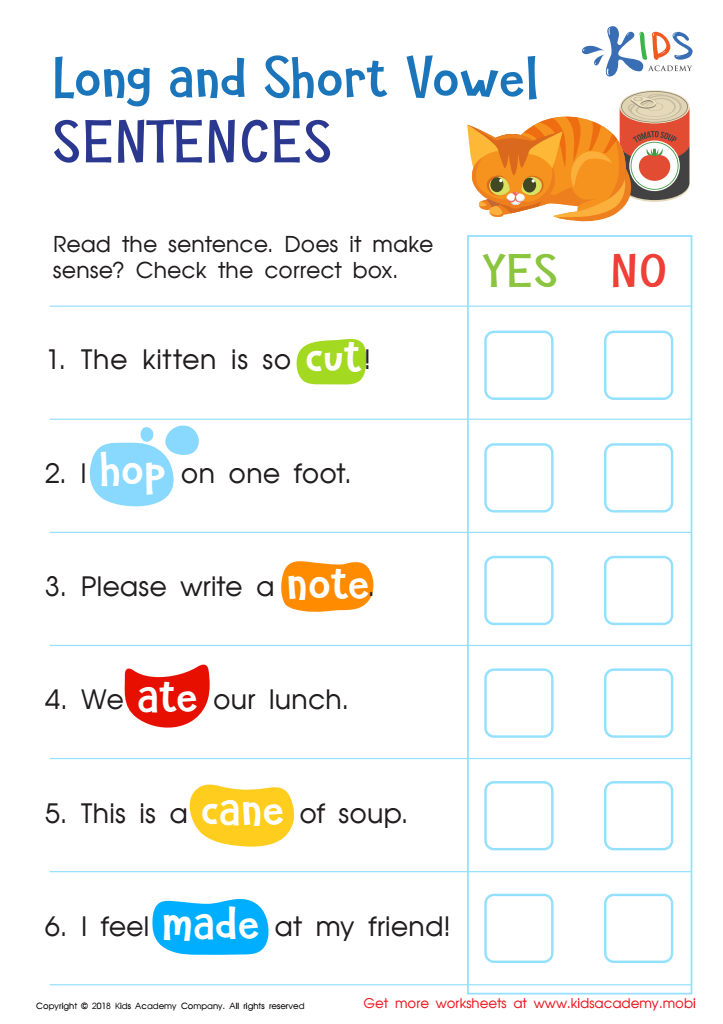
Long and Short Vowel Sentences: Assessment Worksheet
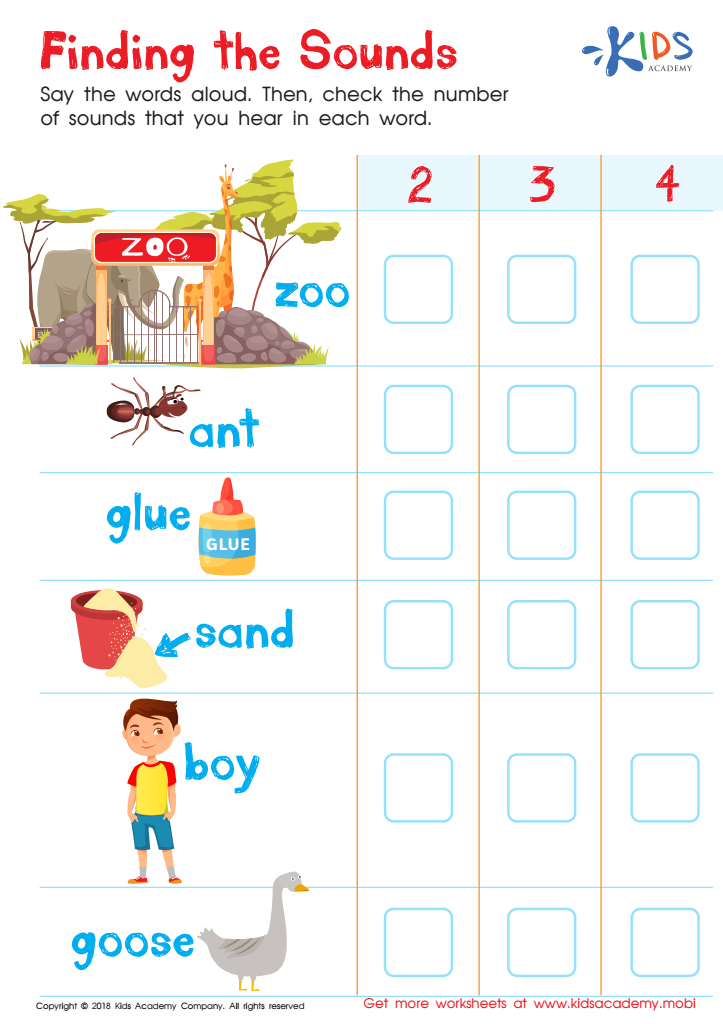
Finding the Sounds Worksheet
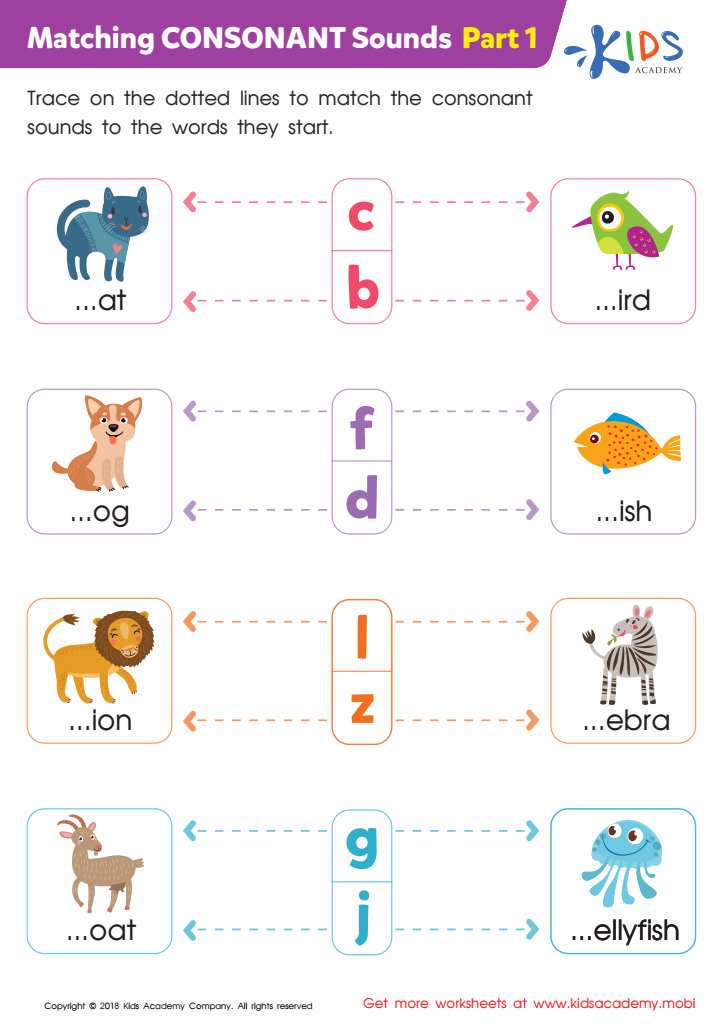
Matching Consonant Sounds: Part 1 Worksheet
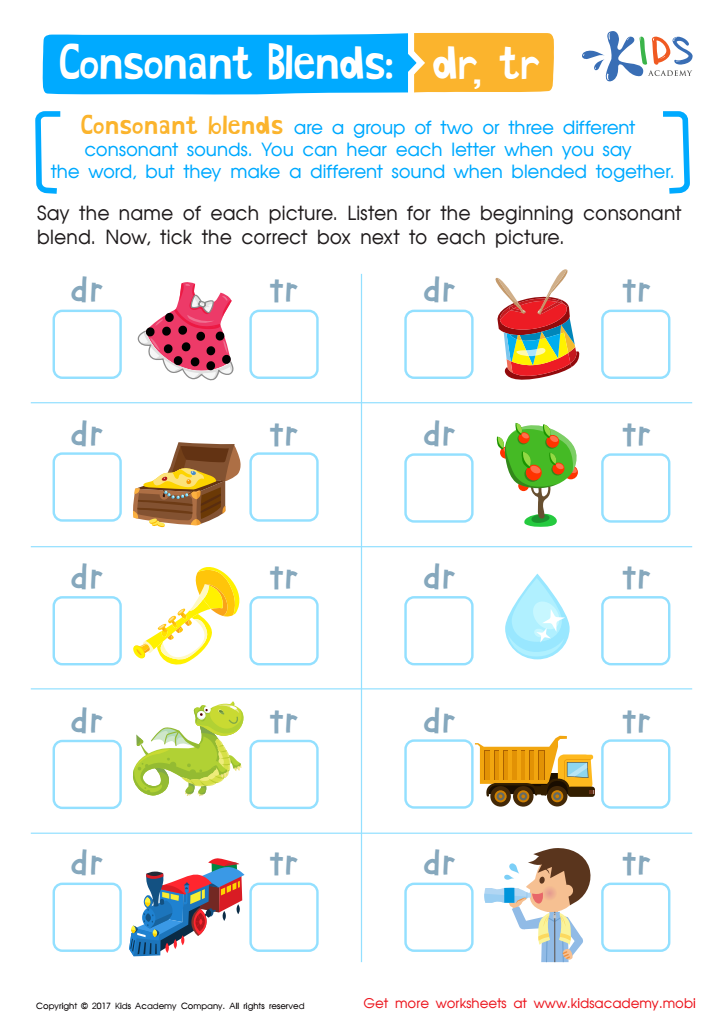
Consonant Blends: "Dr" and "Tr" Printable
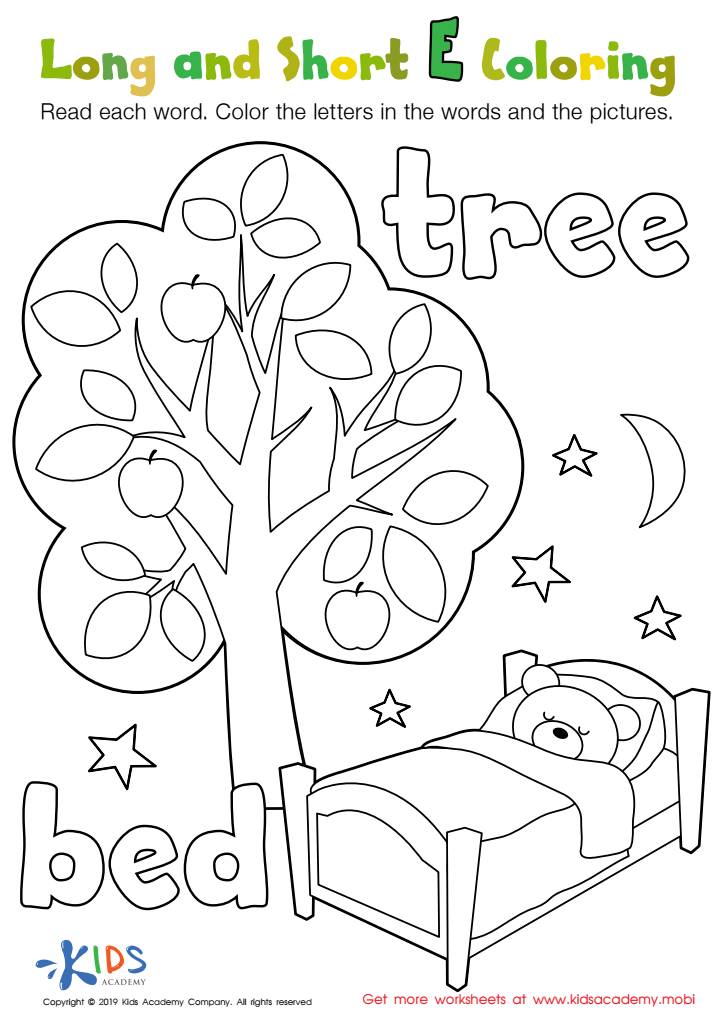
Long and Short E Worksheet
Assign to My Students
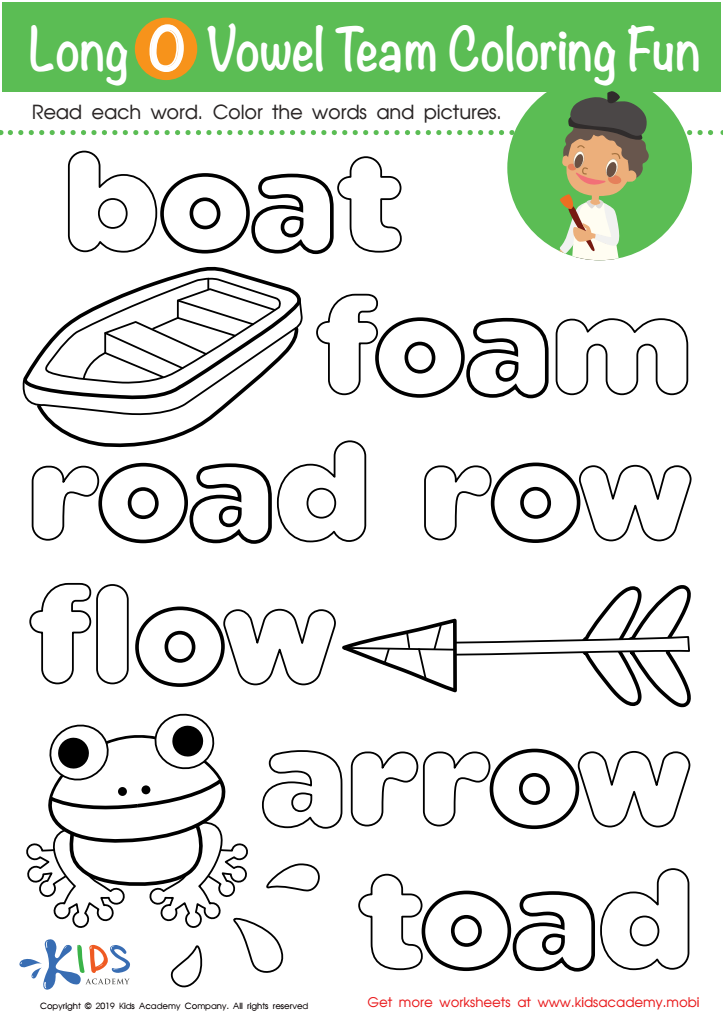
Long O Vowel Team Coloring Worksheet
Assign to My Students
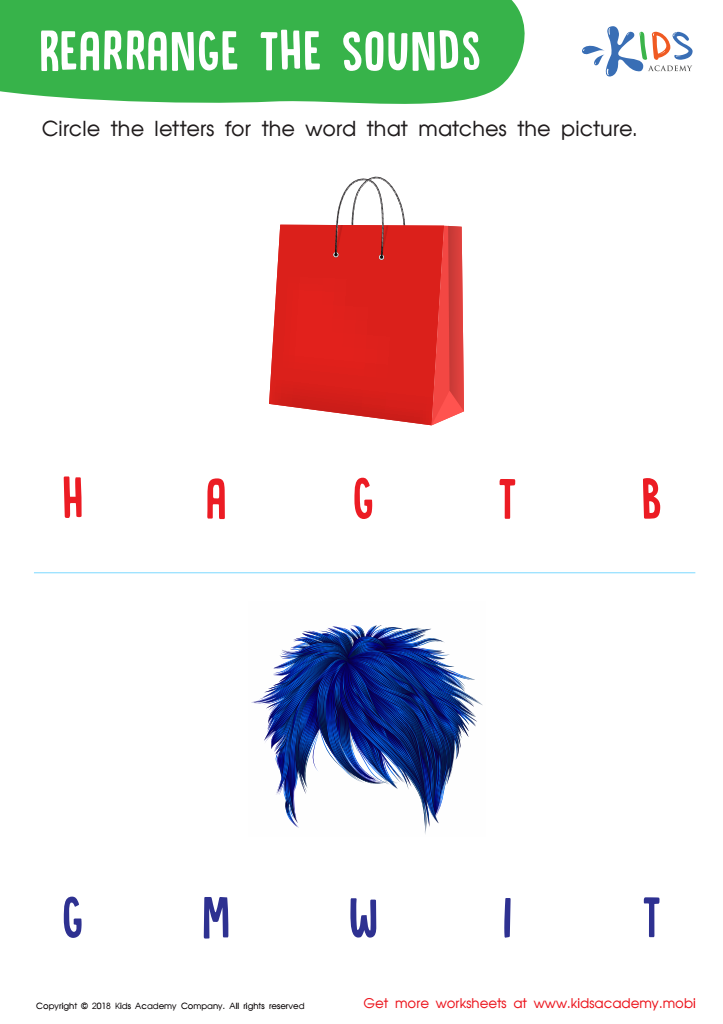
Rearrange the Sounds Worksheet






Phonics skills play a crucial role in early literacy development for children aged 6-9, guiding them in understanding the relationship between letters and sounds, essential for reading and writing proficiency. For both parents and teachers, investing time in teaching phonics with a normal alphabet offers enduring benefits.
Firstly, phonics skills establish a solid reading foundation. When children learn to decode words by associating sounds with letters, they become more competent readers. This skill not only helps them read more fluently but also builds their confidence in handling complex texts, enhancing their overall academic performance.
Secondly, phonics instruction supports spelling and writing abilities. As children internalize letter-sound relationships, they can better spell new words they encounter and articulate their thoughts through writing. This sharpens their communication skills, a key component for success in all subject areas.
Moreover, strong phonics skills foster a love for reading and independent learning. When children can effortlessly decode words, they are more likely to read for pleasure, broadening their knowledge and vocabulary. They develop a sense of autonomy in their learning journey, cultivating intrinsic motivation and curiosity.
By emphasizing phonics skills for children using a standard alphabet, parents and teachers ensure that young learners develop crucial, lifelong literacy and cognitive abilities, setting them on a path to academic and personal success.







