Shape Recognition Normal 2D Shapes Worksheets for Ages 6-9
14 filtered results
-
From - To
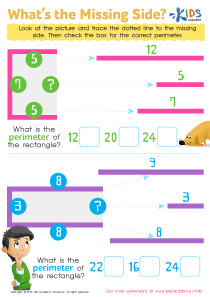
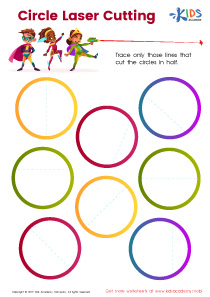
Unlock the world of geometry with our Shape Recognition Normal 2D Shapes Worksheets for Ages 6-9! Designed to engage young learners, these worksheets focus on identifying and working with basic 2D shapes, including circles, squares, triangles, and rectangles. Perfect for reinforcing classroom learning or home practice, the activities promote critical thinking and sharpen observational skills in a fun, interactive way. With vibrant illustrations and easy-to-follow instructions, students will enjoy matching, coloring, and completing shape-based puzzles. Enhance your child's math abilities and boost their confidence with our carefully crafted resources, fostering essential skills for their educational journey. Explore now!
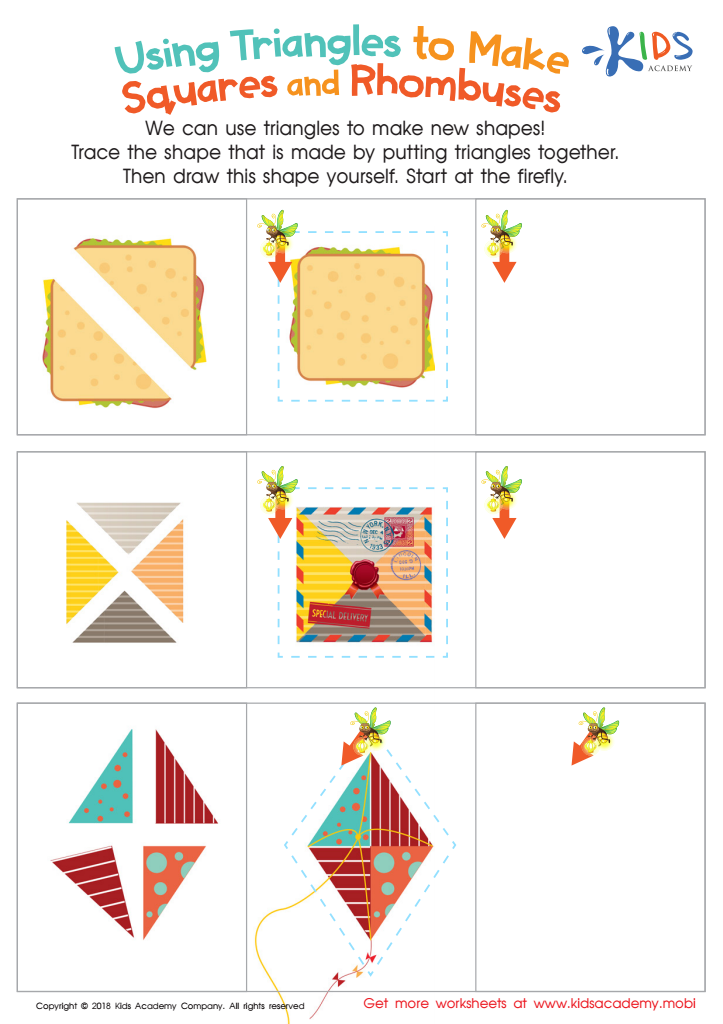
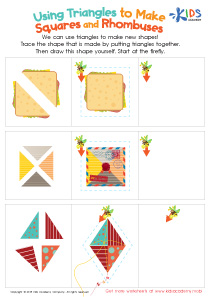
Using Triangles to Make Squares and Rhombuses Worksheet
 Assign to My Students


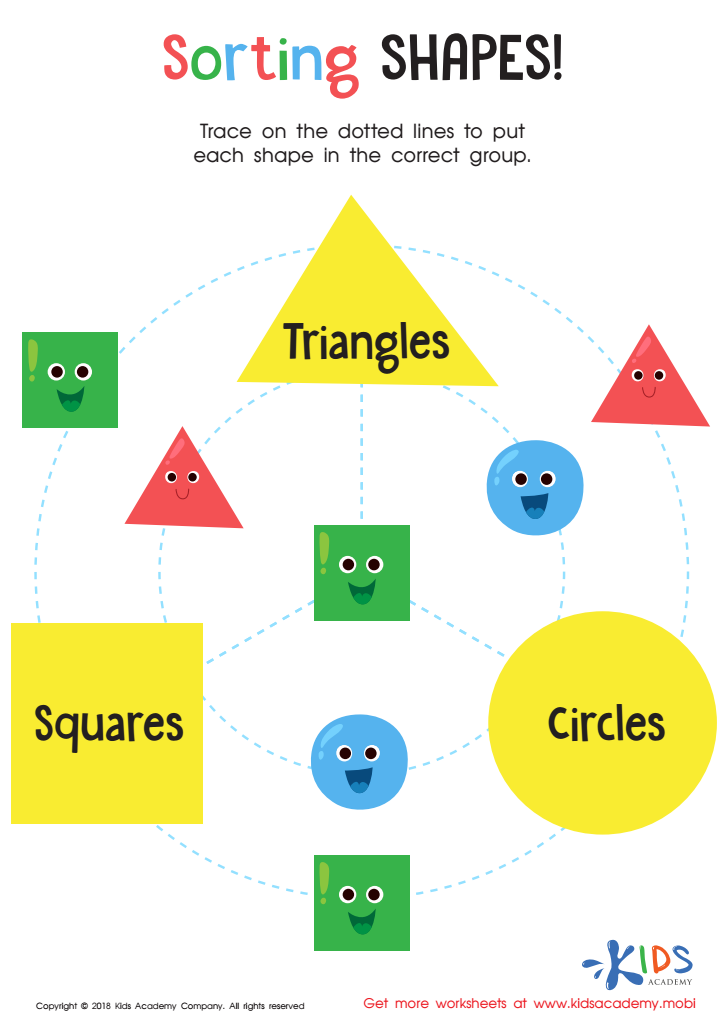
Sorting Shapes - Part 3 Worksheet
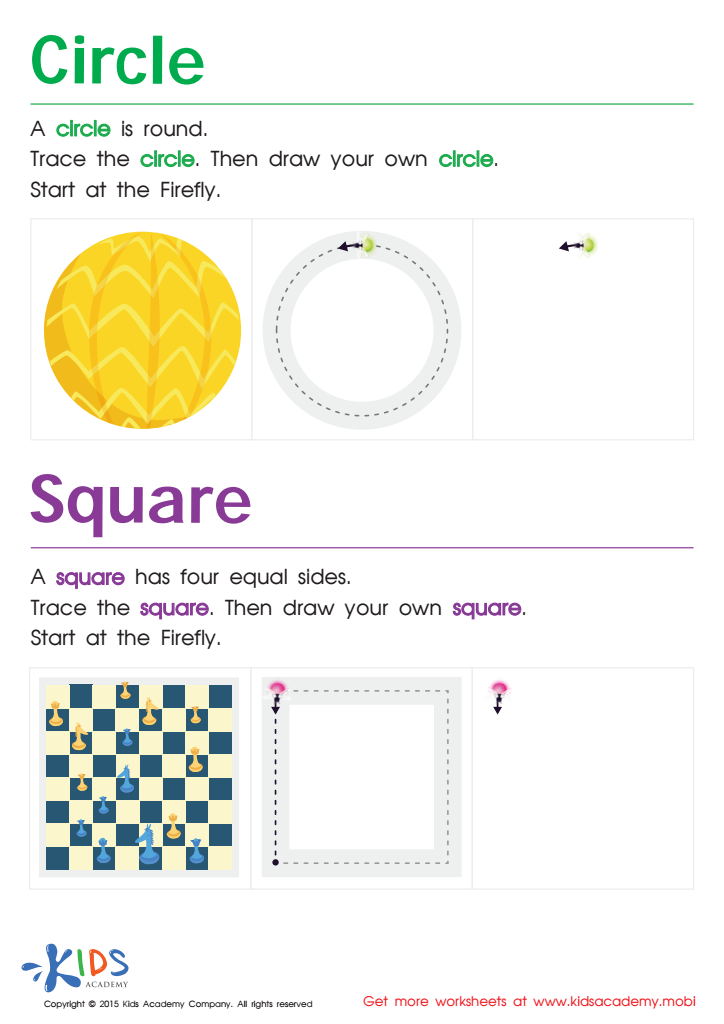
Trace And Draw a Circle And a Square Worksheet
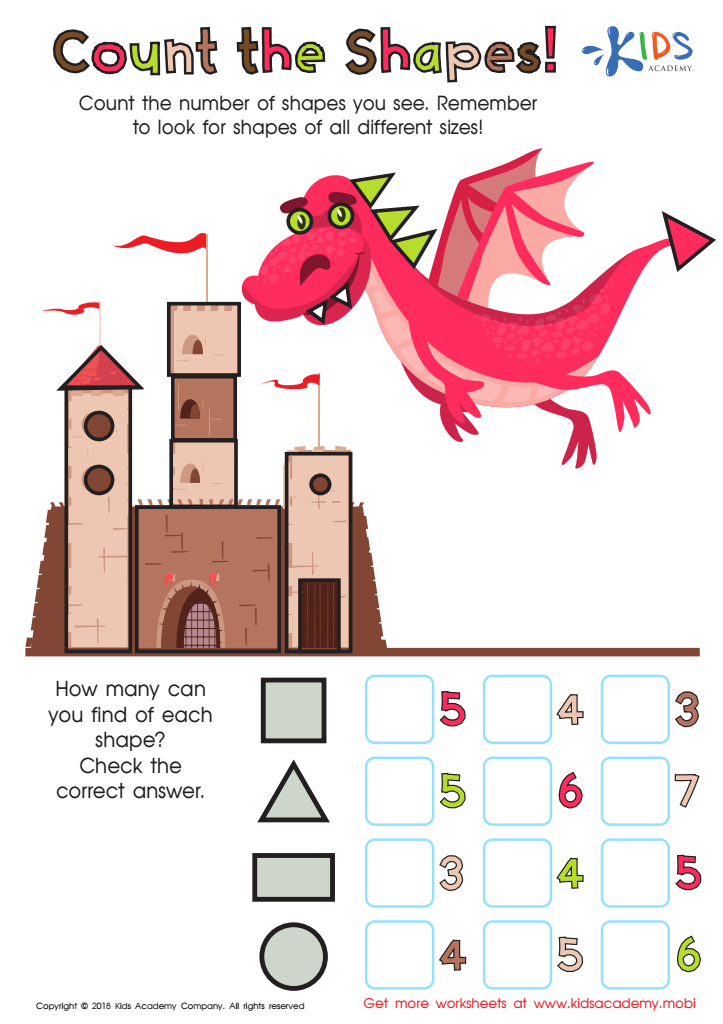
Count the Shapes Worksheet
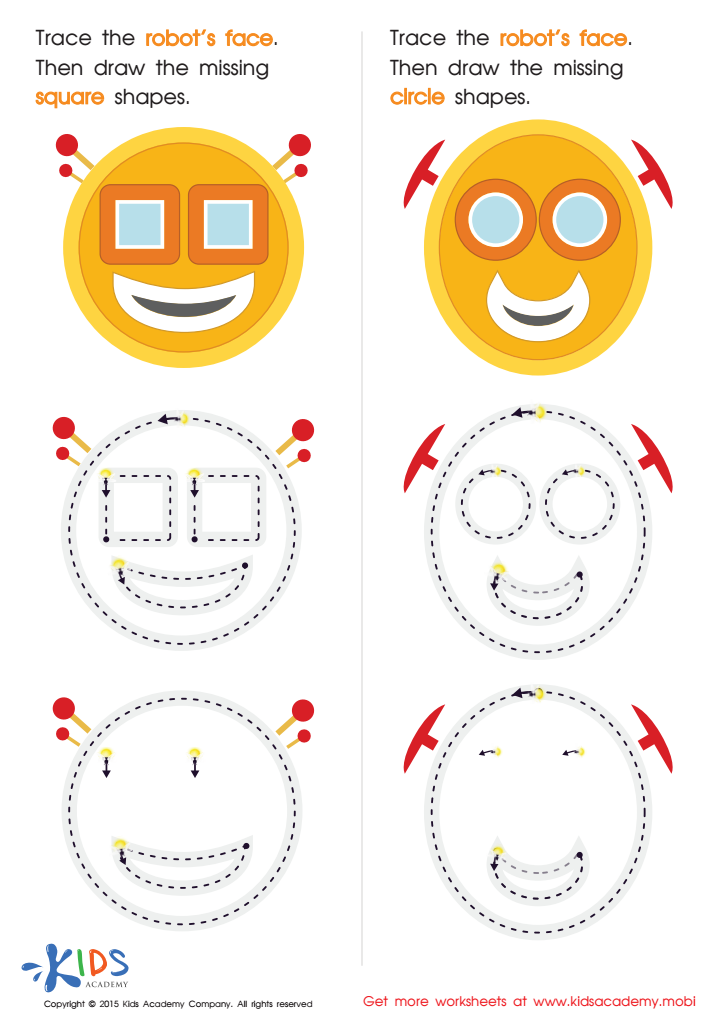
Practicing to Draw Circles And Squares Printable
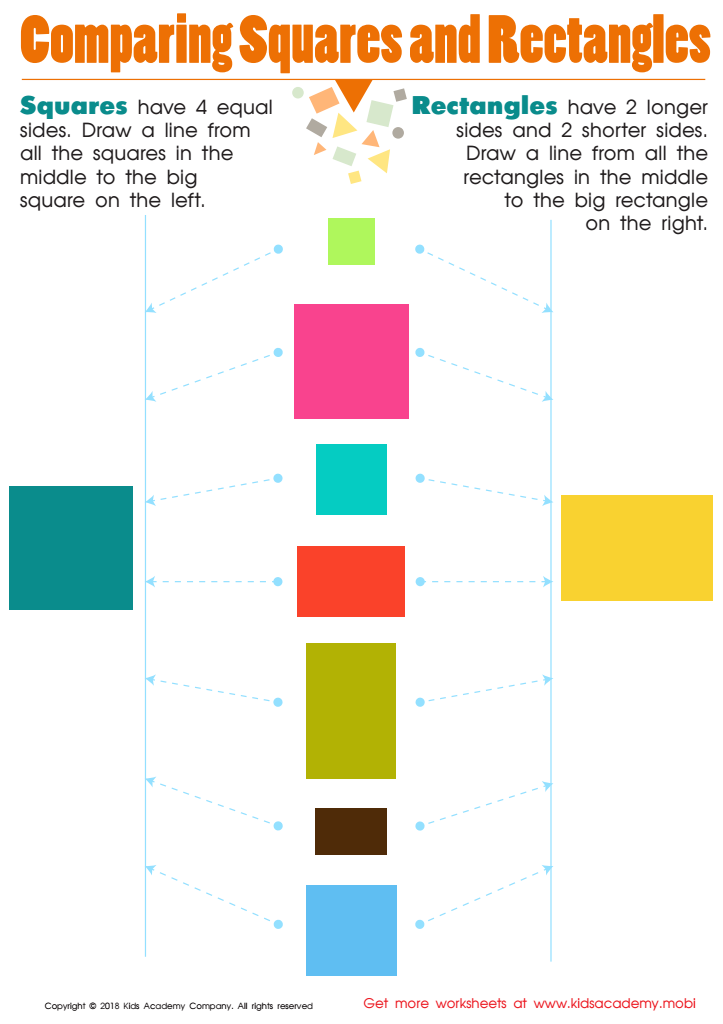
Comparing Squares Rectangles Worksheet
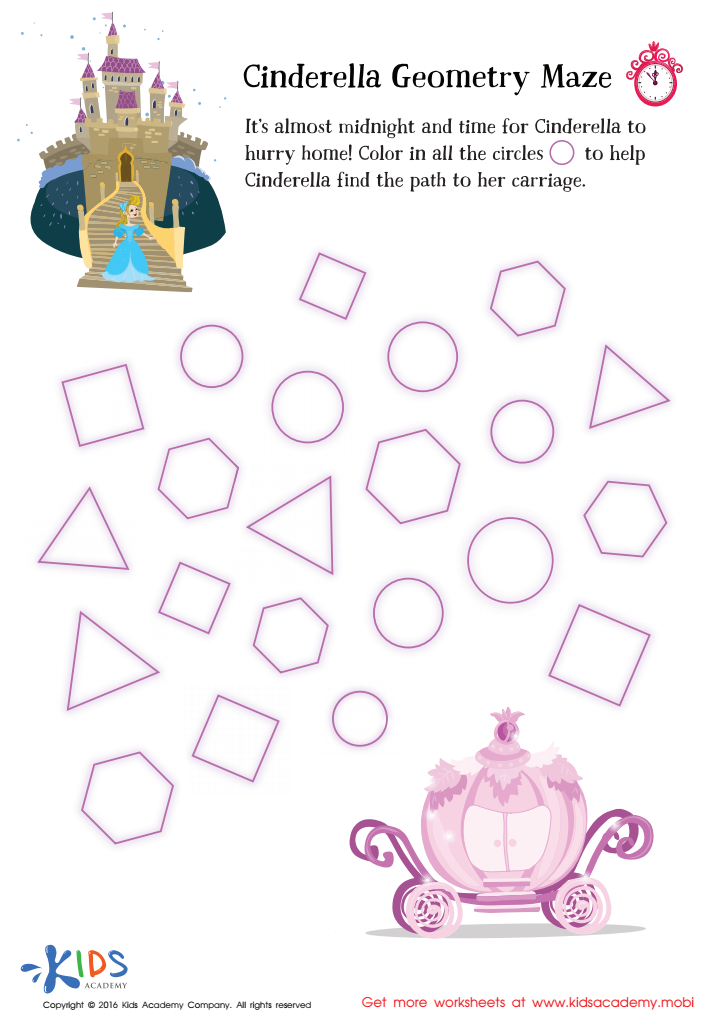
Cinderella Geometry Maze Worksheet
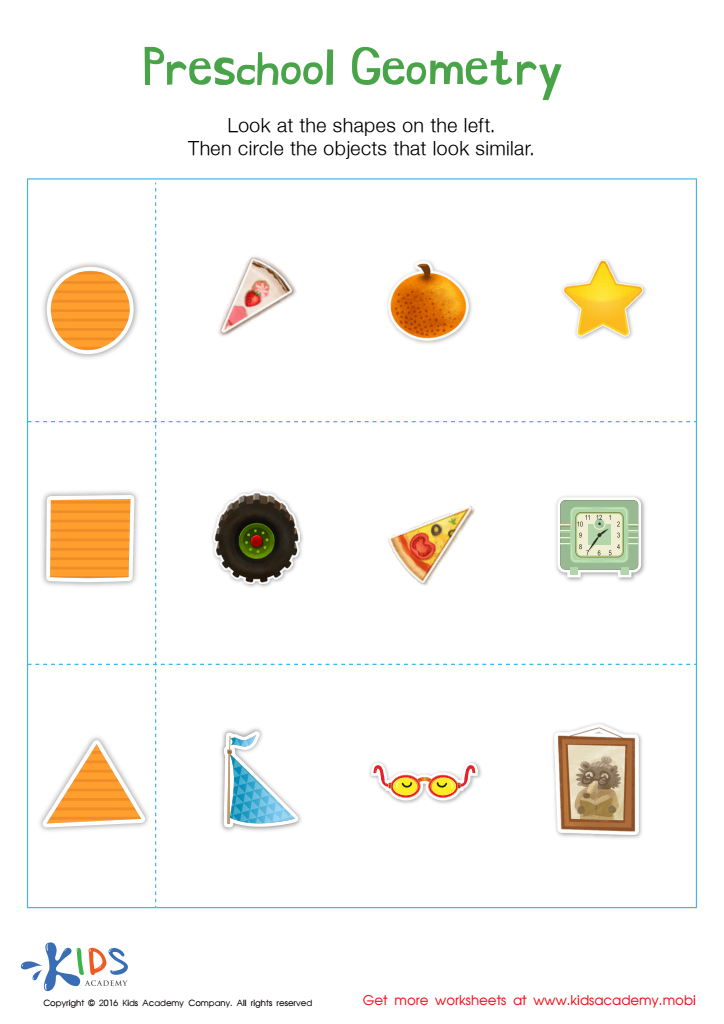
Preschool Geometry Match Up Worksheet
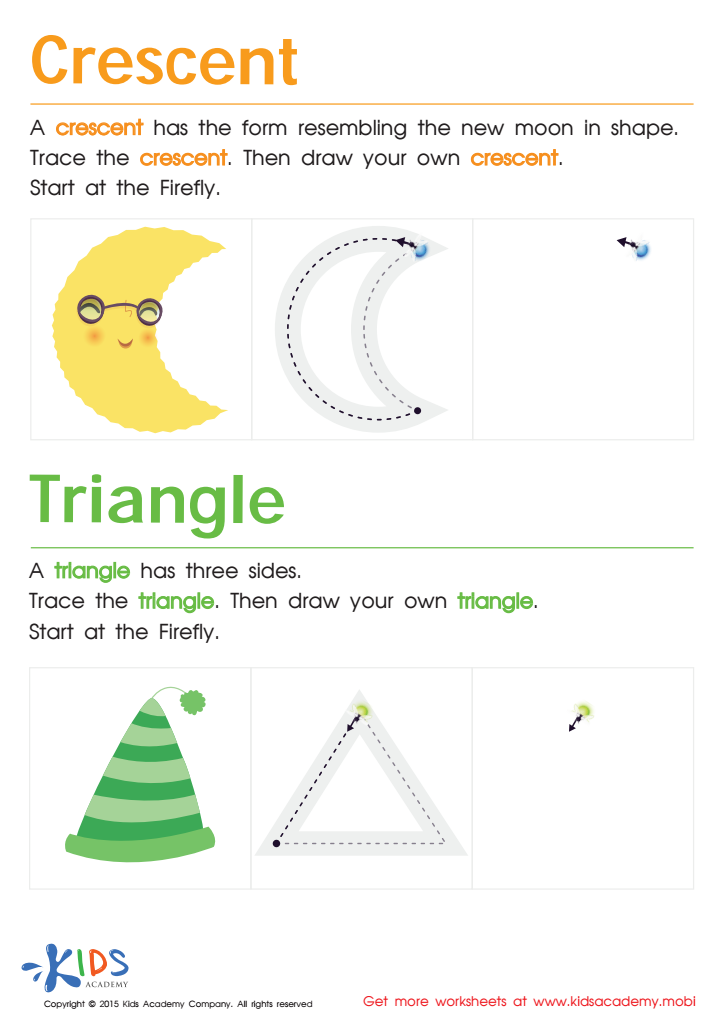
Learning to Draw Crescents And Triangles Worksheet
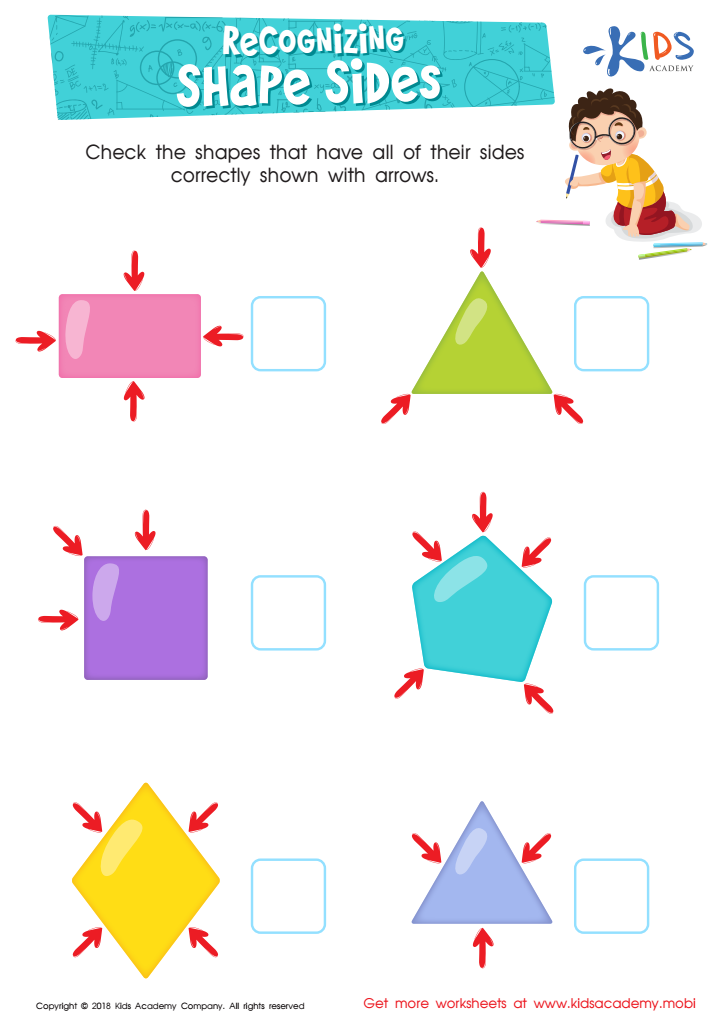
Recognizing Shape Sides Worksheet
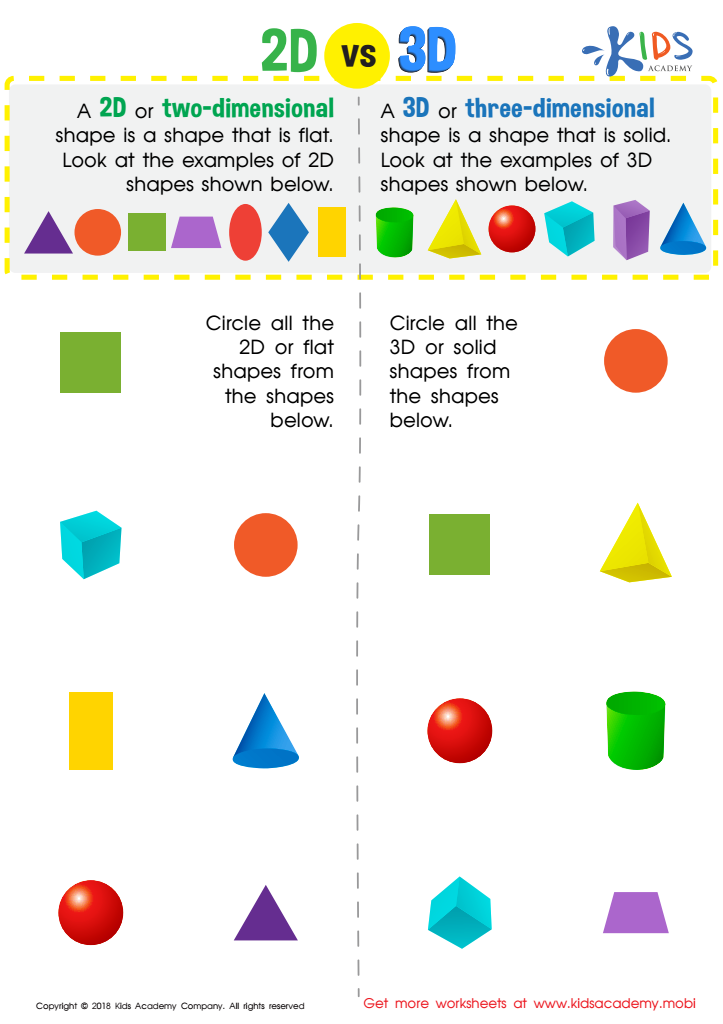
2D vs 3D Shapes Worksheet
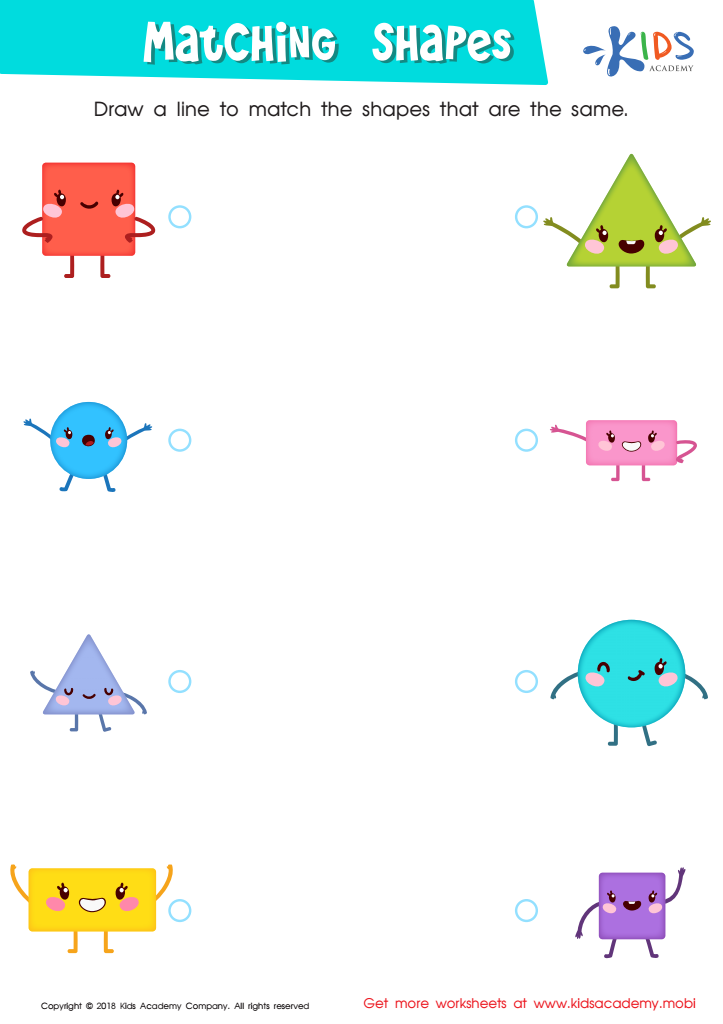
Matching Shapes Worksheet
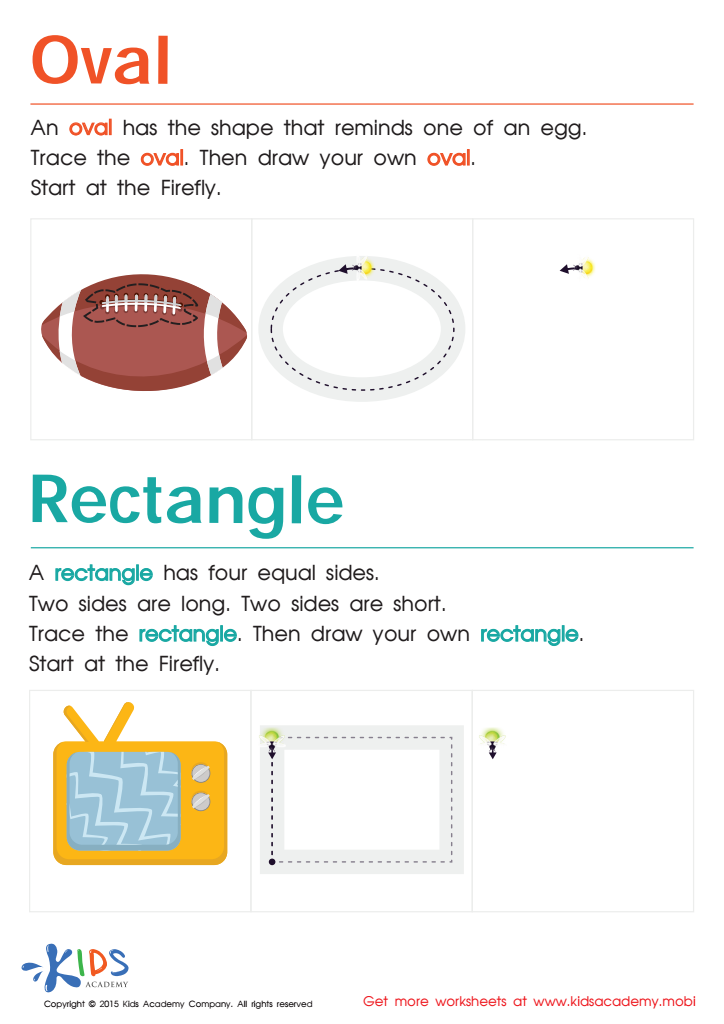
Easy Drawing of Ovals And Rectangles Worksheet
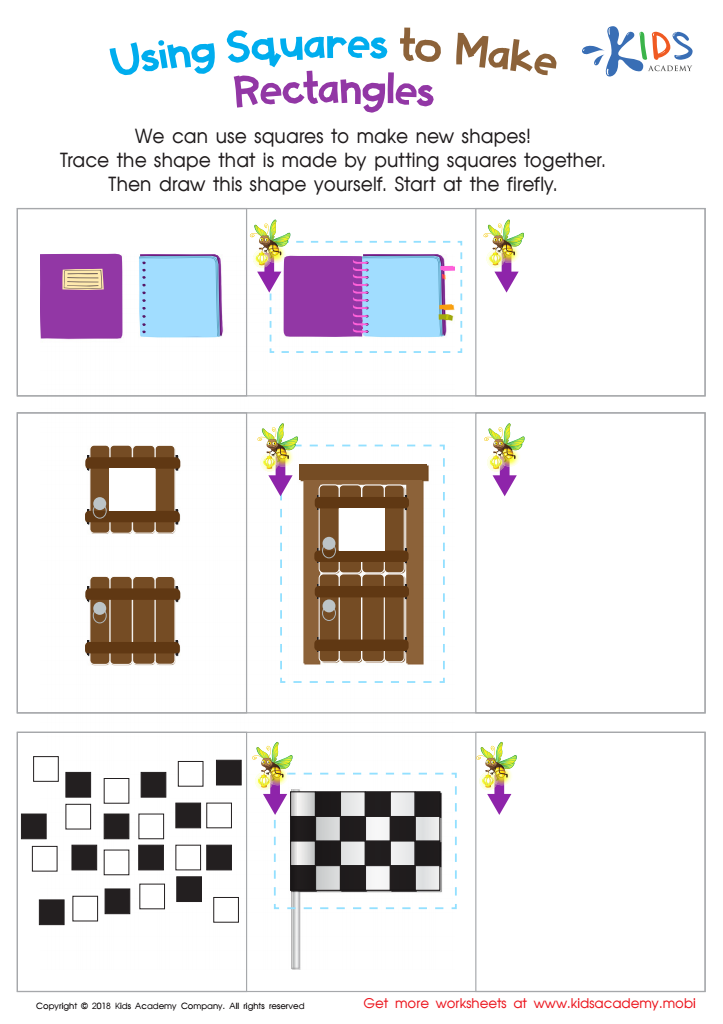
Using Squares to Make Rectangles Worksheet








Shape recognition is a foundational skill in early childhood education, particularly for children aged 6-9. Understanding 2D shapes lays the groundwork for numerous cognitive and academic developments. Firstly, shape recognition fosters spatial awareness, which is crucial for math skills such as geometry, measurement, and problem-solving. It helps children visualize relationships between objects and understand how they fit together in space.
Moreover, this skill is instrumental in enhancing critical thinking. Identifying shapes encourages kids to classify, compare, and relate different objects, building their analytical abilities. Additionally, mastering shapes can boost children’s fine motor skills, as they often engage in activities such as drawing, cutting, and constructing with various materials.
Teachers and parents play a pivotal role in supporting shape recognition through engaging activities and real-world applications. This can include incorporating shapes into everyday conversations, using puzzles, and incorporating art projects based on shape exploration. Encouraging children to recognize and interact with shapes not only makes learning fun but also instills a sense of accomplishment and confidence when they master this essential concept. Ultimately, a strong grasp of shape recognition supports future learning across various subject areas, setting the stage for academic success.