Counting skills Normal Math Worksheets for Ages 6-9 - Page 3
92 filtered results
-
From - To
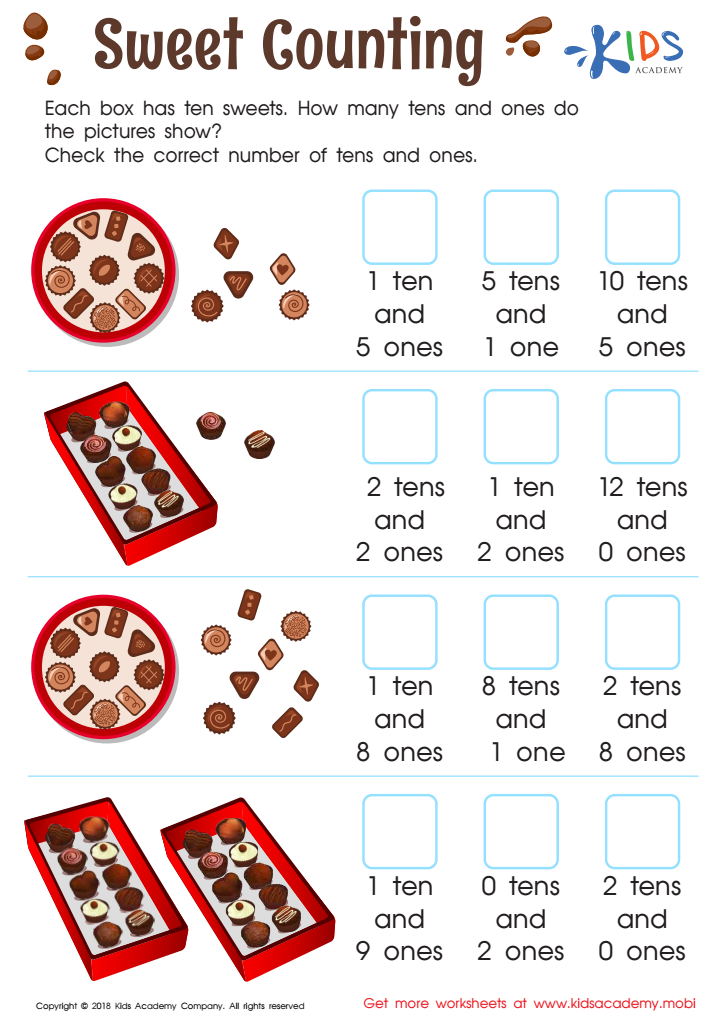
Sweet Counting - Part 2 Worksheet
 Assign to My Students
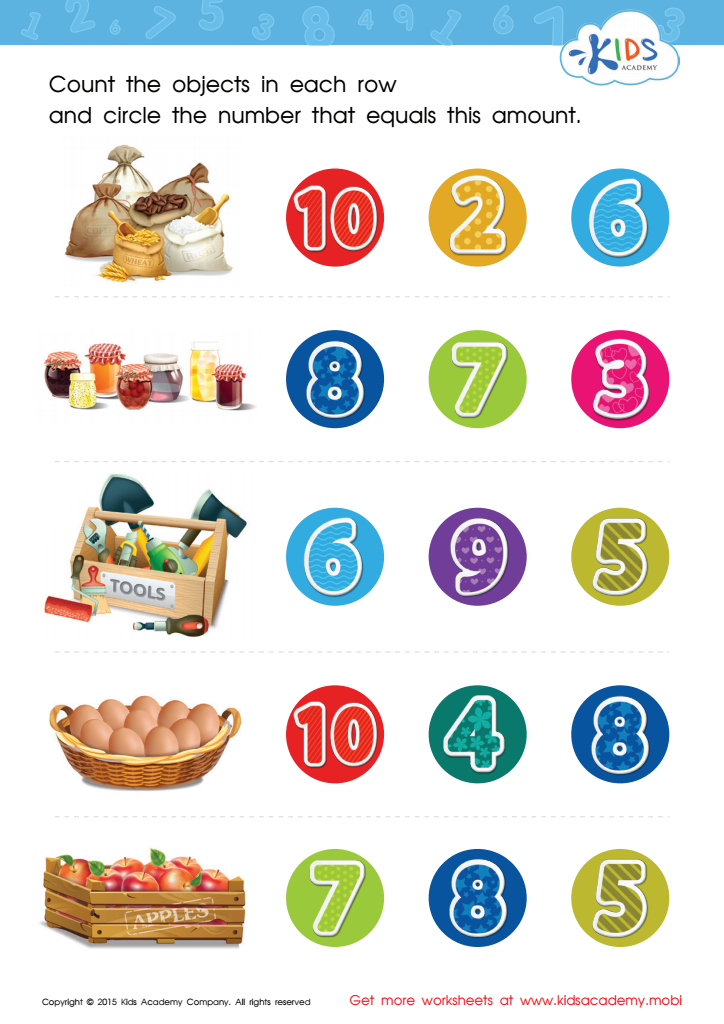
Count and Match 6 – 10 Math Worksheet
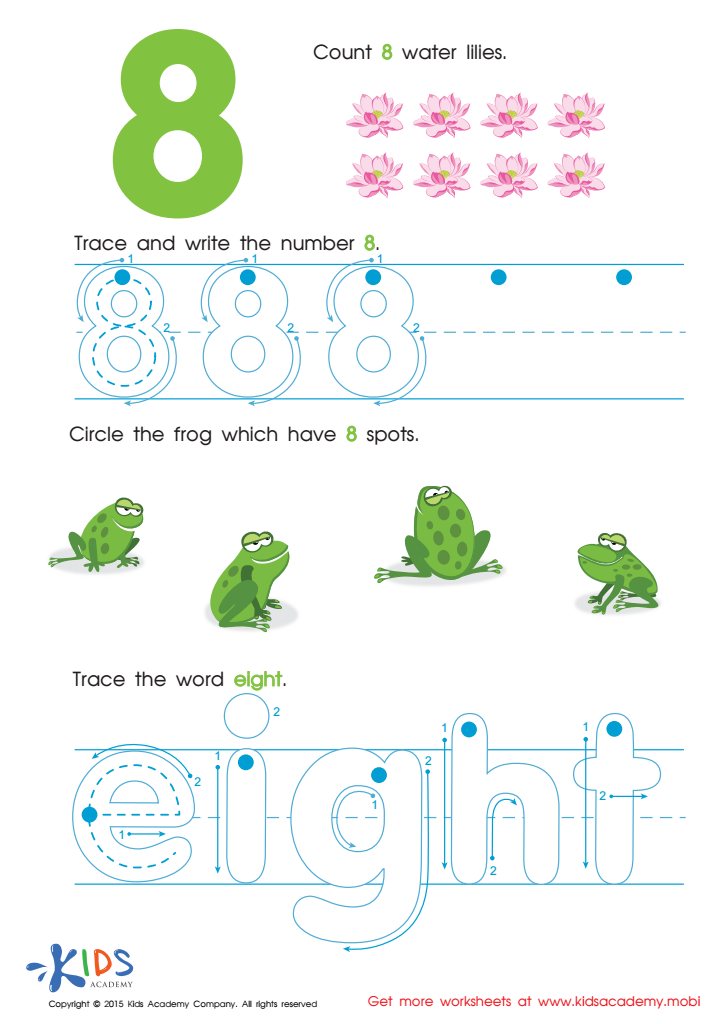
Learn Number 8 Easily Worksheet
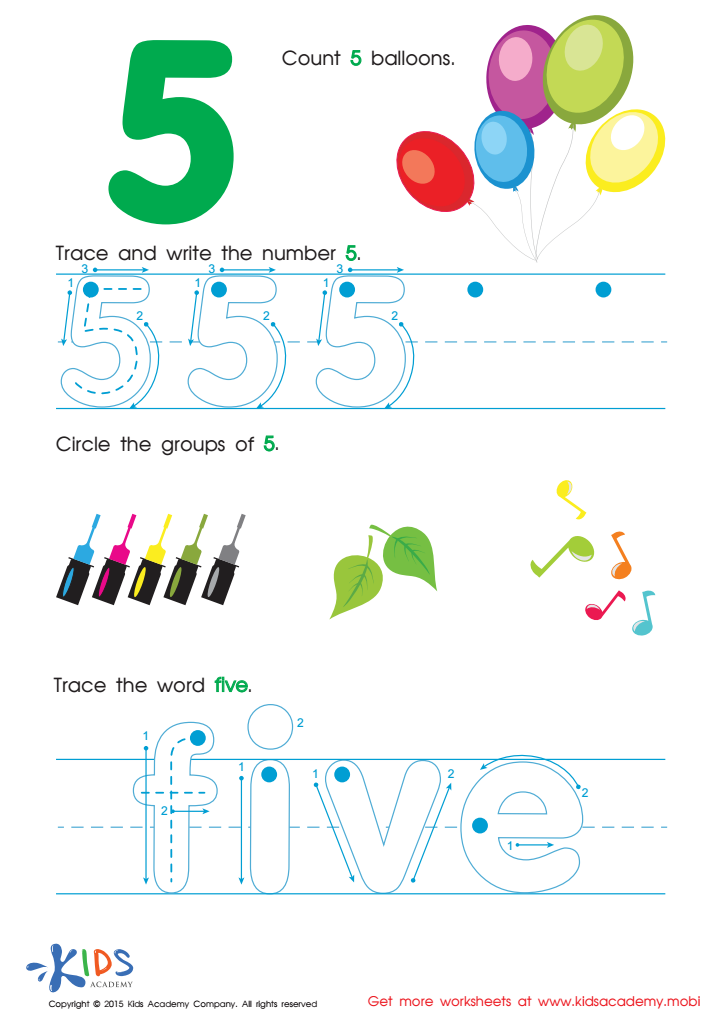
Practice Writing Number 5 Worksheet
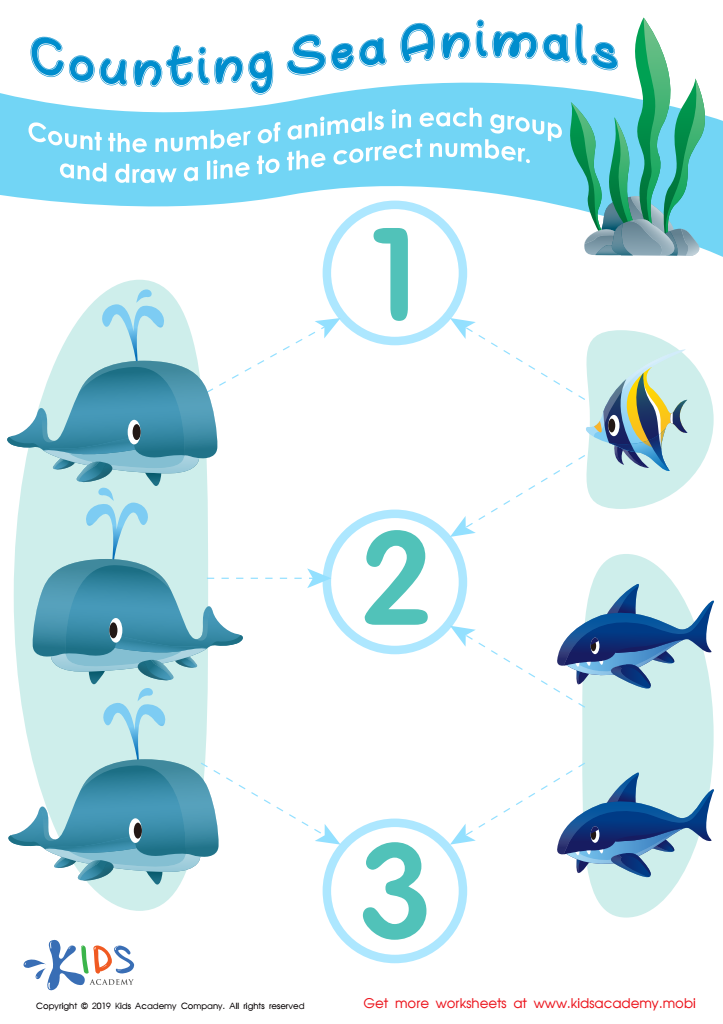
Counting Sea Animals Worksheet
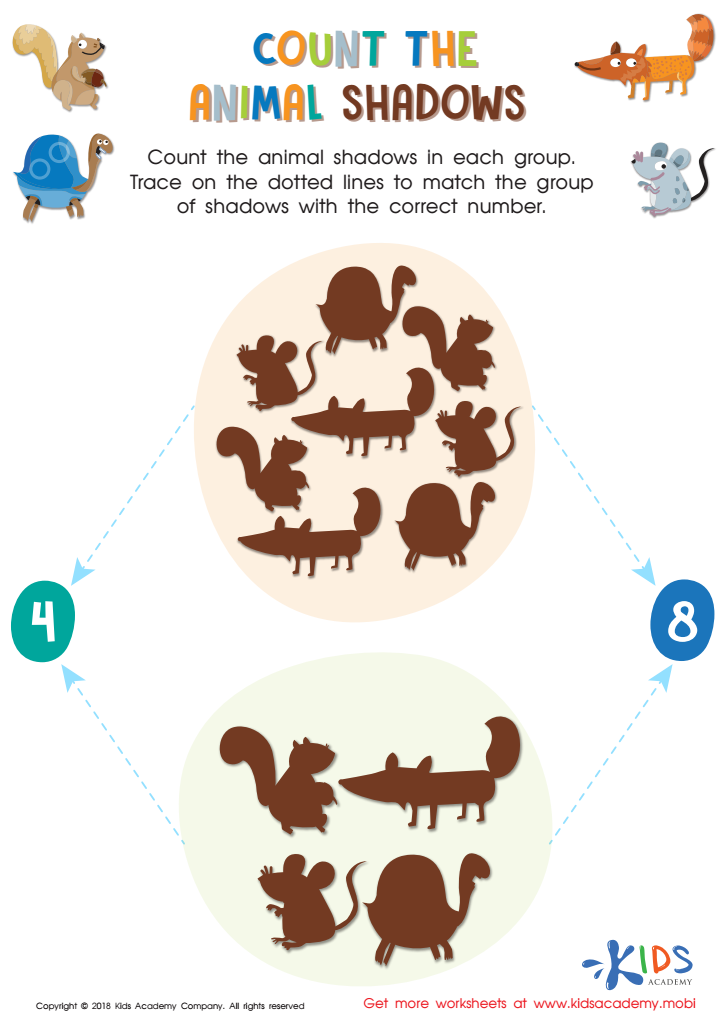
Count the Animal Shadows Worksheet
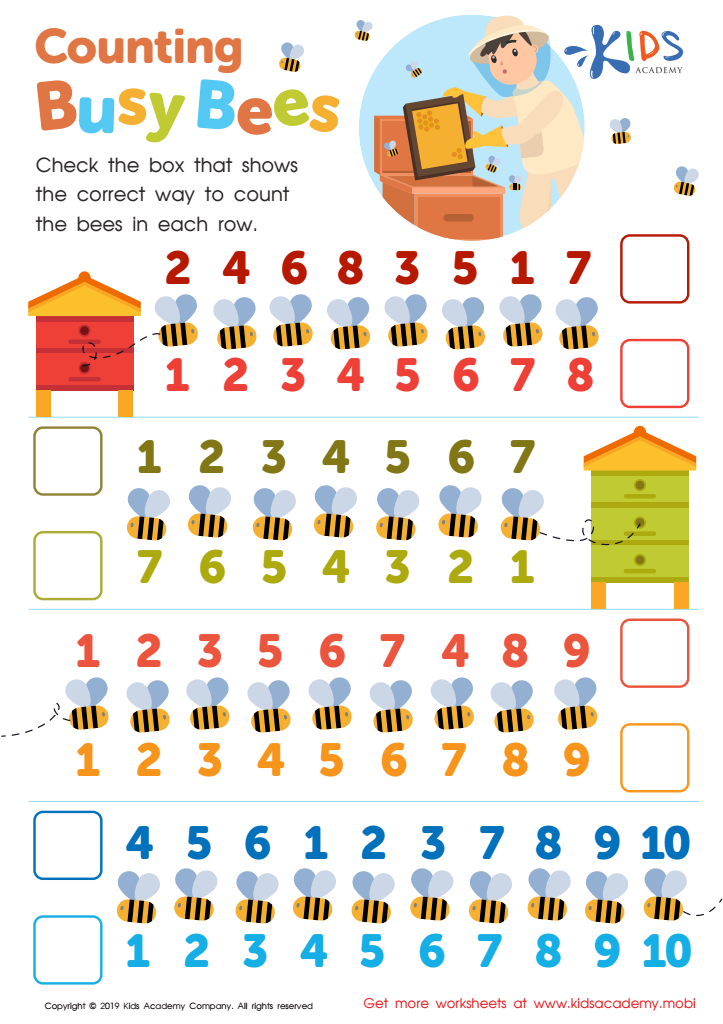
Counting Busy Bees Worksheet
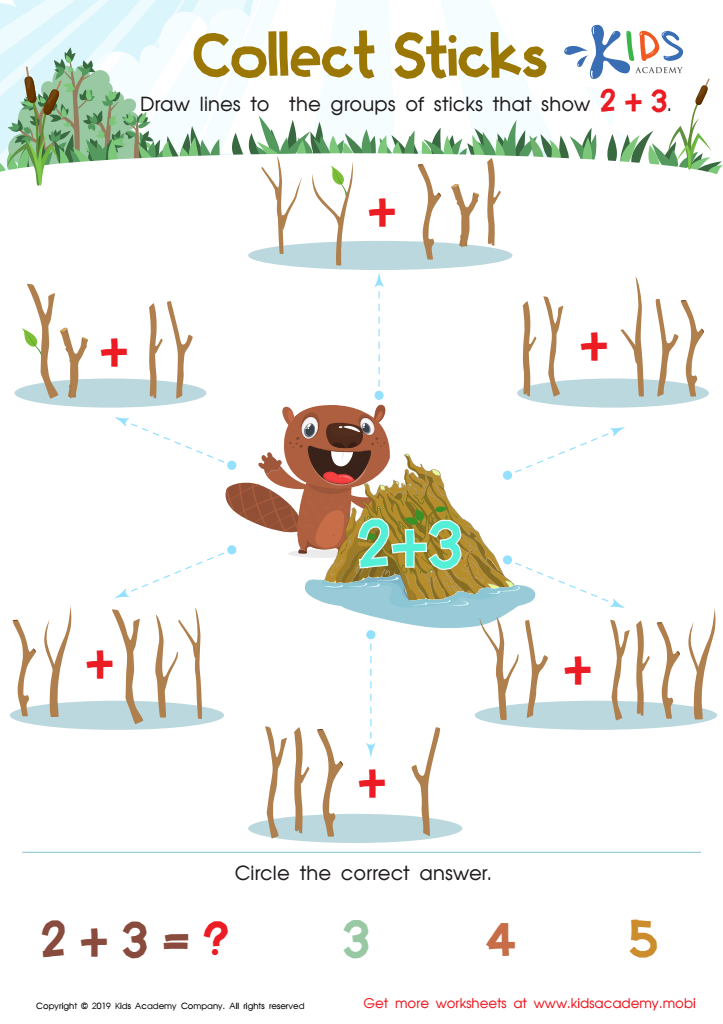
Collect Sticks Worksheet
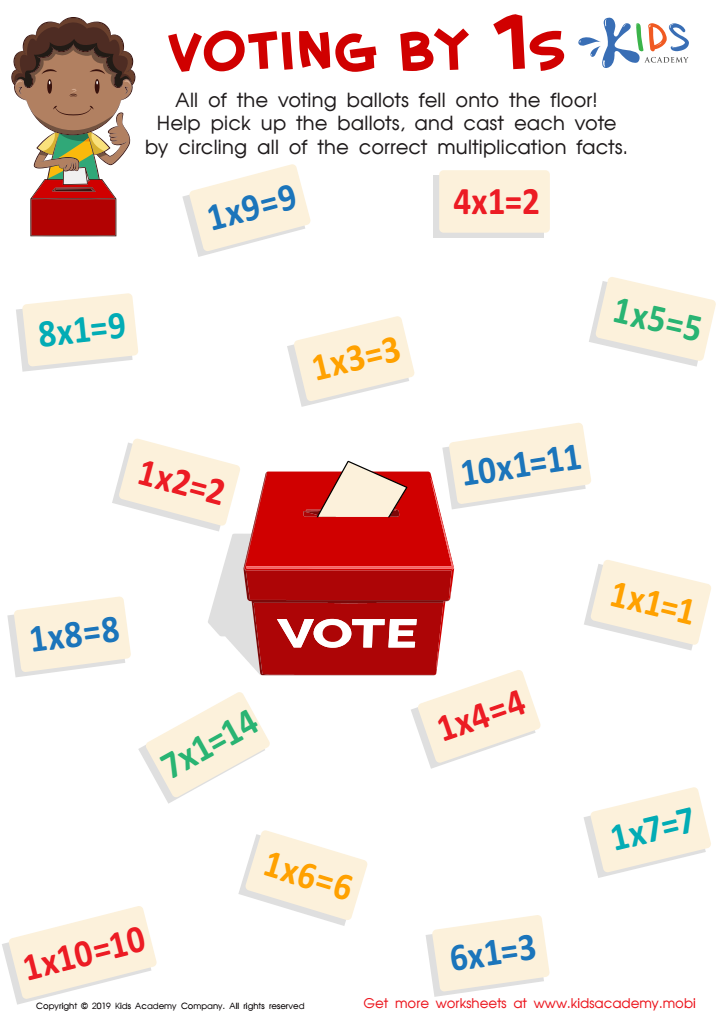
Voting by 1s Worksheet
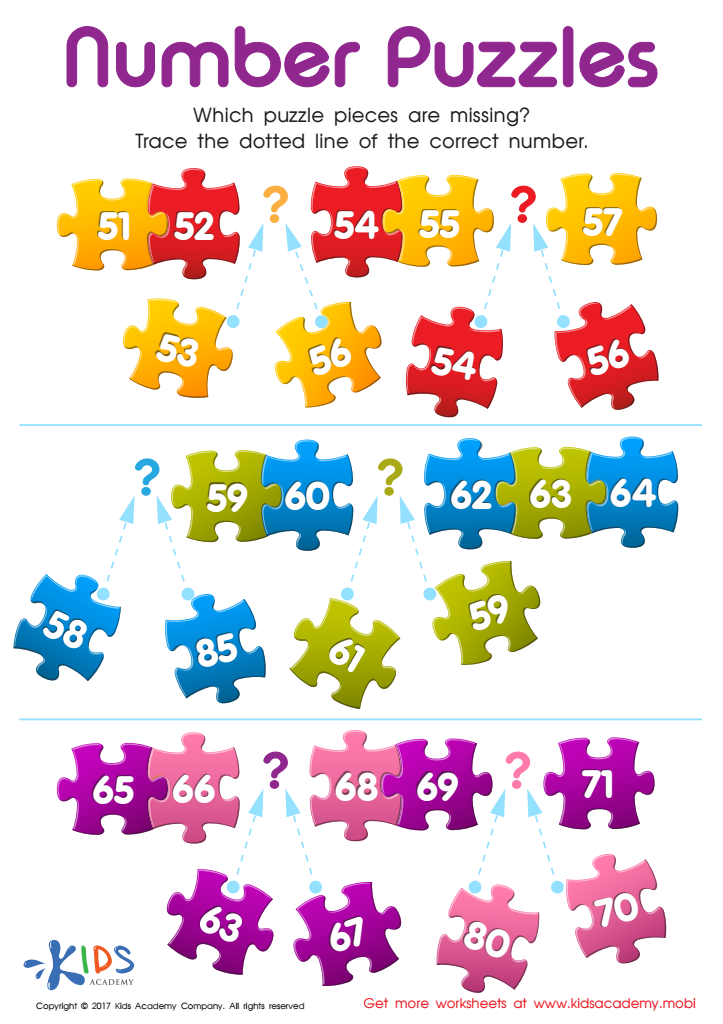
Number Puzzles Worksheet
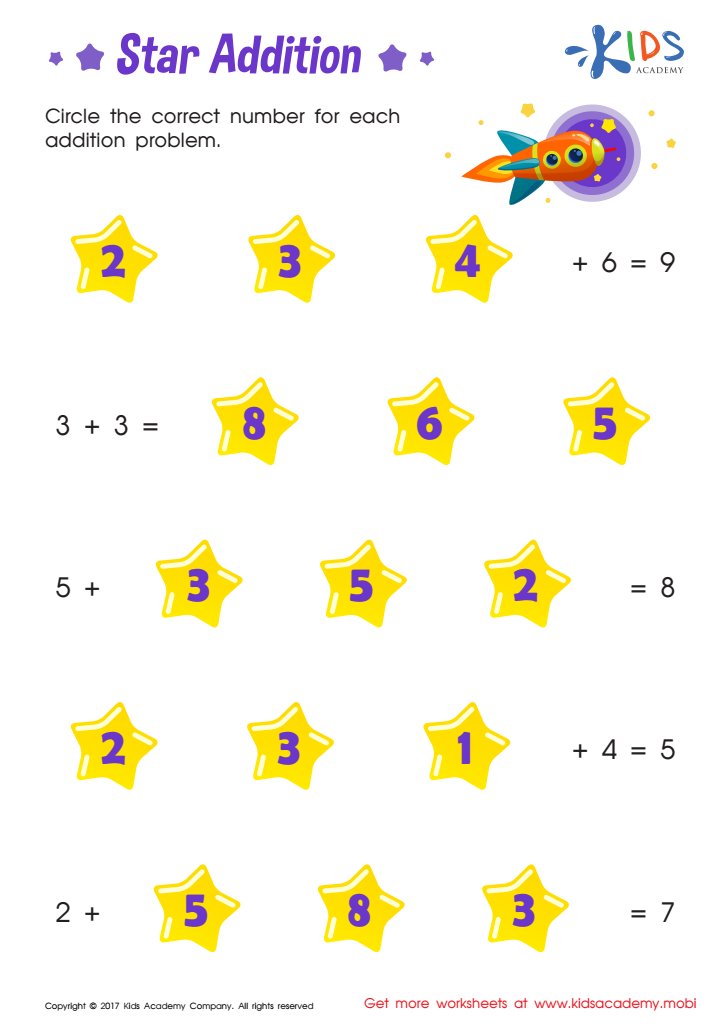
Star Addition Printable
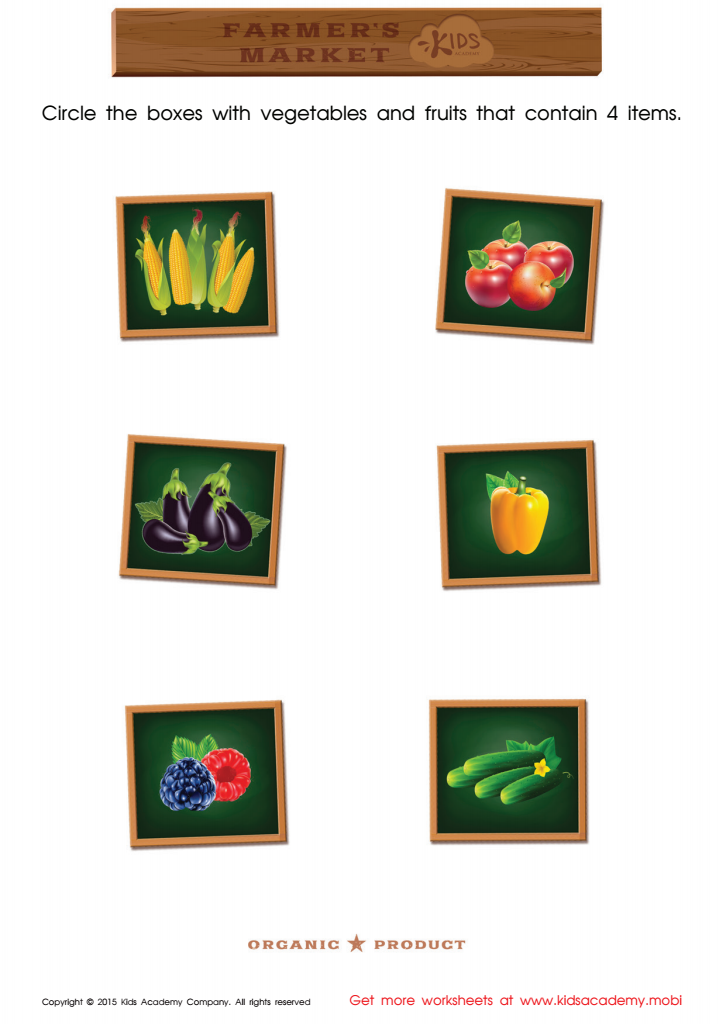
Count and Match Vegetables 2 – 8 Math Worksheet

Count and Match Vegetables and Points Math Worksheet
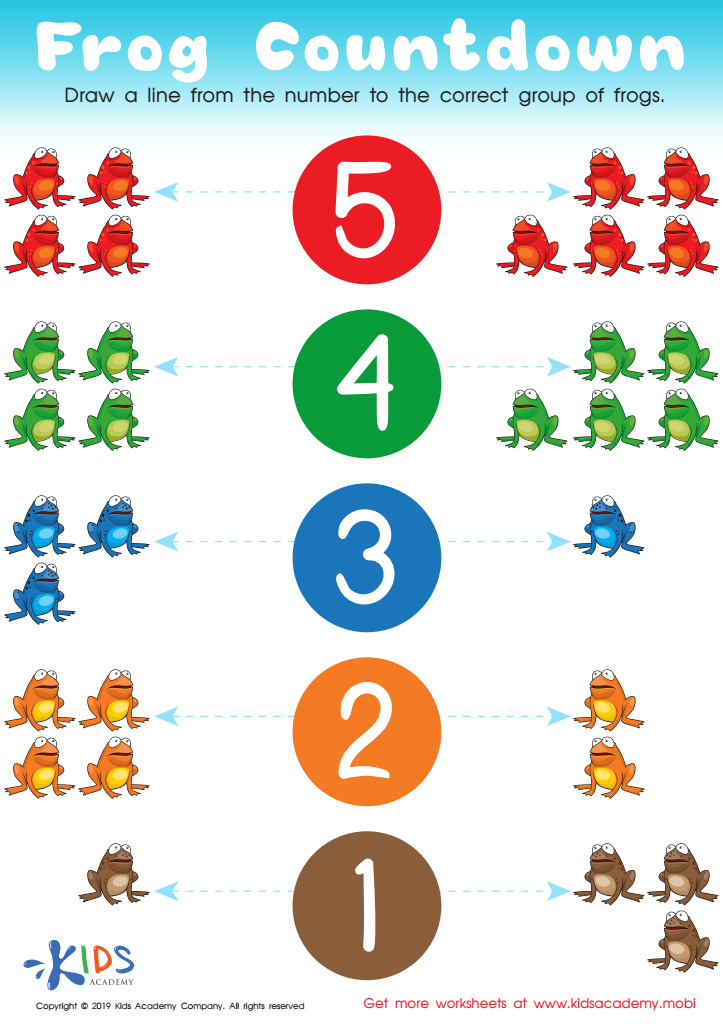
Frog Countdown Worksheet
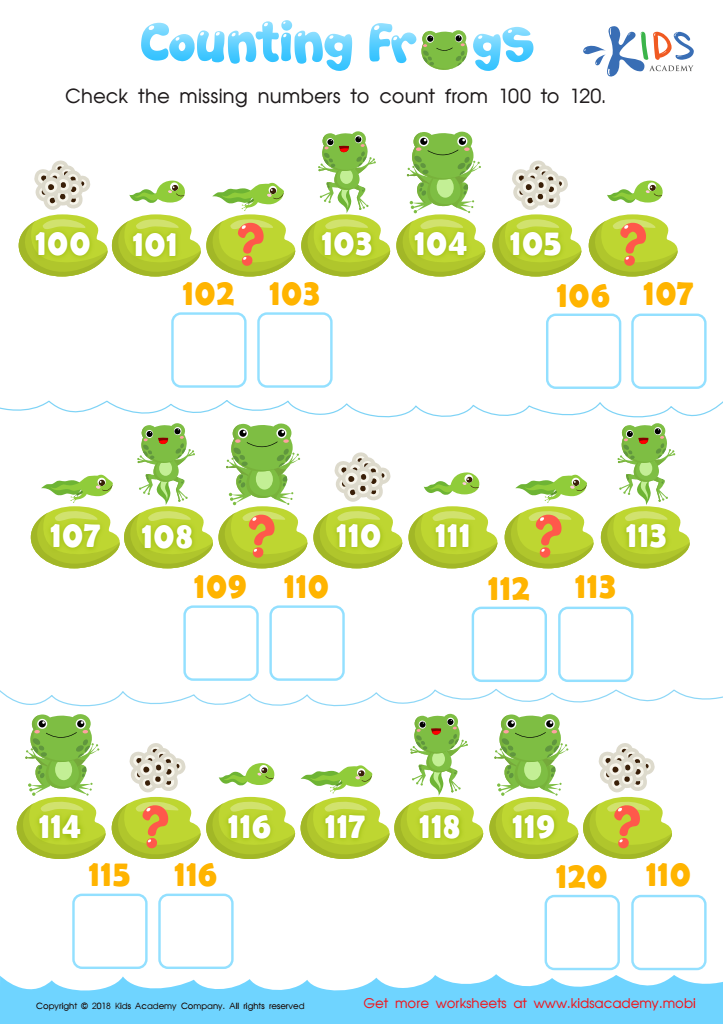
Counting Frogs Worksheet
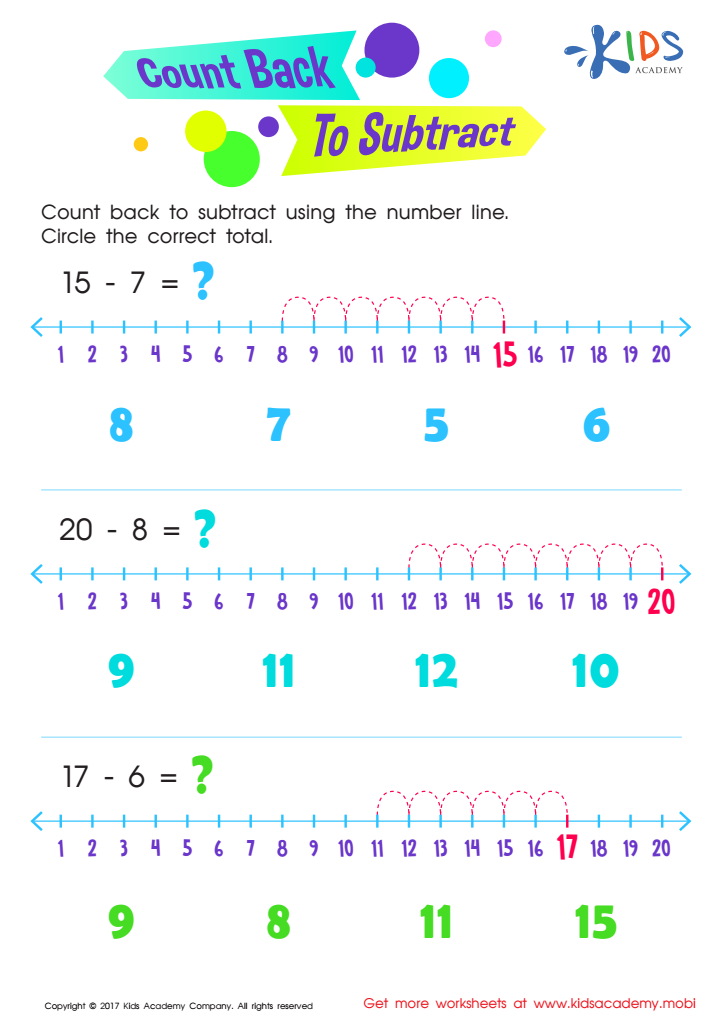
Count Back to Subtract Substraction Worksheet
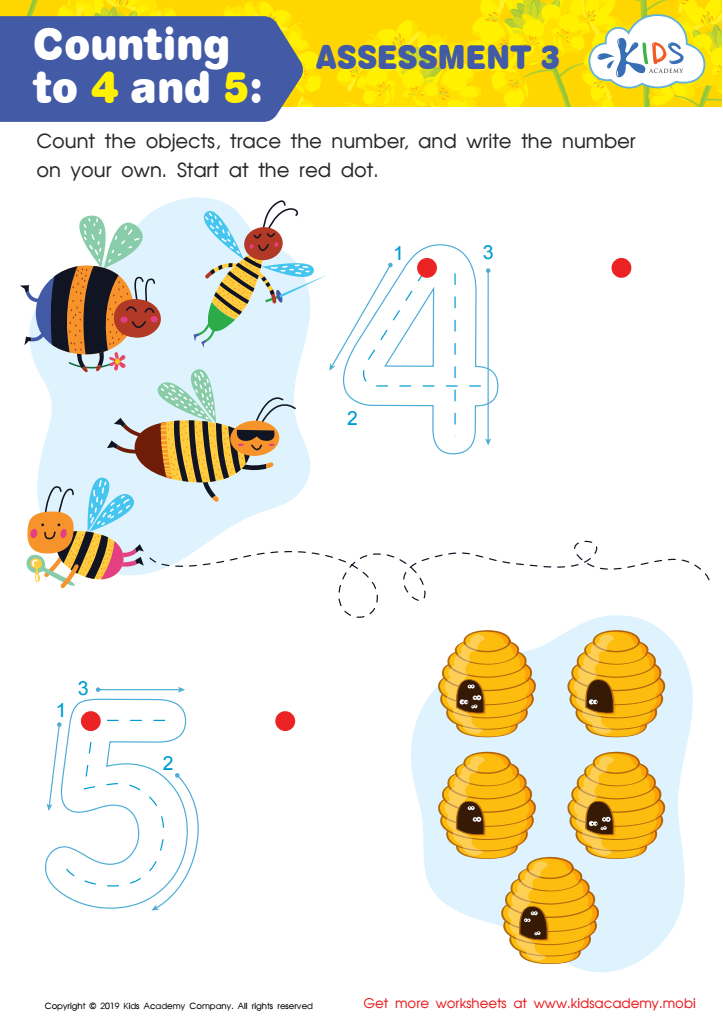
Counting to 4 and 5: Assessment 3 Worksheet
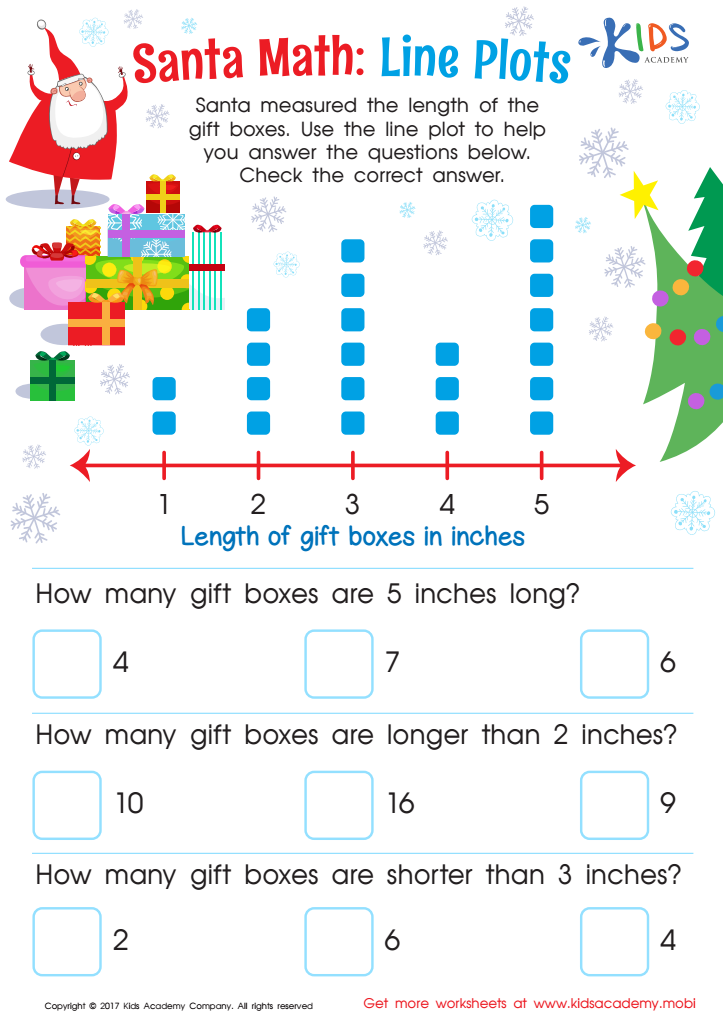
Line Plot Worksheet
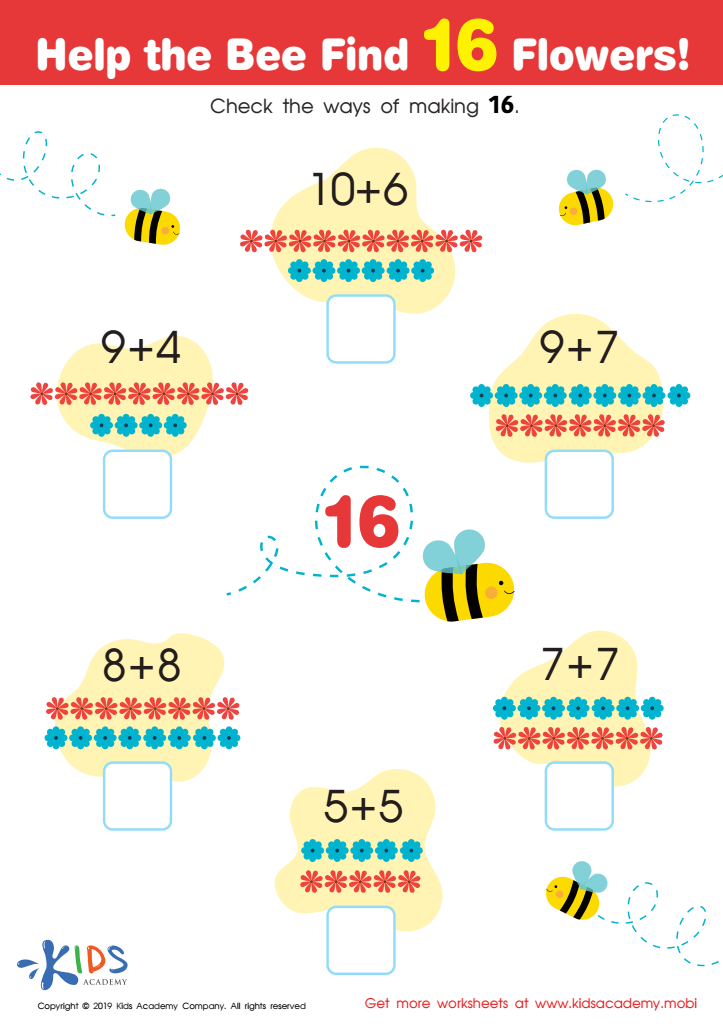
Help the Bee Find 16 Flowers Worksheet
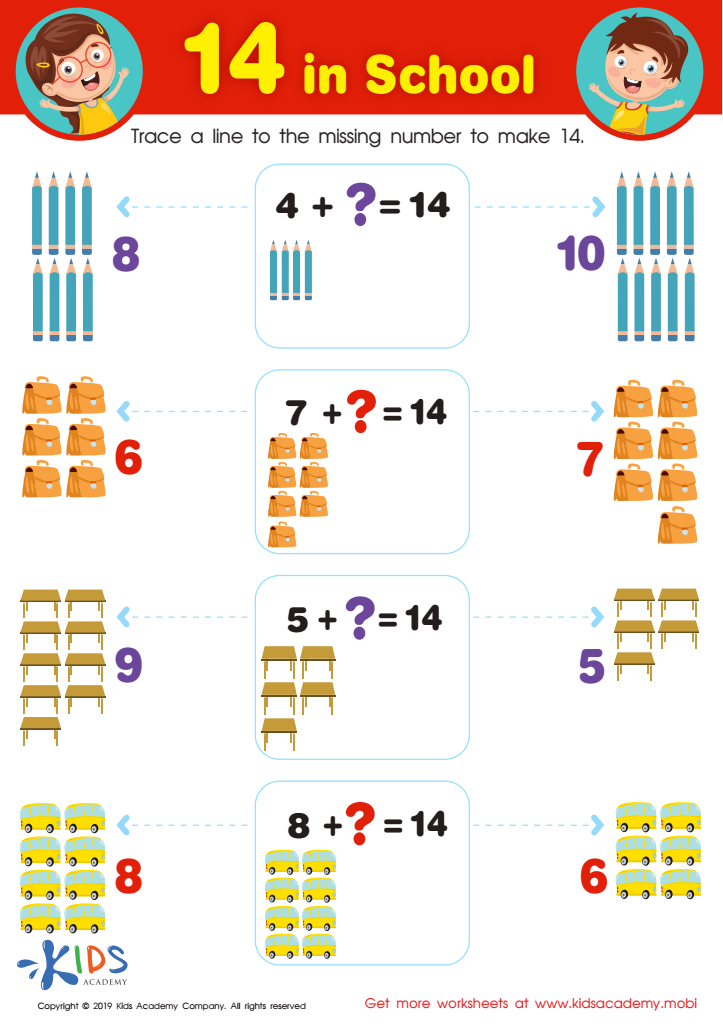
14 in School Worksheet
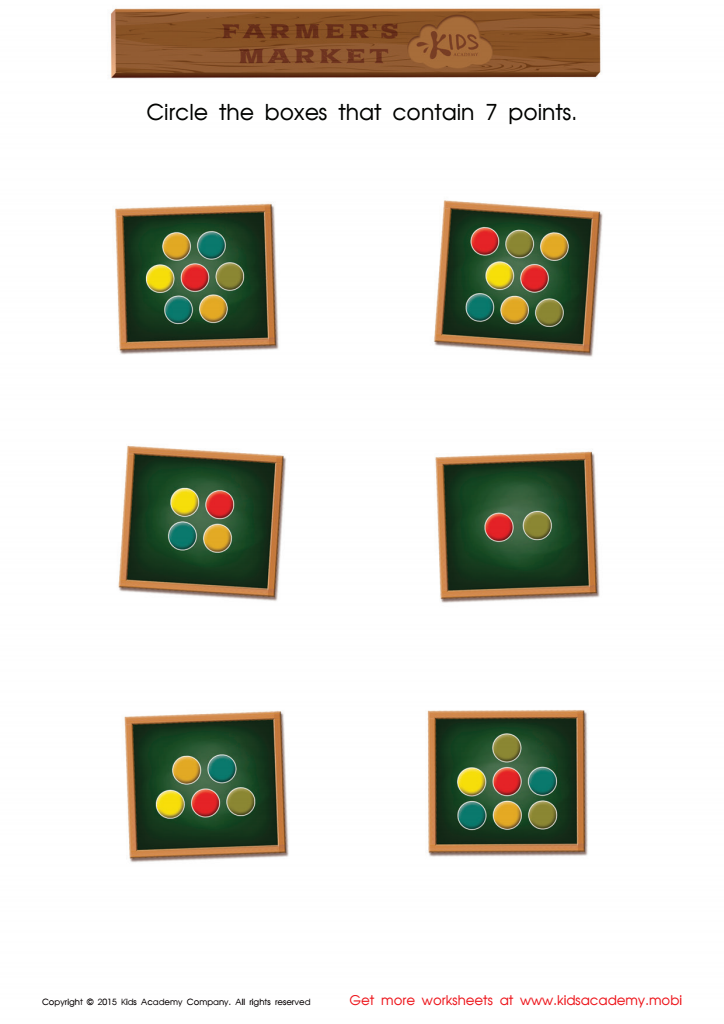
Count and Match Points 7 Math Worksheet
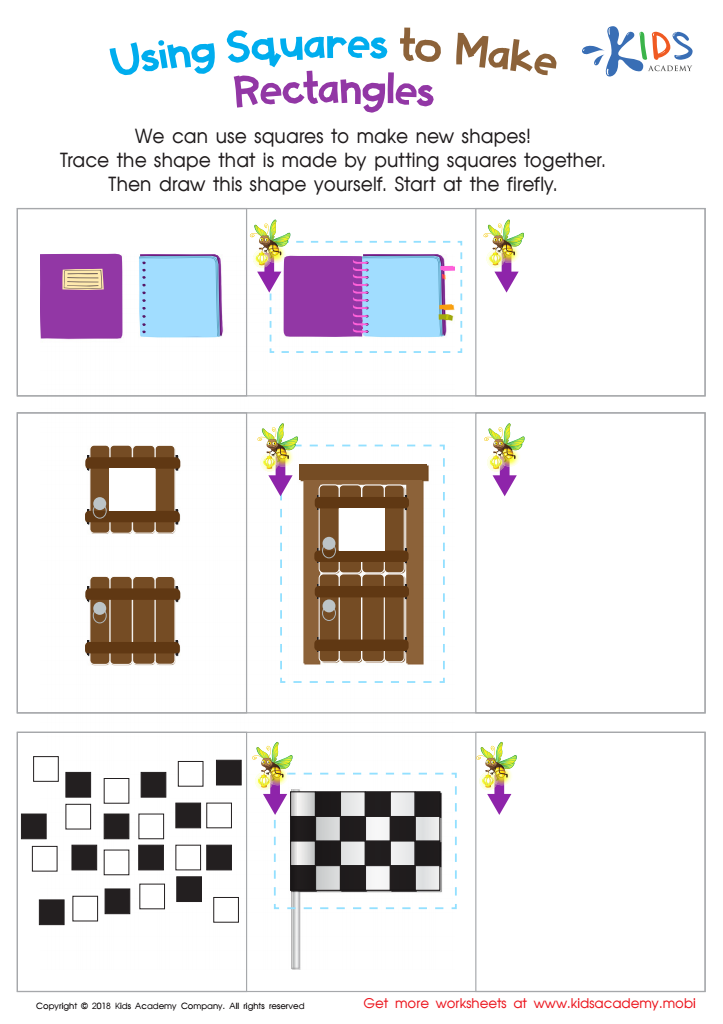
Using Squares to Make Rectangles Worksheet
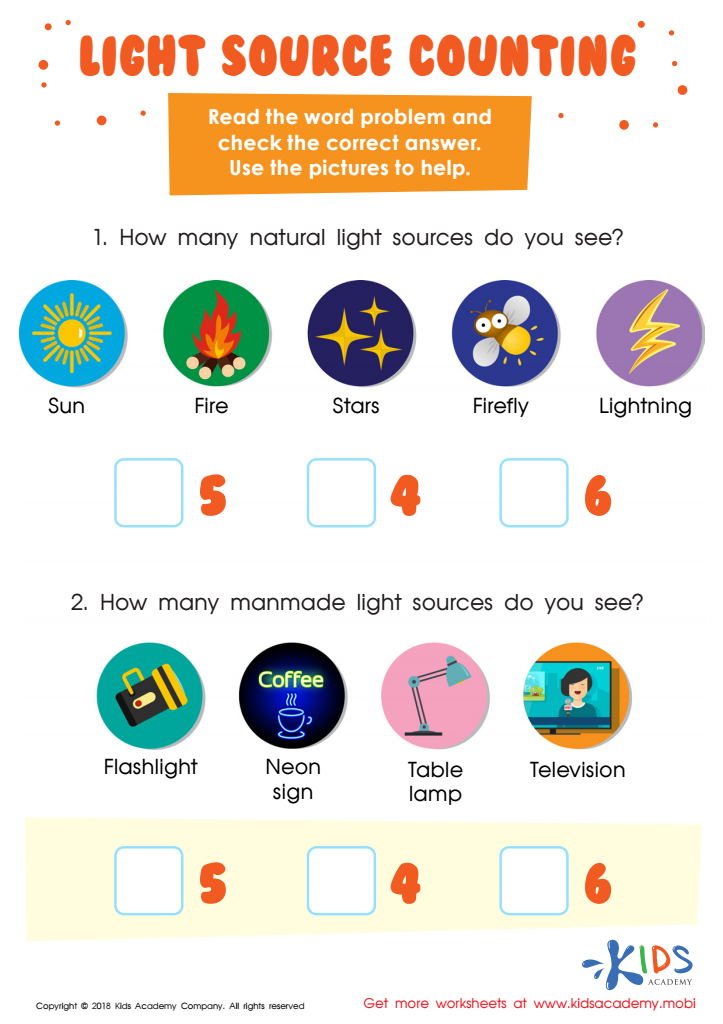
Light Source Counting Worksheet
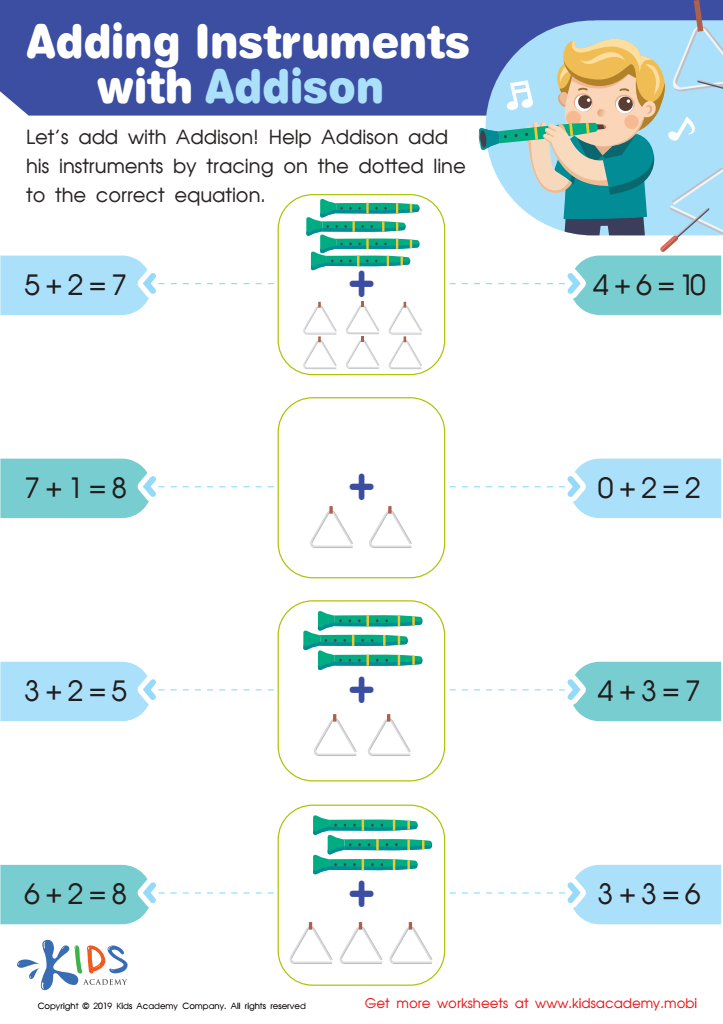
Adding Instruments with Addison Worksheet








Counting skills are foundational to a child's mathematical development and understanding, making them a crucial focus for parents and teachers with children aged 6-9. At this age, kids are transitioning from recognizing numbers to using them in practical ways. Counting helps children grasp the concept of quantity, leading to a better understanding of addition, subtraction, and more complex arithmetic later on.
For example, when children are counting objects, they learn one-to-one correspondence, meaning each object counts once. This skill is vital for their logical thinking and problem-solving capabilities. It also introduces them to concepts of sequence and order, which are essential not only in math but in daily life as they follow steps or instructions.
Early proficiency in counting and basic arithmetic builds a strong foundation for future math learning. It promotes cognitive development by encouraging pattern recognition and improving memory. Additionally, when children experience early success in math, they are likely to develop a positive attitude towards the subject, boosting their confidence and willingness to tackle more challenging concepts in the future.
Teachers and parents play a pivotal role by providing supportive environments, using games, activities, and practical examples to make counting a fun and relevant part of everyday life. Their involvement ensures children build a sturdy mathematical base, paving the way for academic success and everyday competency.








