Normal Matching Worksheets for Ages 6-9 - Page 2
29 filtered results
-
From - To
 Assign to My Students
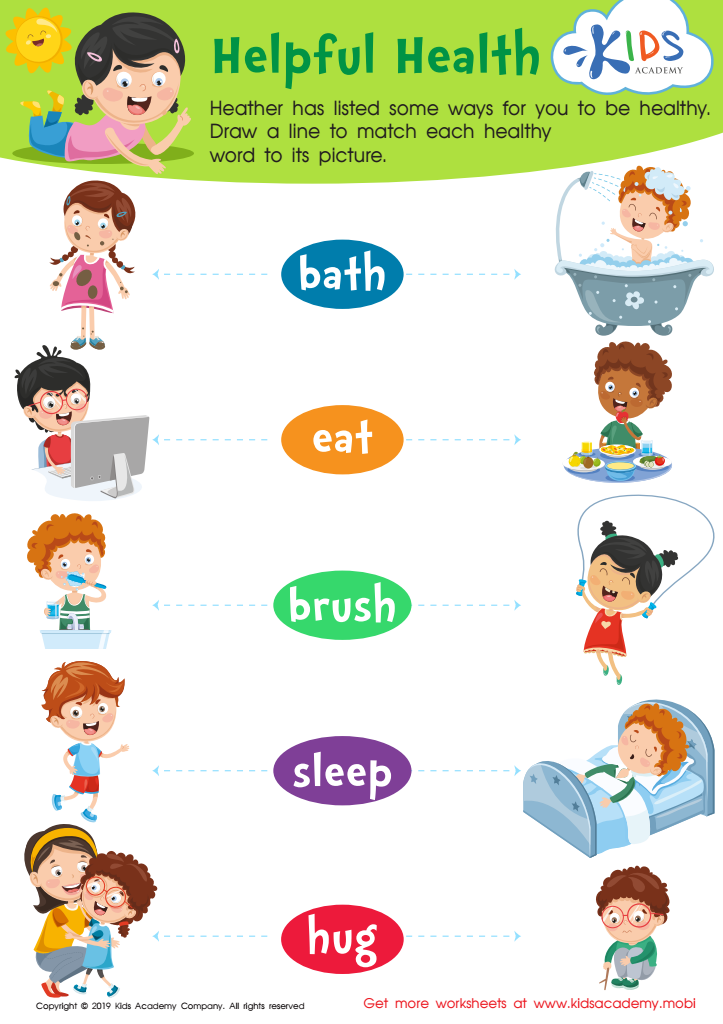
Helpful Health Worksheet
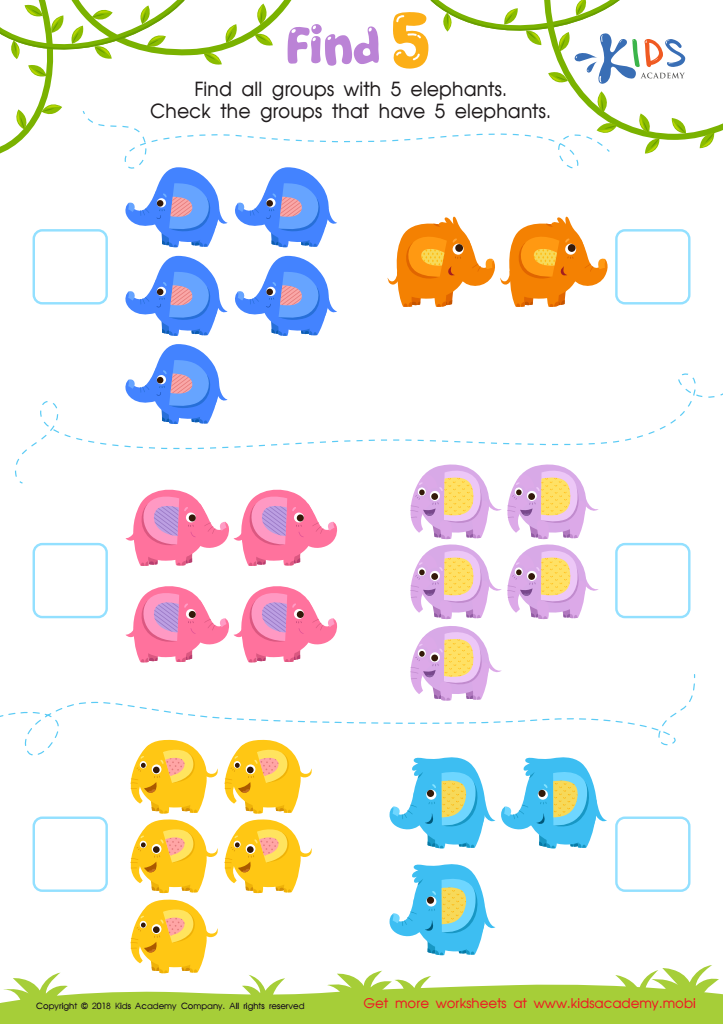
Find 5 Worksheet
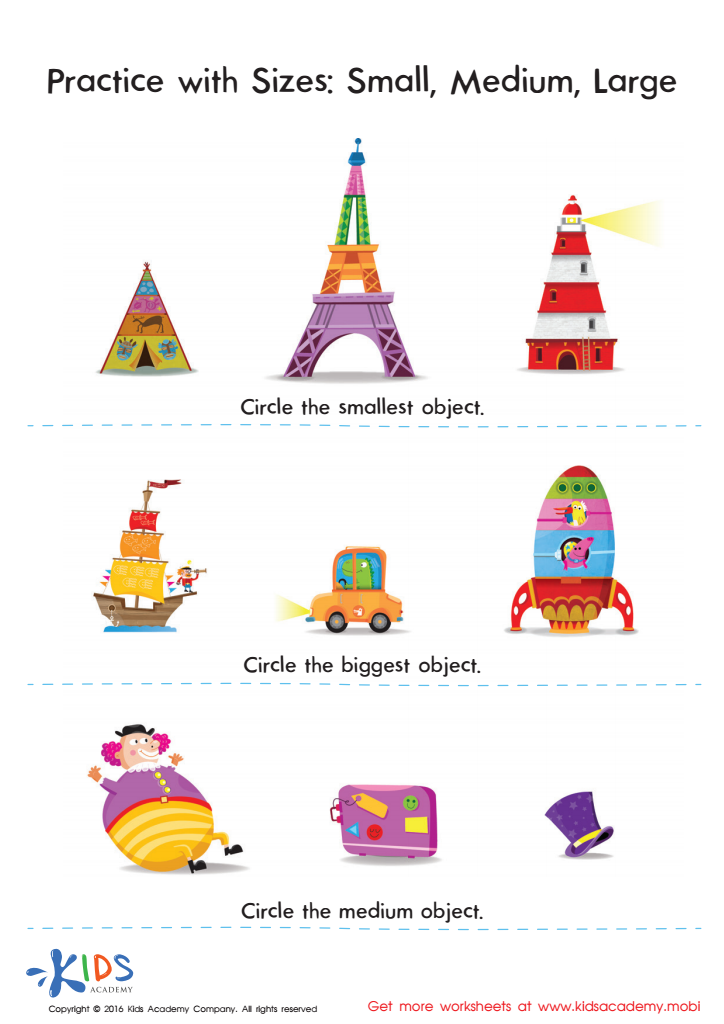







Normal Matching is a fundamental aspect of cognitive and social development for children aged 6-9, and it warrants the attention of both parents and teachers. At this stage, children are enhancing their critical thinking and problem-solving abilities, and Normal Matching plays a crucial role in building these skills. It encourages children to identify similarities and differences, fostering analytical thinking, which is essential for future learning.
Moreover, Normal Matching activities can enhance essential social skills. Children learn to collaborate, share, and communicate effectively through group activities that involve comparing and categorizing objects or ideas. This cooperative engagement promotes teamwork and empathy, foundational skills for success in both academic and personal settings.
Recognizing patterns through Normal Matching also lays the groundwork for literacy and numeracy. As children match letters to sounds or numbers to quantities, they develop skills that support reading and mathematics.
Ultimately, by incorporating Normal Matching into educational practices, parents and teachers are not only supporting academic achievement but also nurturing a well-rounded growth in social, emotional, and cognitive areas of development. Engaged parents and educators can create rich learning environments that prioritize Normal Matching activities, benefiting children's holistic development during these critical years.