Reading comprehension Normal Building Vocabulary Worksheets for Ages 6-9 - Page 2
64 filtered results
-
From - To
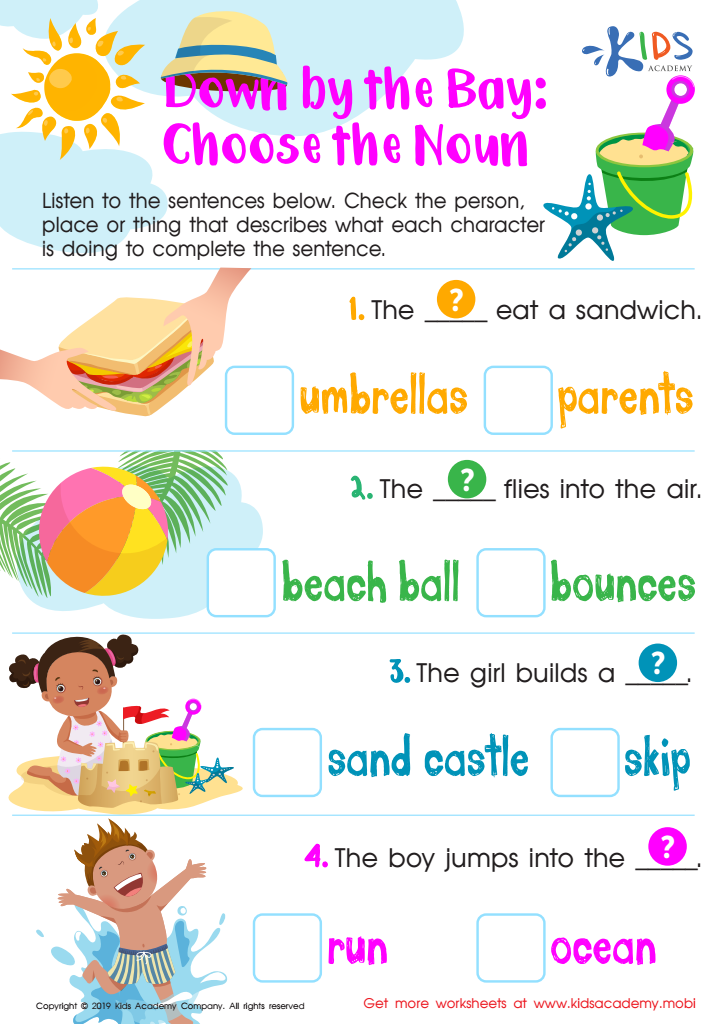
Down by the Bay: Choose the Noun Worksheet
 Assign to My Students











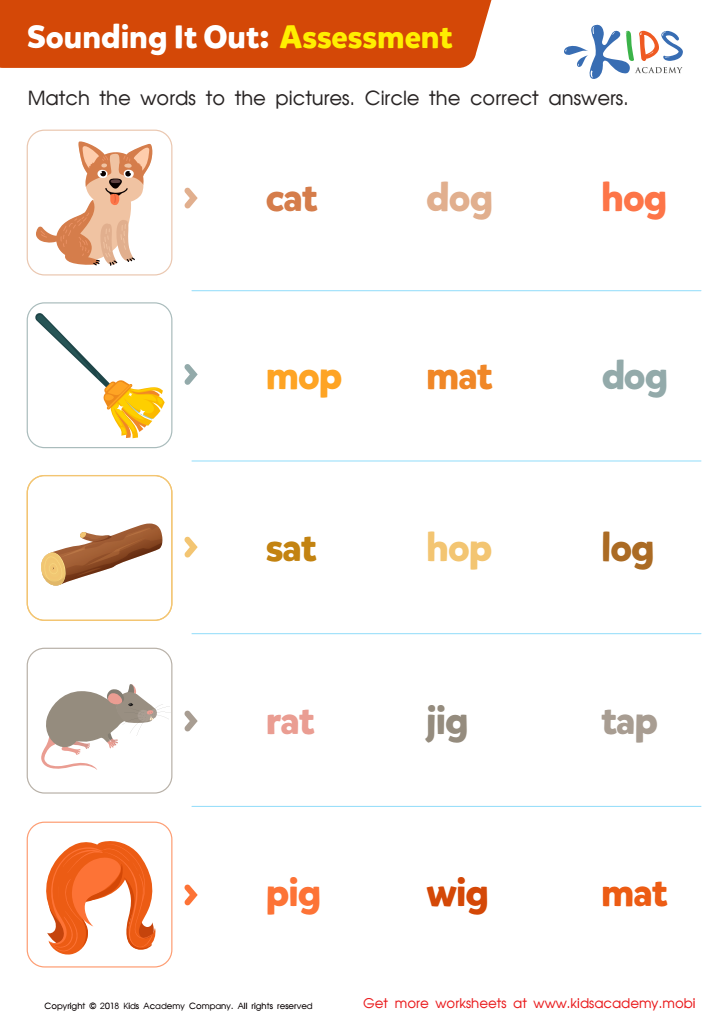
Sounding it Out: Assessment Worksheet
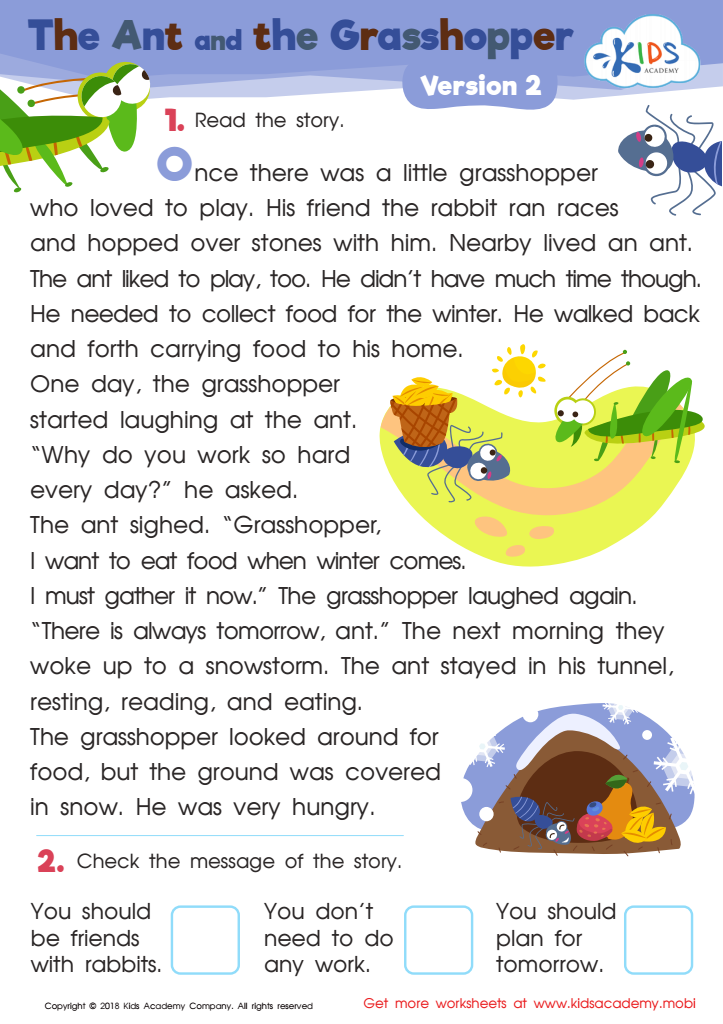
The Ant and The Grasshopper Version 2 Worksheet
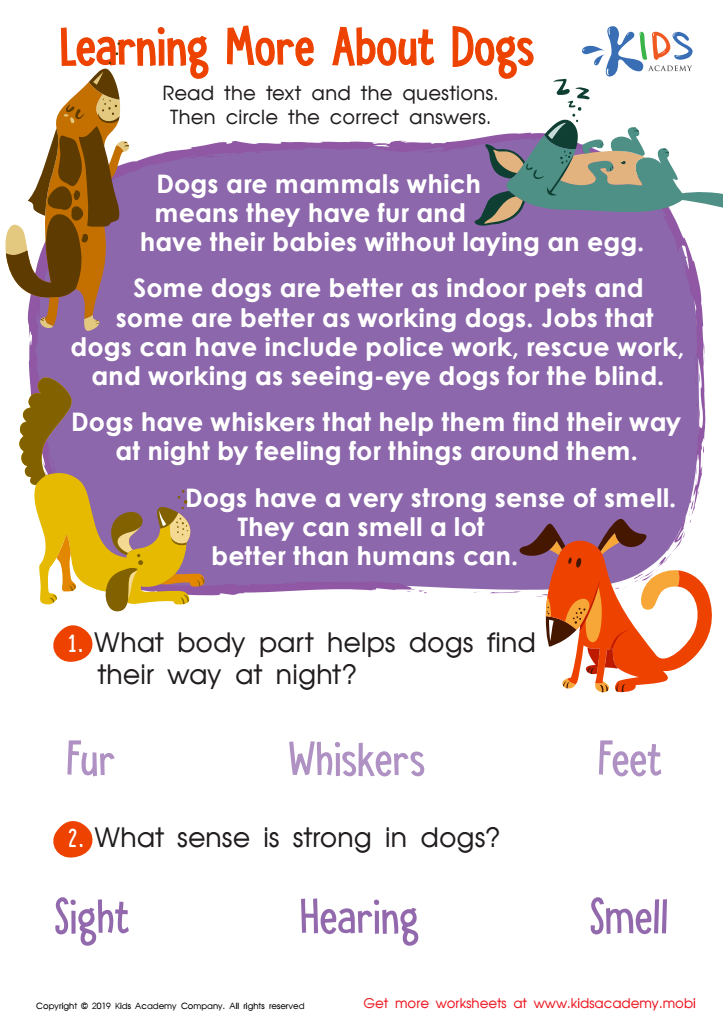
Learning More About Dogs Worksheet
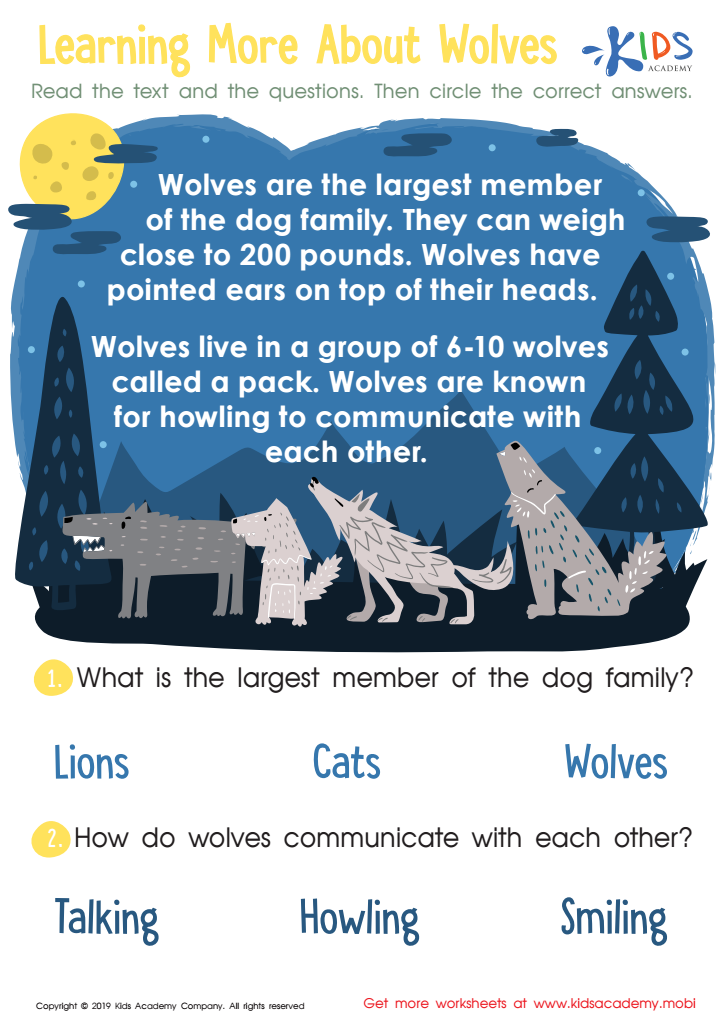
Learning More About Wolves Worksheet
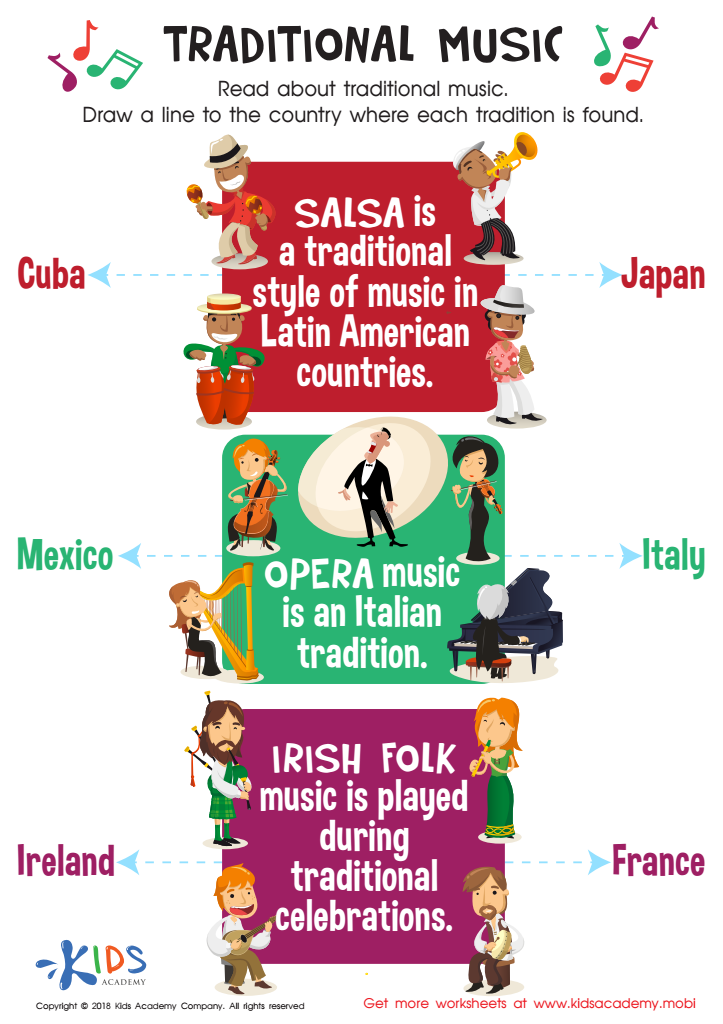
Traditional Music Worksheet
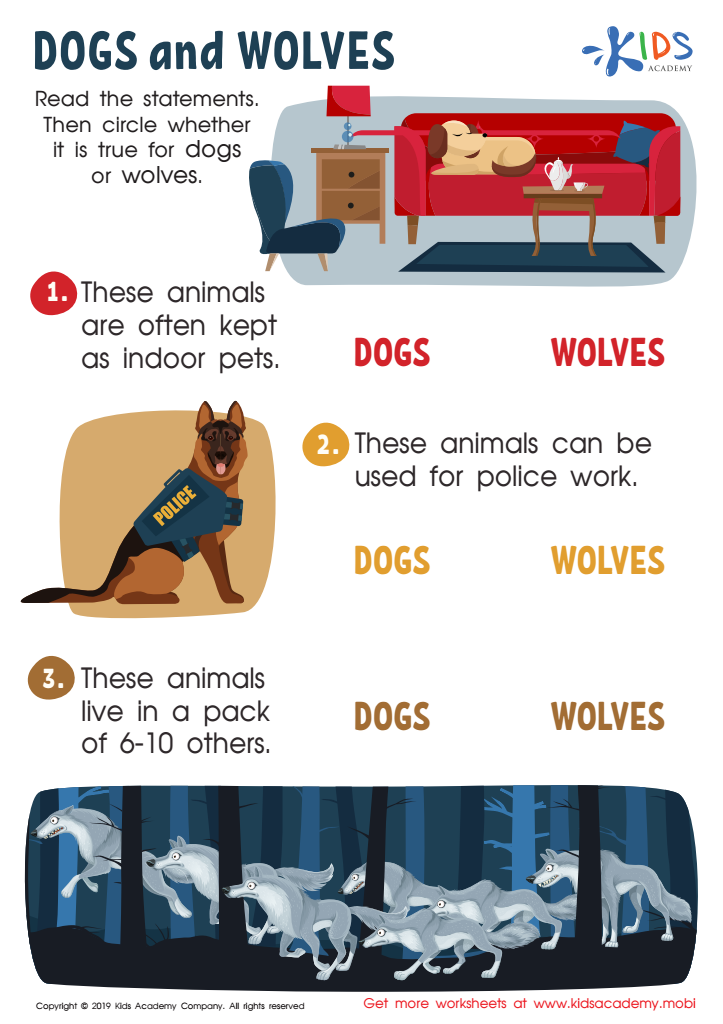
Dogs and Wolves Worksheet
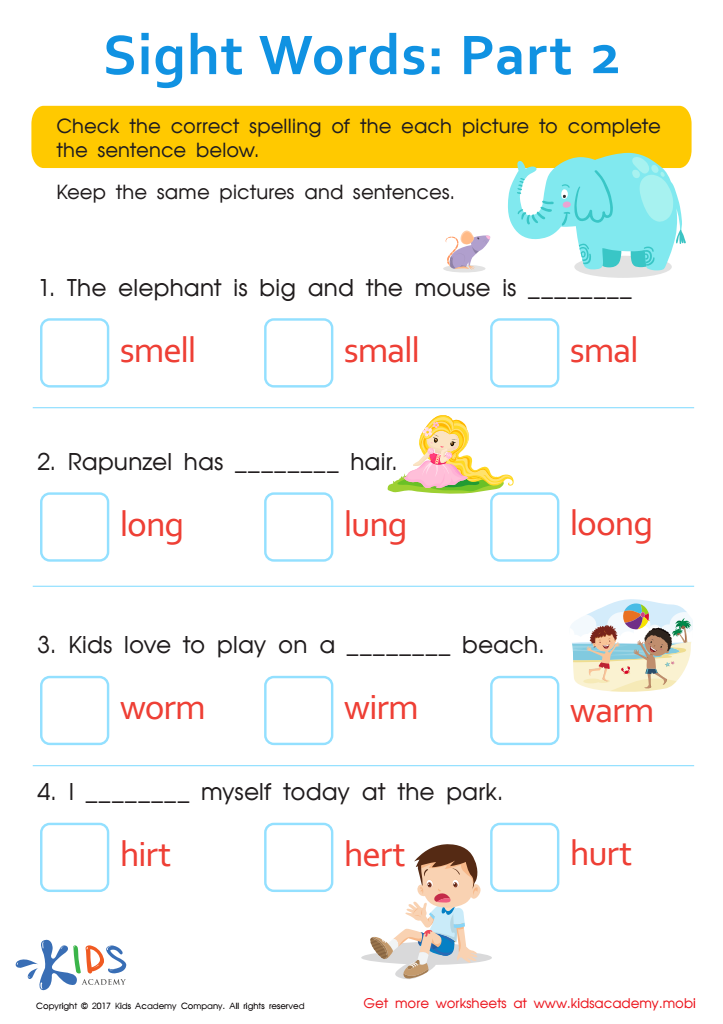
Sight Words Worksheet
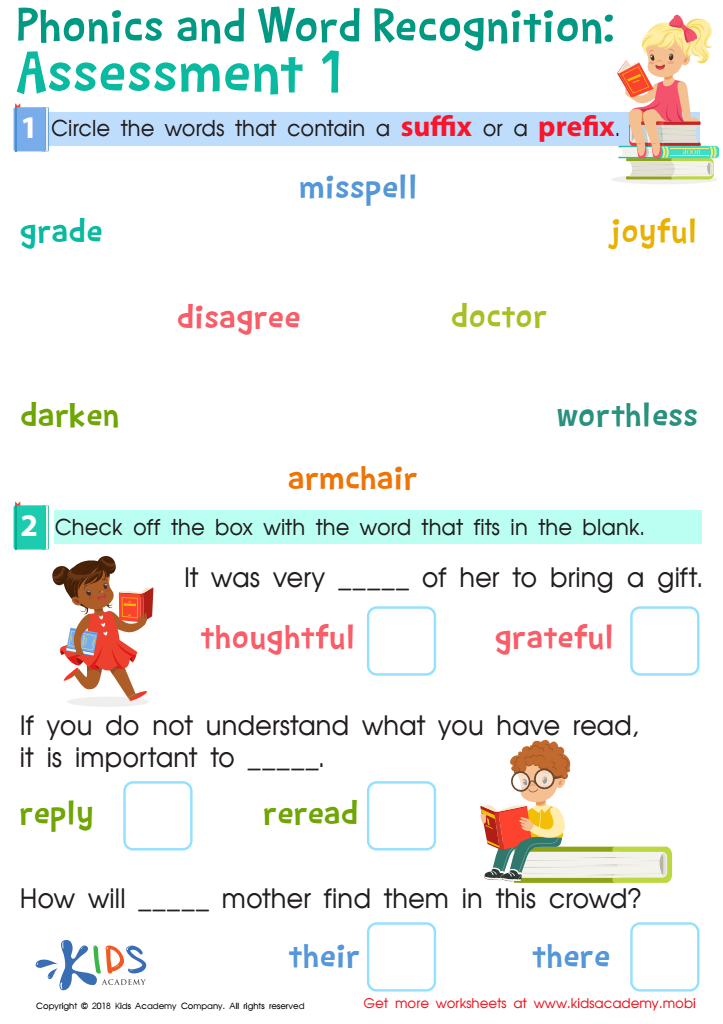
Phonics and Word Recognition: Assessment 1 Worksheet
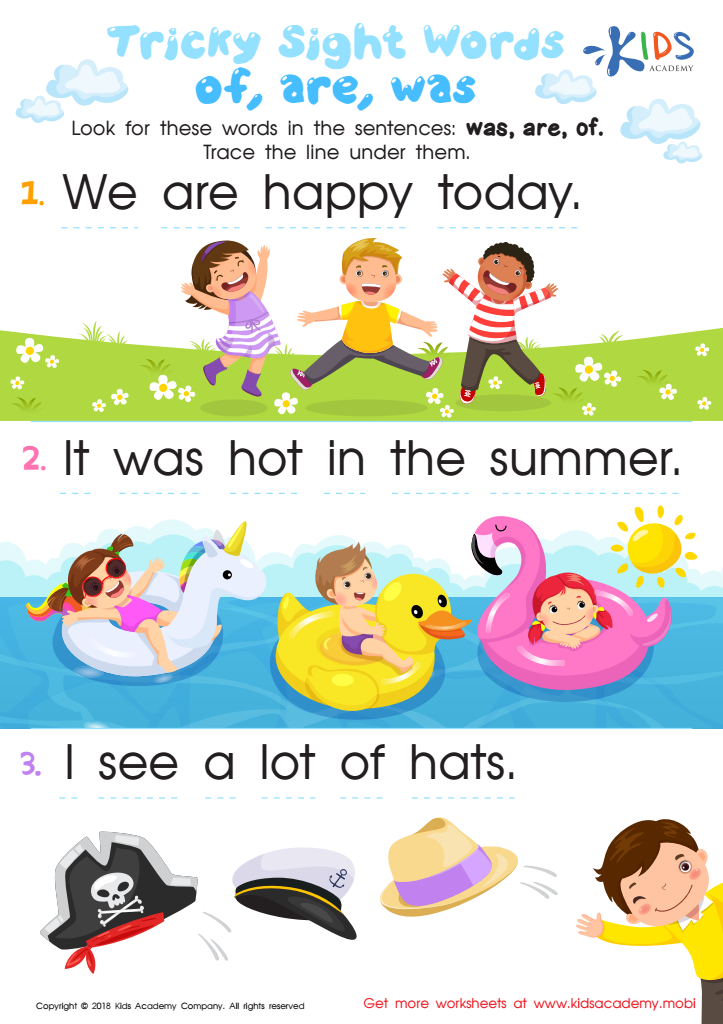
Tricky Sight Words Worksheet
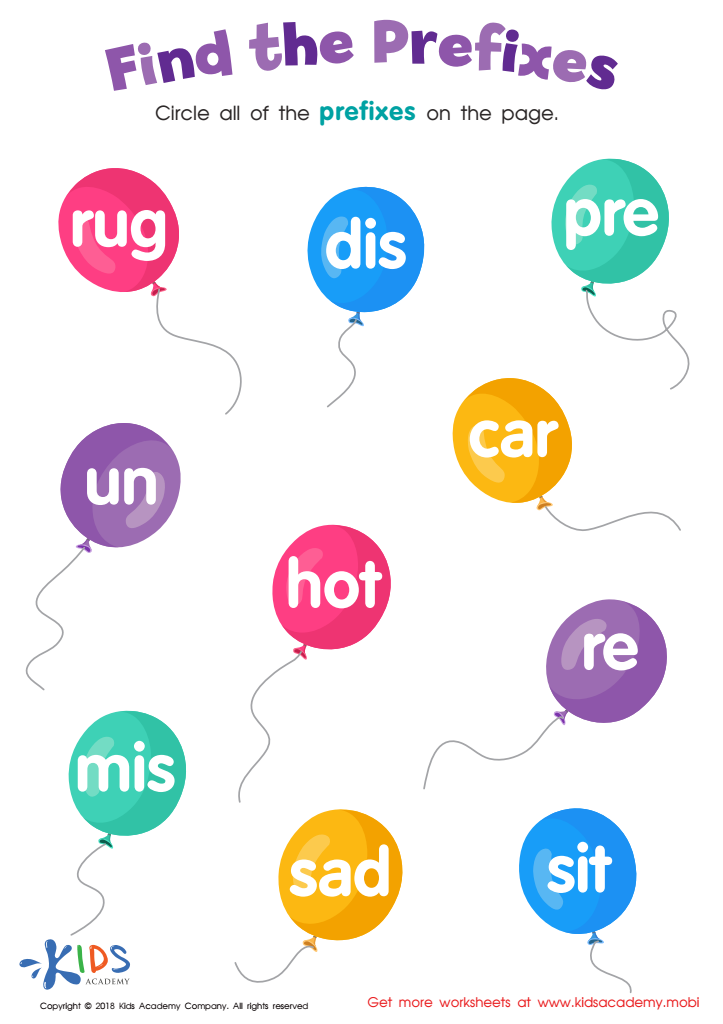
Reading: Find the Prefixes Worksheet
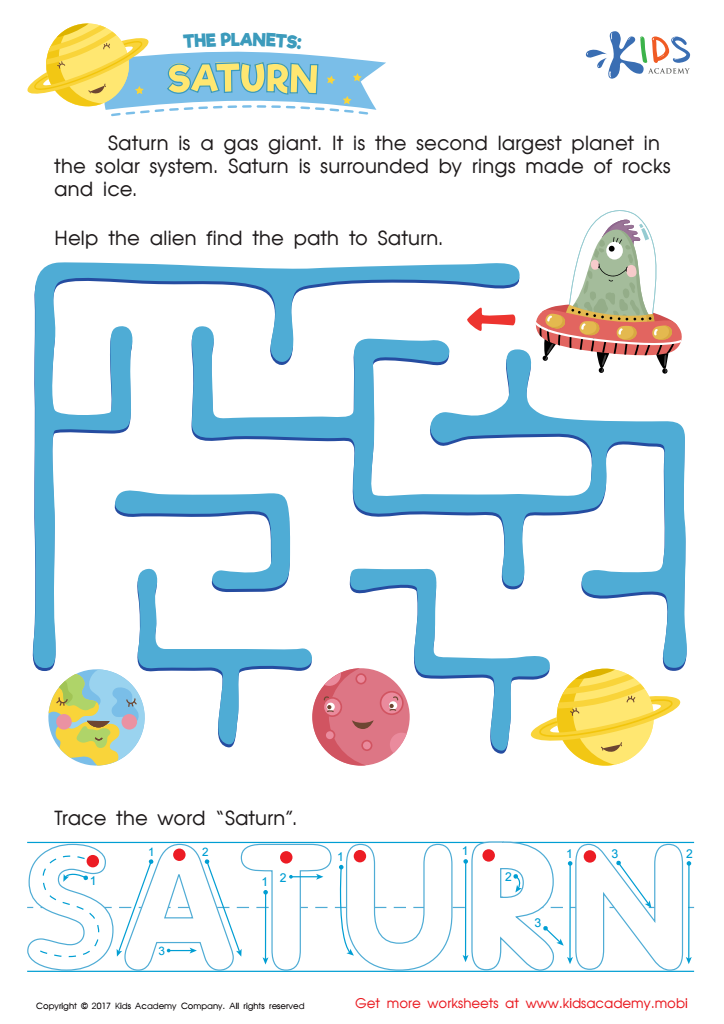
The Planets: Saturn Printable
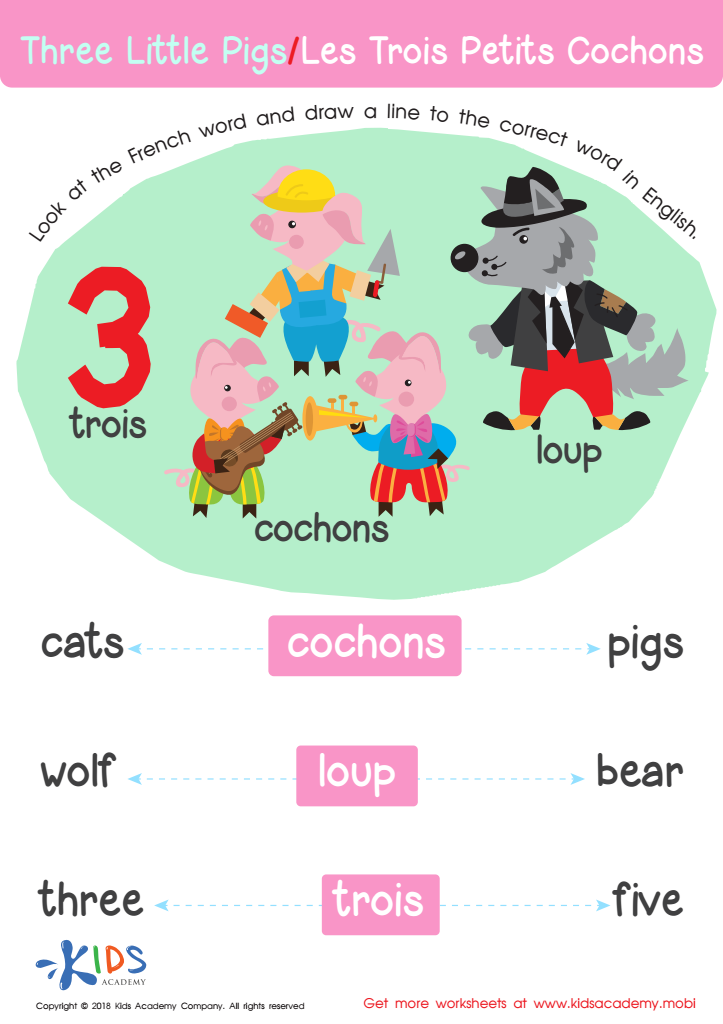
Three Little Pigs / Les Trois Petits Cochons Worksheet
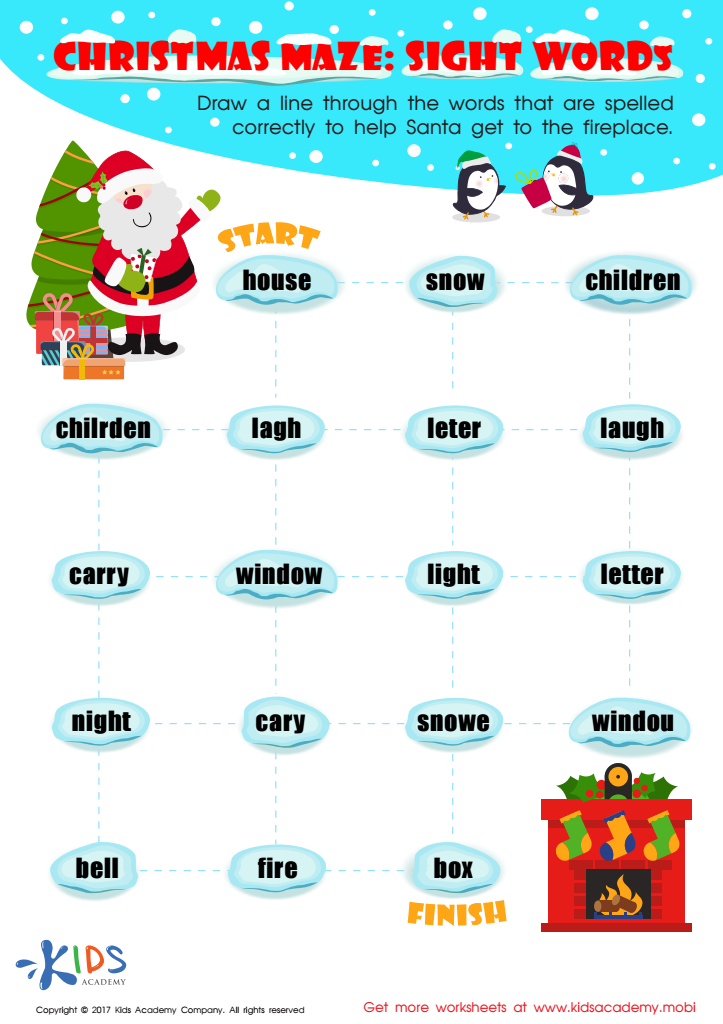
Sight Words Christmas Maze Printable
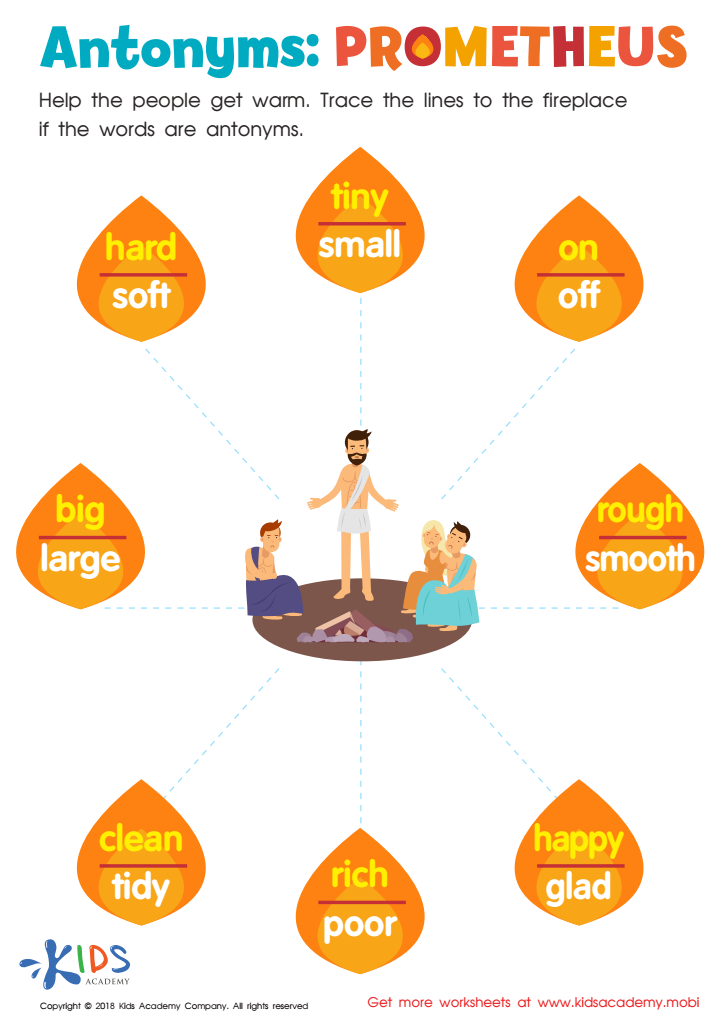
Antonyms: Prometheus Worksheet
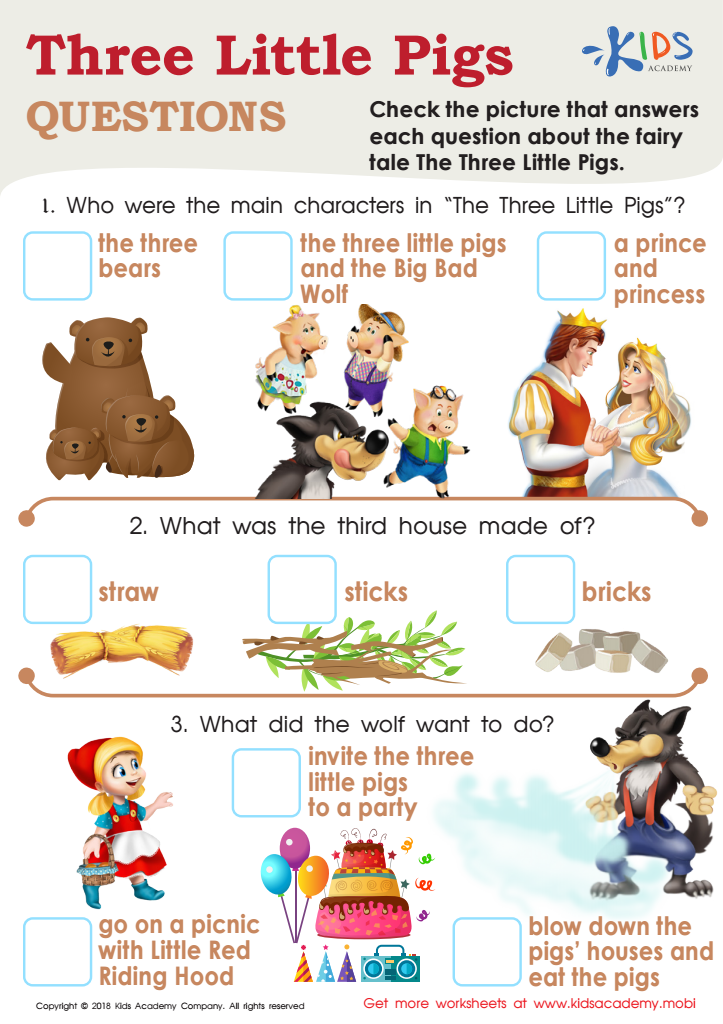
Three Little Pigs Questions Worksheet
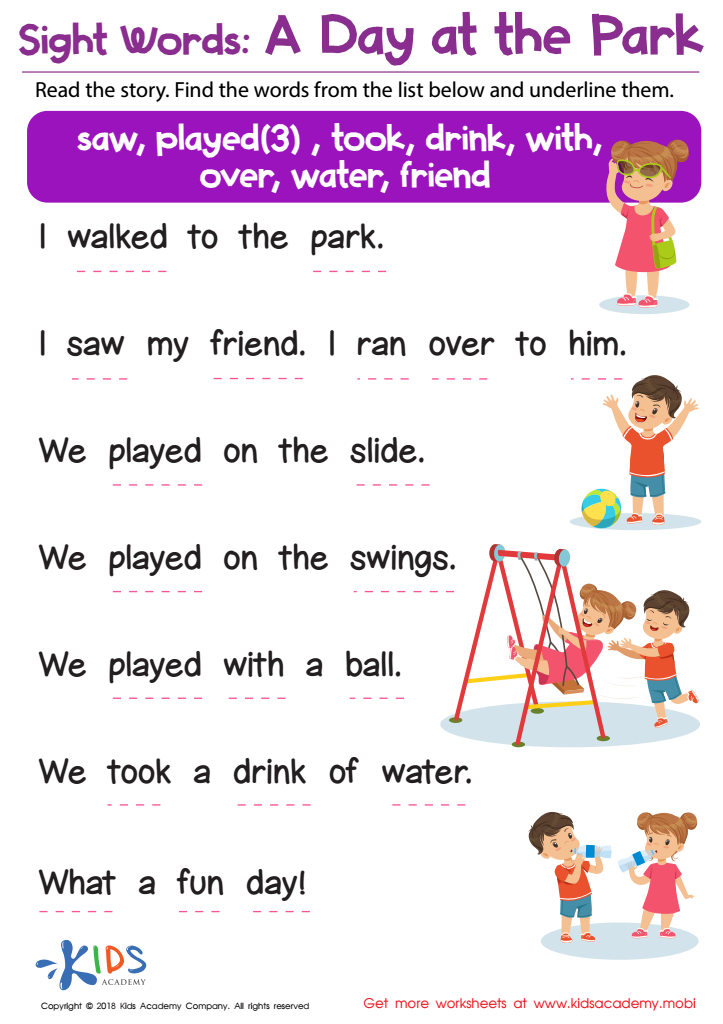
Sight Words: A Day at the Park Worksheet
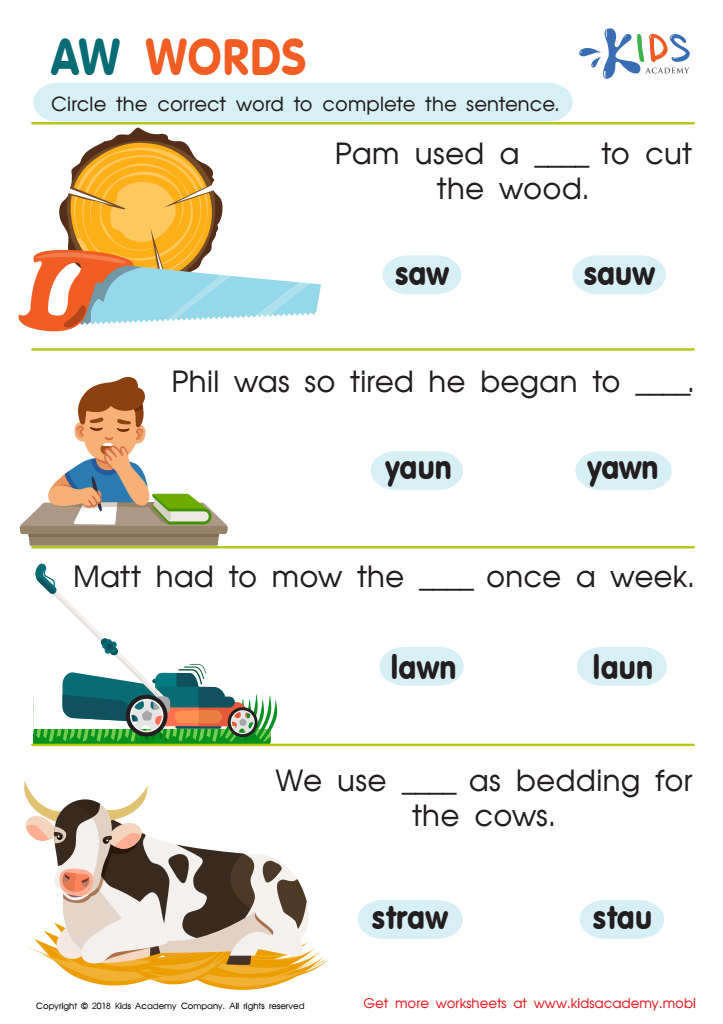
Reading: AW Words Worksheet
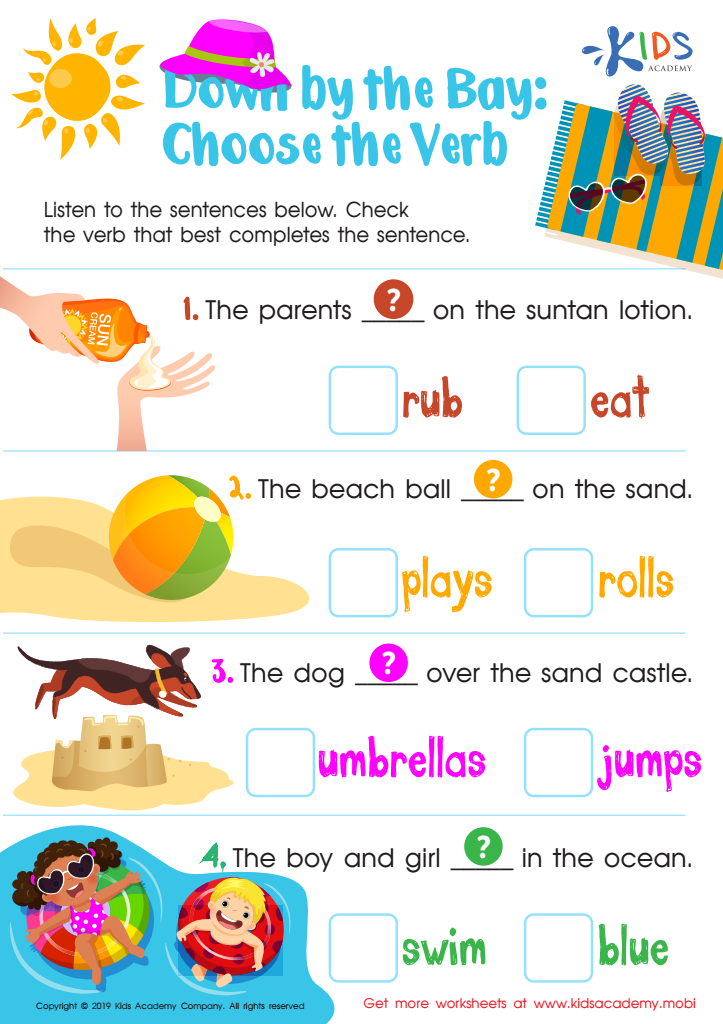
Down by the Bay: Choose the Verb Worksheet
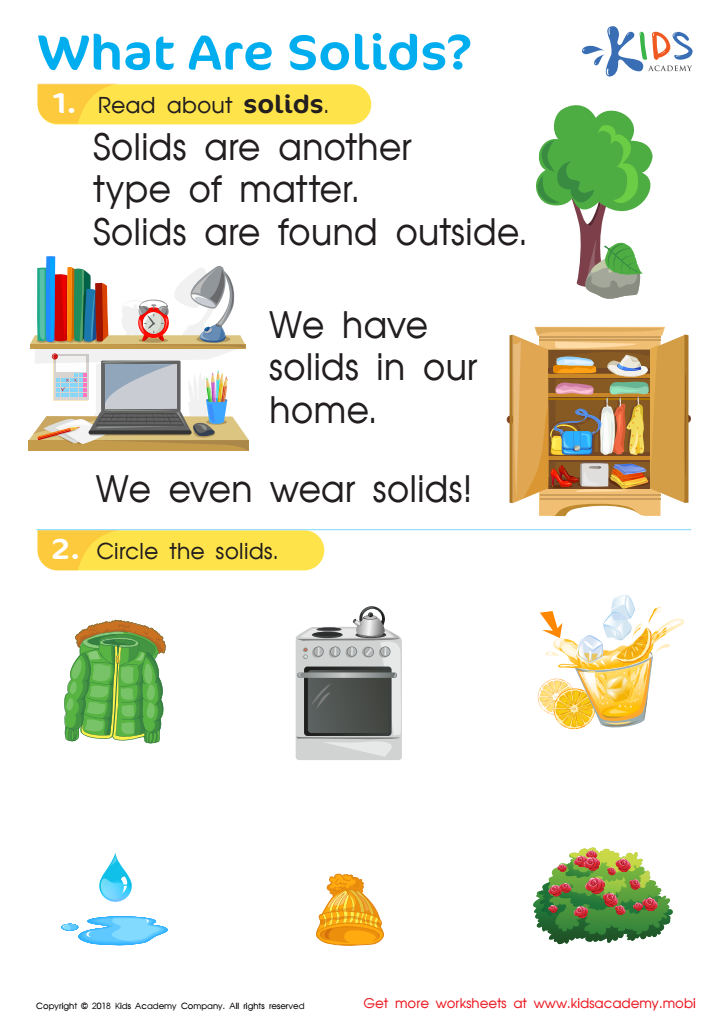
What Are Solids? Worksheet
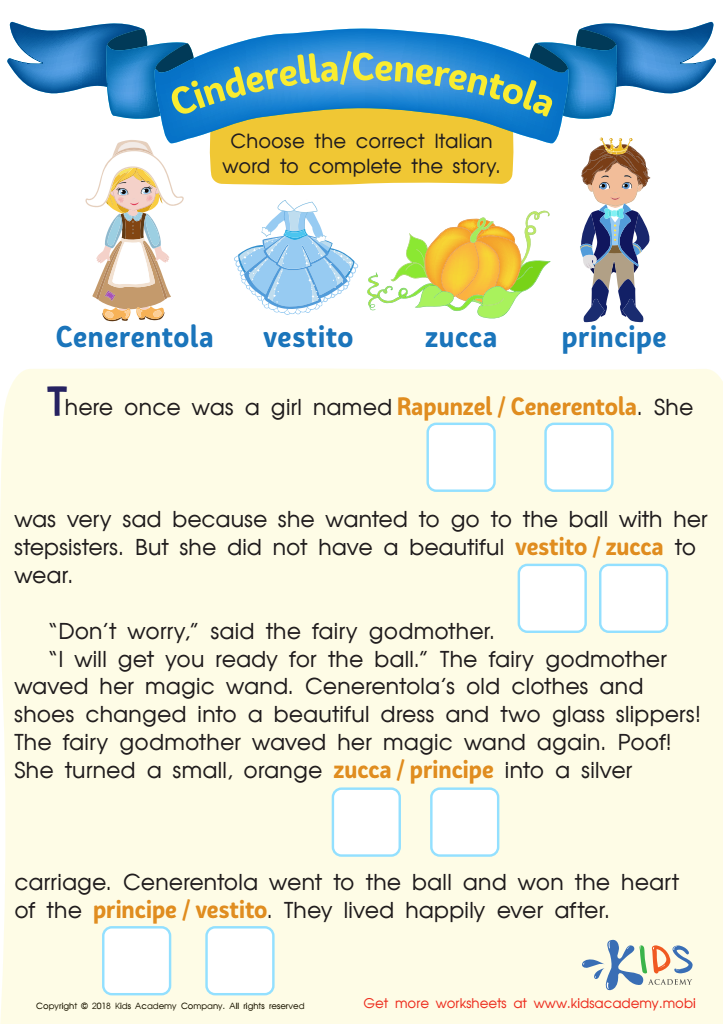
Cinderella / Cenerentola Worksheet
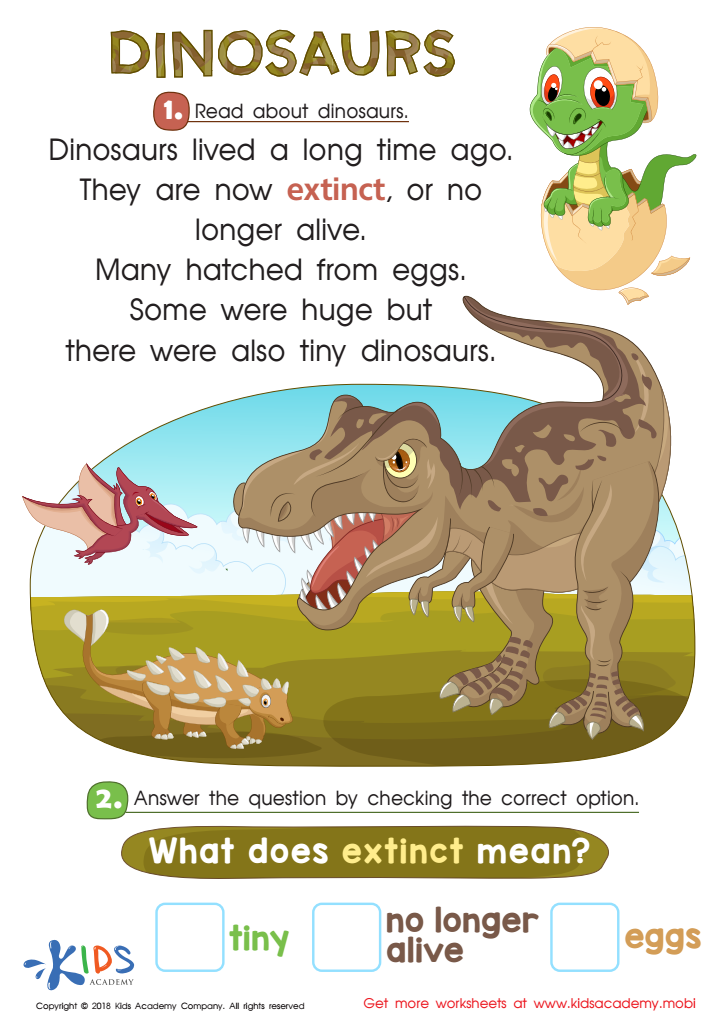
Dinosaurs Worksheet
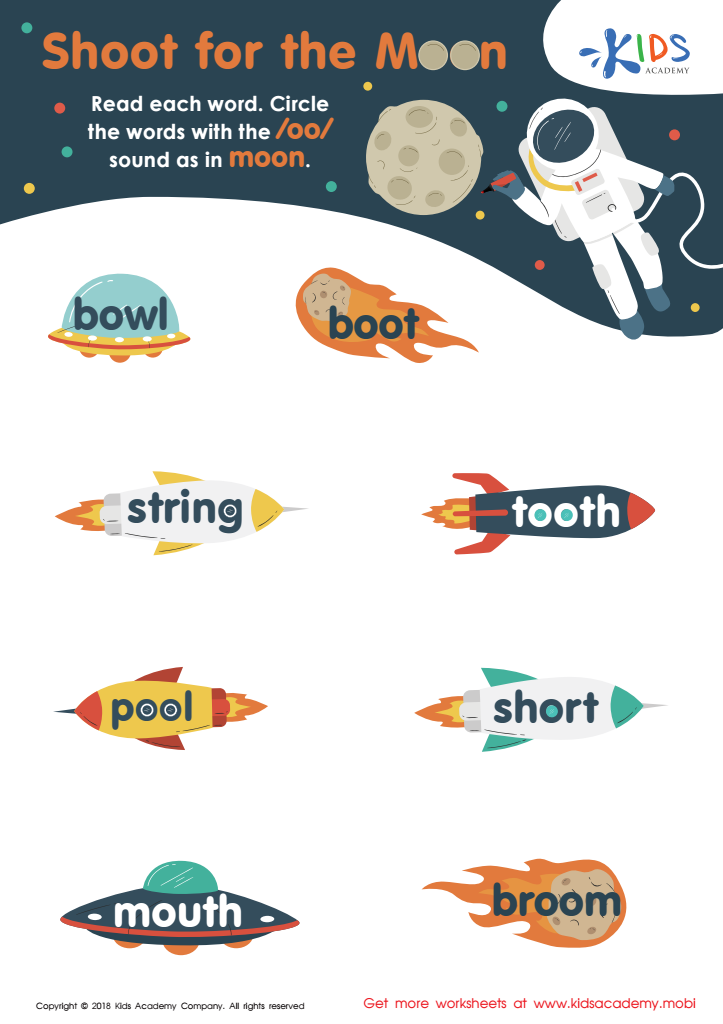
Reading: Shoot for the Moon Worksheet
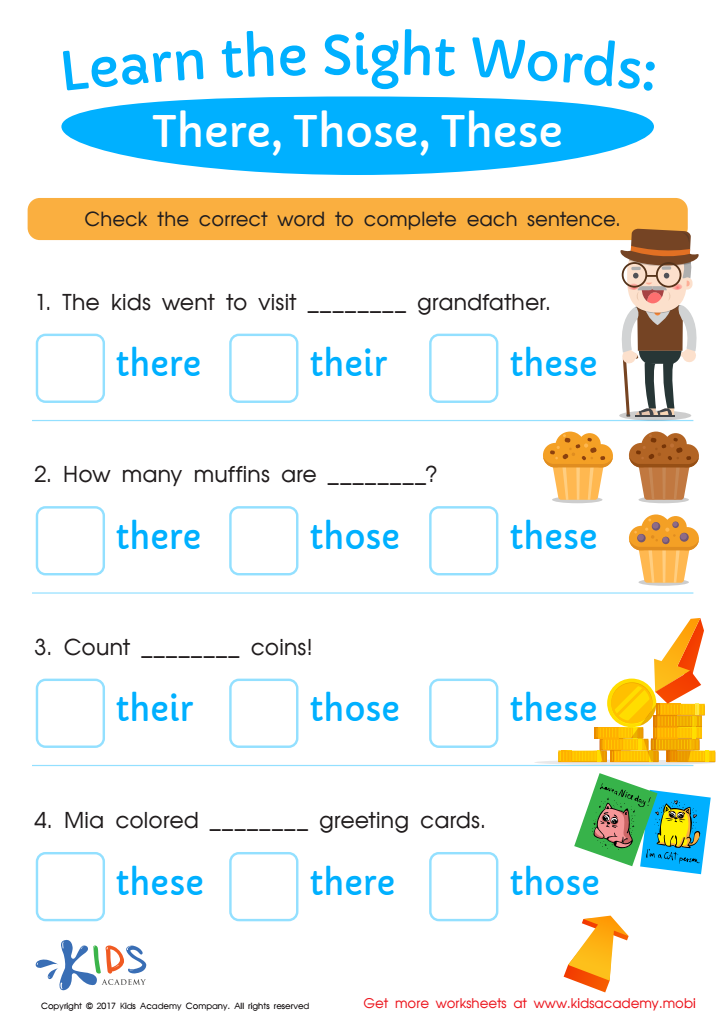
There, Those and These Sight Words Worksheet



.jpg)



Reading comprehension and vocabulary development are crucial for children aged 6-9, as they form the foundation for lifelong learning. During these formative years, children transition from learning to read to reading to learn. A strong grasp of vocabulary enhances their ability to understand texts, allowing them to engage with various subjects, from science to literature.
When children possess a robust vocabulary, they can summarize, analyze, and connect ideas more easily, leading to improved critical thinking skills. Additionally, comprehensive reading practices cultivate a love for literature, nurturing creativity and imagination.
Parents and teachers play a vital role in this developmental phase. By encouraging reading at home and integrating vocabulary-building activities in the classroom, adults can significantly improve a child's academic performance and social skills. Engaging in discussions about stories and introducing new words in context aids retention and deepens comprehension.
Moreover, strong reading skills are closely linked to overall academic success; poor reading comprehension can lead to difficulties in other subjects. Investing in vocabulary and comprehension during these years ensures that children are not only ready for future educational challenges but also equipped with the tools to express themselves clearly and competently in both academic and everyday settings.








