Reading comprehension Normal Reading Worksheets for Ages 6-9 - Page 3
161 filtered results
-
From - To
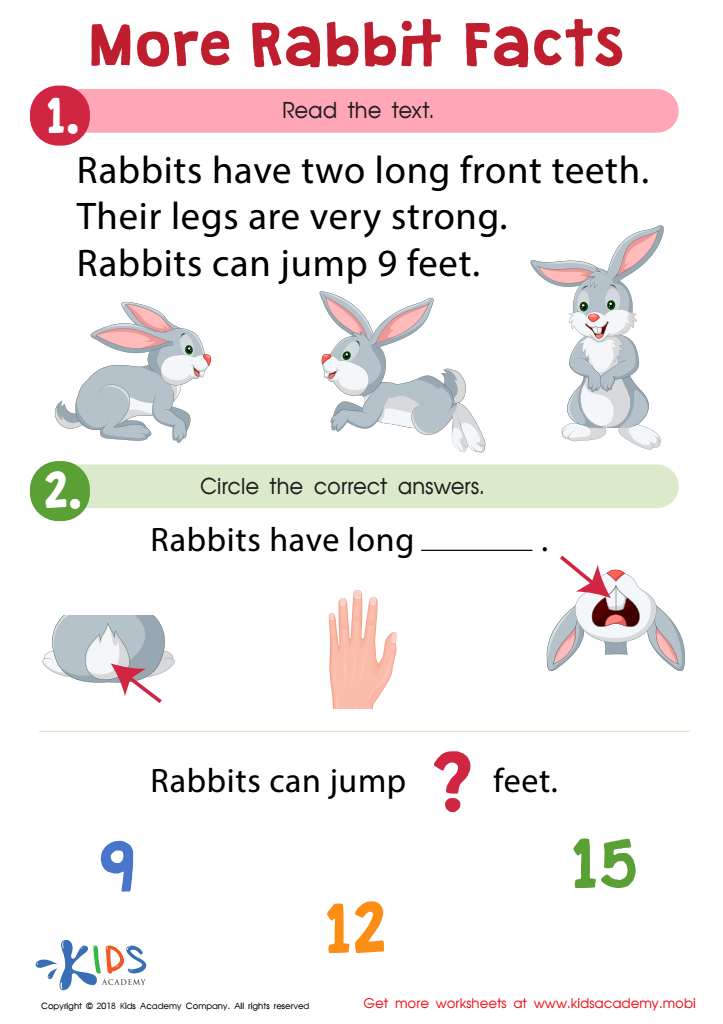
More Rabbit Facts Worksheet
 Assign to My Students
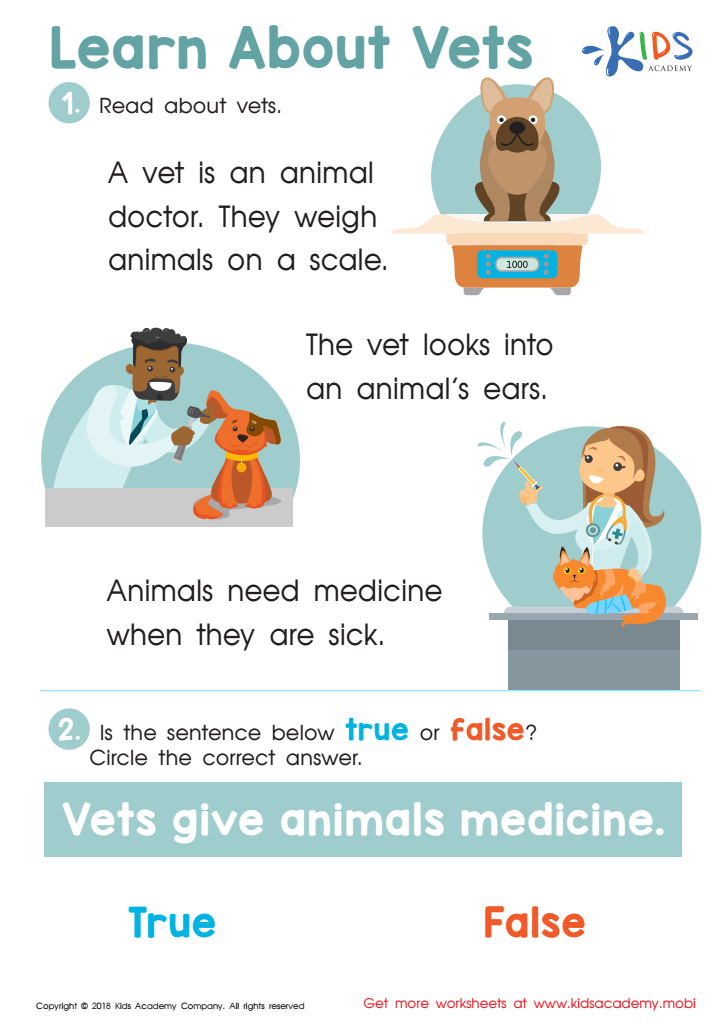
Learn About Vets Worksheet
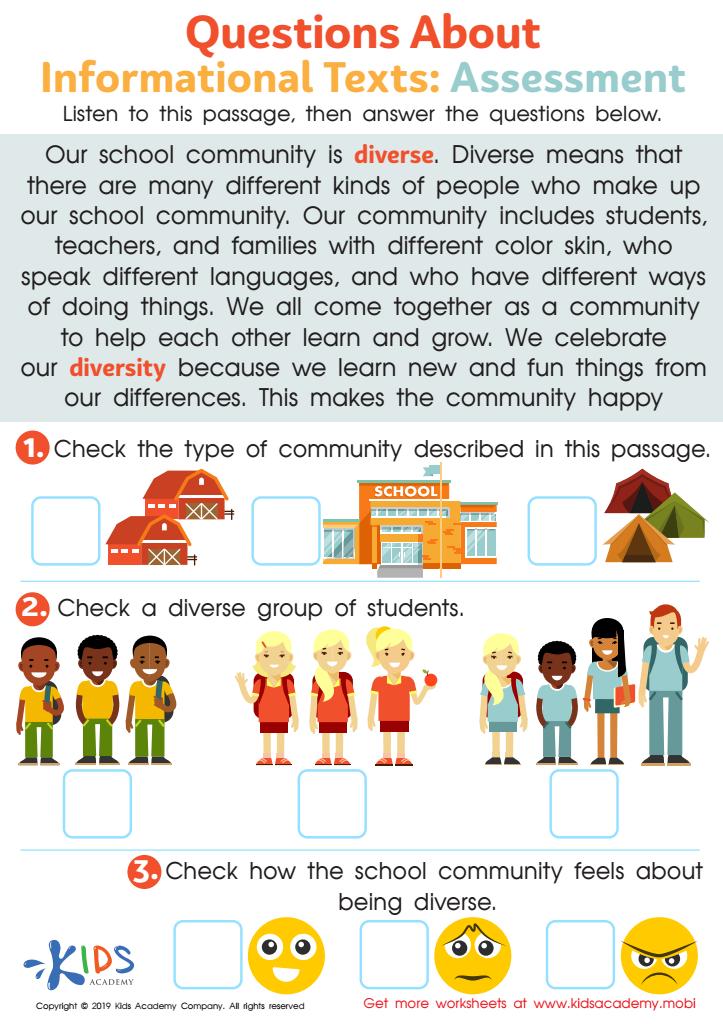
Questions About Informational Texts: Assessment 1 Worksheet
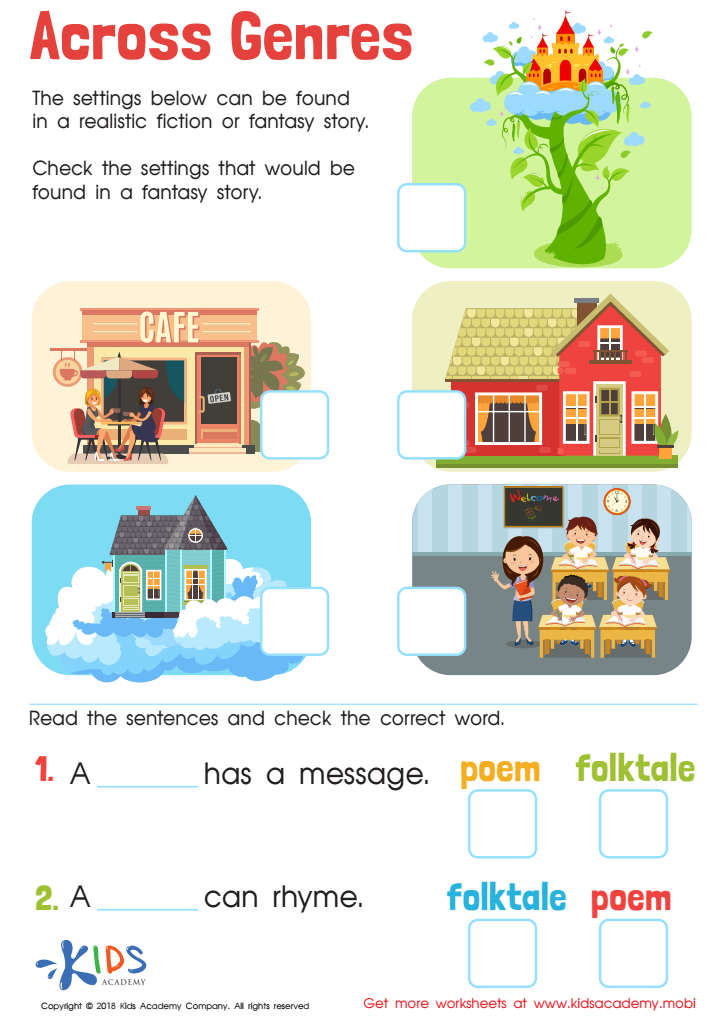
Across Genres Worksheet
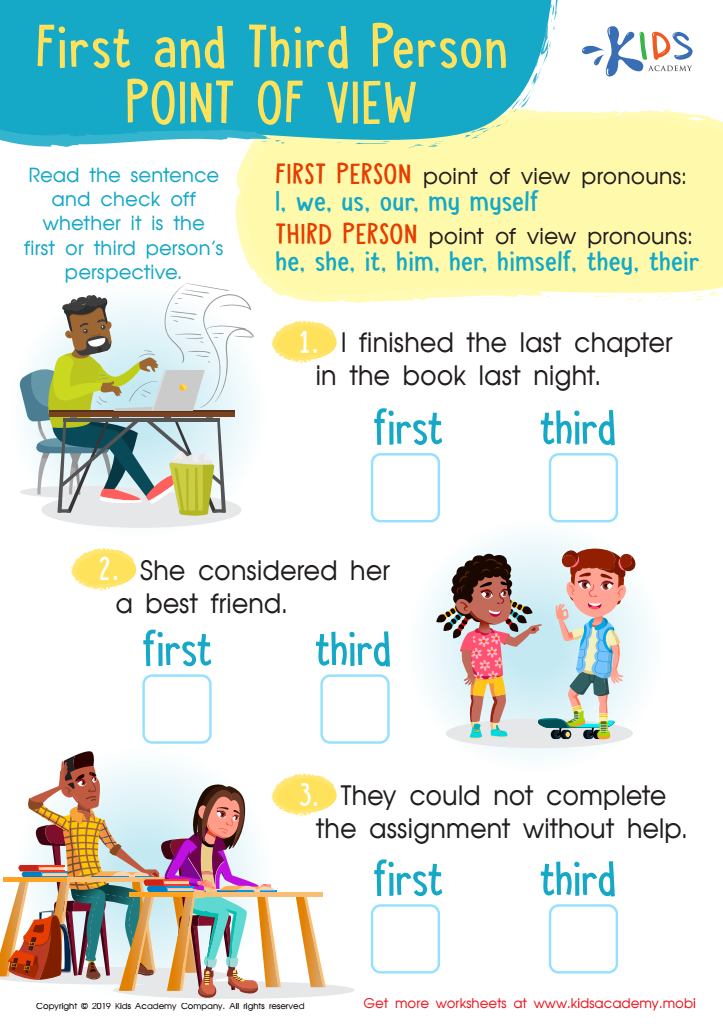
First and Third Person Point of View Worksheet
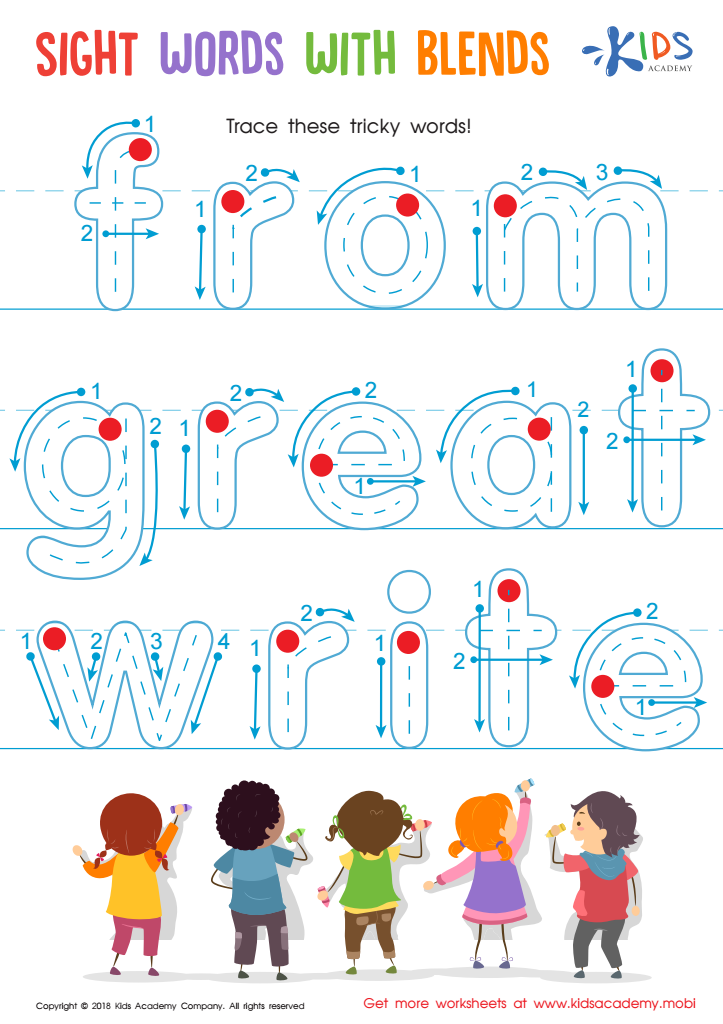
Sight Words with Blends Worksheet
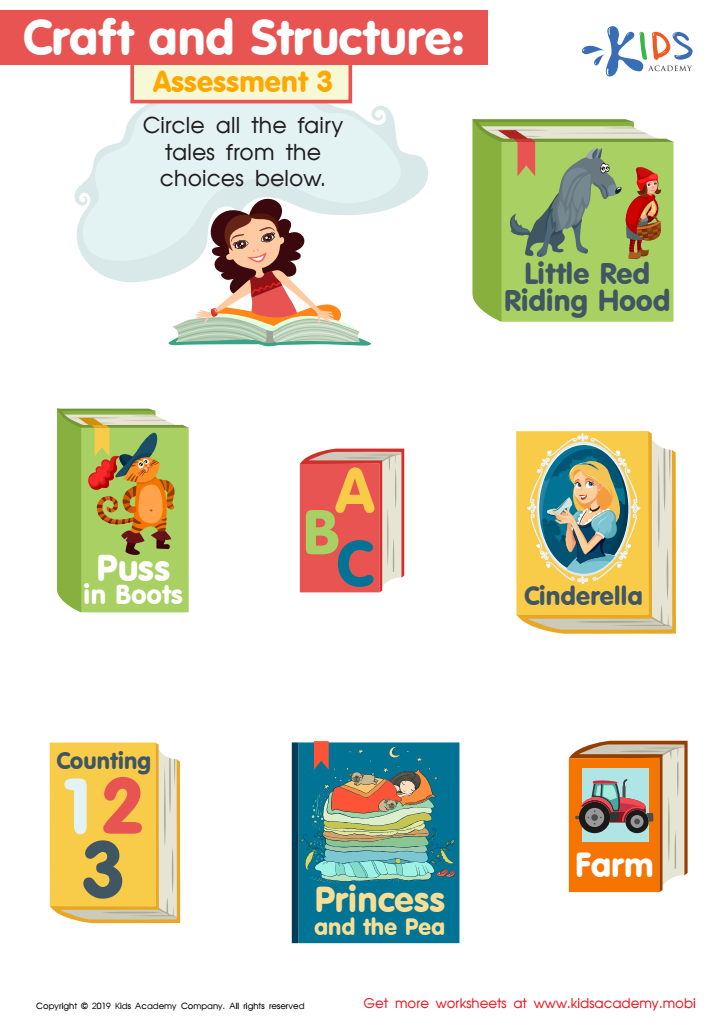
Craft and Structure: Assessment 3 Worksheet
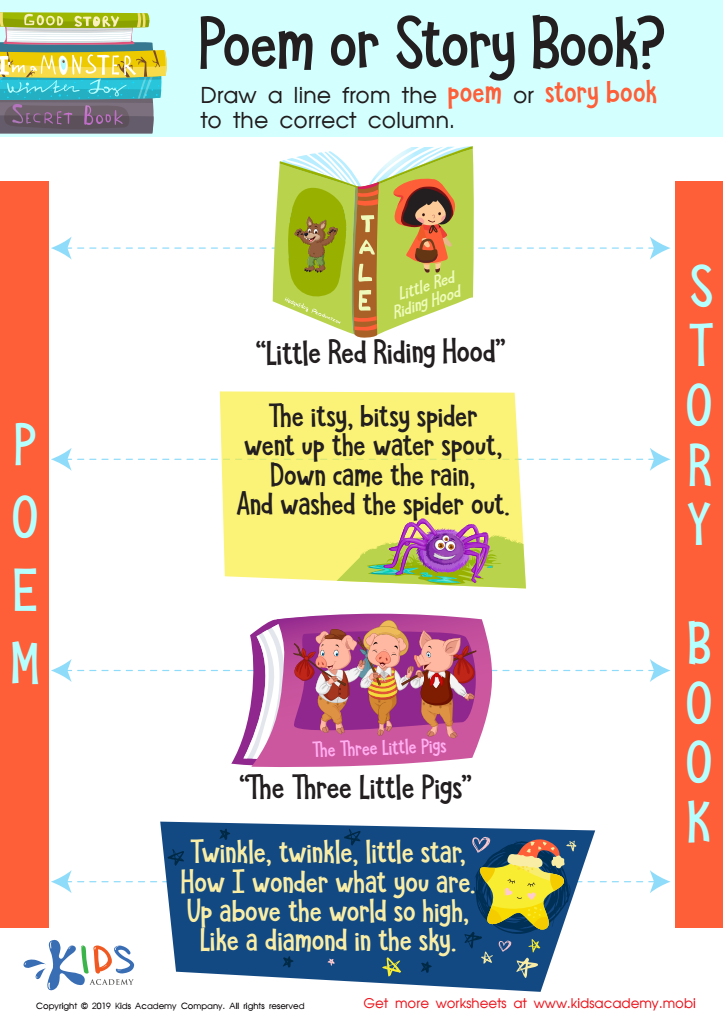
Poem or Story Book? Worksheet
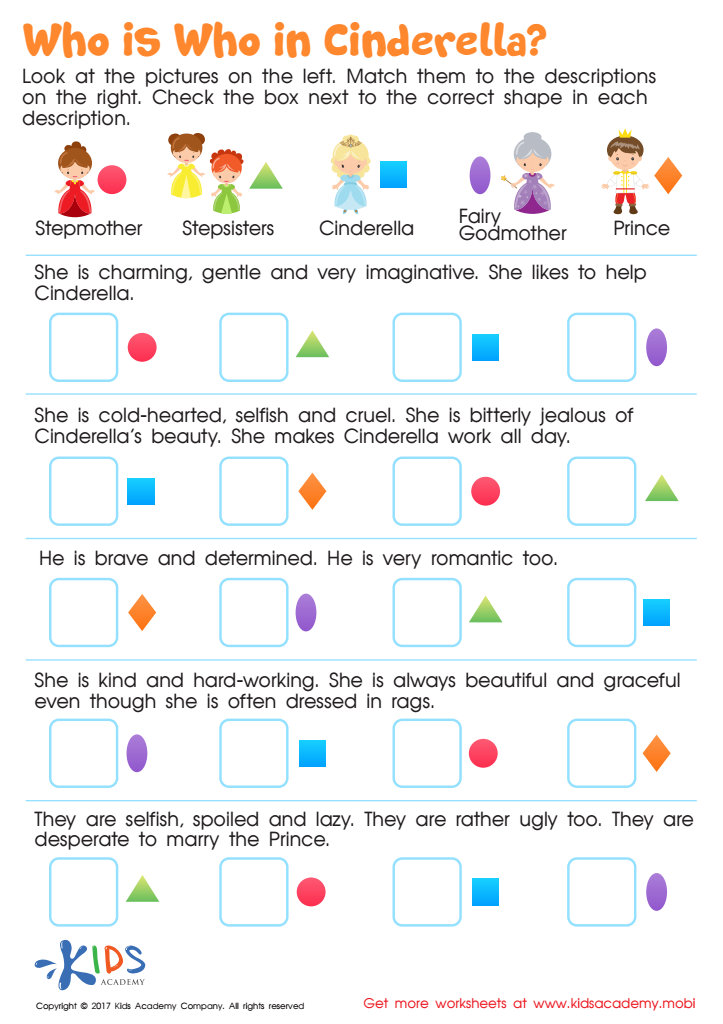
Cinderella Comprehension Worksheet
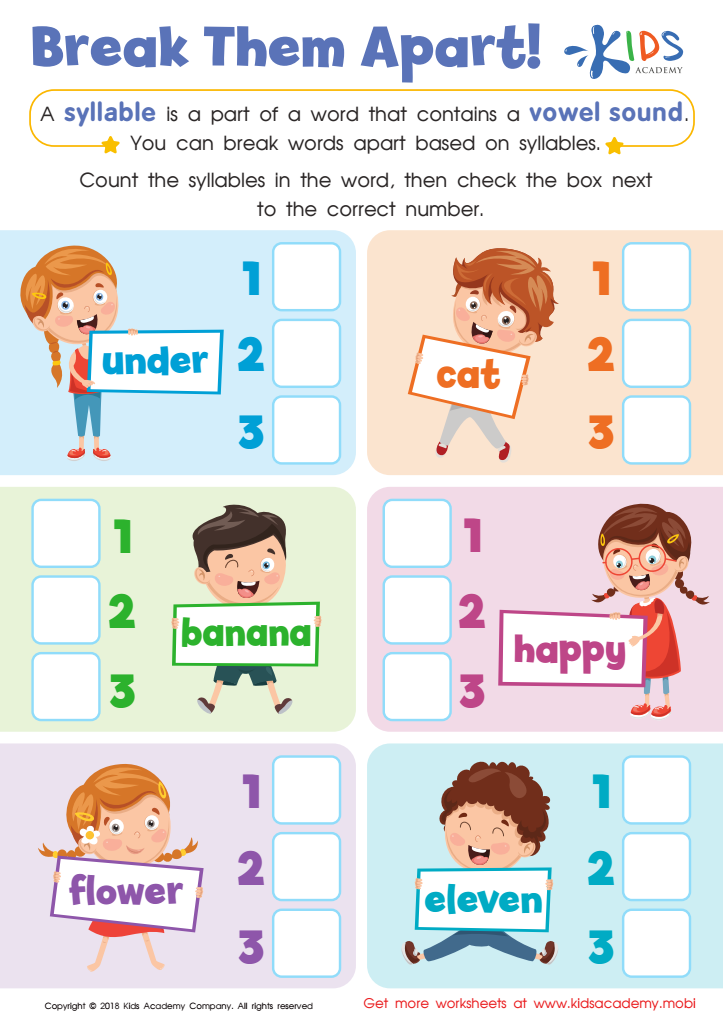
Reading: Break Them Apart Worksheet
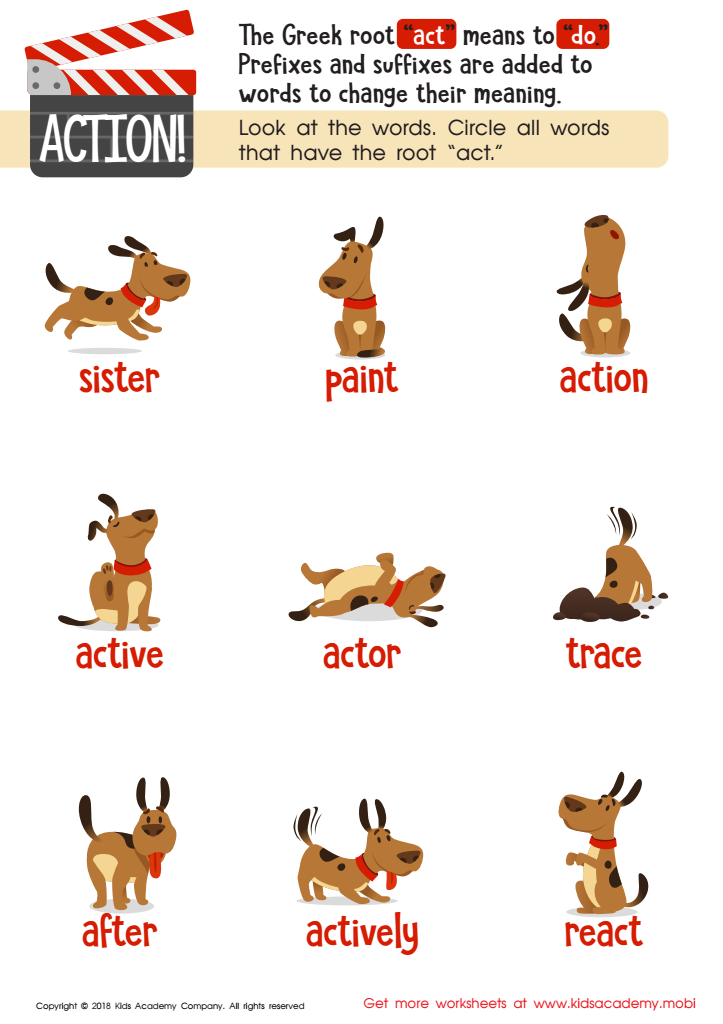
Action! Worksheet
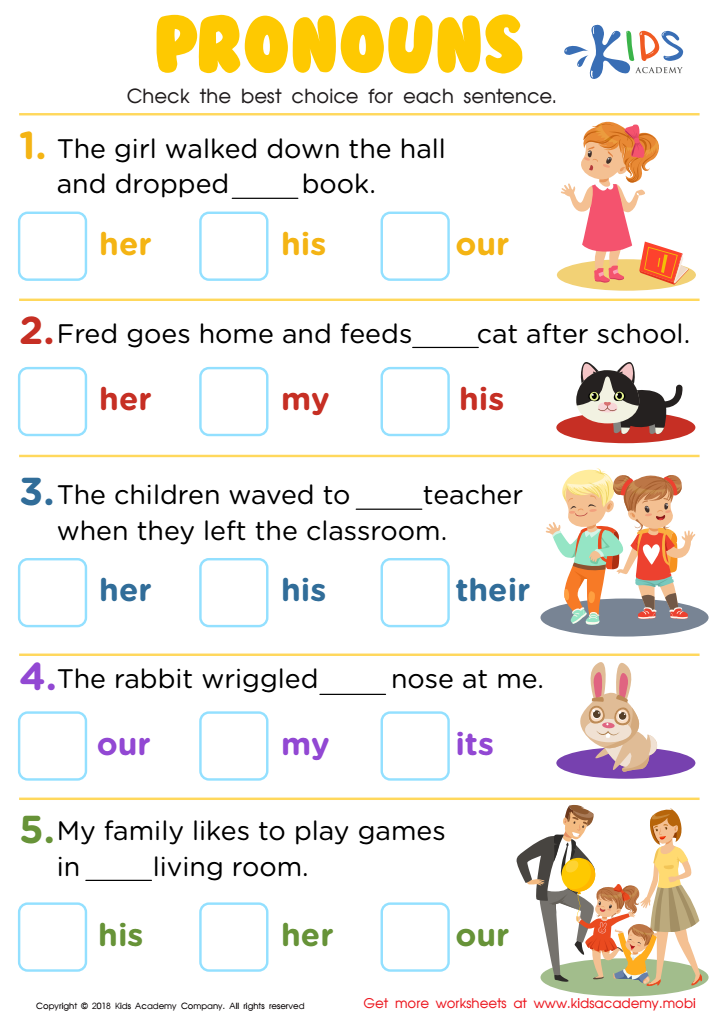
Pronouns Worksheet
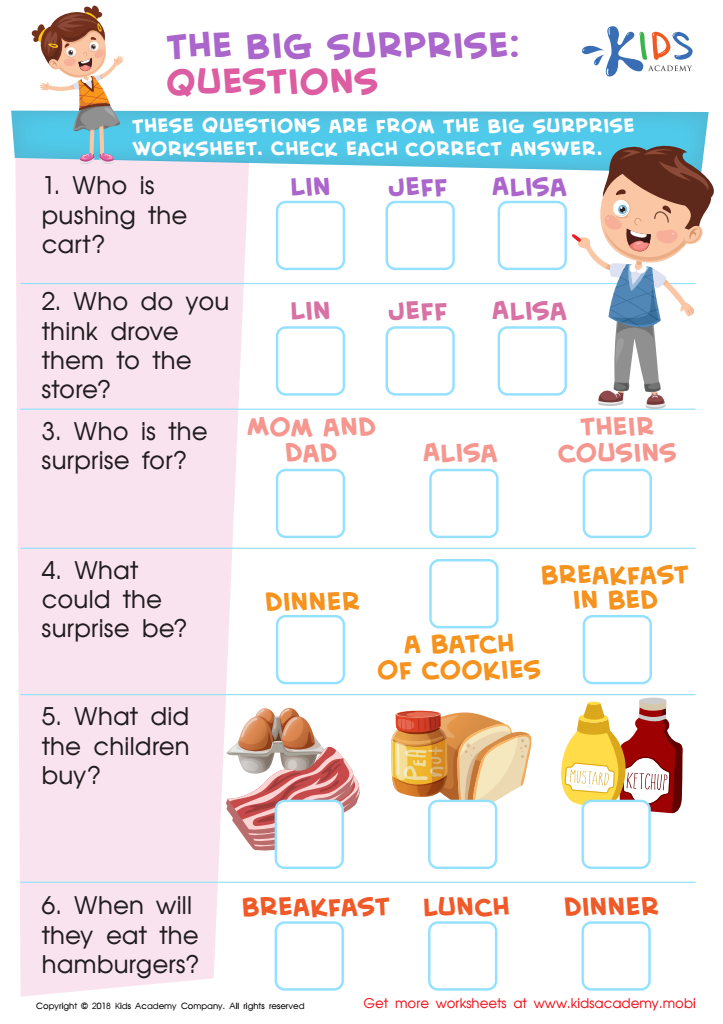
The Big Surprise: Questions Worksheet
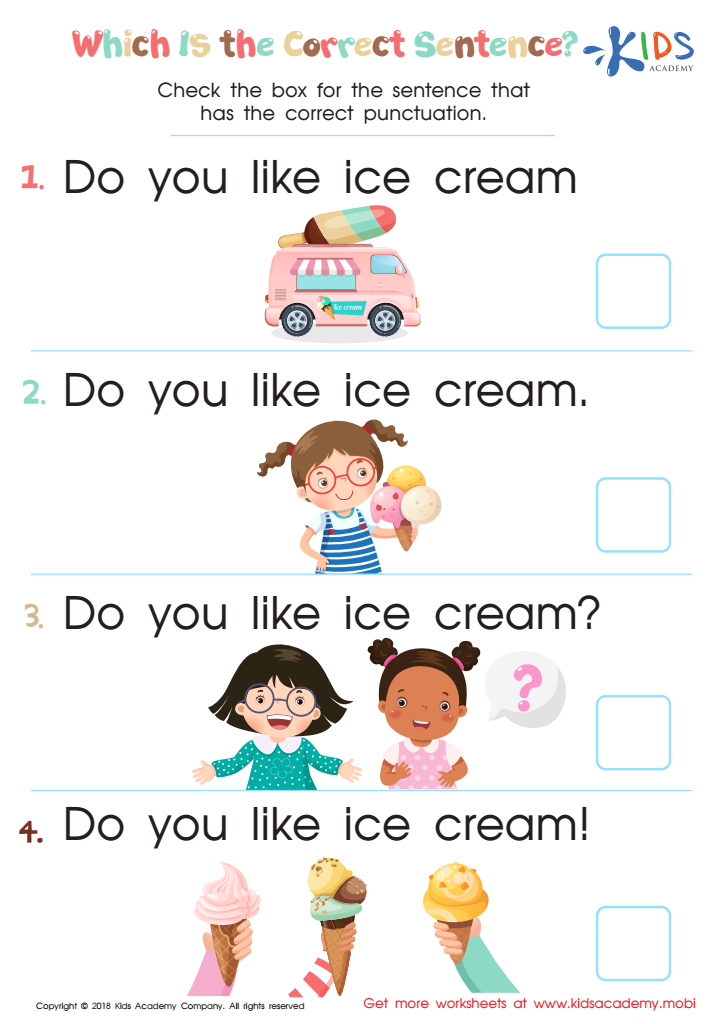
Which is the Correct Sentence? Worksheet
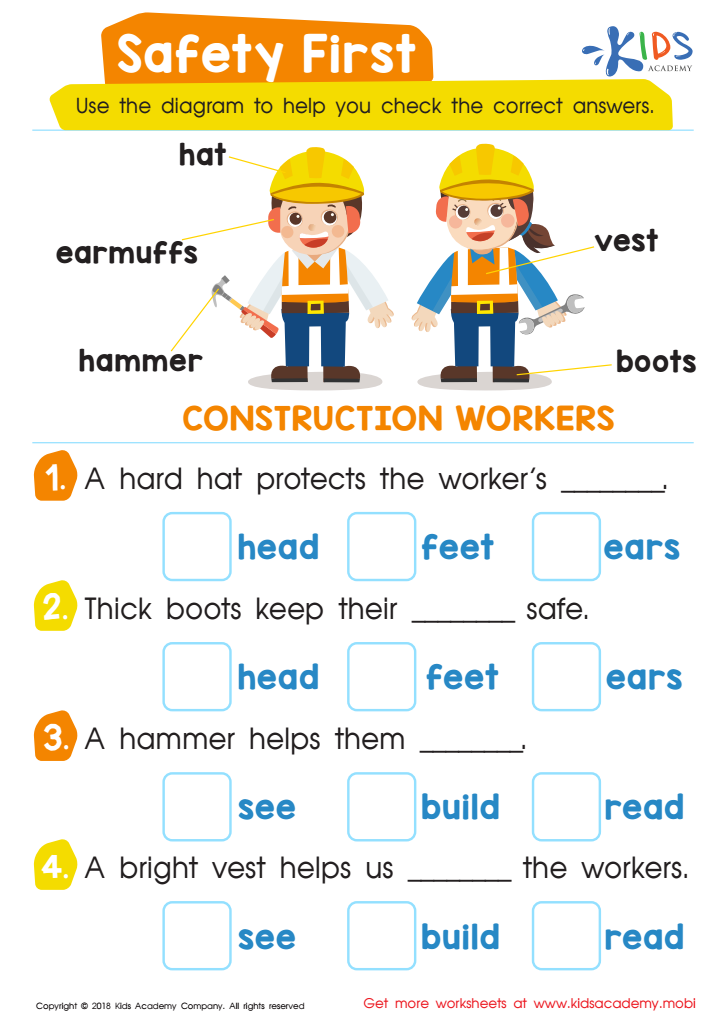
Safety First Worksheet
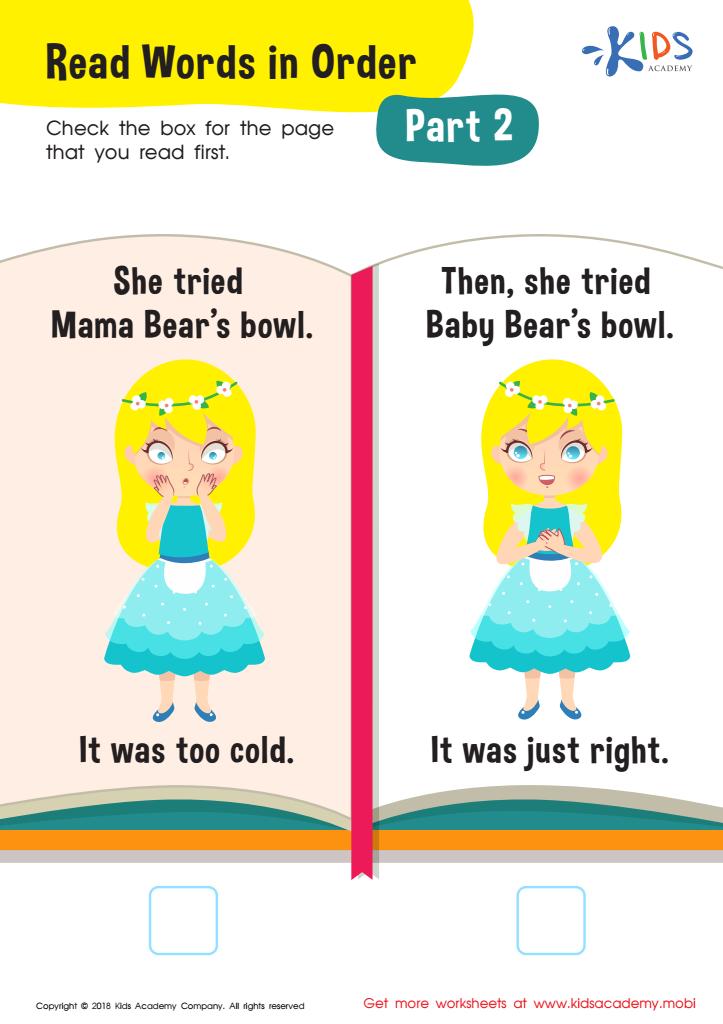
Read Words Order Part 2 Worksheet
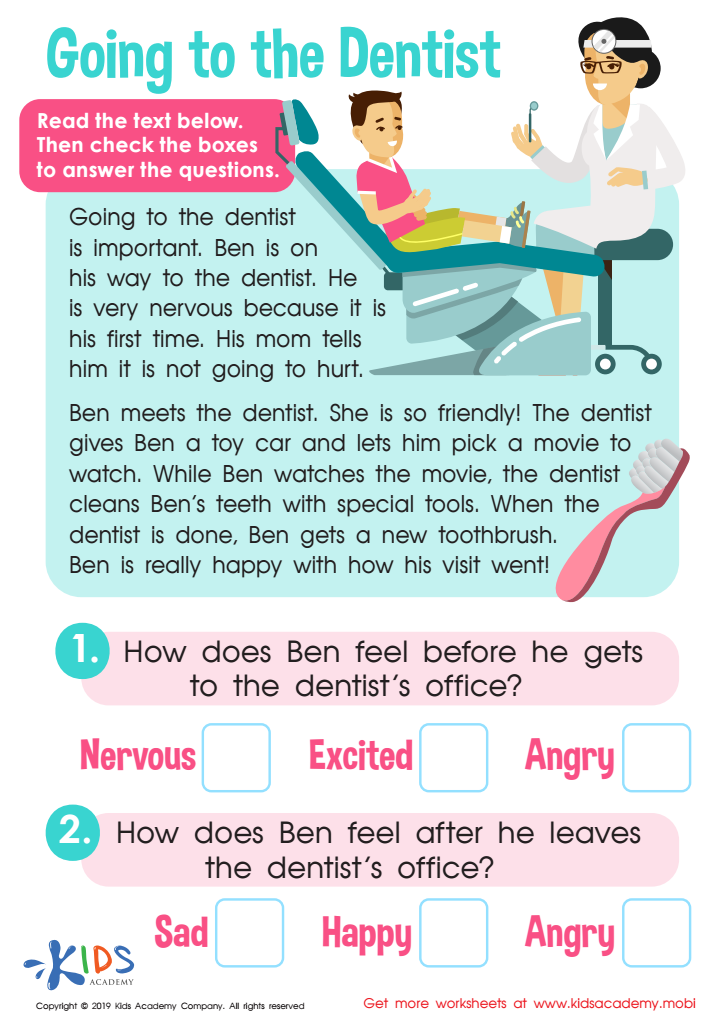
Going to the Dentist Worksheet
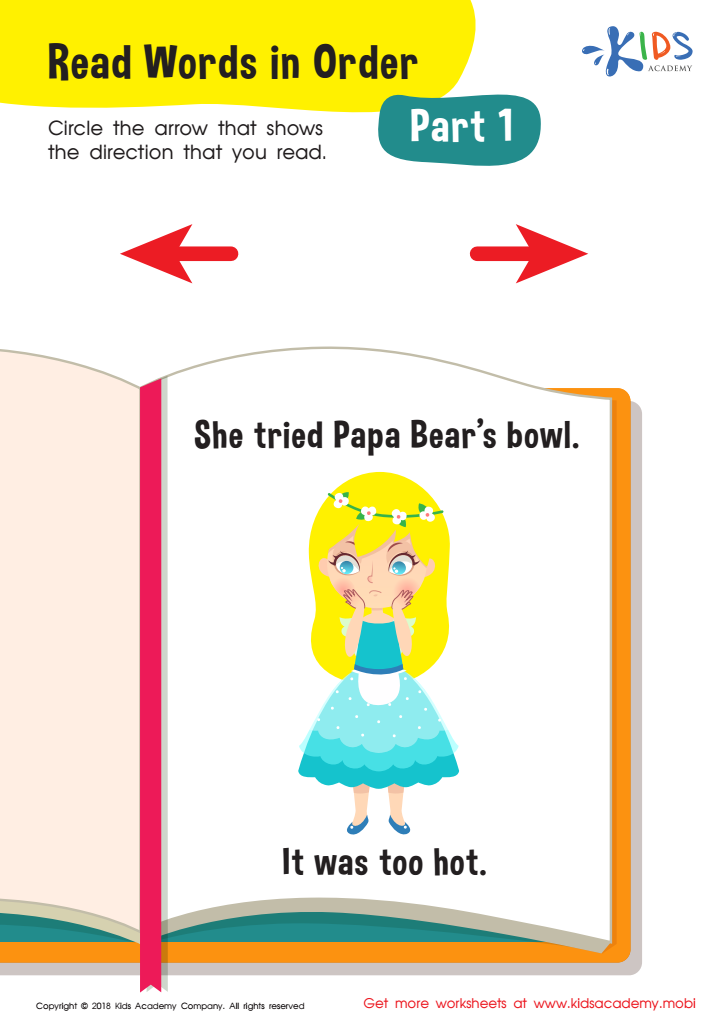
Read Words Order Part 1 Worksheet
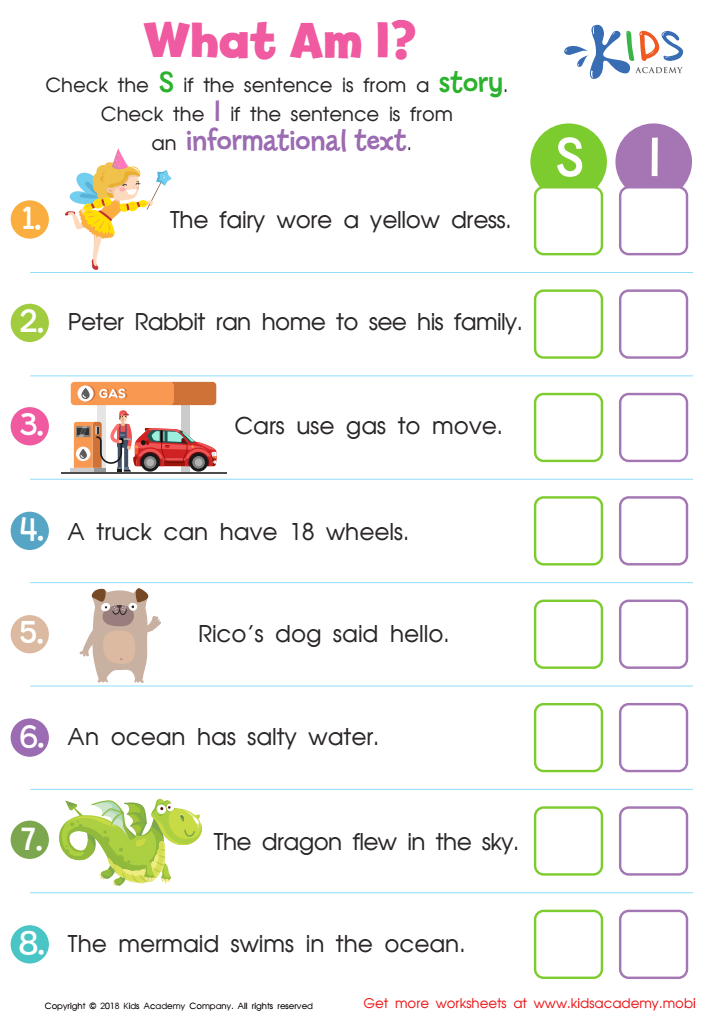
What Am I? Worksheet
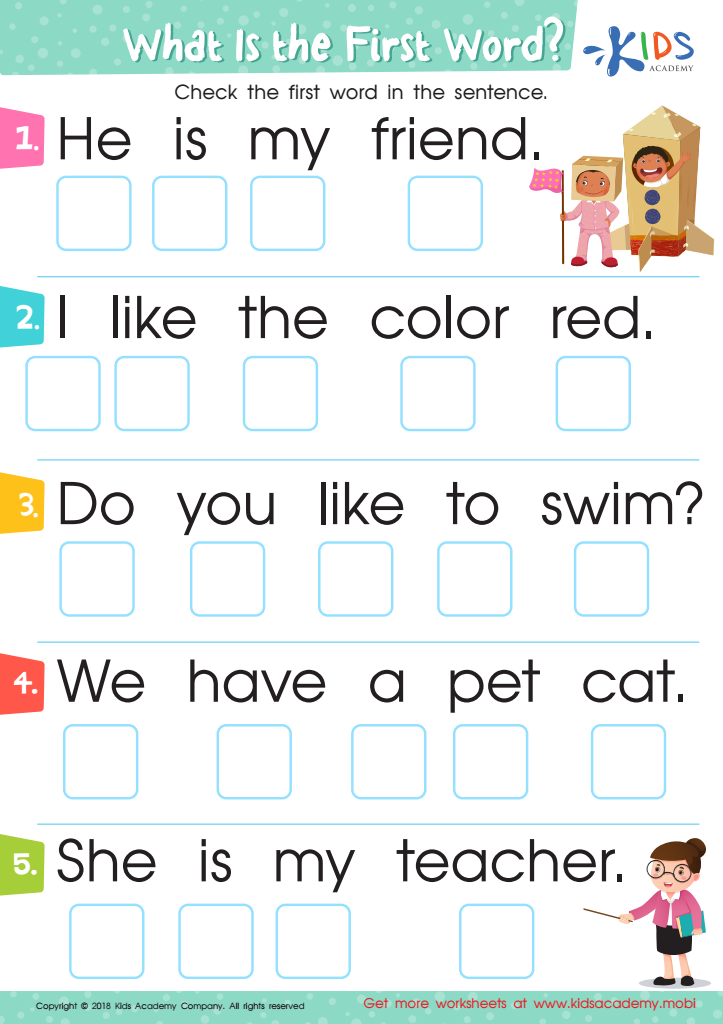
What is the First Word? Worksheet
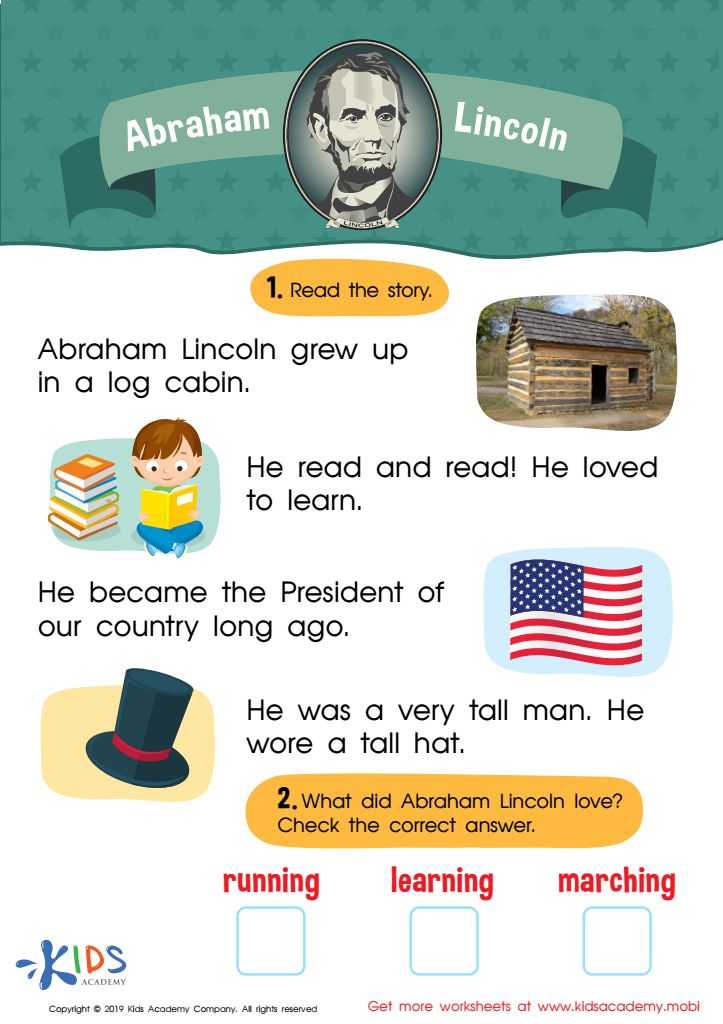
Abraham Lincoln Worksheet
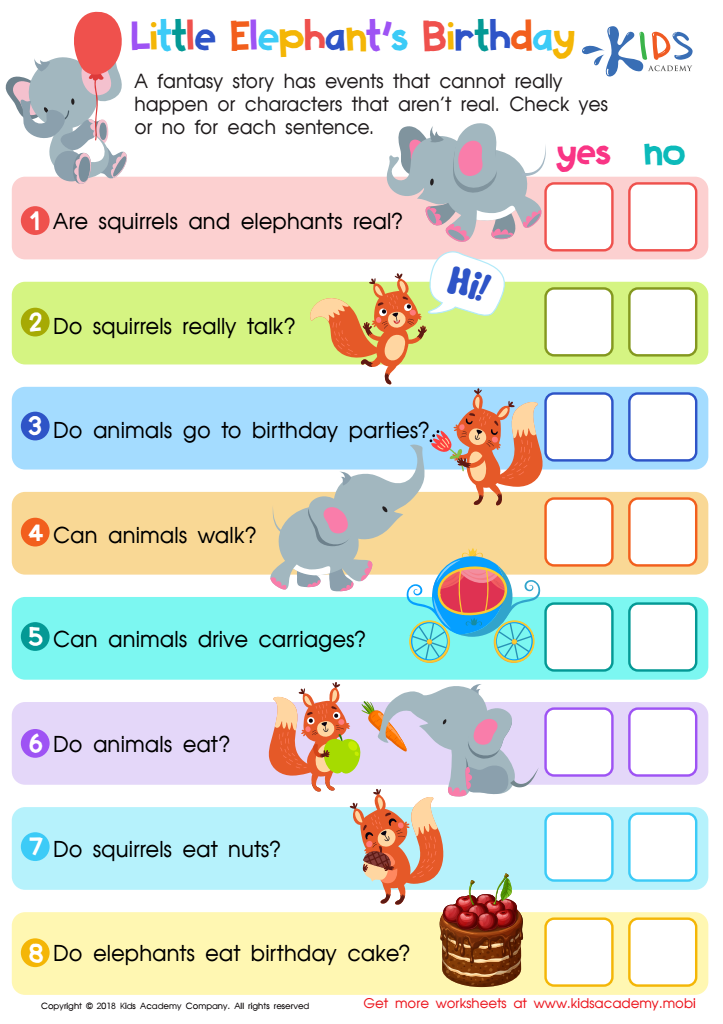
Little Elephant's Birthday Worksheet
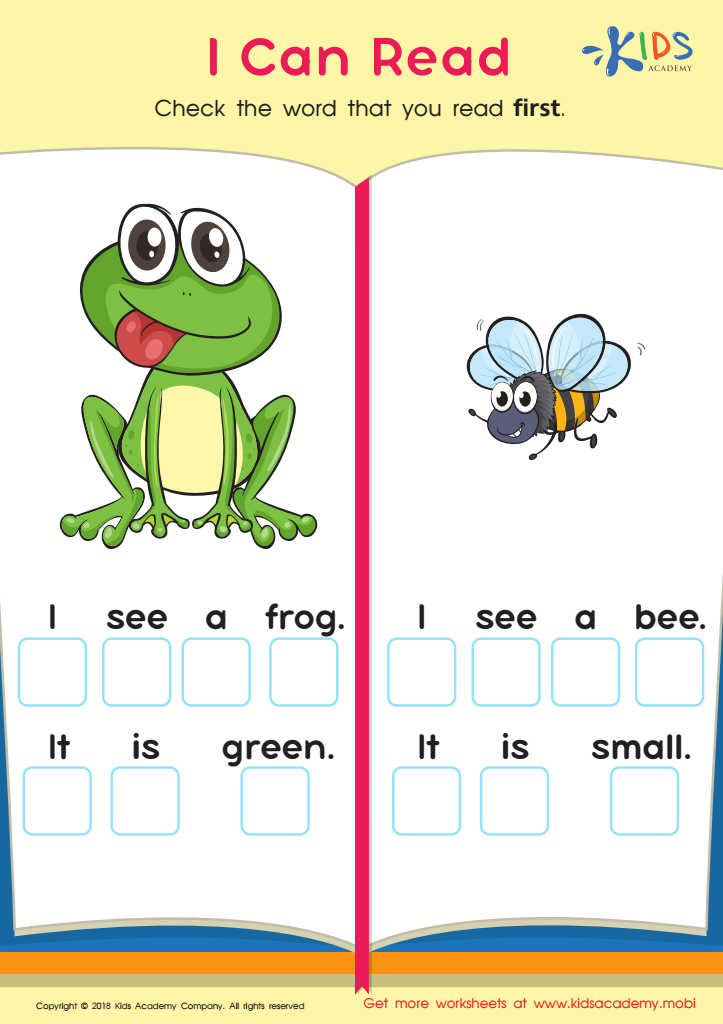
I Can Read Worksheet
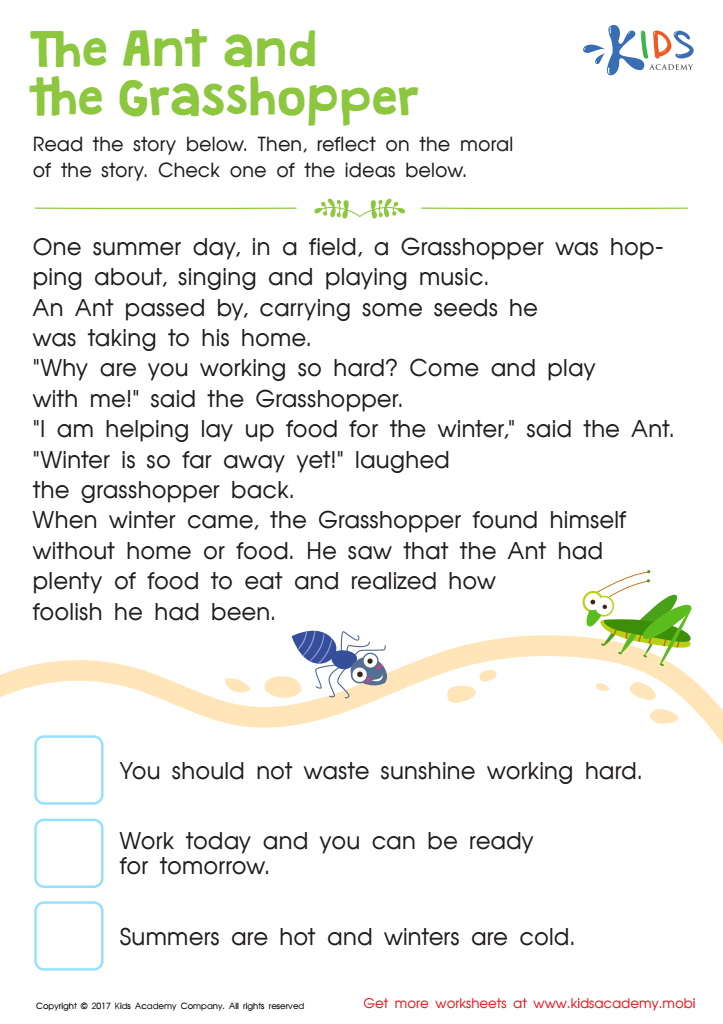
The Ant and The Grasshopper Printable








Reading comprehension is a crucial skill for children aged 6 to 9, and both parents and teachers play vital roles in fostering this ability. At this developmental stage, children transition from learning to read to reading to learn. Effective reading comprehension not only enhances their understanding of texts but also promotes critical thinking, vocabulary development, and a love for reading.
When children grasp the meaning of what they read, they can effectively engage with various subjects—be it science, history, or the arts—which supports their academic success in school. Additionally, good comprehension skills contribute to improved communication skills and better overall literacy development, laying a foundation for lifelong learning.
Parents and teachers should be involved in selecting appropriate reading materials and engaging in discussions about the texts, which can deepen comprehension. Strategies such as asking open-ended questions, summarizing stories, and connecting texts to real-life experiences can reinforce understanding.
Ultimately, nurturing reading comprehension during these formative years equips children with the necessary tools to navigate both their educational journeys and everyday life more effectively. It cultivates confidence, creativity, and critical thinking, setting them up for future academic and personal success.








