Problem-Solving Skills Normal Word Problems Worksheets for 6-Year-Olds
16 filtered results
-
From - To
Discover our engaging "Problem-Solving Skills Normal Word Problems Worksheets" designed especially for 6-year-olds! These worksheets provide colorful and interactive scenarios that make math fun while helping young learners sharpen their critical thinking and problem-solving abilities. Each problem encourages kids to apply basic math concepts in real-world contexts, promoting both comprehension and analytical skills. Perfect for home or classroom use, these worksheets aim to enhance children’s confidence and enjoyment in math. Watch as your child develops essential skills through thoughtful practice and creative challenges. Start their journey towards becoming a proficient problem solver today!
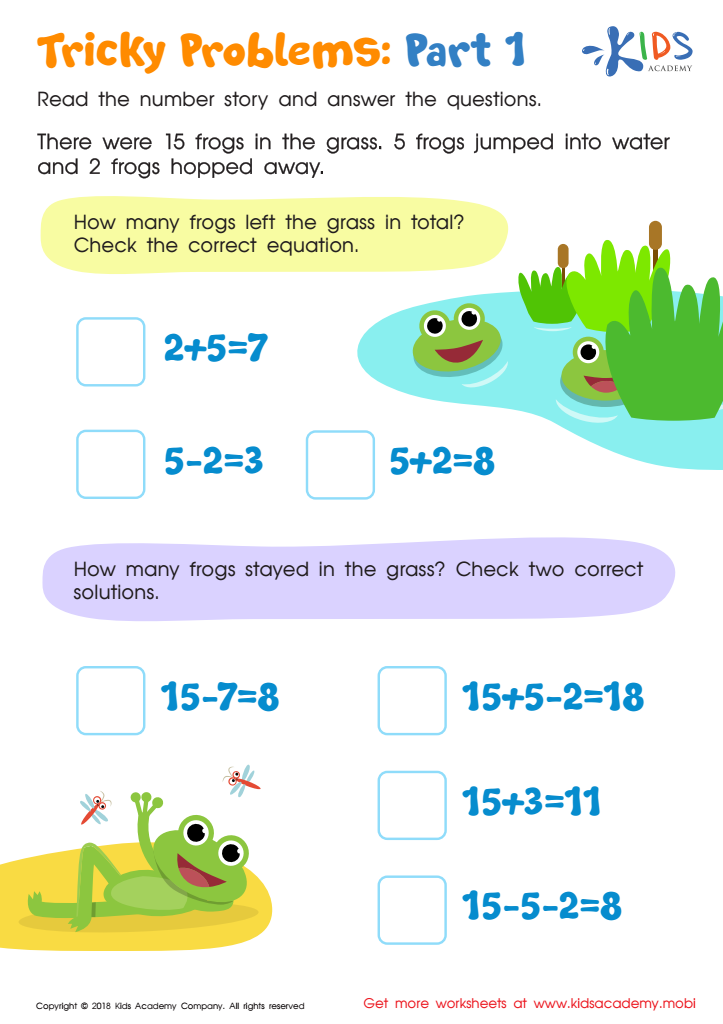
Tricky Problems Worksheet: Part 1
 Assign to My Students
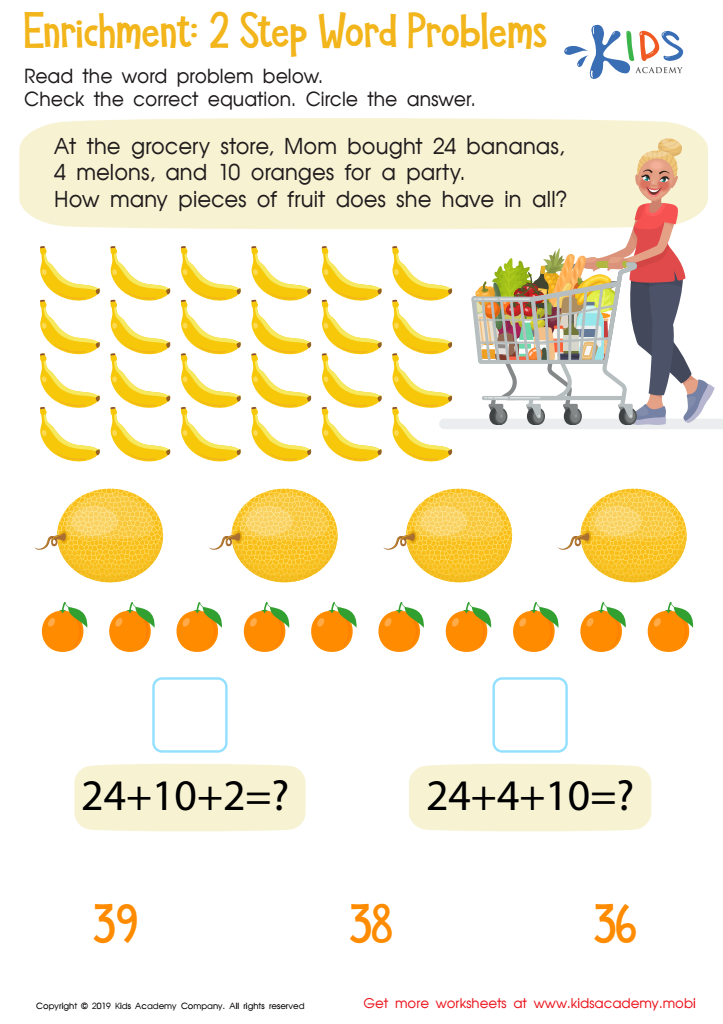
Enrichment -2 Step Word Problems Worksheet
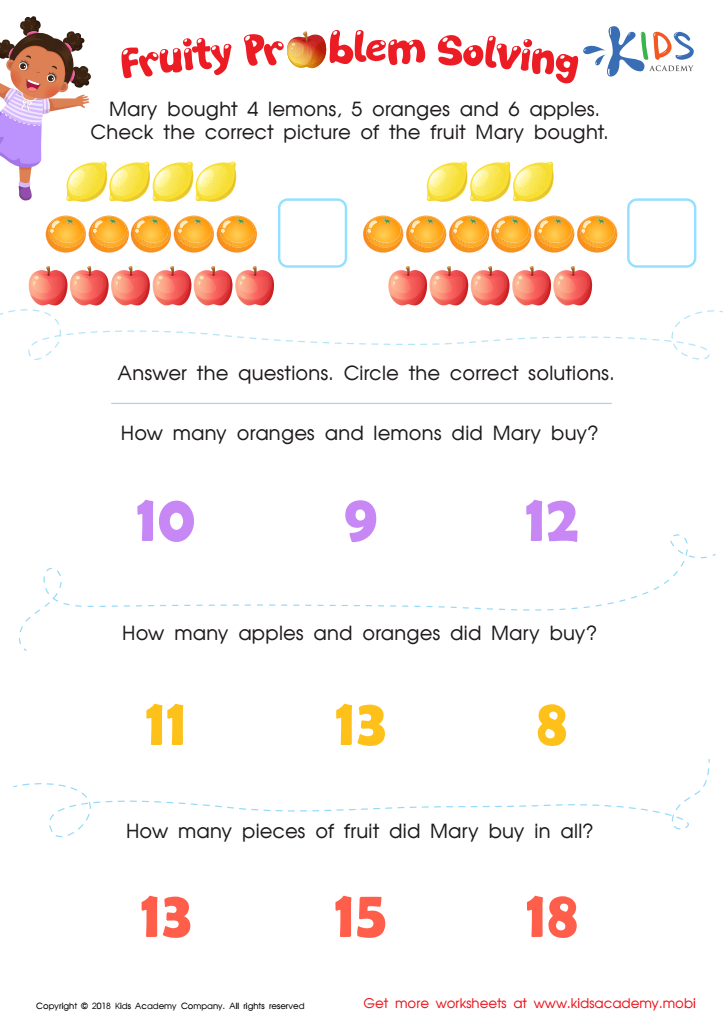
Fruity Problem Solving Worksheet
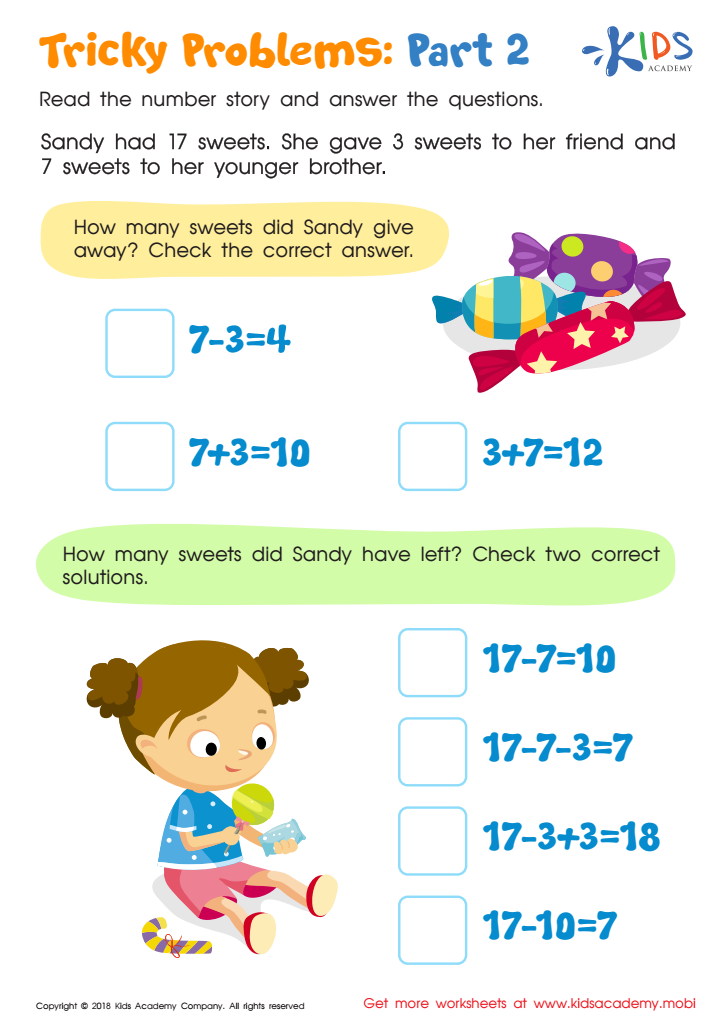
Tricky Problems Worksheet: Part 2
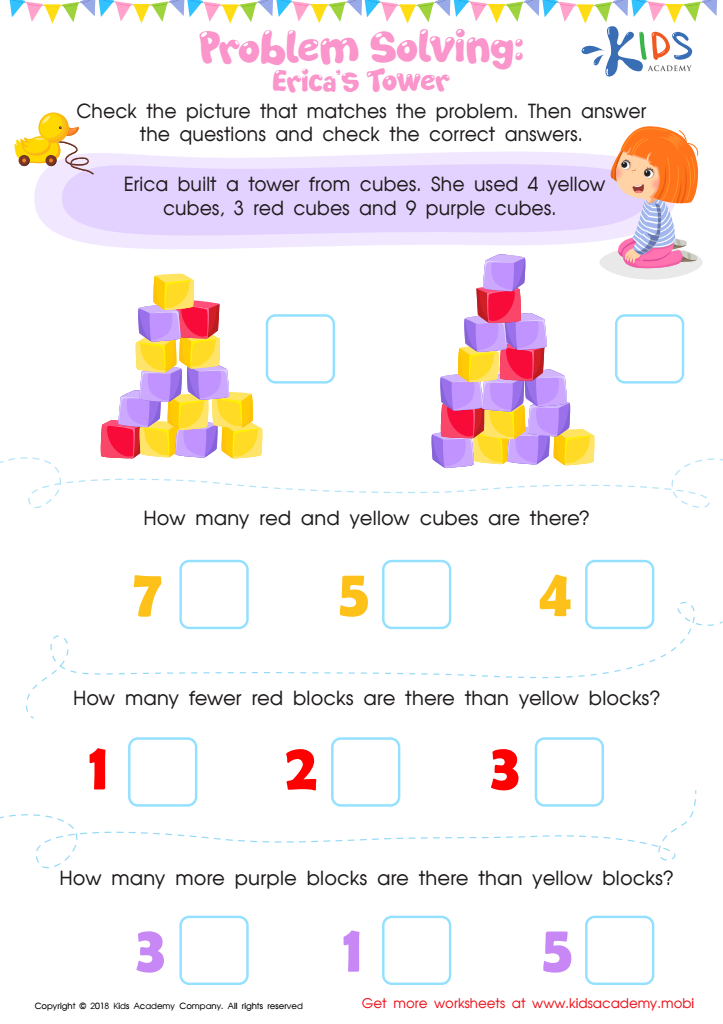
Problem Solving: Erica's Tower Worksheet
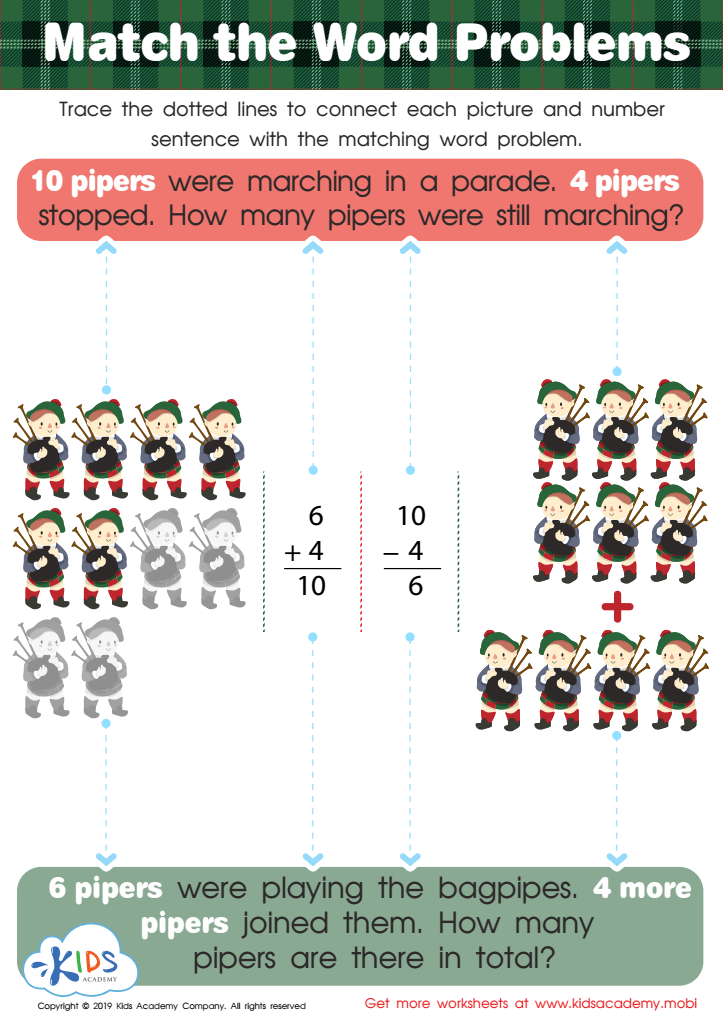
Match the Word Problems Worksheet
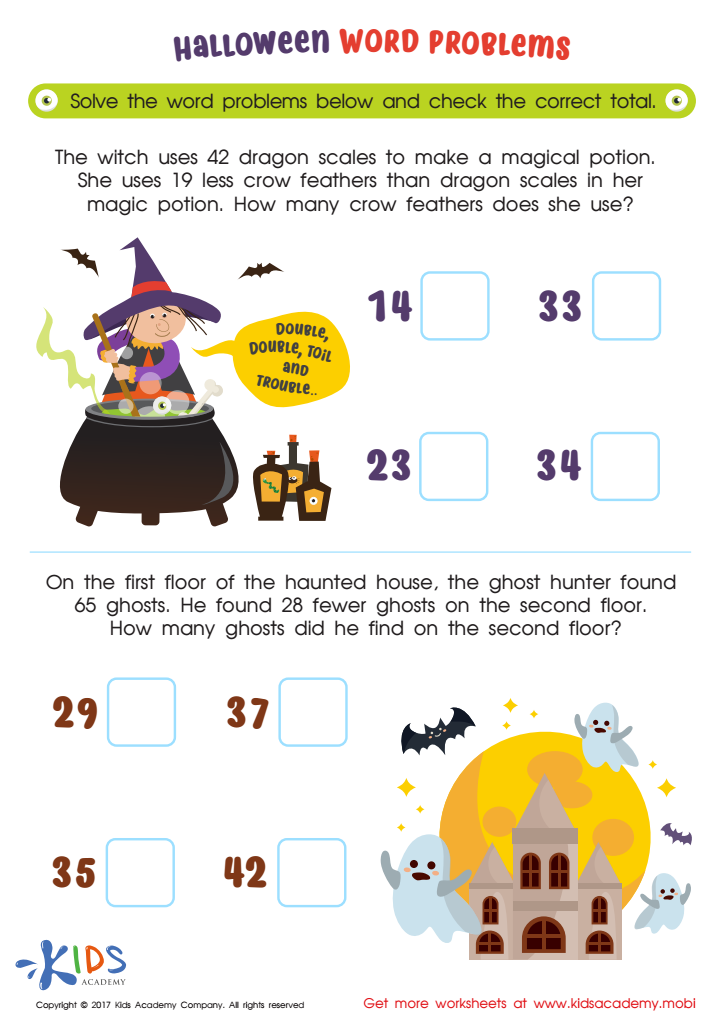
Halloween Word Problems Printable
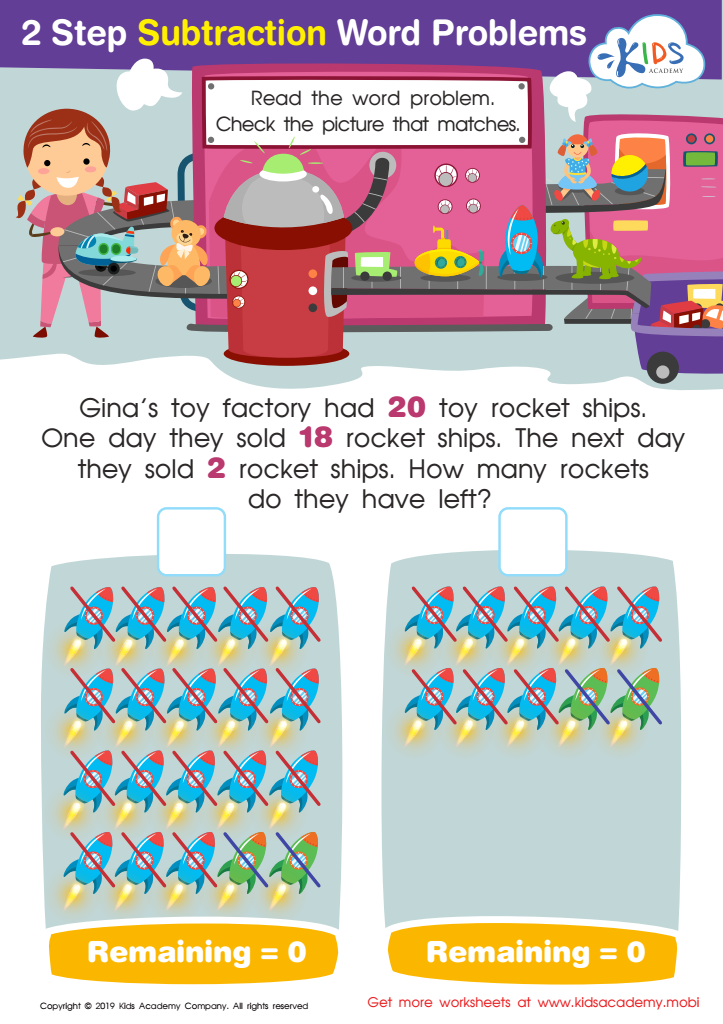
Step Subtraction Word Problems Worksheet
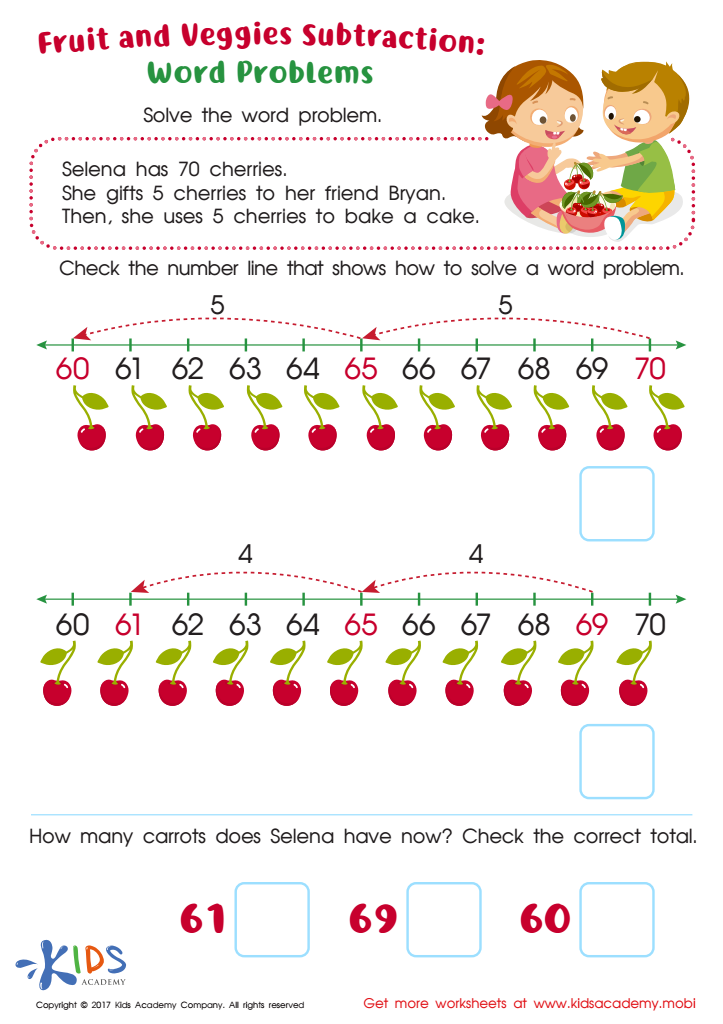
Subtraction Word Problems Free Printable
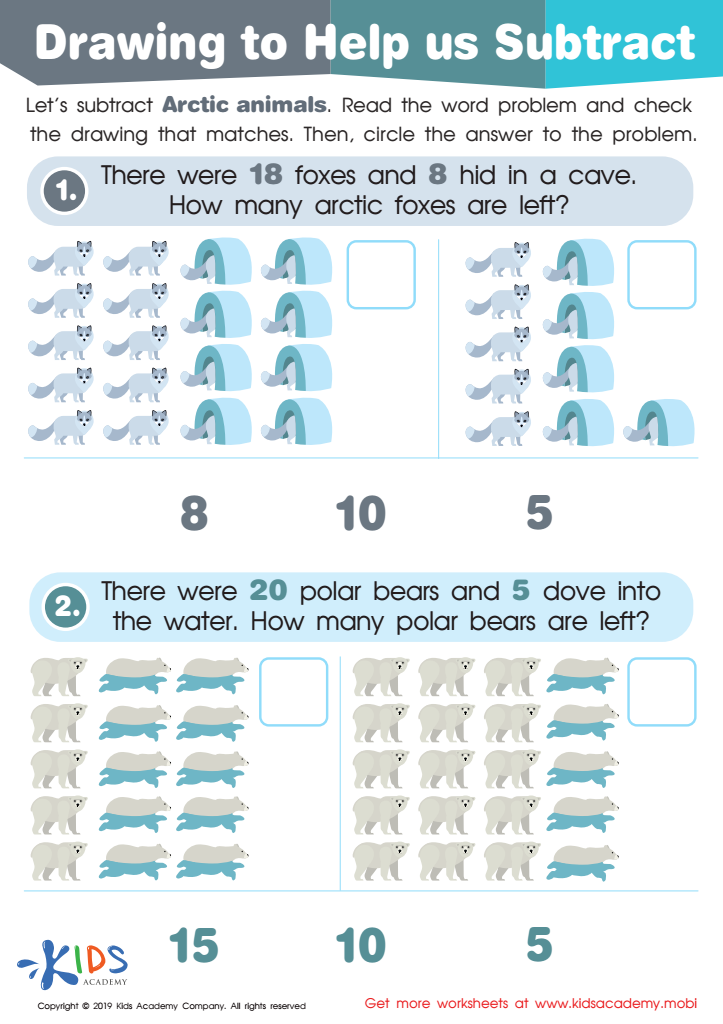
Drawing to Help Us Subtract Worksheet
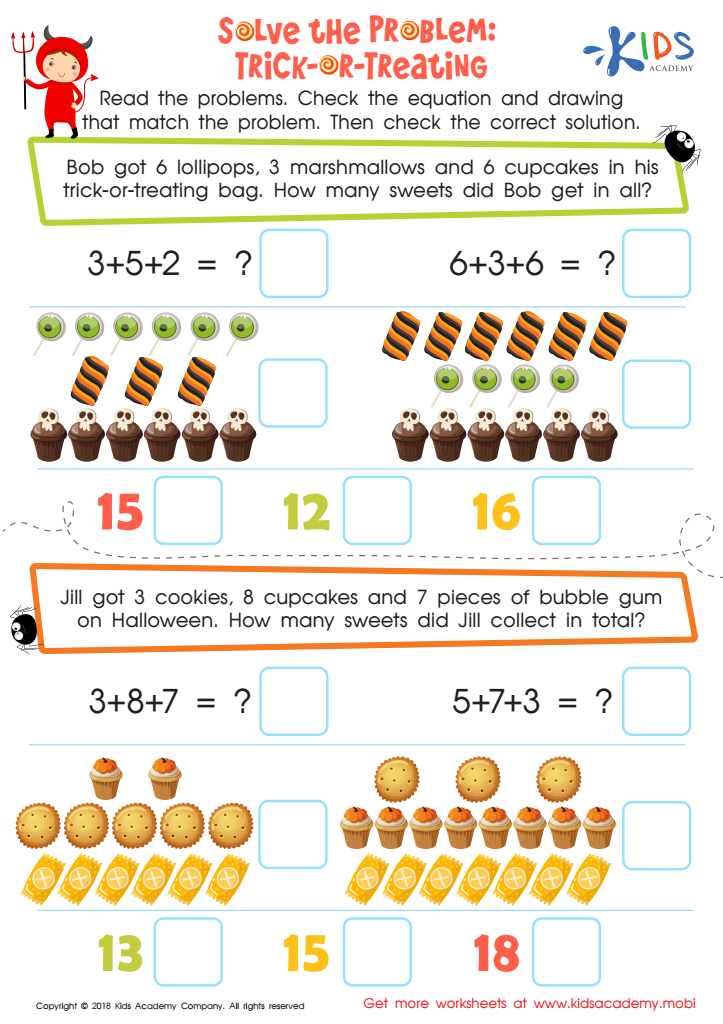
Solve the Problem: Trick–or–treating Worksheet
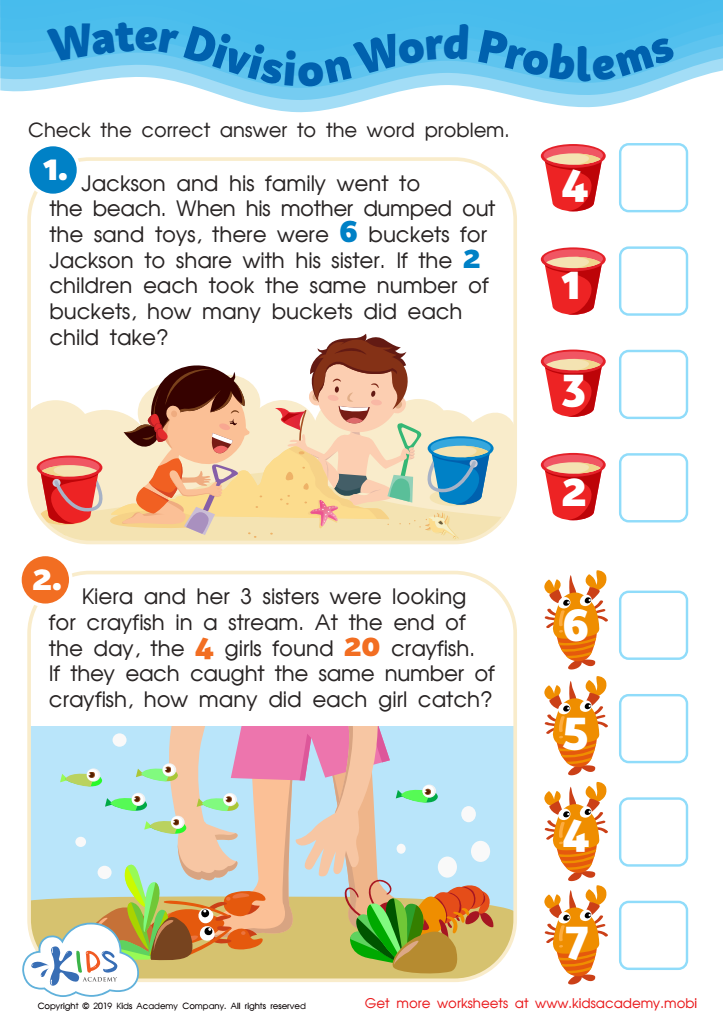
Water Division Word Problems Worksheet
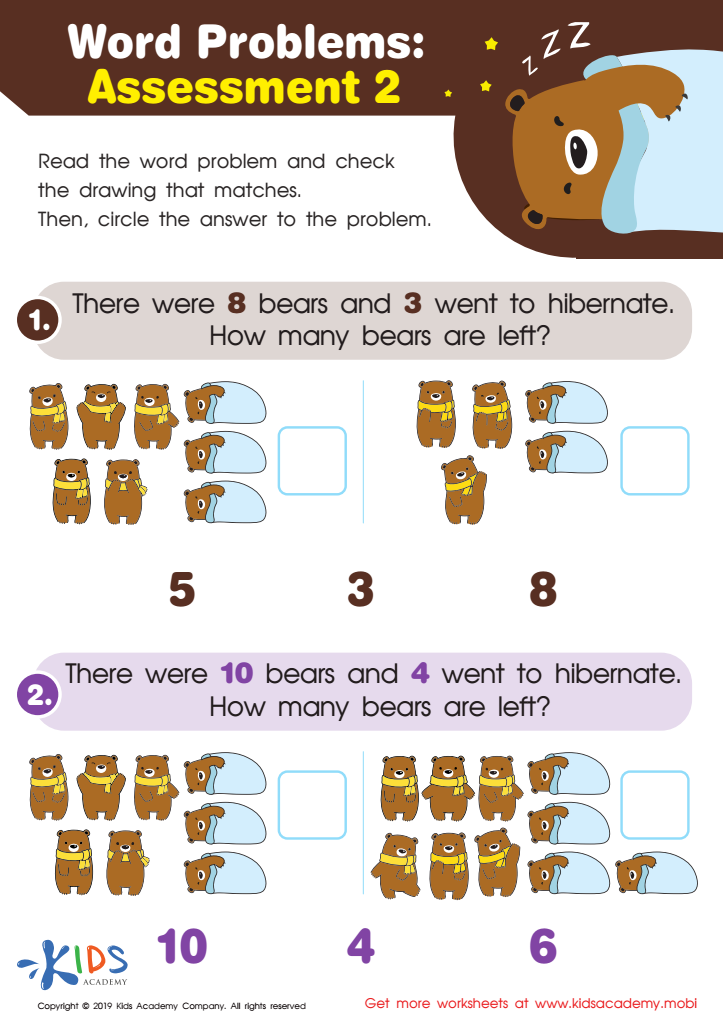
Word Problems: Assessment 2 Worksheet
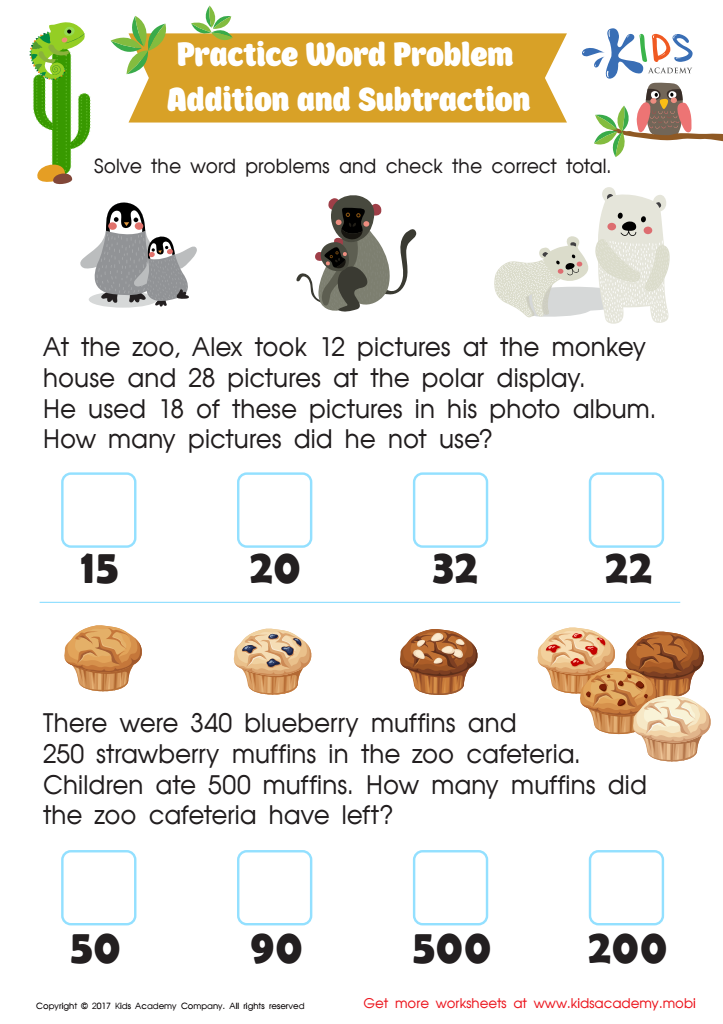
Addition and Subtraction: Word Problems Worksheet
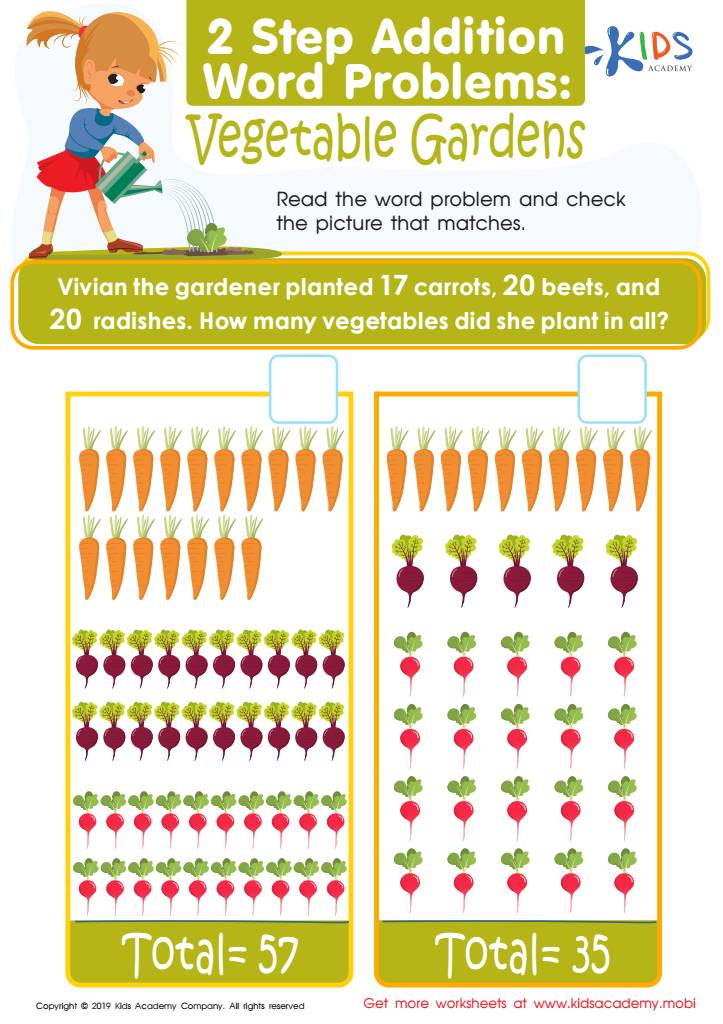
Vegetable Gardens Worksheet
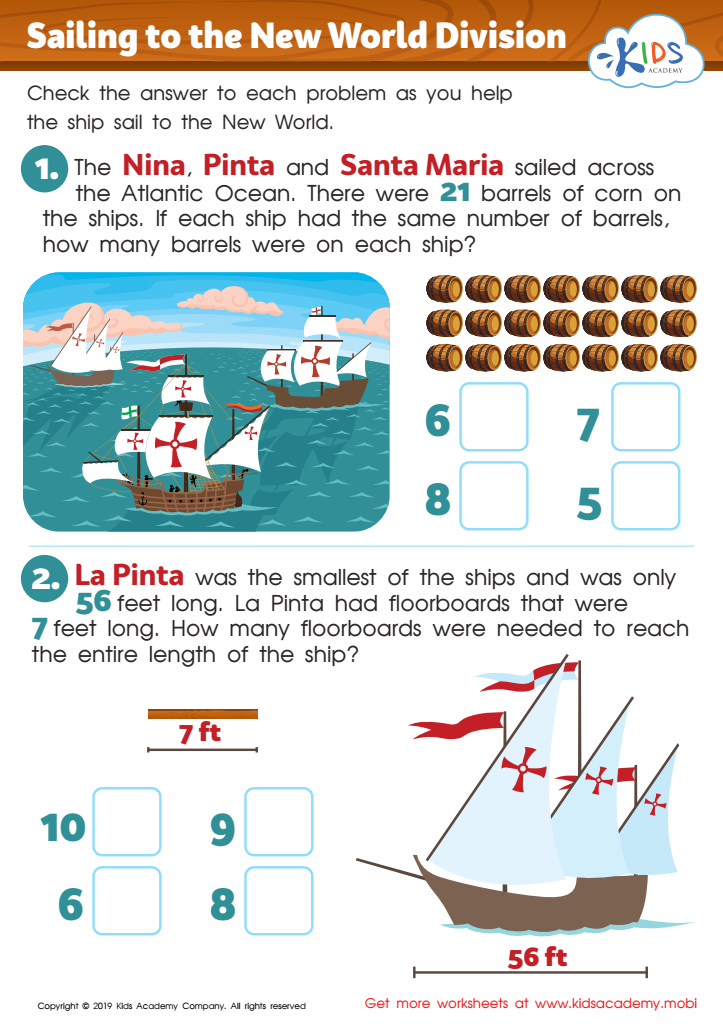
Sailing to the New World Division Worksheet








Parents and teachers should prioritize problem-solving skills through normal word problems for 6-year-olds because these skills lay the foundation for critical thinking and mathematical understanding. At this early age, children are naturally curious and eager to make sense of their world. Engaging them with word problems cultivates their ability to analyze situations, devise strategies, and apply mathematical concepts in real-life contexts.
Moreover, word problems encourage language development; children must comprehend the narrative, identify key information, and articulate their reasoning. This enhances both their vocabulary and reading comprehension skills, which are essential throughout their academic journey.
Problem-solving instills resilience. When children encounter challenges, they learn persistence and adaptability, crucial traits for facing obstacles in life. By encouraging a growth mindset in problem-solving, children begin to view challenges as opportunities for learning rather than threats.
Lastly, as they share their thought processes with peers and adults, they develop communication skills and the ability to justify their decisions, reinforcing social and collaborative abilities. Therefore, recognizing the importance of problem-solving skills through word problems can lead to well-rounded development in young learners, benefitting them academically and personally as they grow.








