Problem-Solving Skills Normal Math Worksheets for Ages 7-8 - Page 2
60 filtered results
-
From - To
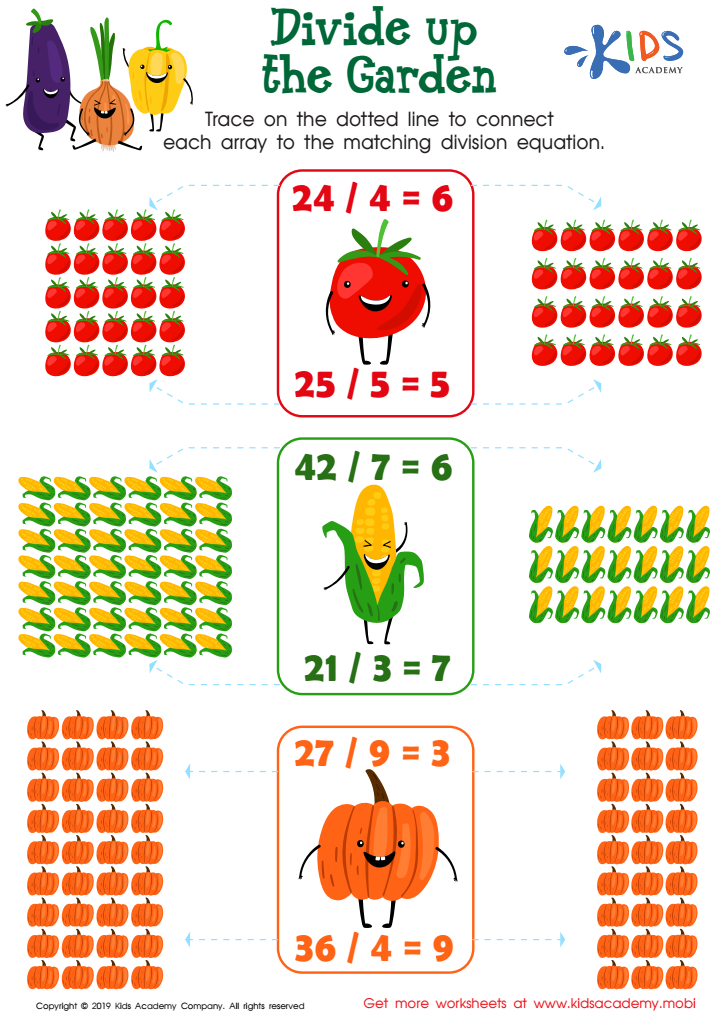
Divide up the Garden Worksheet
 Assign to My Students
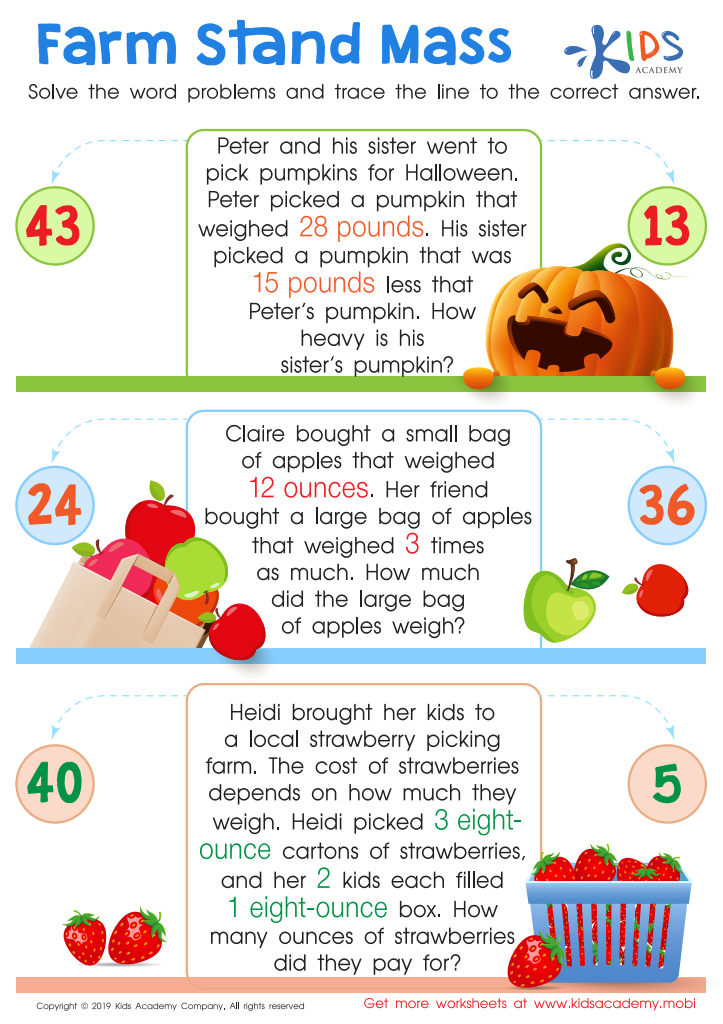
Farm Stand Mass Worksheet
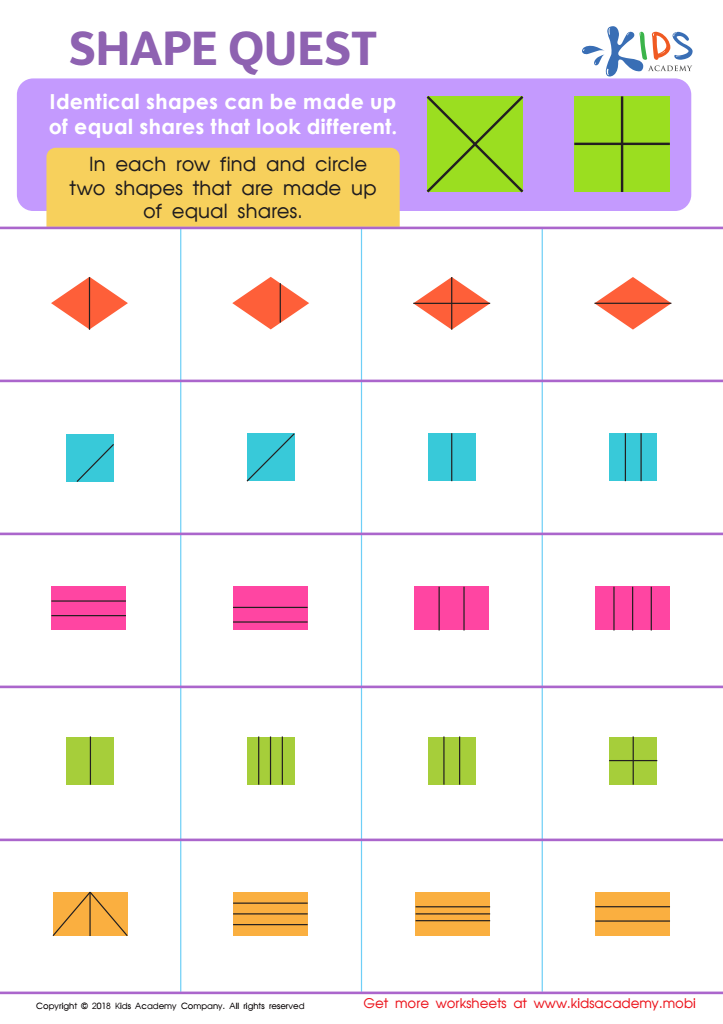
Shape Quest Worksheet
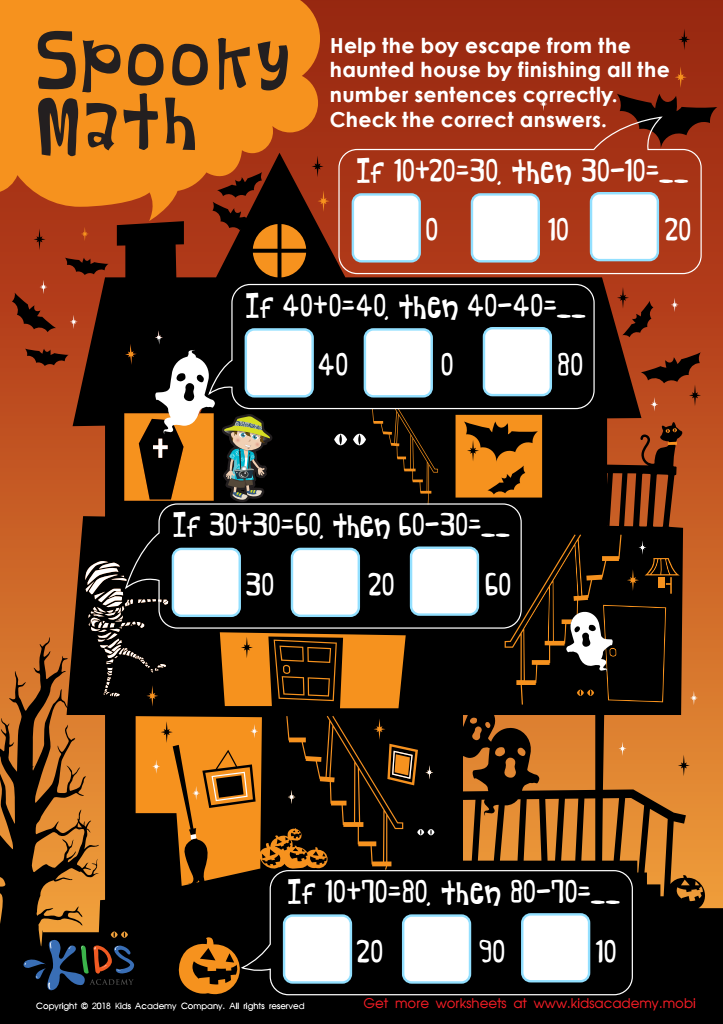
Subtract Tens: Spooky Math Worksheet
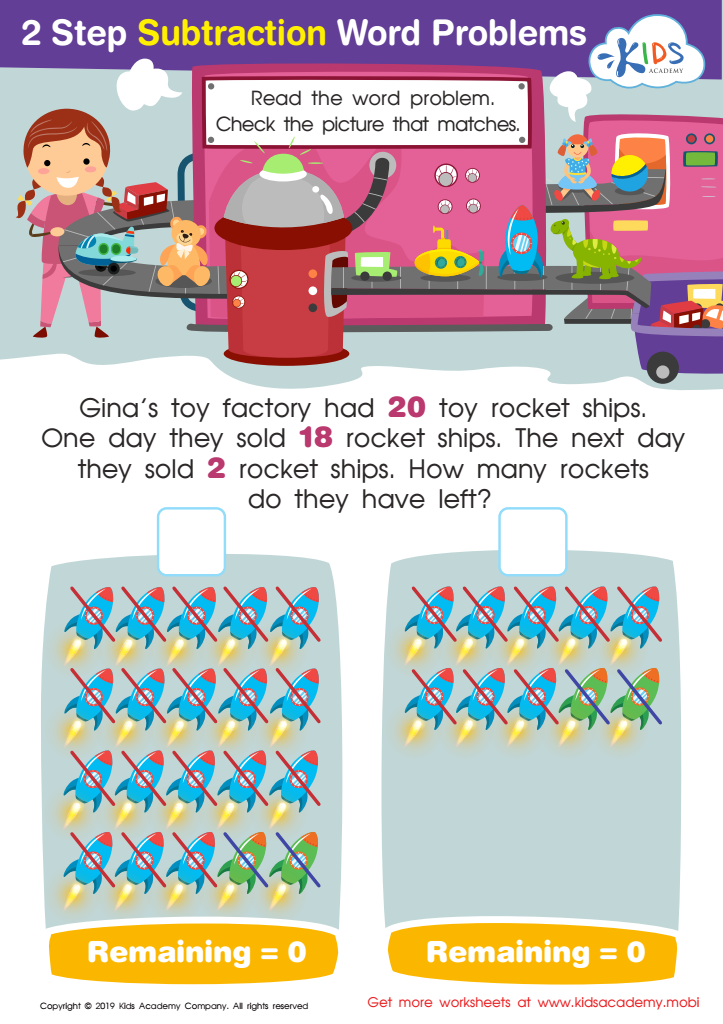
Step Subtraction Word Problems Worksheet
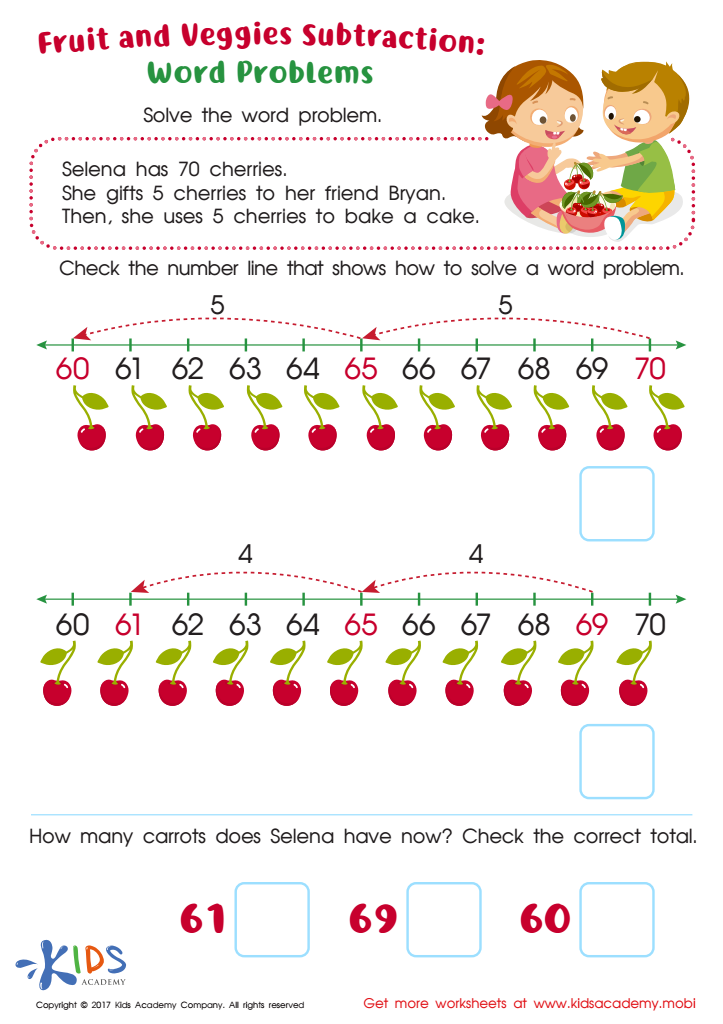
Subtraction Word Problems Free Printable

Equal Fractions Maze Worksheet
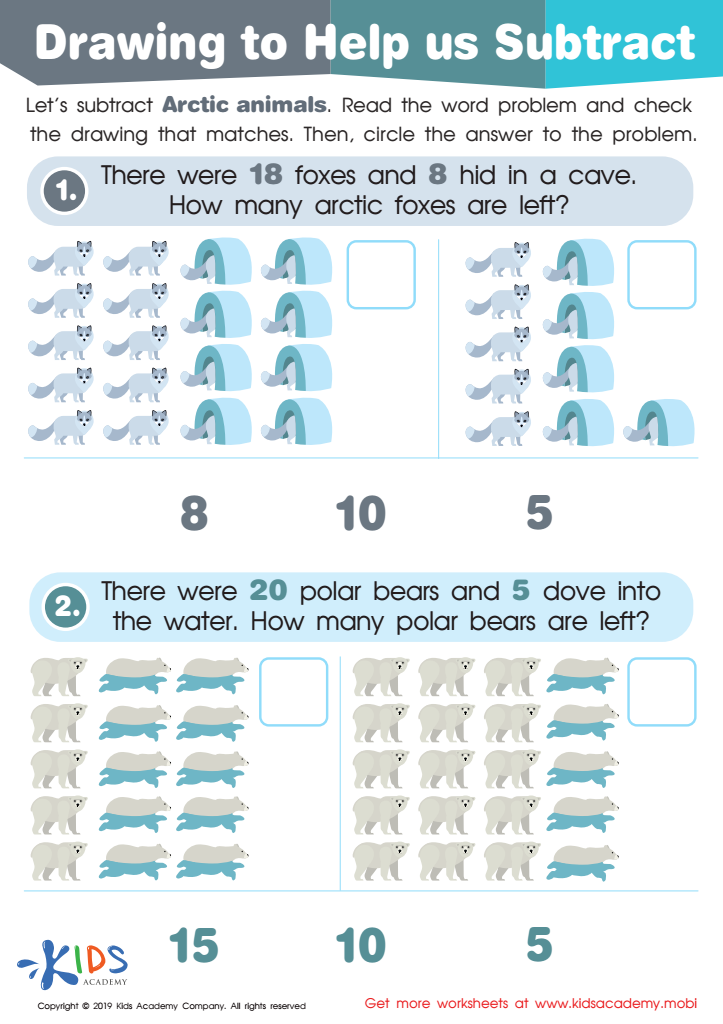
Drawing to Help Us Subtract Worksheet
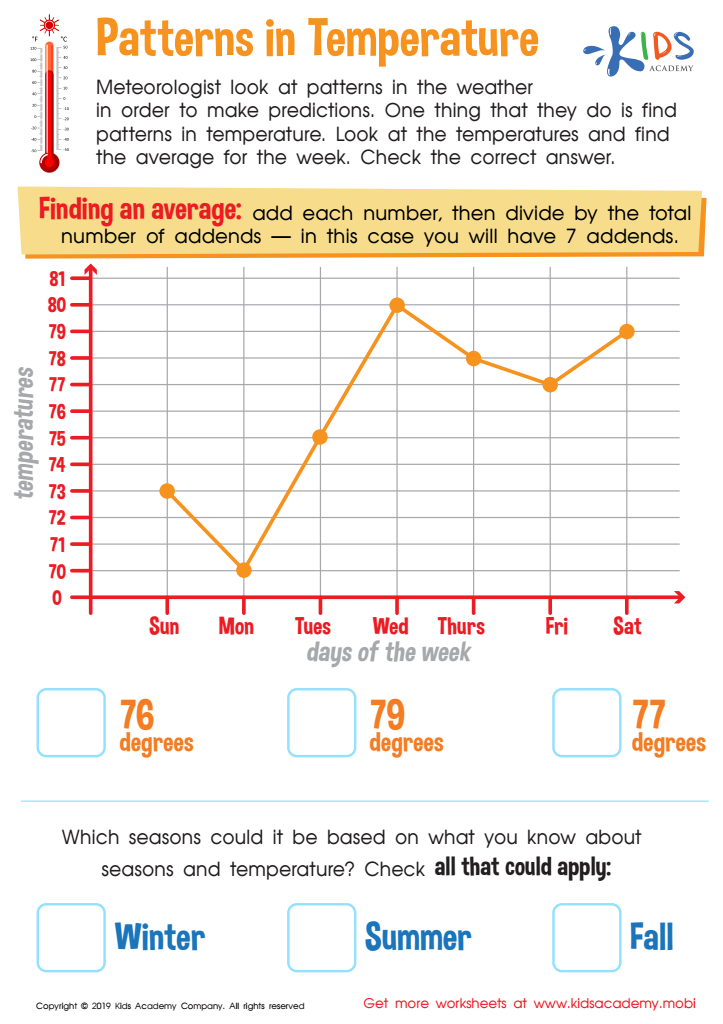
Patterns in Temperature Worksheet
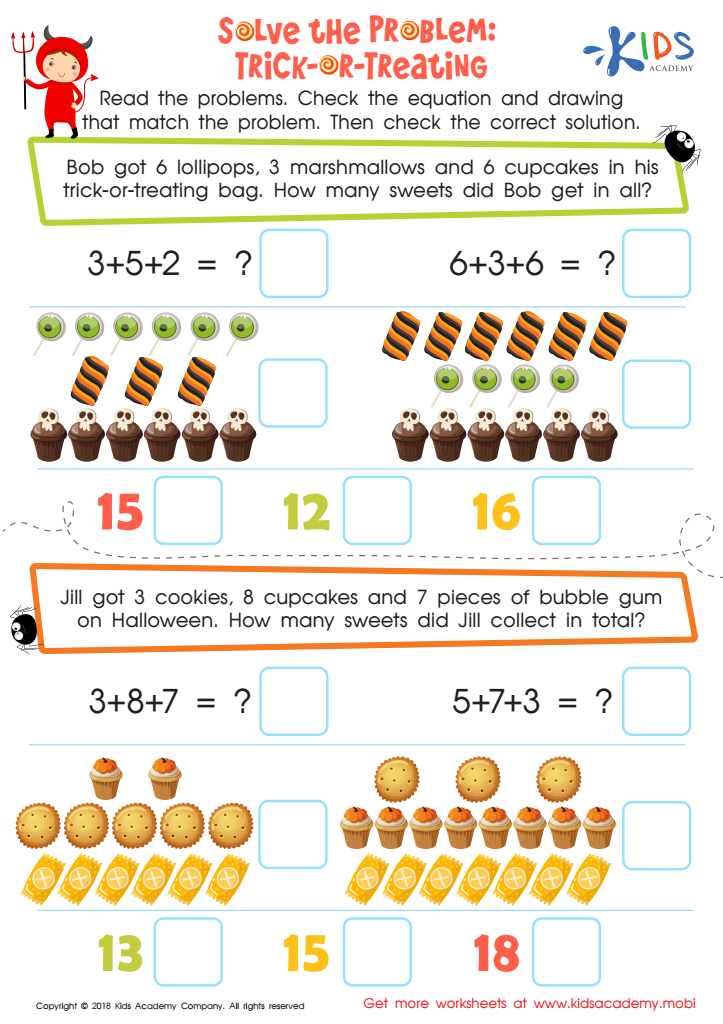
Solve the Problem: Trick–or–treating Worksheet
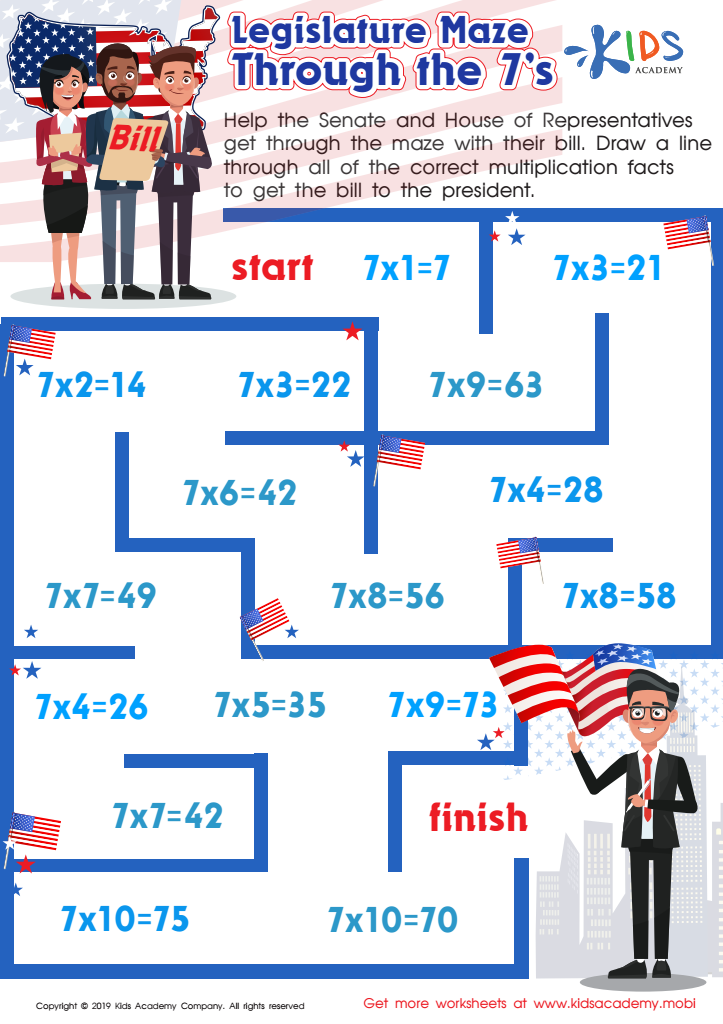
Legislature Maze Through the 7’s Worksheet
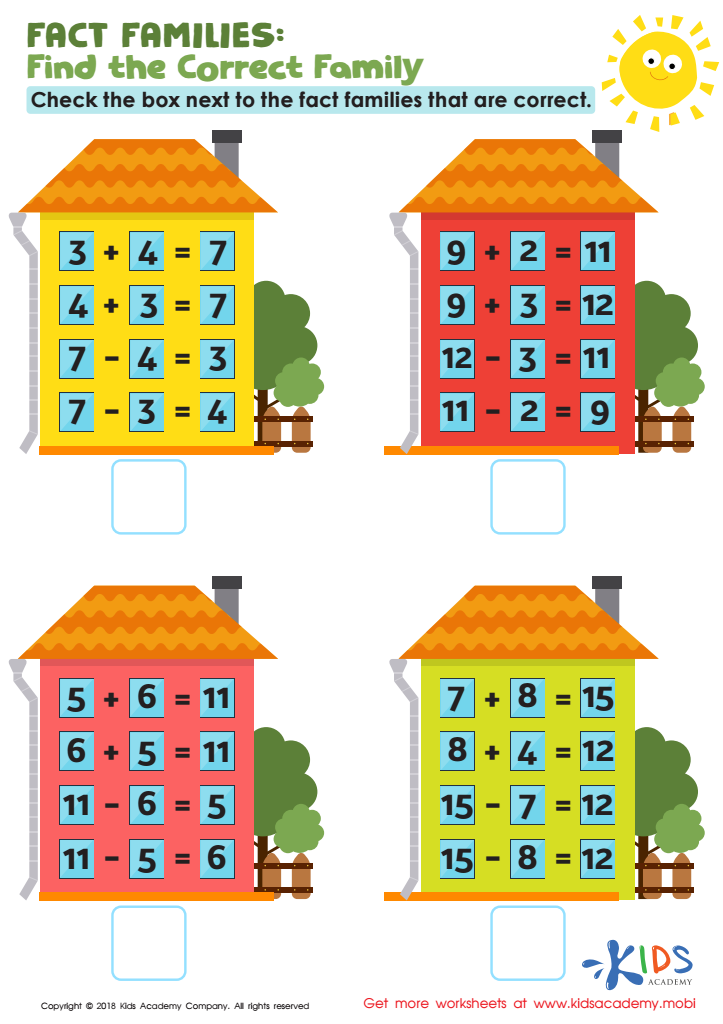
Fact Families: Find Correct Family Worksheet
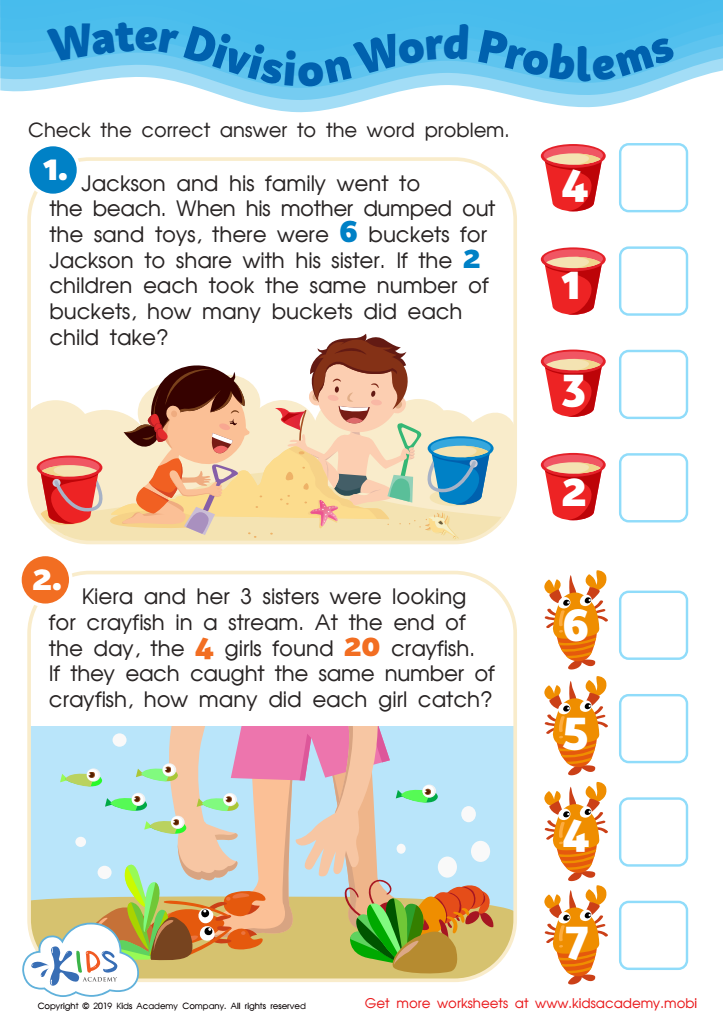
Water Division Word Problems Worksheet
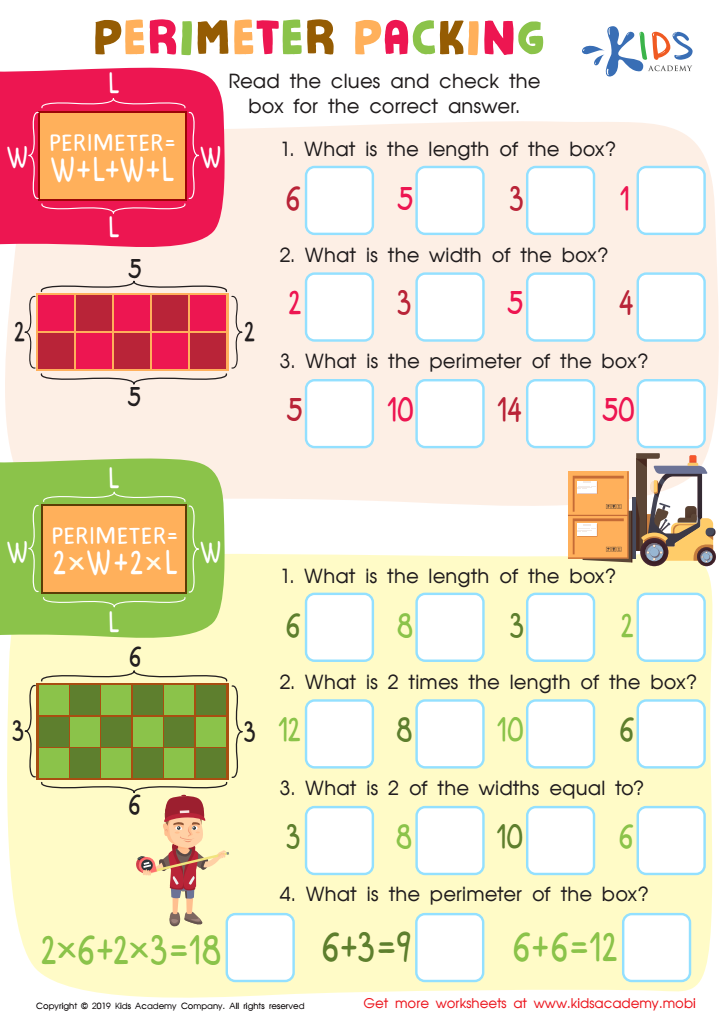
Perimeter Parking Worksheet
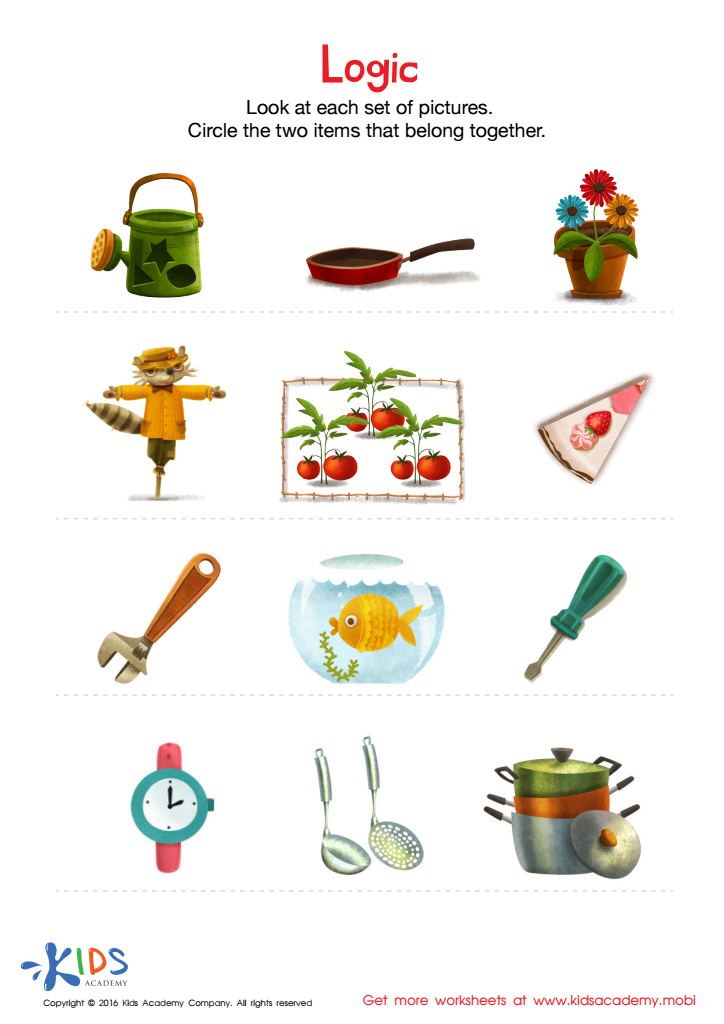
Logic Game Sorting Worksheet
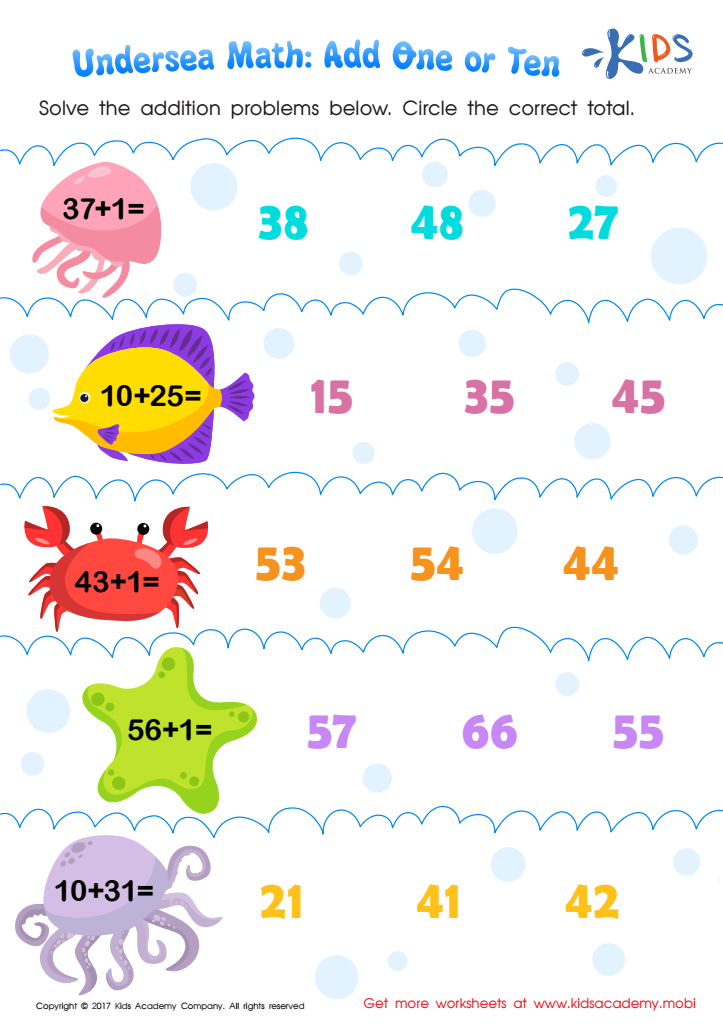
Undersea Math Worksheet
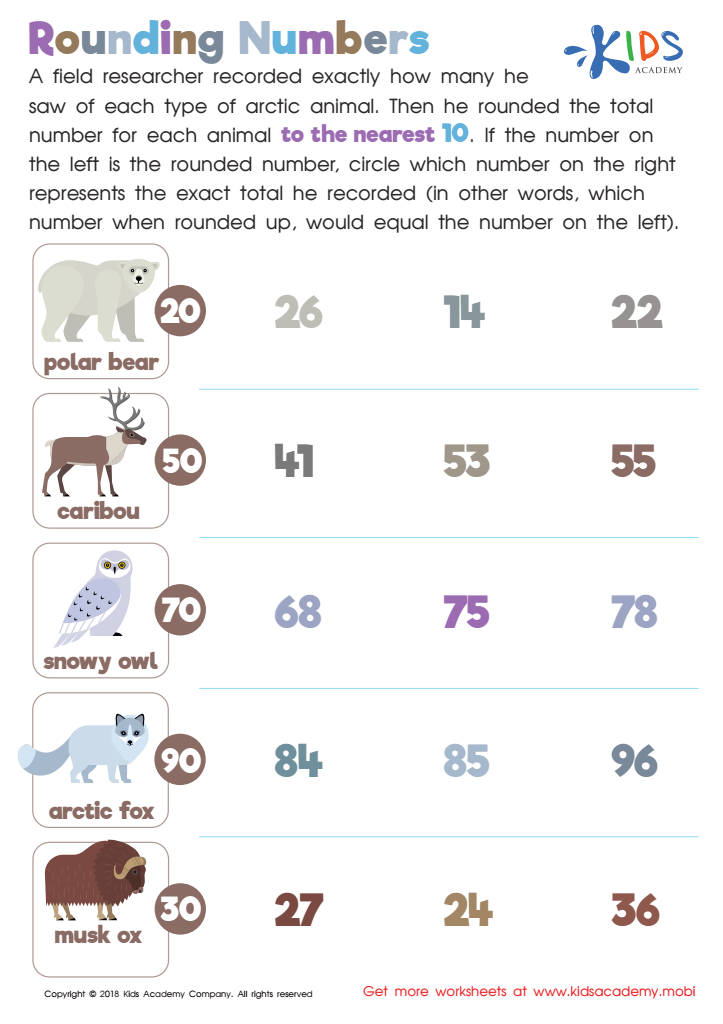
Rounding Numbers Worksheet
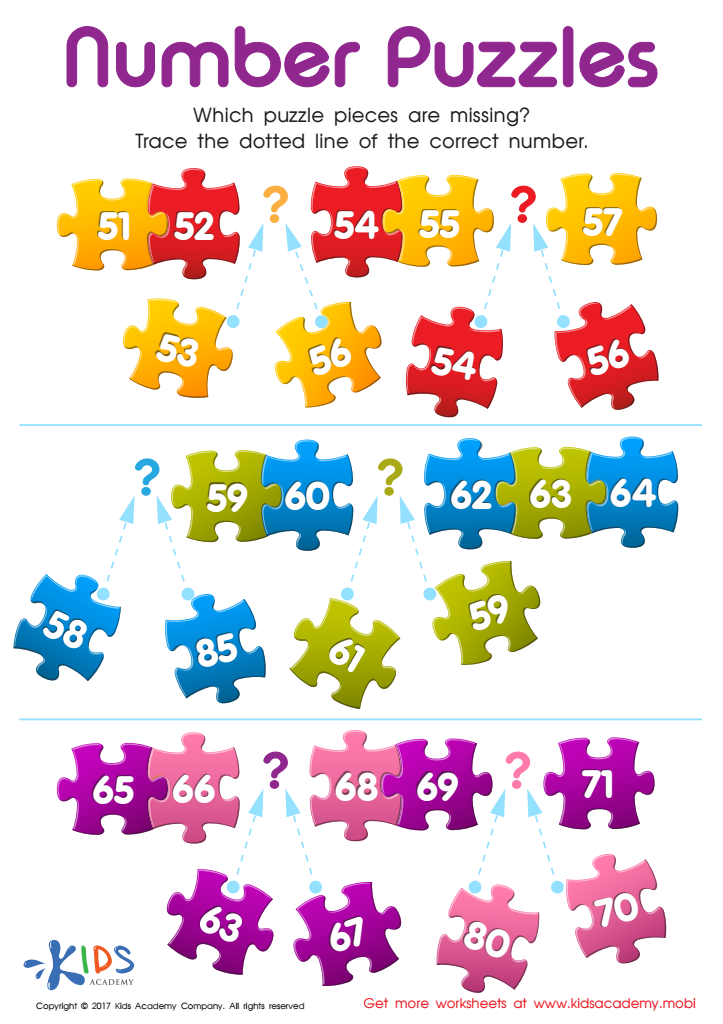
Number Puzzles Worksheet
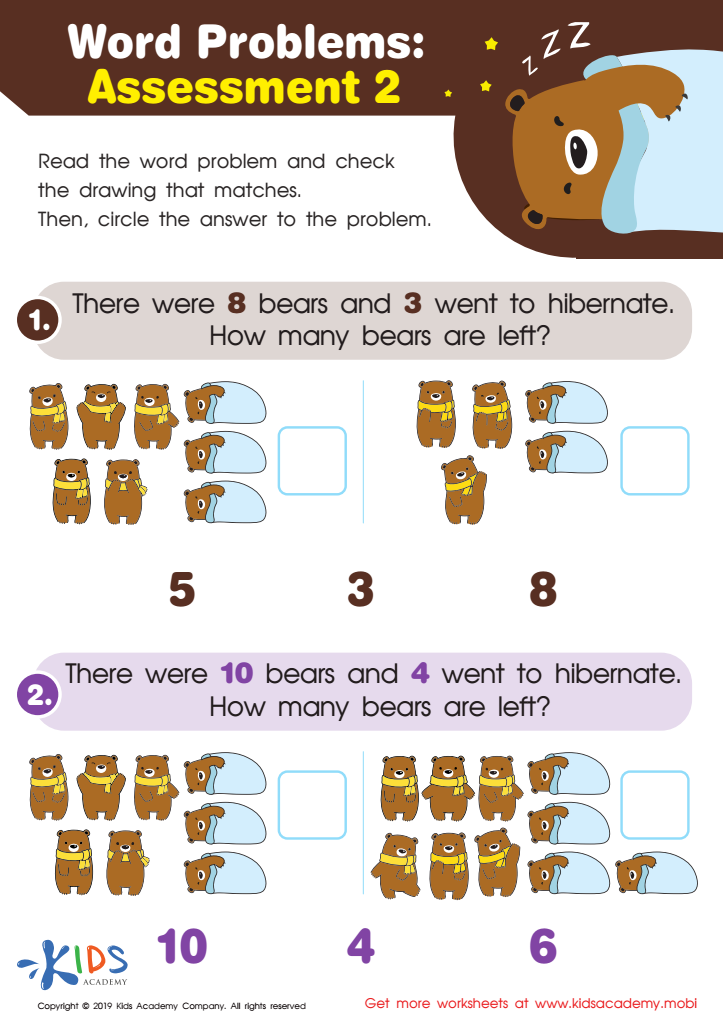
Word Problems: Assessment 2 Worksheet
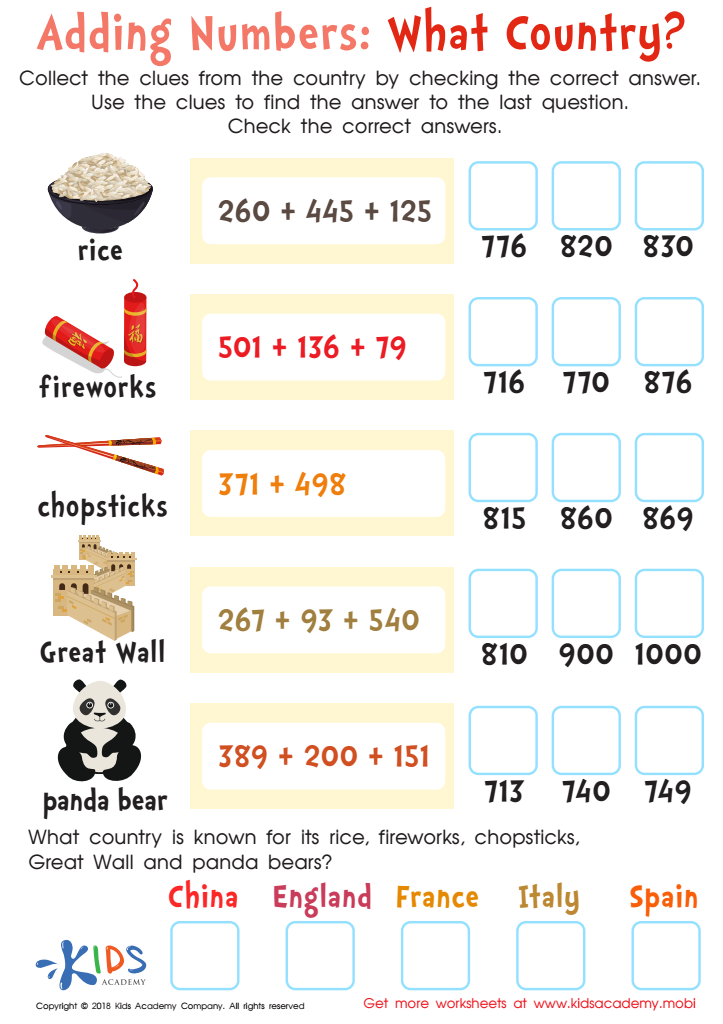
Adding Numbers: What Country Worksheet
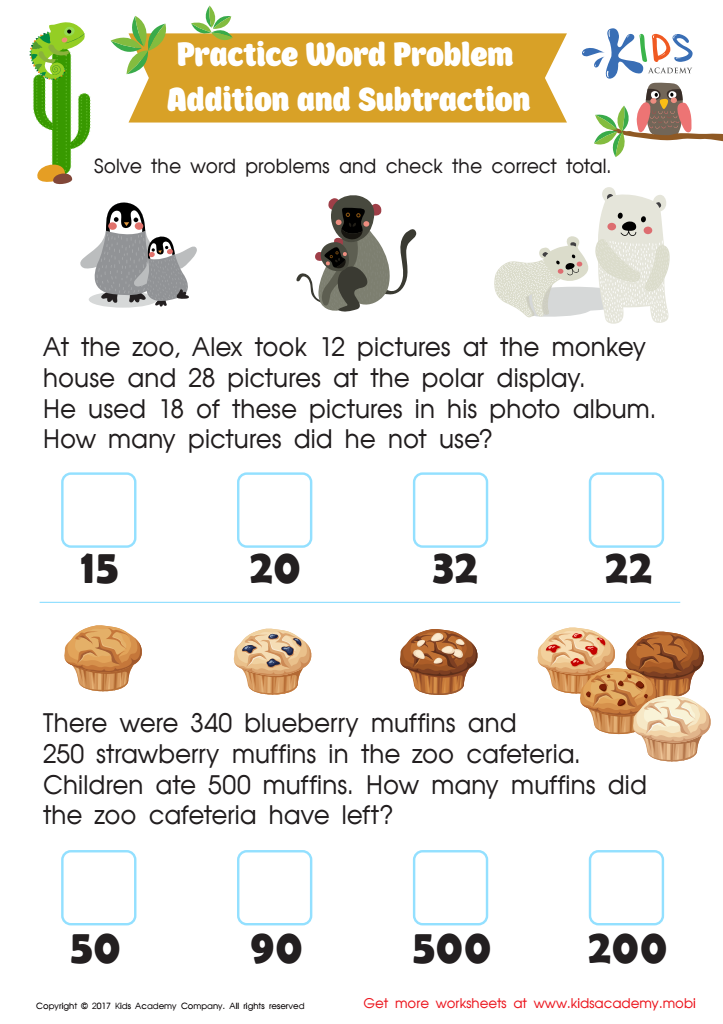
Addition and Subtraction: Word Problems Worksheet
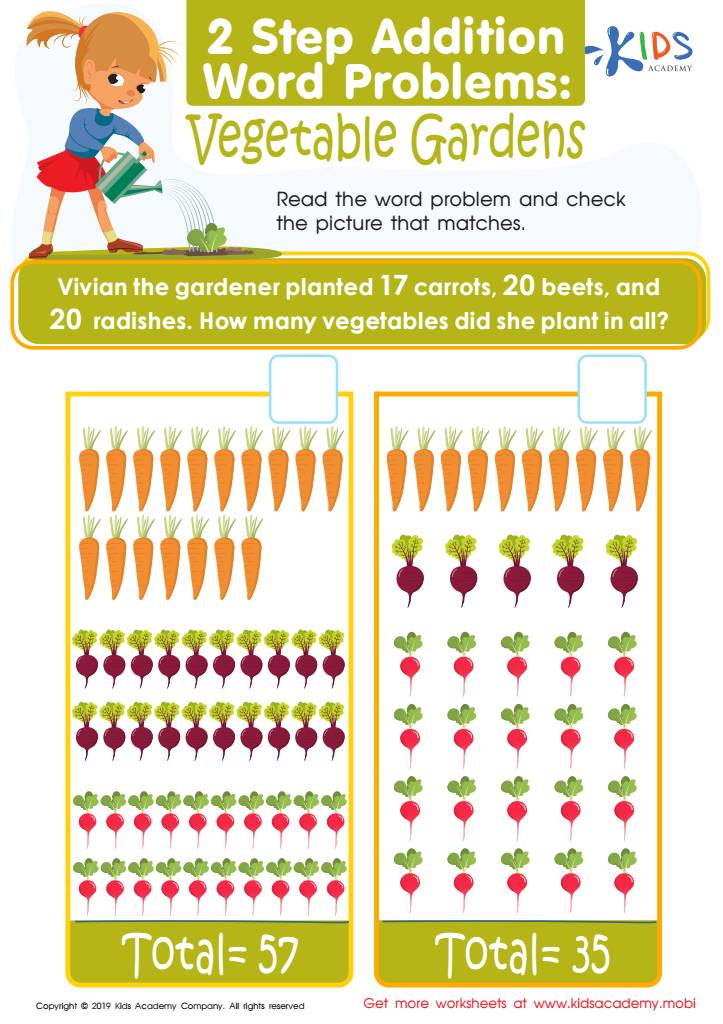
Vegetable Gardens Worksheet
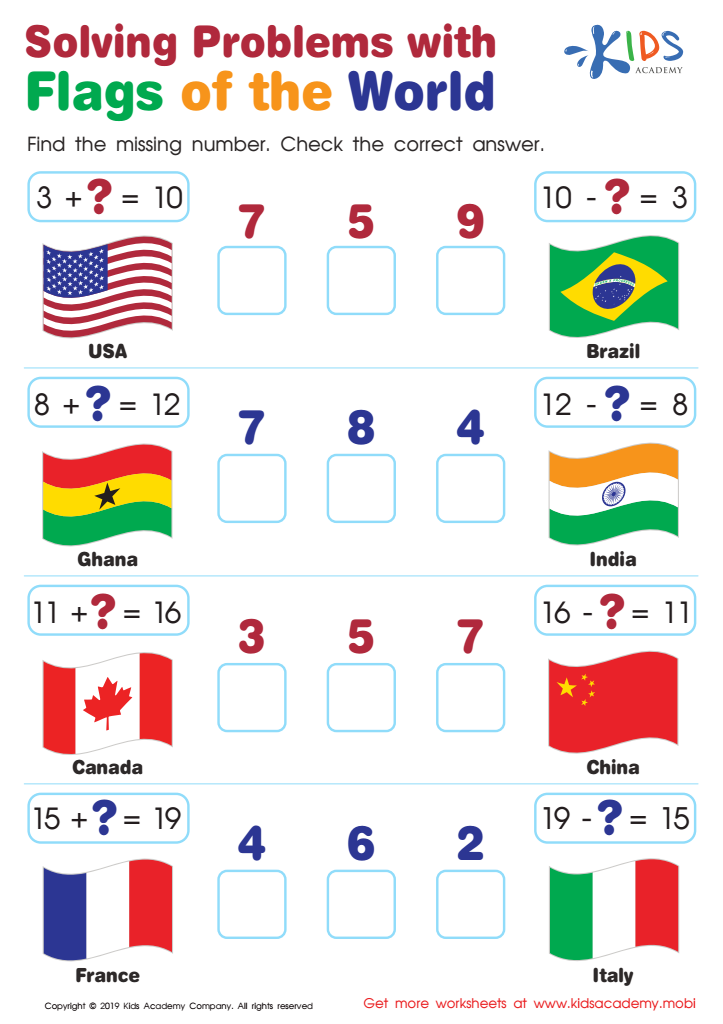
Solving Problems with Flags of the World Worksheet
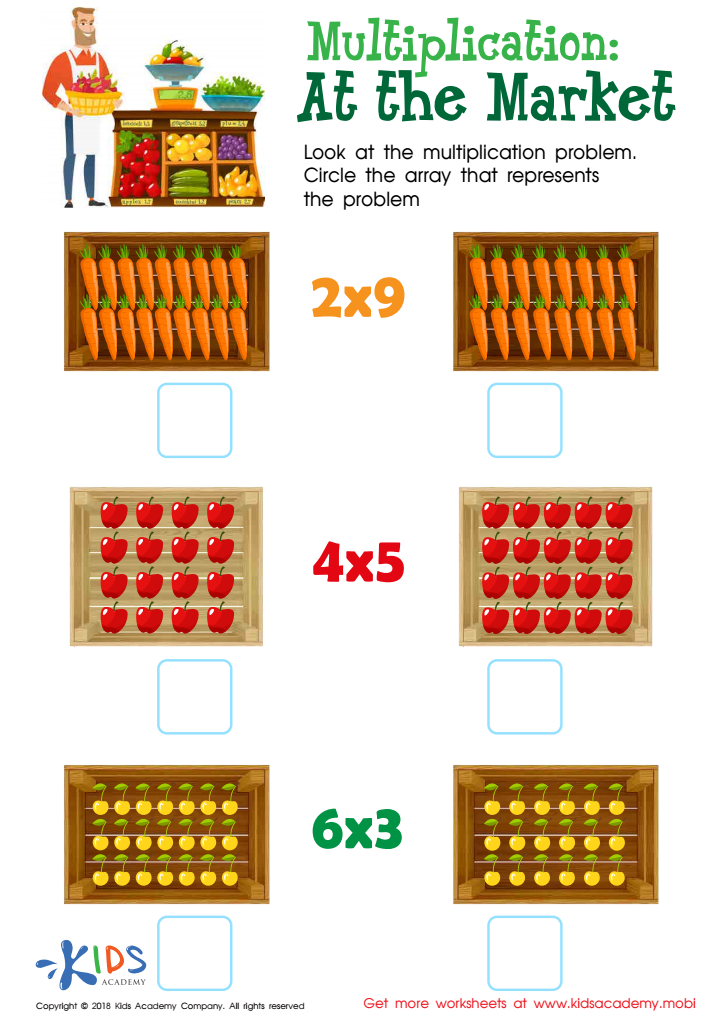
At the Market Worksheet








Parents and teachers should prioritize problem-solving skills in math for children aged 7-8 because these abilities are foundational for future learning and development. At this young age, children are not just learning to calculate; they are also beginning to think critically and apply logical reasoning to real-world scenarios. Developing strong problem-solving skills encourages creativity and innovation, enabling children to approach challenges with confidence and persistence.
Additionally, skills acquired during these formative years can influence students' attitudes toward math and learning as a whole. Engaging in problem-solving activities fosters a growth mindset, teaching children that effort and practice lead to improved abilities. This positive outlook can impact their willingness to tackle difficult tasks and overcome obstacles.
Moreover, strong problem-solving skills are essential for everyday life. They empower children to analyze situations, make decisions, and navigate challenges beyond the classroom, building resilience and independence.
By nurturing these skills through engaging, age-appropriate math activities, parents and teachers can equip children with tools that will serve them well academically and socially throughout their lives, ultimately preparing them for more complex mathematical concepts and real-world problem-solving in the future.








