Normal Multiplication Worksheets for Ages 7-8 - Page 2
46 filtered results
-
From - To
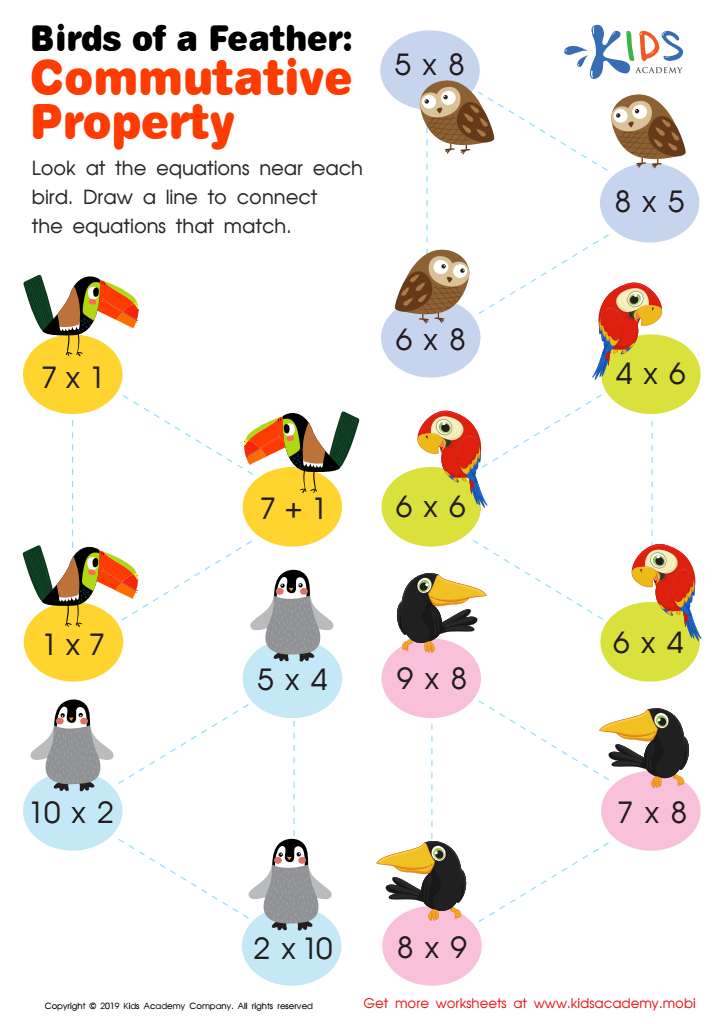
Birds of a Feather: Commutative Property Worksheet
 Assign to My Students
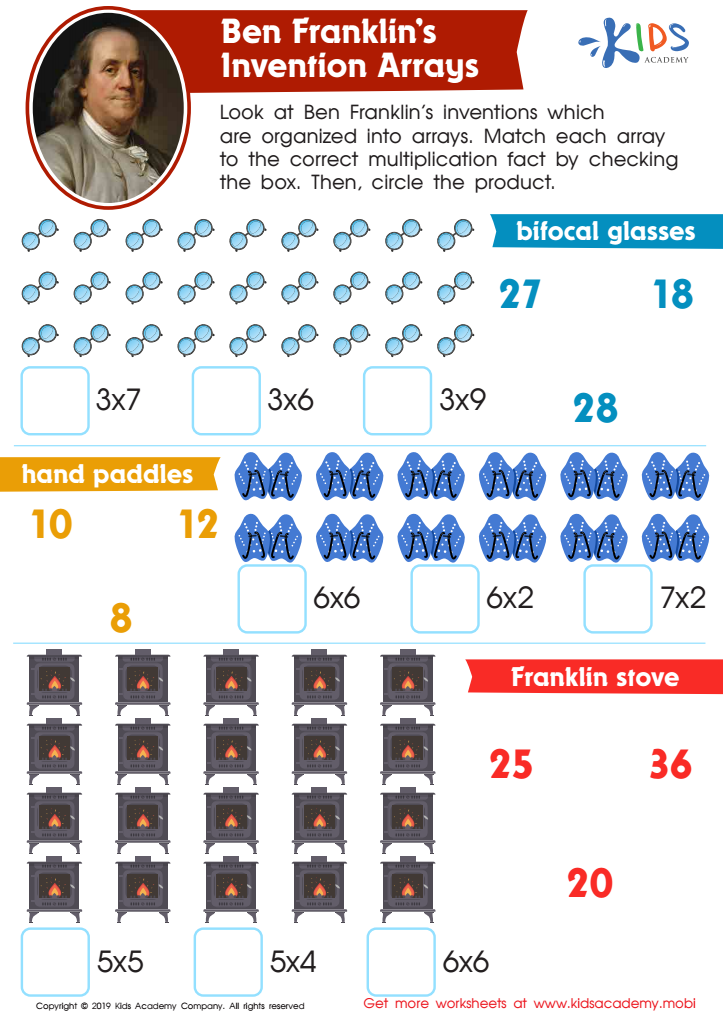
Ben Franklin’s Invention Arrays Worksheet
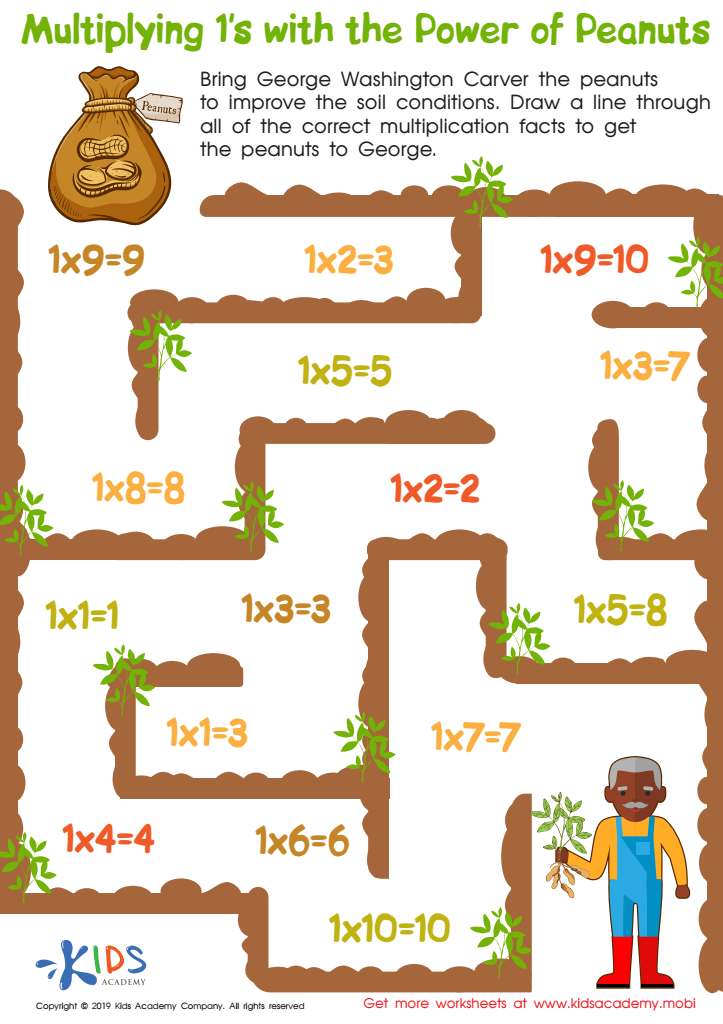
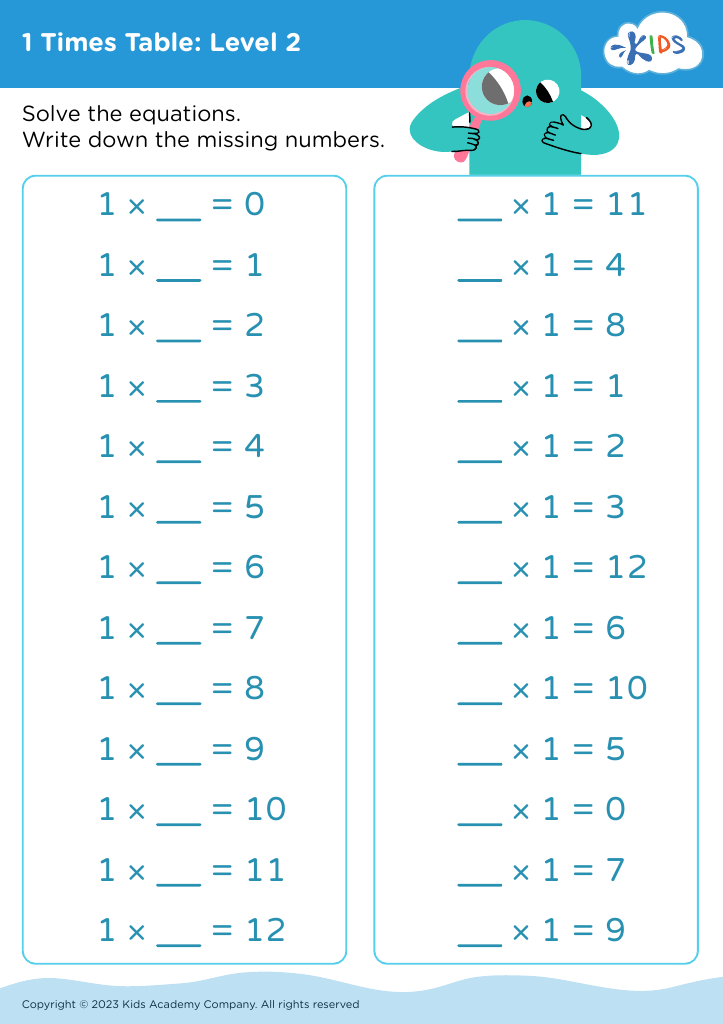
Multiplying 1’s With the Power of Peanuts Worksheet
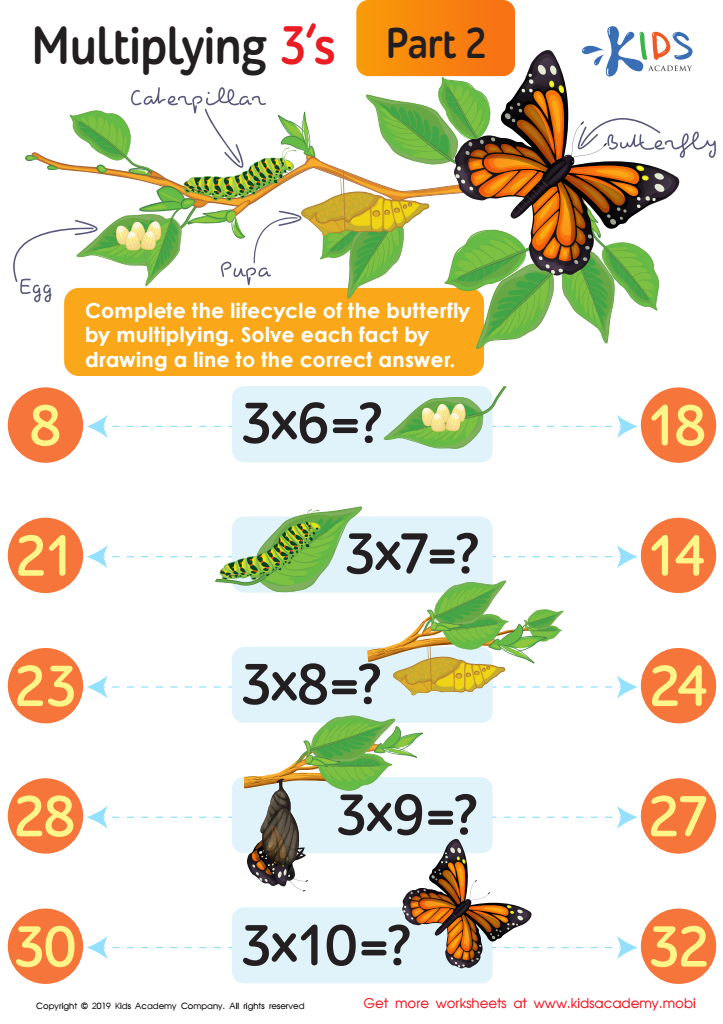
Multiplying 3s Part 2 Worksheet
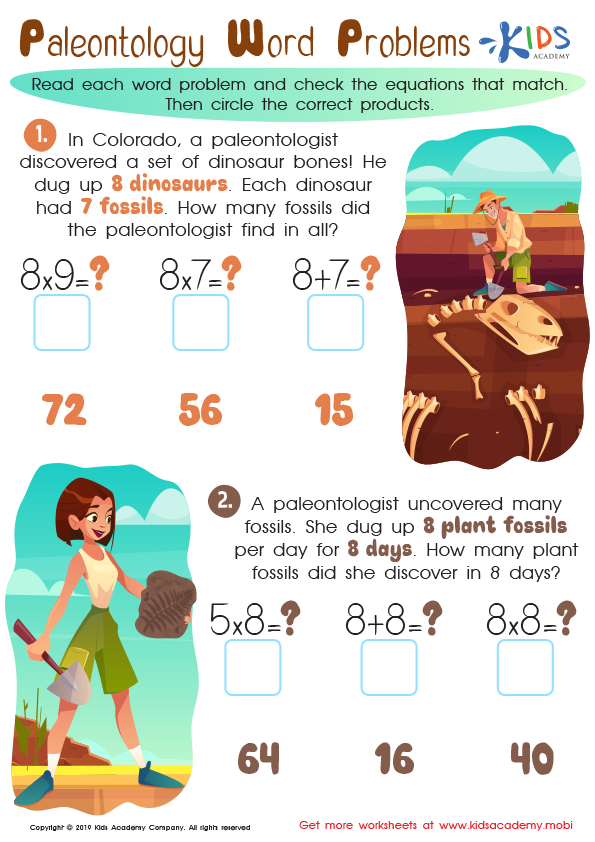
Archeology Word Problems Worksheet
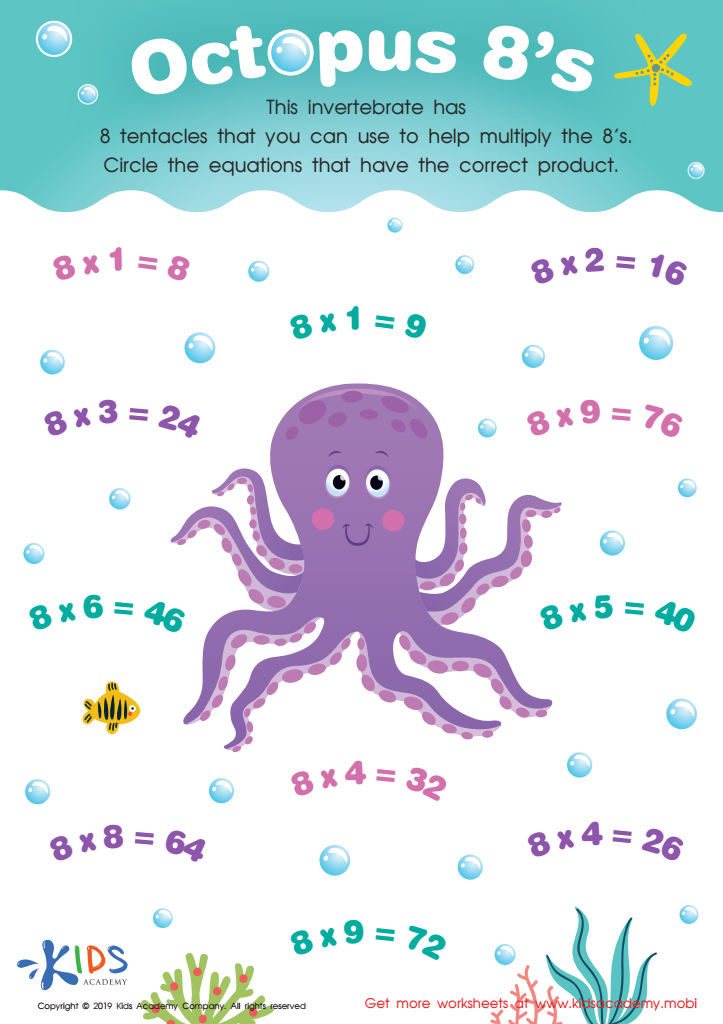
Octopus 8’s Worksheet
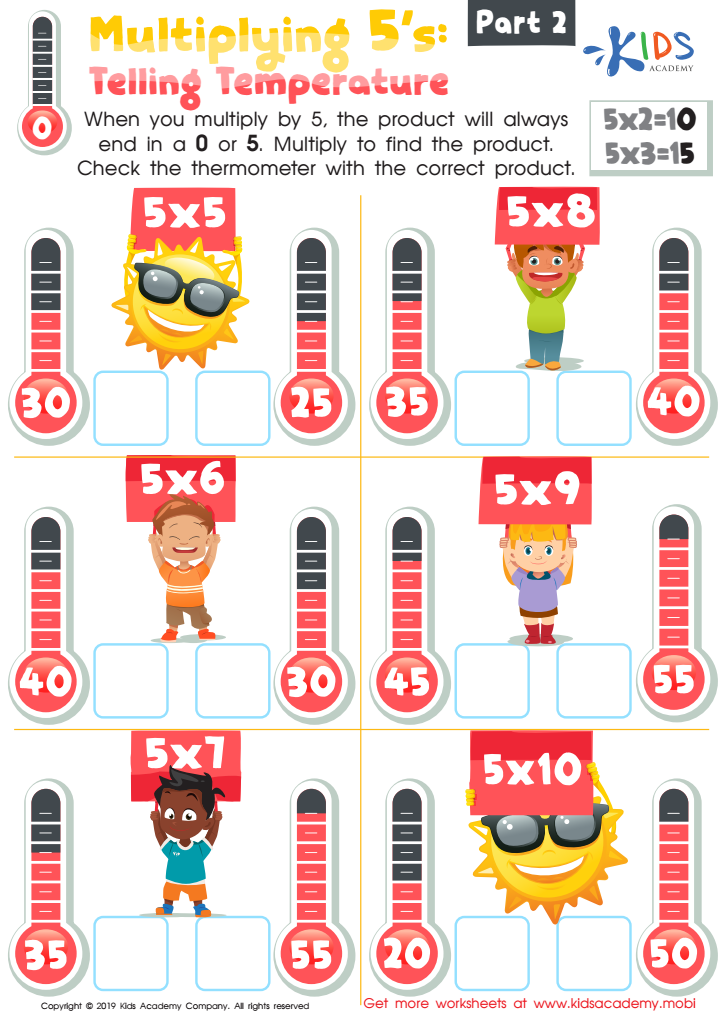
Multiplying 5’s: Telling Temperature Part 2 Worksheet
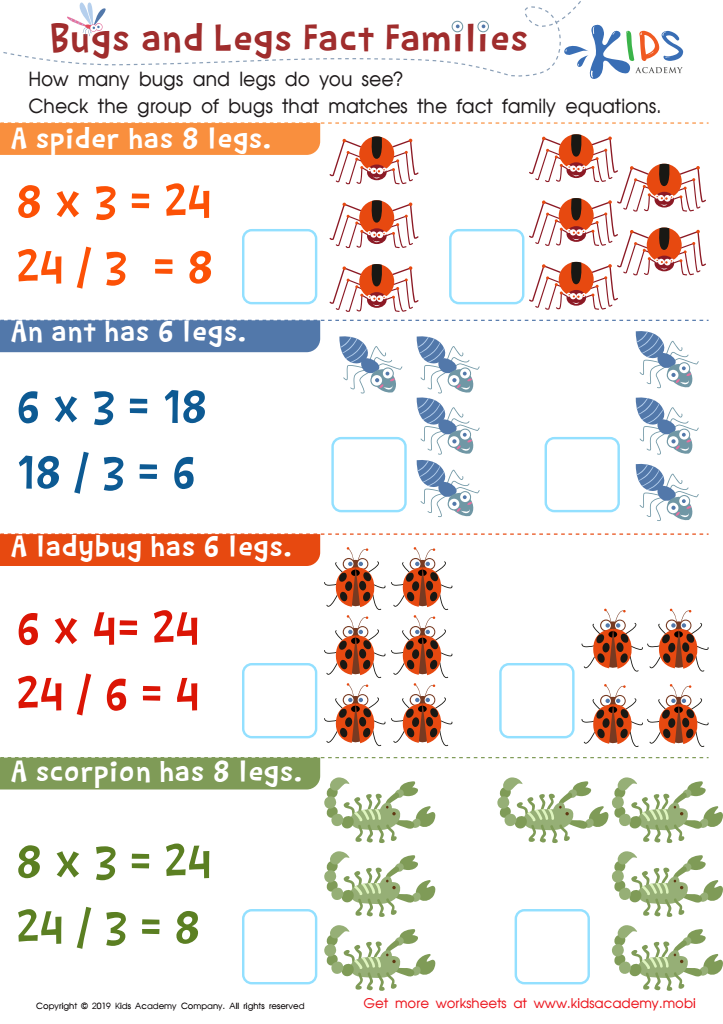
Bugs and Legs Fact Families Worksheet
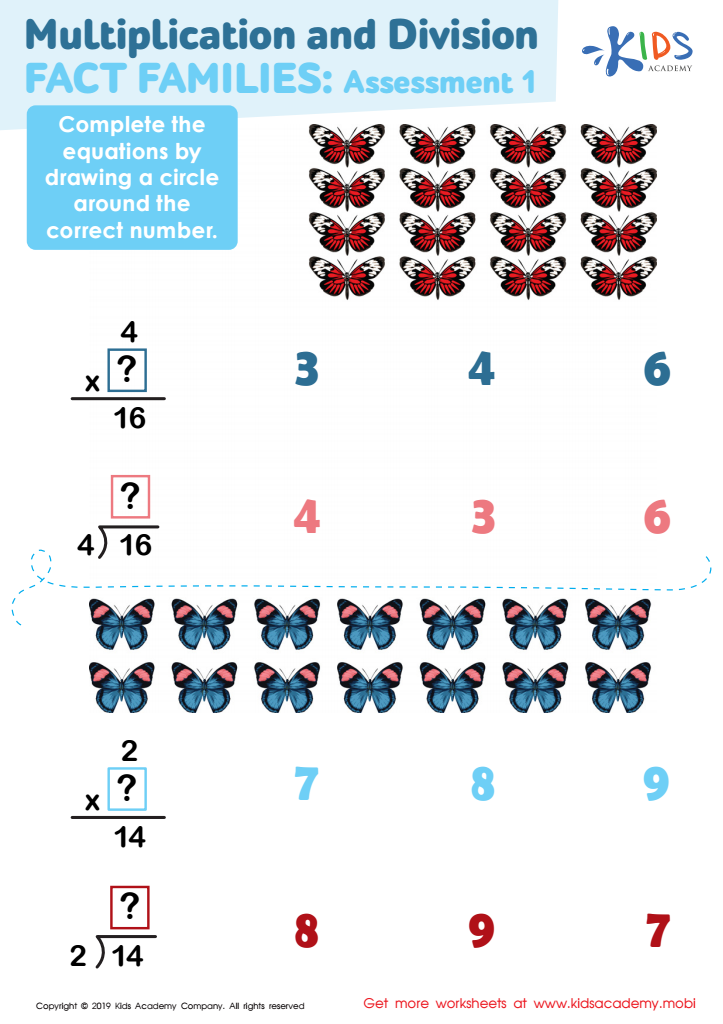
Multiplication and Division Fact Families Assessment 1 Worksheet
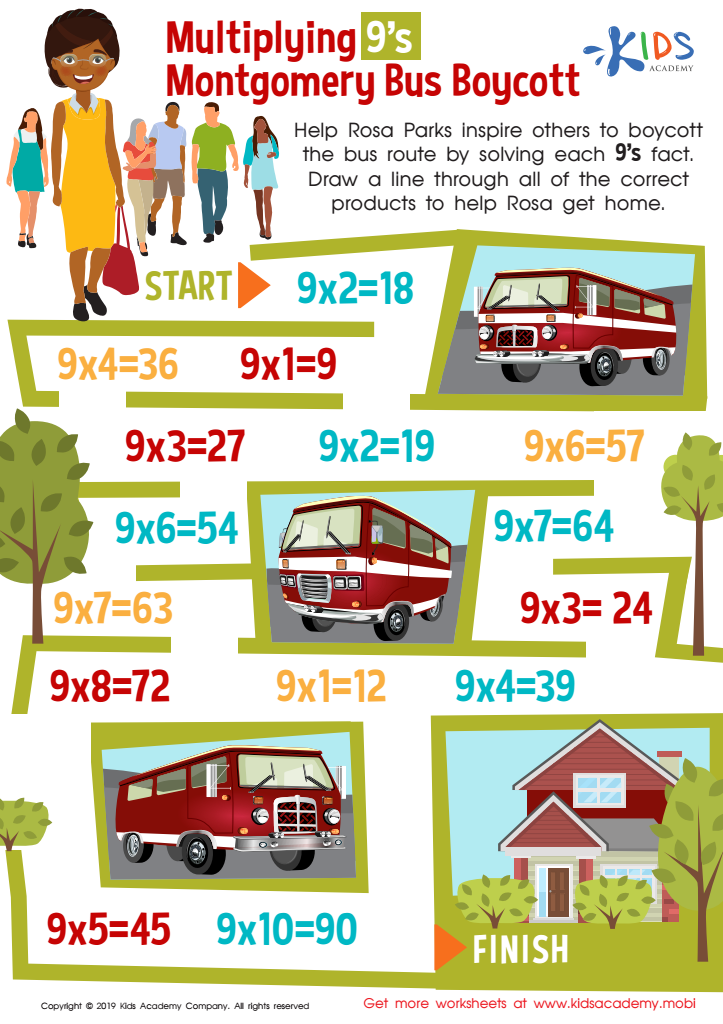
Multiplying 9’s Montgomery Bus Boycott Worksheet
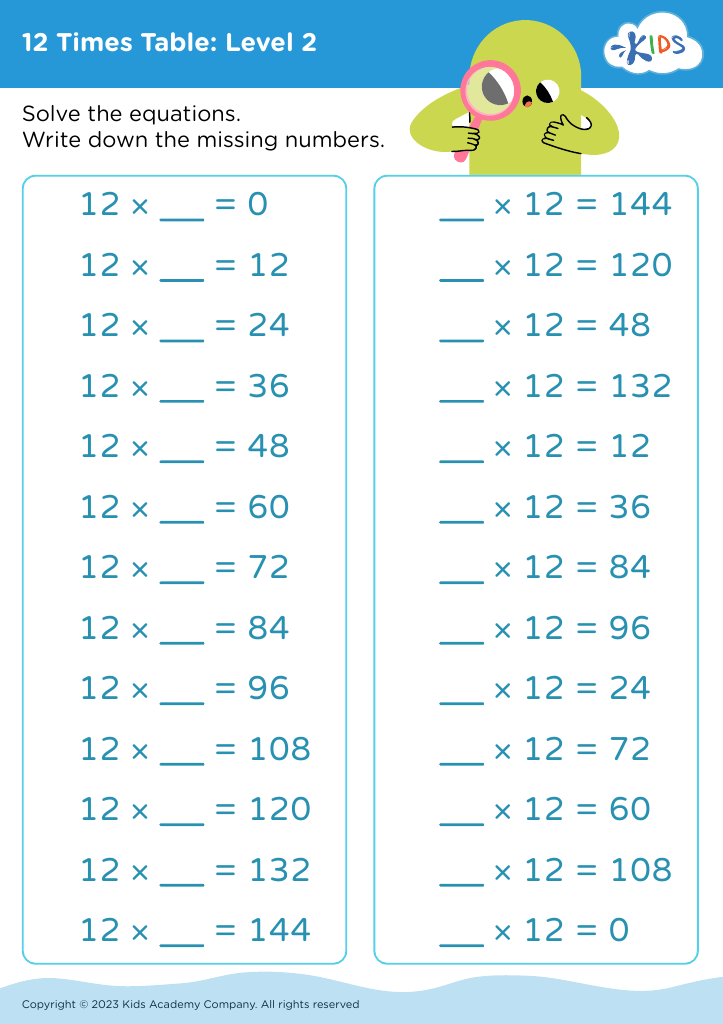
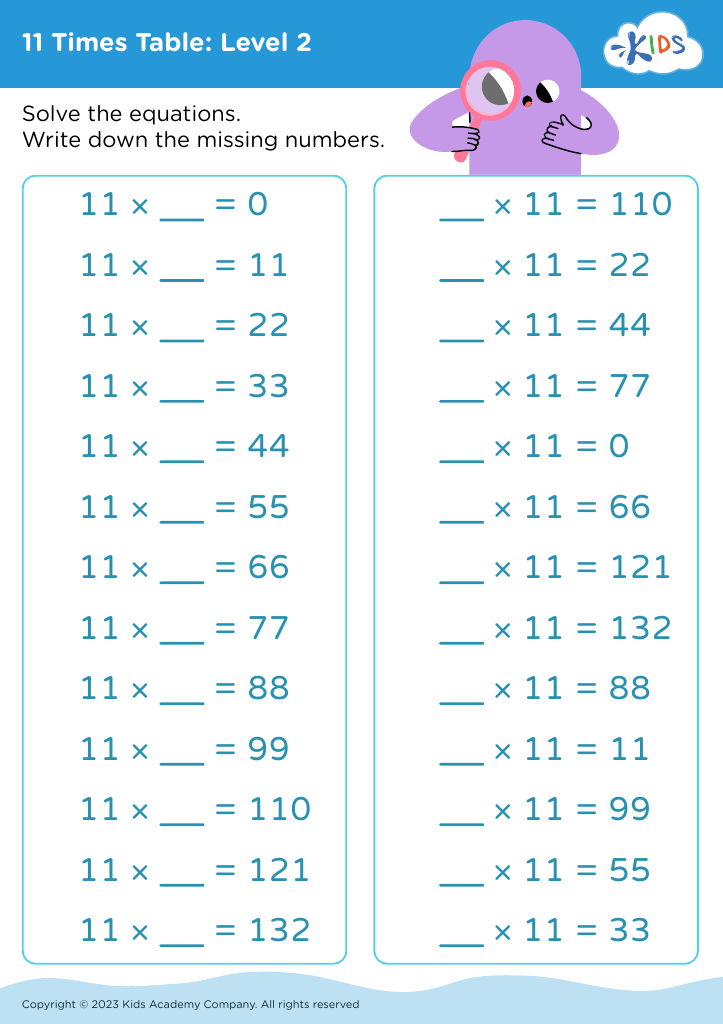
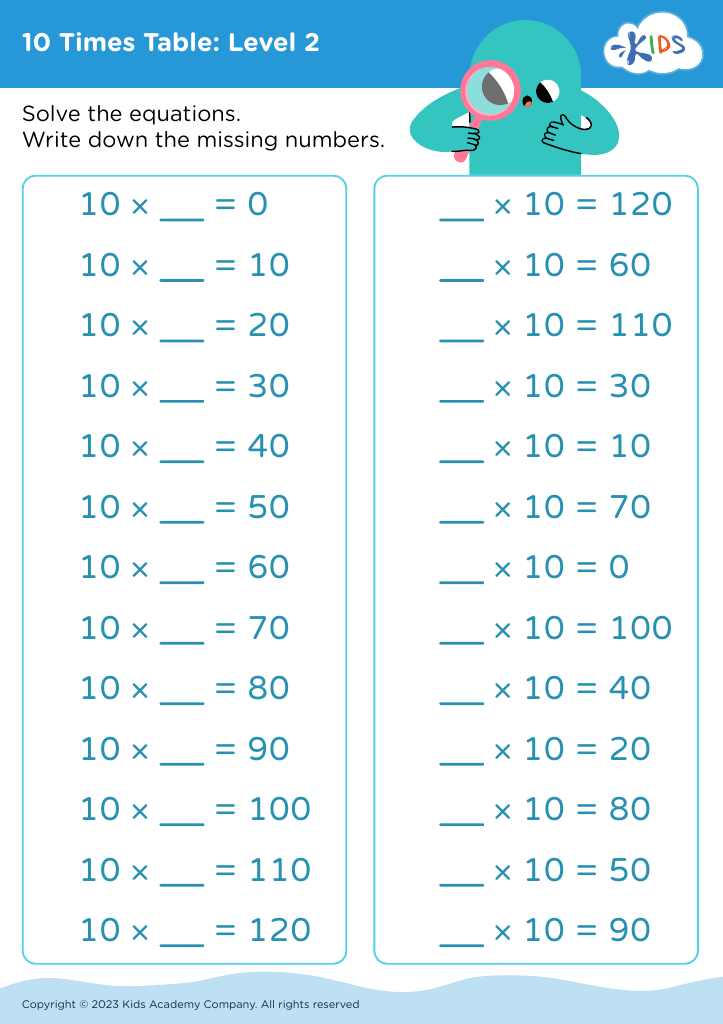
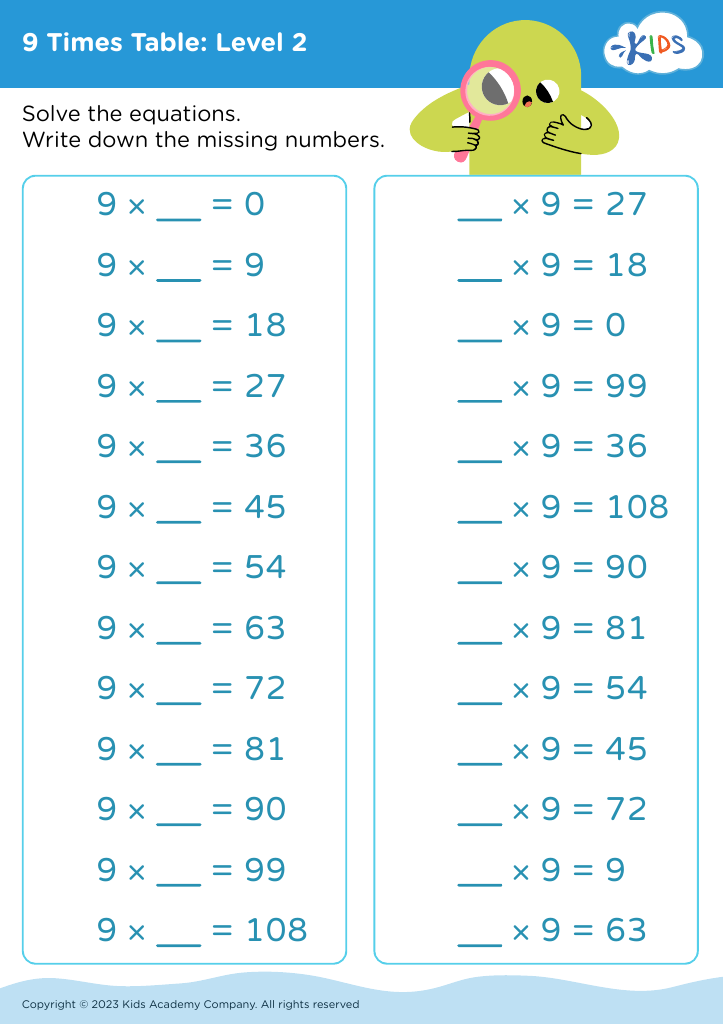
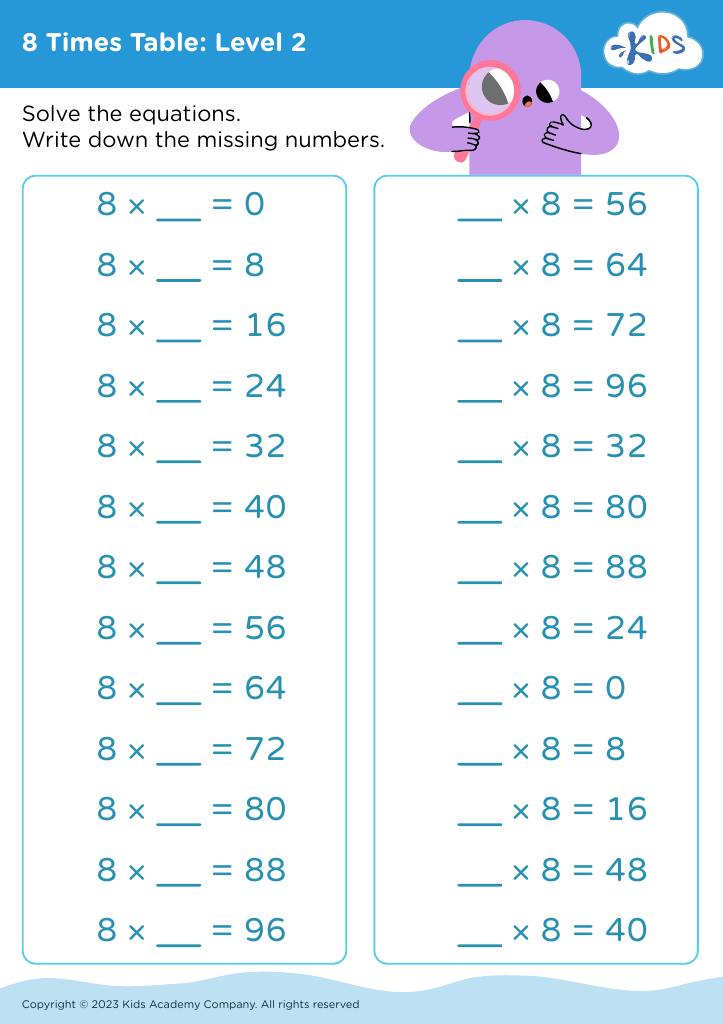
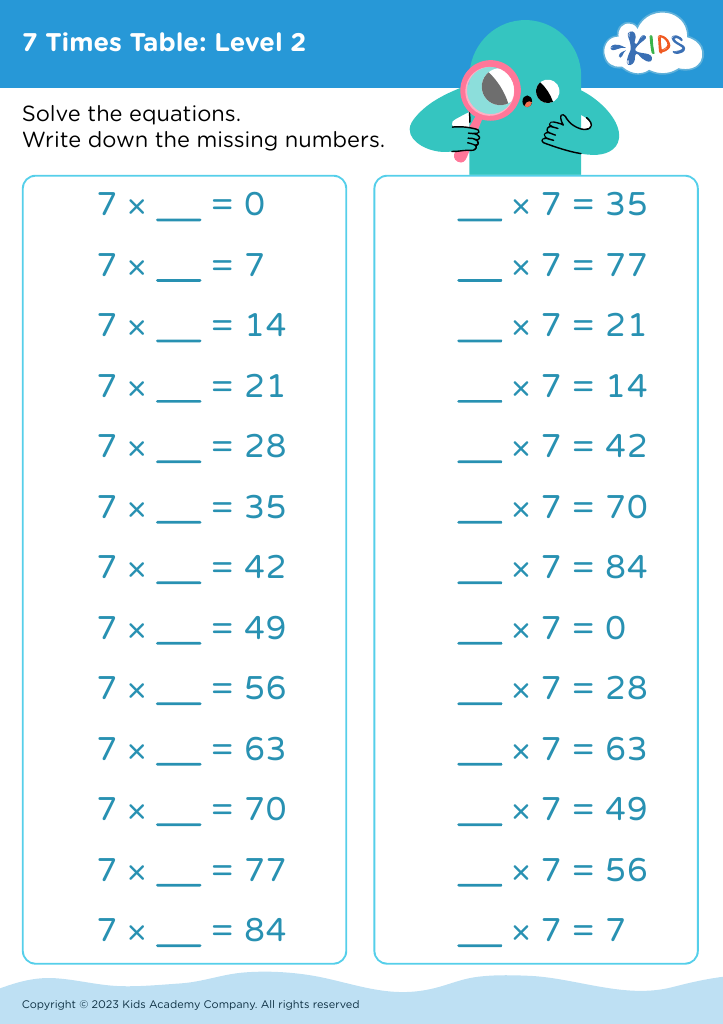
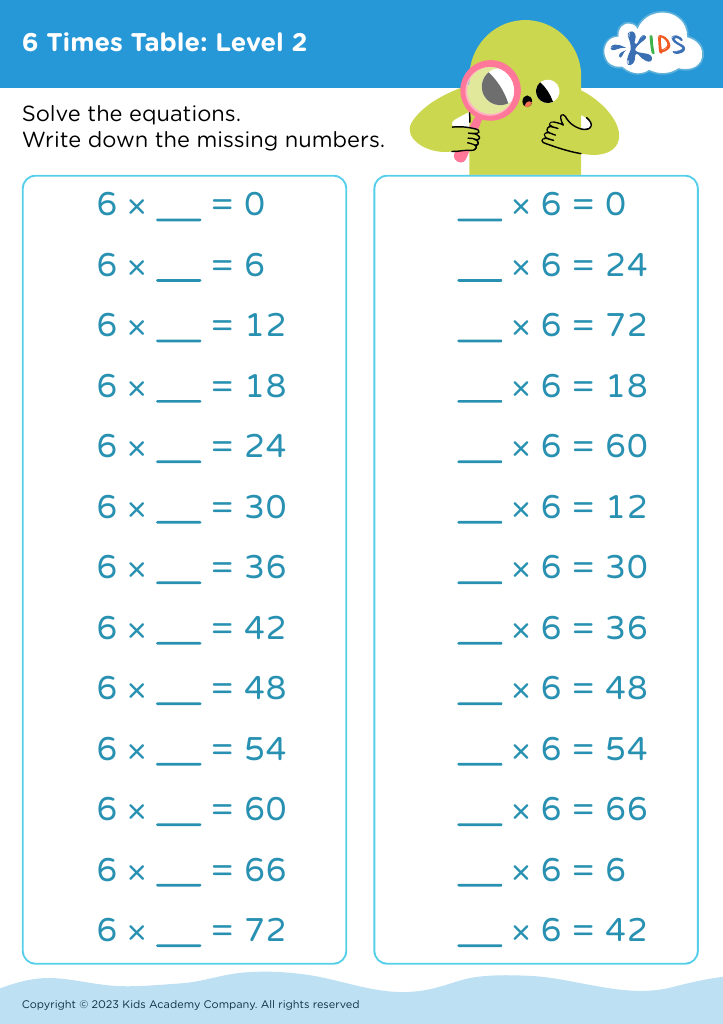
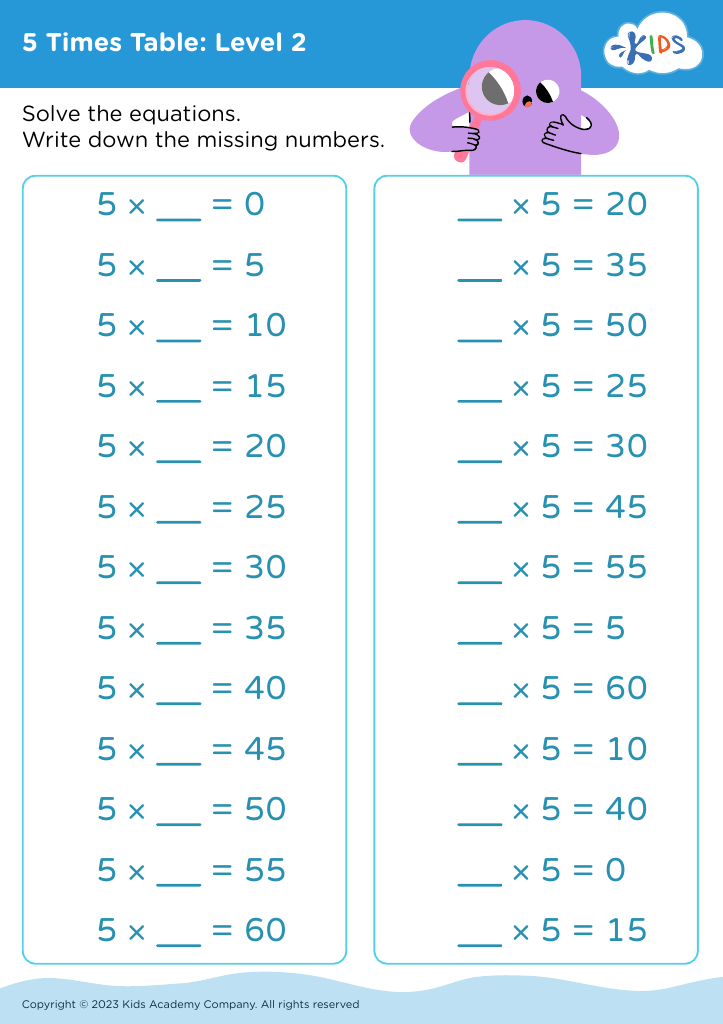
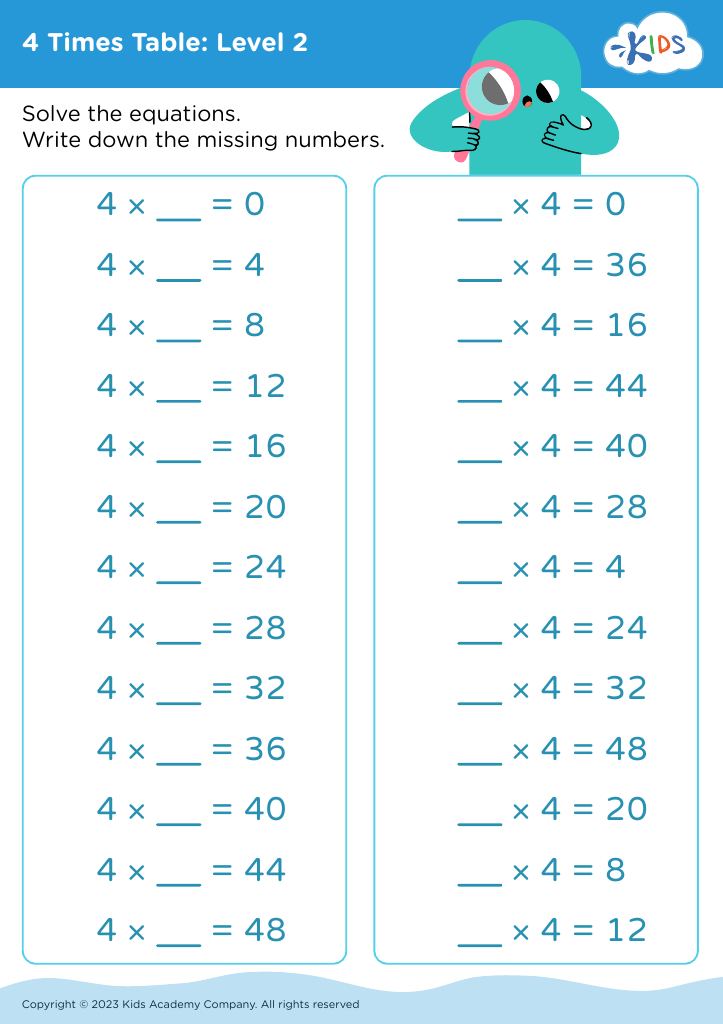
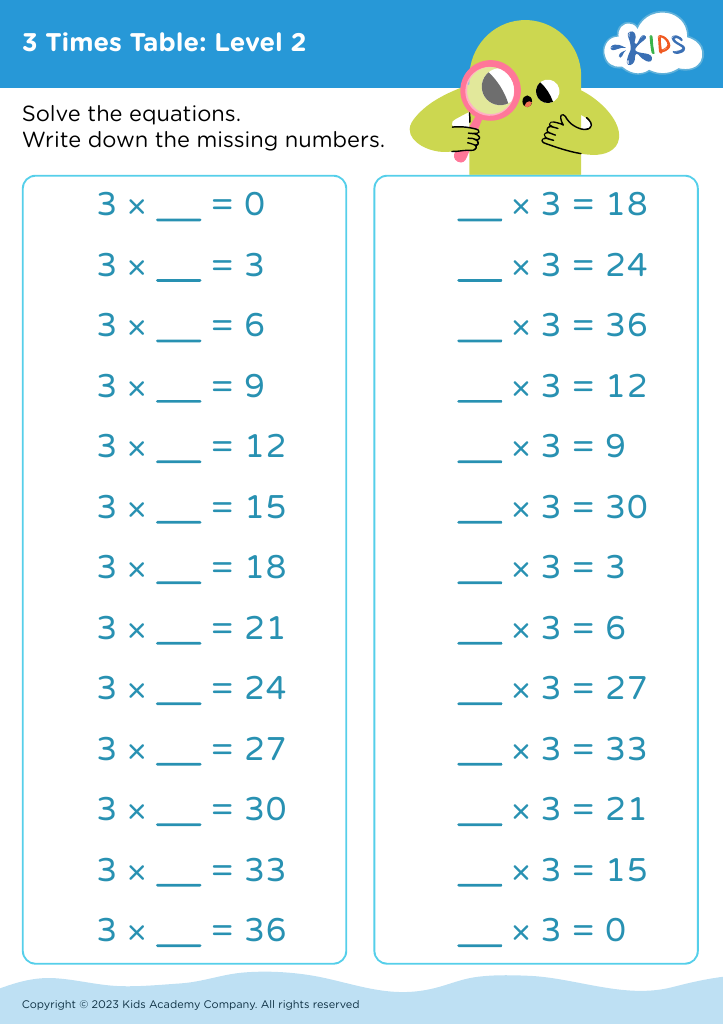
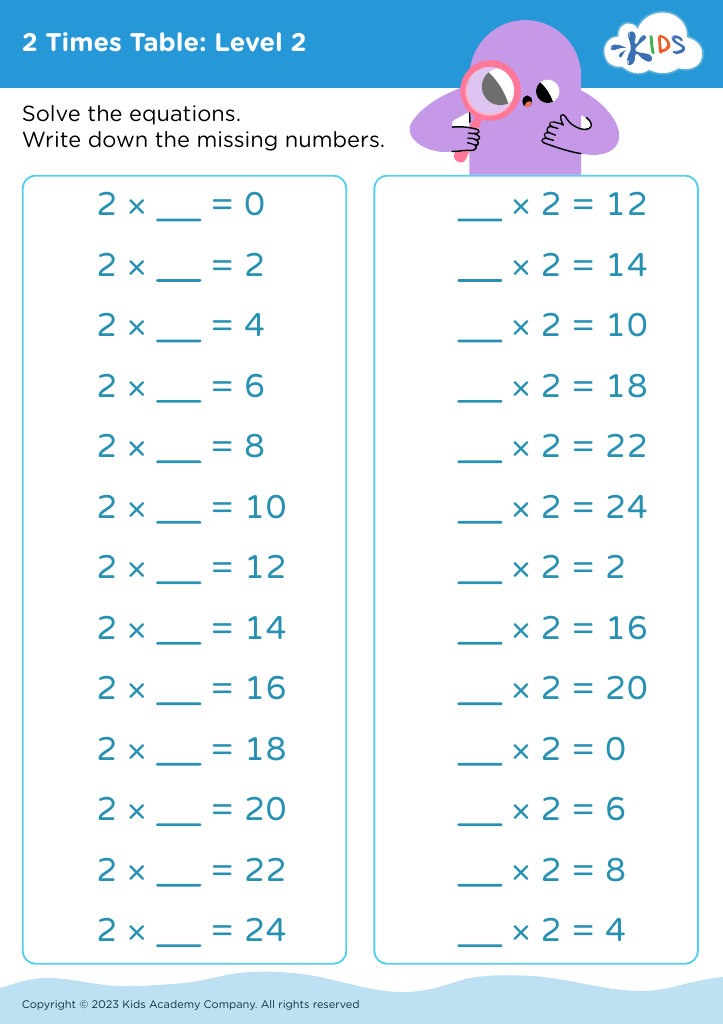








Understanding normal multiplication by ages 7-8 is crucial for several reasons. At this developmental stage, children are laying the foundational skills for more complex mathematical concepts. Mastering multiplication not only aids in arithmetic proficiency but also significantly contributes to their ability to comprehend division, fractions, and eventually, algebra.
Early multiplication skills can also bolster a child's confidence and interest in math. Confidence in math can lead to a more positive attitude towards the subject, reducing math anxiety and promoting a love for learning. This positive reinforcement is vital as students progress through increasingly difficult levels of math in their academic journey.
Furthermore, multiplication plays a key role in developing problem-solving abilities. It helps children understand patterns and relationships between numbers, fostering logical and critical thinking skills that are applicable in everyday life. Whether calculating the total cost of items, dividing a pizza among friends, or understanding time, these real-life applications make this skill extraordinarily valuable.
Lastly, from a neurological perspective, engaging in multiplication exercises stimulates brain development. This mental exercise helps in establishing neural connections that enhance both mathematical thinking and overall cognitive development. By ensuring children grasp multiplication early, parents and teachers are equipping them with essential tools for academic success and beyond.








