Counting skills Normal Numbers Worksheets for Ages 7-9 - Page 2
33 filtered results
-
From - To
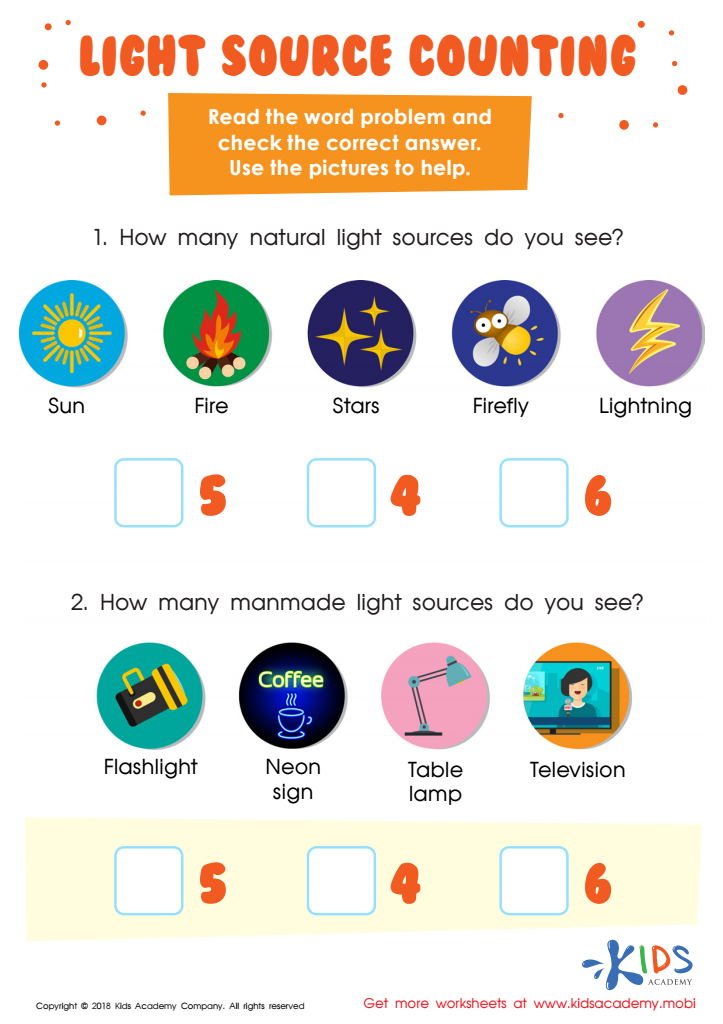
Light Source Counting Worksheet
 Assign to My Students
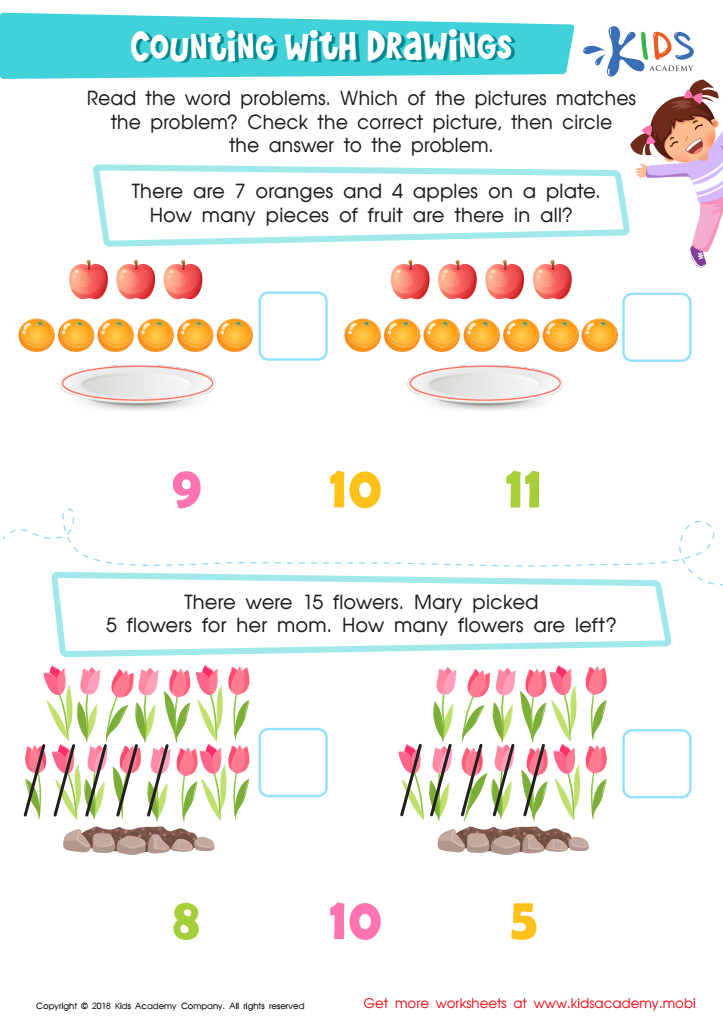
Counting with Drawings:Fruits & Flowers Worksheet
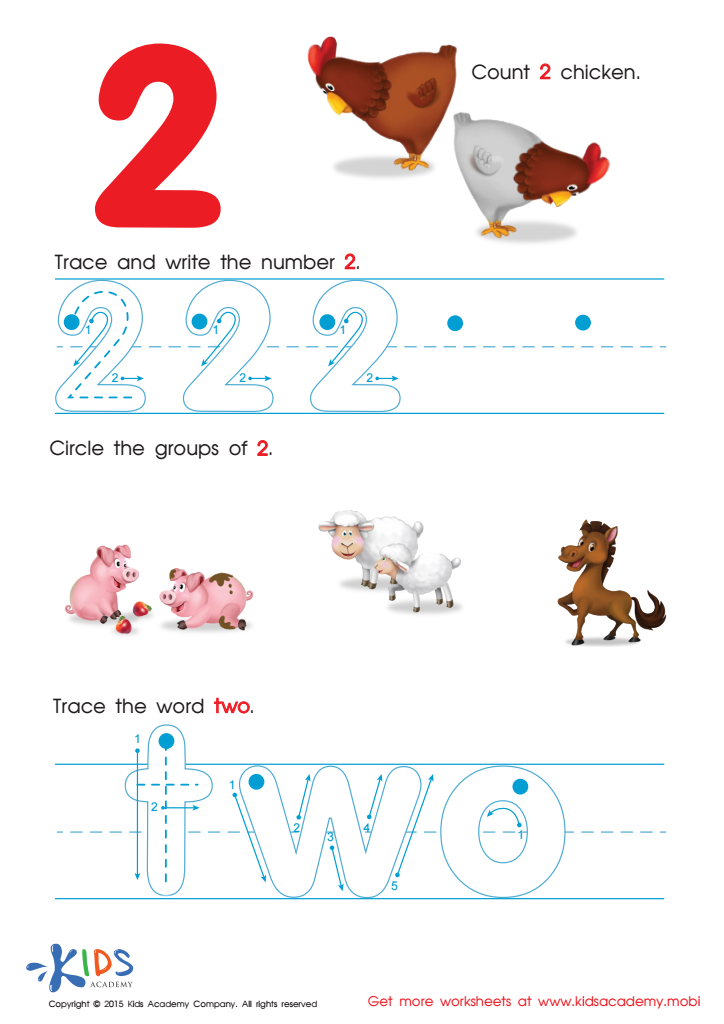
Learn to Write the Number 2 Worksheet
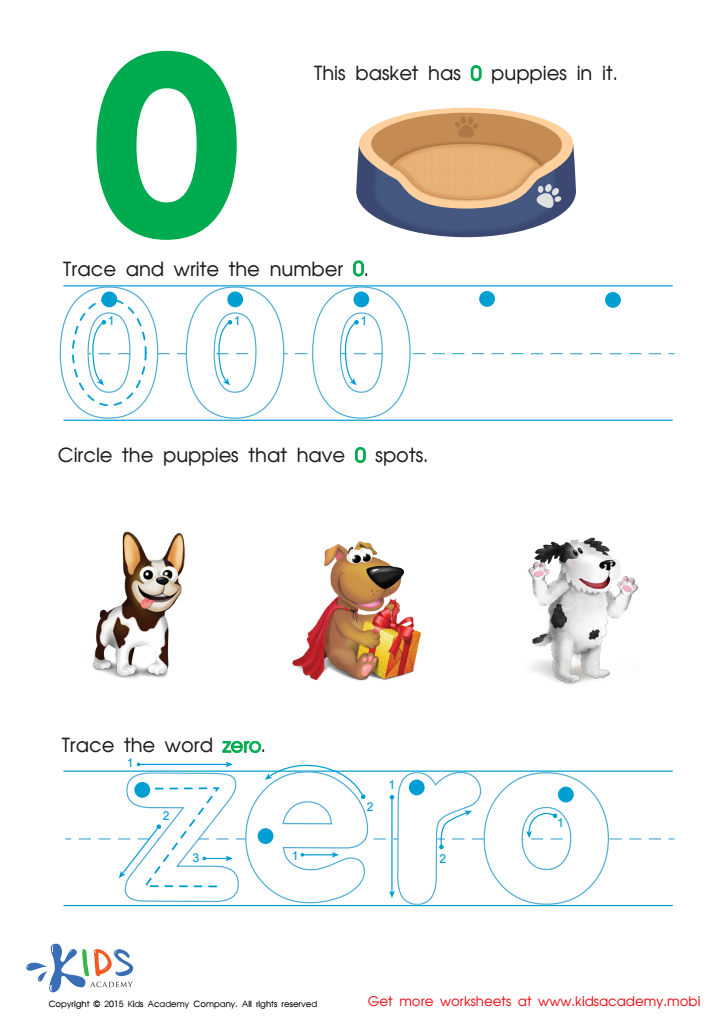
Trace And Write Number 0 Worksheet
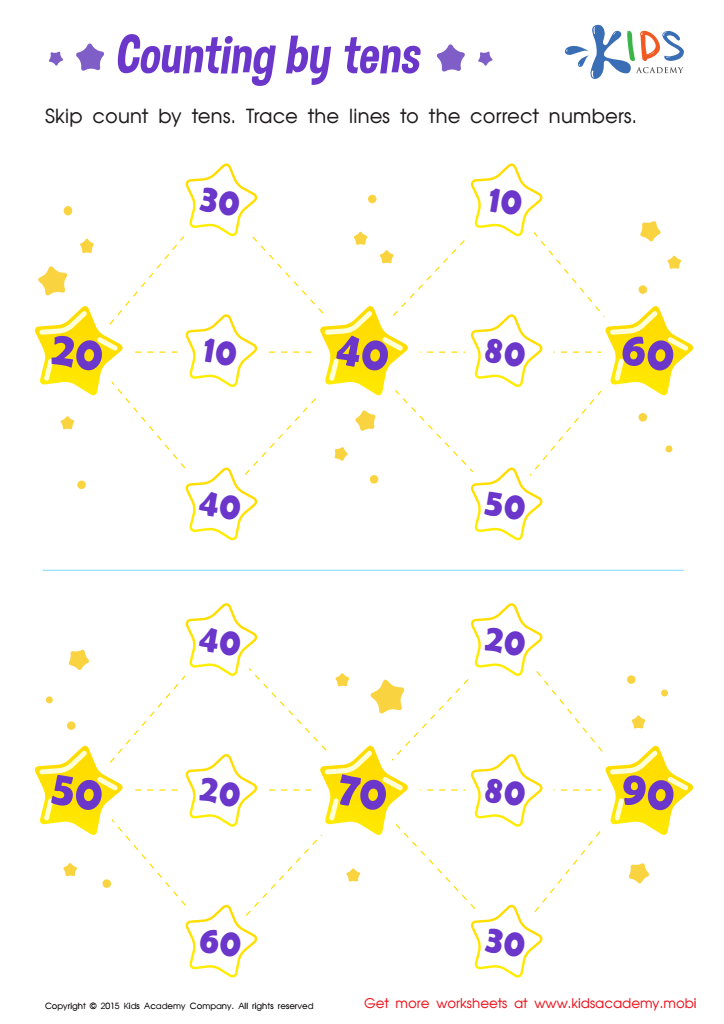
Learn Dozens: Counting by Tens Printable
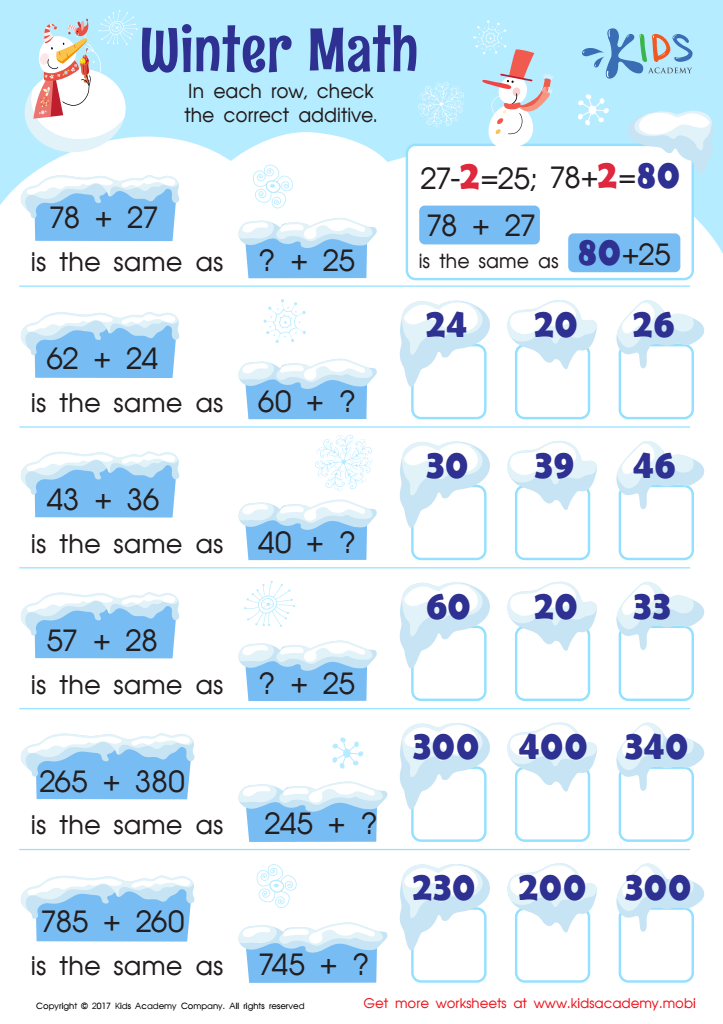
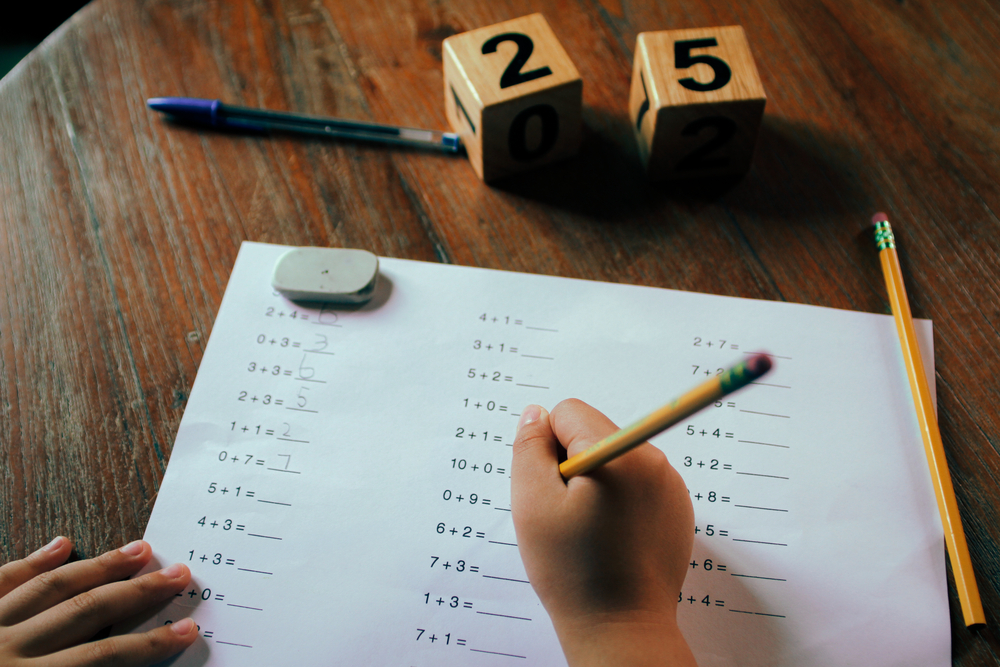
Free Addition Worksheet
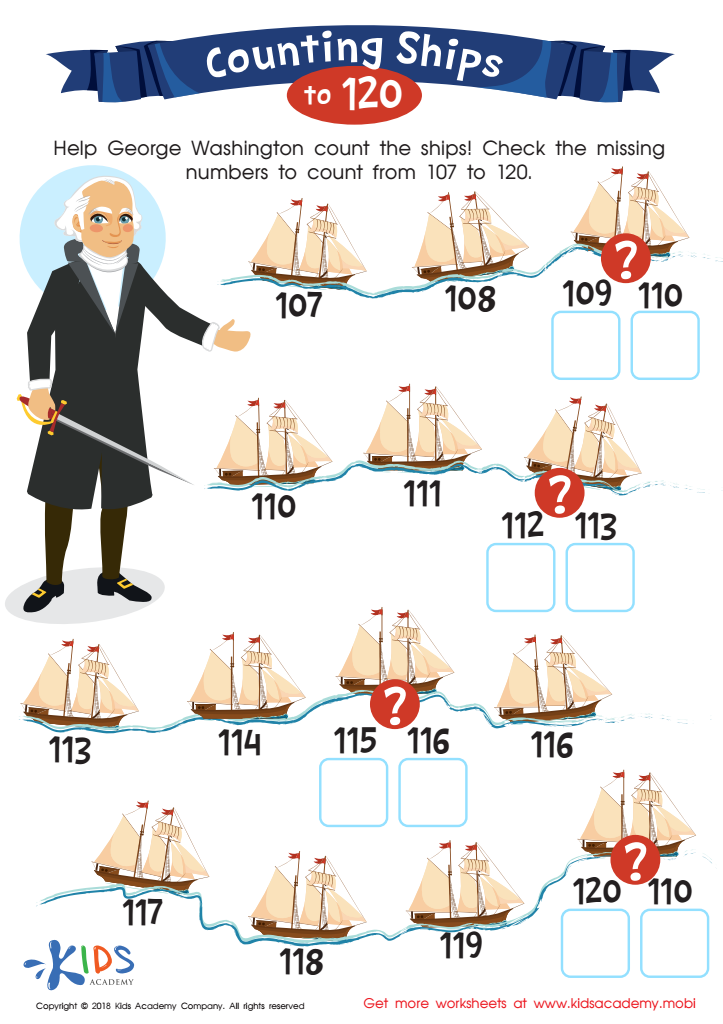
Counting Ships to 120 Worksheet
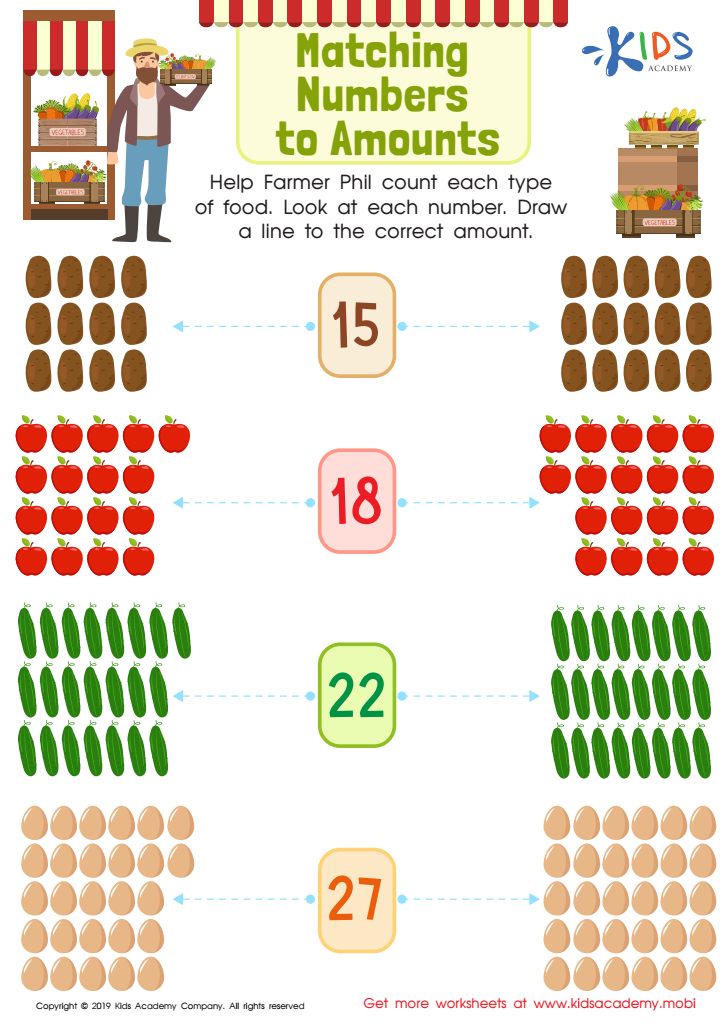
Matching Numbers to Amounts Worksheet
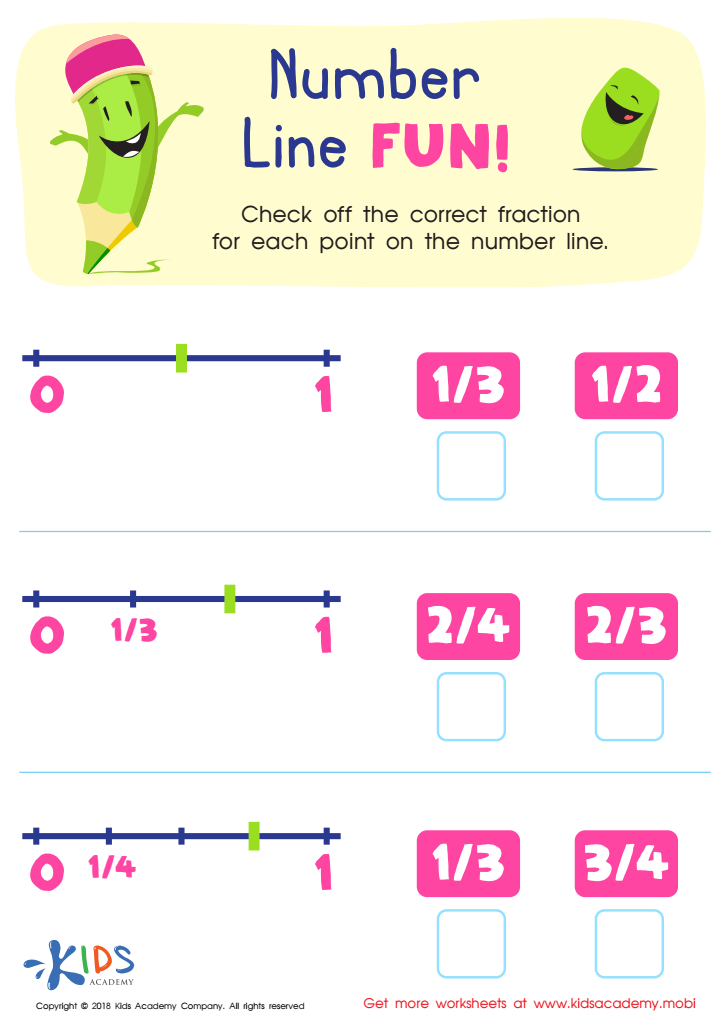
Number Line Fun Worksheet






%20(1).jpg)
Counting skills and understanding normal numbers are foundational for children aged 7-9, setting the stage for their future mathematical competence and overall cognitive development. At this age, children are expected to progress from basic counting to more complex mathematical operations, making it essential for parents and teachers to prioritize these skills.
Firstly, mastery of counting lays the groundwork for advanced concepts like addition, subtraction, and even multiplication. When children grasp how numbers work together, they gain confidence in tackling more challenging problems. Furthermore, strong counting skills contribute to improved problem-solving capability, critical for real-life situations.
Beyond mathematics, counting skills enhance children's ability to recognize patterns and sequences, essential in subjects such as science and even art, thereby promoting a well-rounded education. Parents and teachers can foster these skills through games and interactive activities that not only engage children but also make learning enjoyable.
Additionally, counting helps children develop a sense of responsibility as they begin to manage their resources—be it time, money, or material. In summary, encouraging counting skills and a solid understanding of normal numbers during these formative years is crucial in helping children build a confident, comprehensive approach to their future learning endeavors.








