Normal Measurement Worksheets for Ages 7-9 - Page 2
28 filtered results
-
From - To
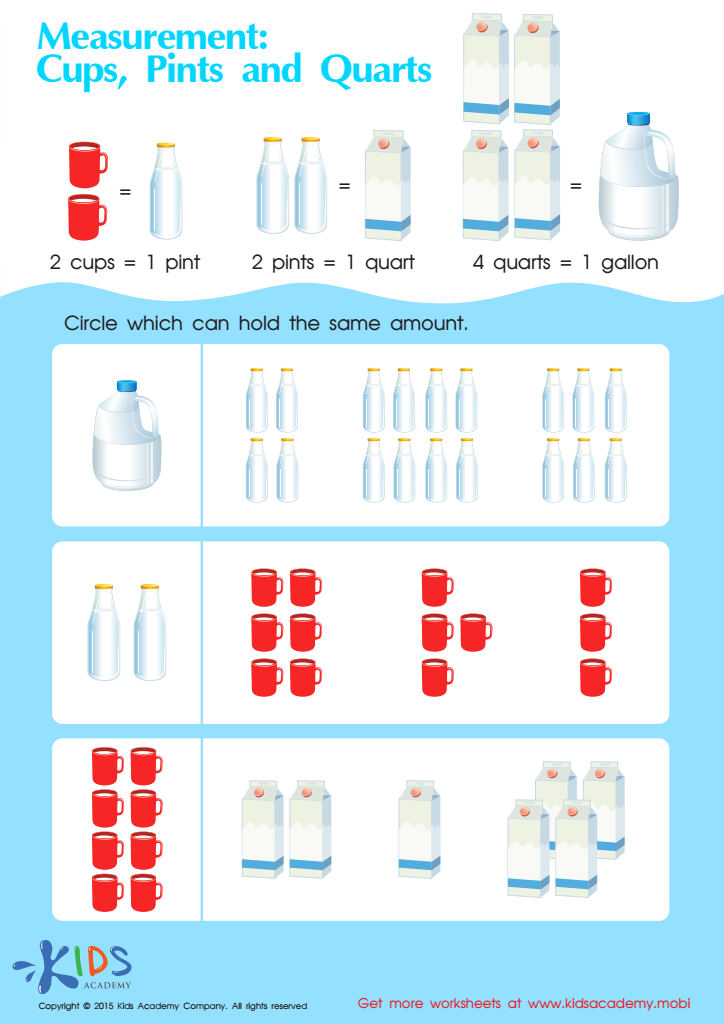
Cups, Pints and Quarts 2 Worksheet
 Assign to My Students
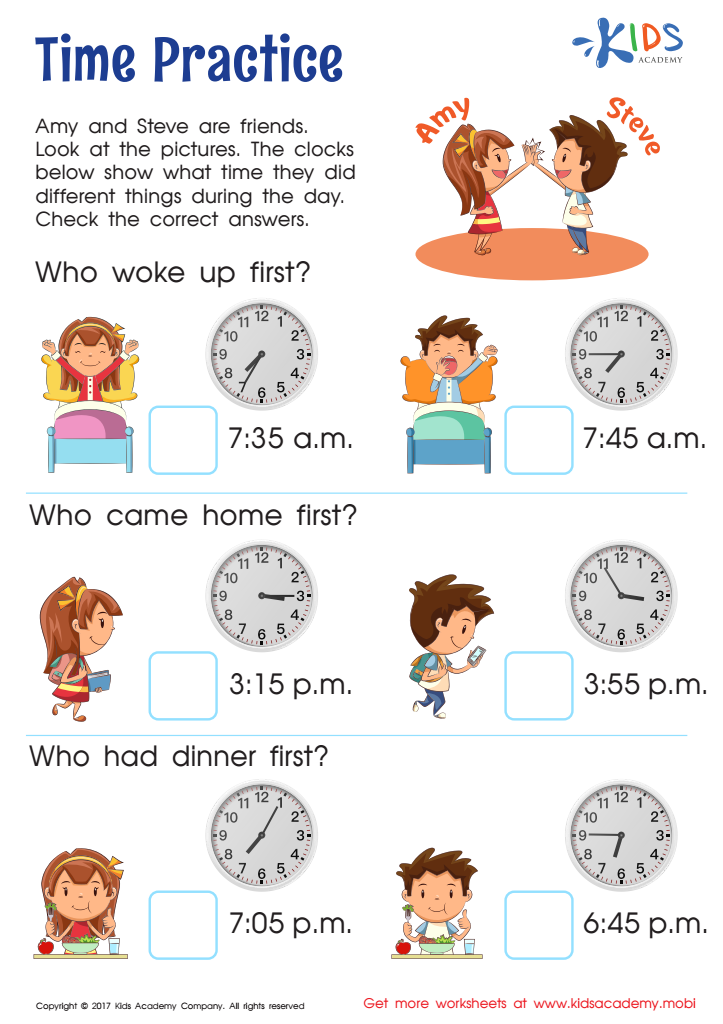
Time Practice Worksheet
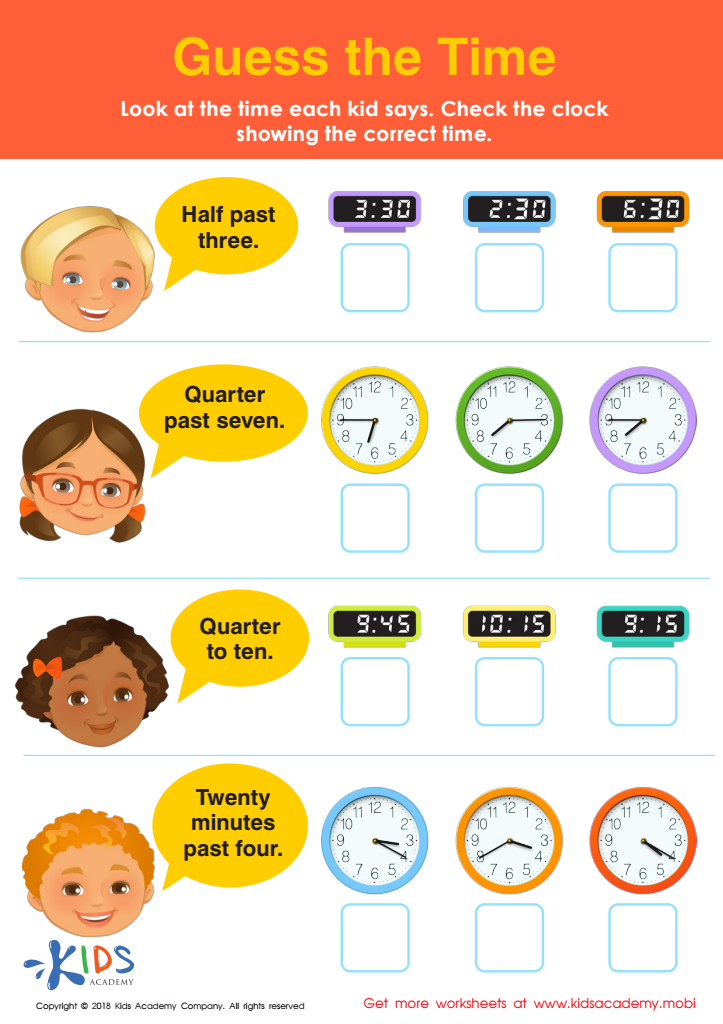
Guess the Time Worksheet
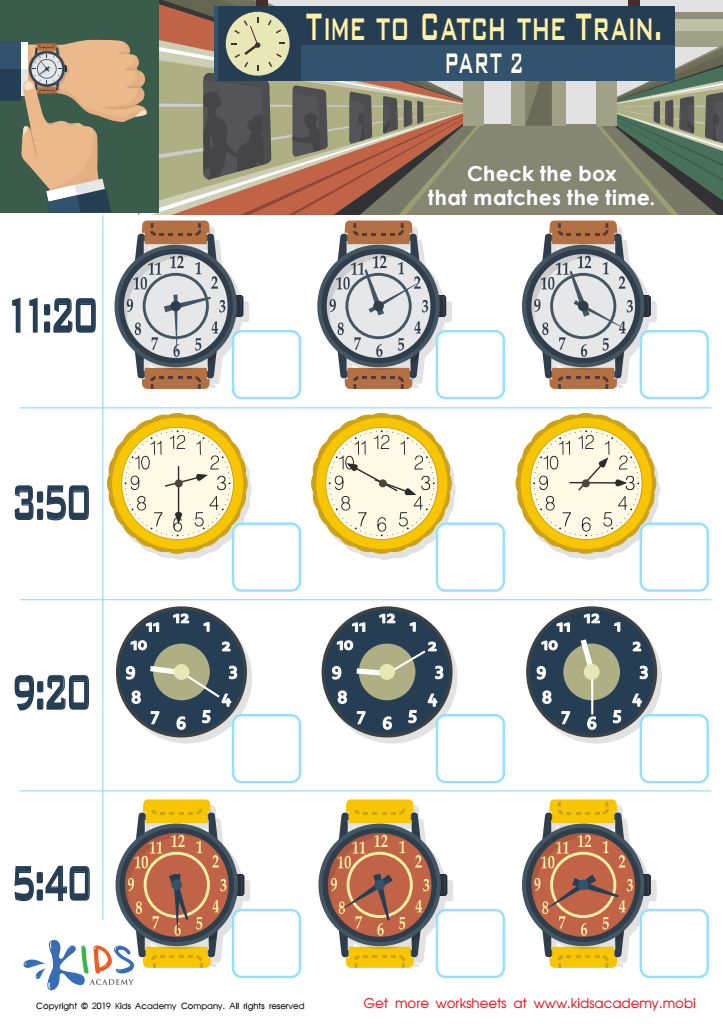
Time to Catch the Train Part 2 Worksheet








Parents and teachers should care about the normal measurement of growth and development for children aged 7 to 9 because it provides critical benchmarks essential for both physical and cognitive progress. Understanding these measurements helps in monitoring whether a child is growing at an expected rate. This includes tracking height, weight, and body mass index (BMI), which can signal a child's overall health status.
For instance, deviations from the norms may indicate nutritional deficiencies, metabolic disorders, or other underlying health issues that require early intervention. Beyond physical development, cognitive and social benchmarks are also vital. These include literacy and numeracy skills, emotional regulation, and social interactions —areas crucial for success in subsequent school years.
Equipping parents and teachers with this knowledge enables them to provide timely support and resources. Early identification of potential issues can lead to interventions that mitigate long-term adverse outcomes. This proactive stance not only enhances a child's immediate well-being but also sets the stage for improved academic performance and emotional health. Ultimately, understanding normal developmental measurements empowers adults to foster environments where children can thrive.








