Critical Thinking Normal Worksheets for Ages 8-9 - Page 2
49 filtered results
-
From - To
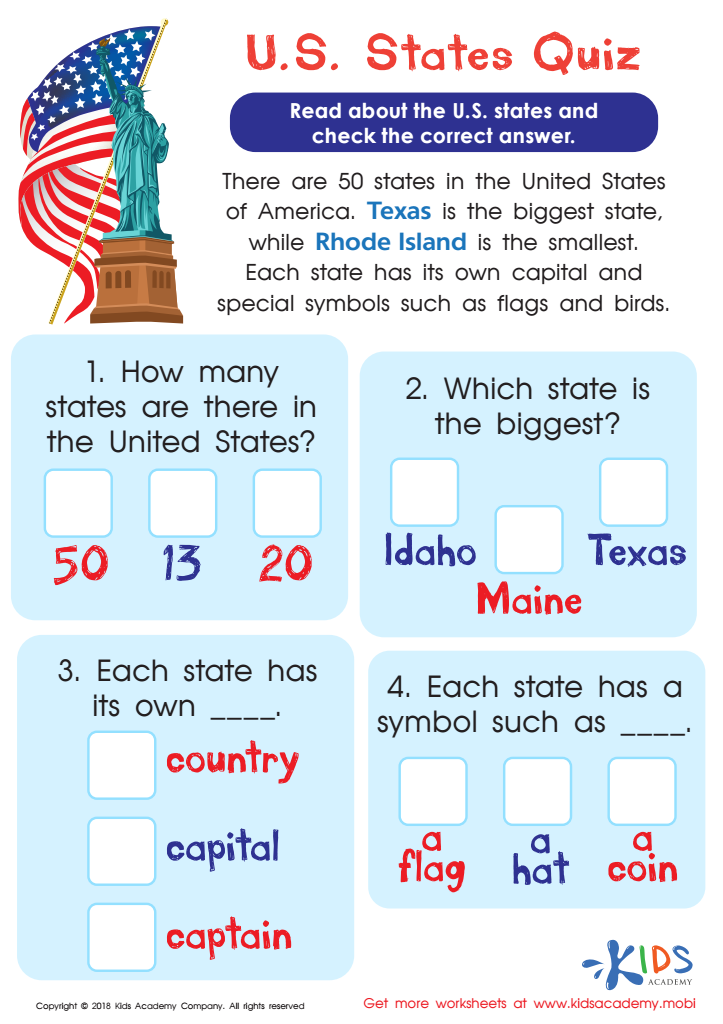
U.S. States Quiz Worksheet
 Assign to My Students
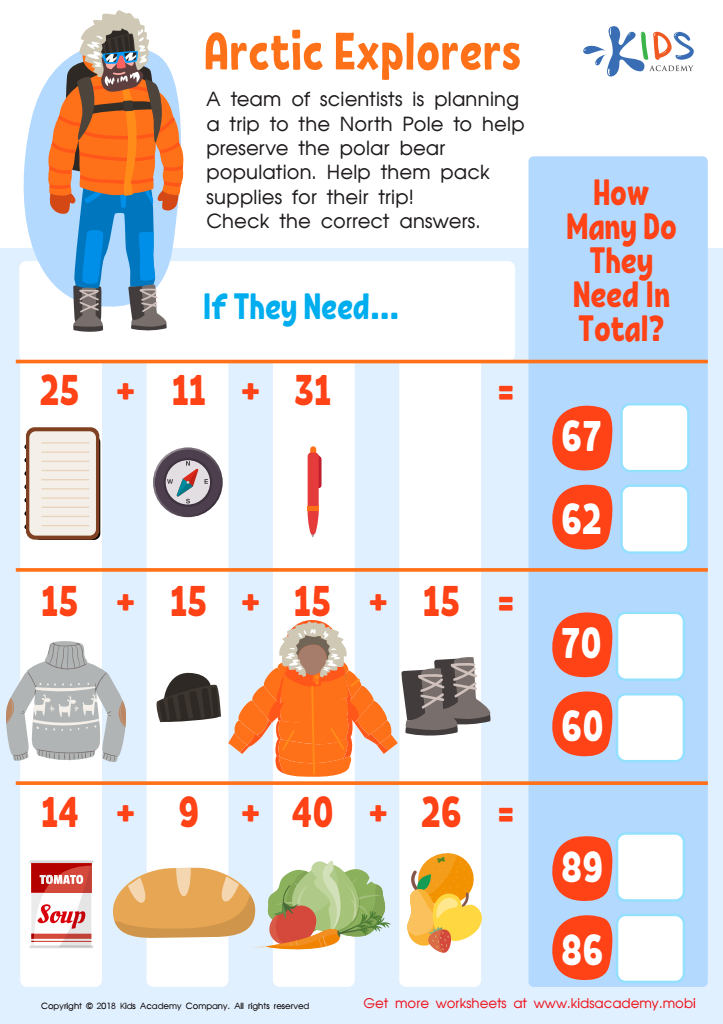
Arctic Explorers Worksheet
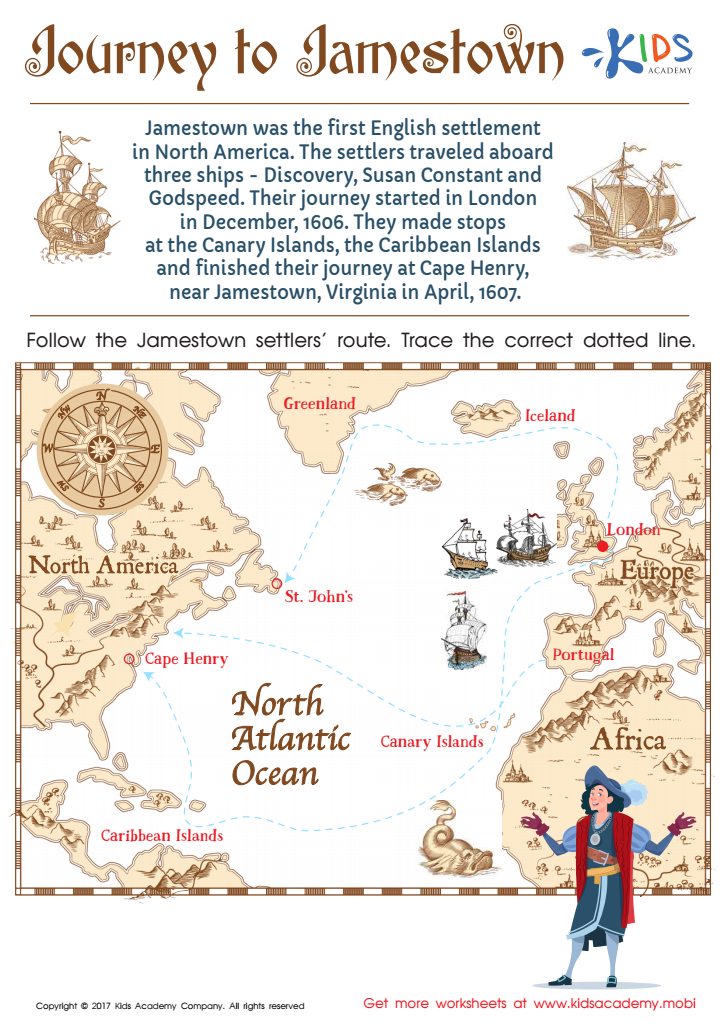
Journey to Jamestown Worksheet
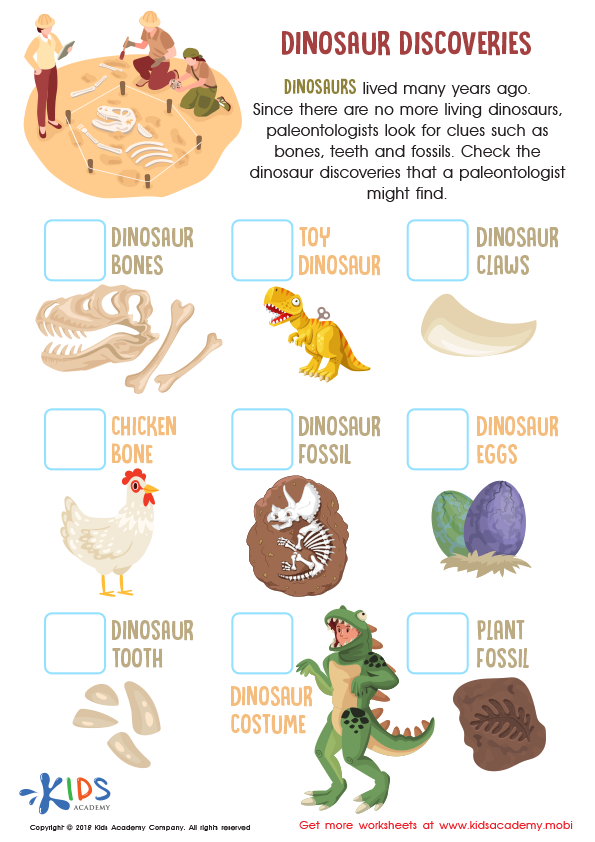
Dinosaur Discoveries Worksheet
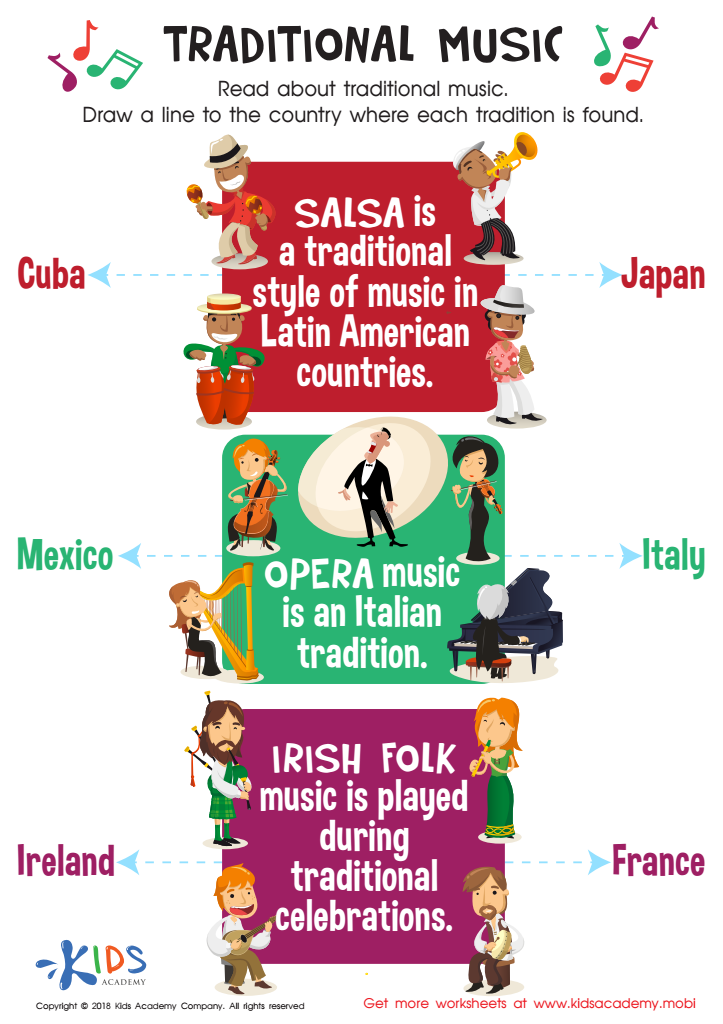
Traditional Music Worksheet
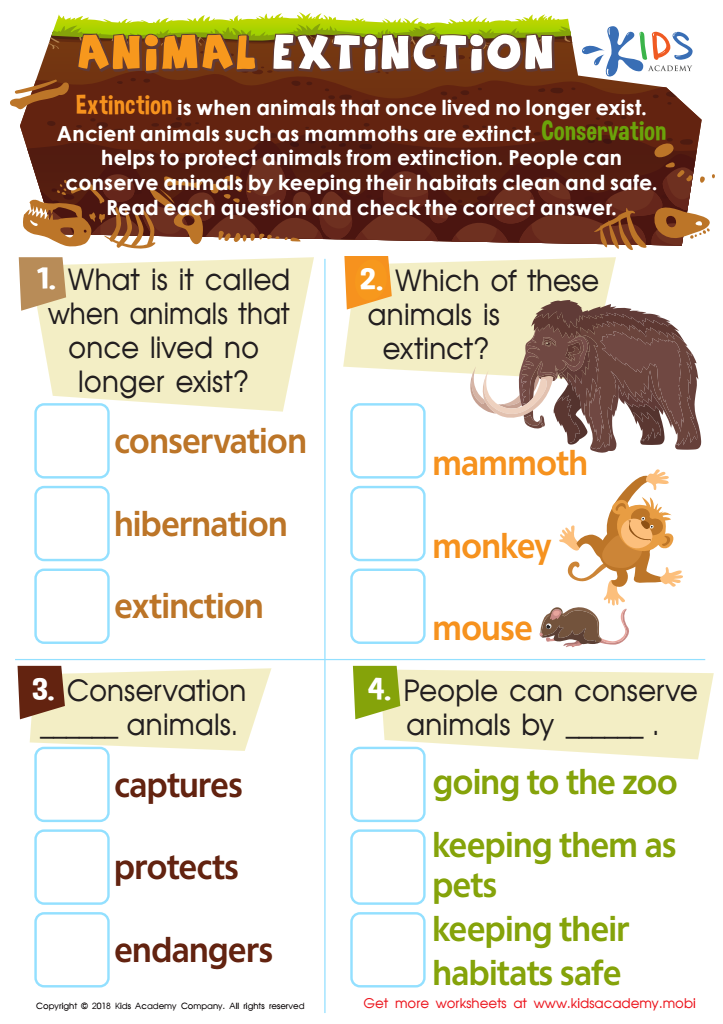
Animal Extinction Worksheet
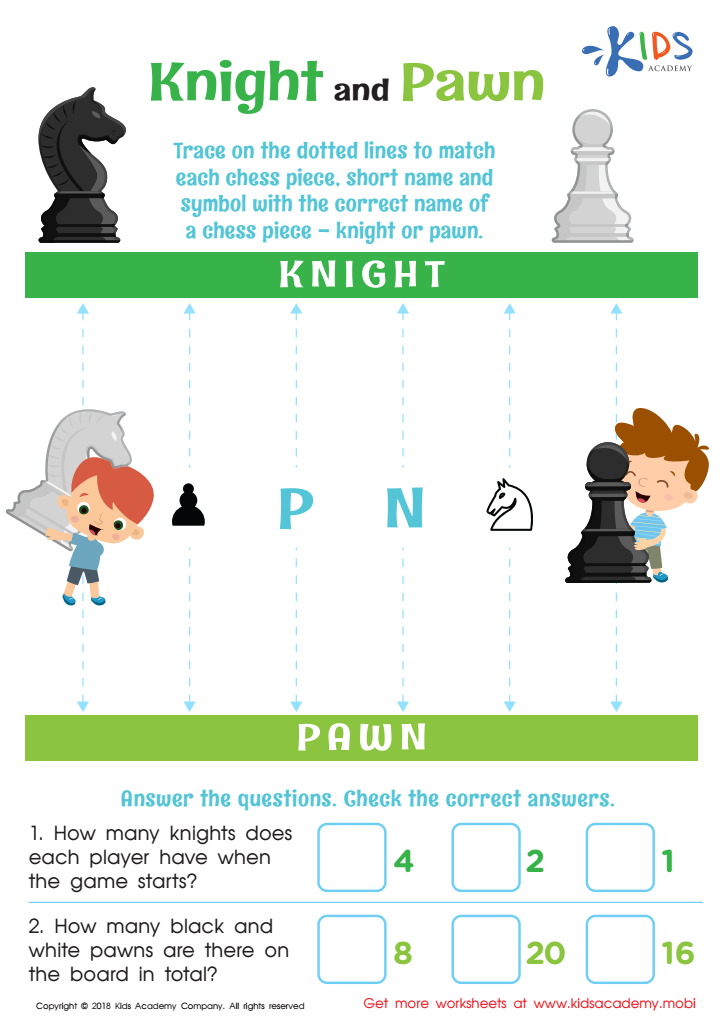
Knight and Pawn Worksheet
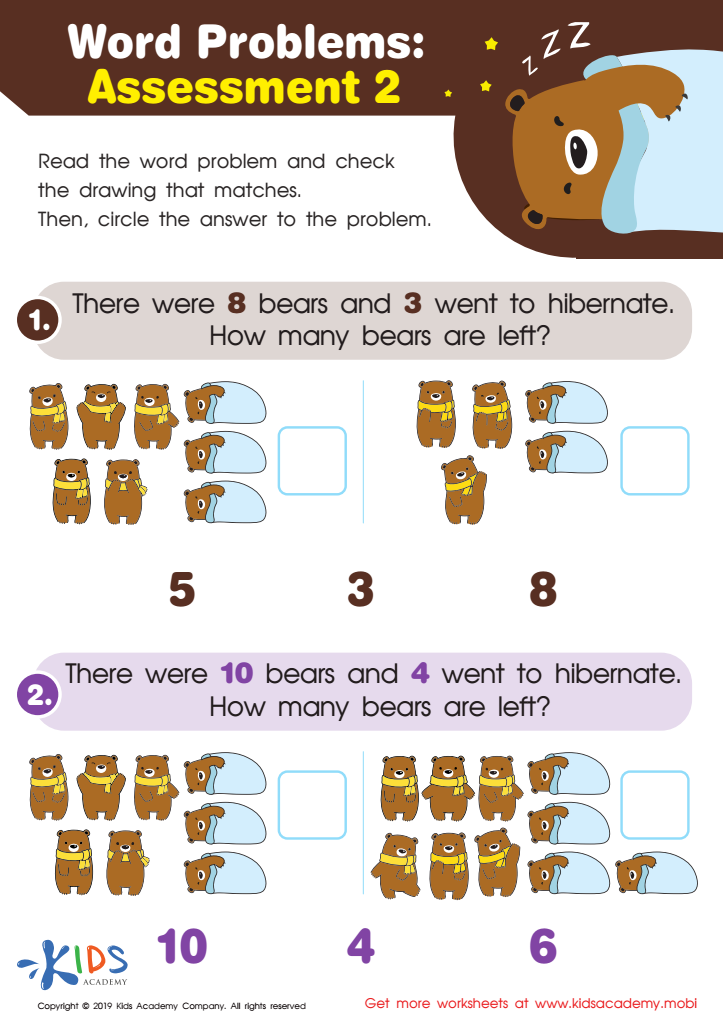
Word Problems: Assessment 2 Worksheet
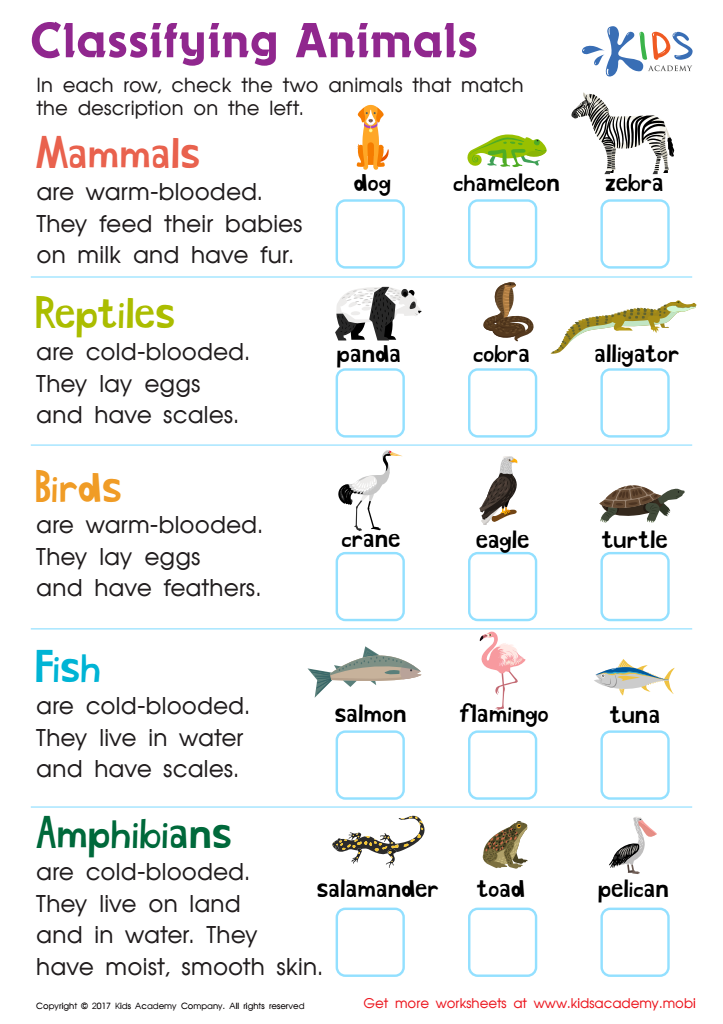
Classifying Animals Worksheet
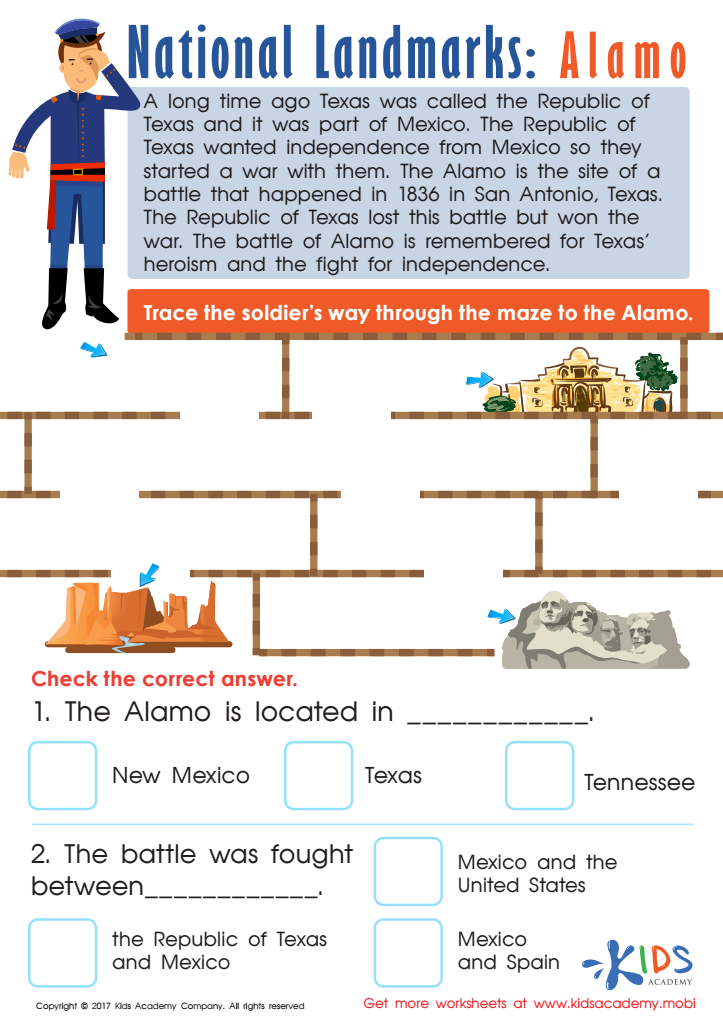
Alamo Printable Worksheet
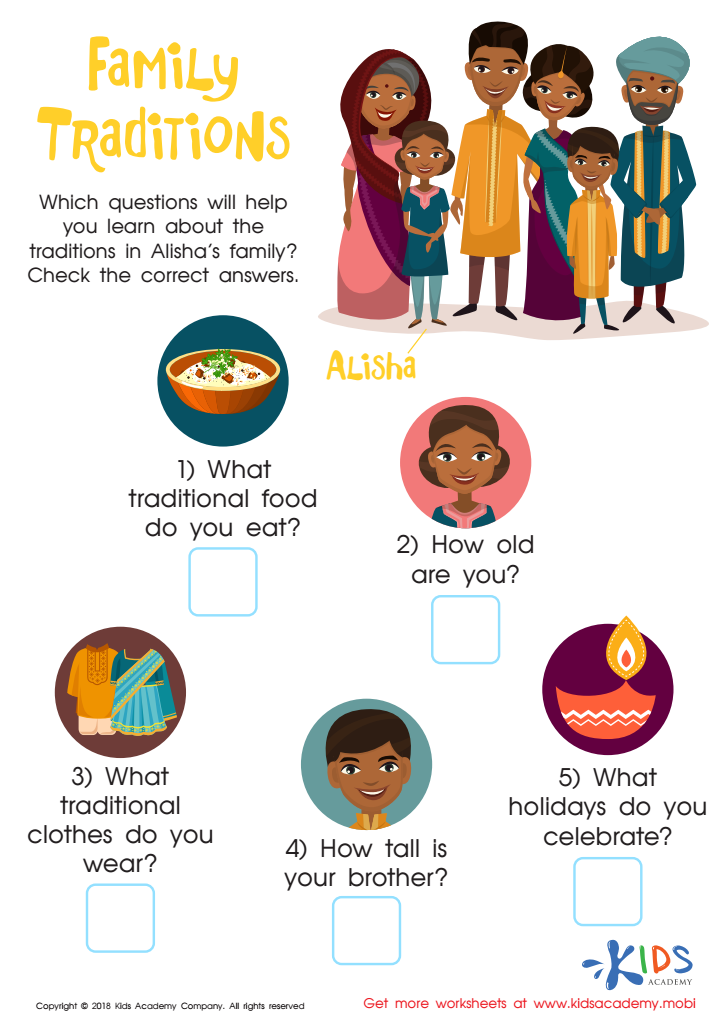
Family Traditions Worksheet
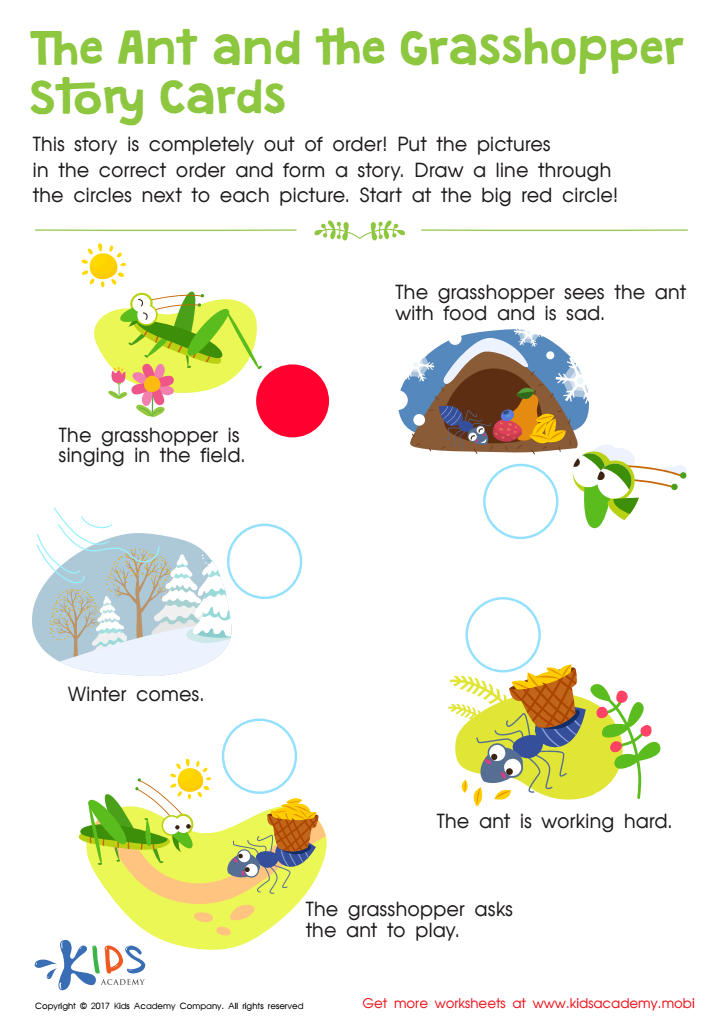
The Ant and The Grasshopper Worksheet
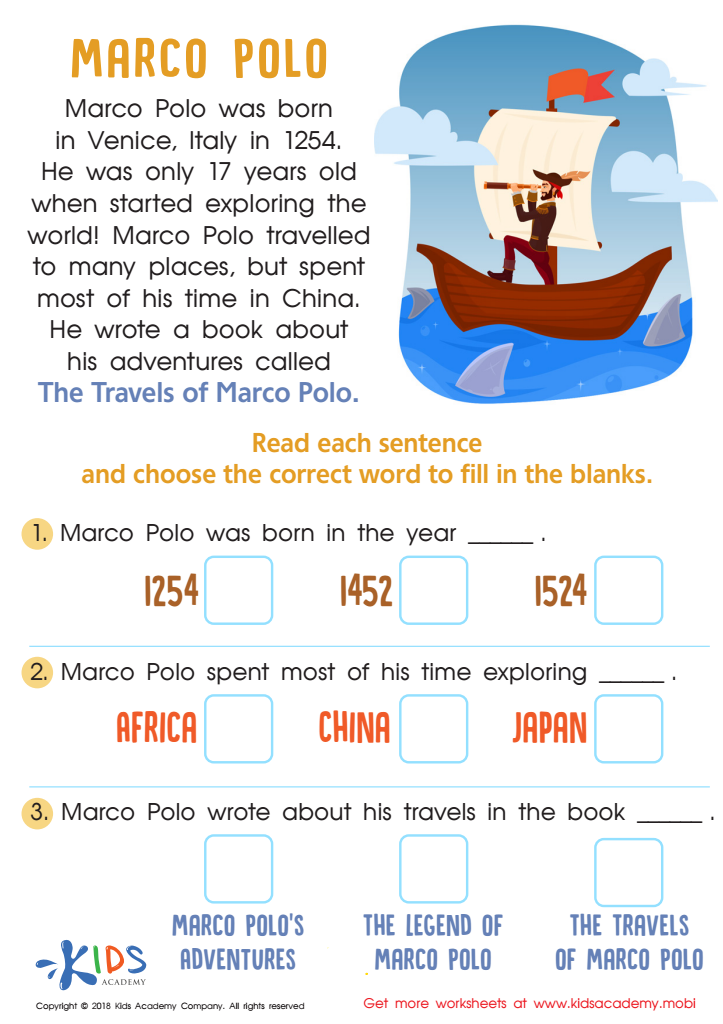
Marco Polo Worksheet
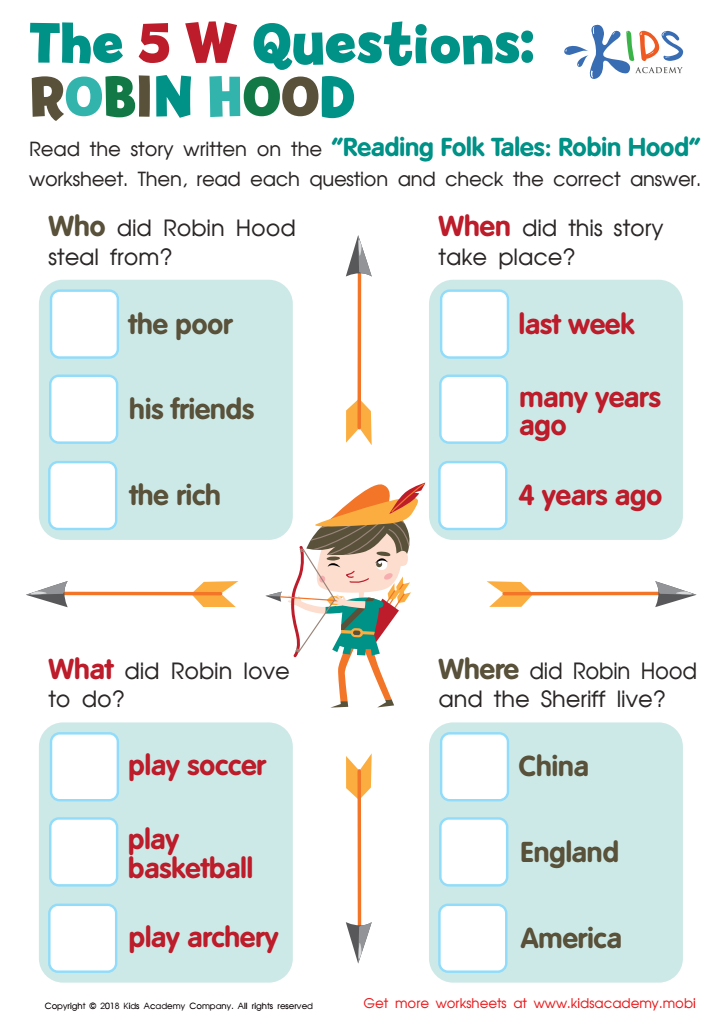
The 5 W Questions: Robin Hood Worksheet
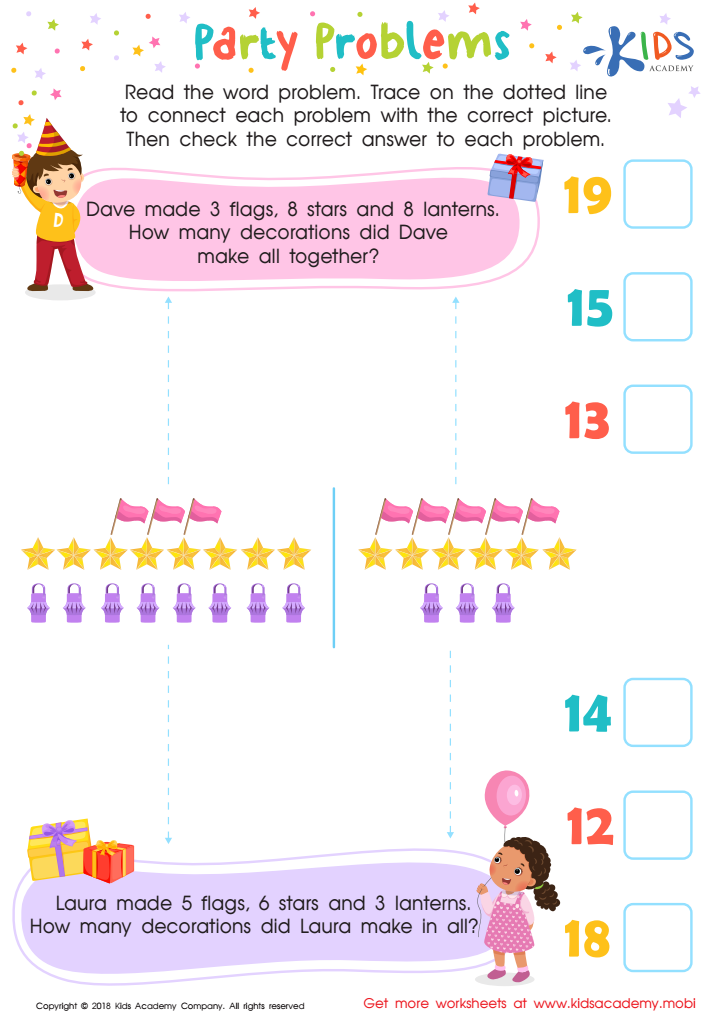
Party Problems Worksheet

Assessment: First Thanksgiving Worksheet
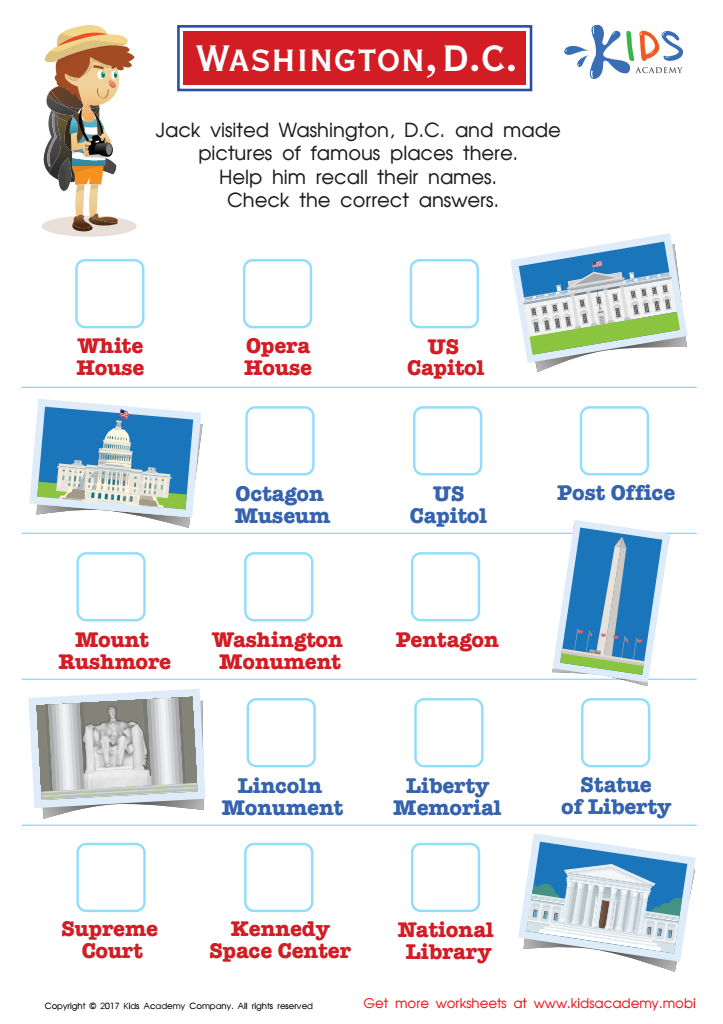
Washington D.C. Printable Worksheet
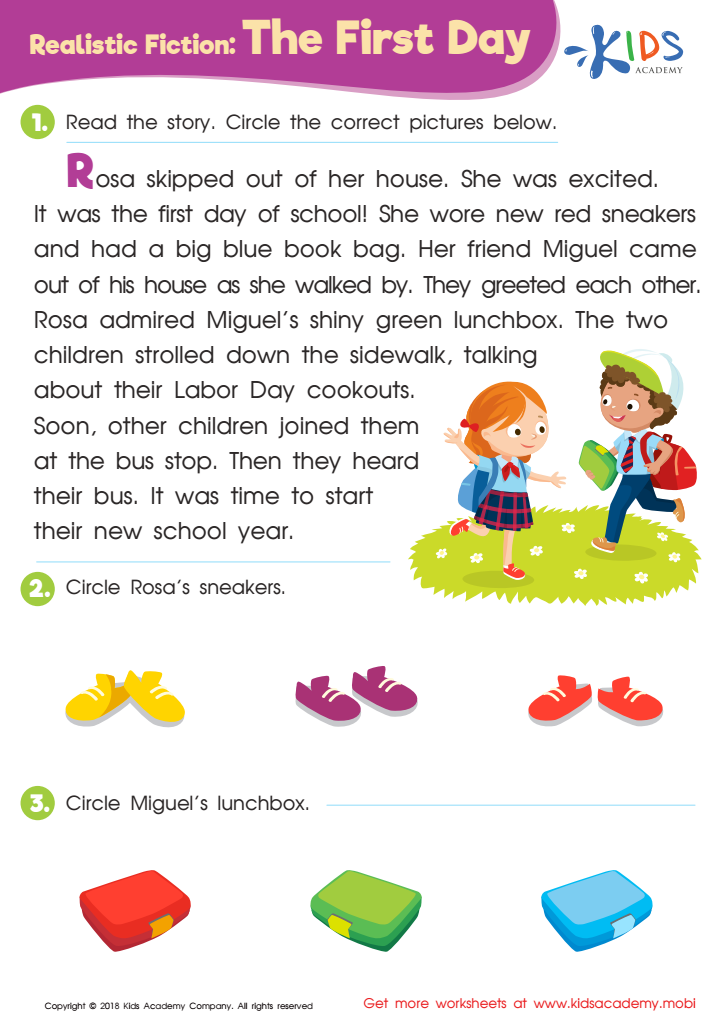
Realistic Fiction: The First Day Worksheet
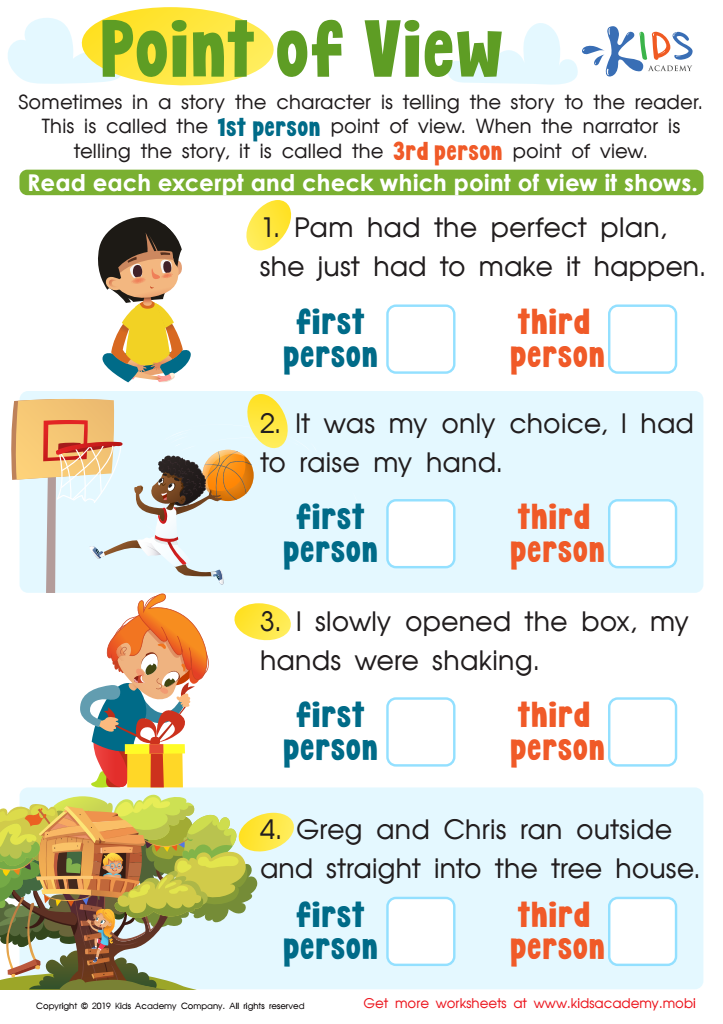
Point of View Printable
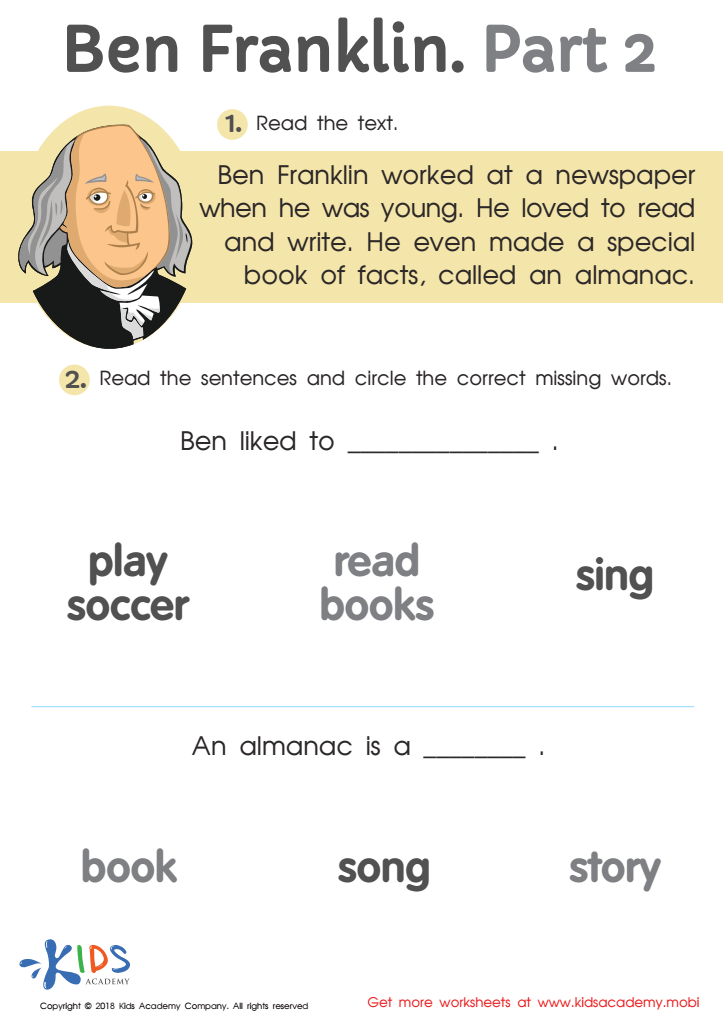
Ben Franklin Part 2 Worksheet
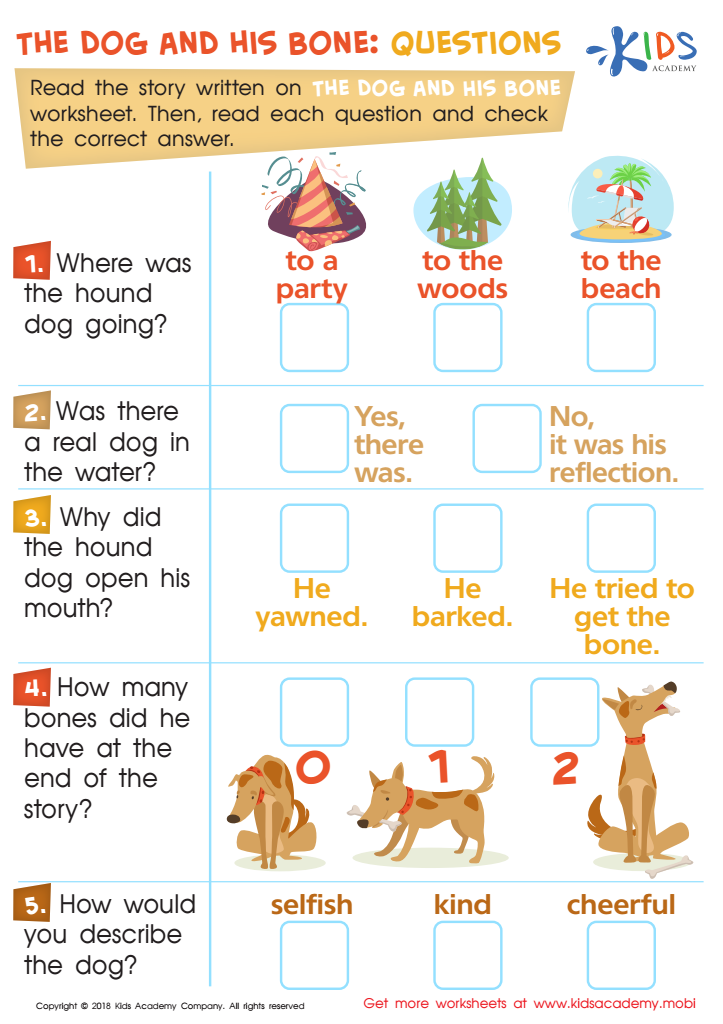
The Dog and His Bone: Questions Worksheet
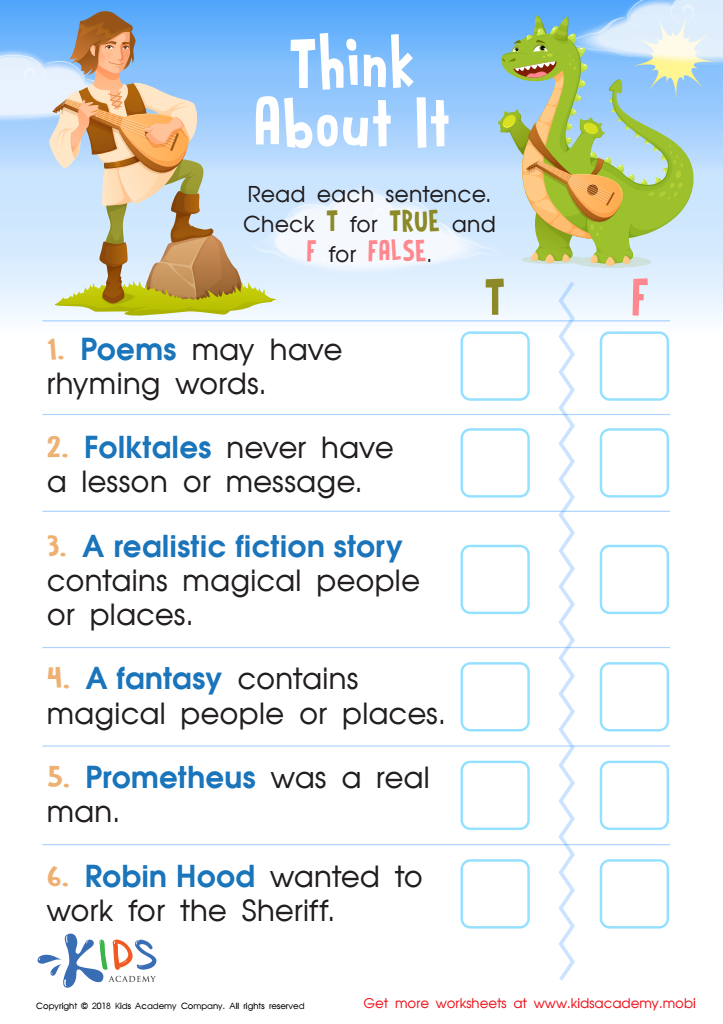
Think About It: Assessment Worksheet
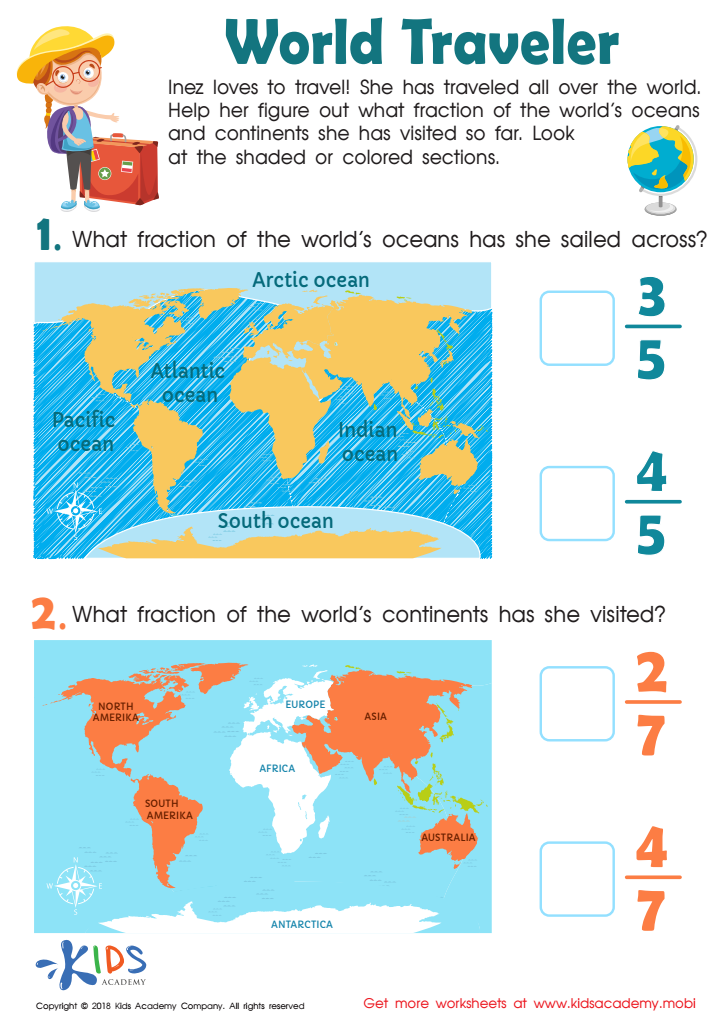
World Traveler Worksheet
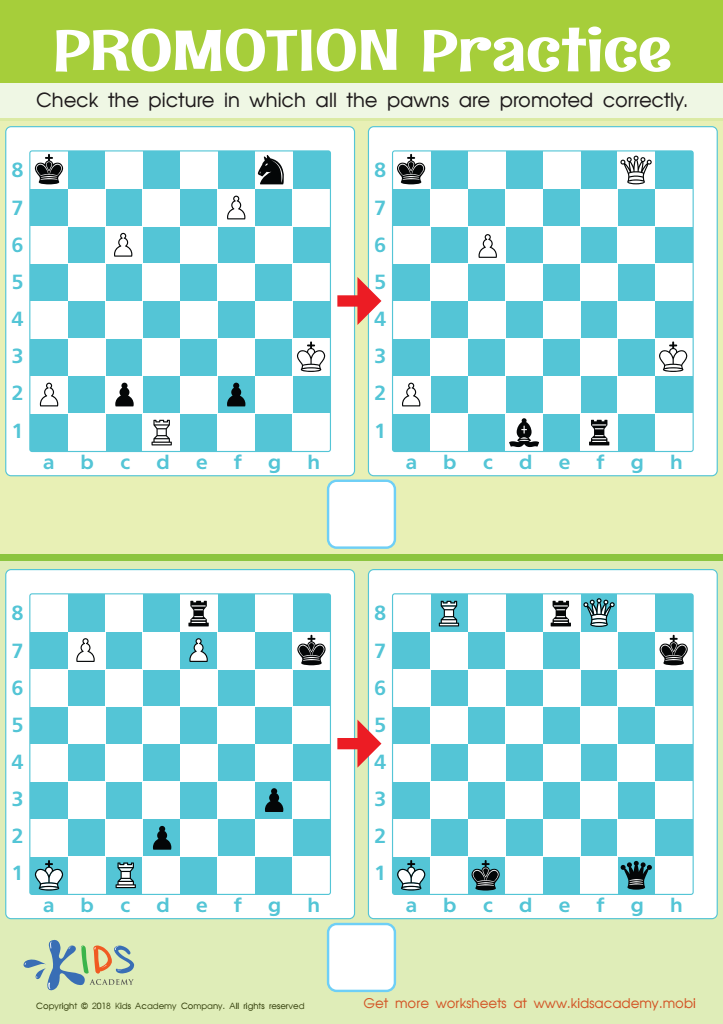
Promotion Practice Worksheet








Parents and teachers should care deeply about fostering critical thinking skills in children aged 8-9 because these skills are foundational for their future academic and personal success. At this developmental stage, children are naturally curious and begin to form their own ideas about the world around them. Encouraging critical thinking helps them analyze information, solve problems creatively, and understand different perspectives.
Firstly, critical thinking enhances cognitive development. Children learn to assess situations, make decisions, and form reasoned arguments, which are essential skills for math, science, reading comprehension, and social studies. For example, a child who can evaluate the plausibility of a story's plot will have a deeper understanding and greater appreciation of literature.
Secondly, these skills promote emotional intelligence and social understanding. By considering multiple viewpoints and likely outcomes, children become more empathetic and effective communicators. This benefits their relationships with peers and adults, fostering a collaborative and respectful learning environment.
Finally, critical thinking prepares children for the complexities of the real world. In an age of information overload, the ability to discern credible sources and think independently is invaluable. By nurturing these skills early on, parents and teachers set children on a path to becoming thoughtful, informed, and resilient individuals capable of making wise decisions throughout their lives.








