Color Identification Normal Worksheets
26 filtered results
-
From - To
Our "Color Identification Normal Worksheets" are designed to make learning both fun and effective for young children. Perfect for preschool and kindergarten students, these vibrant and engaging worksheets help kids master recognizing and categorizing colors. Through a variety of activities, including coloring, matching, and sorting, children will develop their color identification skills, visual attention, and cognitive abilities. Each worksheet is carefully crafted to align with early learning standards, ensuring educational quality. Teachers and parents can confidently use these resources to support developmental milestones and inspire a love for learning in every child. Explore and download our worksheets today!
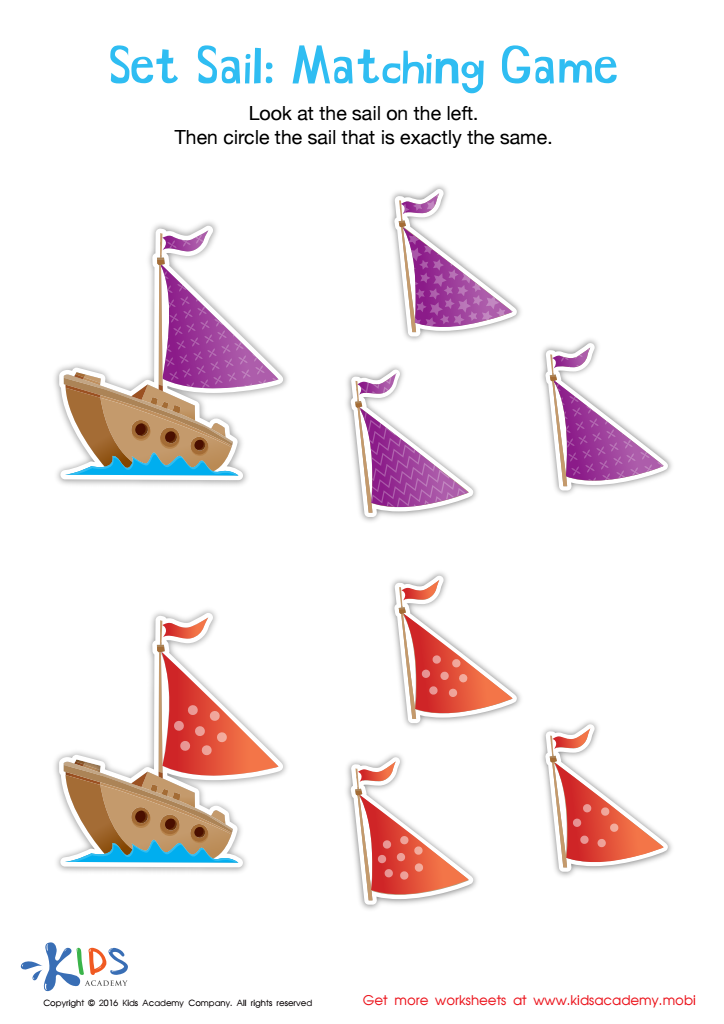
Set Sail Worksheet
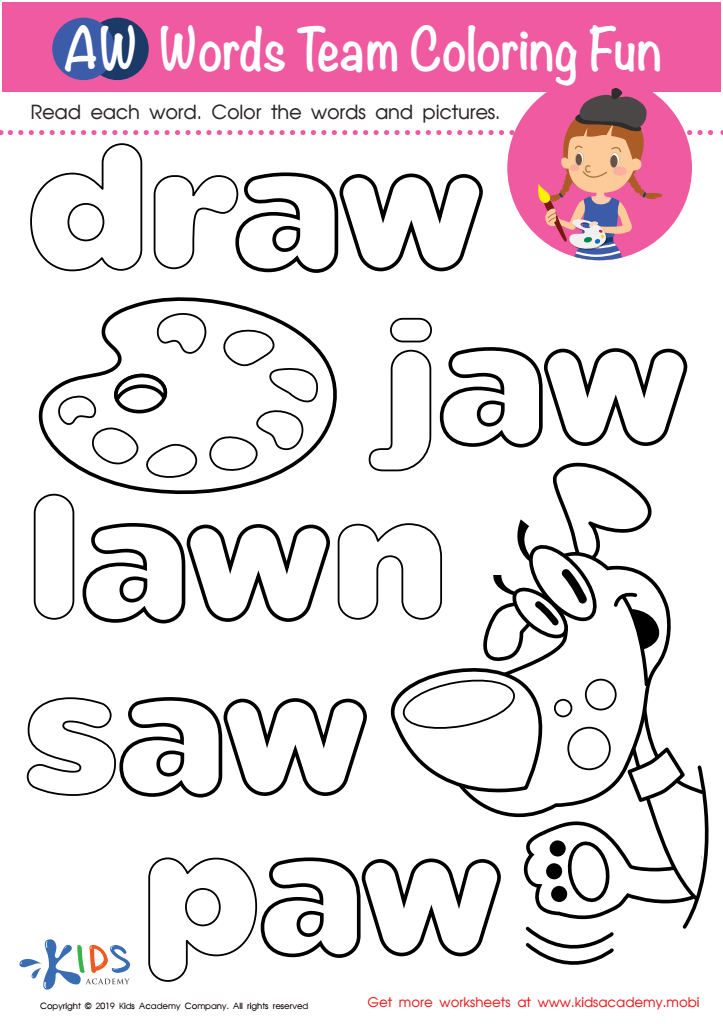
AW Words Team Coloring Fun Worksheet
 Assign to My Students
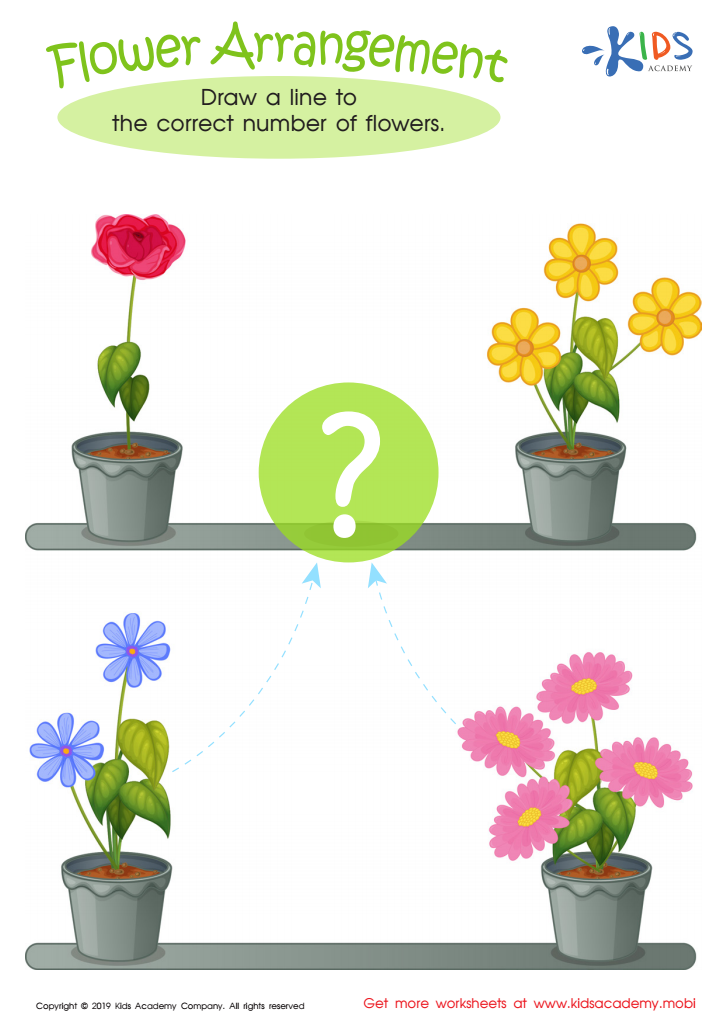
Flower Arrangement Worksheet
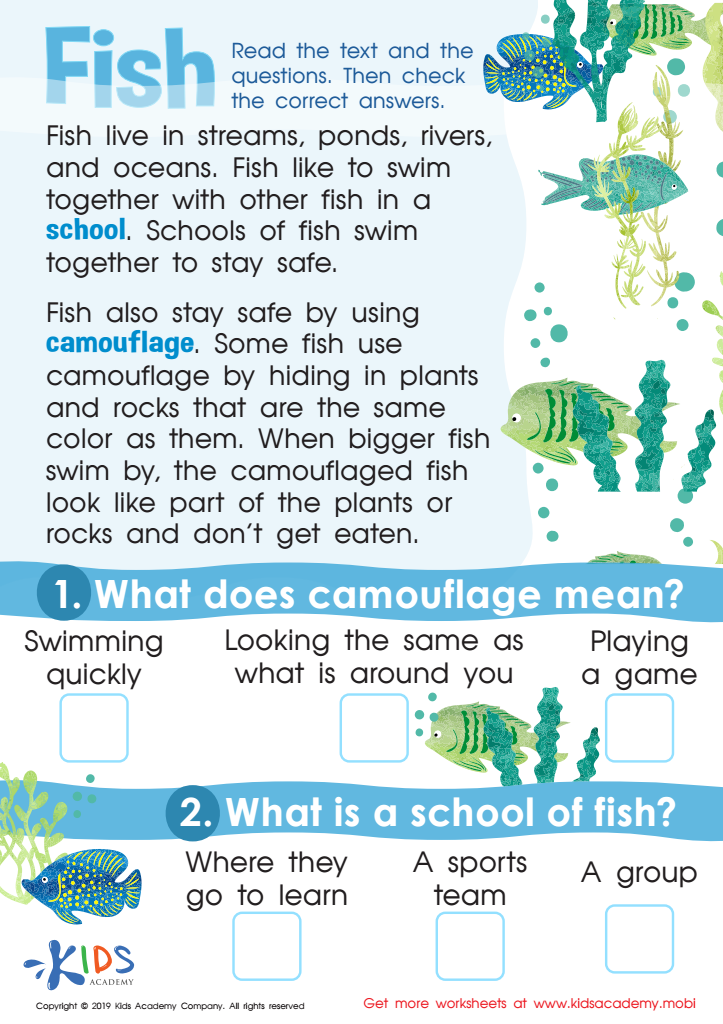
Fish Worksheet
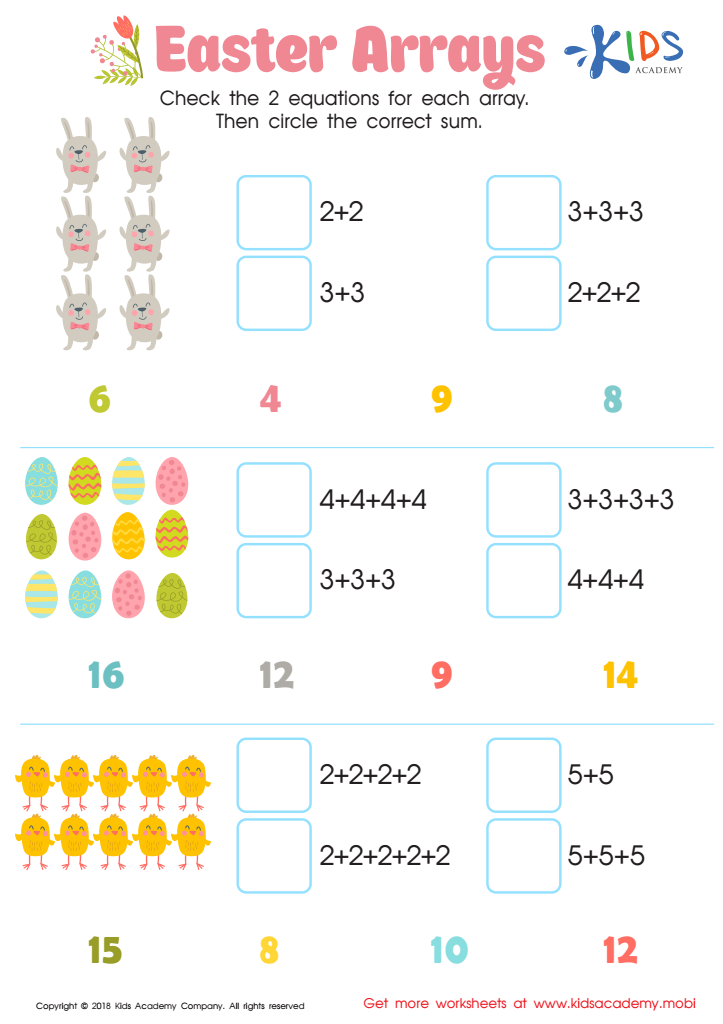
Easter Arrays Worksheet
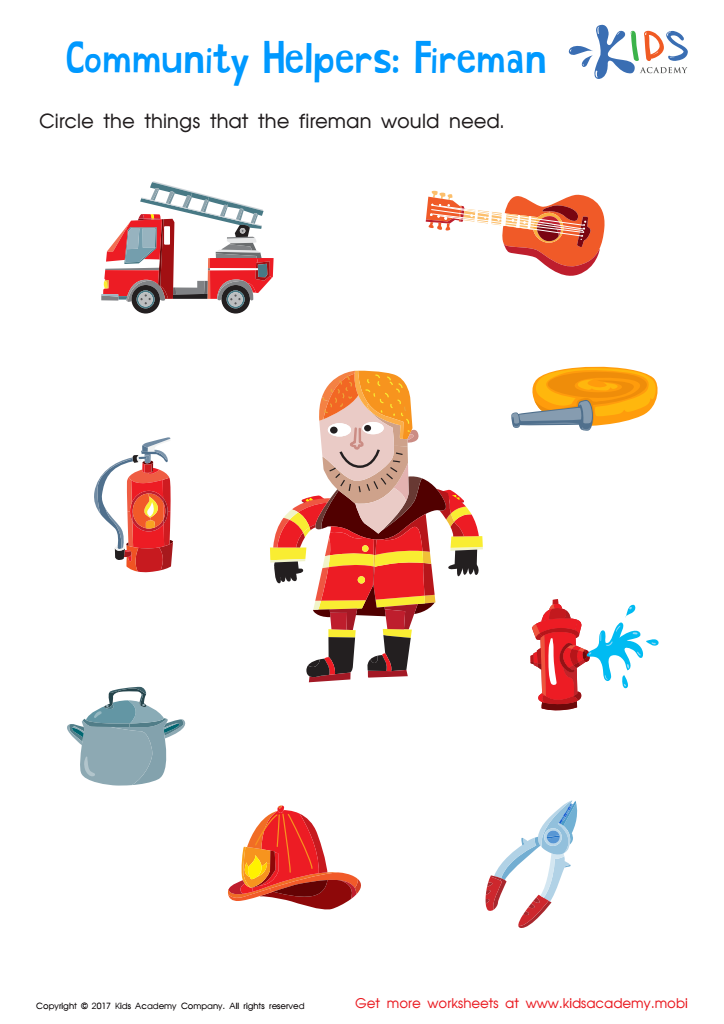
Fireman Worksheet
Halloween: A Funny Monster Worksheet
Assign to My Students
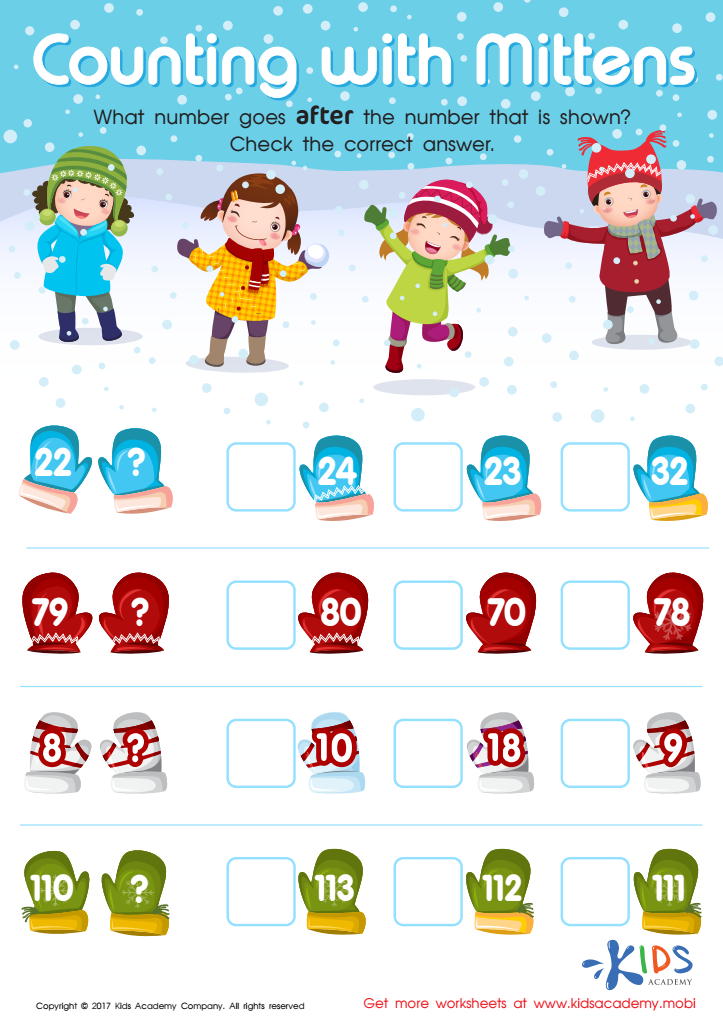
Counting with Mittens Worksheet
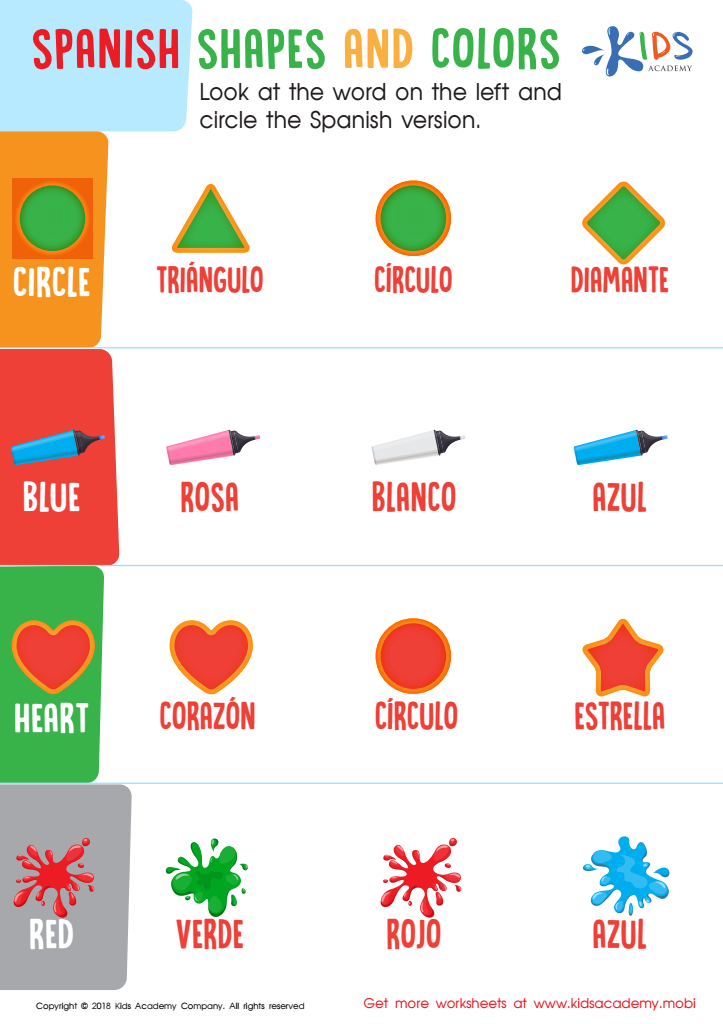
Spanish Shapes and Colors Worksheet
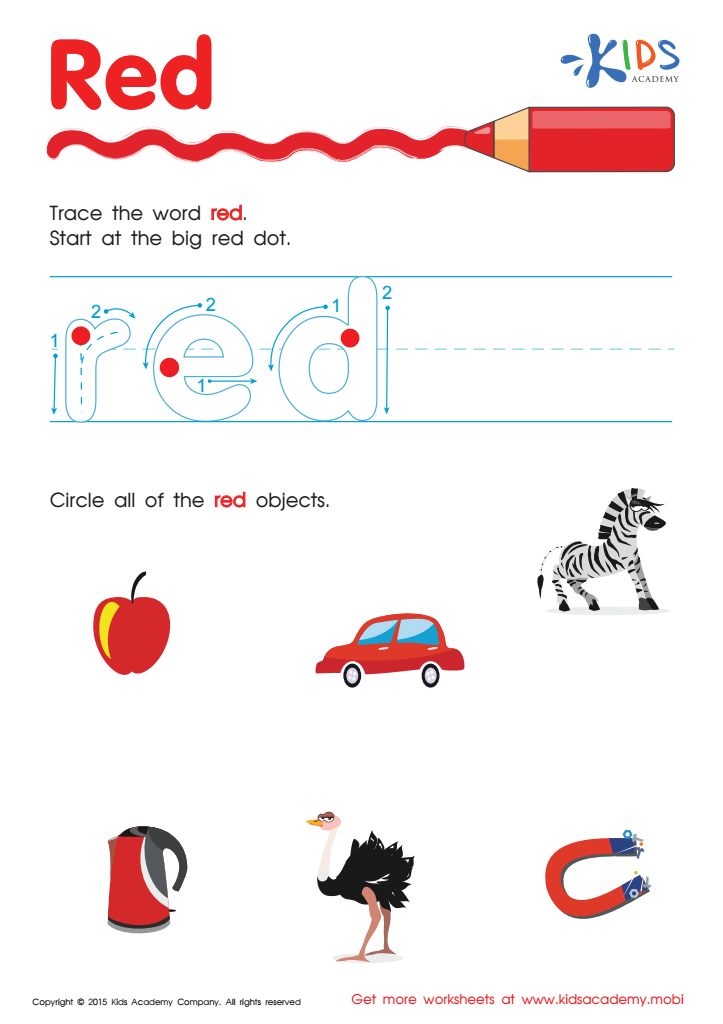
Red Tracing Color Words Printable
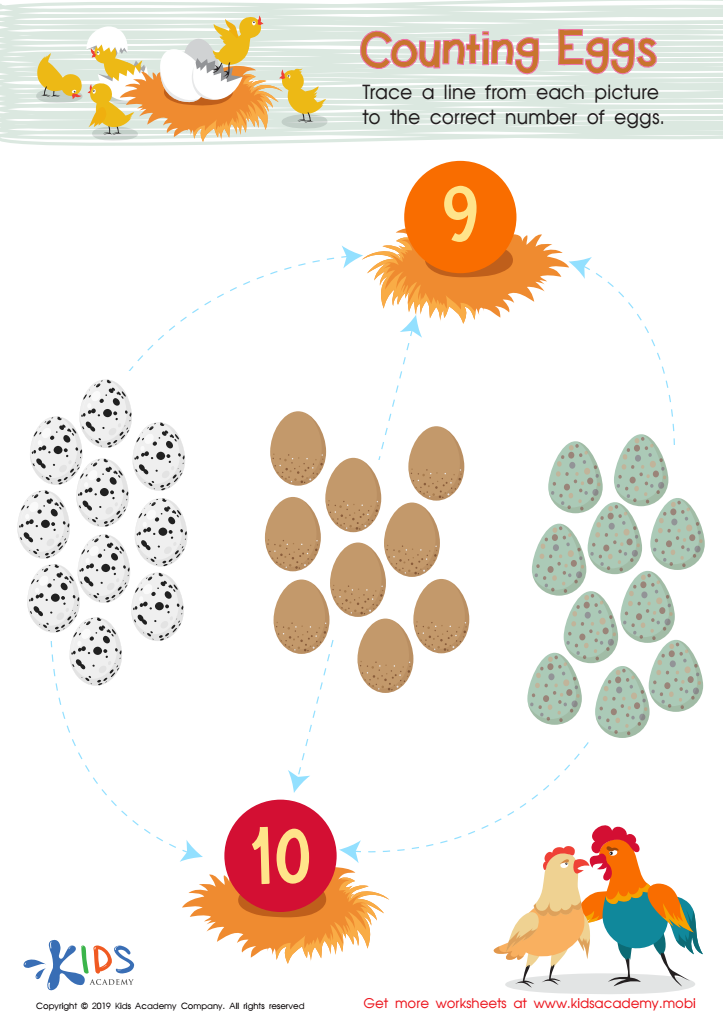
Counting Eggs Worksheet
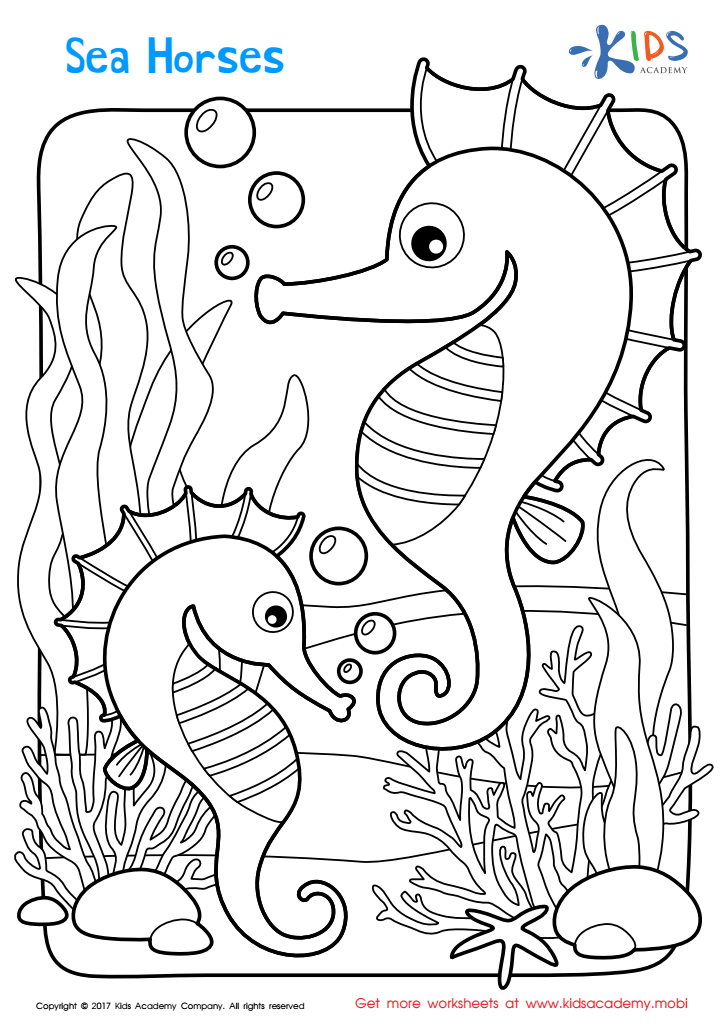
Sea Horses Printable
Assign to My Students
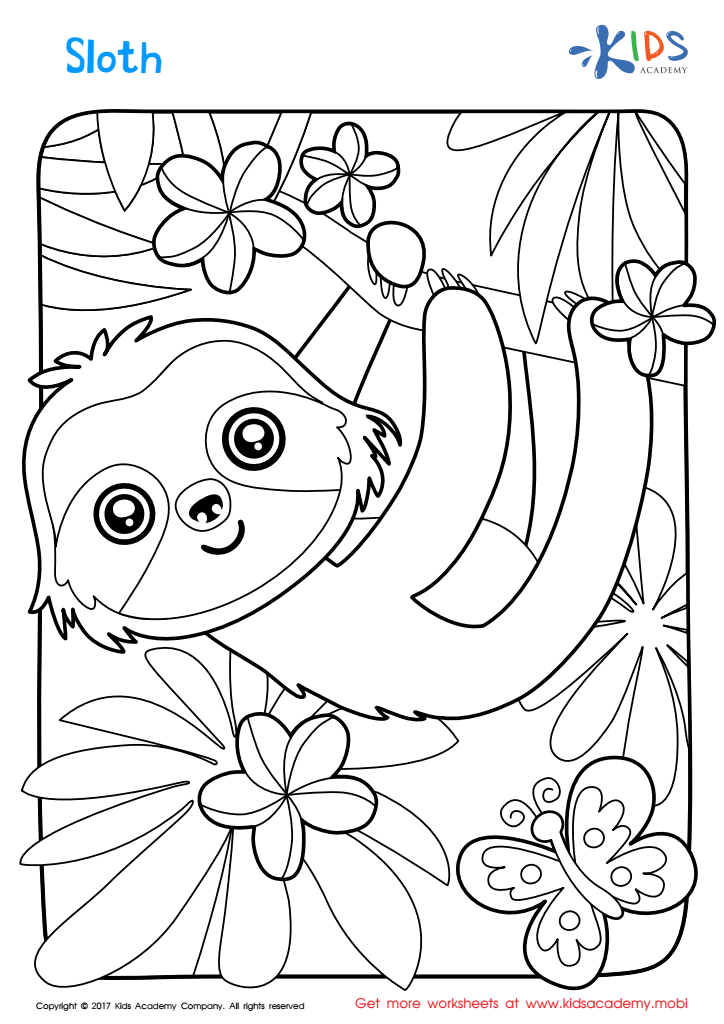
Sloth Worksheet
Assign to My Students
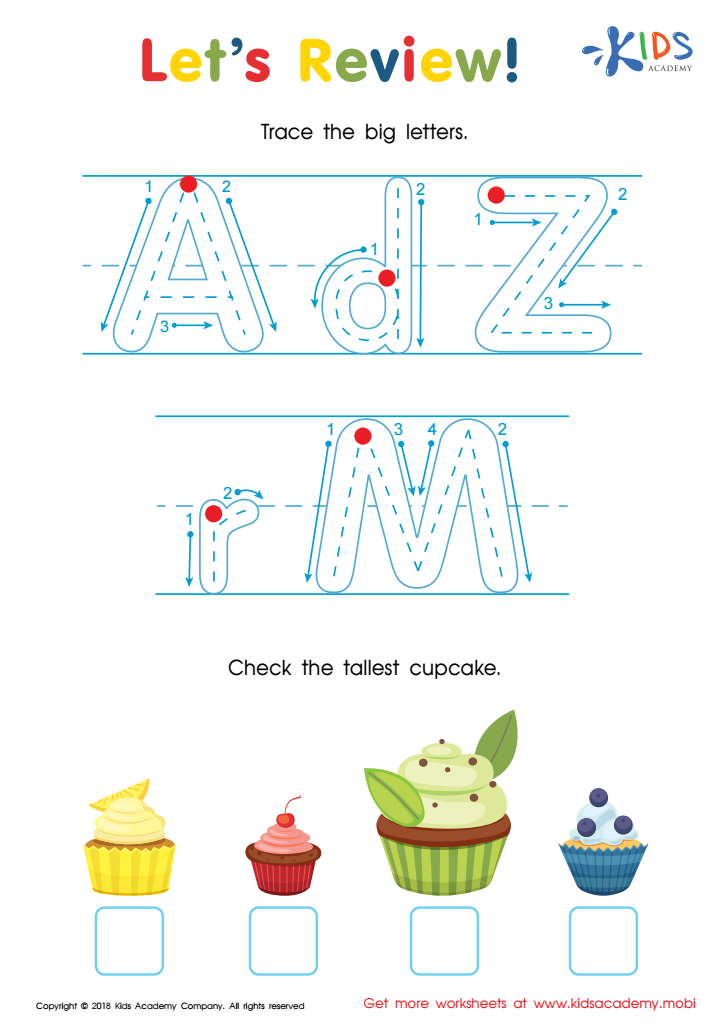
Let's Review! Big Letters Worksheet
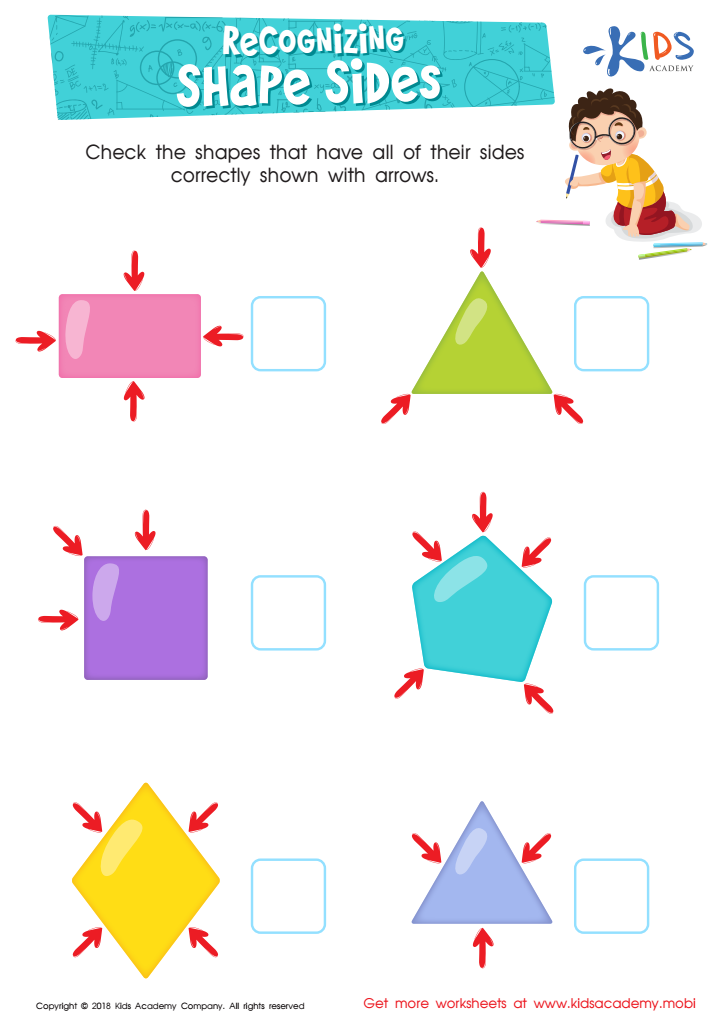
Recognizing Shape Sides Worksheet
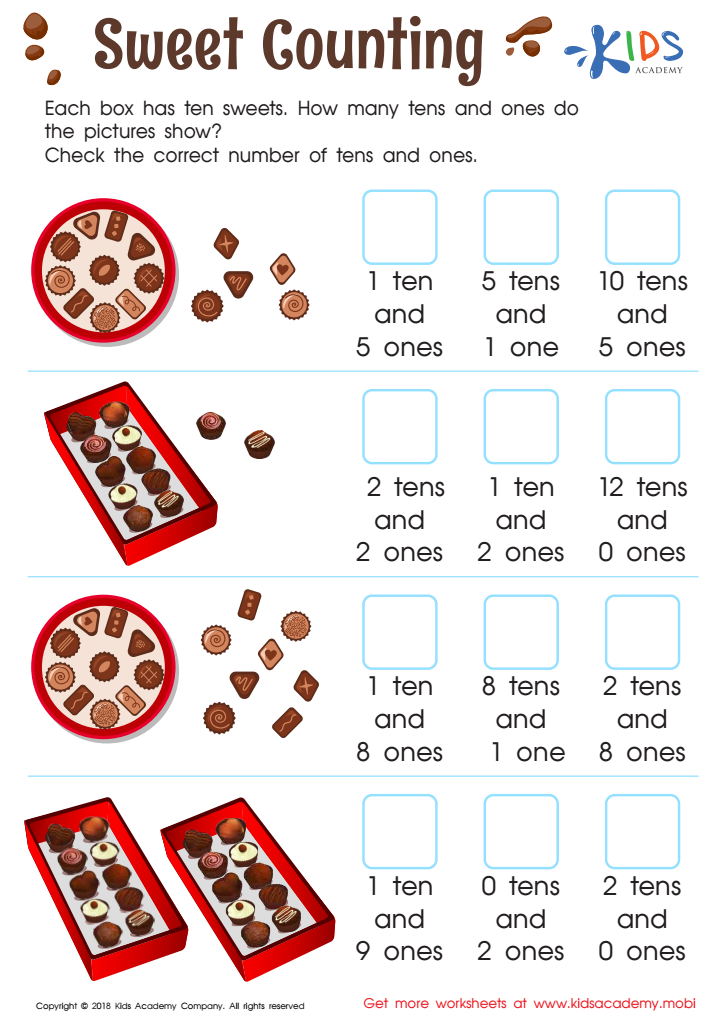
Sweet Counting - Part 2 Worksheet
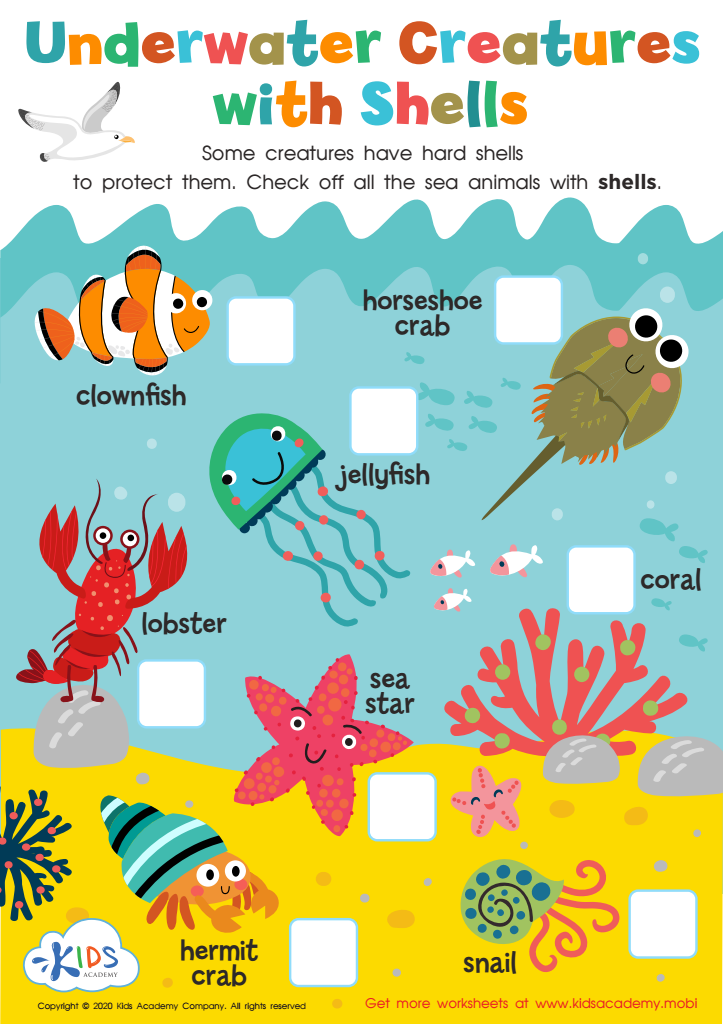
Underwater Creatures with Shells Worksheet
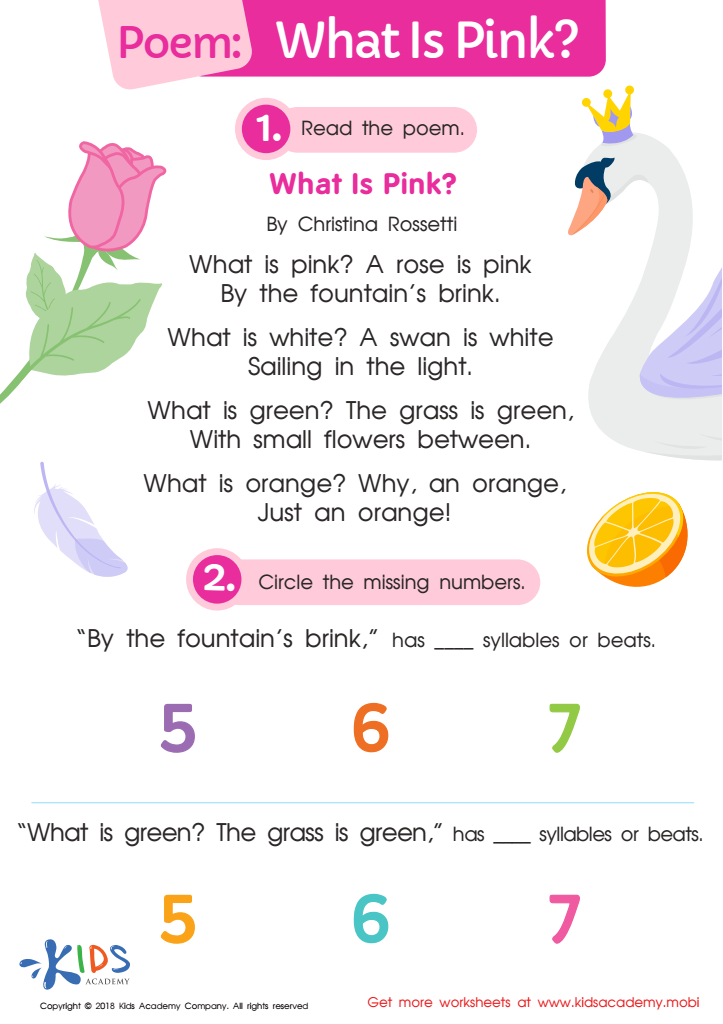
Poem: What Is Pink? Worksheet
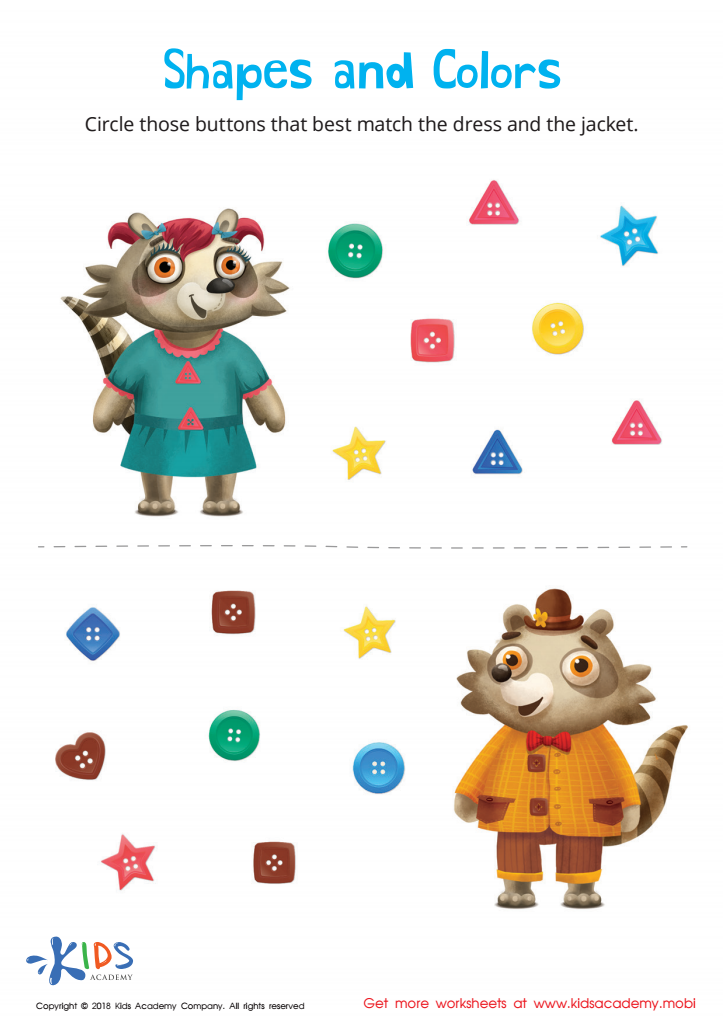
Shapes and Colors Worksheet
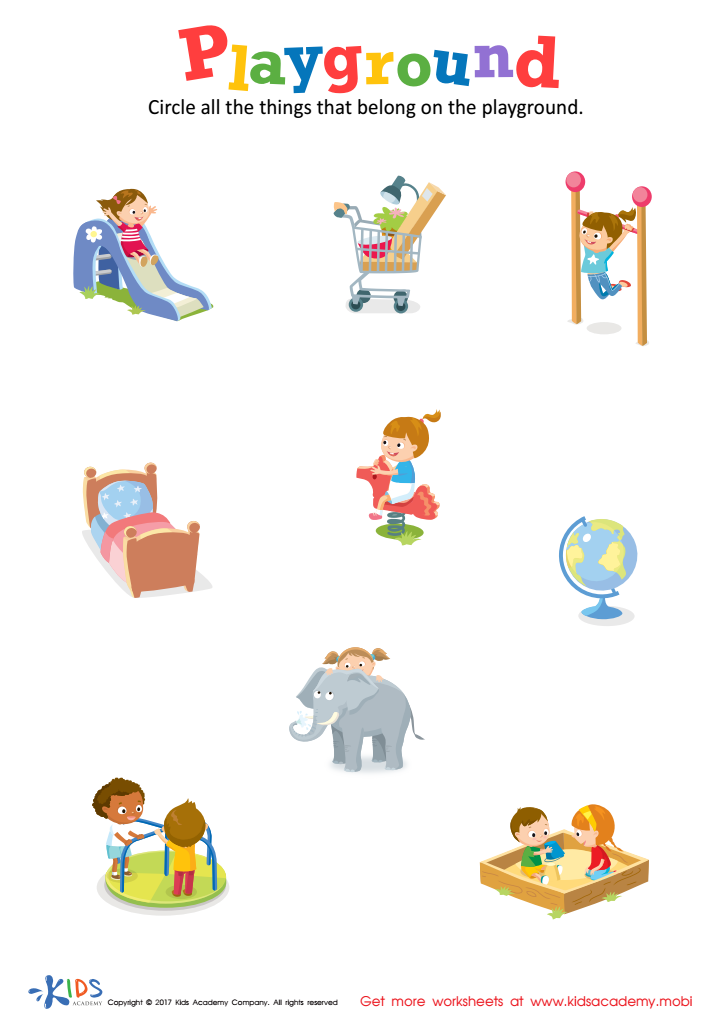
Playground Worksheet
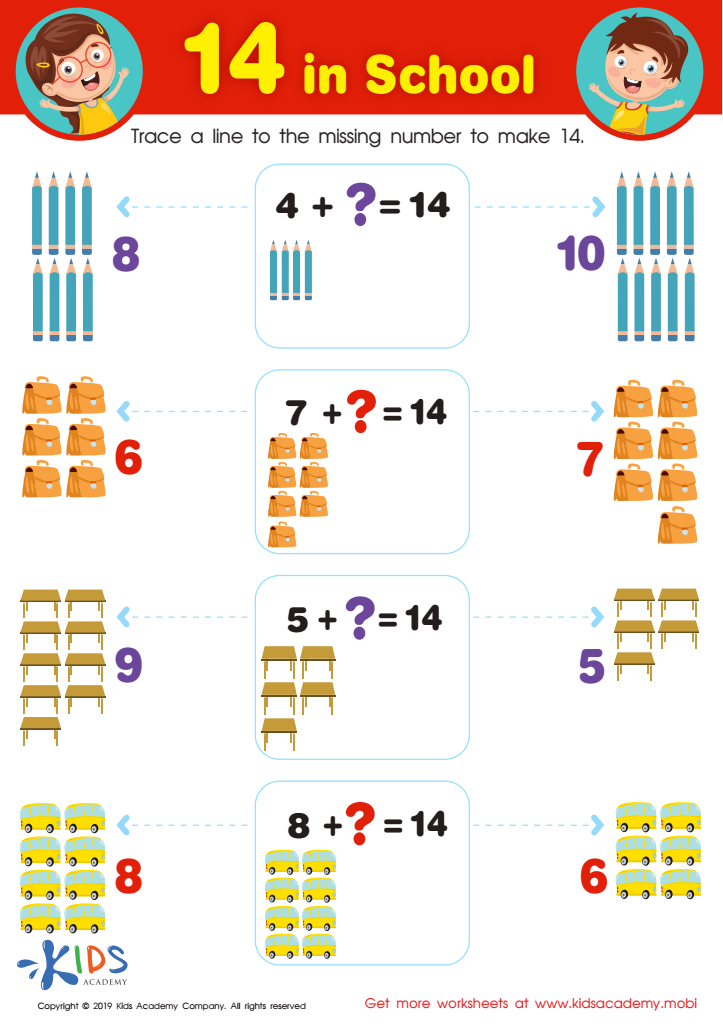
14 in School Worksheet
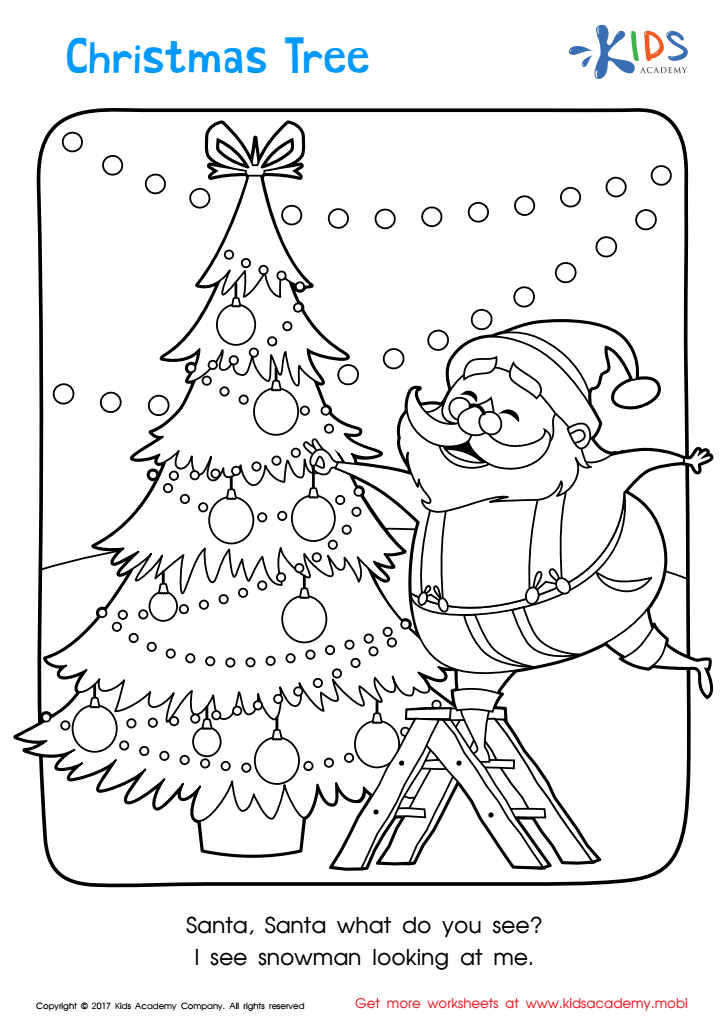
Christmas: Christmas Tree Printable
Assign to My Students







Color identification is a fundamental cognitive skill that significantly impacts a child's overall development, making it crucial for both parents and teachers to focus on it during early childhood education. Recognizing and naming colors enhances a child's visual and cognitive abilities, aiding in their capacity to distinguish between different objects. This skill is not only essential for academic success but also for everyday activities, such as following color-coded instructions and participating in group activities.
Understanding colors also promotes linguistic development as children learn to associate words with their visual experiences. This relationship between language and perception can improve their descriptive abilities, enabling them to communicate more effectively. Additionally, proper color identification can have social and emotional benefits. Successfully naming and identifying colors can boost a child's self-esteem and confidence, fostering a sense of achievement.
From a practical perspective, color identification is intertwined with safety and daily functionality. For instance, recognizing red as a signal to stop is fundamental for a child's safety in real-world environments like road crossings. By paying close attention to color recognition skills, parents and teachers can ensure that children develop a well-rounded skill set that supports both their immediate learning needs and their long-term personal development. This foundational tool paves the way for more complex learning and better overall cognitive functioning.








