Problem-Solving Skills Normal Math Worksheets - Page 3
71 filtered results
-
From - To
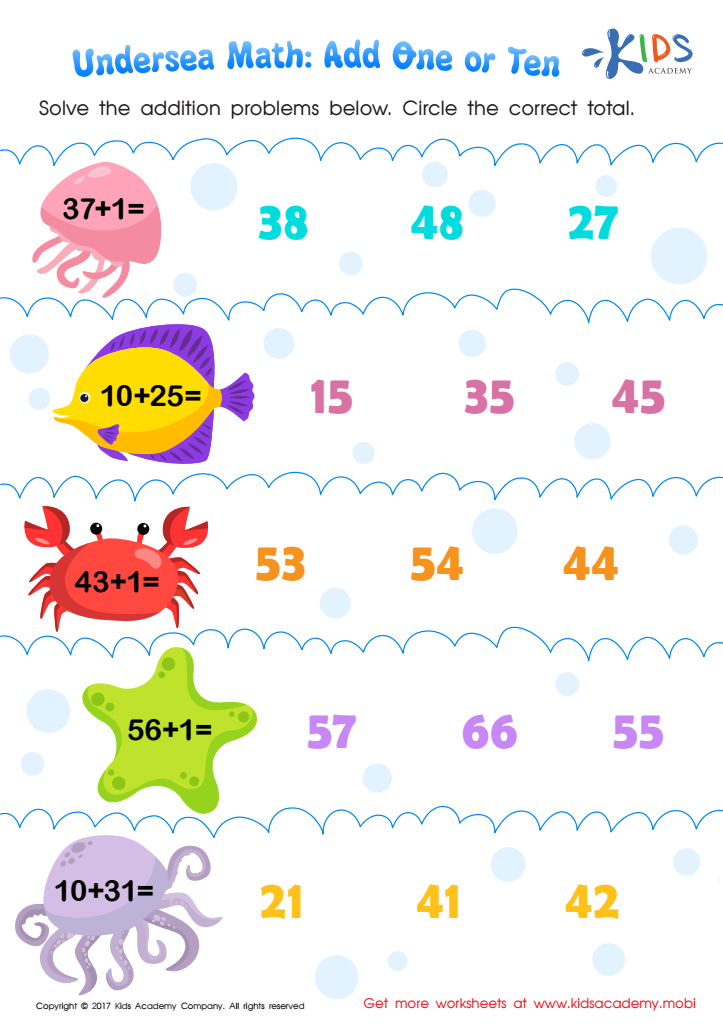
Undersea Math Worksheet
 Assign to My Students
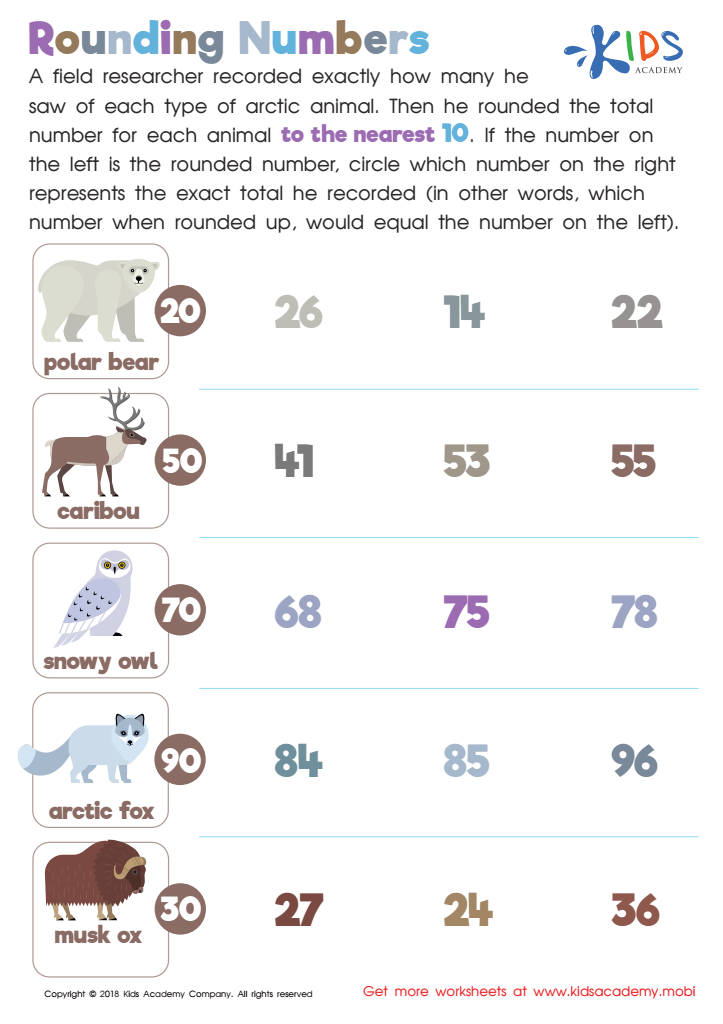
Rounding Numbers Worksheet
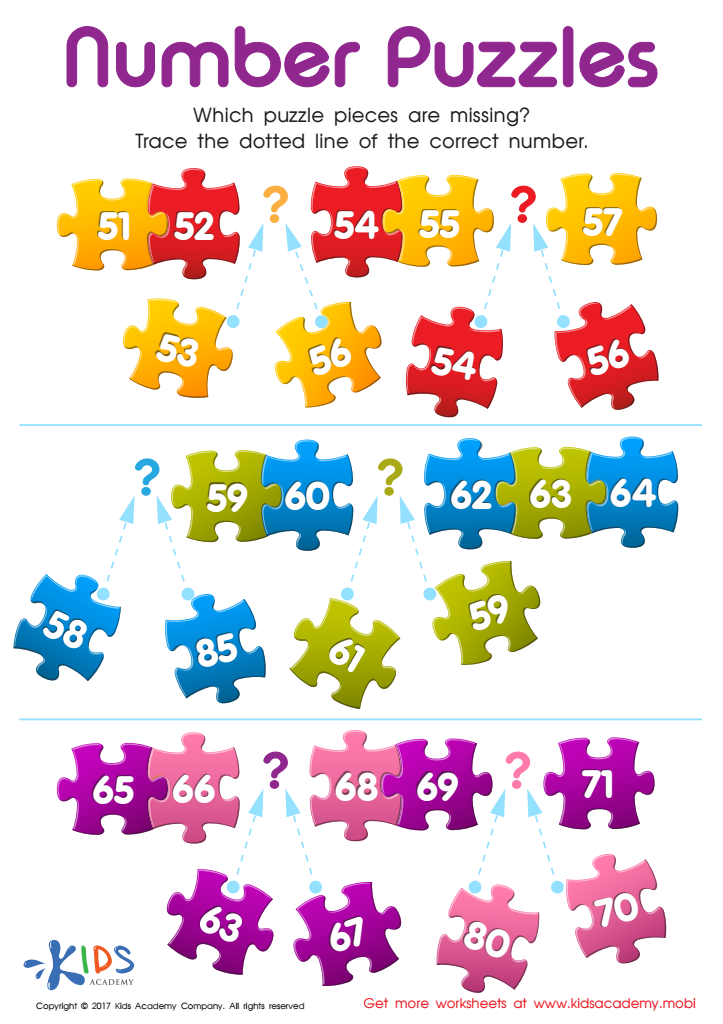
Number Puzzles Worksheet
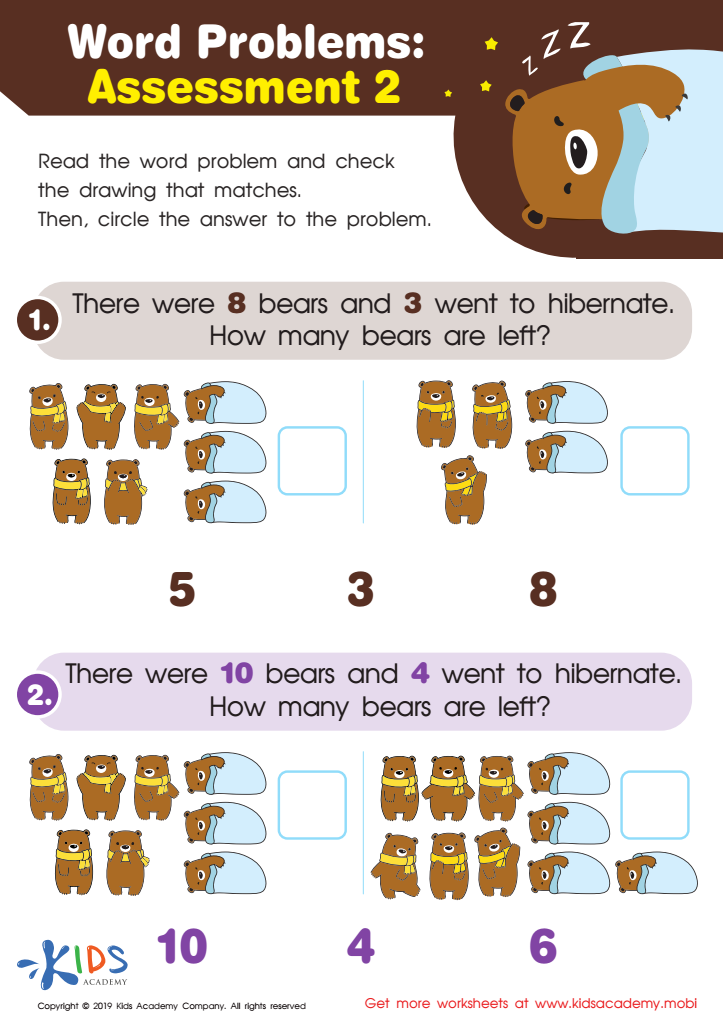
Word Problems: Assessment 2 Worksheet
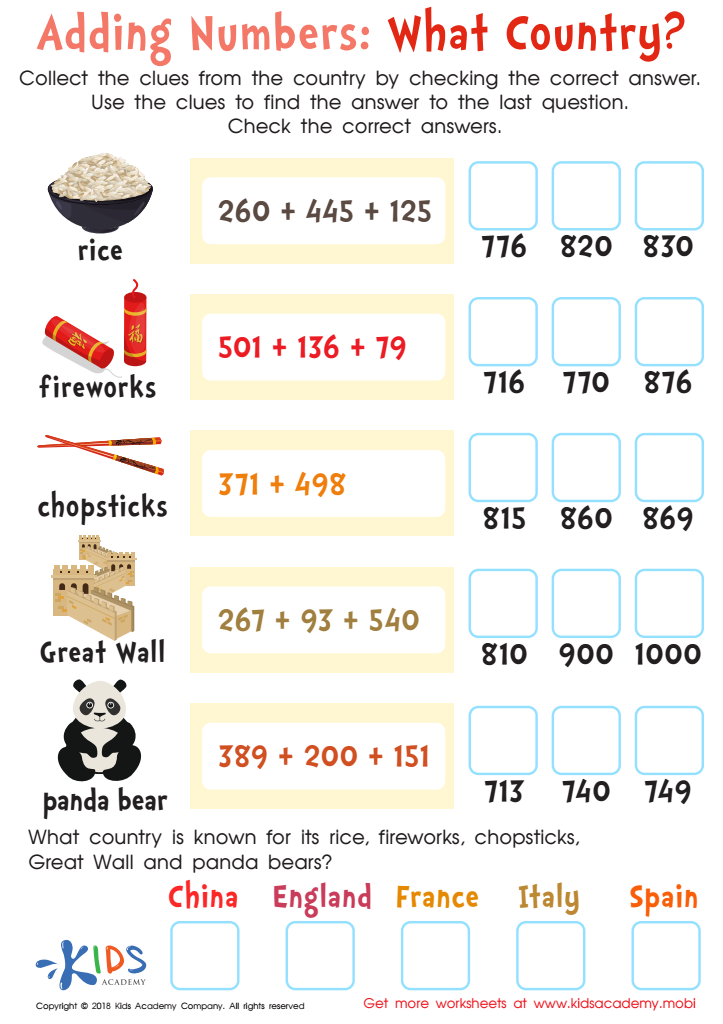
Adding Numbers: What Country Worksheet
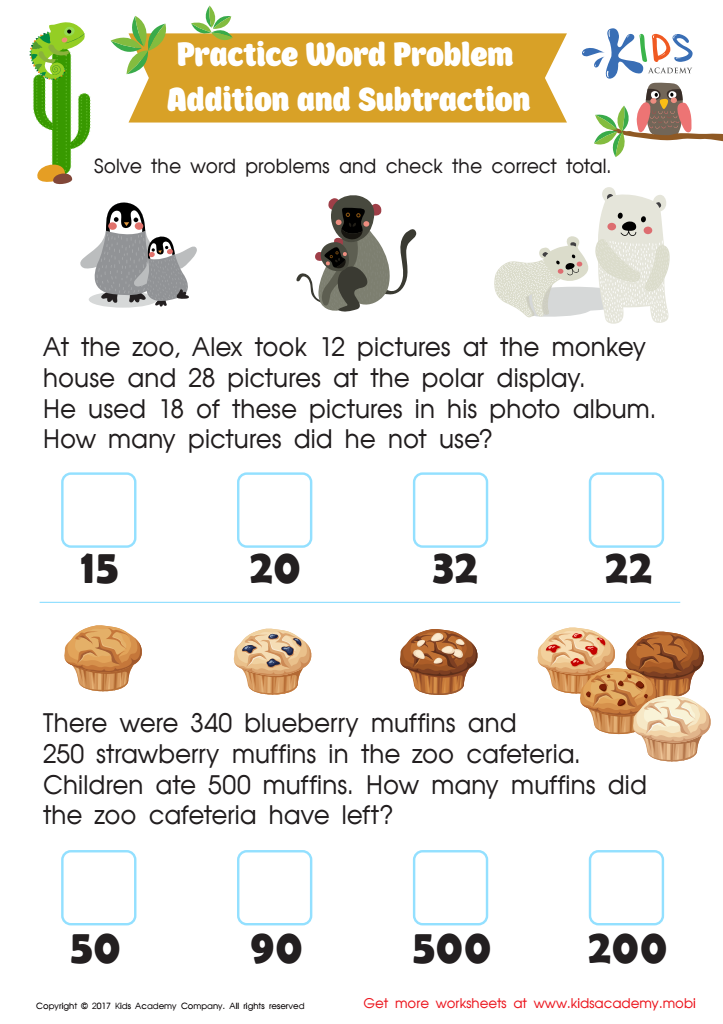
Addition and Subtraction: Word Problems Worksheet
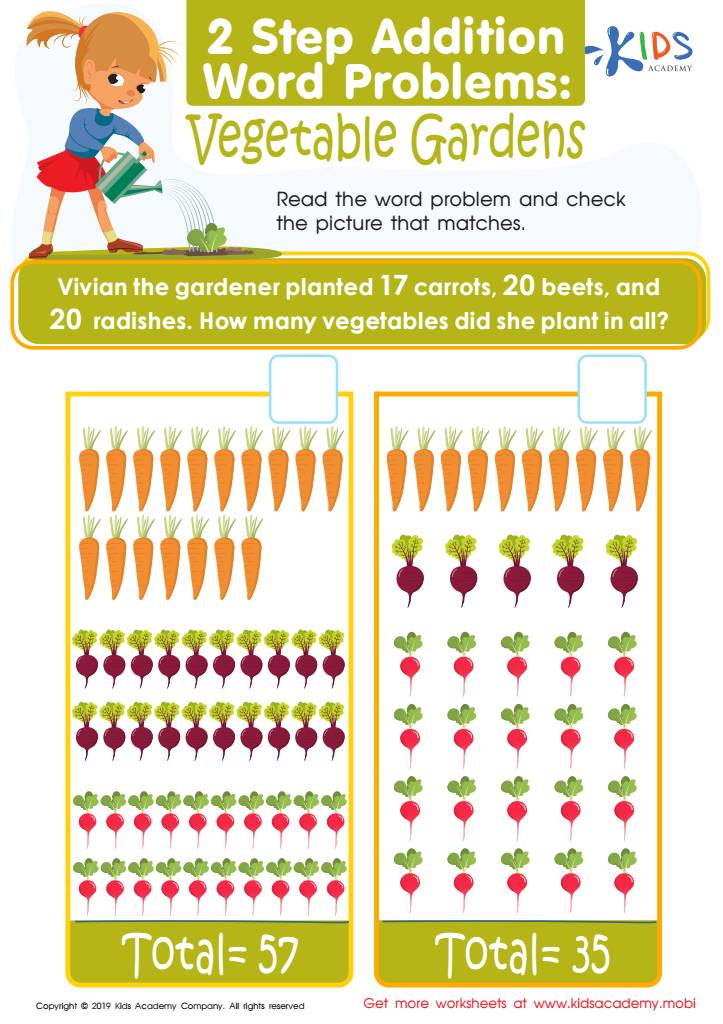
Vegetable Gardens Worksheet
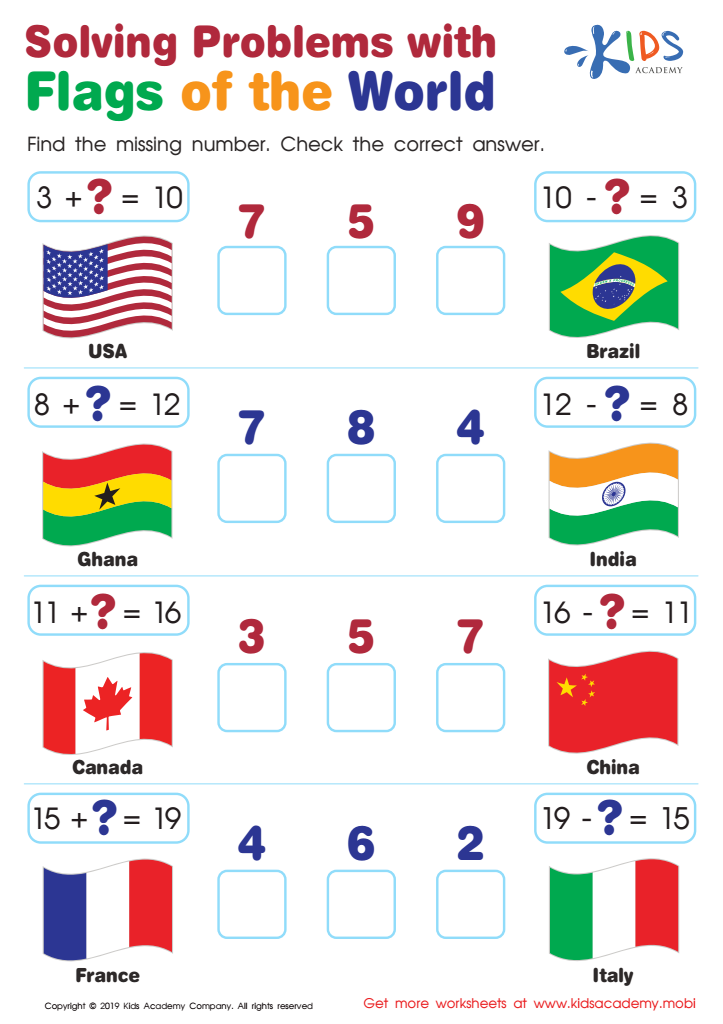
Solving Problems with Flags of the World Worksheet
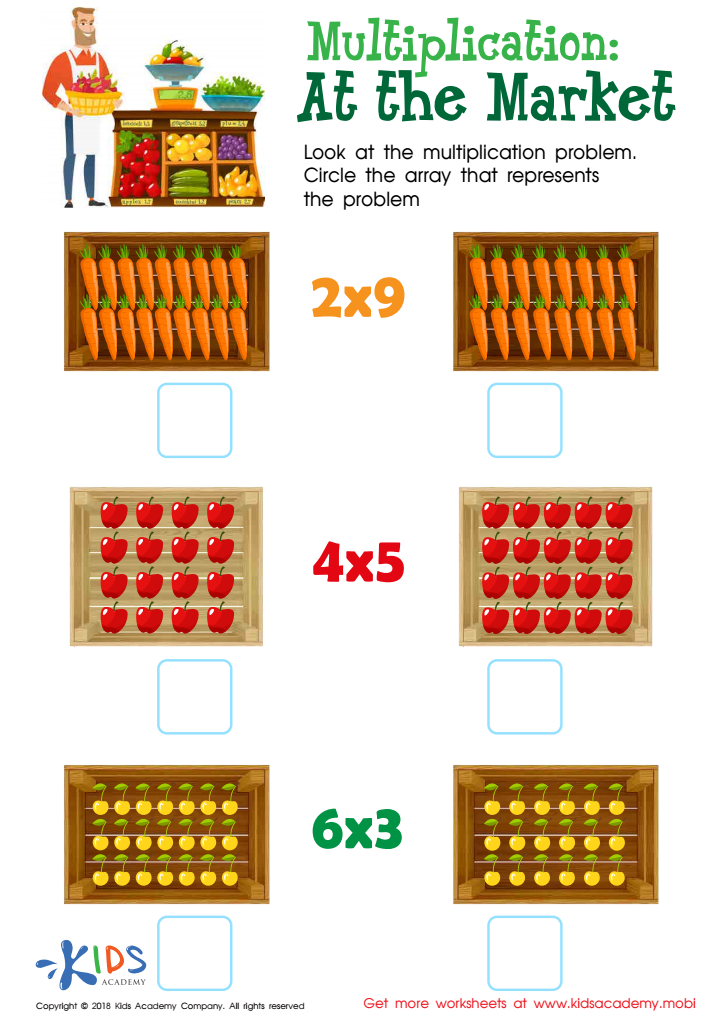
At the Market Worksheet
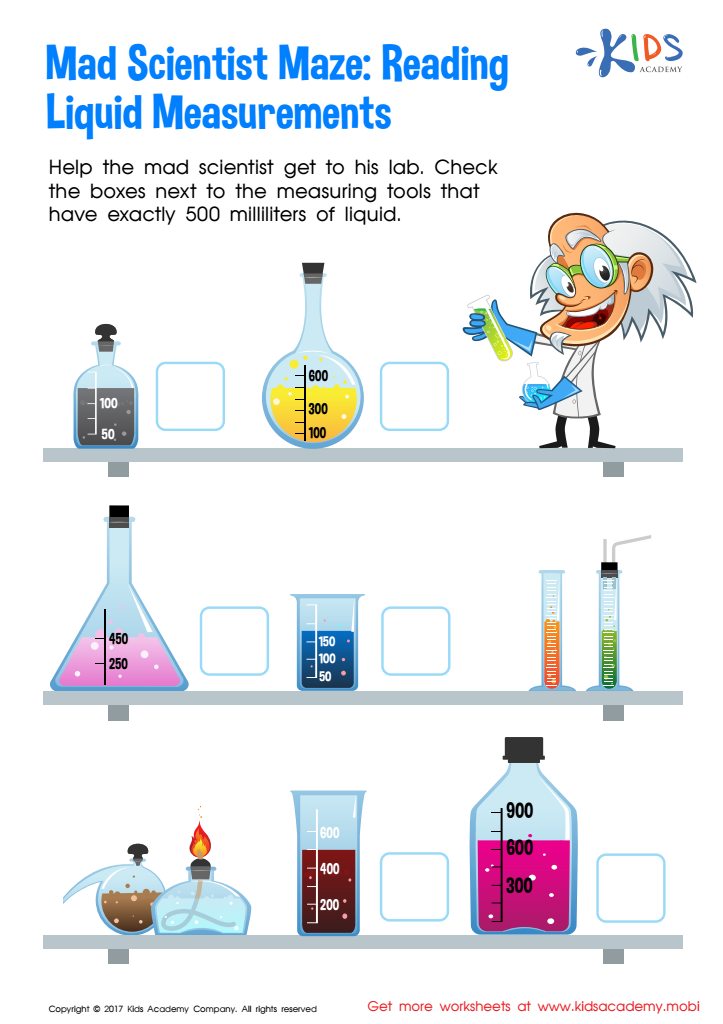
Reading Liquid Measurement Worksheet
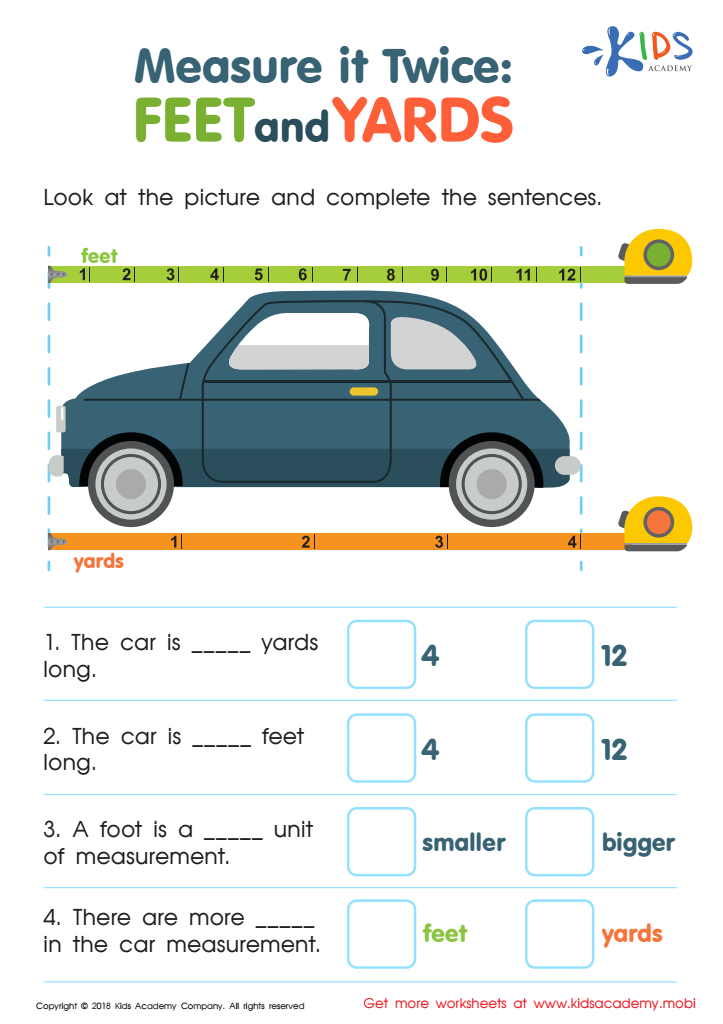
Measure It Twice: Feet and Yards Worksheet

Multiplying with Betsy Ross Worksheet
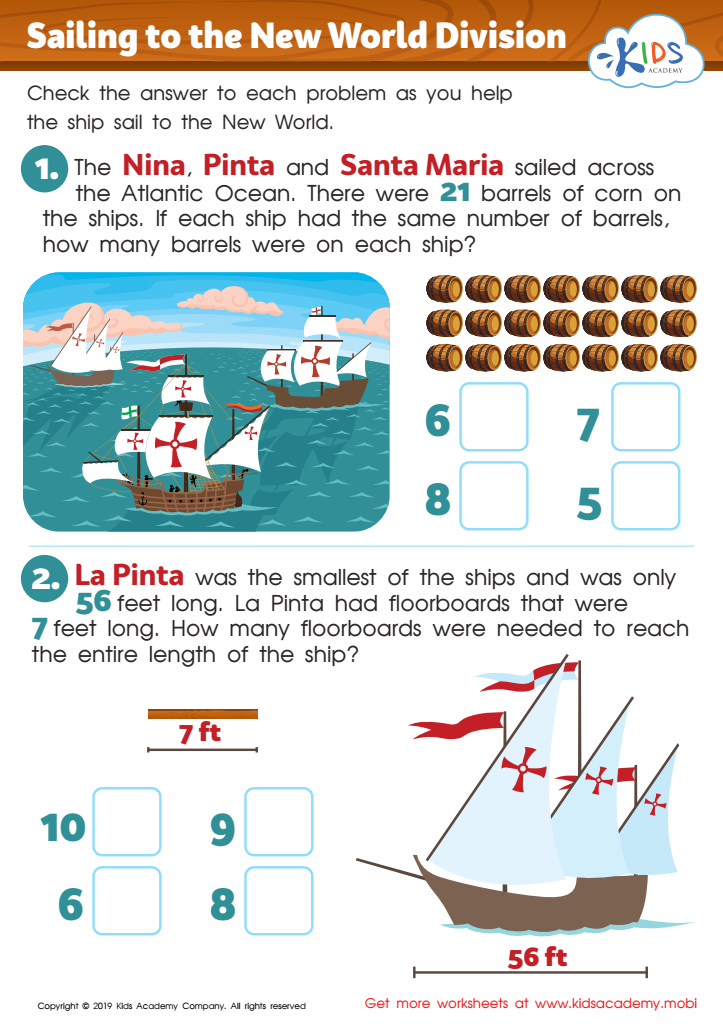
Sailing to the New World Division Worksheet
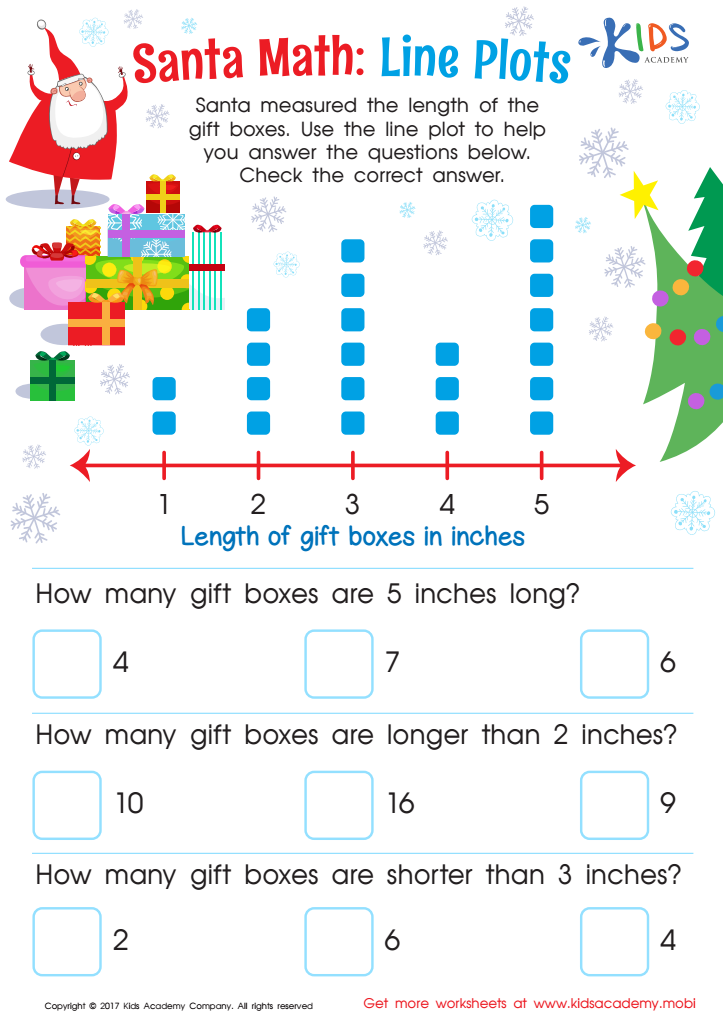
Line Plot Worksheet
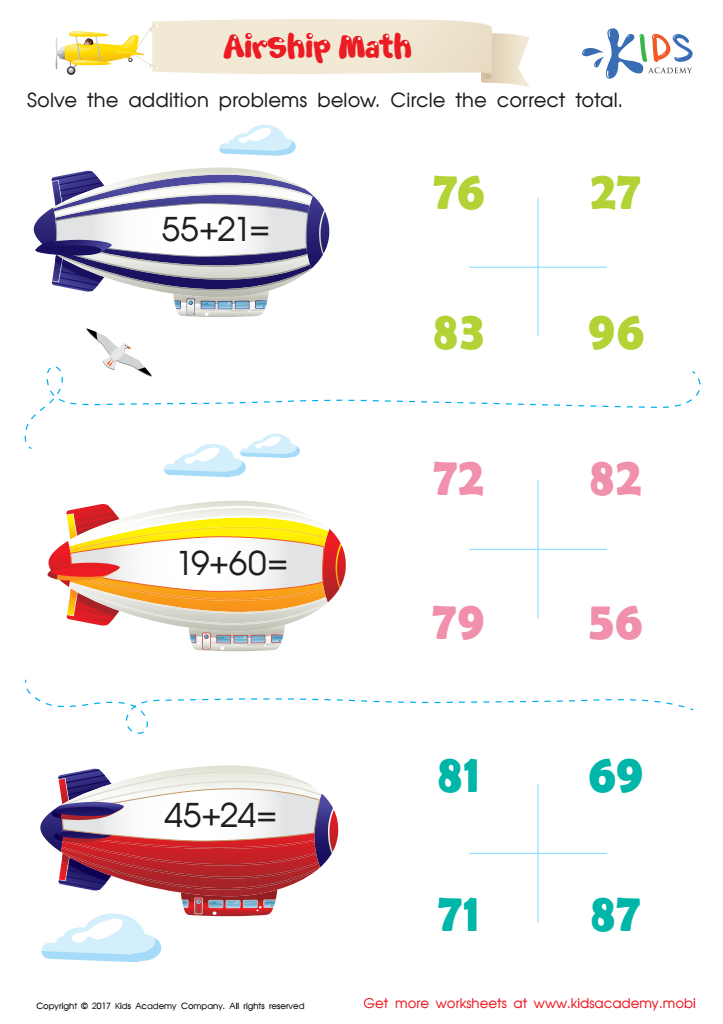
Airship Math Addition Printable

Time to Catch the Train Part 1 Worksheet
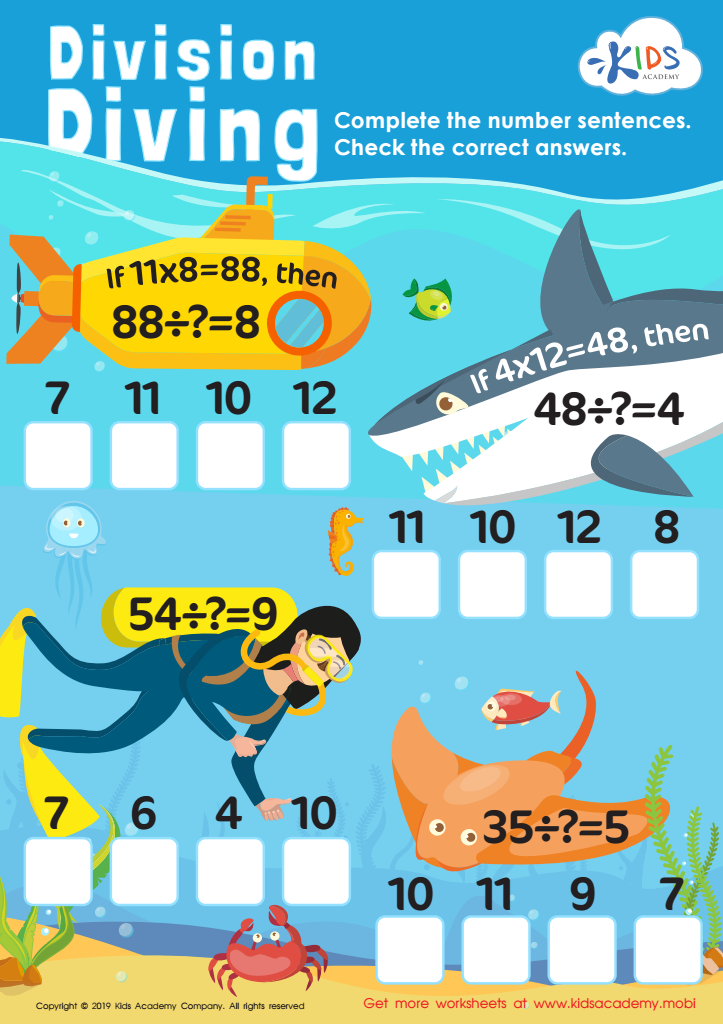
Division Diving Worksheet
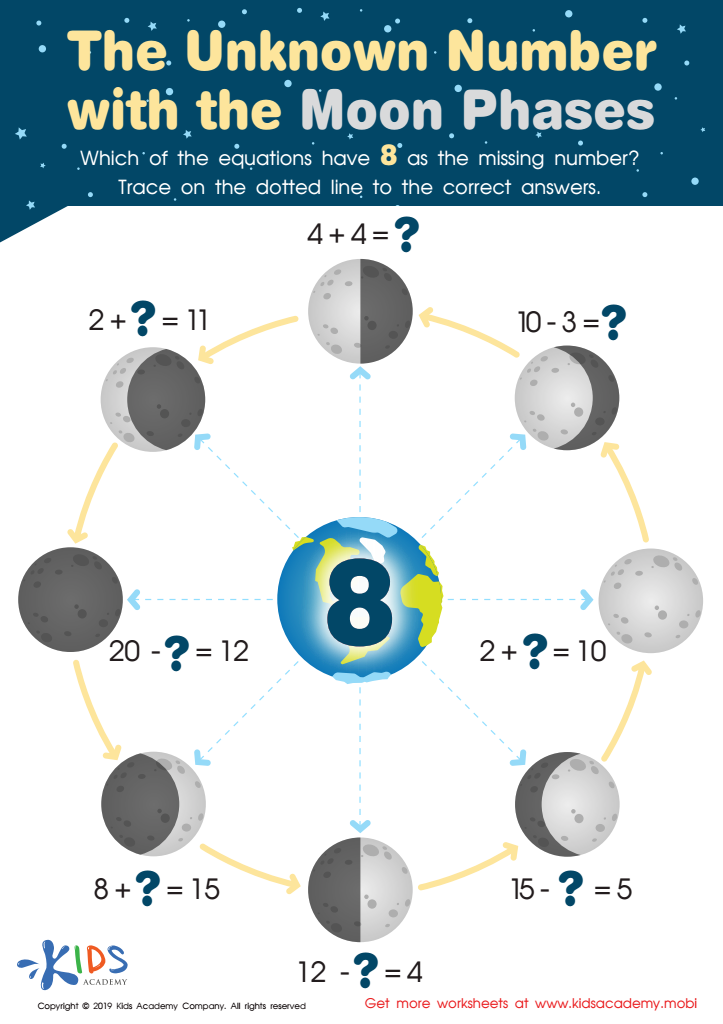
The Unknown Number with the Moon Phases Worksheet

Silhouettes – Shapes Worksheet
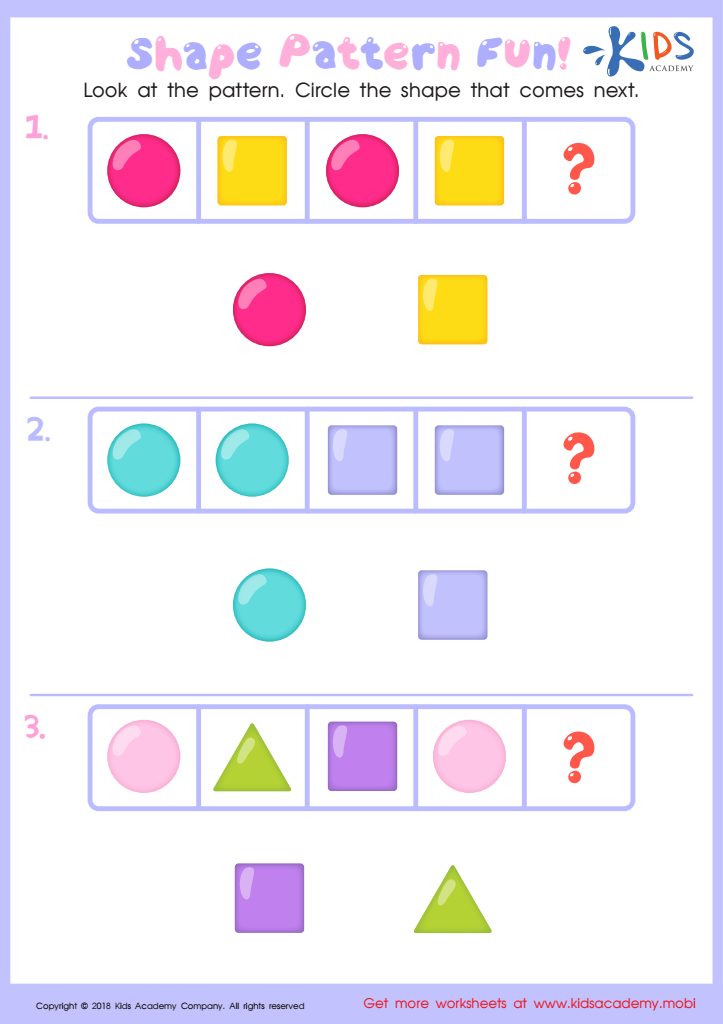
Shape Pattern Fun Worksheet
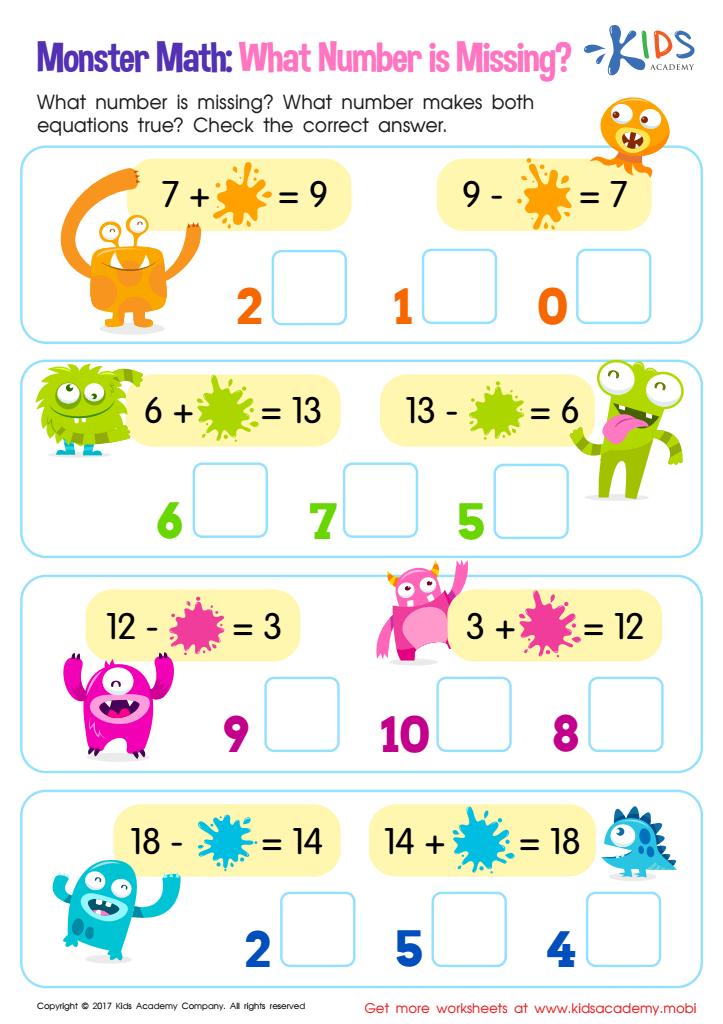
Missing Number: Monster Math Worksheet
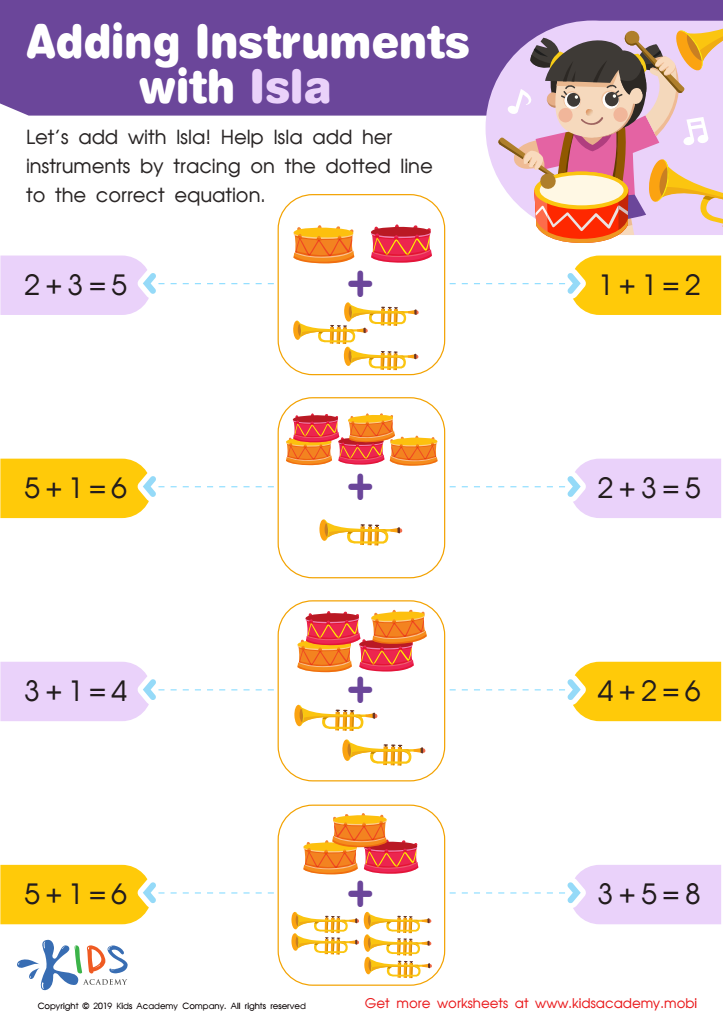
Adding Instruments with Isla Worksheet

Time to Catch the Train Part 2 Worksheet


.jpg)





Parents and teachers should recognize the importance of problem-solving skills in normal math as these skills are foundational for students' success both academically and in life. Problem-solving encompasses critical thinking, logical reasoning, and the ability to apply knowledge to real-world situations. When children engage in problem-solving tasks, they learn to approach challenges methodically, evaluate various strategies, and develop resilience when faced with setbacks.
Moreover, fostering these skills in the early grades can enhance students' confidence in their mathematical abilities. As they tackle and resolve problems, they become more independent thinkers, empowering them to pursue more complex mathematical concepts in later years. Strong problem-solving abilities also translate to other subjects and disciplines, such as science, where analytical thinking is crucial.
Additionally, in today’s fast-paced, technology-driven society, employers value individuals who can navigate challenges creatively and collaboratively. Developing problem-solving skills in young students not only prepares them for future academic pursuits but also equips them with essential life skills, facilitating their growth into adaptable and innovative adults. By prioritizing problem-solving in math education, parents and teachers lay the groundwork for a more engaged, capable, and confident generation.








