Problem-Solving Skills Normal Grade 2 Worksheets - Page 2
39 filtered results
-
From - To
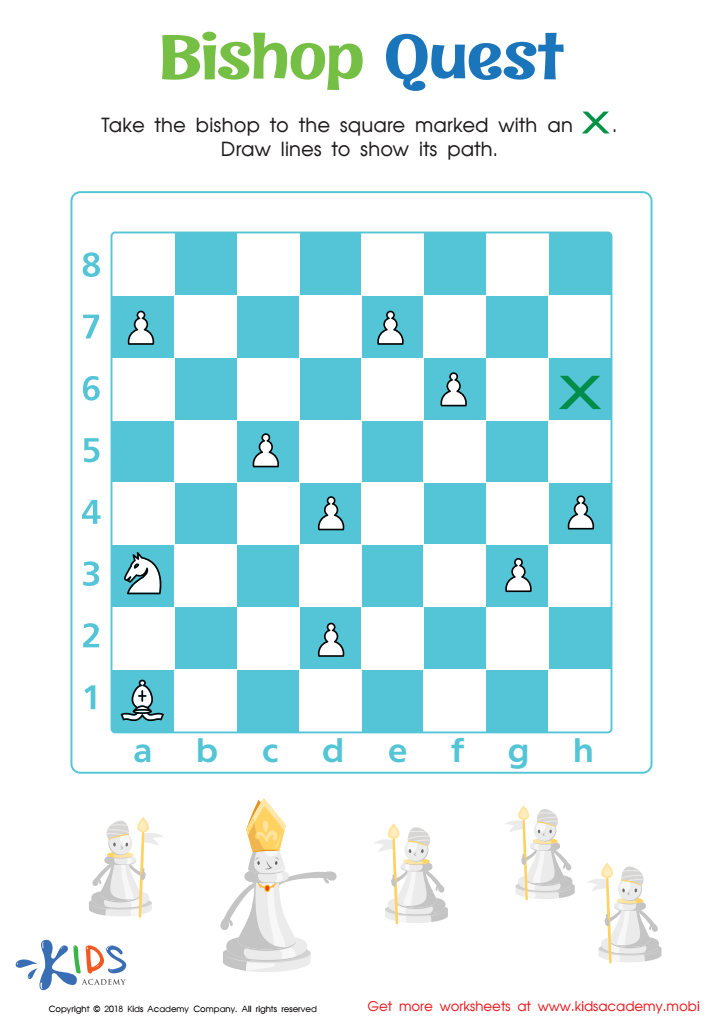
Bishop Quest Worksheet
 Assign to My Students
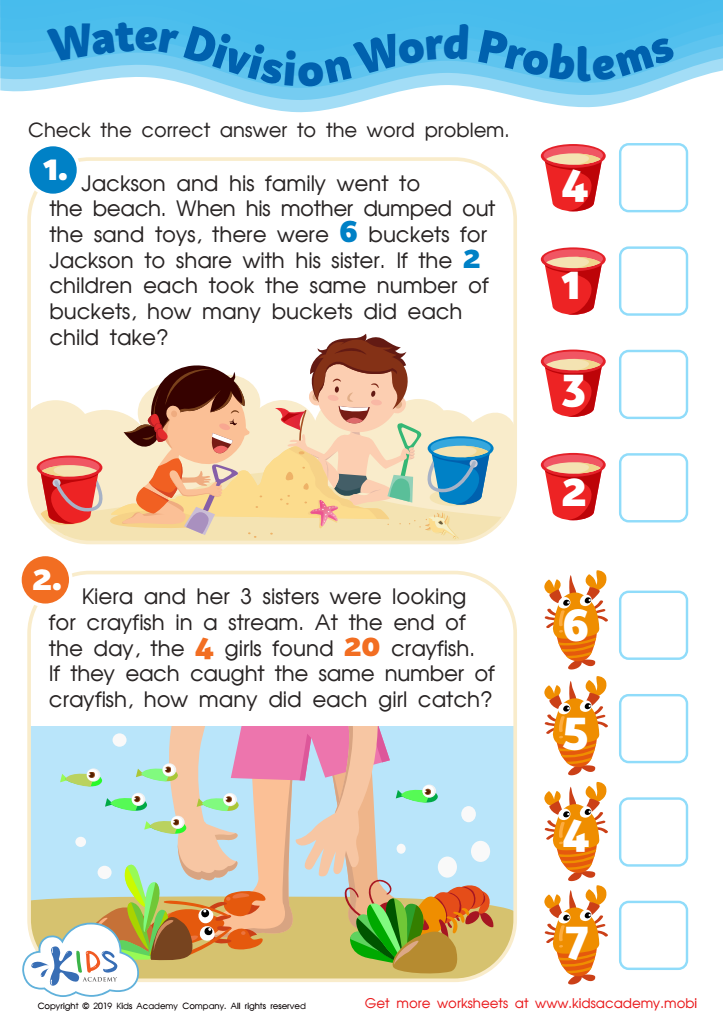
Water Division Word Problems Worksheet
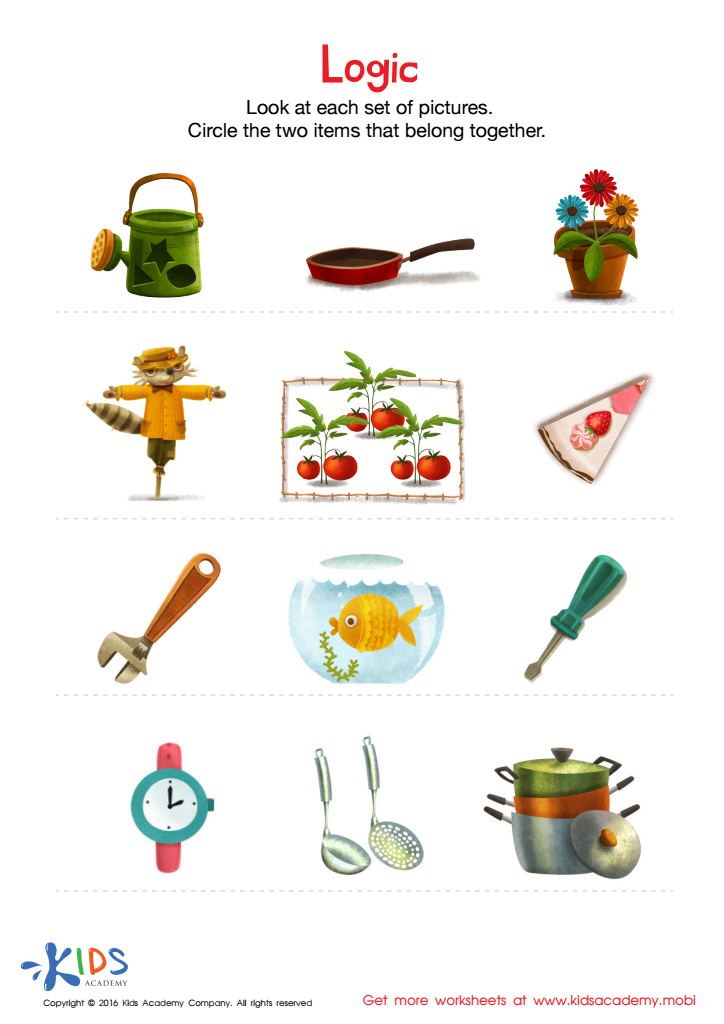
Logic Game Sorting Worksheet
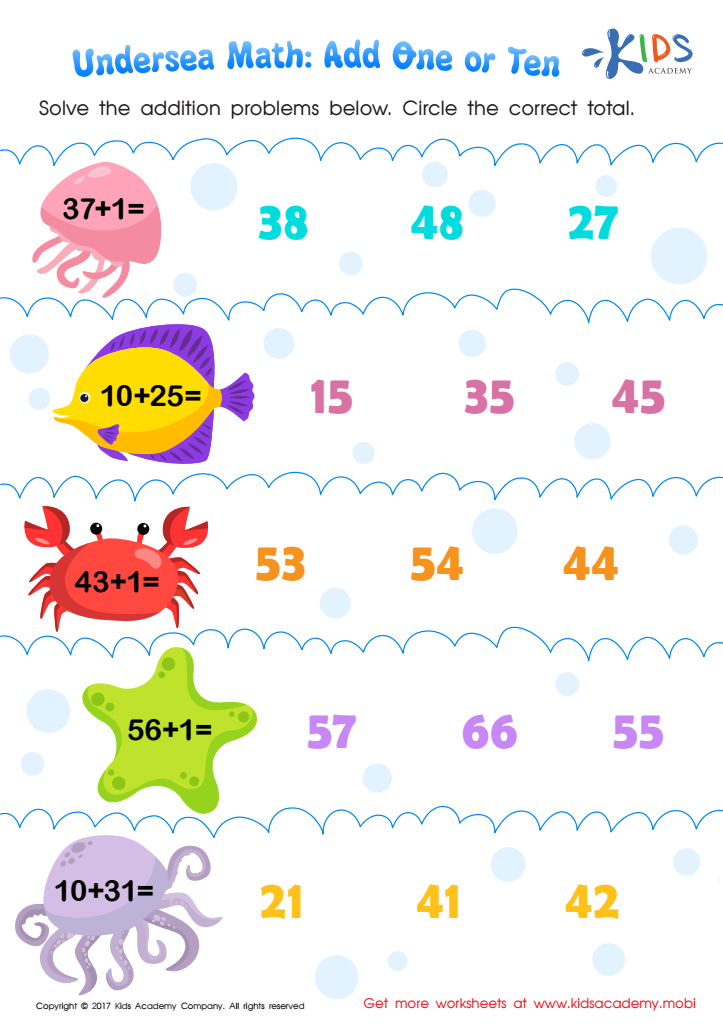
Undersea Math Worksheet
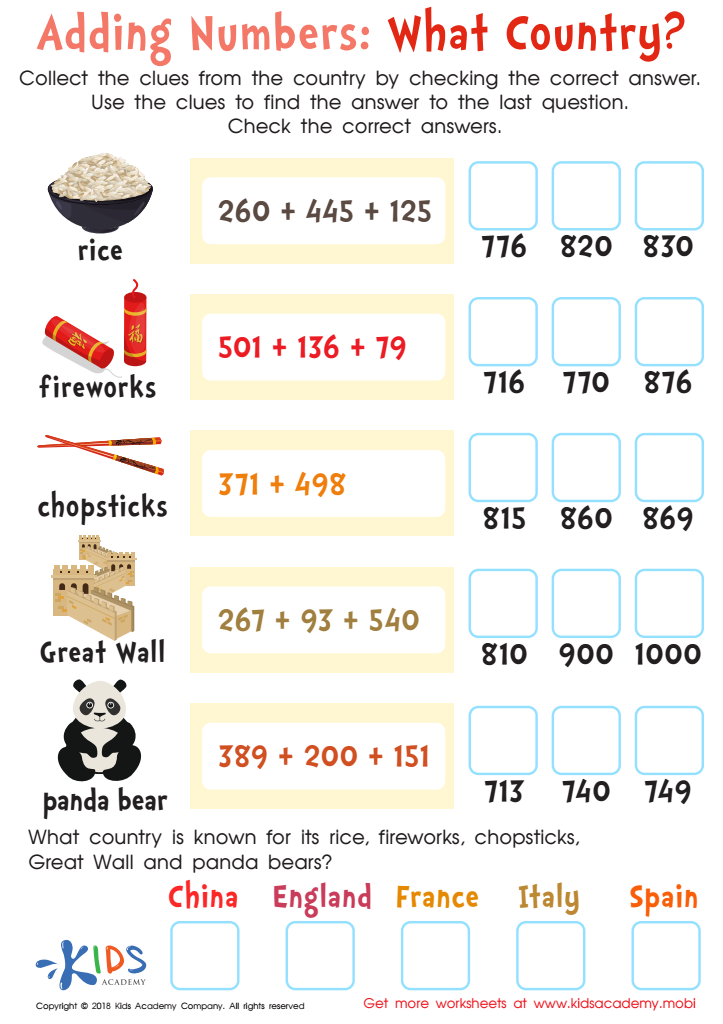
Adding Numbers: What Country Worksheet
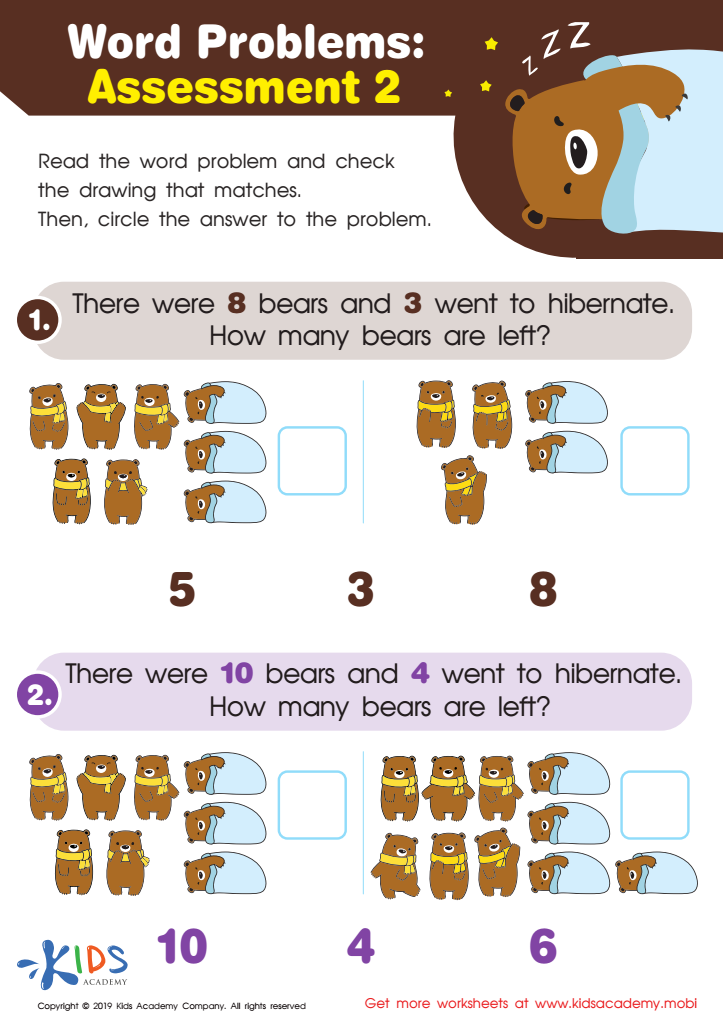
Word Problems: Assessment 2 Worksheet
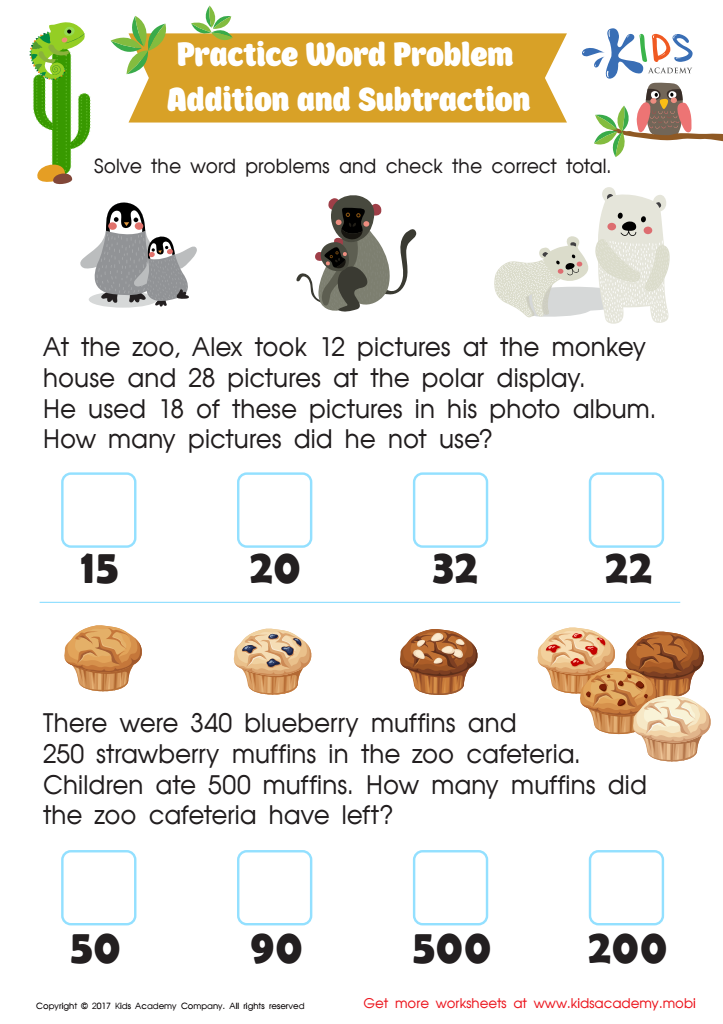
Addition and Subtraction: Word Problems Worksheet
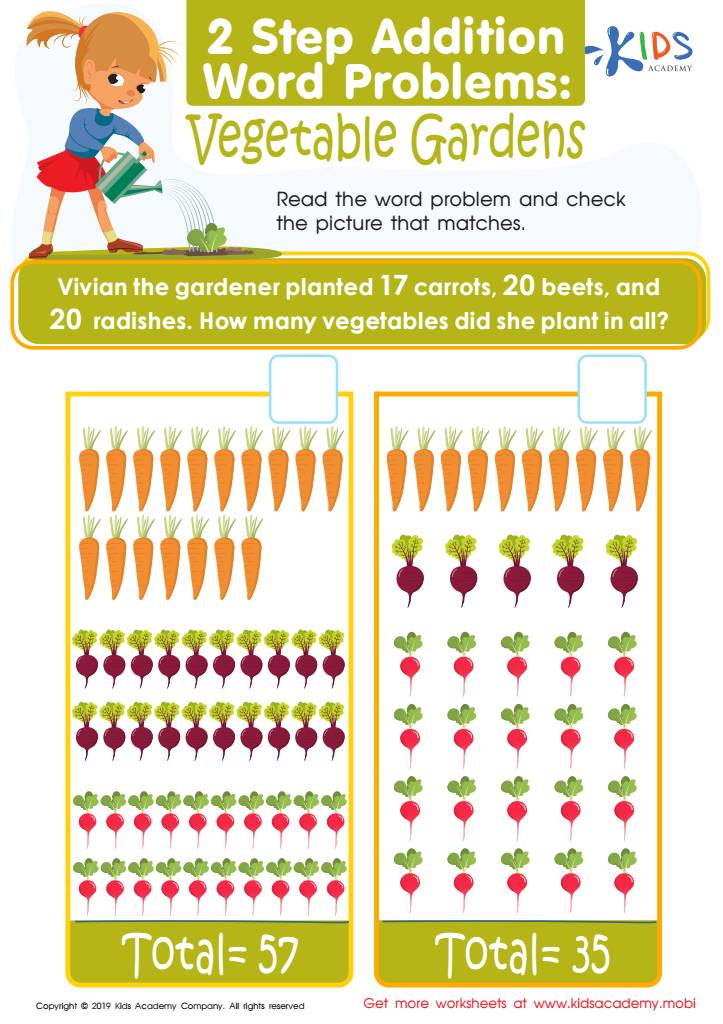
Vegetable Gardens Worksheet
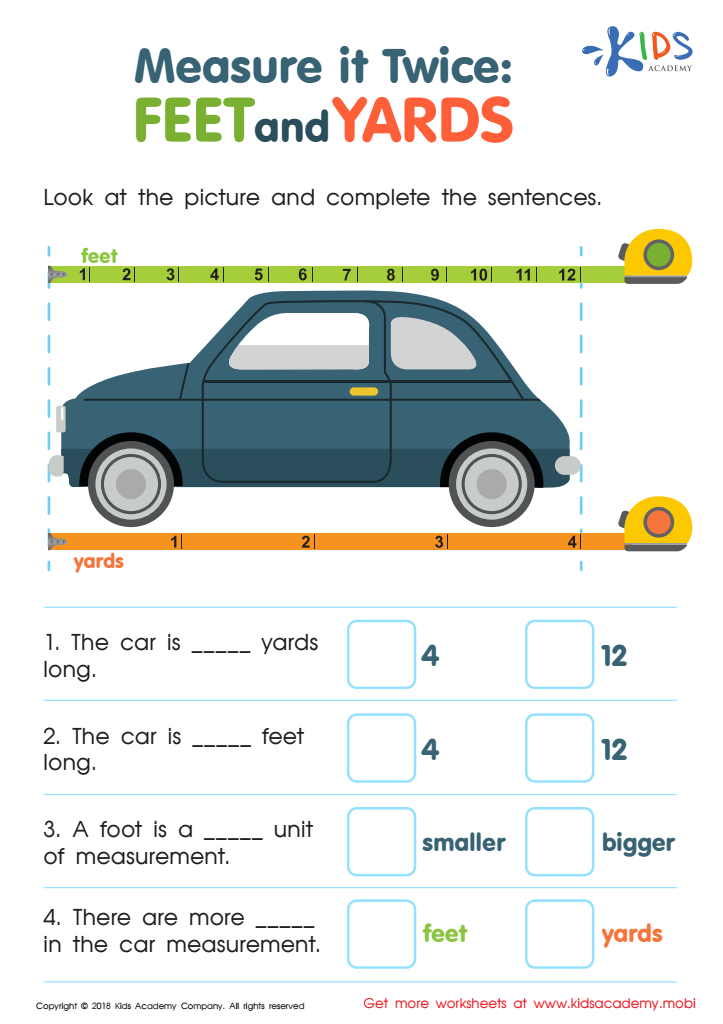
Measure It Twice: Feet and Yards Worksheet
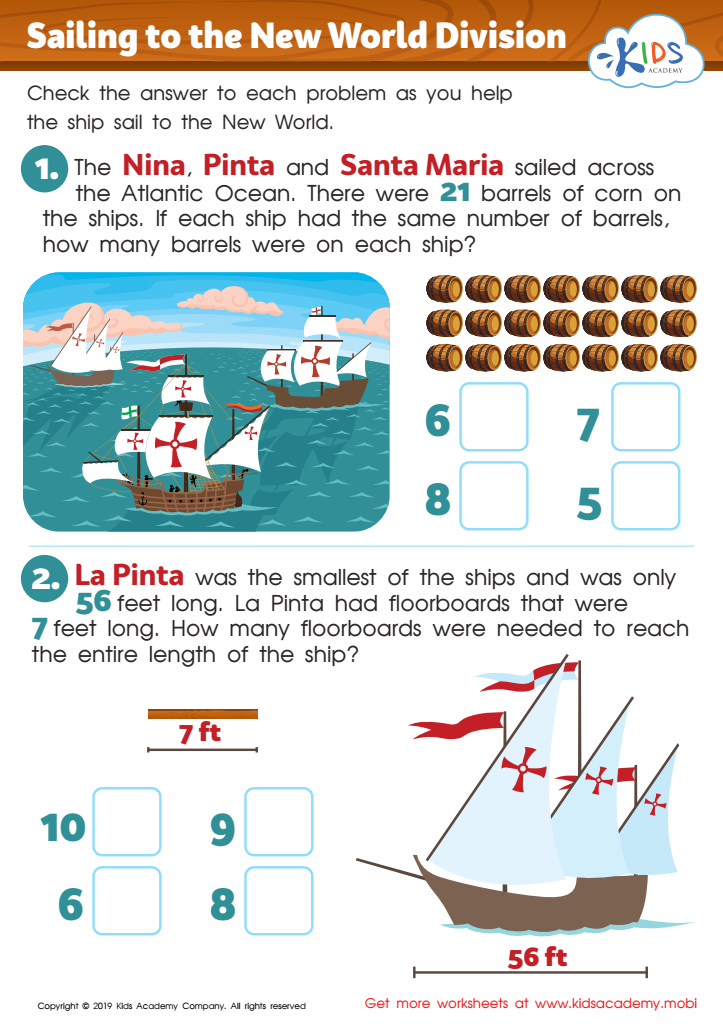
Sailing to the New World Division Worksheet
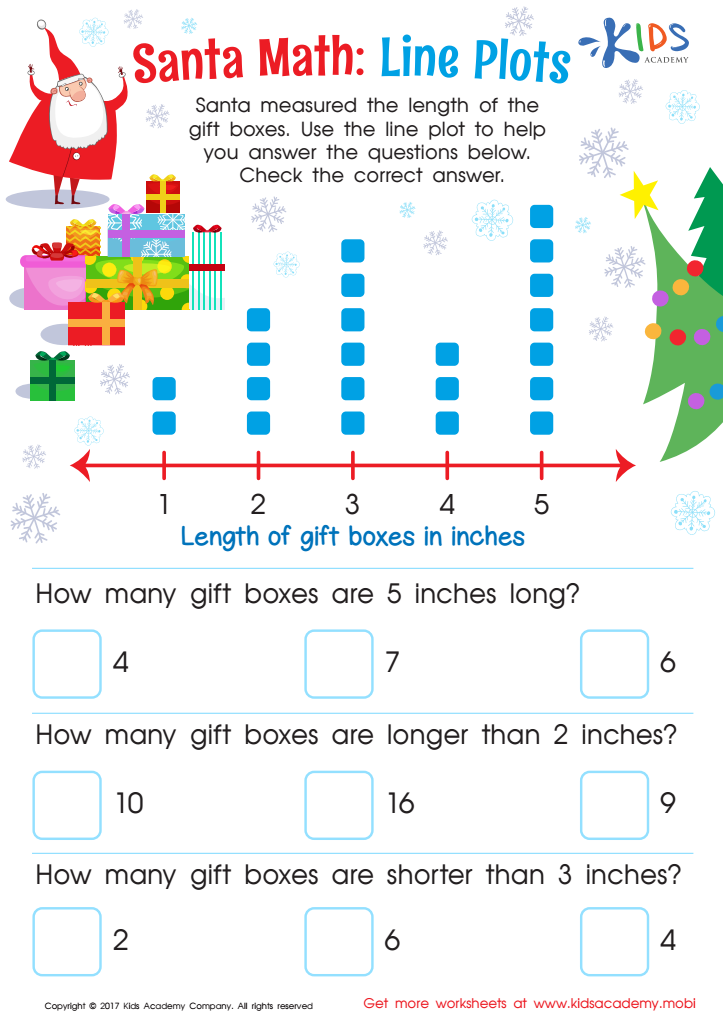
Line Plot Worksheet
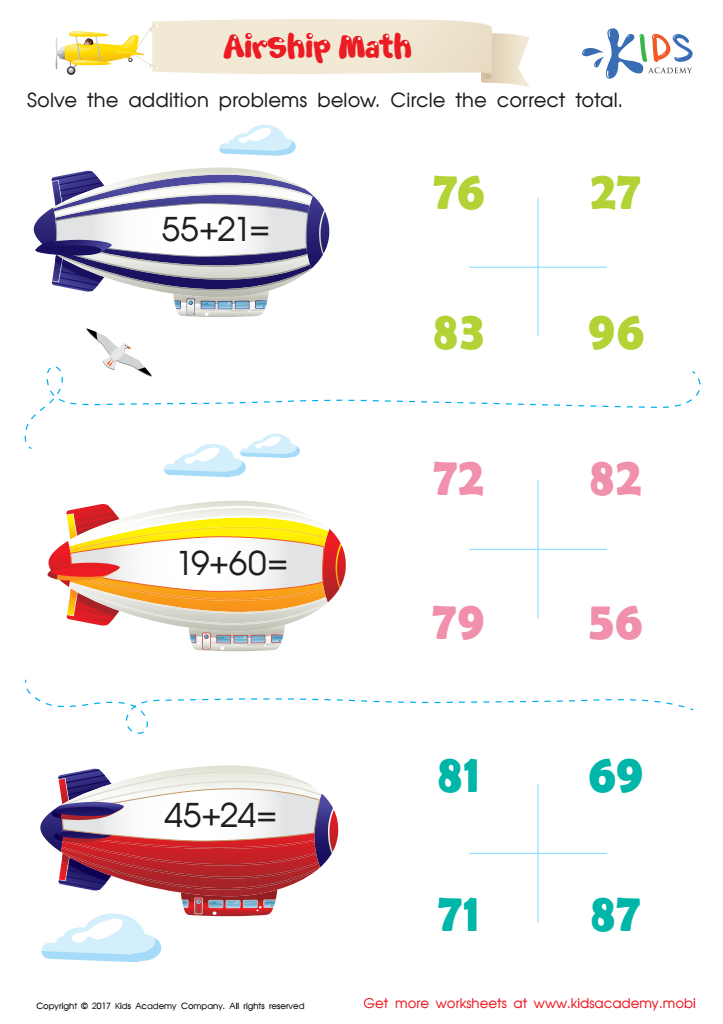
Airship Math Addition Printable
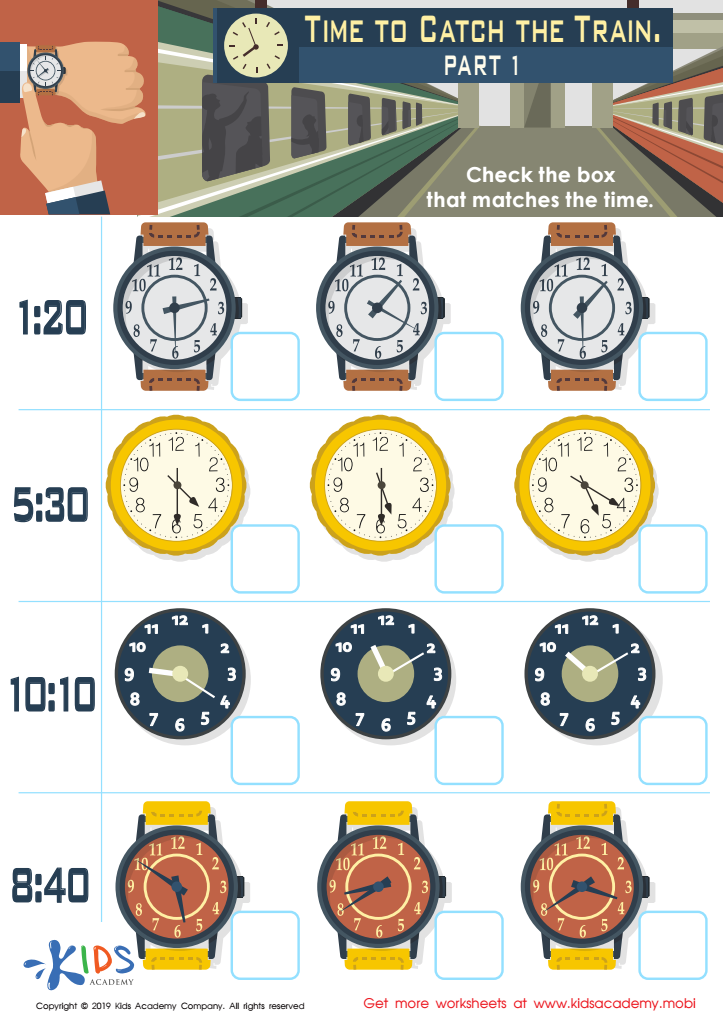
Time to Catch the Train Part 1 Worksheet
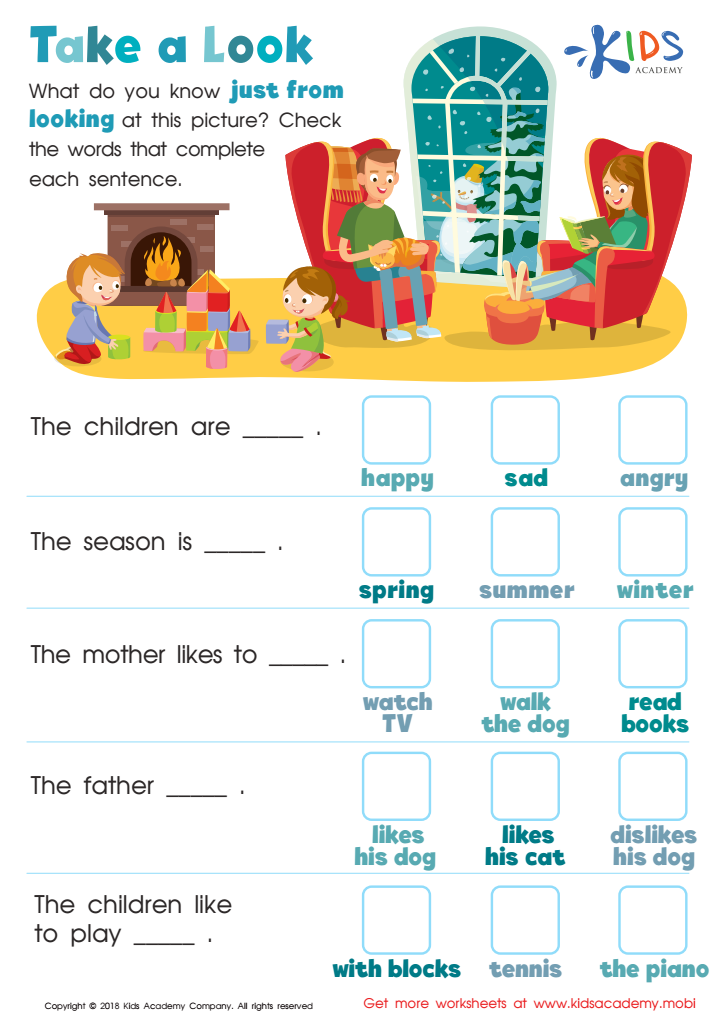
Take a Look - Part 1 Worksheet
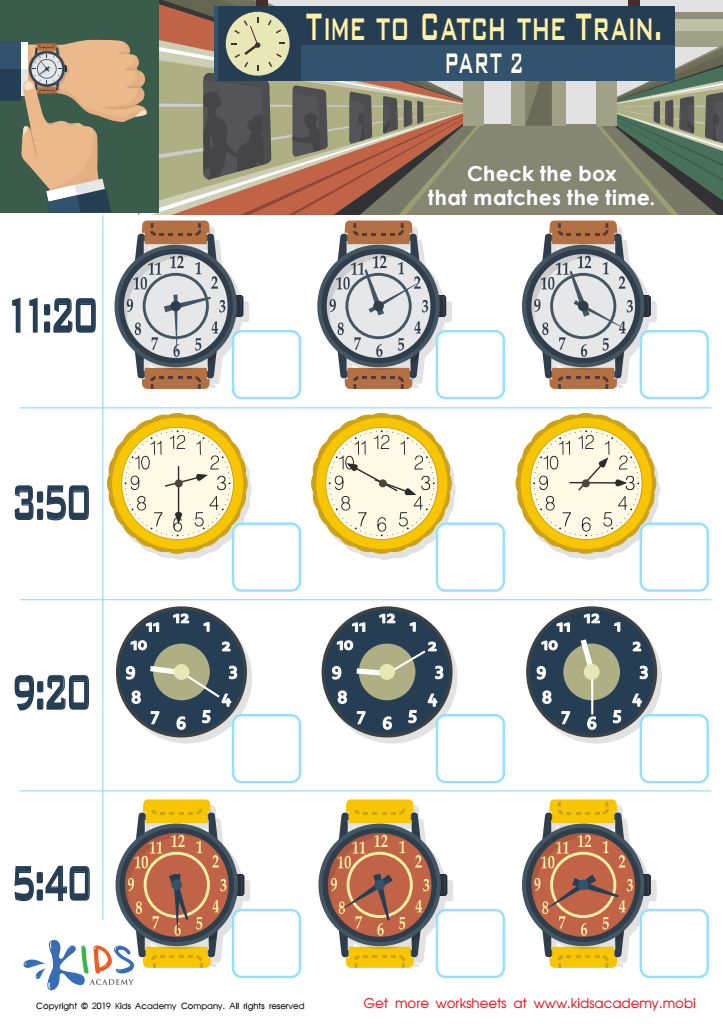
Time to Catch the Train Part 2 Worksheet




Problem-solving skills are essential for second graders as they lay the foundation for critical thinking and lifelong learning. At this age, children are beginning to experience a shift from concrete to abstract thinking, making it an ideal time to nurture these capabilities. Parents and teachers should prioritize developing these skills because they help children navigate challenges, both academic and personal.
Effective problem-solving skills encourage independence and resilience, allowing children to approach difficulties with confidence. For example, when faced with a math problem or a dispute with a peer, a child who can think critically is more likely to evaluate potential solutions, weigh outcomes, and make informed decisions. These skills also foster creativity, as children learn to think outside the box to find solutions.
Additionally, a strong foundation in problem-solving promotes collaboration when working in groups or partnerships. It teaches children to communicate their ideas and respect others’ viewpoints, which is vital in today’s interconnected world. By emphasizing problem-solving in Grade 2, parents and teachers equip children with essential tools that will benefit them academically and socially, ultimately preparing them for a successful future. Thus, investing time and resources in cultivating these skills serves as a cornerstone for their overall development.