Problem-Solving Skills Normal Grade 3 Worksheets - Page 2
55 filtered results
-
From - To
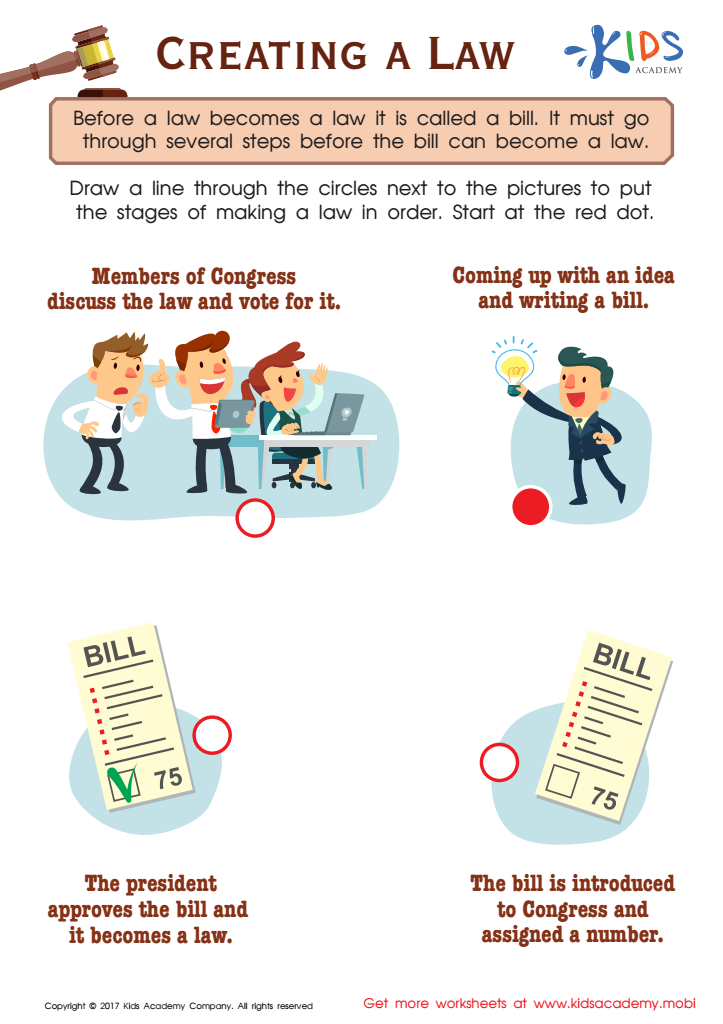
Creating a Law Worksheet
 Assign to My Students
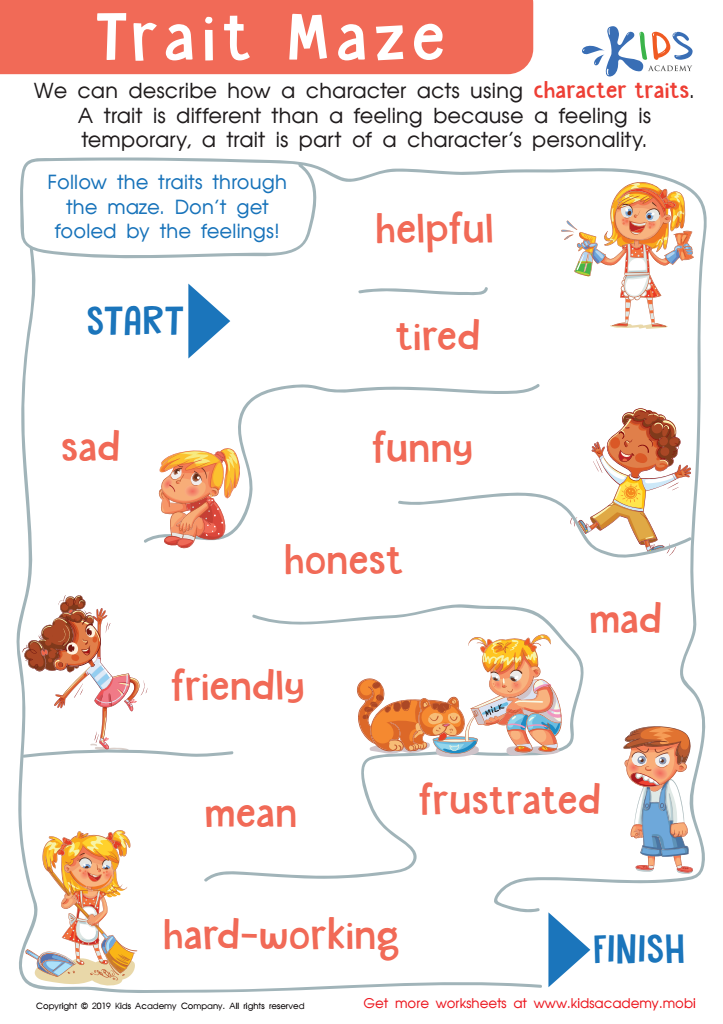
Trait Maze Worksheet
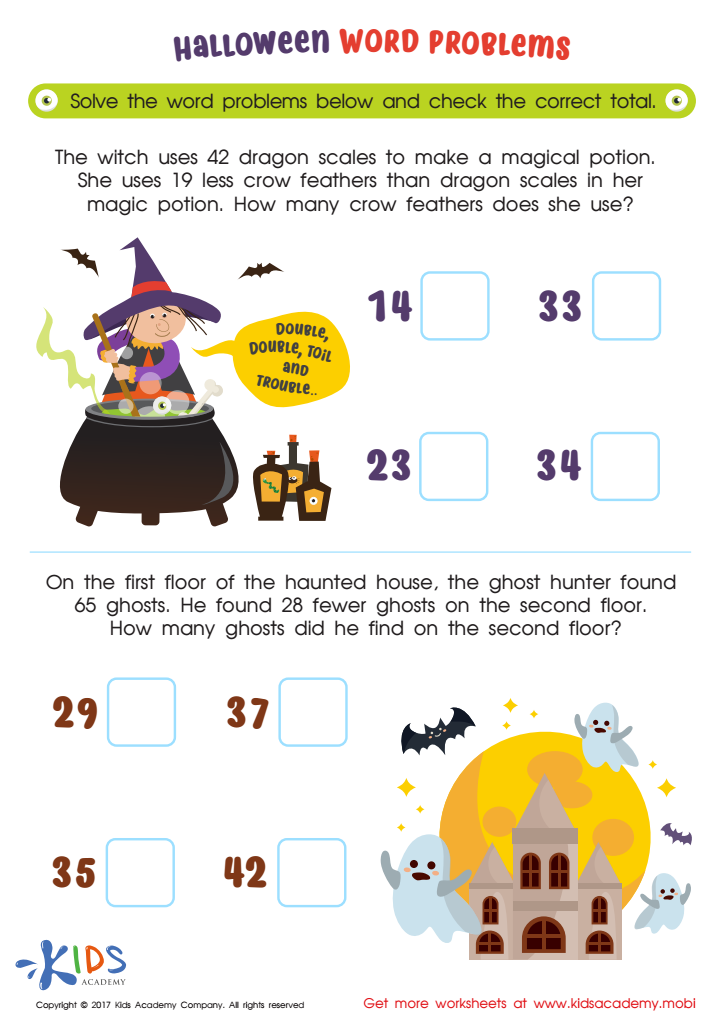
Halloween Word Problems Printable
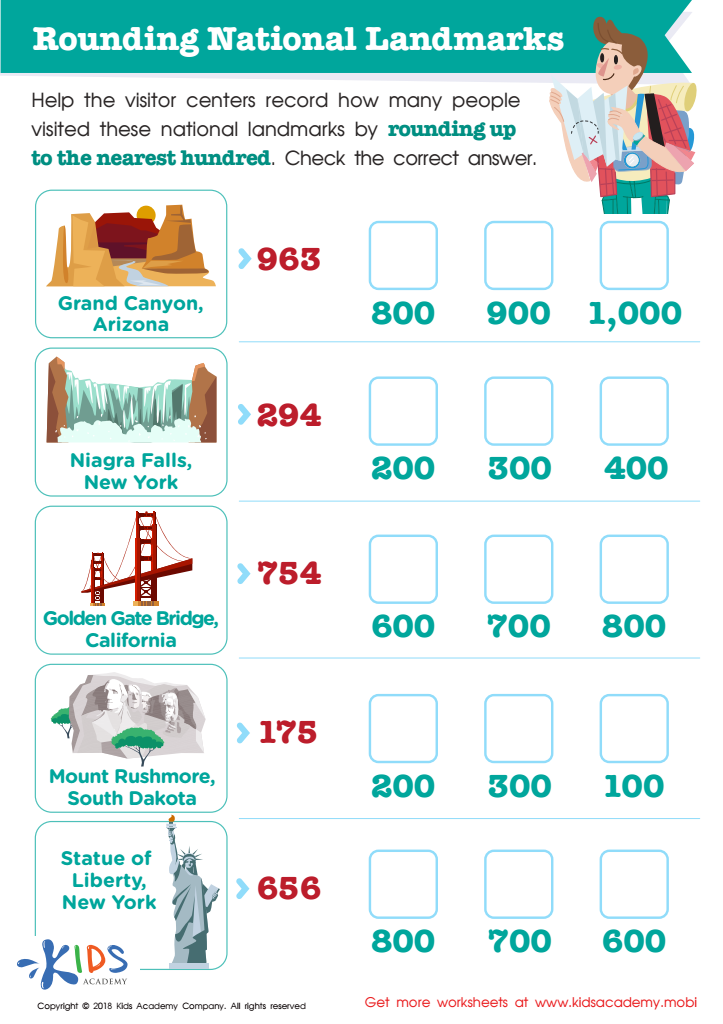
Rounding National Landmarks Worksheet
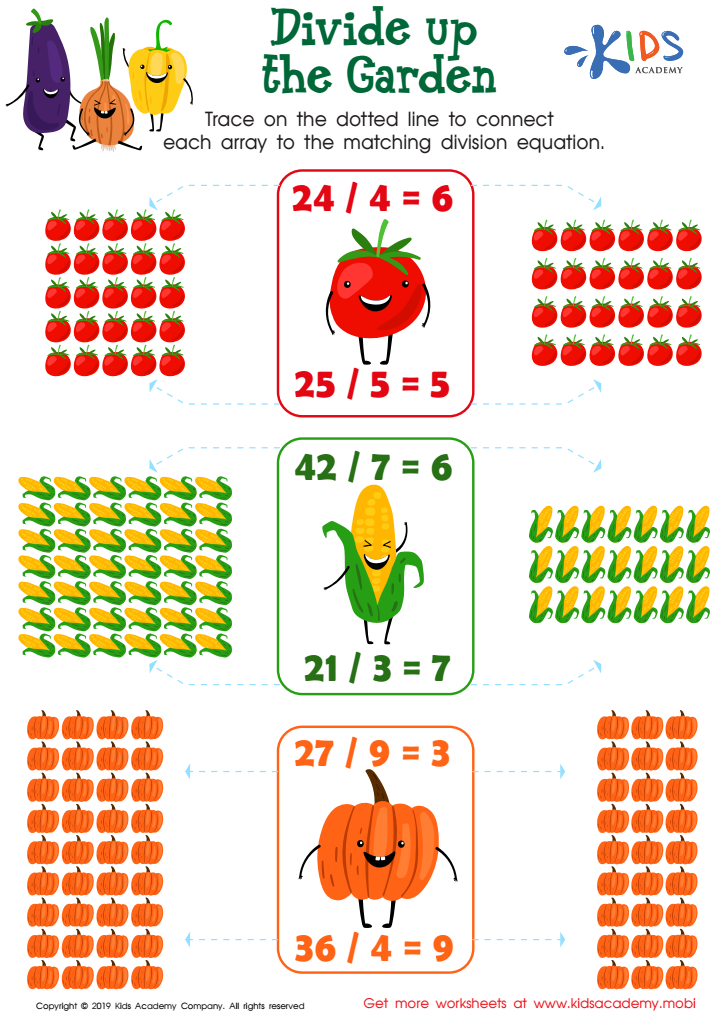
Divide up the Garden Worksheet
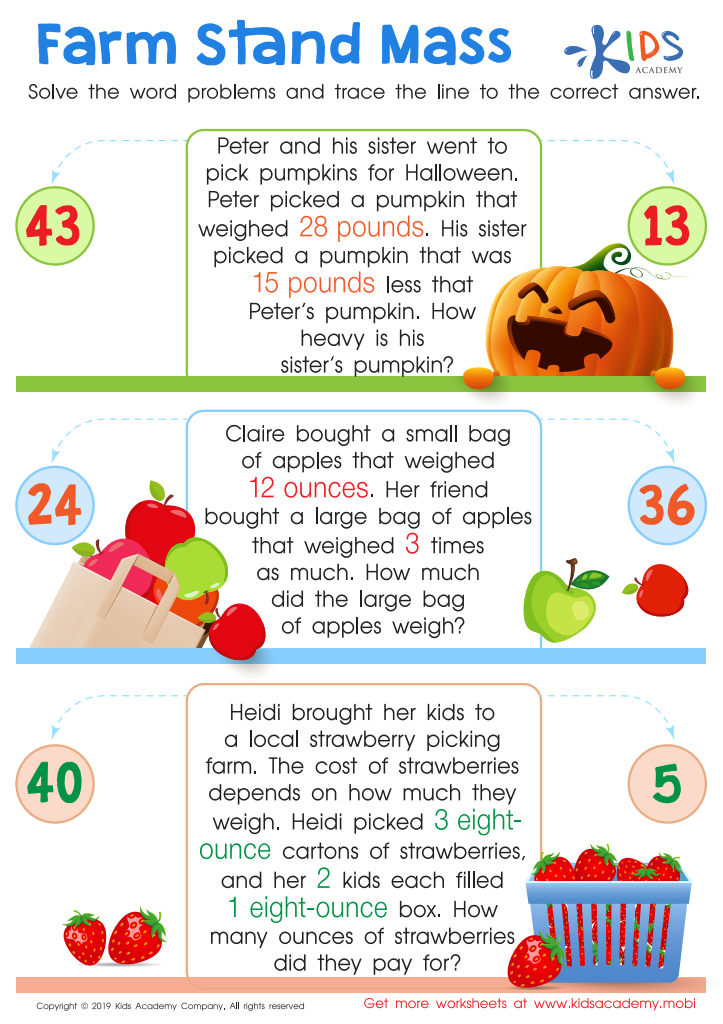
Farm Stand Mass Worksheet
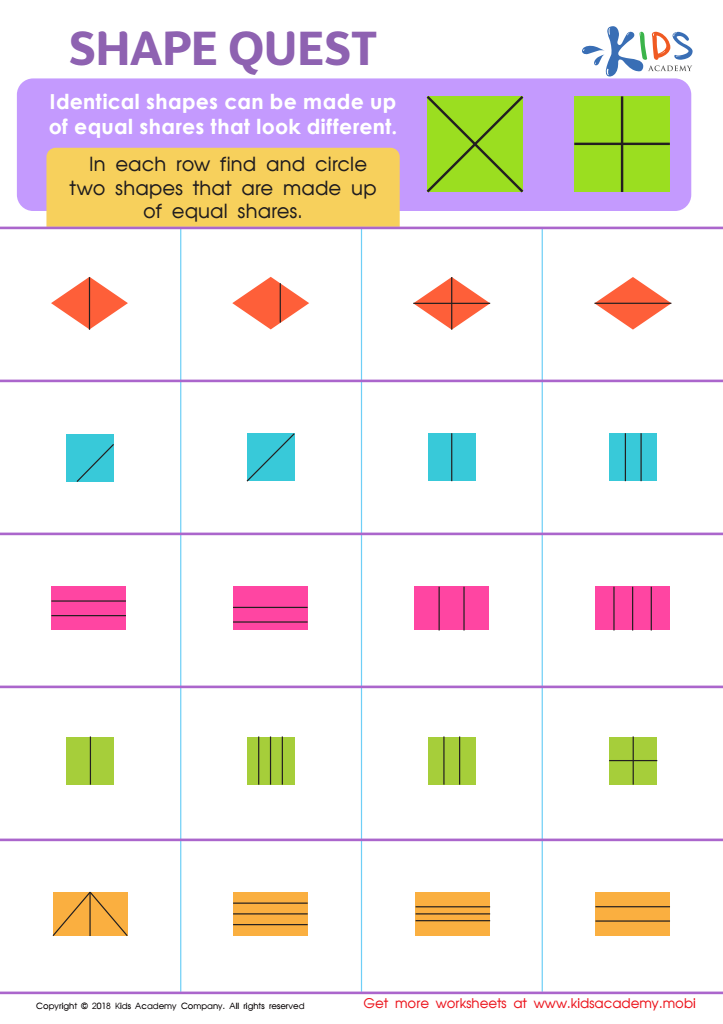
Shape Quest Worksheet
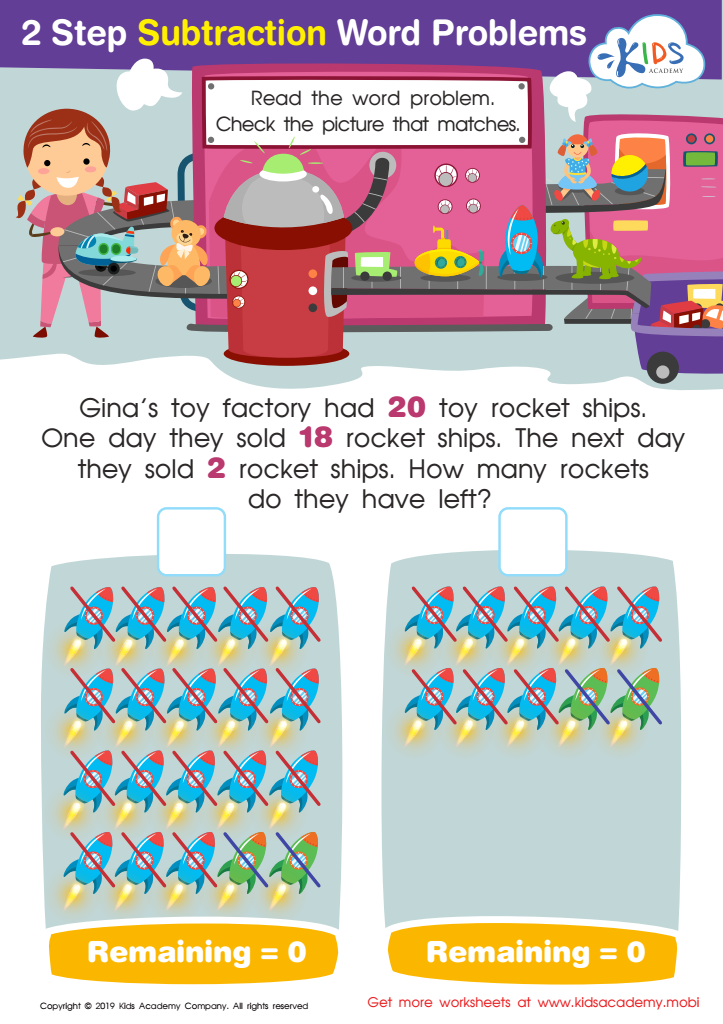
Step Subtraction Word Problems Worksheet
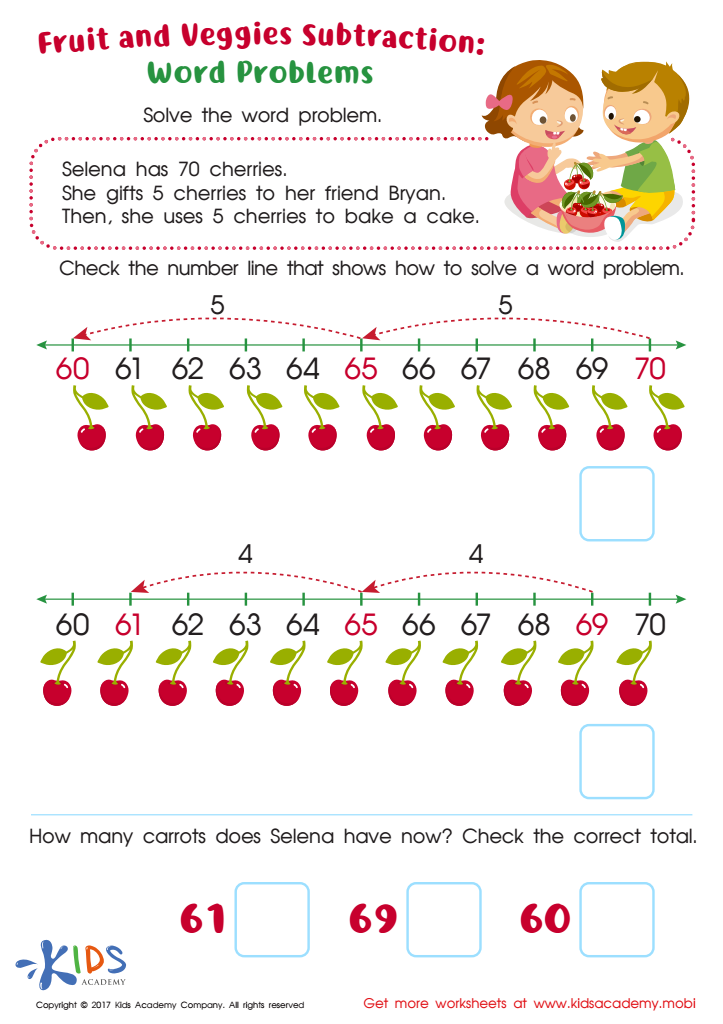
Subtraction Word Problems Free Printable
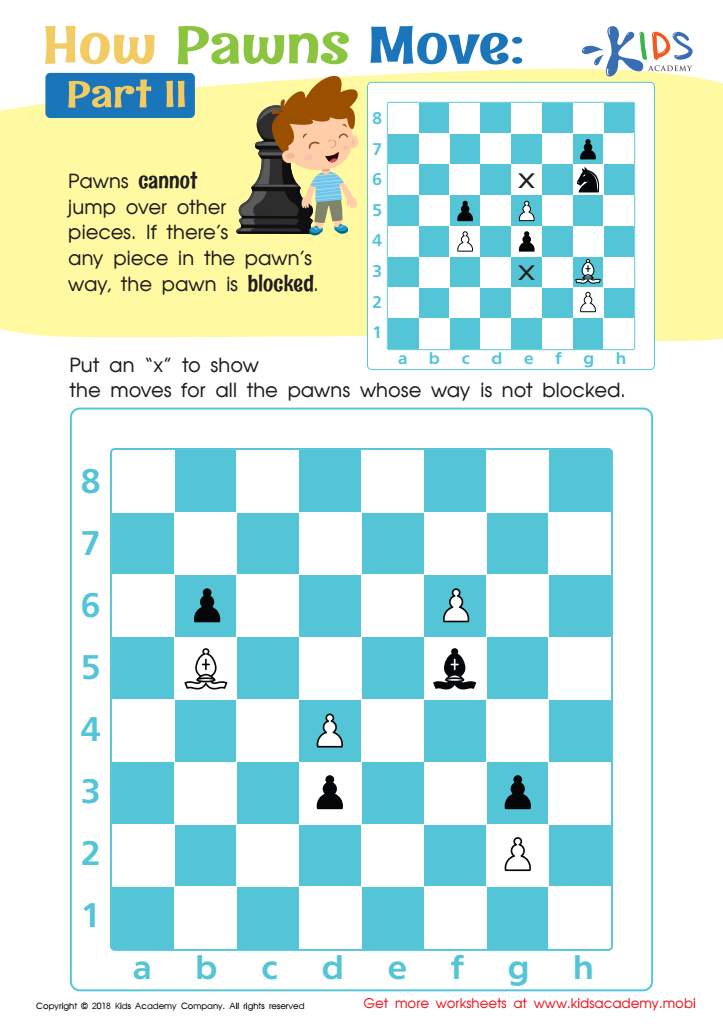
How Pawns Move: Part II Worksheet
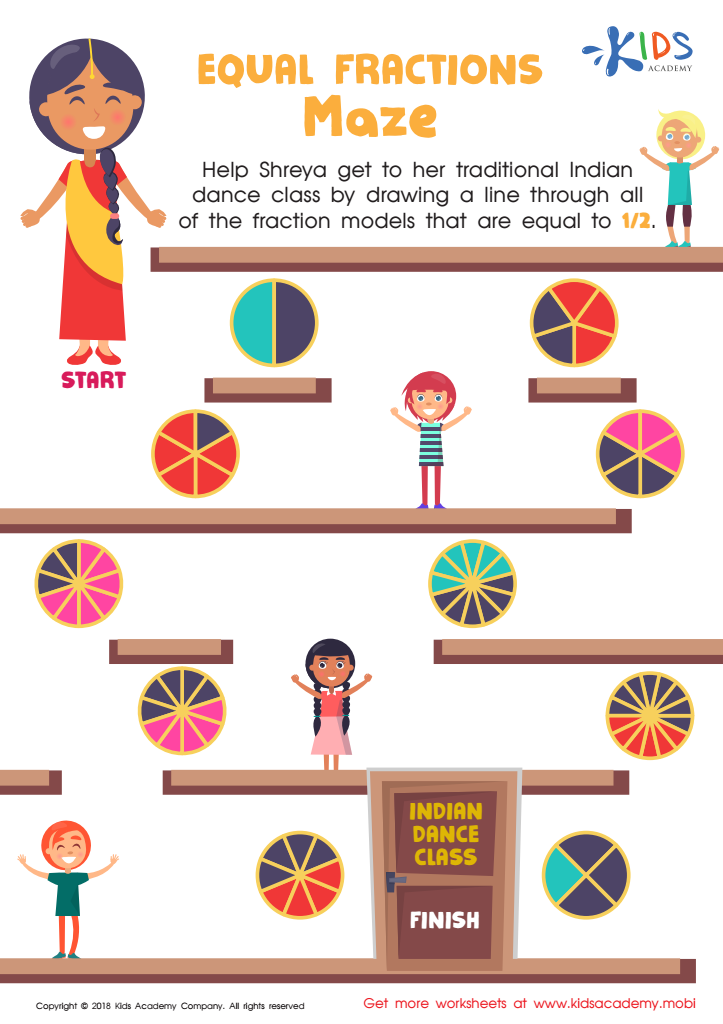
Equal Fractions Maze Worksheet
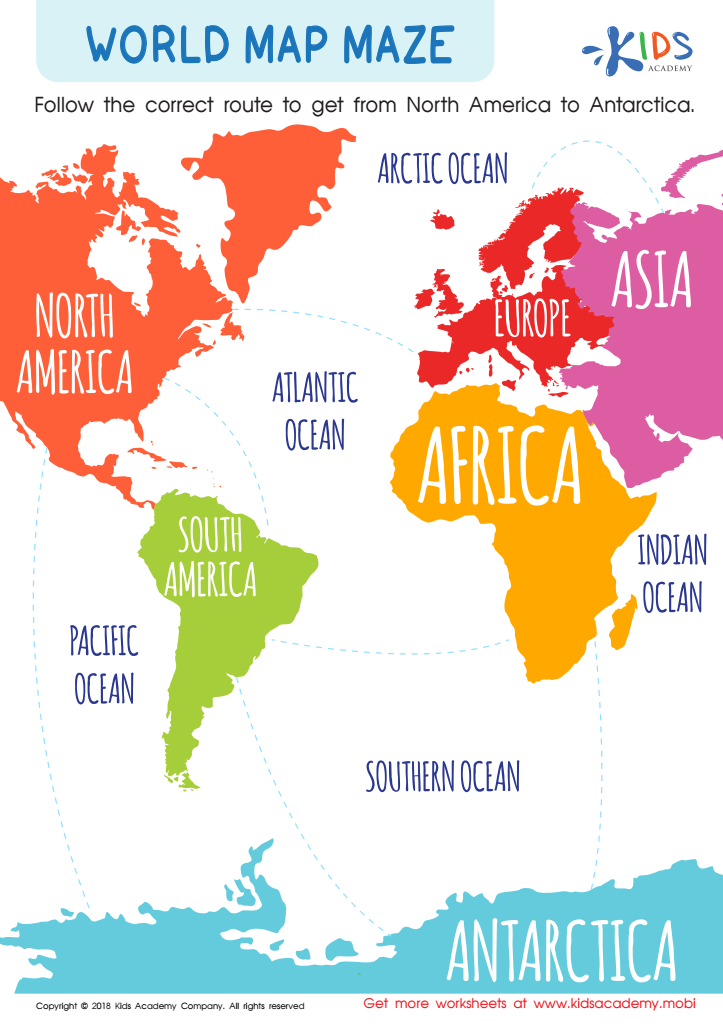
World Map Maze Worksheet
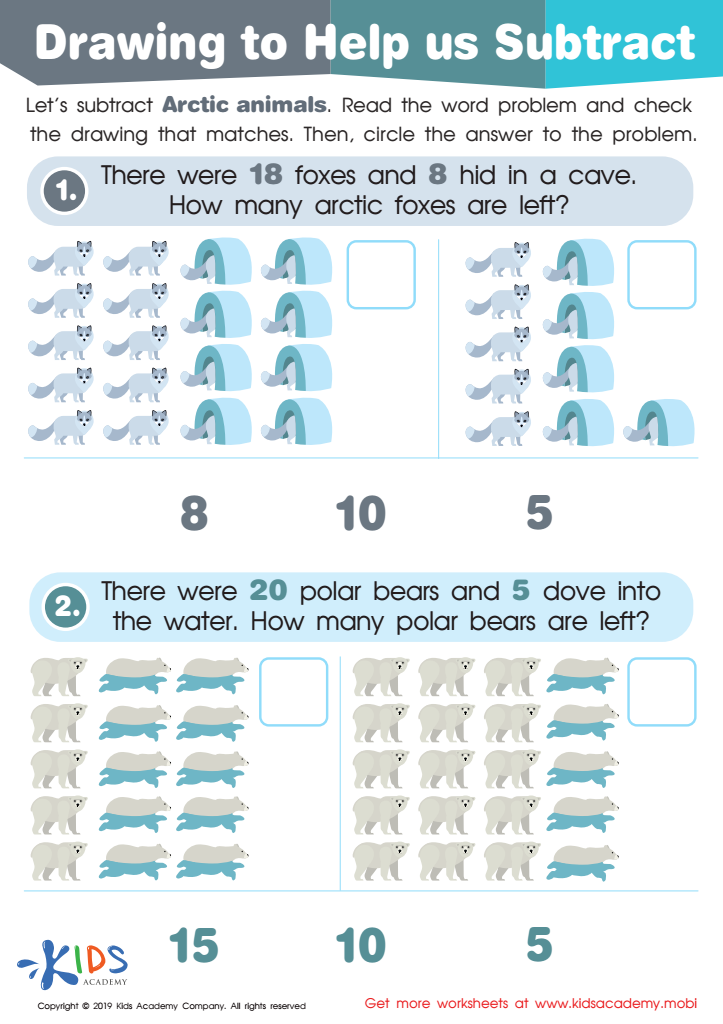
Drawing to Help Us Subtract Worksheet
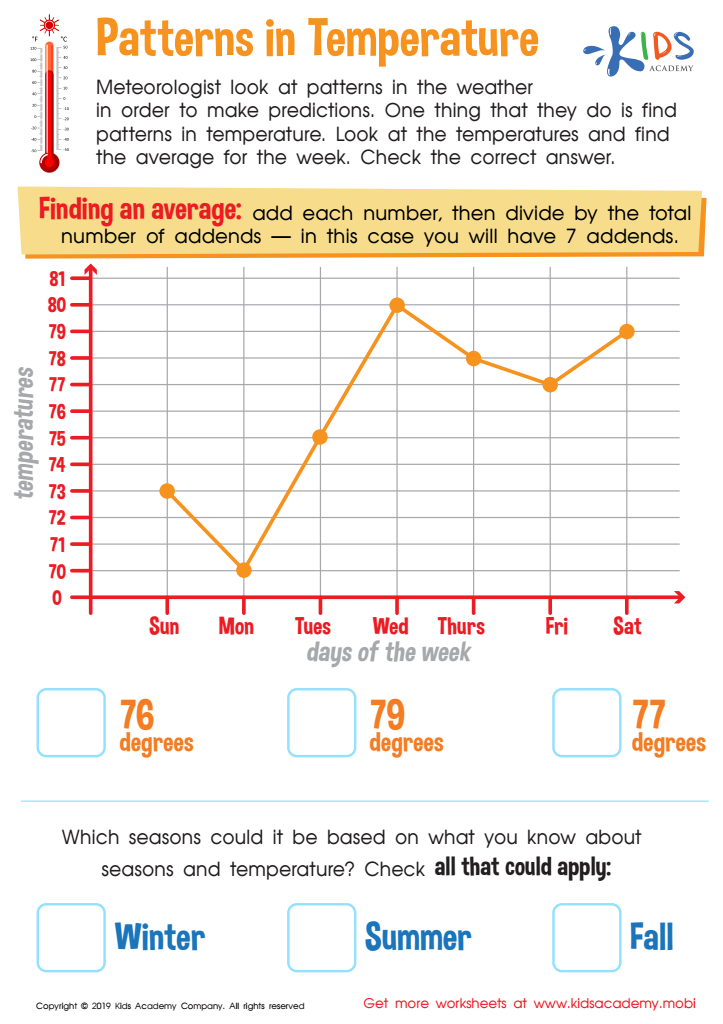
Patterns in Temperature Worksheet
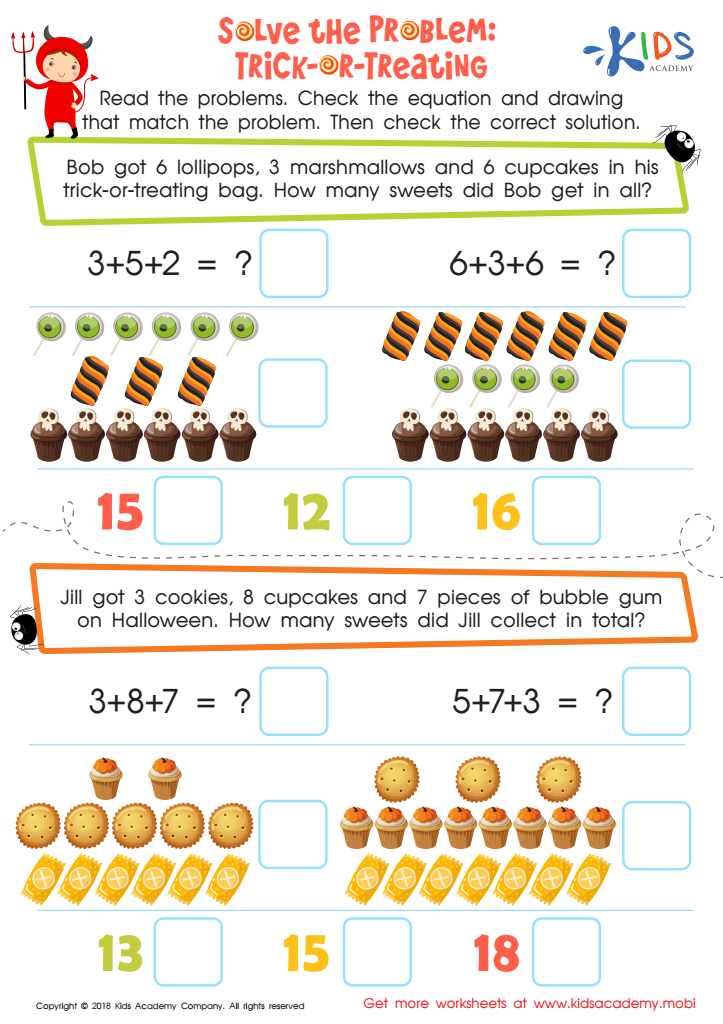
Solve the Problem: Trick–or–treating Worksheet
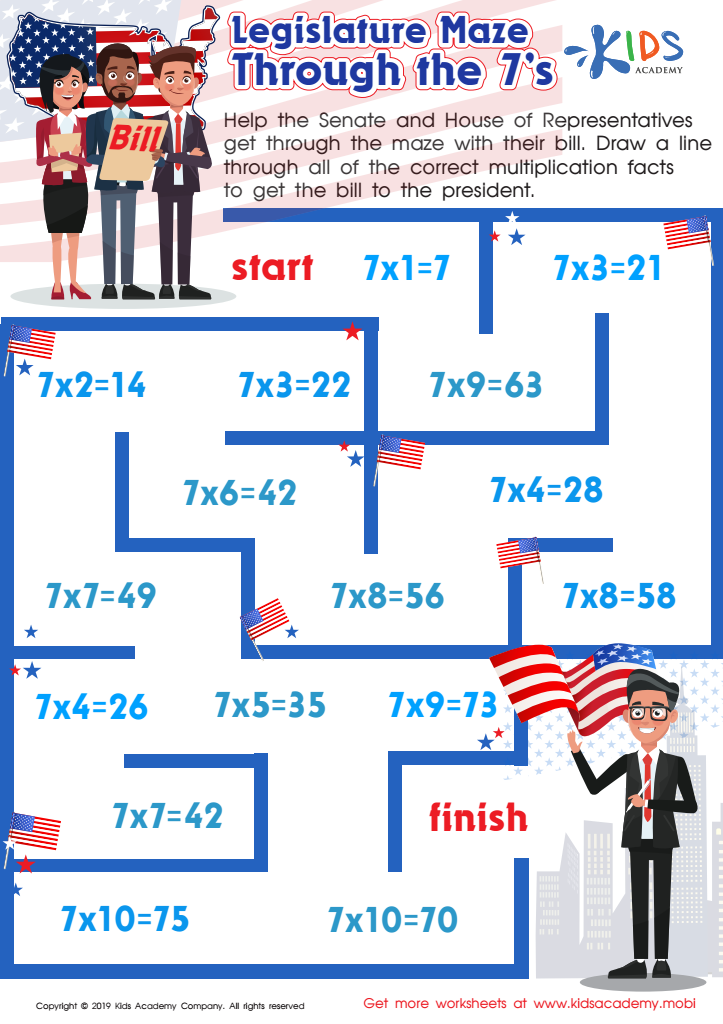
Legislature Maze Through the 7’s Worksheet
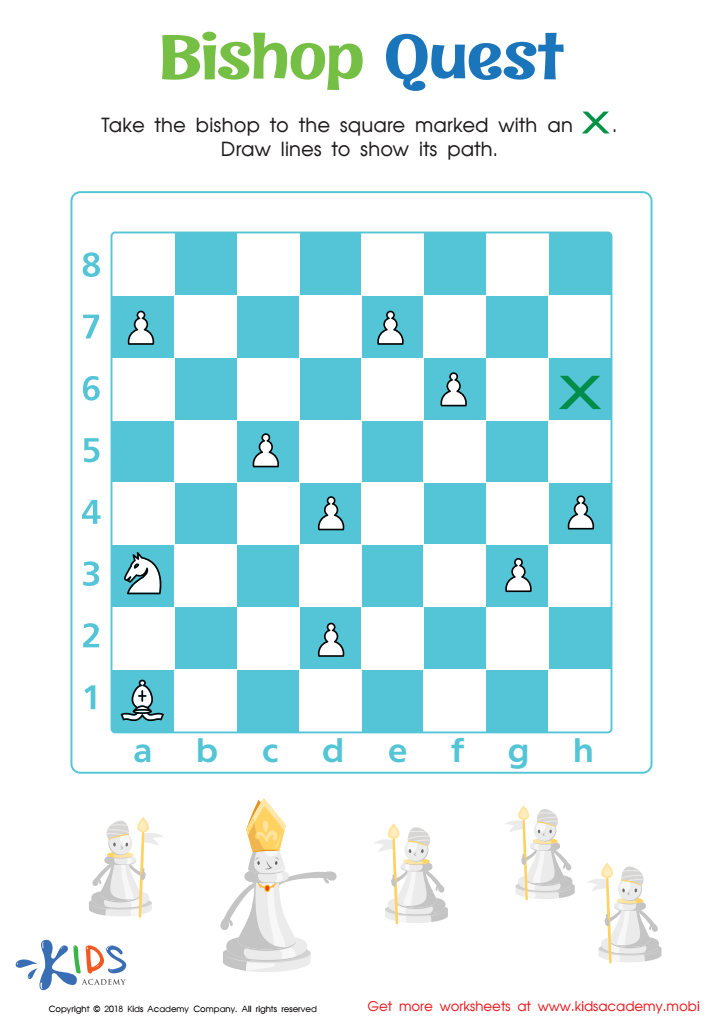
Bishop Quest Worksheet
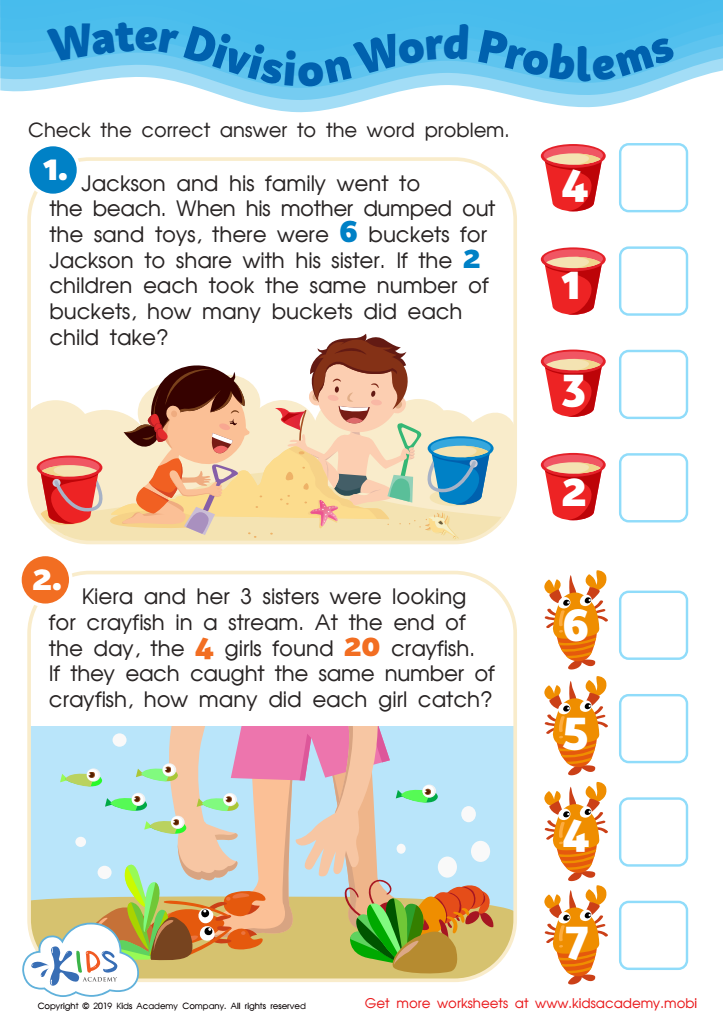
Water Division Word Problems Worksheet
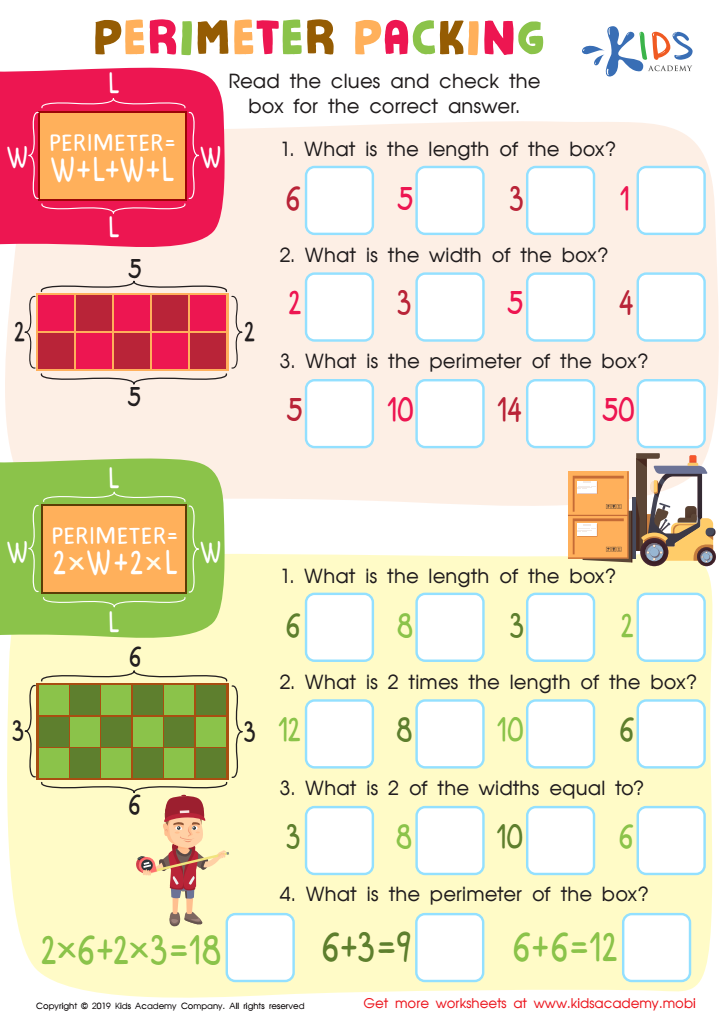
Perimeter Parking Worksheet
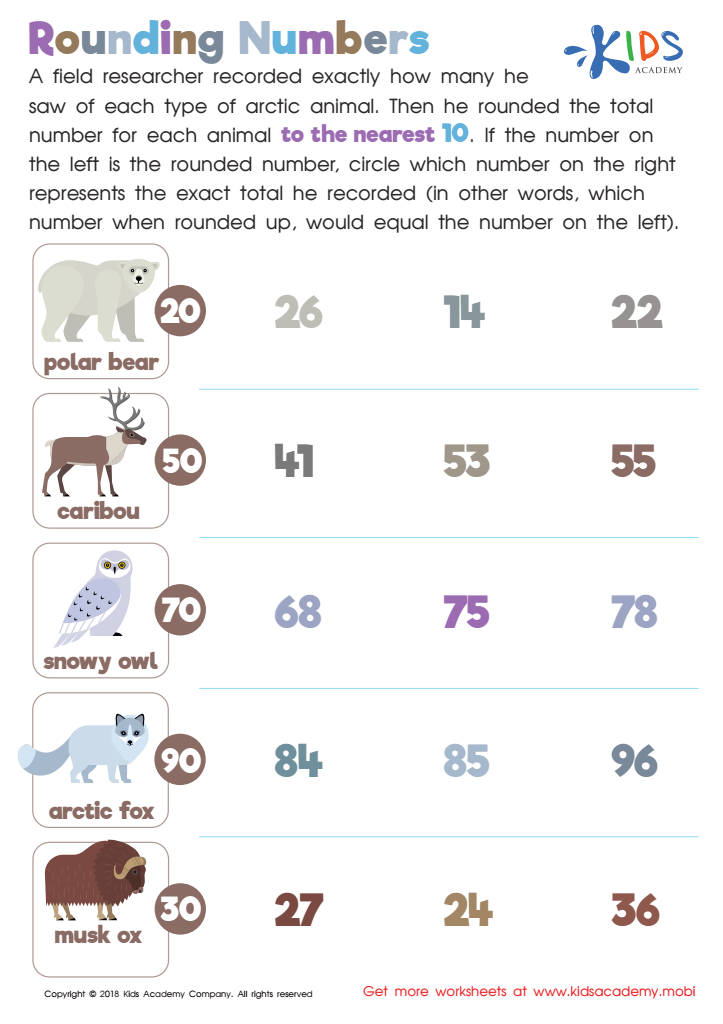
Rounding Numbers Worksheet
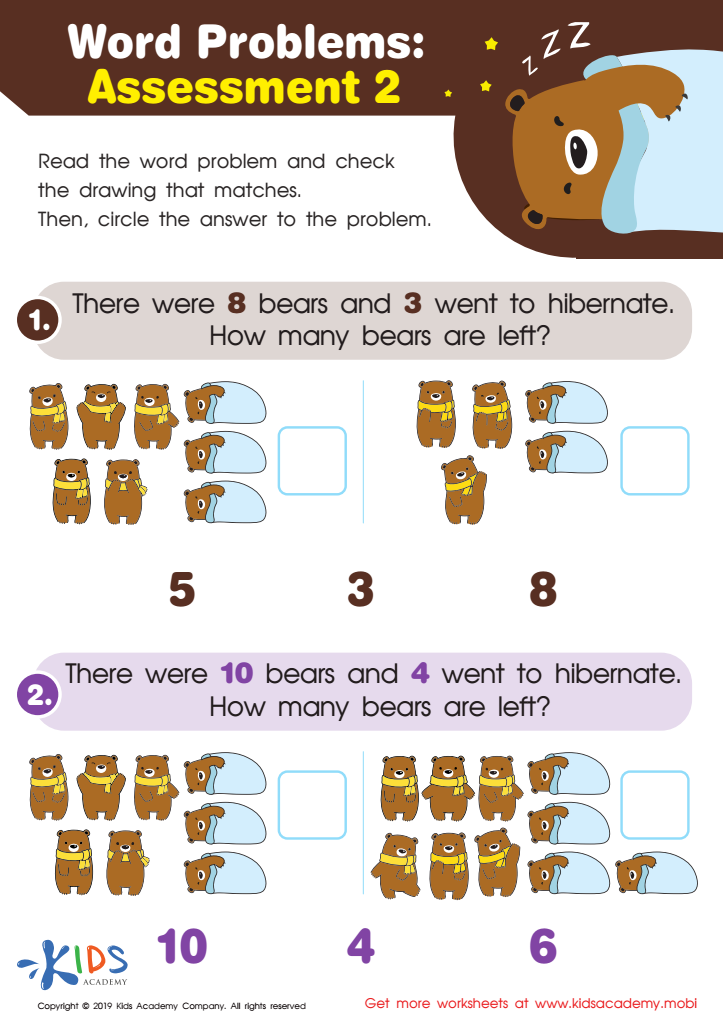
Word Problems: Assessment 2 Worksheet
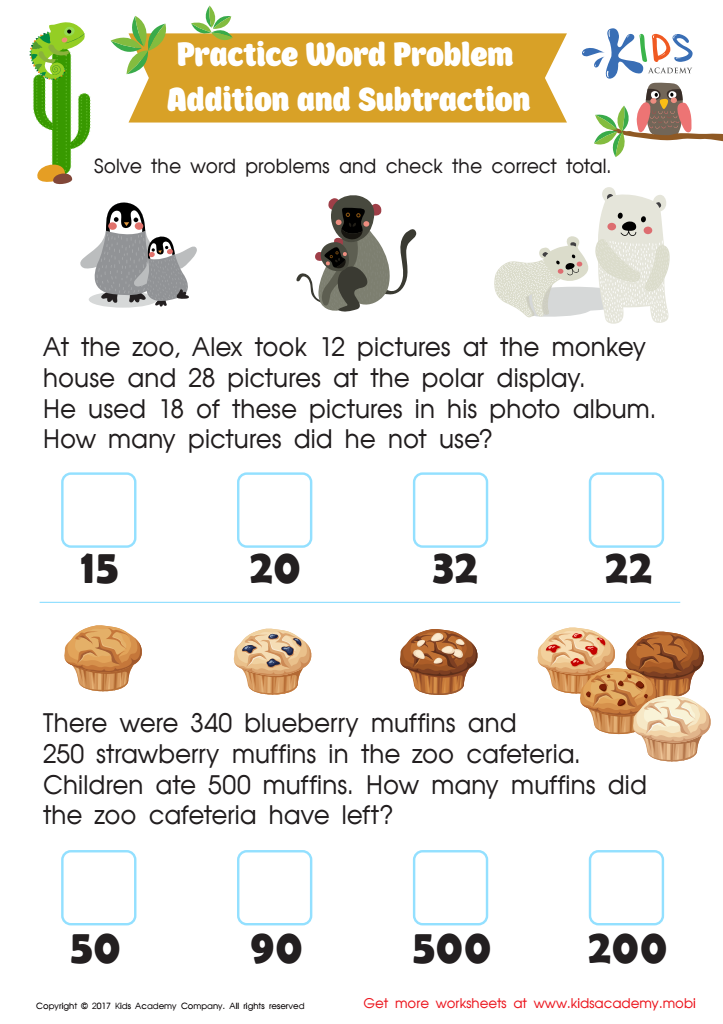
Addition and Subtraction: Word Problems Worksheet
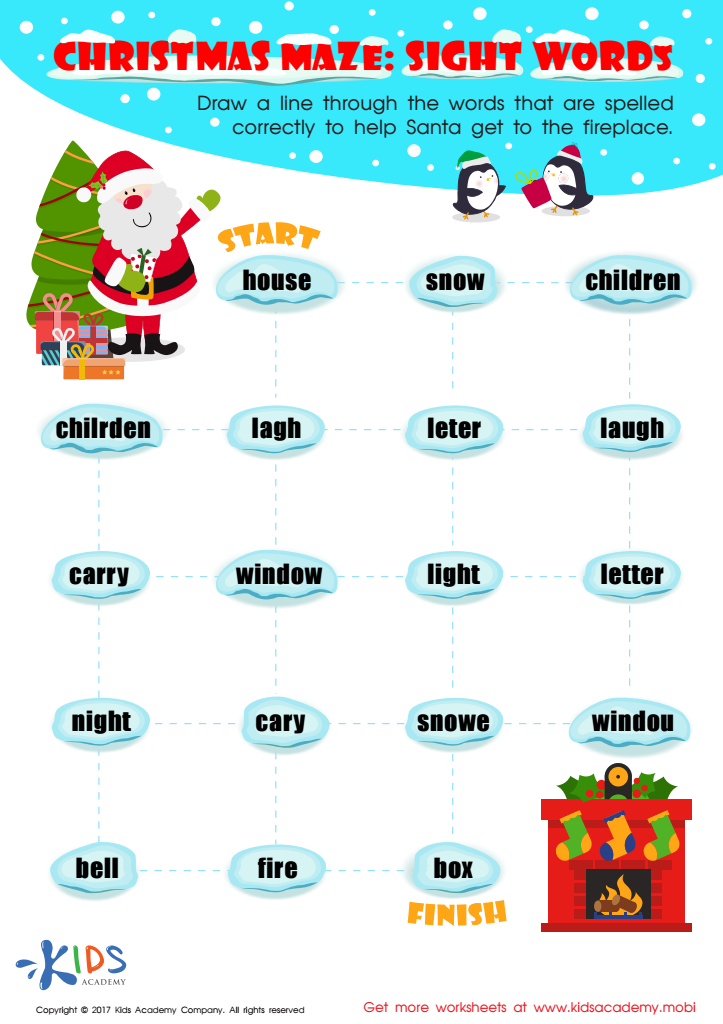
Sight Words Christmas Maze Printable
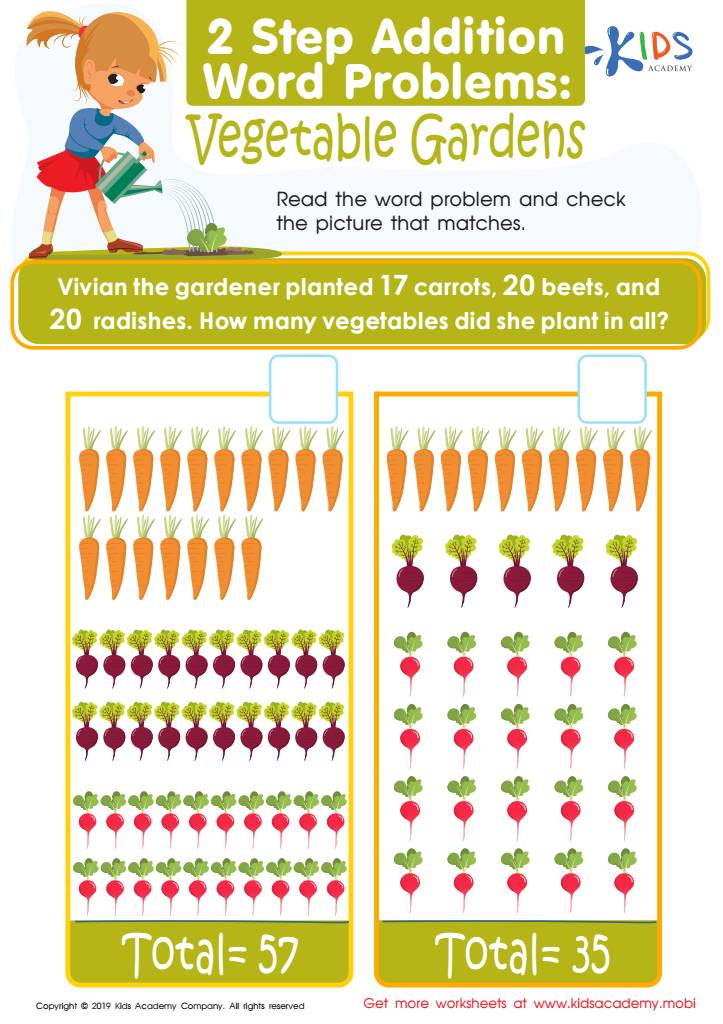
Vegetable Gardens Worksheet







Parents and teachers should deeply care about the problem-solving skills of Grade 3 students because these skills lay the foundation for future academic and personal success. At this critical age, children are transitioning from basic factual learning to more analytical and comprehensive thinking. Problem-solving skills foster critical thinking, which is essential for understanding complex subjects such as math, science, and reading comprehension. When children learn to identify problems and systematically work towards solutions, they not only excel academically but also develop resilience and independence.
Moreover, these skills are crucial for social development. As children learn to navigate school projects, group activities, and daily challenges, strong problem-solving abilities enhance cooperation, empathy, and communication. They learn to resolve conflicts, seek help when necessary, and think creatively — all vital traits for building healthy relationships.
In the long run, instilling robust problem-solving skills empowers children to tackle real-world challenges confidently and innovatively. It enhances adaptability in a rapidly changing world, making them more competent in diverse situations. By prioritizing these skills in the early years, parents and teachers can ensure they are preparing students not just for higher education, but for a lifetime of critical thinking and effective decision-making.