Mazes worksheets activities for Ages 3-6 - Page 2
46 filtered results
-
From - To
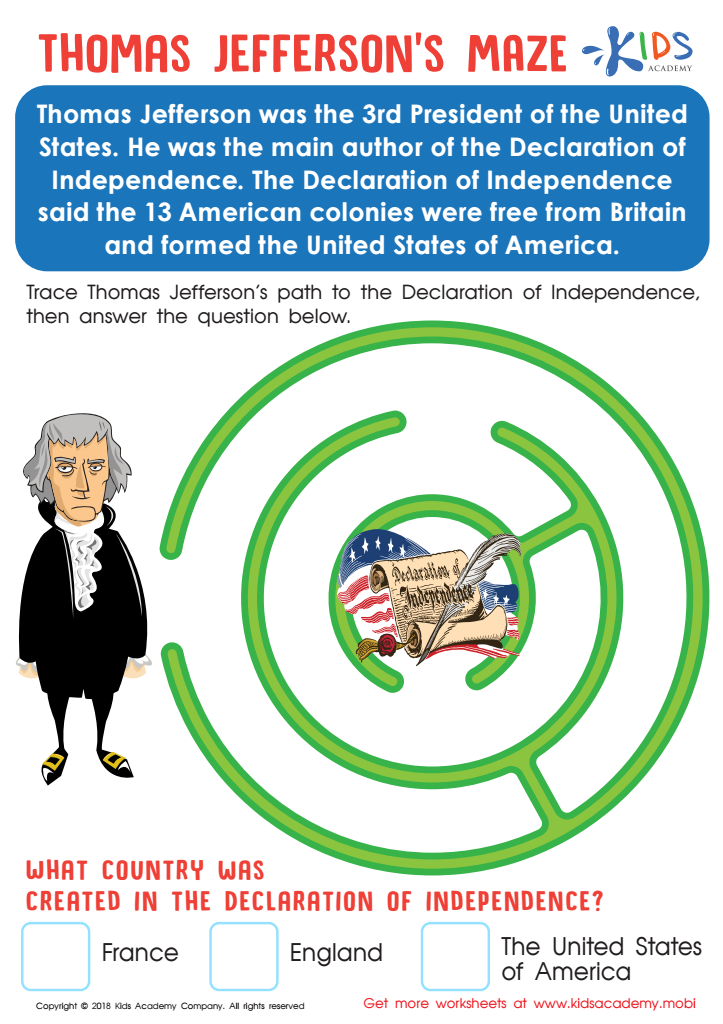
Thomas Jefferson's Maze Worksheet
 Assign to My Students
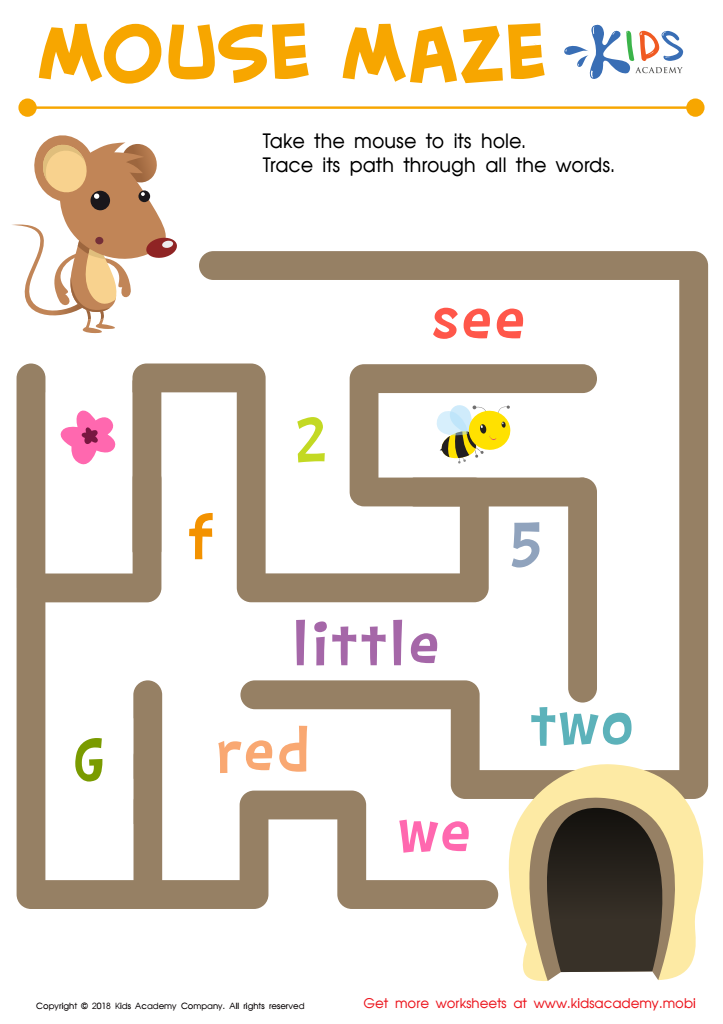
Find Words Mouse Maze Worksheet
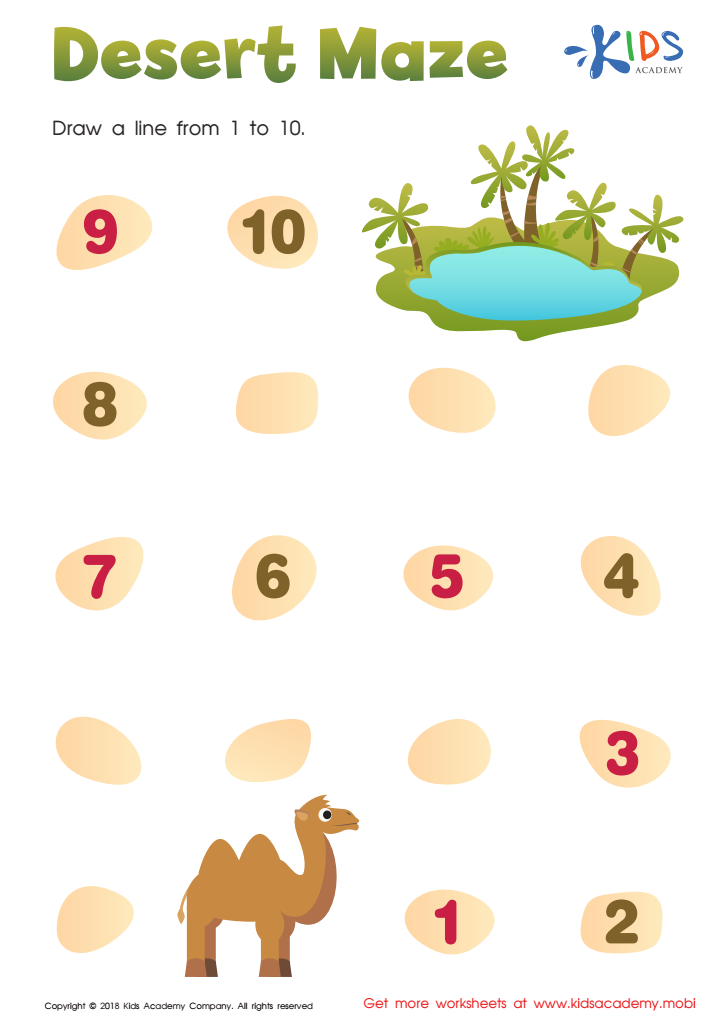
Desert Maze Worksheet
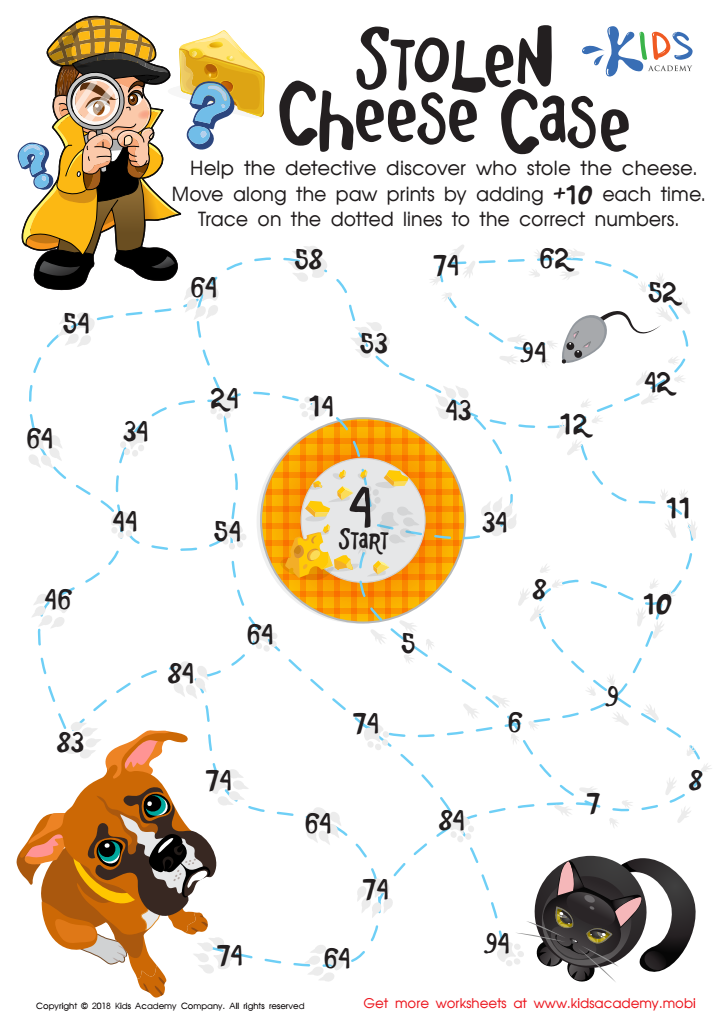
Stolen Cheese Case Maze Worksheet
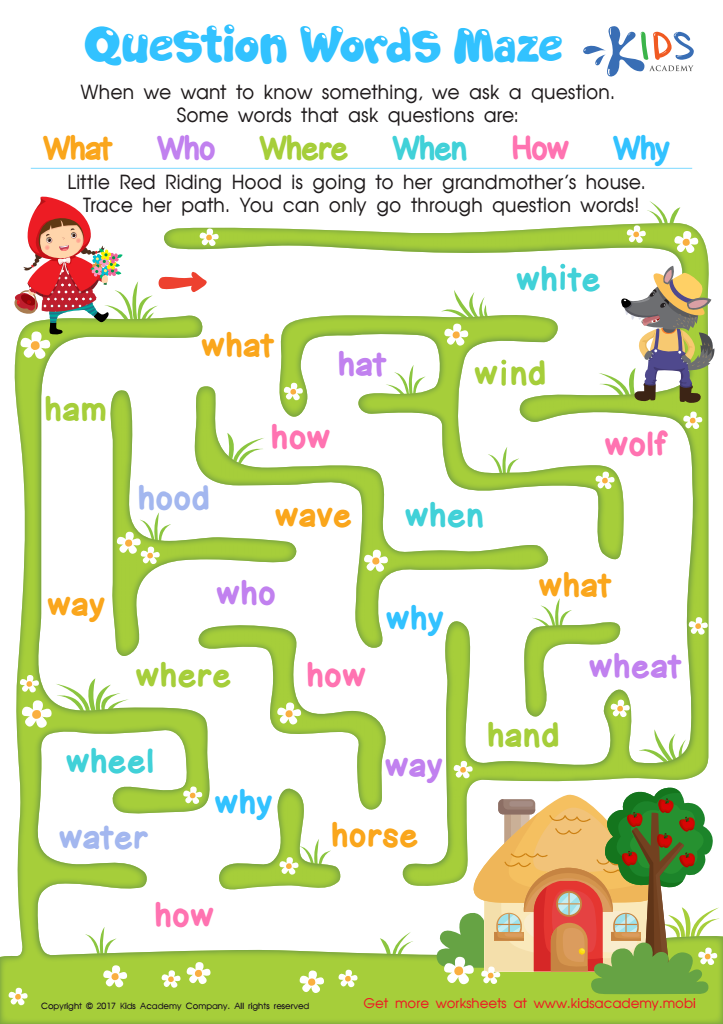
Question Words Maze Worksheet
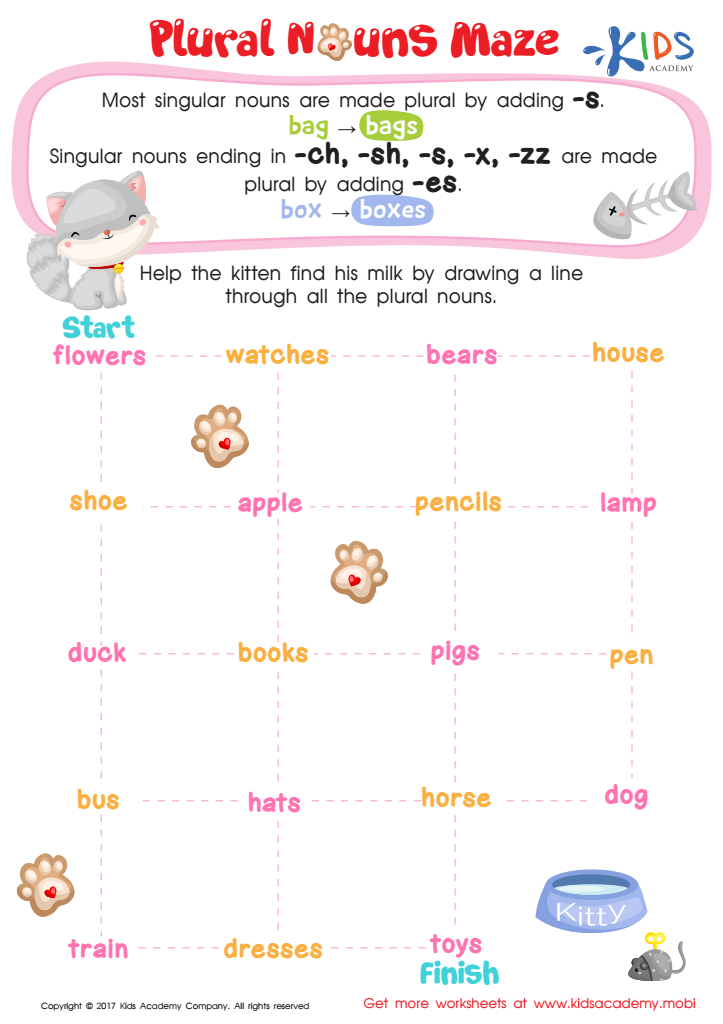
Plural Nouns Maze Worksheet
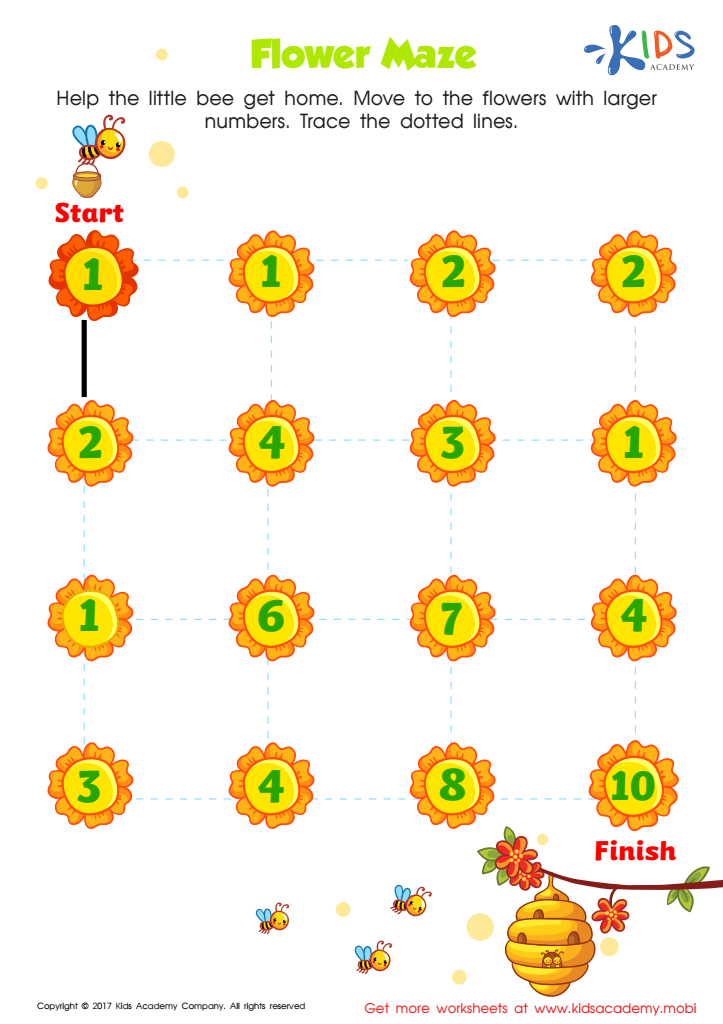
Number Maze For Kindergarten Printable
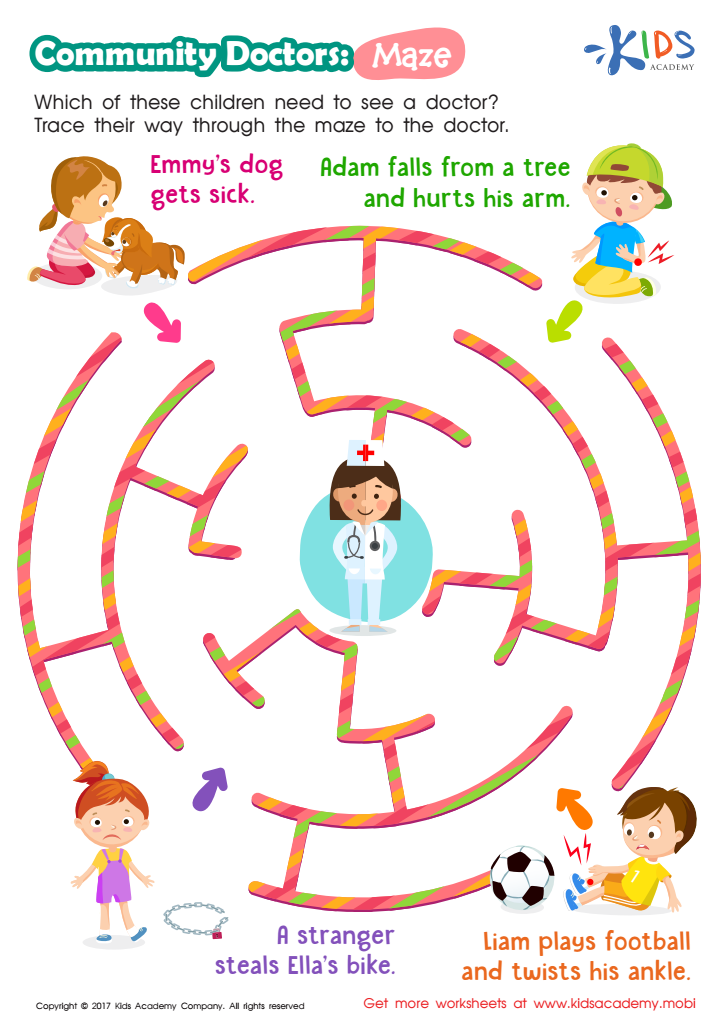
Community Doctors: Maze Printable
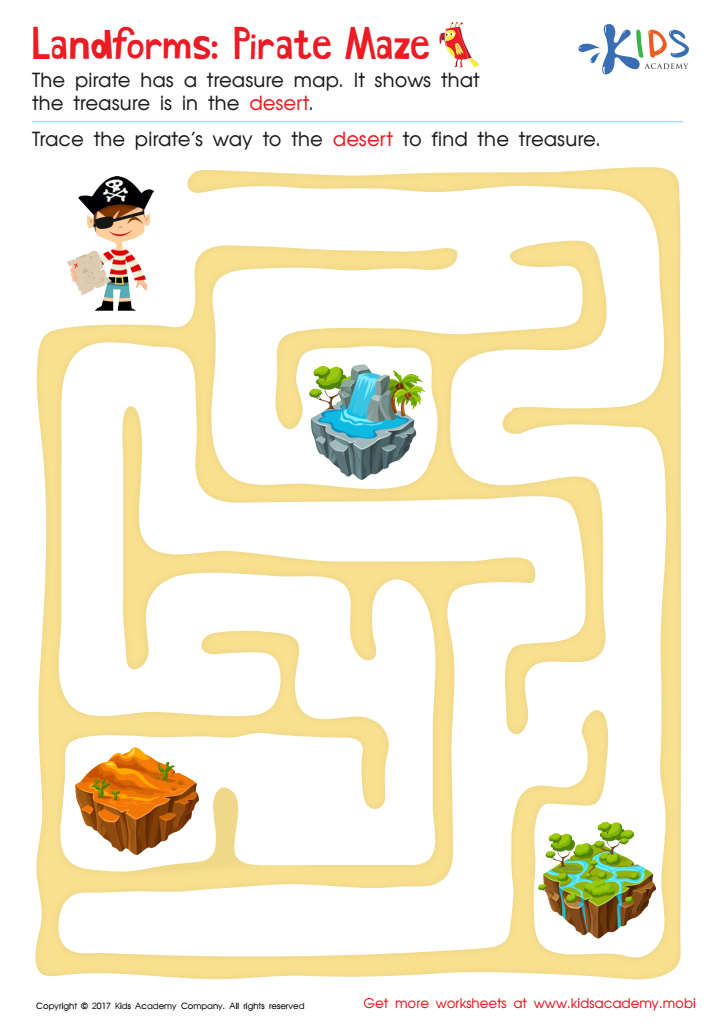
Landforms: Pirate Maze Printable
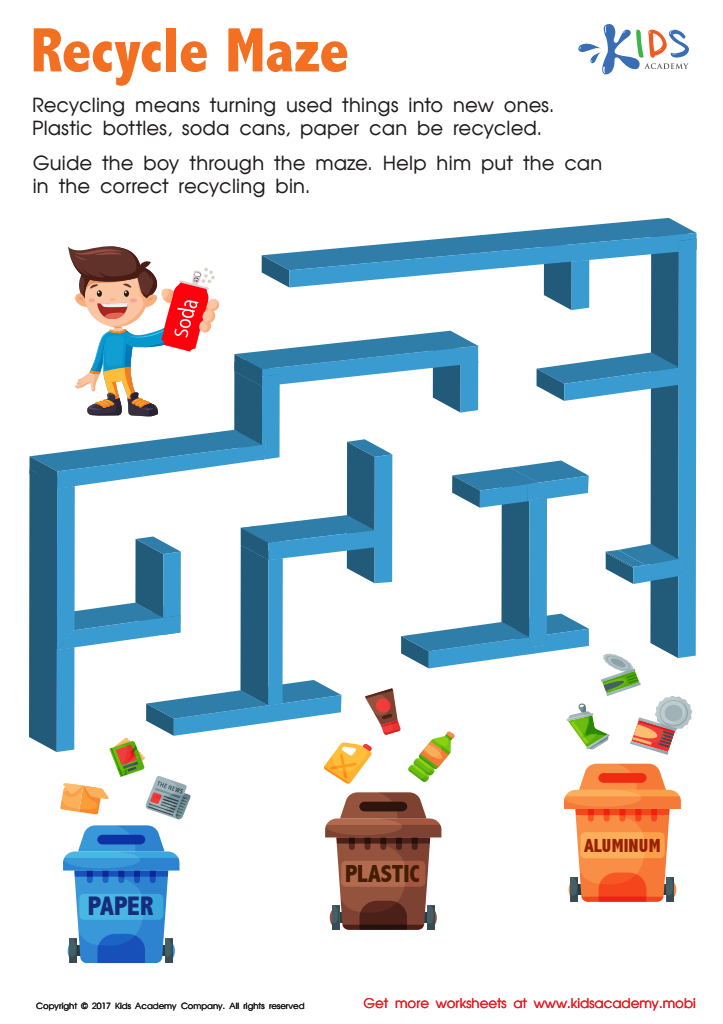
Recycle Maze Worksheet
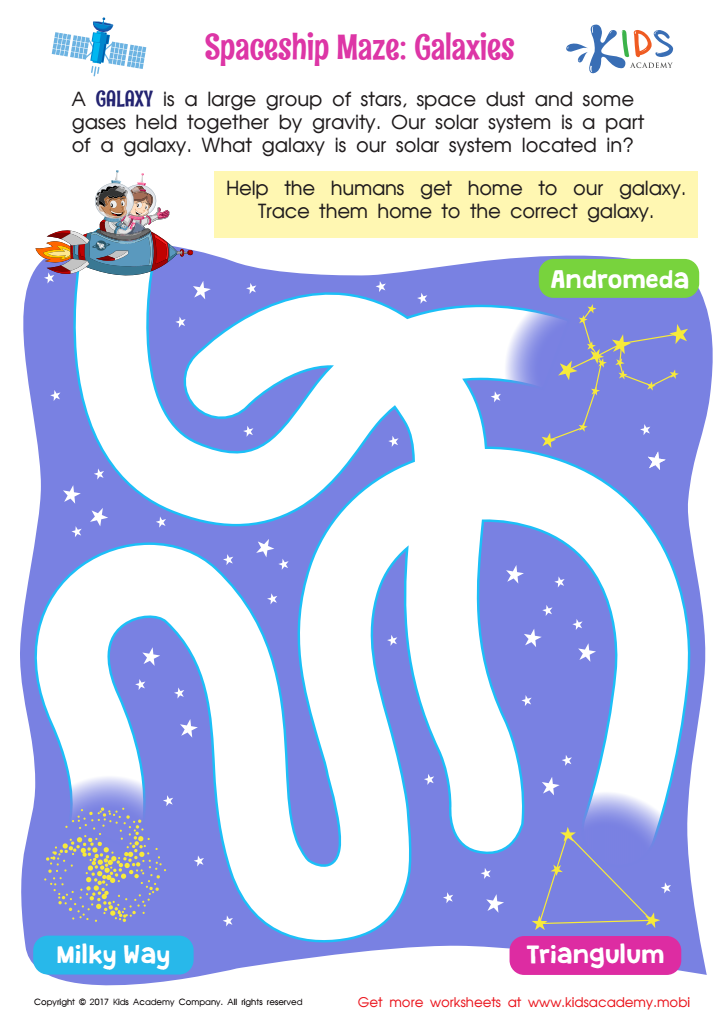
Spaceship Maze: Galaxies Worksheet
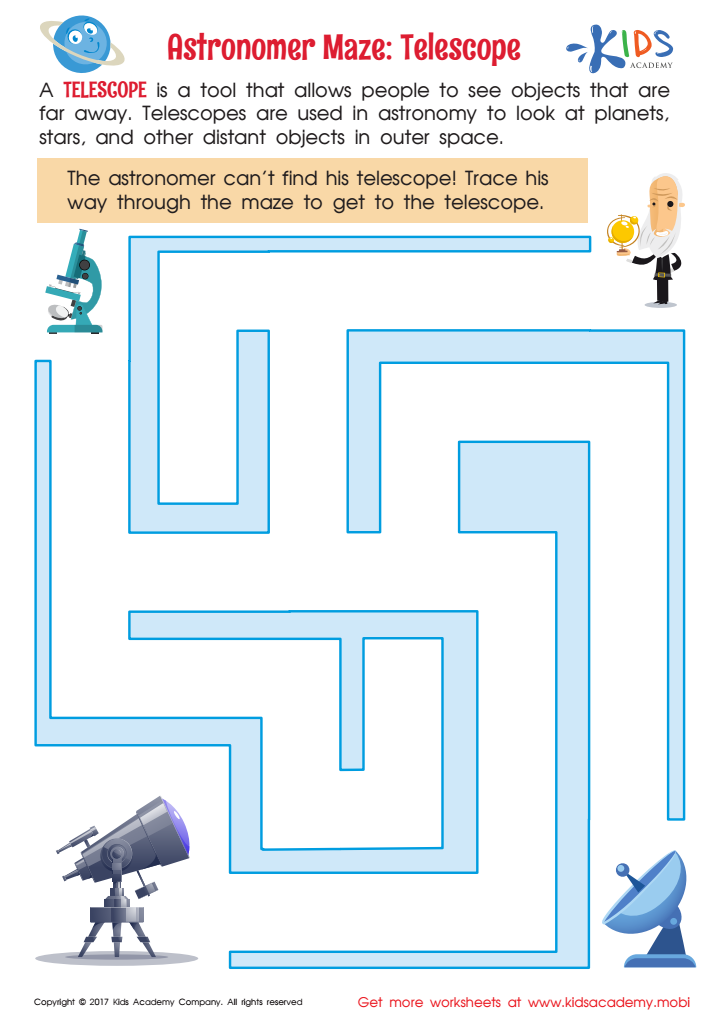
Astronomer Maze: Telescope Worksheet
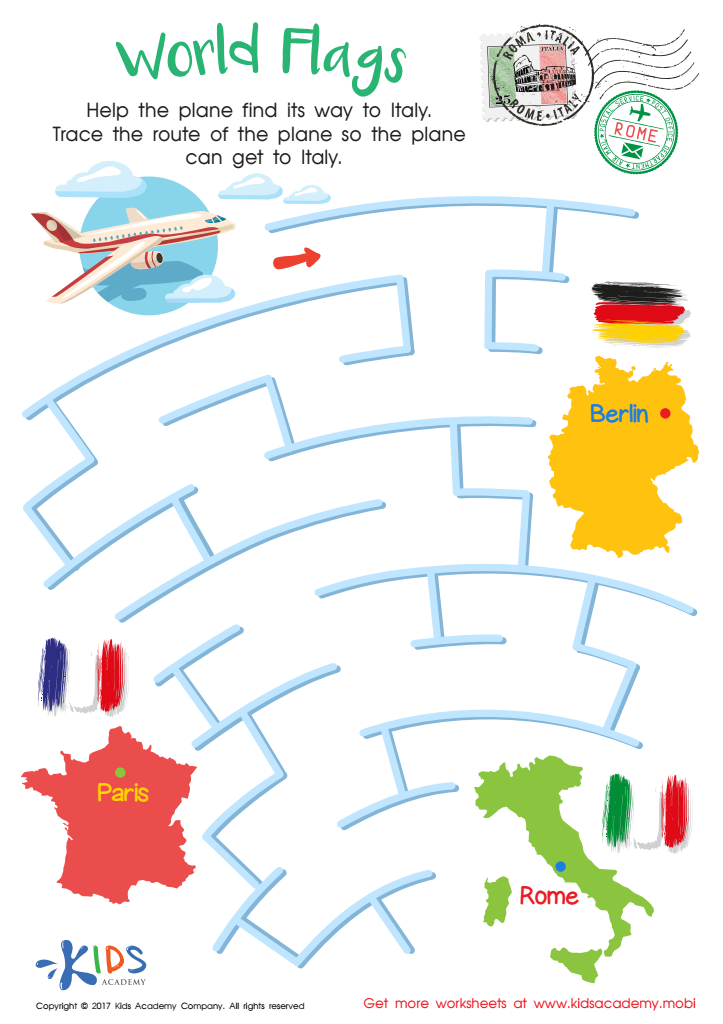
World Flags Maze Worksheet
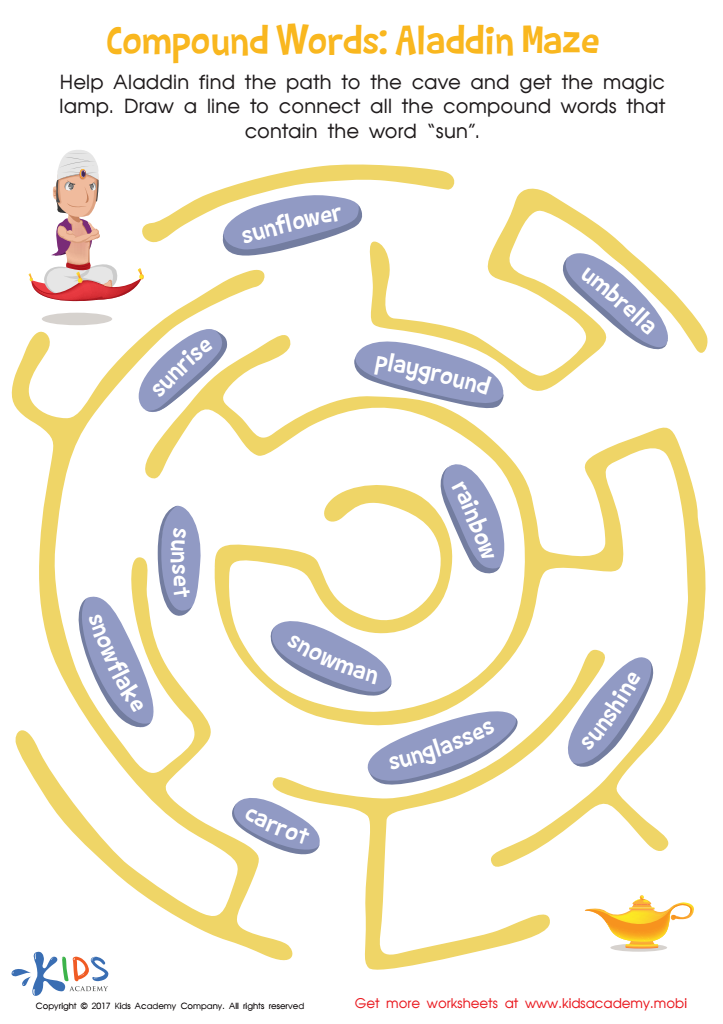
Compound Aladdin Maze Word Structure Worksheet
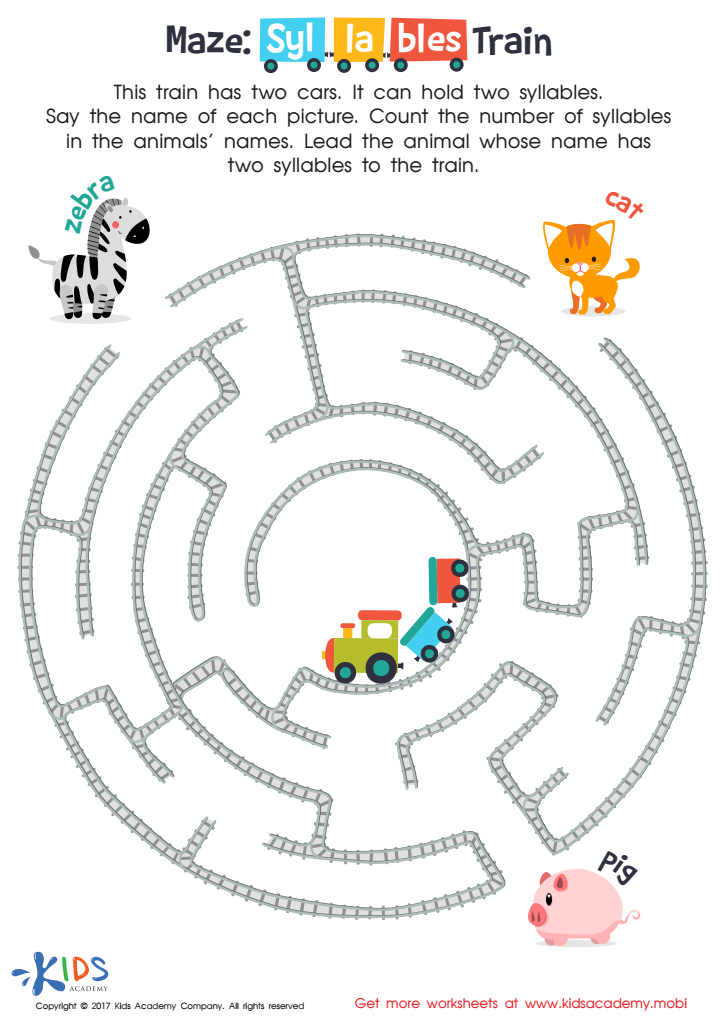
Maze Syllables Word Structure Worksheet
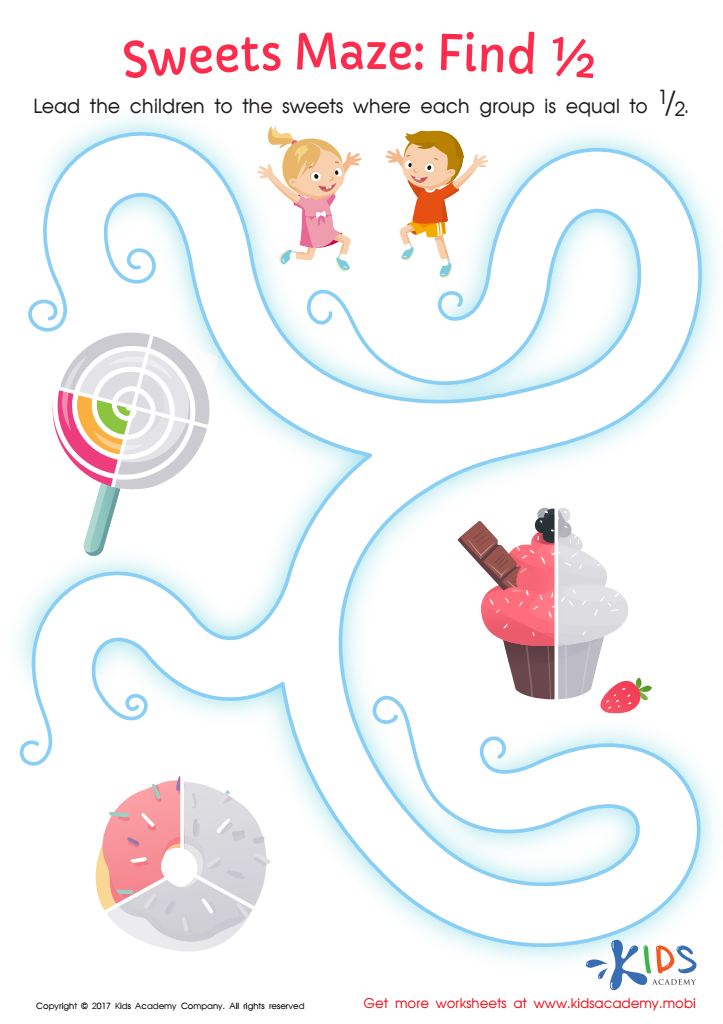
Fractions: Sweets Maze Worksheet
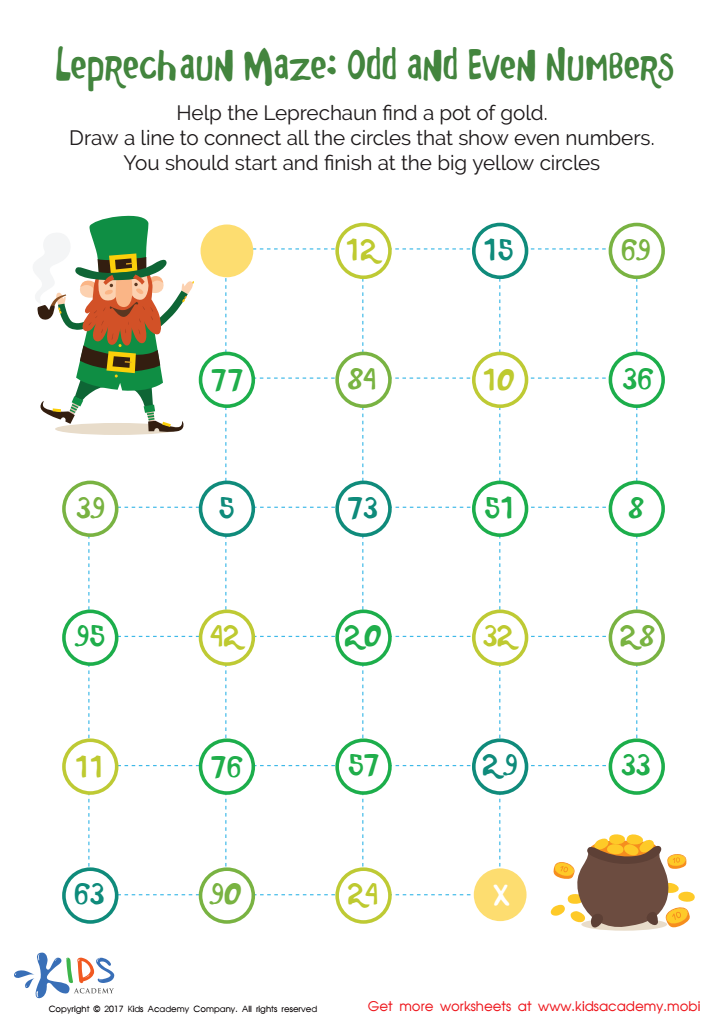
Leprechaun Maze Printable
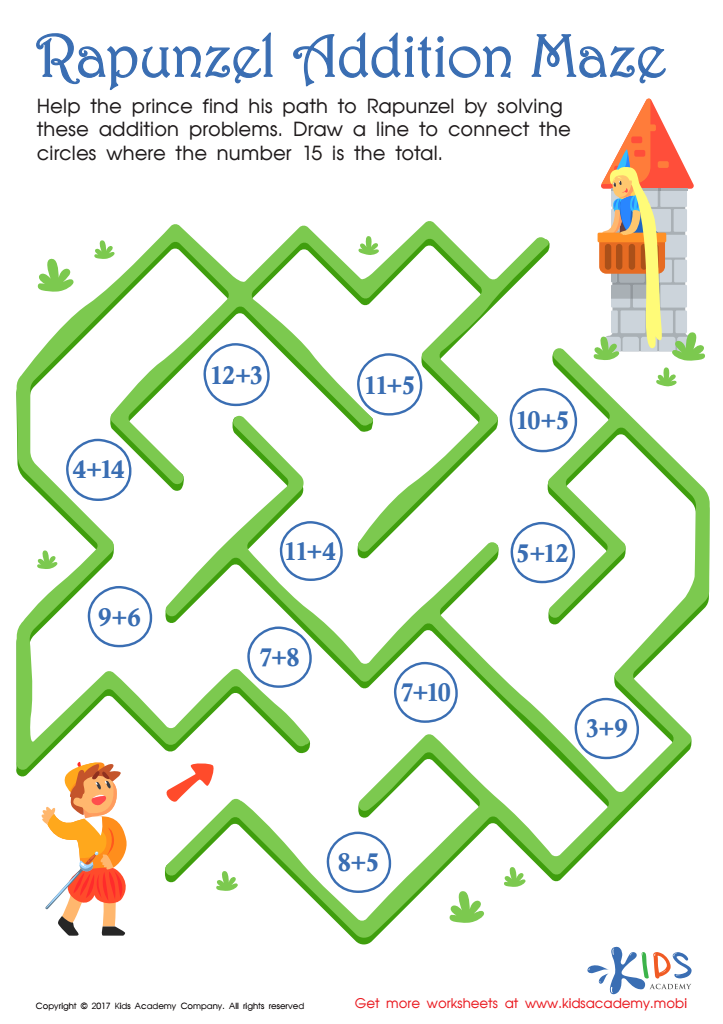
Rapunzel Addition Maze Worksheet
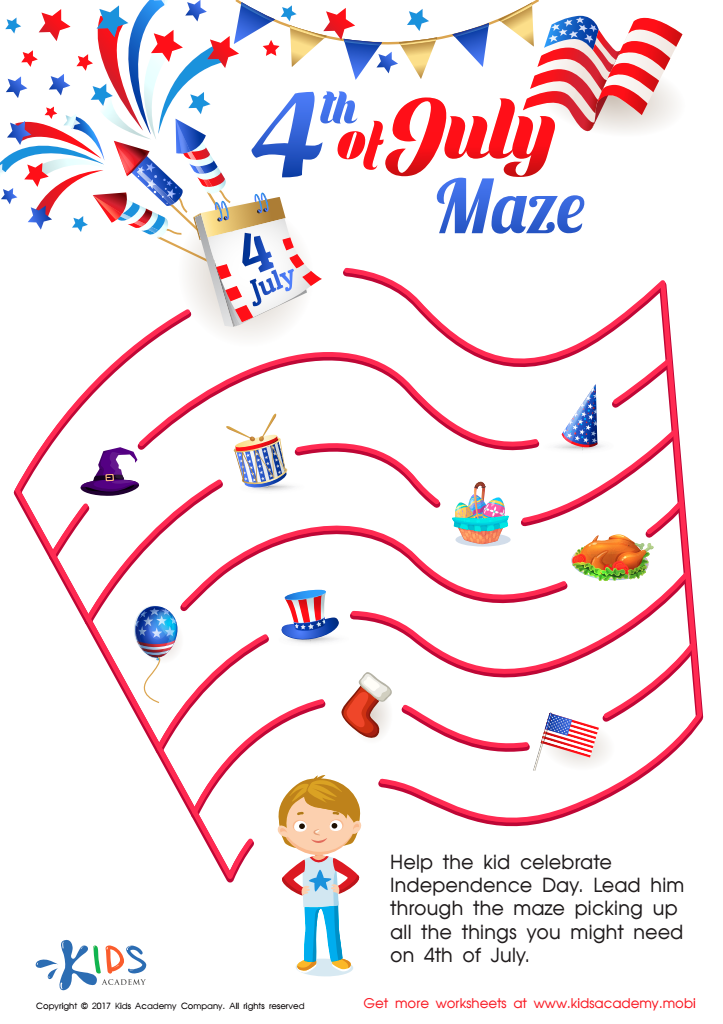
Fourth of July Maze Printable
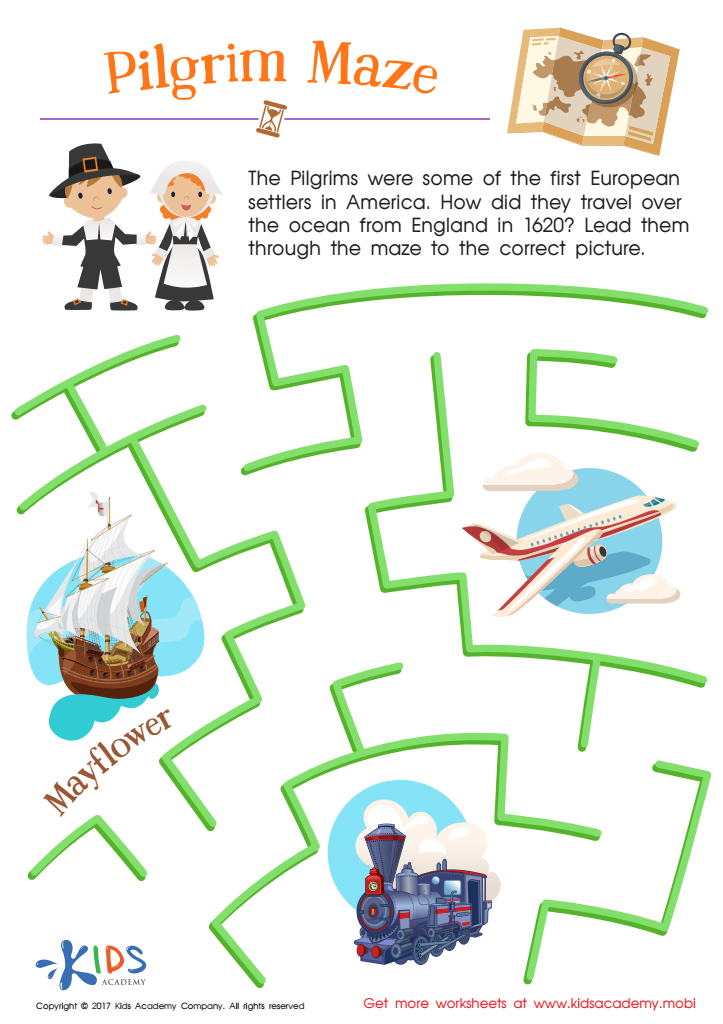
Pilgrim Maze Worksheet
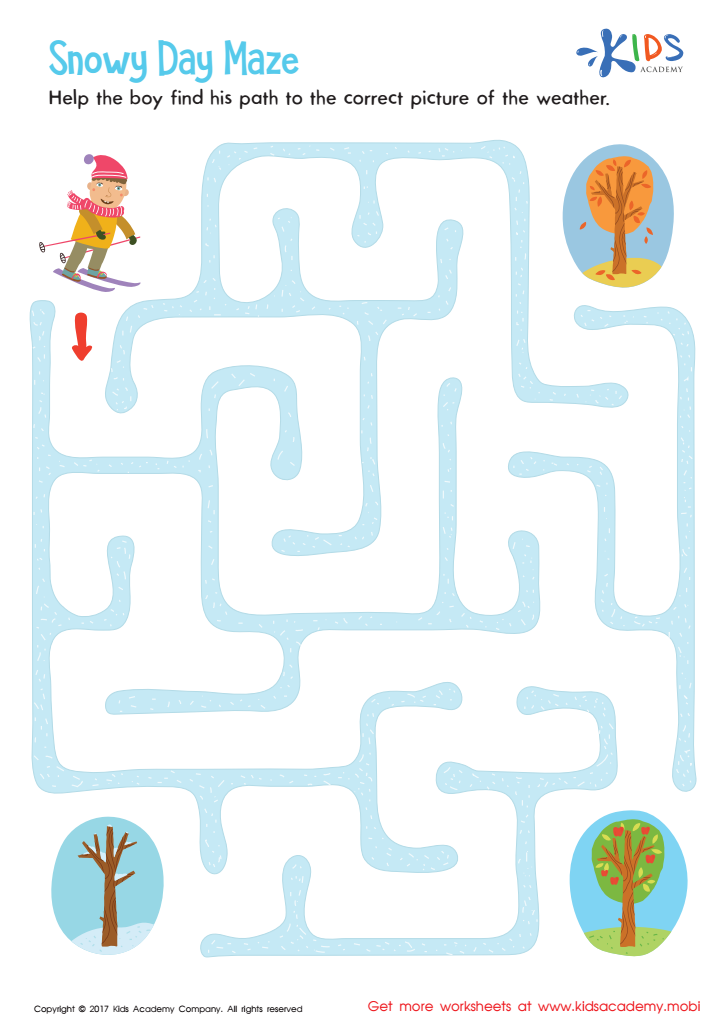
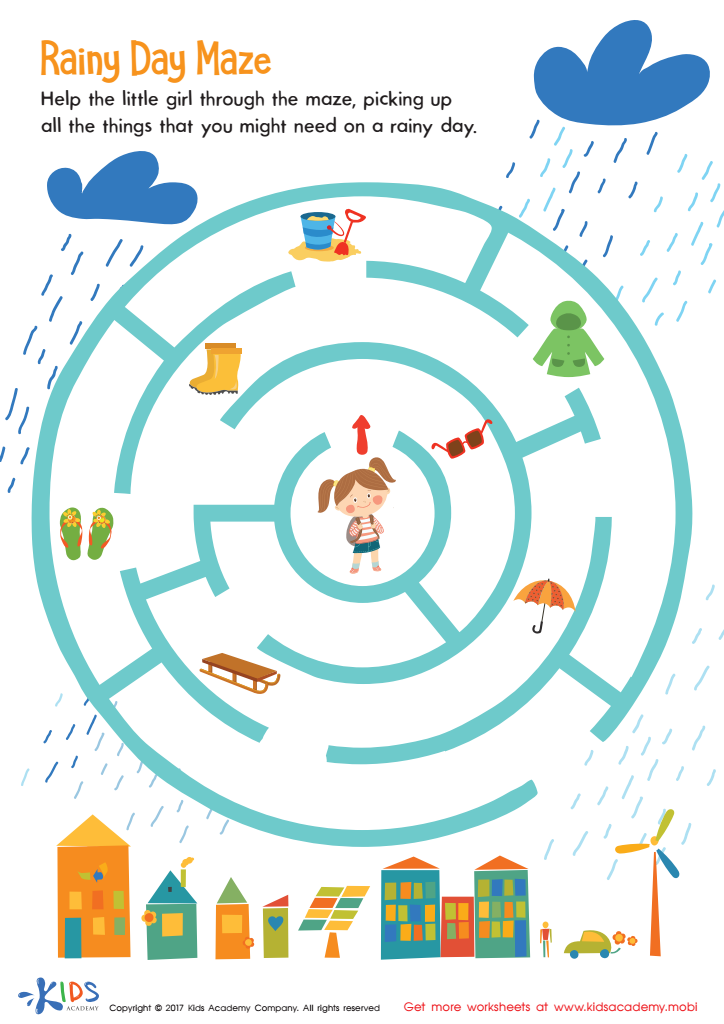
Rainy Day Maze Worksheet







Mazes activities for children aged 3-6 are vital for their developmental growth and learning. First, these activities enhance fine motor skills as children navigate through paths, encouraging hand-eye coordination and dexterity. This is integral in preparing them for skills such as writing and drawing.
Second, mazes stimulate critical thinking and problem-solving abilities. As children work to find their way through various pathways, they learn to evaluate options, make decisions, and understand the concept of overcoming challenges, which are essential skills for later academic success.
Additionally, maze activities promote cognitive development. They encourage spatial awareness and logical reasoning, as children begin to understand how to visualize paths and directions. This also fosters creativity, as many maze activities can be integrated with storytelling or thematic learning.
Engaging in such activities also supports emotional development; children experience a sense of accomplishment when they successfully complete a maze, boosting their self-esteem and encouraging persistence.
Overall, incorporating mazes into learning experiences not only makes learning fun but builds foundational skills essential for school readiness and lifelong learning. Thus, parents and teachers should prioritize these activities in early childhood education.








