Logical Thinking worksheets activities for Ages 3-7 - Page 5
109 filtered results
-
From - To
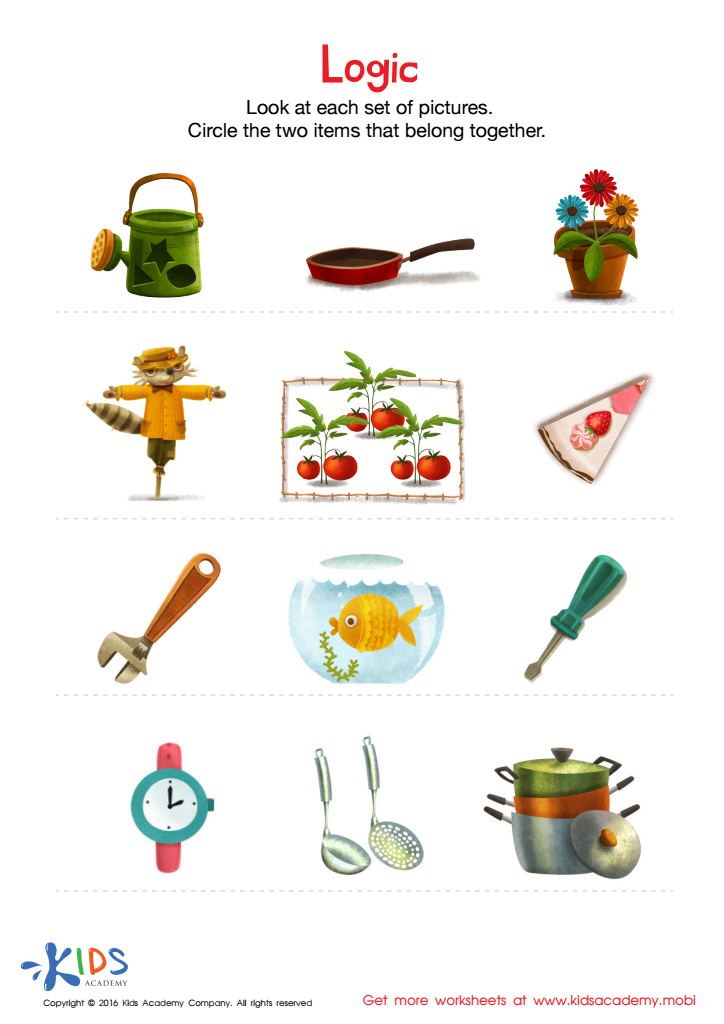
Logic Game Sorting Worksheet
 Assign to My Students
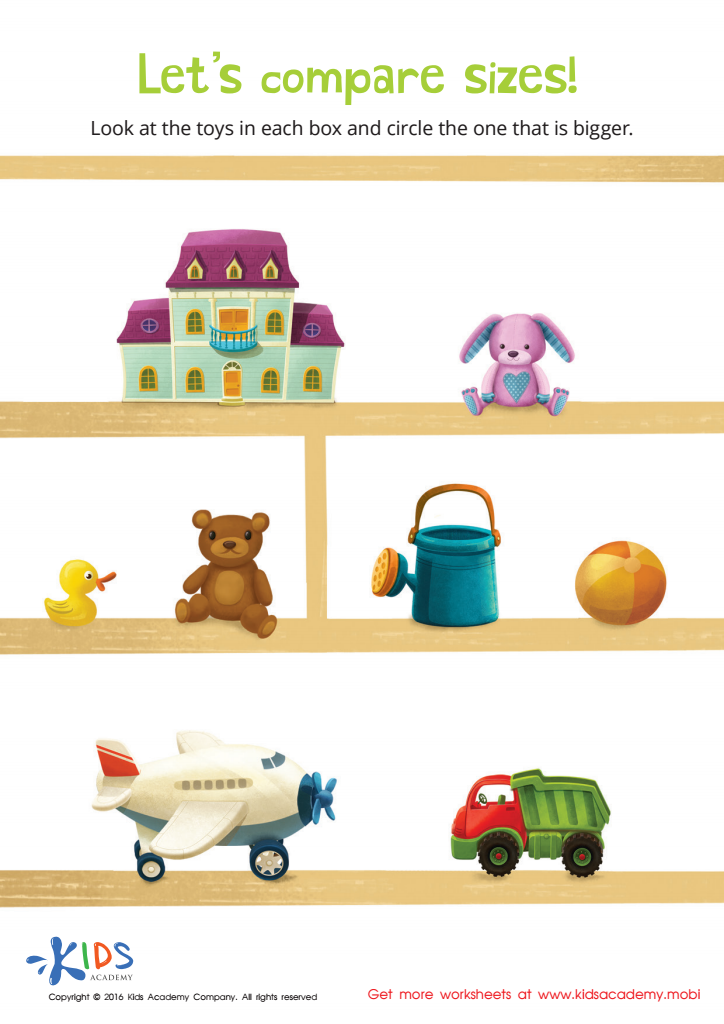
Classifying by Size Sorting Worksheet
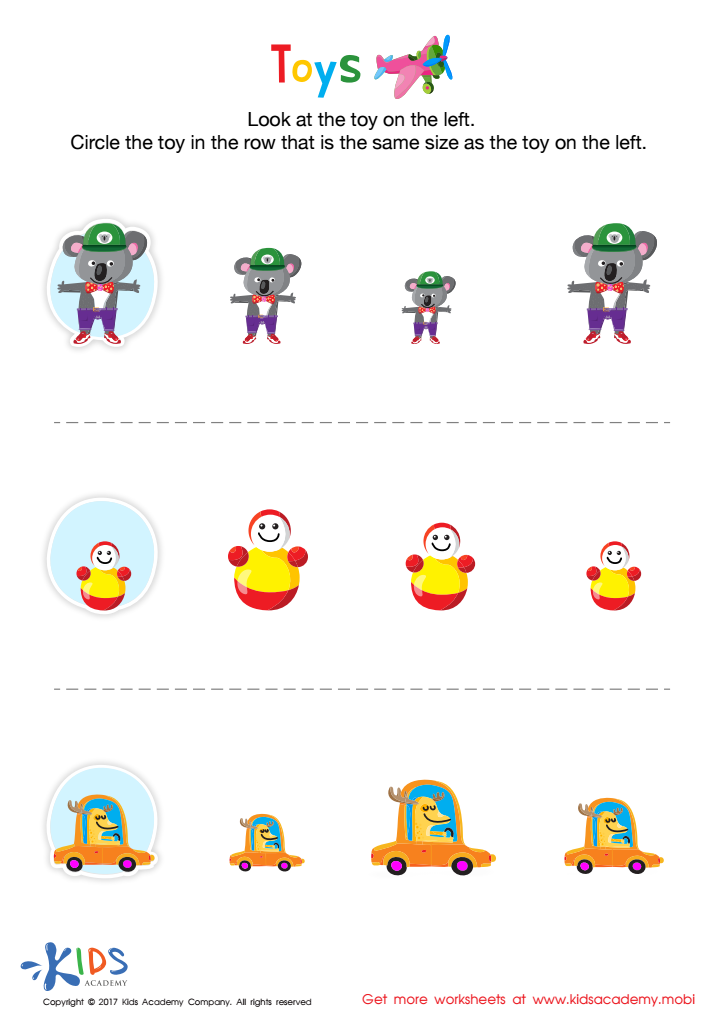
Matching: Classifying Toys by Size Worksheet
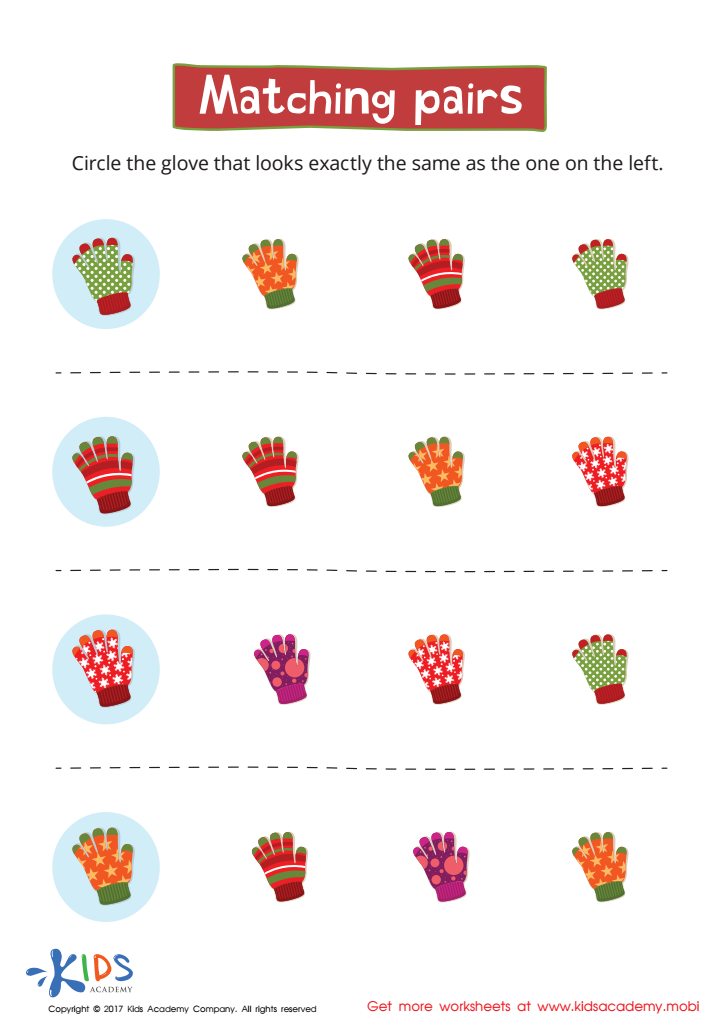
Matching: Matching Pairs Worksheet
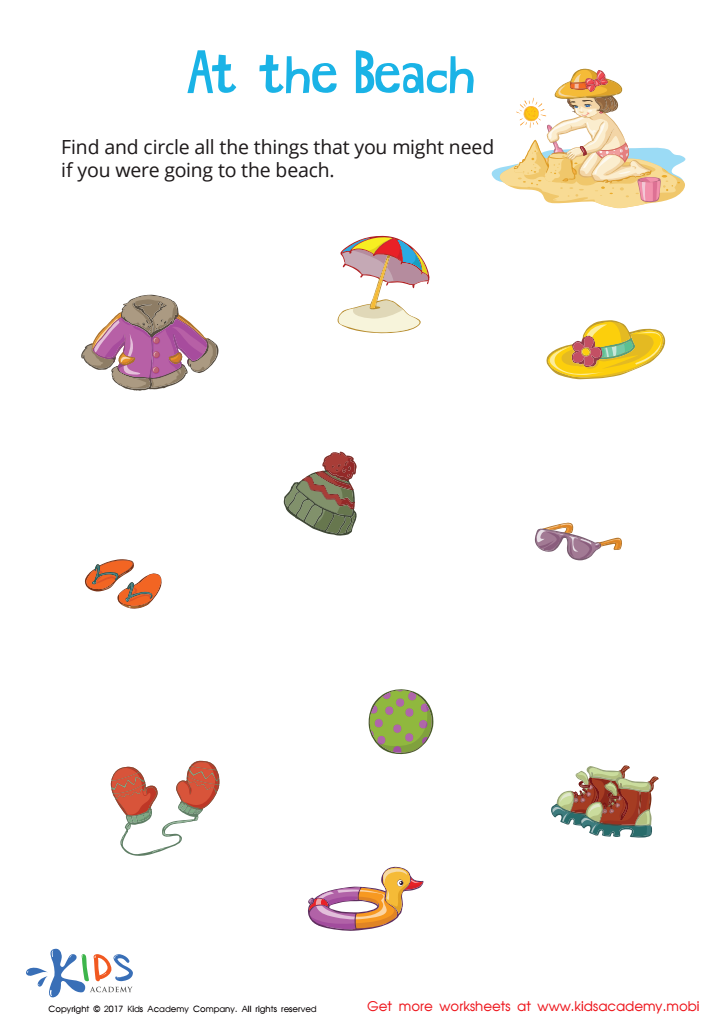
At the Beach Sorting Worksheet
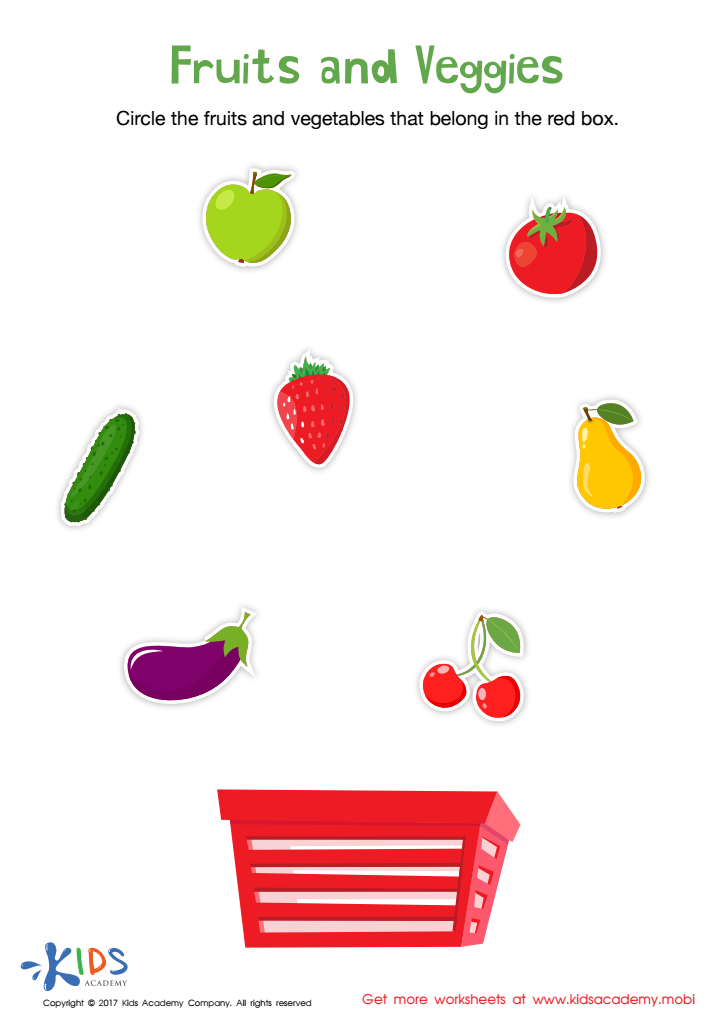

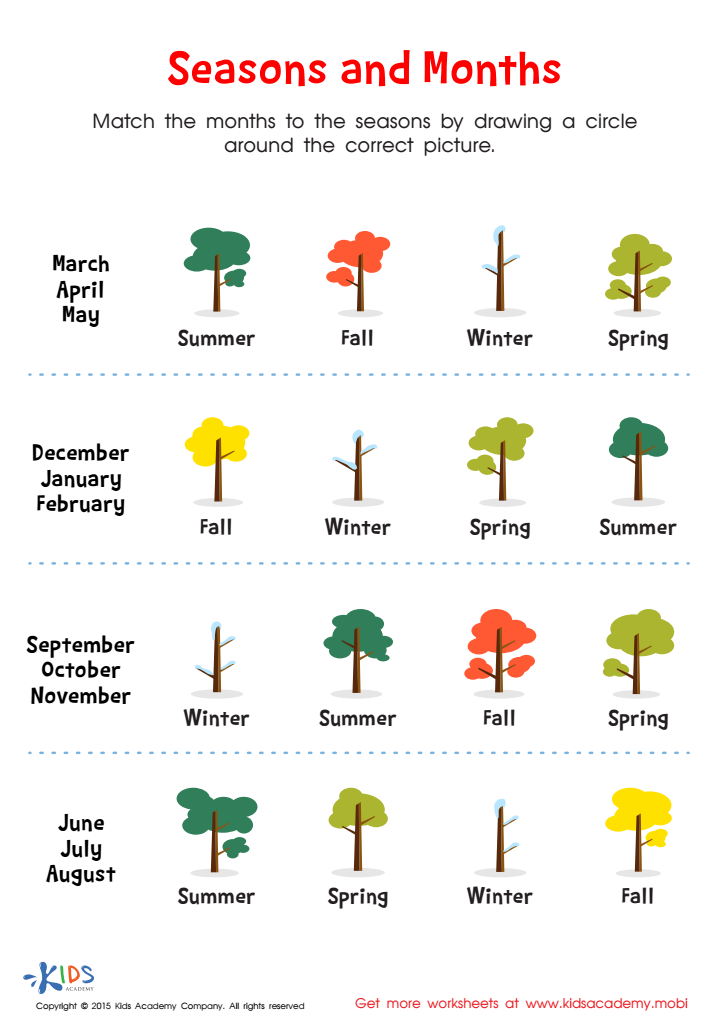
Seasons and Months Worksheet
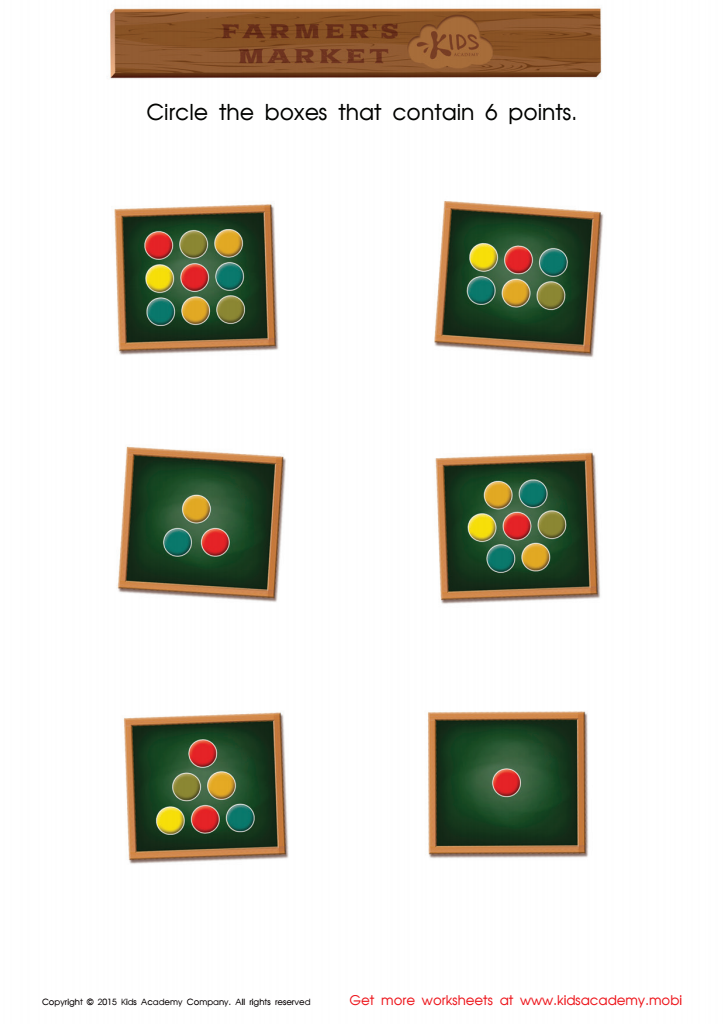
Count and Match Points 6 Math Worksheet
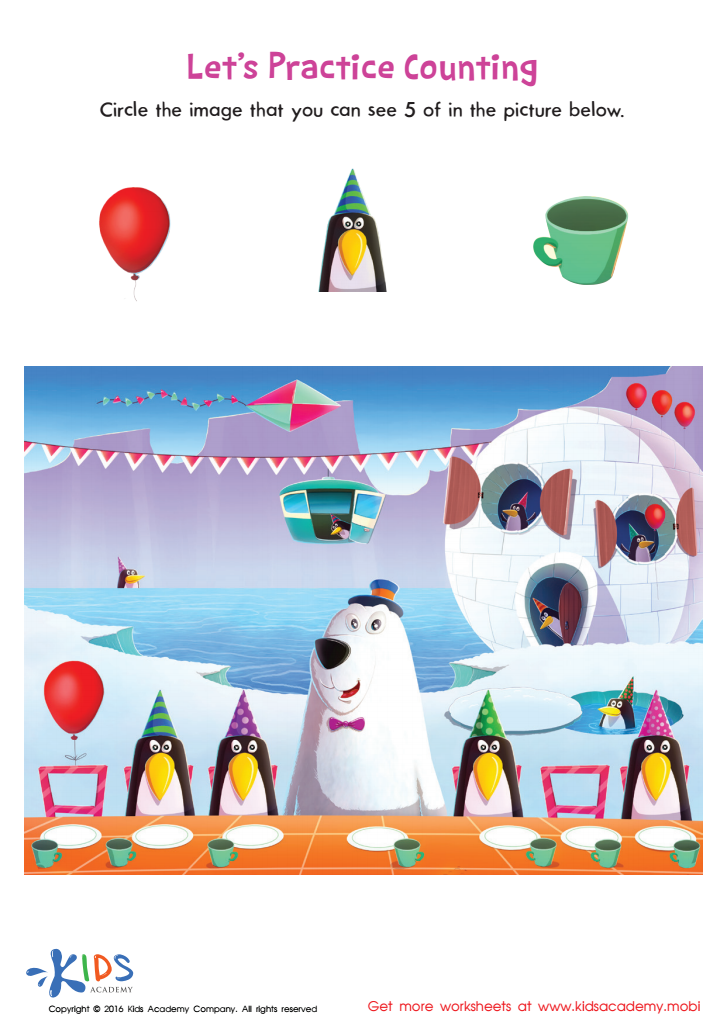
Counting Worksheet: Let's Practice Counting
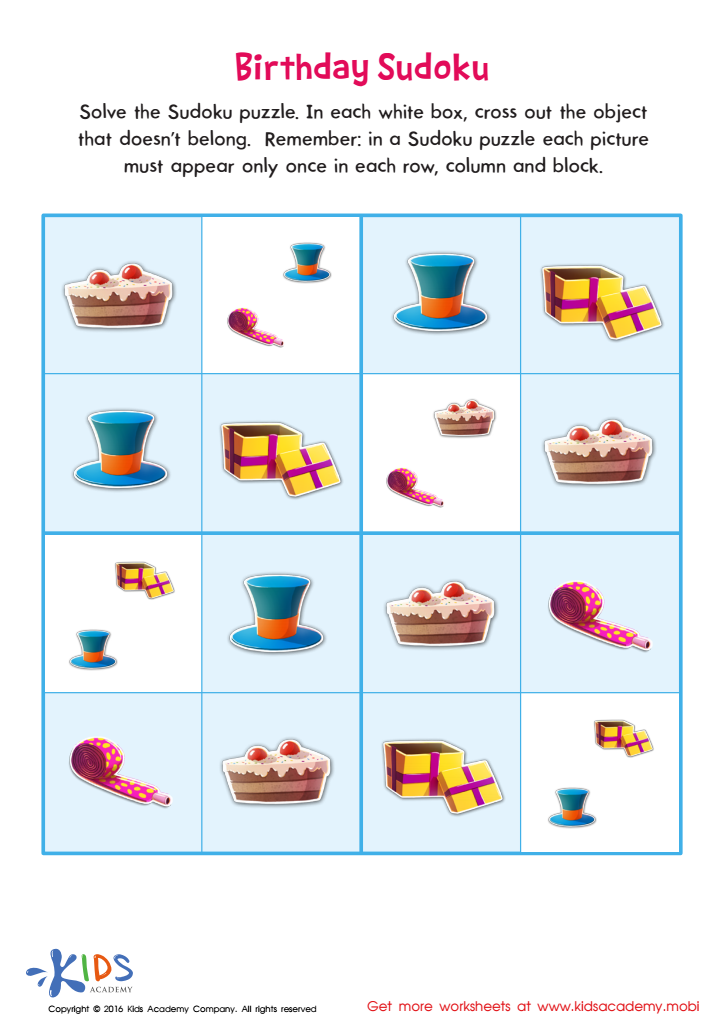
Birthday Sudoku Sorting Worksheet
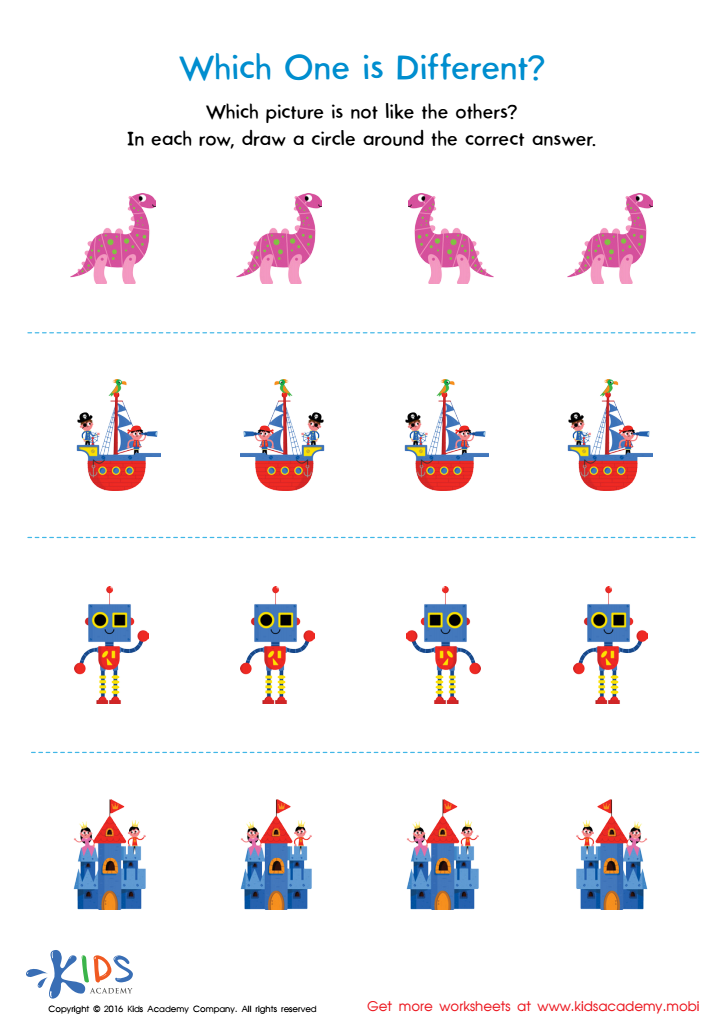
Which One Is Different Worksheet
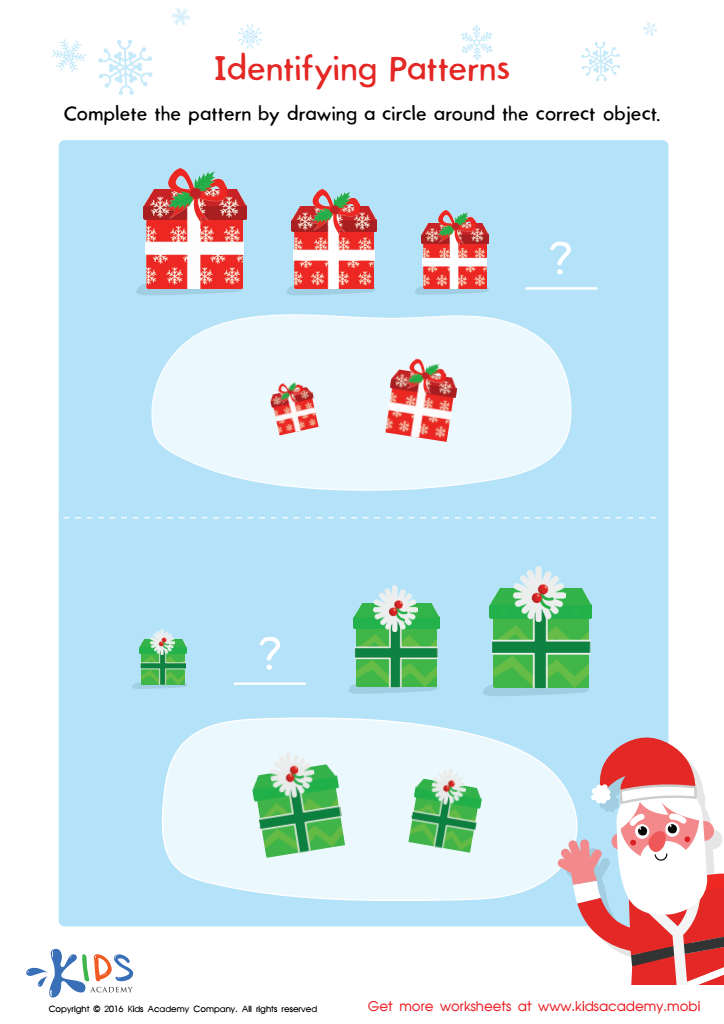
Identifying Patterns Worksheet







Logical thinking activities are essential for children aged 3-7 as they lay a strong foundation for critical cognitive skills. At this developmental stage, children are highly receptive to new concepts and problem-solving strategies. Engaging in activities that promote logical thinking—such as sorting, pattern recognition, and puzzles—enhances their ability to reason, analyze, and make decisions.
Parents and teachers should prioritize these activities because they not only improve early math and language skills but also foster creativity and curiosity. Logical thinking helps children understand cause-and-effect relationships, enhancing their ability to navigate everyday challenges. Moreover, this skill translates to social interactions, as logical reasoning aids in conflict resolution and collaboration with peers.
Furthermore, early exposure to logical thinking activities can boost self-confidence. Children gain a sense of accomplishment when they solve problems or complete tasks, fostering a love for learning. In a world that increasingly values critical thinking and adaptability, investing in these foundational skills equips children for future academic and life successes. In summary, supporting logical thinking development in young children is crucial for nurturing well-rounded, capable individuals ready to tackle the complexities of life and education.








