Tracing worksheets activities for Ages 3-7 - Page 6
159 filtered results
-
From - To

Tracing And Learning to Write Number 9 Worksheet
 Assign to My Students
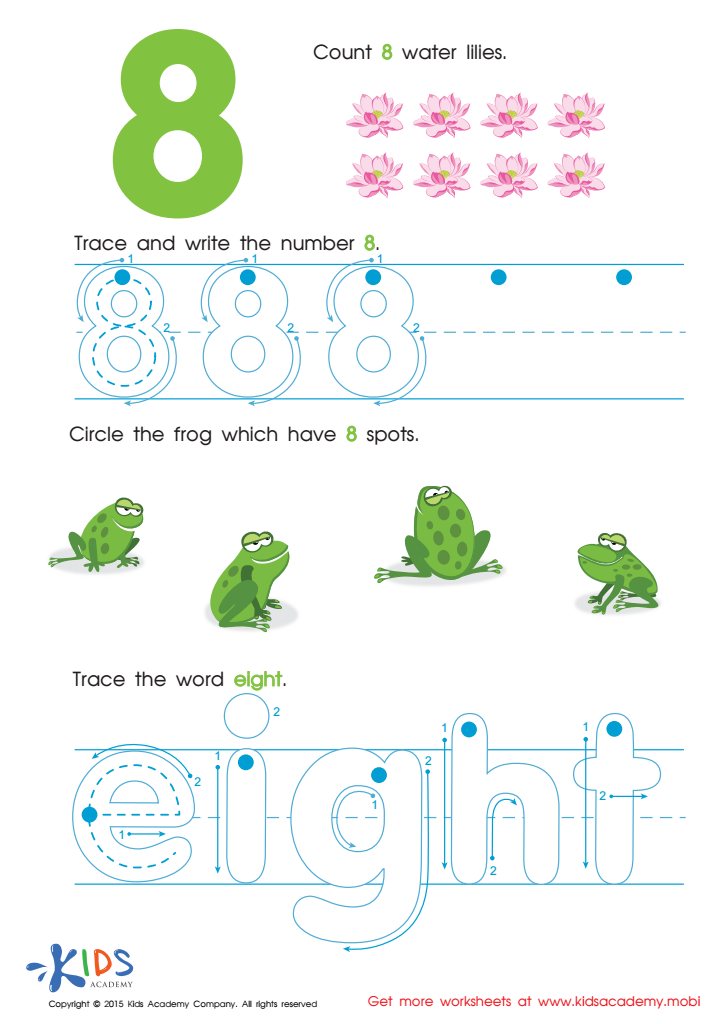
Learn Number 8 Easily Worksheet
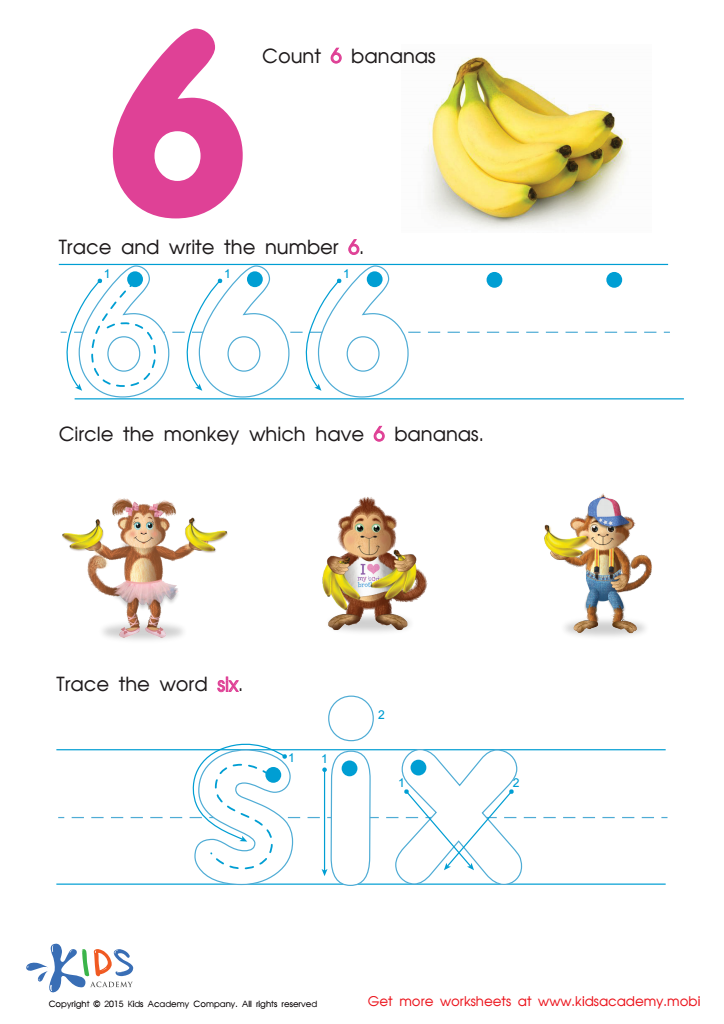
Tracing And Writing Number 6 Worksheet
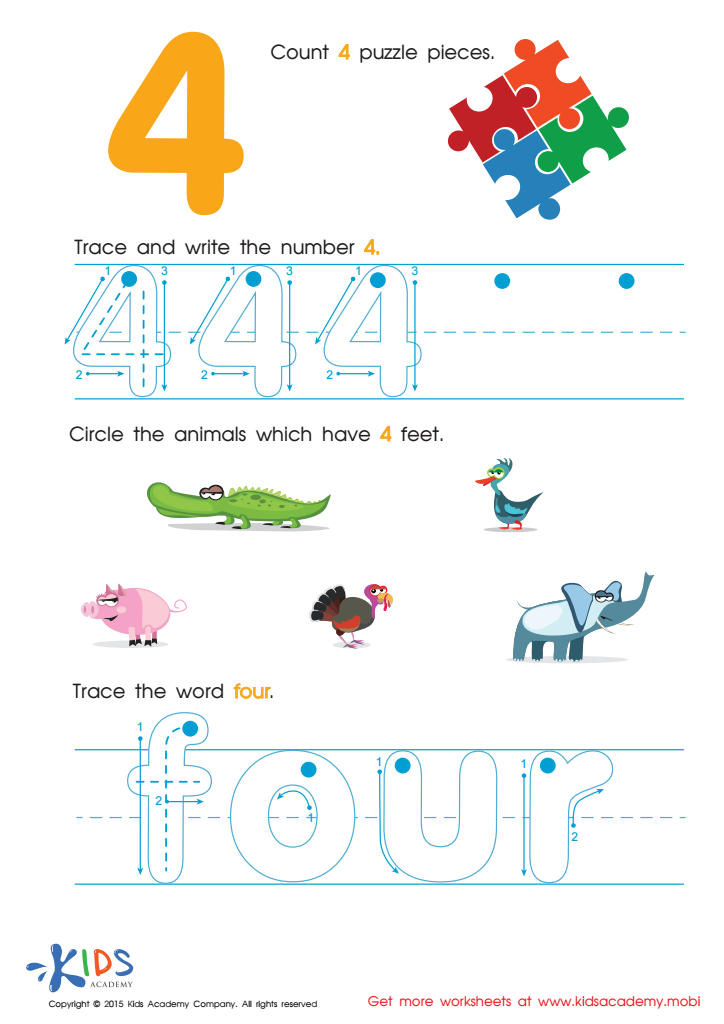
Teaching Children to Write Number 4 Worksheet
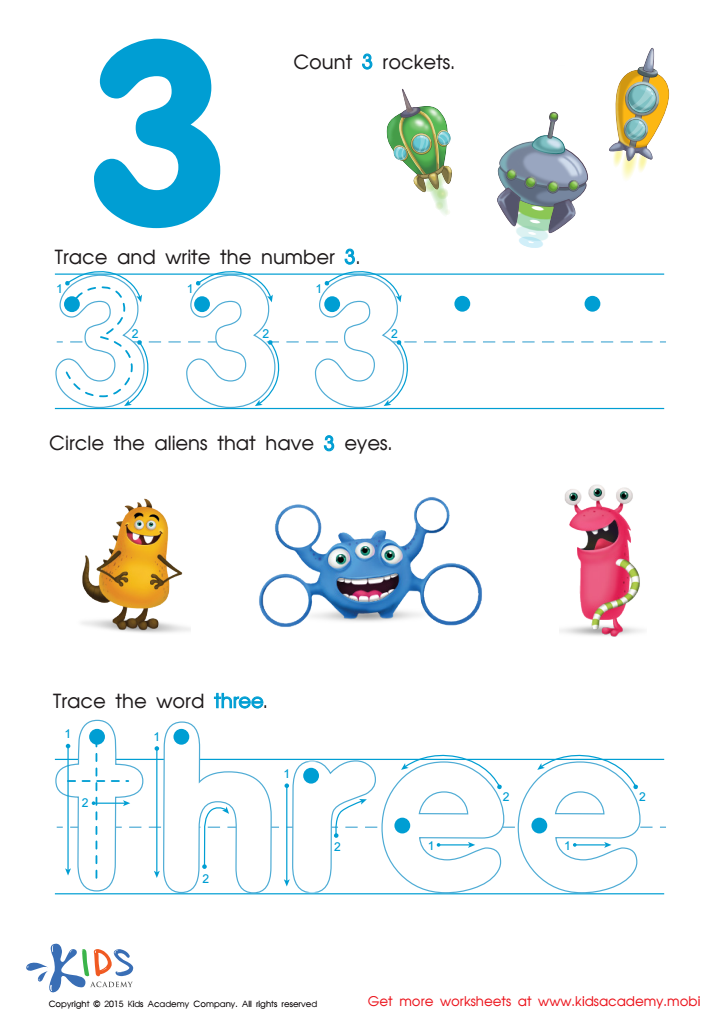
Learning Number Three Worksheet
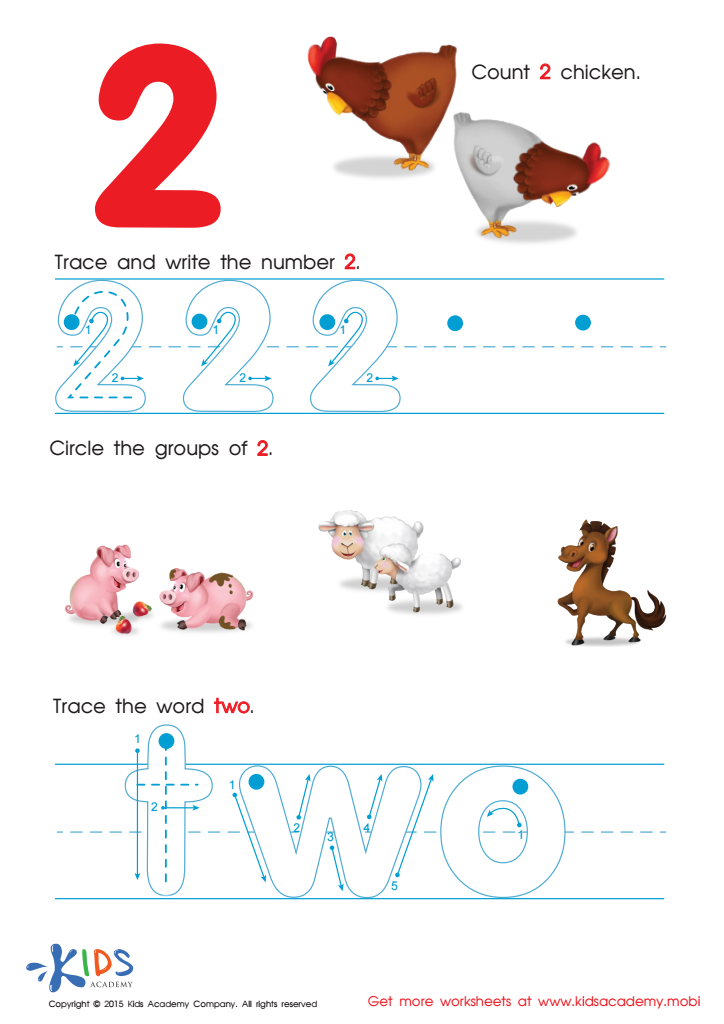
Learn to Write the Number 2 Worksheet
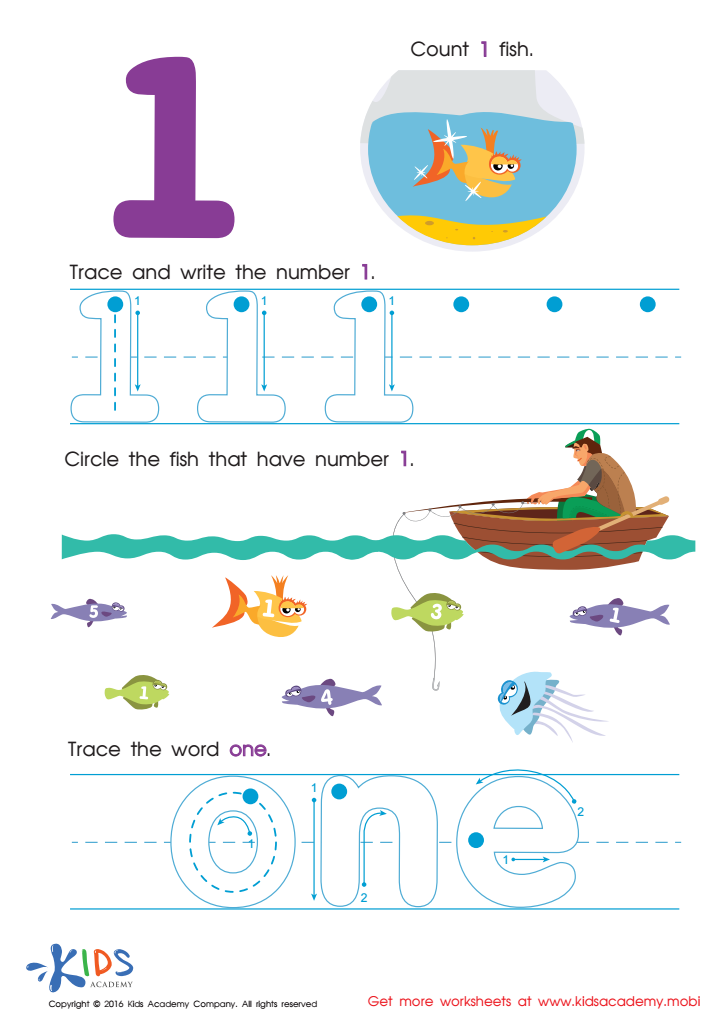
Learning to Write 1 Worksheet
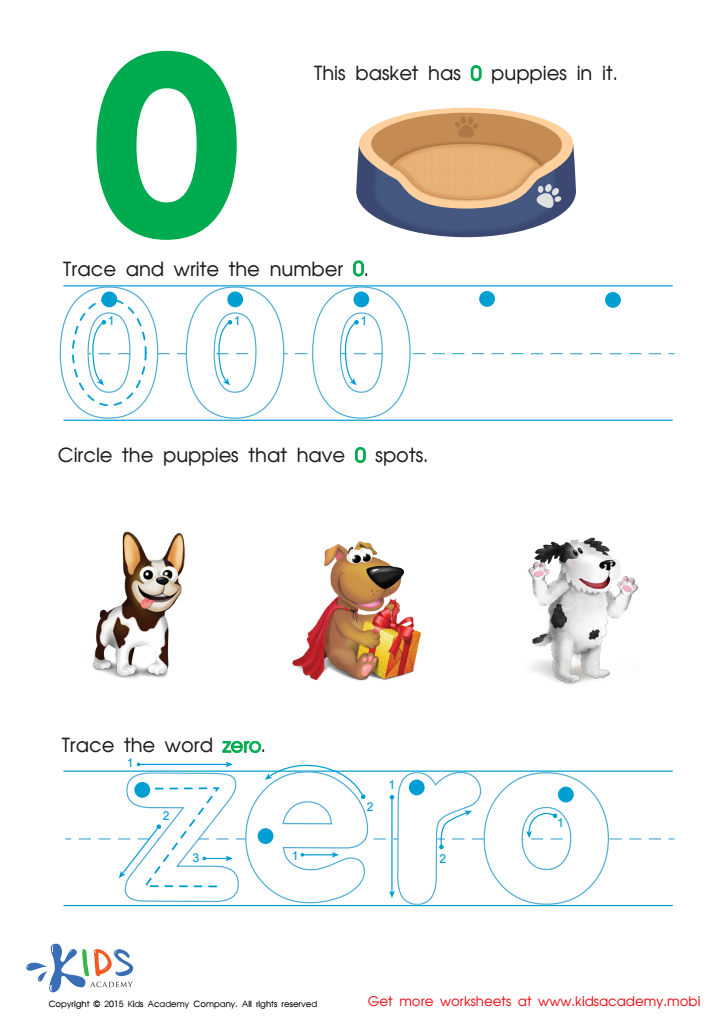
Trace And Write Number 0 Worksheet

The Sun and a Bee Spelling Worksheet
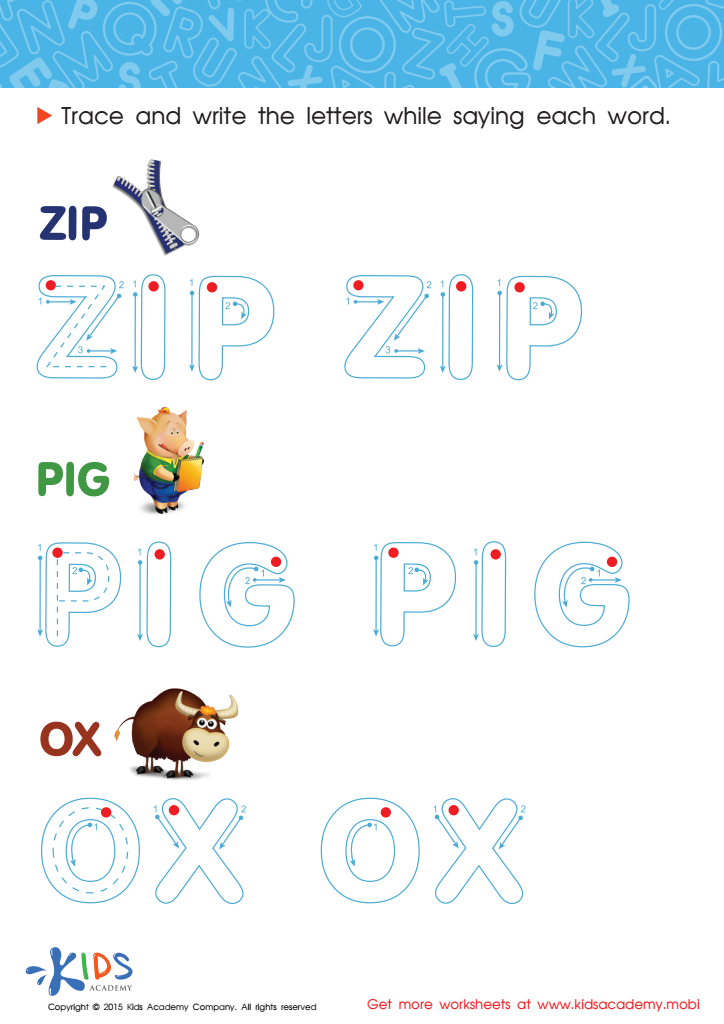
A Zip, a Pig and an Ox Spelling Worksheet

A Pup, a Cap and a Pea Spelling Worksheet

A Pen, a Hen and a Fox Spelling Worksheet

A Cup, an Ape and Tea Spelling Worksheet
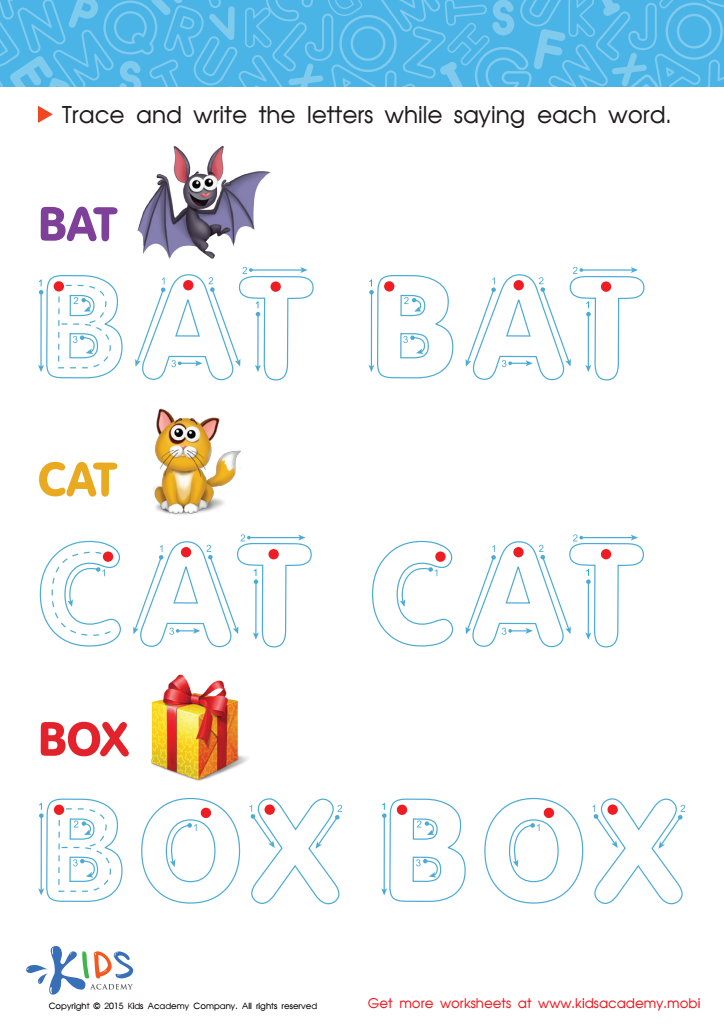
A Bat, a Cat and a Box Spelling Worksheet
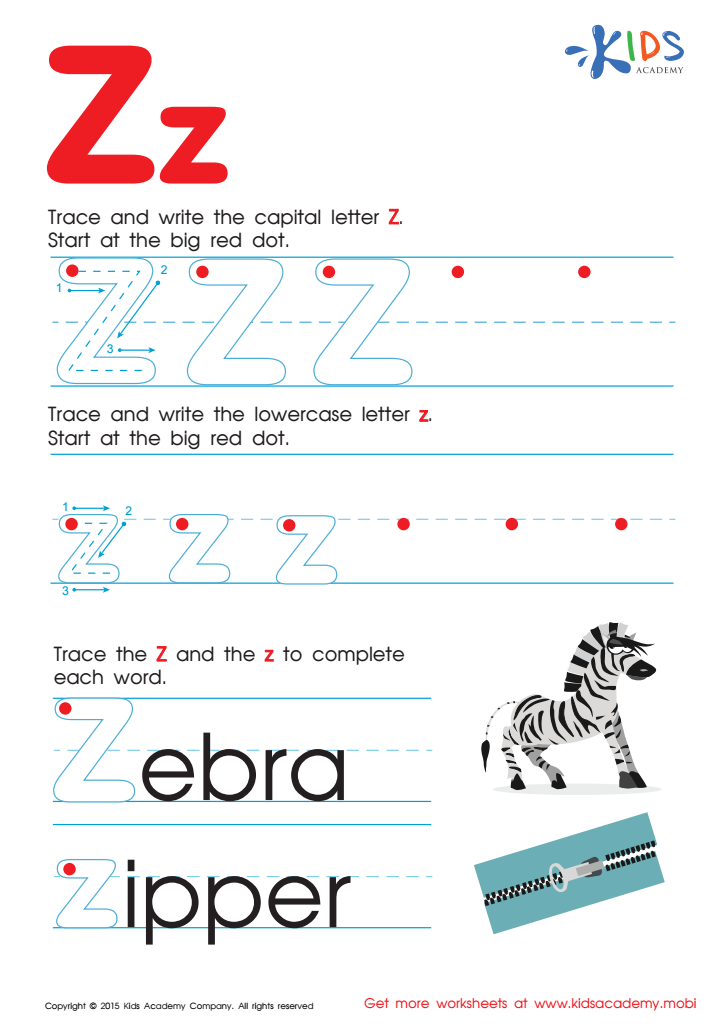
Letter Z Tracing Page
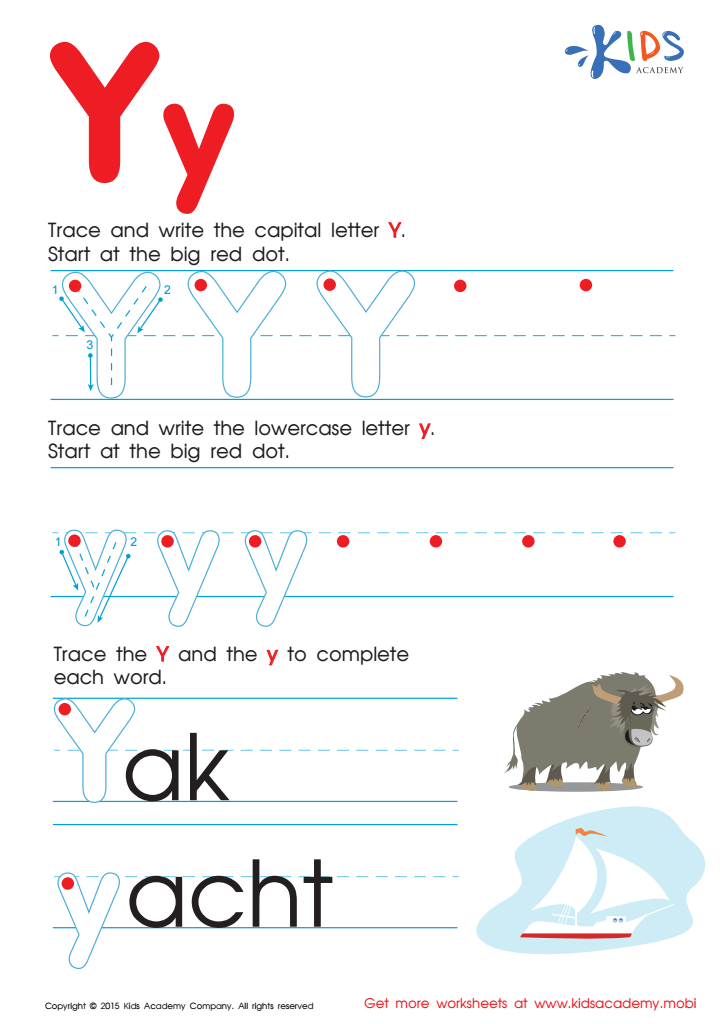
Letter Y Tracing Page
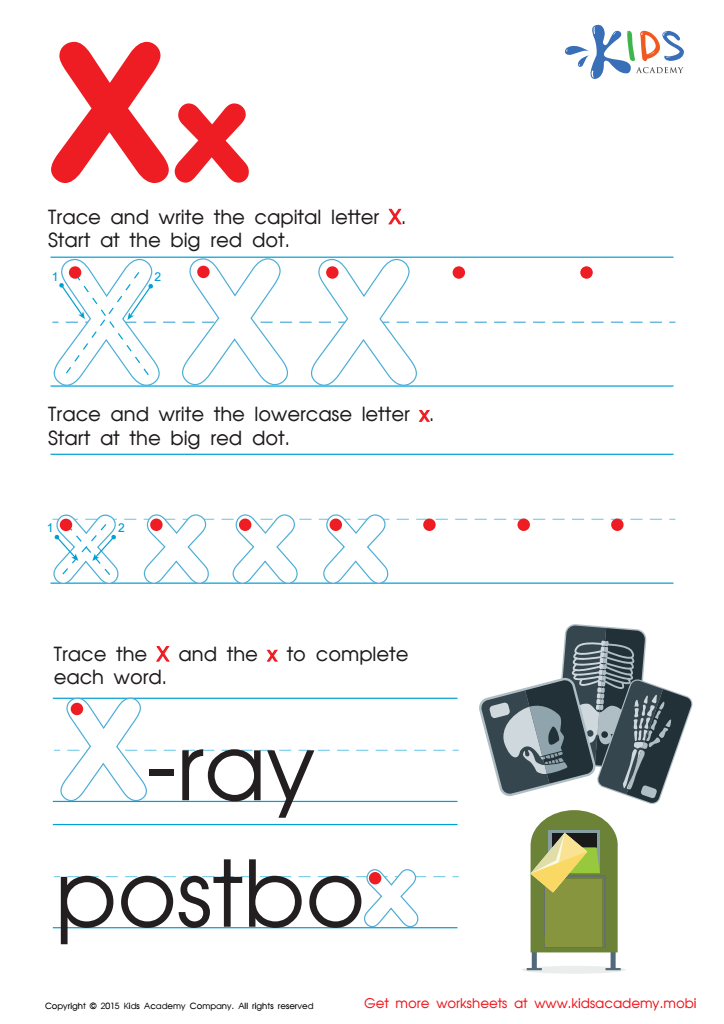
Letter X Tracing Page
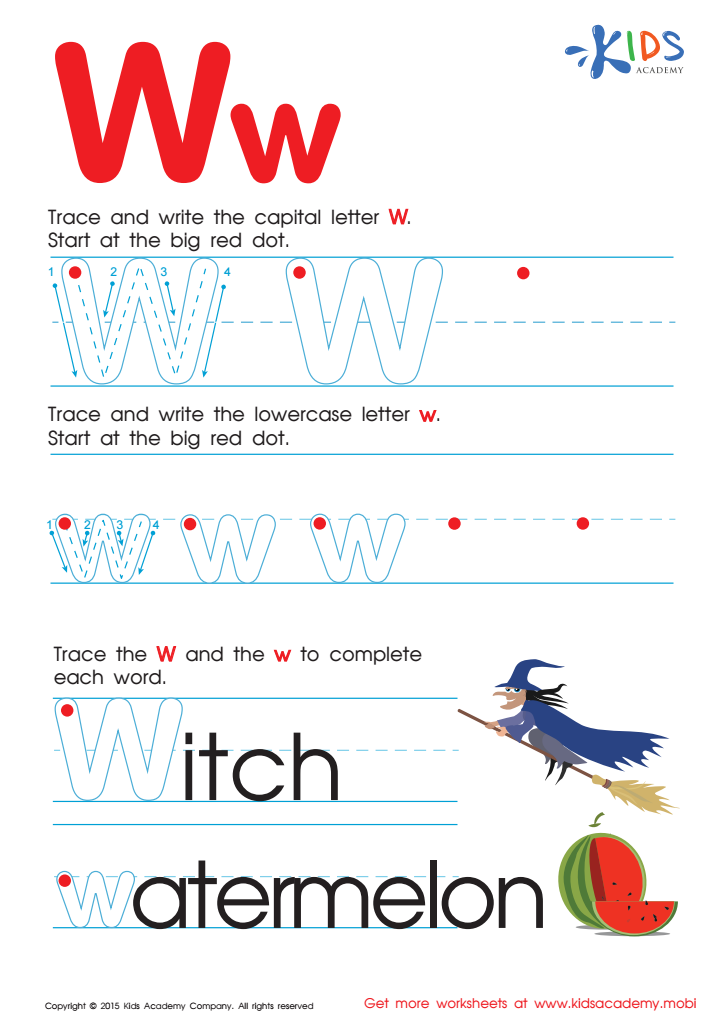
Letter W Tracing Page
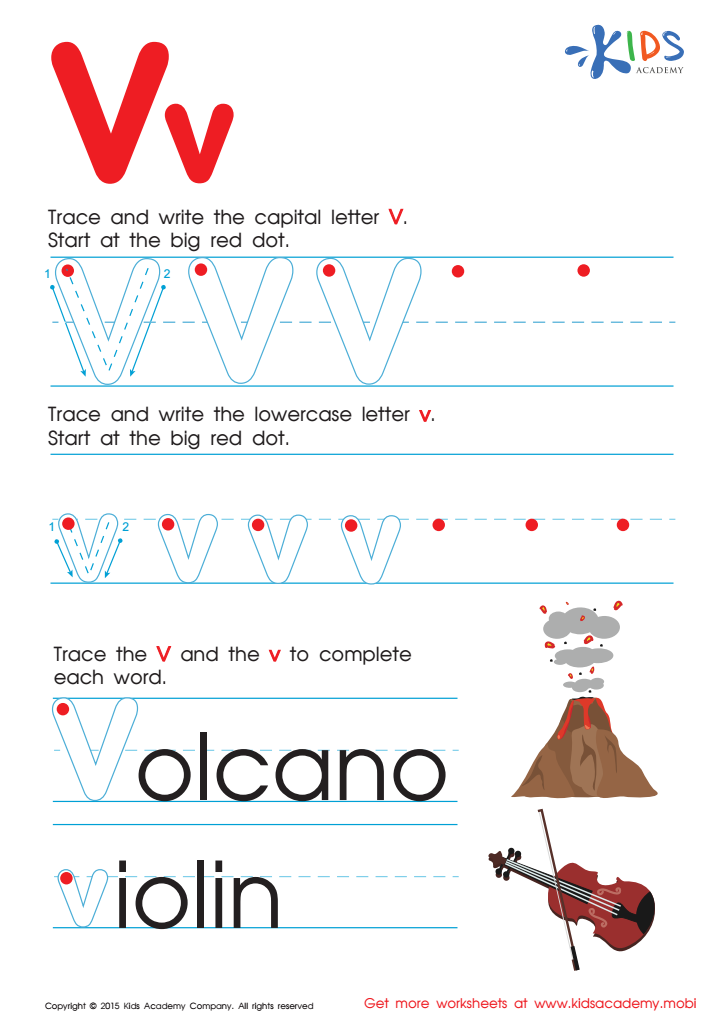
Letter V Tracing Page
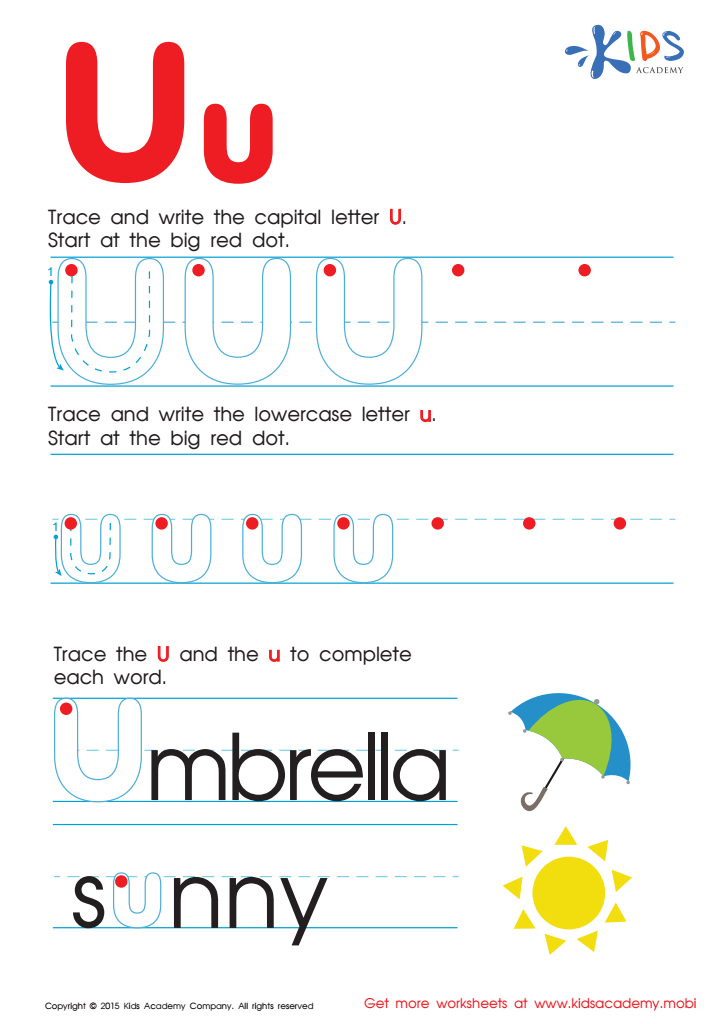
Letter U Tracing Page
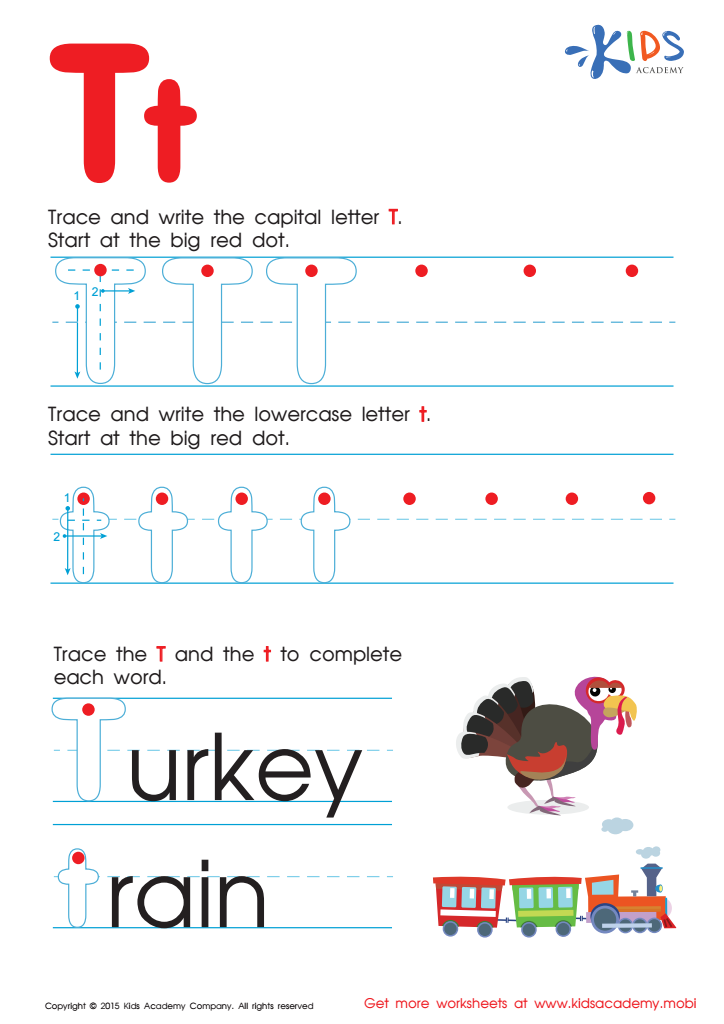
Letter T Tracing Page
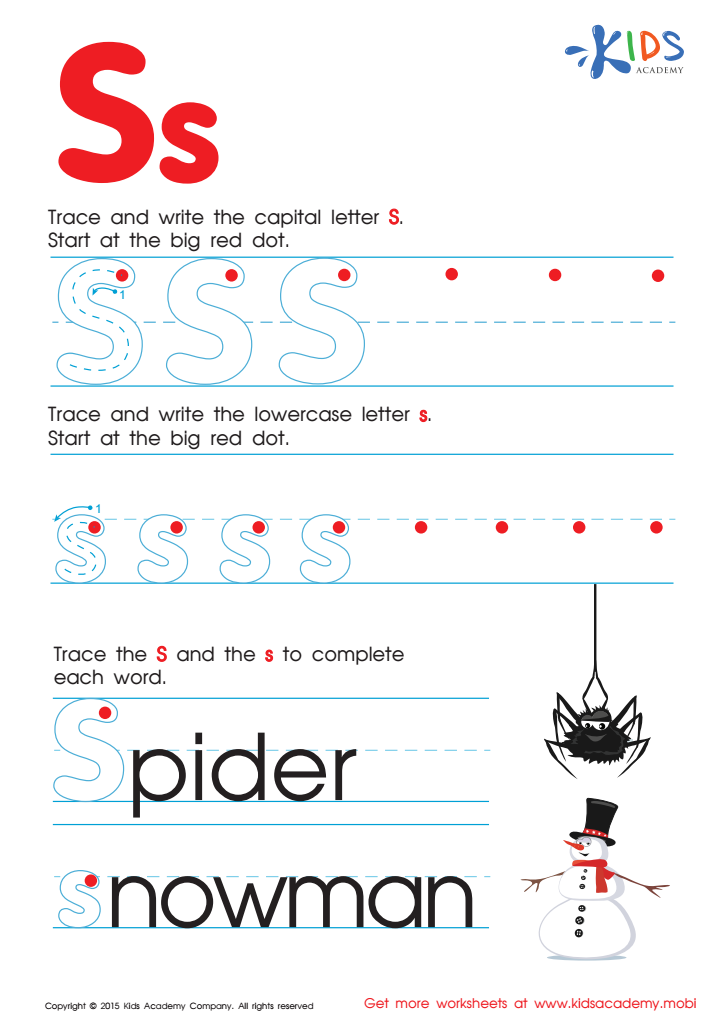
Letter S Tracing Page
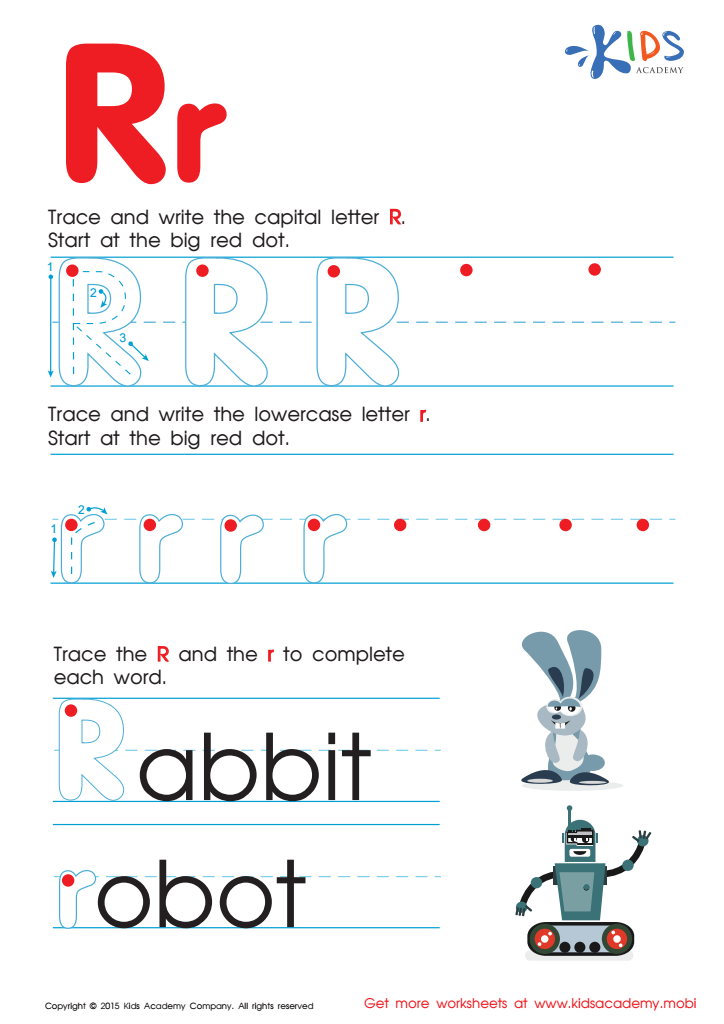
Letter R Tracing Page
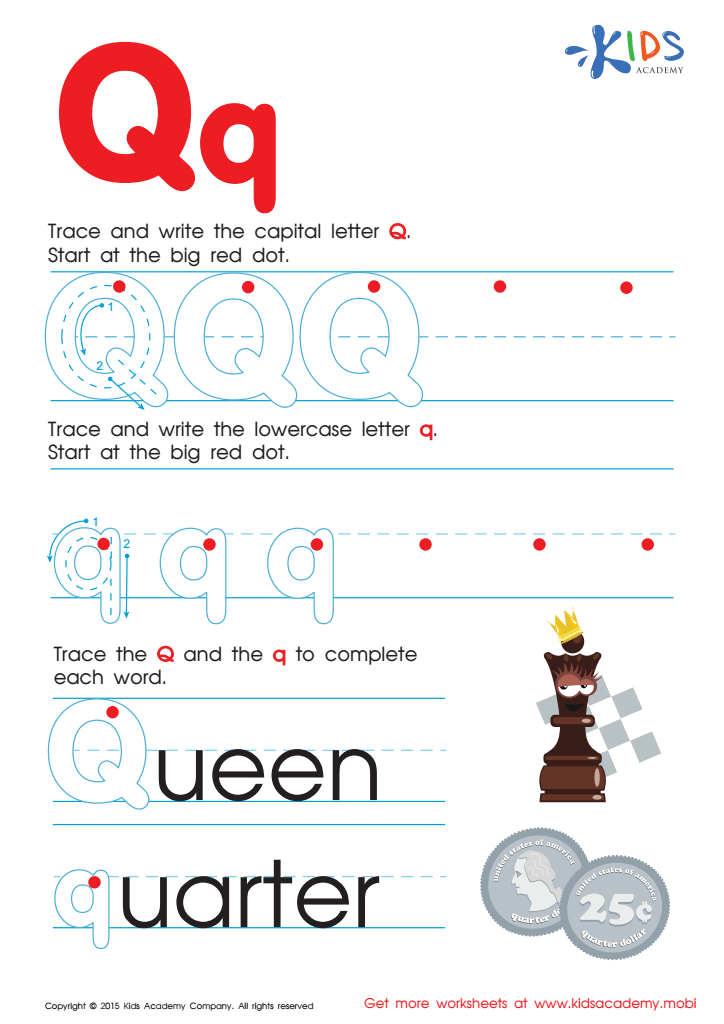
Letter Q Tracing Page







Tracing activities for children ages 3-7 hold immense significance for both parents and teachers as they lay the foundational skills necessary for academic success. Firstly, these activities enhance fine motor skills, crucial for later tasks such as writing, drawing, and using scissors. Children develop hand-eye coordination and dexterity, which are critical for future schooling.
Moreover, tracing aids in cognitive development, encouraging children to recognize shapes, letters, and numbers. This recognition is essential as it contributes to early literacy and numeracy skills. As children trace letters, they become familiar with their formations, which will support their writing ability later on.
Tracing also fosters concentration and patience, essential traits for sound learning. When children engage in these activities, they learn to follow directions, a skill that promotes discipline and attention to detail.
Additionally, tracing activities can stimulate creativity and expressiveness in young minds. When children trace, they can also experiment with different colors and patterns, tapping into their artistic side.
Overall, investing time in tracing activities not only enhances children’s skills but also builds confidence, ultimately contributing to a positive attitude towards learning. Thus, parents and teachers should prioritize these engaging and developmental activities.








