Tracing Letters worksheets activities for Ages 3-8 - Page 3
57 filtered results
-
From - To

Letter H Tracing Page
 Assign to My Students

Letter G Tracing Page
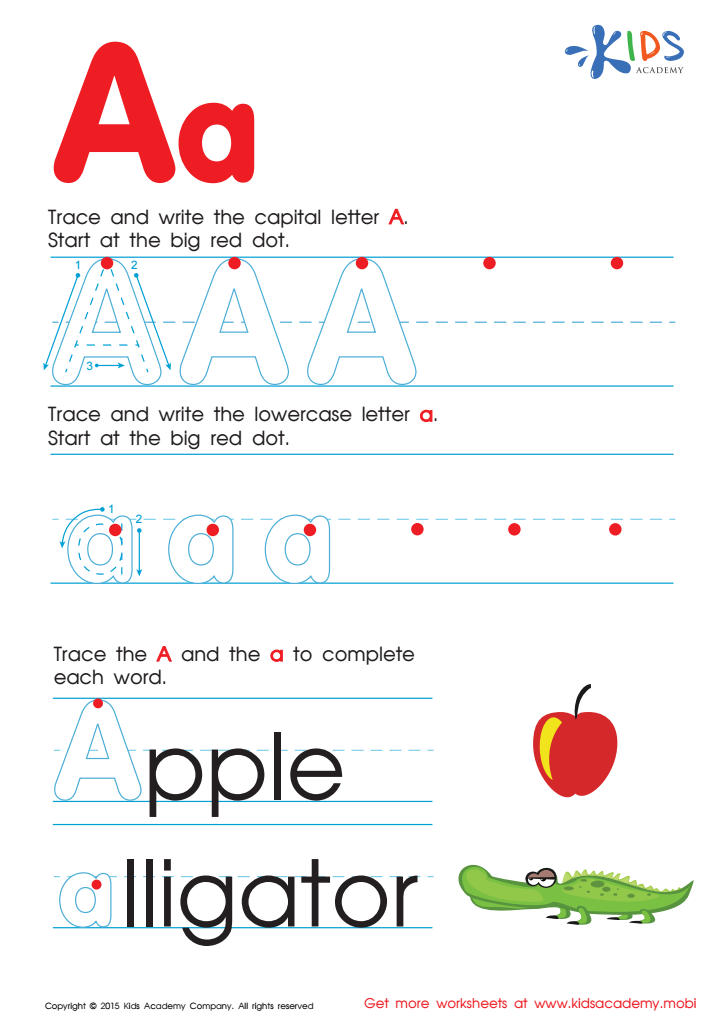
Letter A Tracing Page
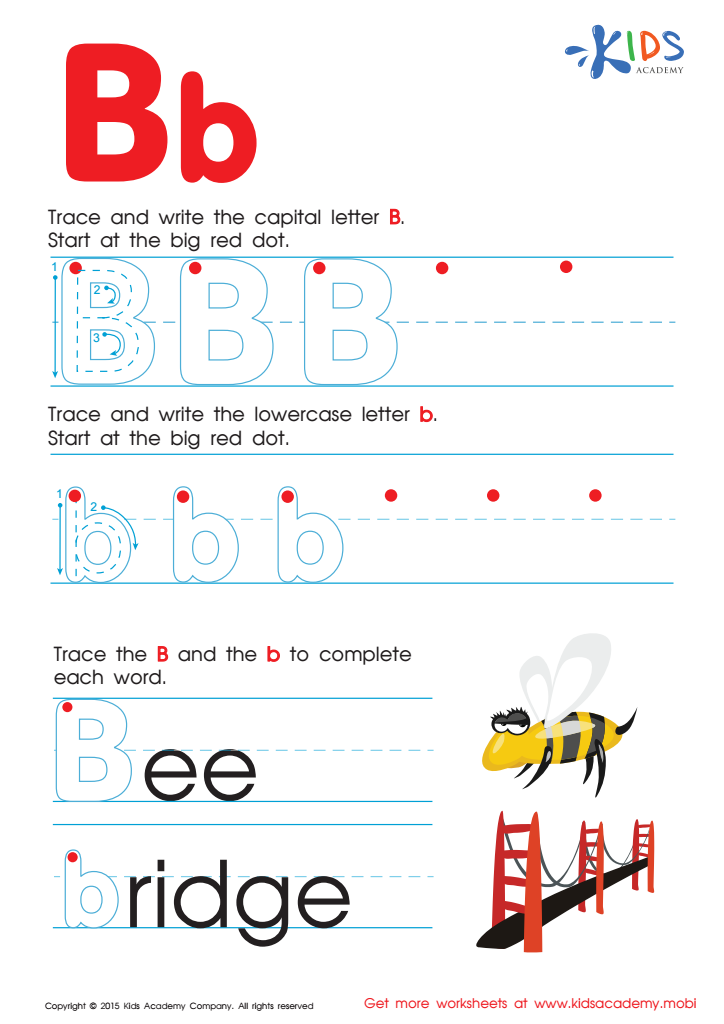
Letter B Tracing Page

Letter C Tracing Page

Letter D Tracing Page
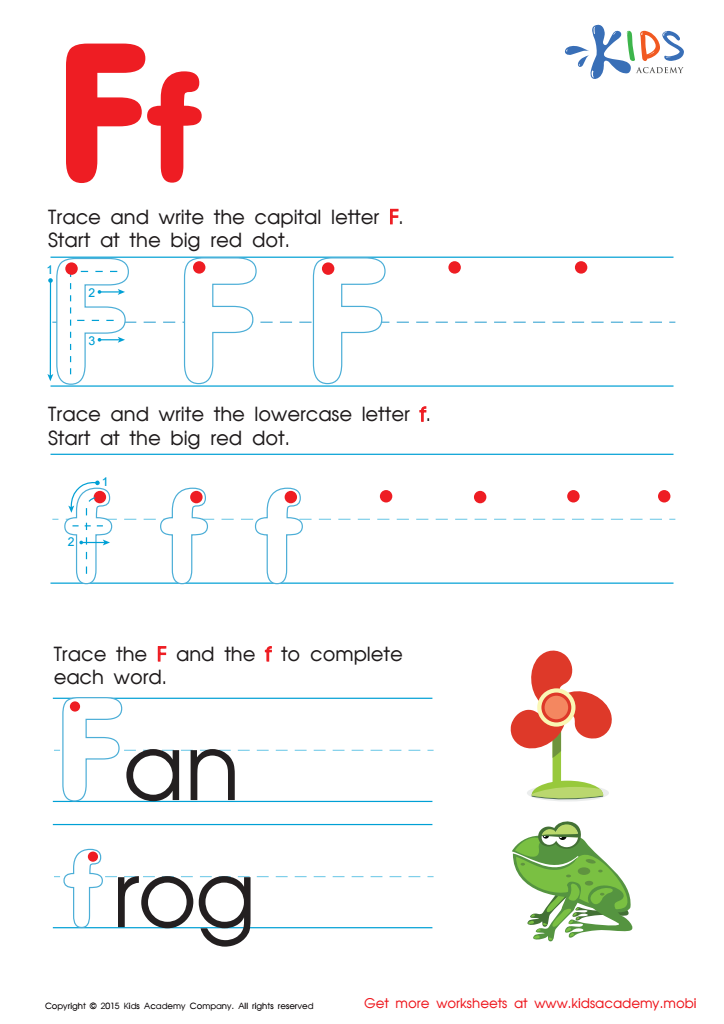
Letter F Tracing Page
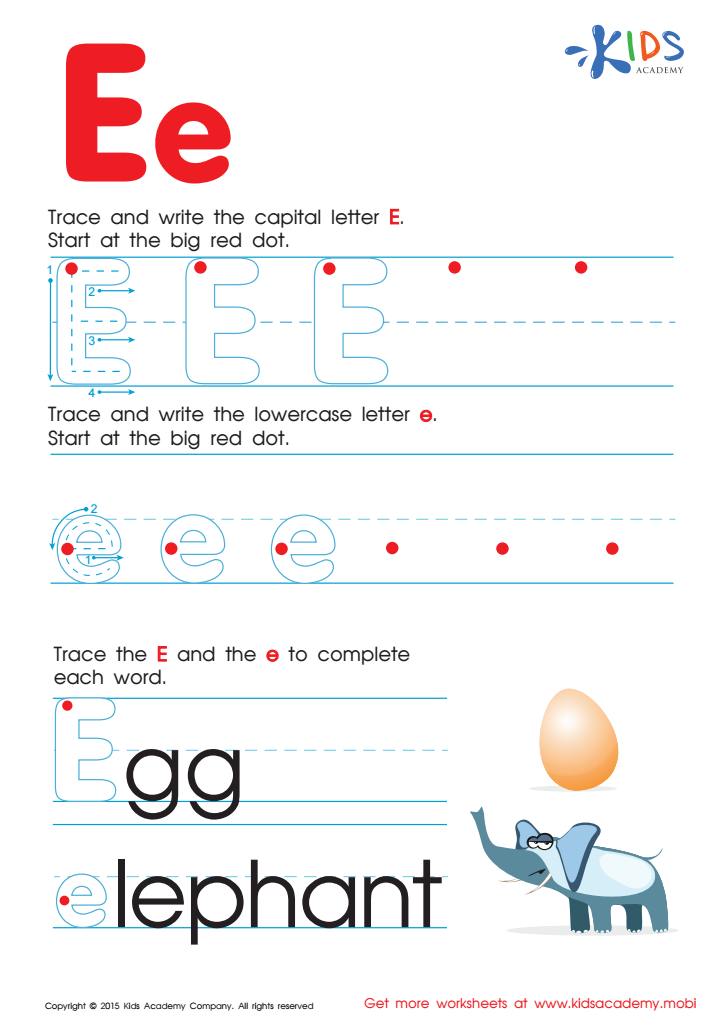
Letter E Tracing Page
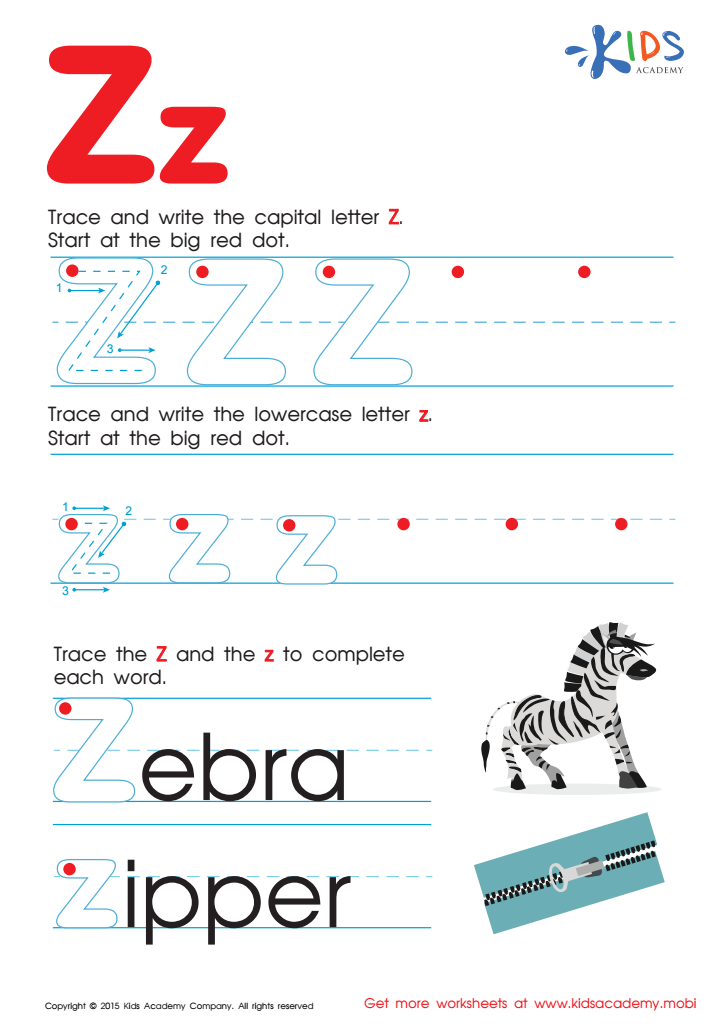
Letter Z Tracing Page








Tracing letters activities for children aged 3-8 are crucial for several reasons, making them highly beneficial for parents and teachers. Firstly, these activities enhance fine motor skills, which are essential for writing and everyday tasks. By gripping writing tools and controlling their movements, children develop hand-eye coordination and dexterity.
Secondly, tracing letters supports early literacy skills. It familiarizes children with alphabet shapes and forms, enabling them to recognize and reproduce letters confidently. This foundational step is vital for future reading and writing success.
Moreover, tracing activities can boost cognitive development. As children engage in tracing, they learn about patterns, directional movements, and pre-writing strokes, which are integral components of handwriting mastery. Additionally, these activities can aid in improving concentration and focus, as children need to stay attentive to detail while tracing.
Incorporating tracing letter activities into learning routines also promotes creativity and self-expression, allowing children to personalize their learning experience. Lastly, these activities often provide a sense of accomplishment and encourage intrinsic motivation, as children see tangible progress in their skills. For all these reasons, parents and teachers should prioritize tracing letters as a fun and effective educational tool.








