Tracing Letters worksheets activities for Ages 3-9 - Page 3
57 filtered results
-
From - To
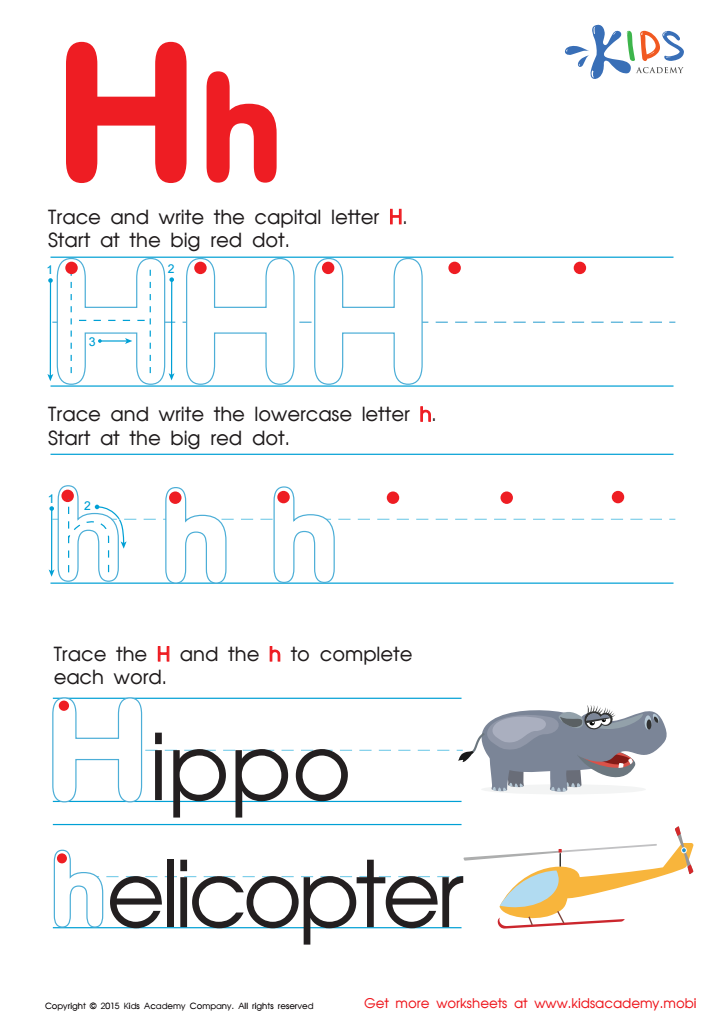
Letter H Tracing Page
 Assign to My Students

Letter G Tracing Page
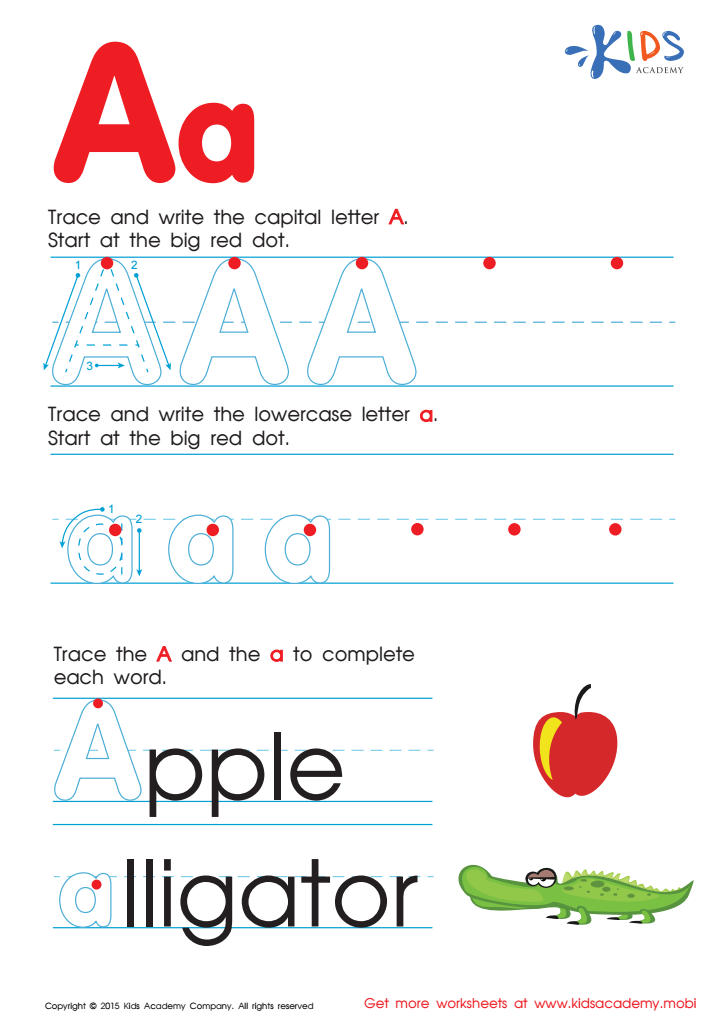
Letter A Tracing Page
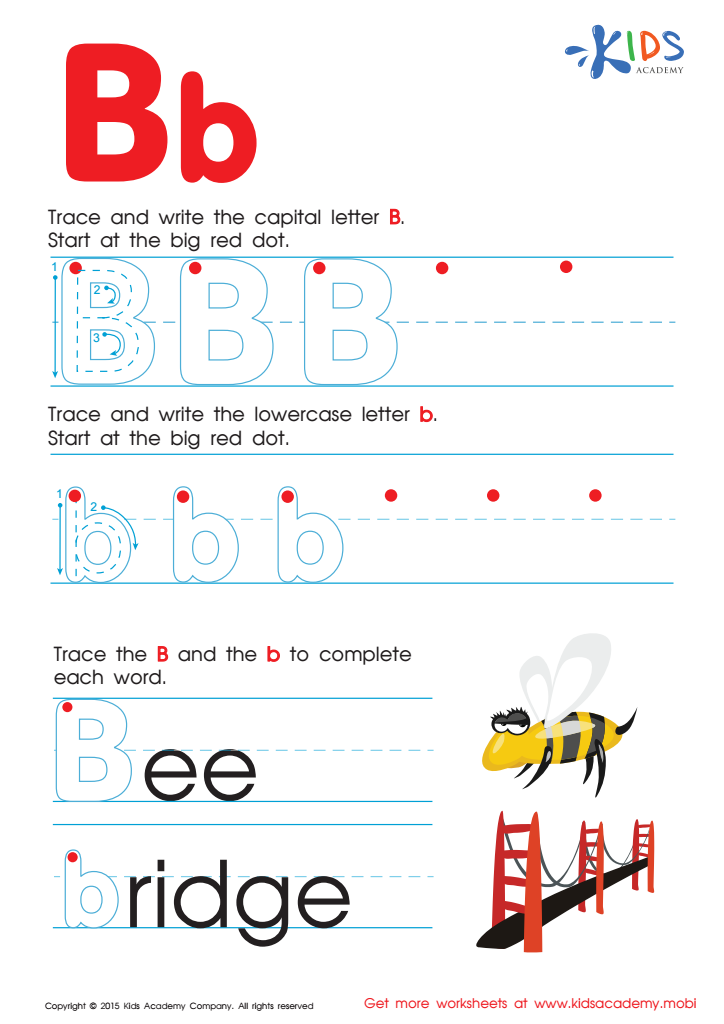
Letter B Tracing Page
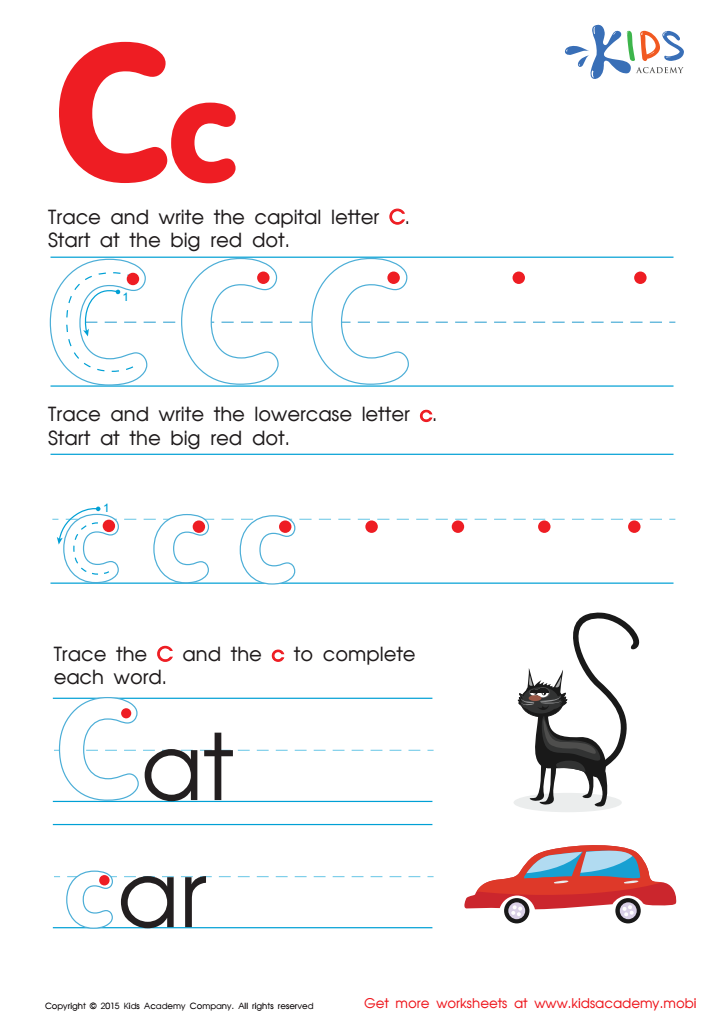
Letter C Tracing Page

Letter D Tracing Page
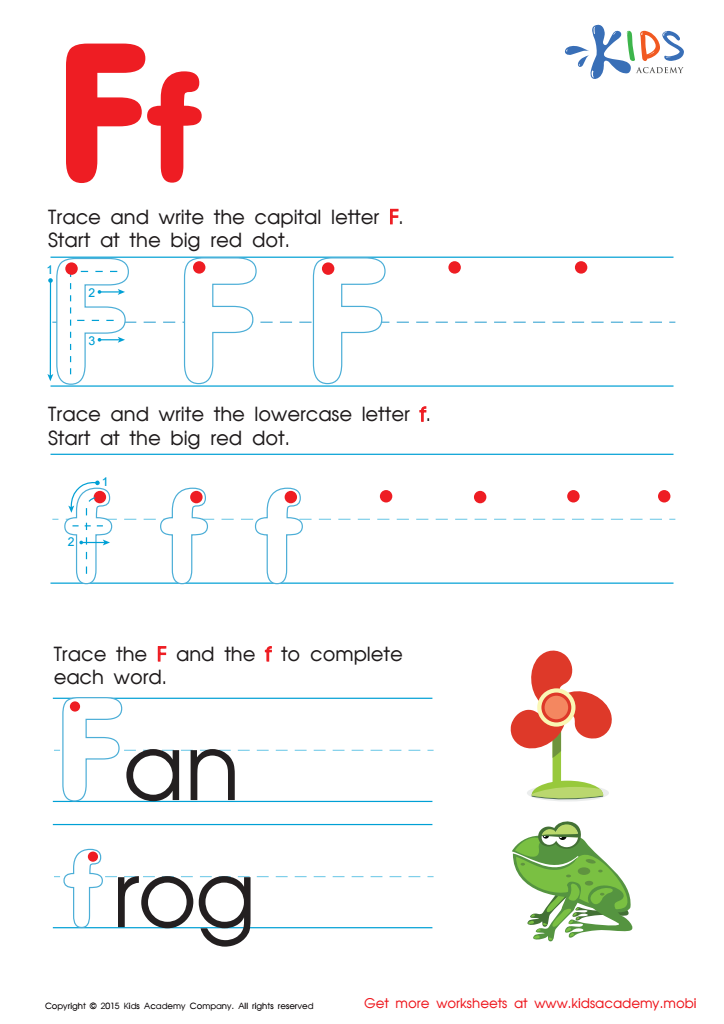
Letter F Tracing Page
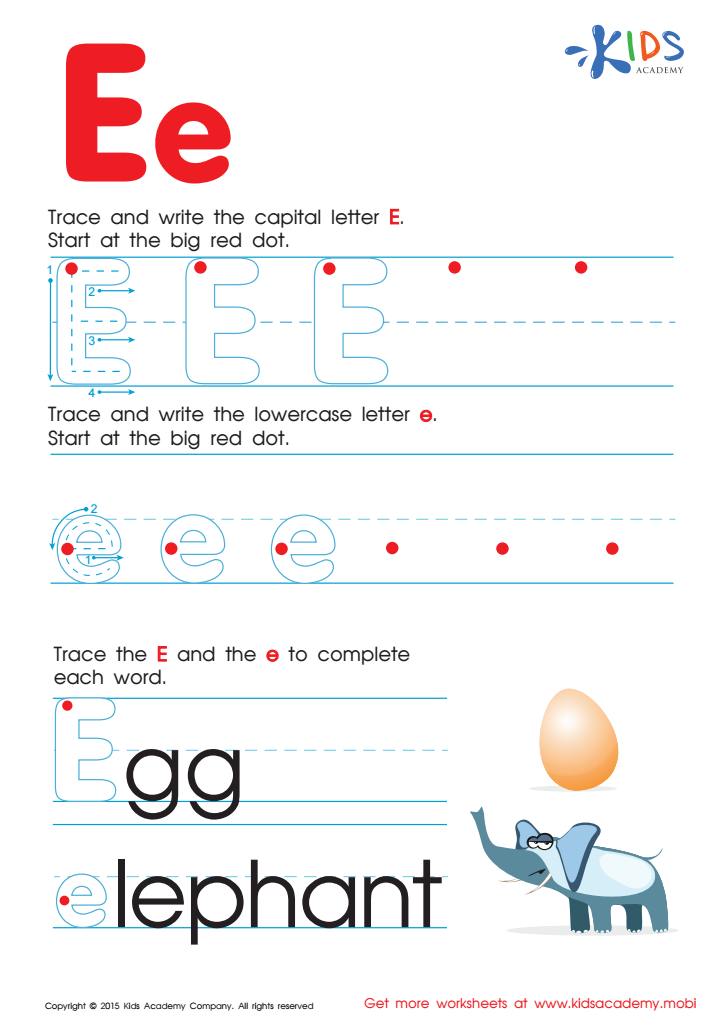
Letter E Tracing Page
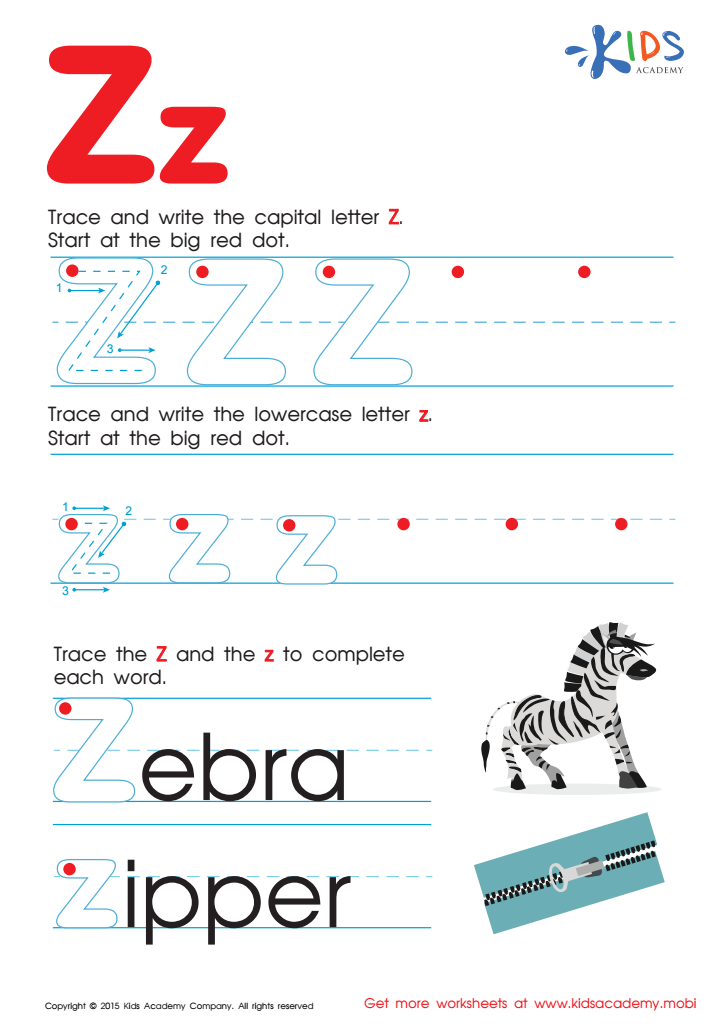
Letter Z Tracing Page







.jpg)
Tracing letters is a fundamental activity that significantly benefits young learners aged 3-9, making it essential for parents and teachers to prioritize. This activity helps develop fine motor skills, which are crucial for writing and other tasks that require hand-eye coordination. As children trace, they strengthen the small muscles in their hands, improving dexterity and control.
Moreover, tracing letters aids in letter recognition and awareness of letter formation. This can enhance reading and writing abilities, as children learn to understand not only how letters look but also how they connect to sounds, setting a solid foundation for literacy. Engaging in tracing activities can also boost confidence, allowing young learners to experience incremental success as they gradually improve their skills.
Similarly, structured letter tracing can facilitate focused attention and concentration, teaching children to take their time and complete tasks meticulously. This fosters a positive attitude towards learning and builds persistence.
When parents and teachers incorporate tracing activities into early education, they support holistic development—encouraging cognitive, motor, and emotional growth. Ultimately, these activities create a love for letters and language at a crucial developmental stage, setting children on a path to academic success.








