Tracing worksheets activities for Ages 5-9 - Page 6
159 filtered results
-
From - To

Tracing And Learning to Write Number 9 Worksheet
 Assign to My Students
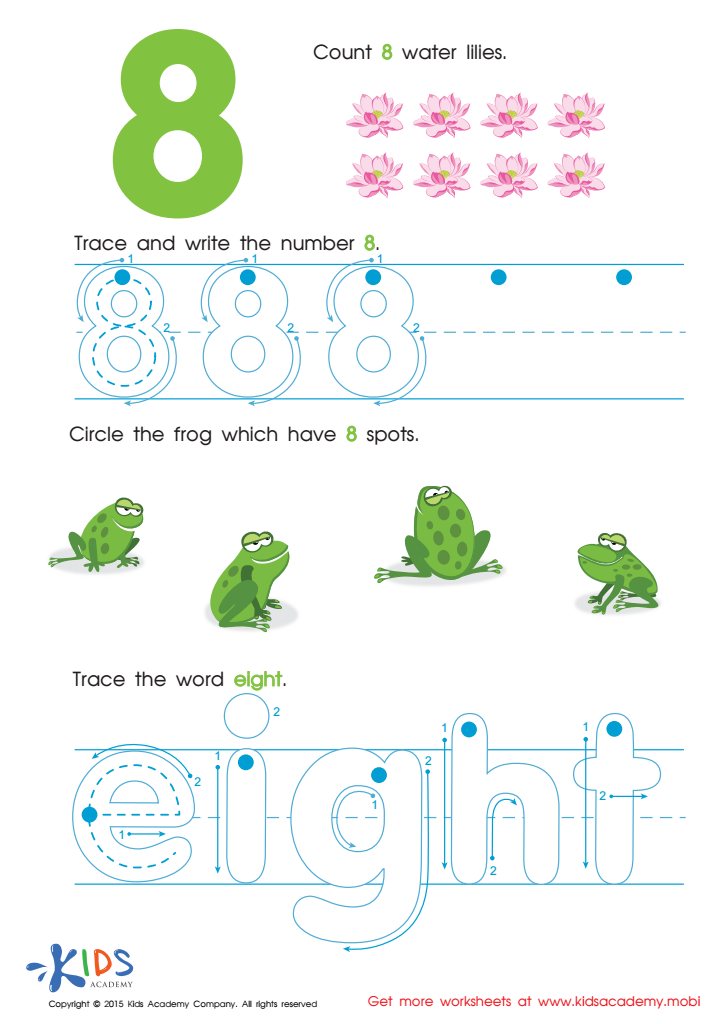
Learn Number 8 Easily Worksheet
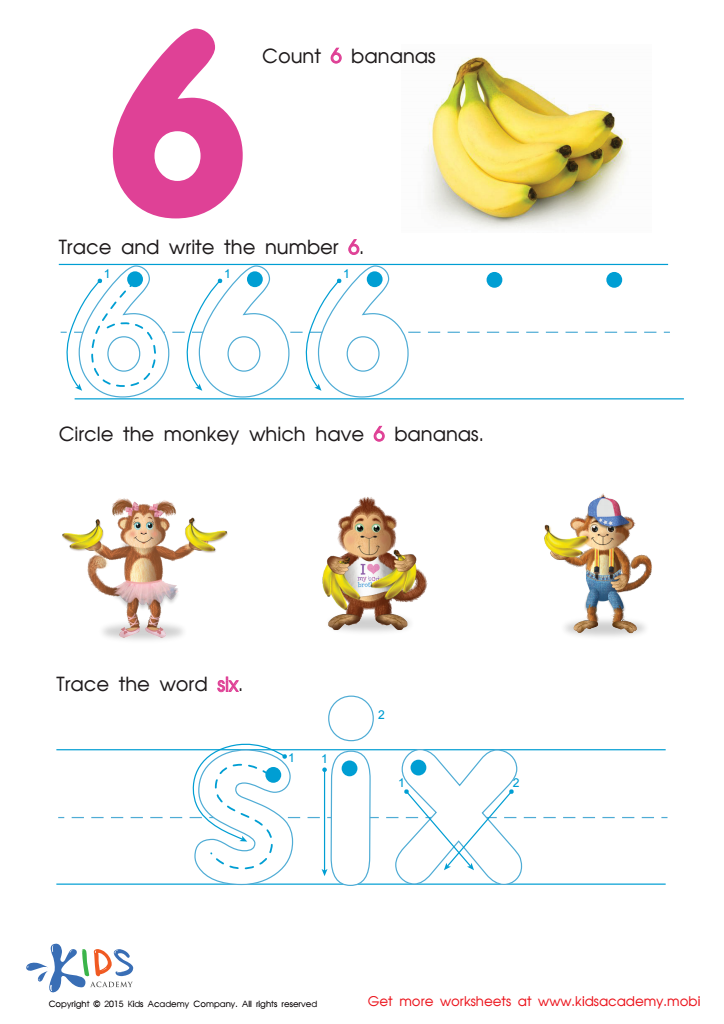
Tracing And Writing Number 6 Worksheet
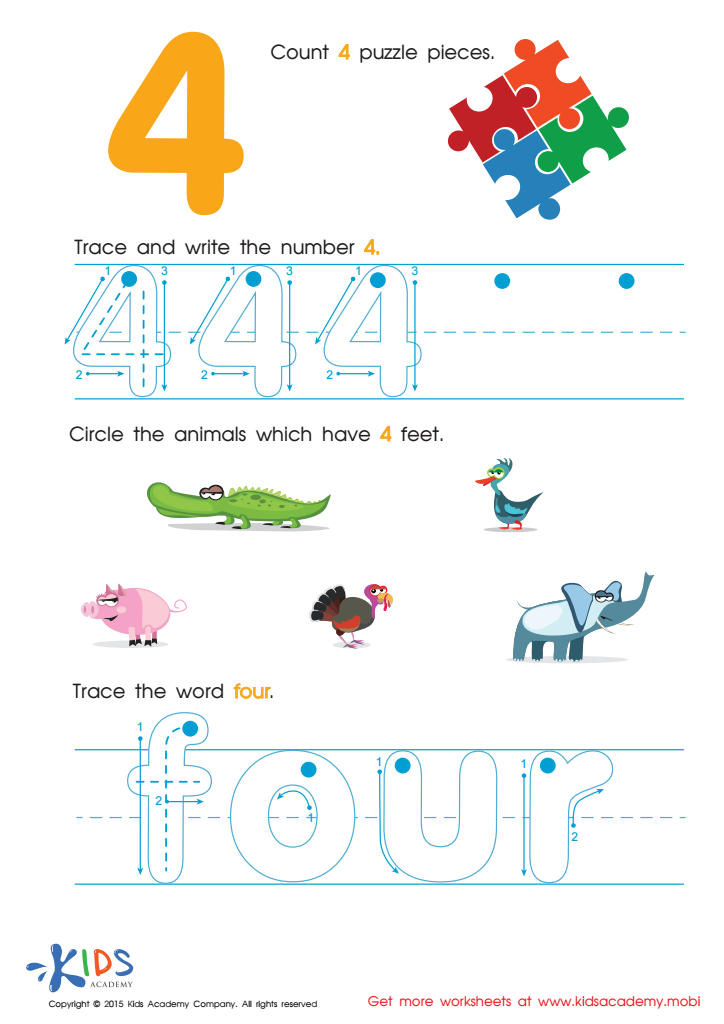
Teaching Children to Write Number 4 Worksheet
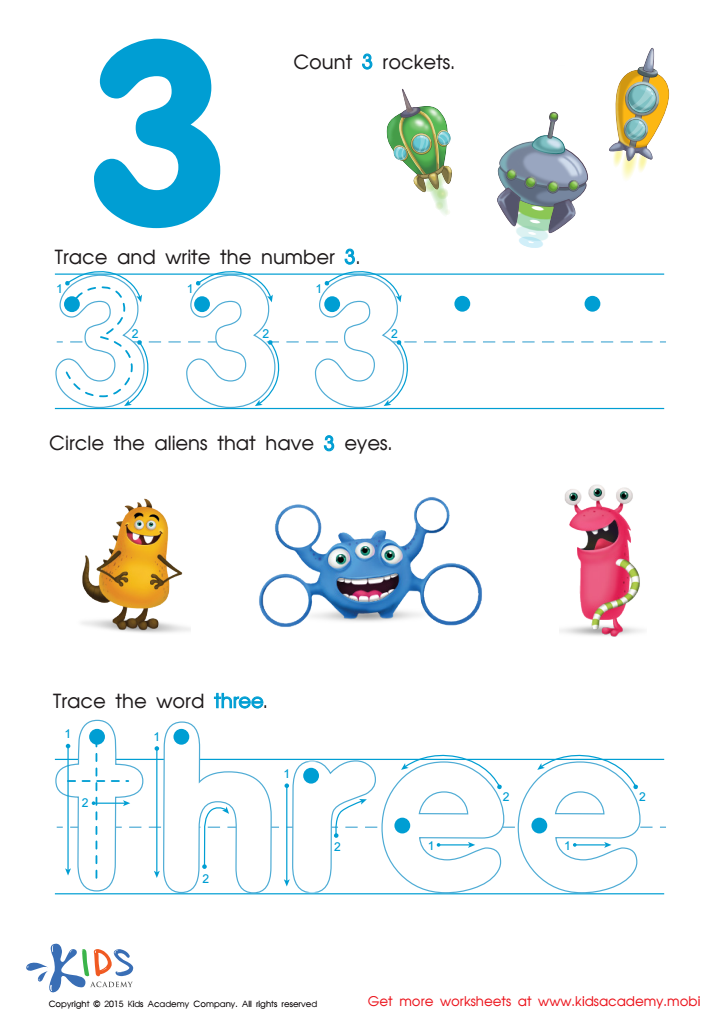
Learning Number Three Worksheet
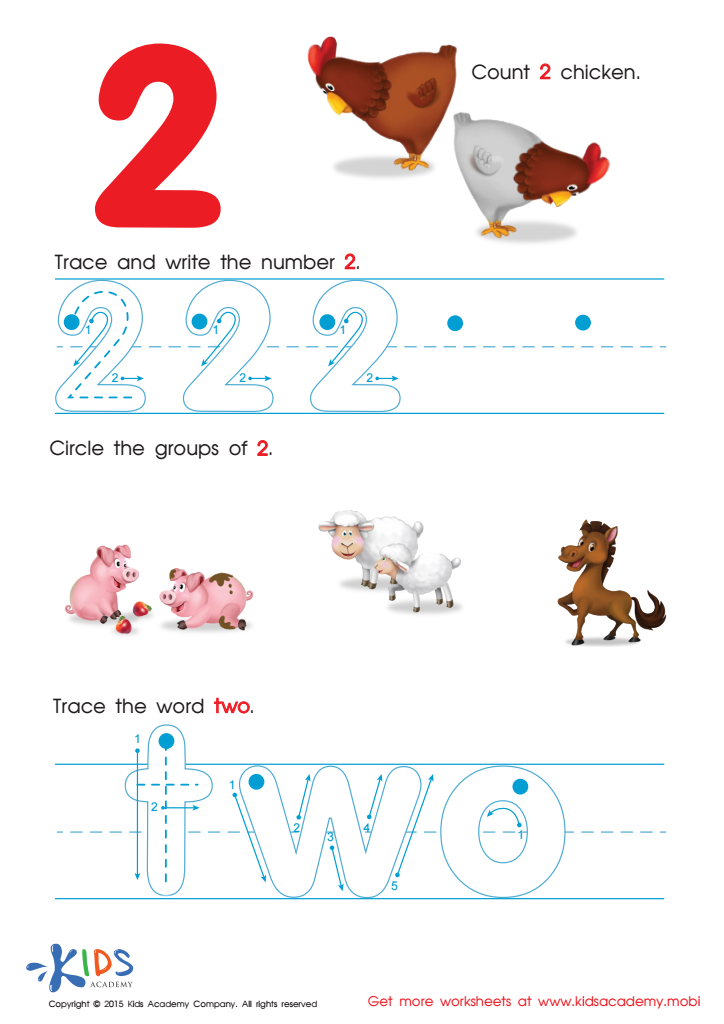
Learn to Write the Number 2 Worksheet
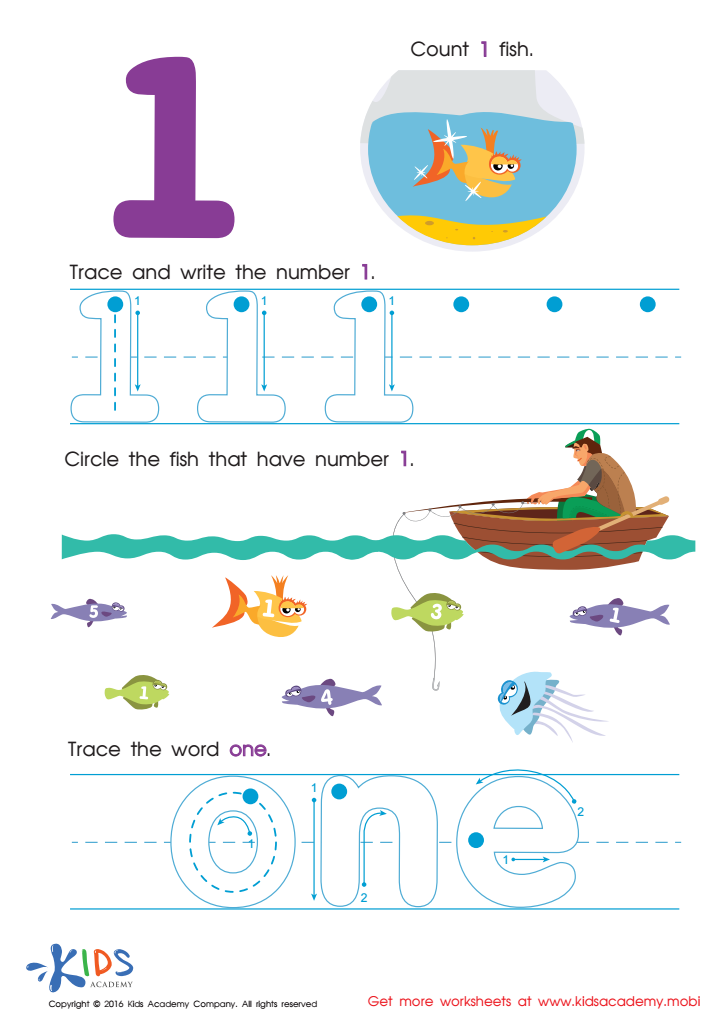
Learning to Write 1 Worksheet
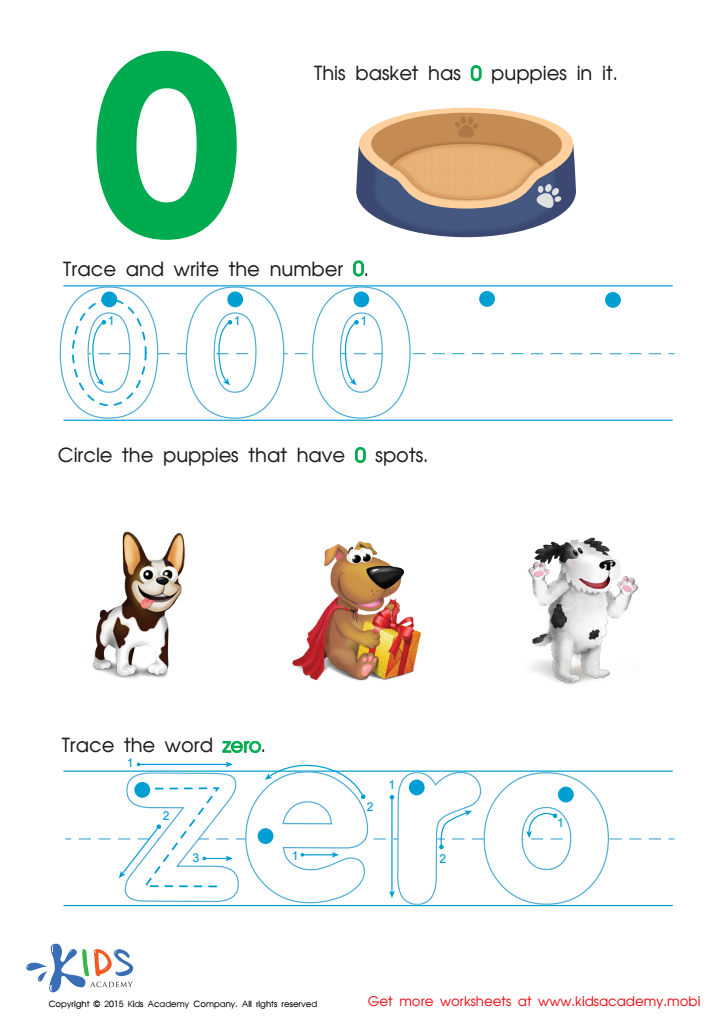
Trace And Write Number 0 Worksheet

The Sun and a Bee Spelling Worksheet
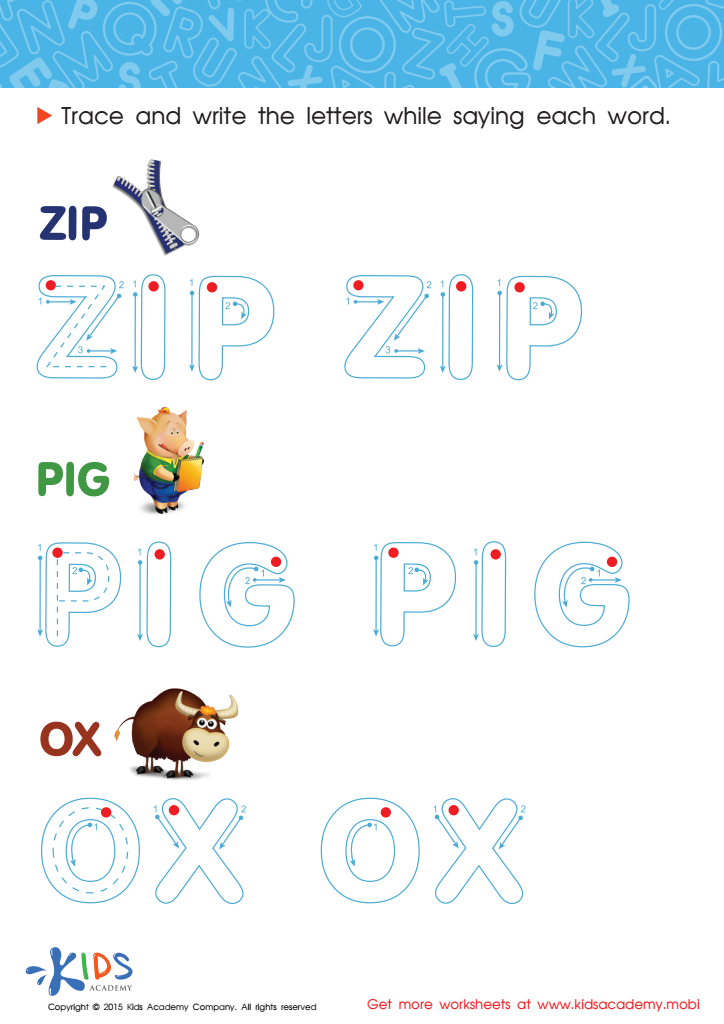
A Zip, a Pig and an Ox Spelling Worksheet
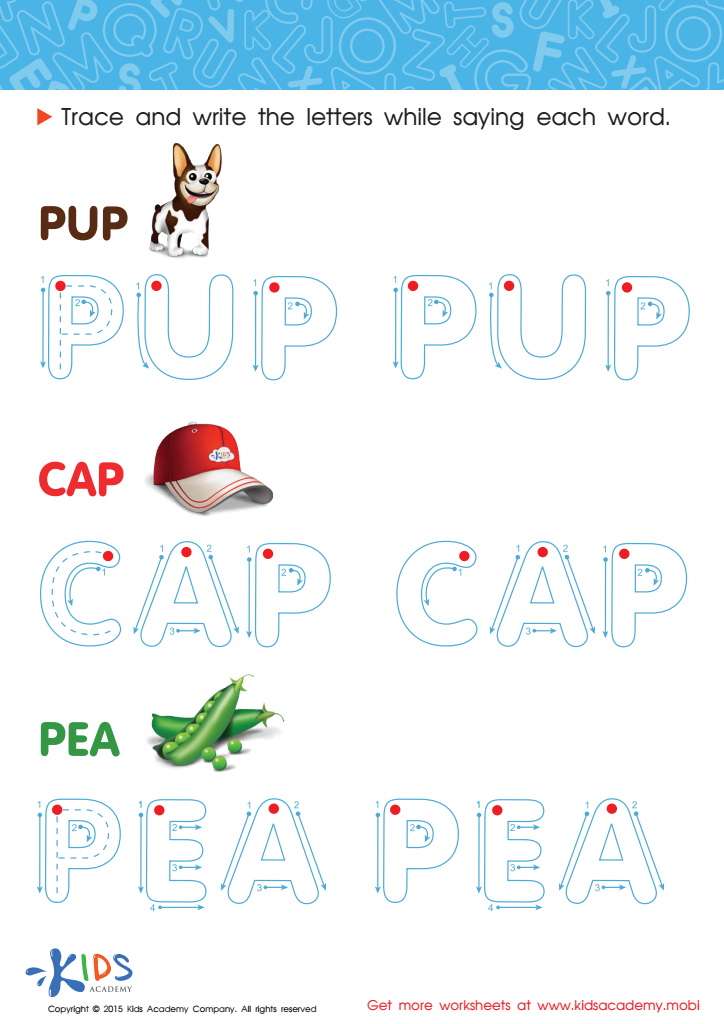
A Pup, a Cap and a Pea Spelling Worksheet
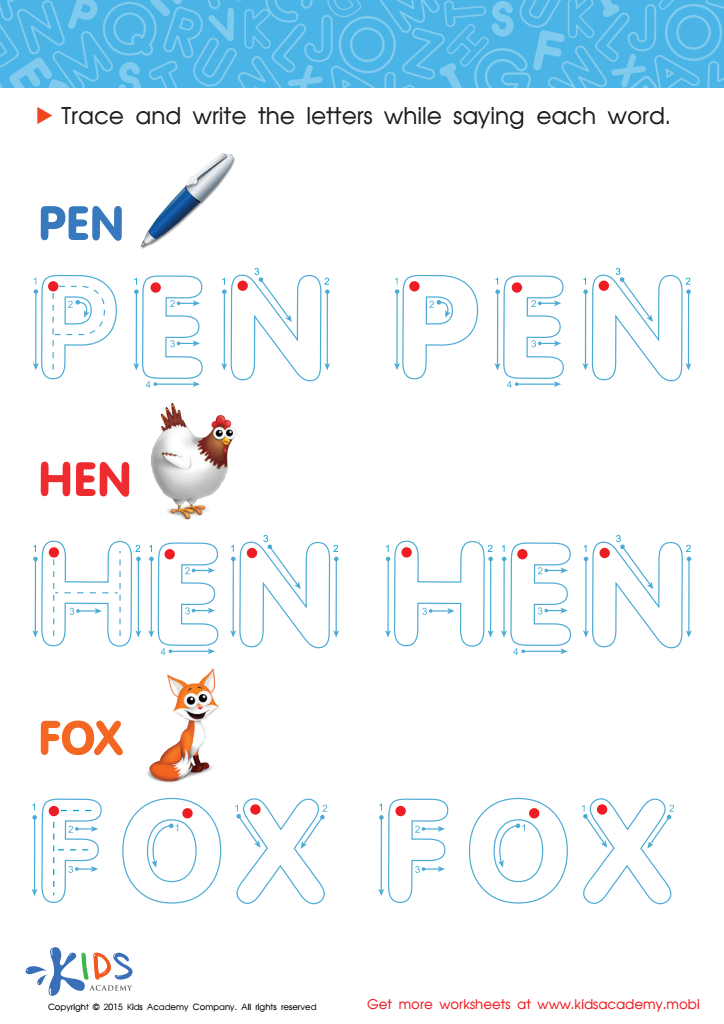
A Pen, a Hen and a Fox Spelling Worksheet
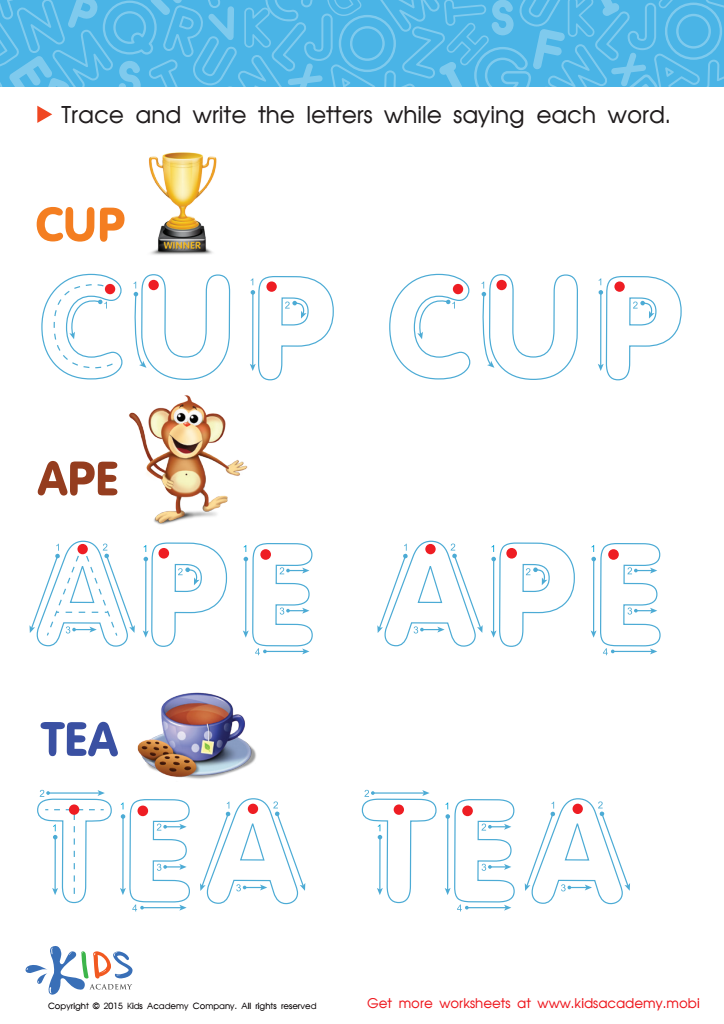
A Cup, an Ape and Tea Spelling Worksheet
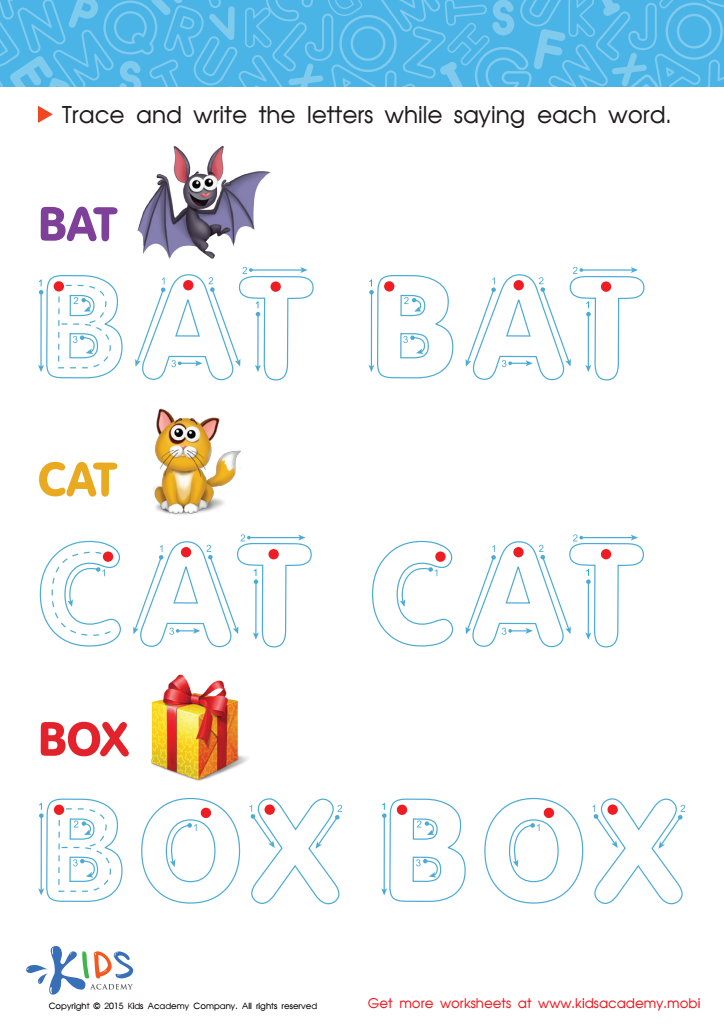
A Bat, a Cat and a Box Spelling Worksheet
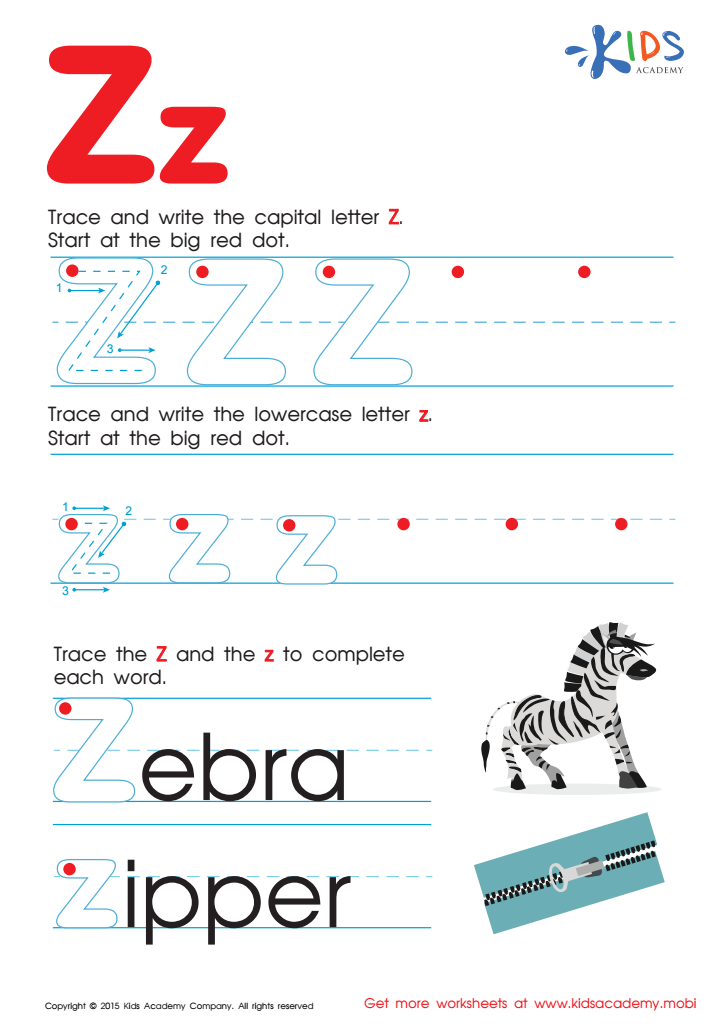
Letter Z Tracing Page
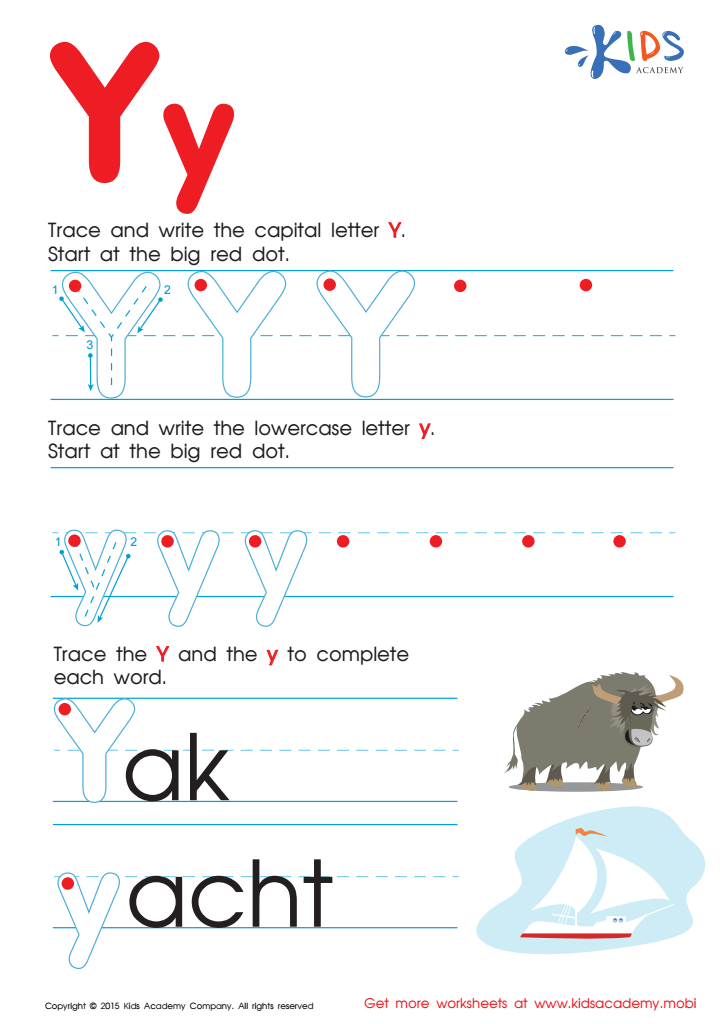
Letter Y Tracing Page
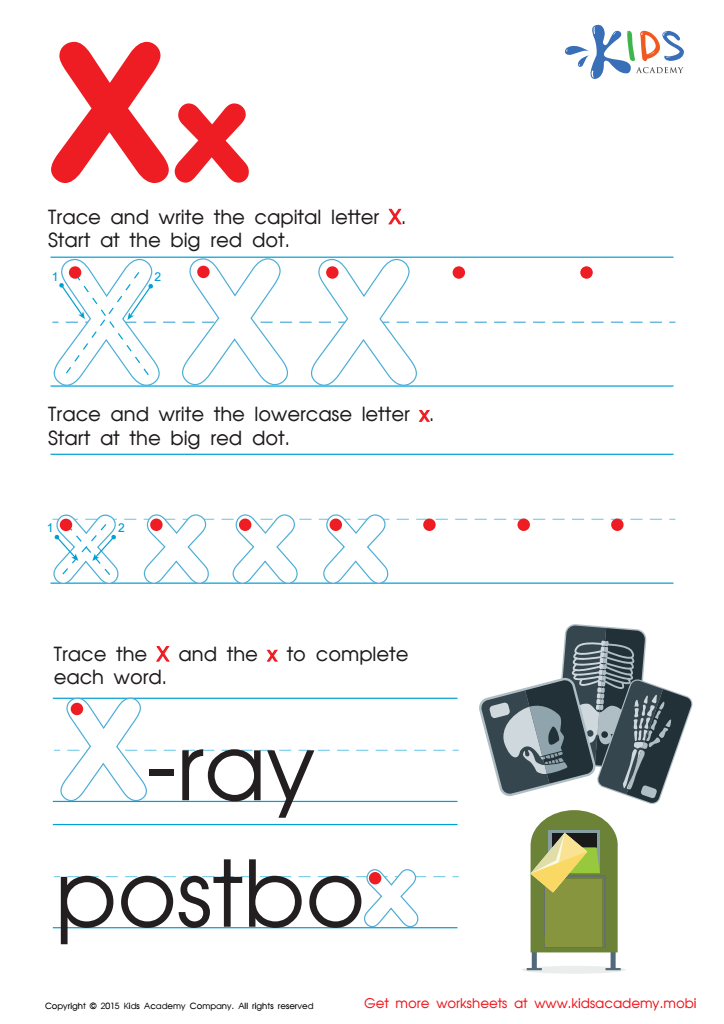
Letter X Tracing Page
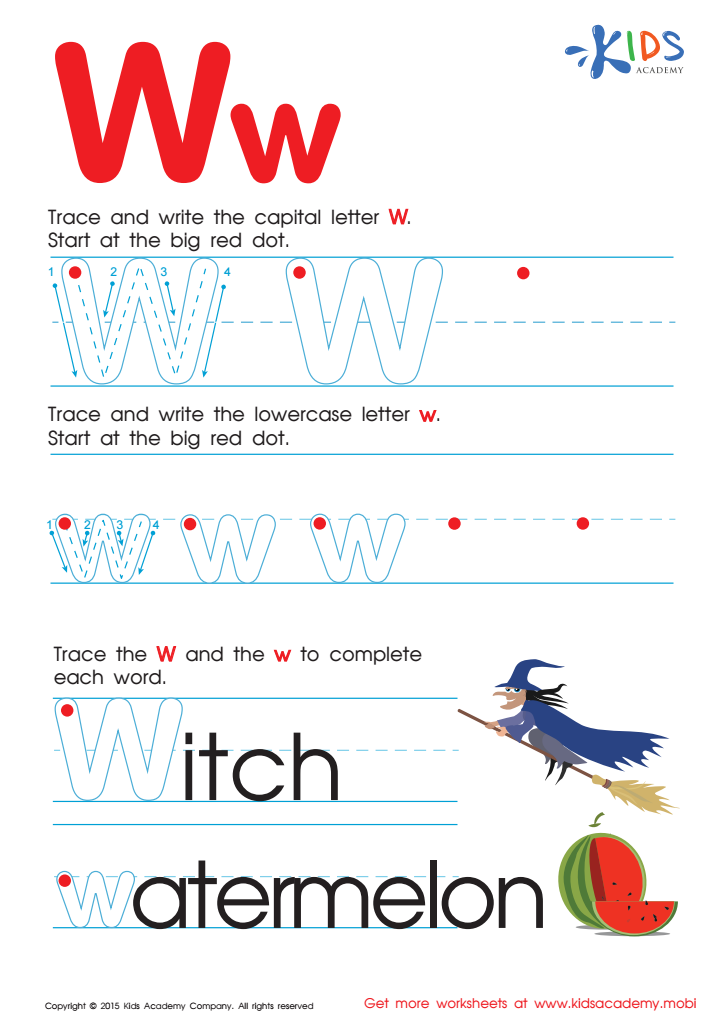
Letter W Tracing Page
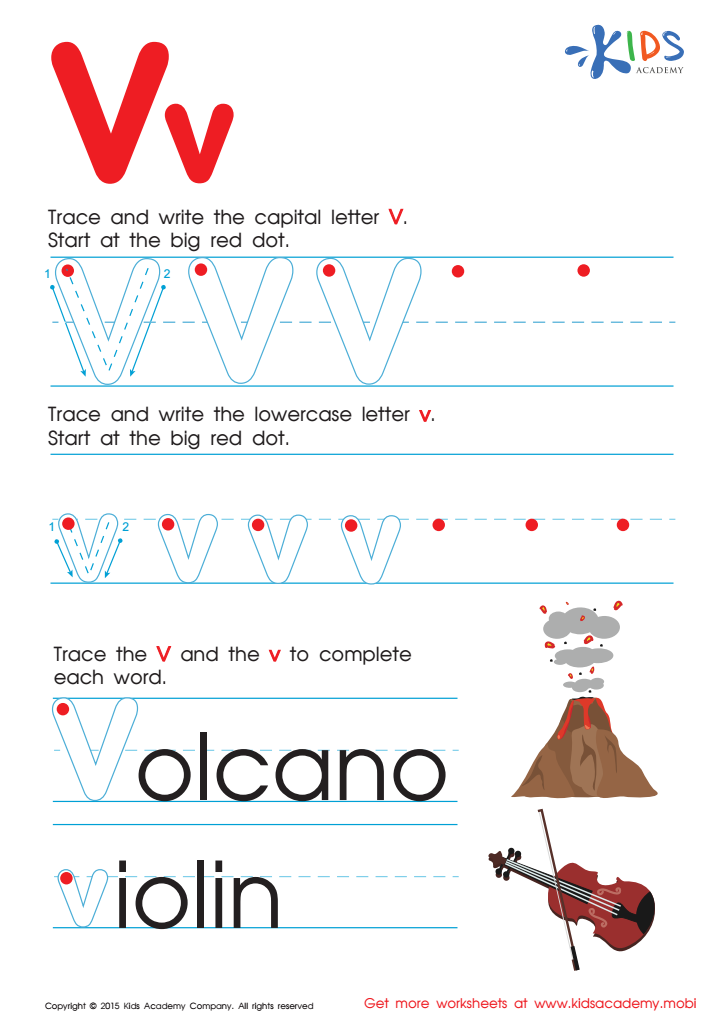
Letter V Tracing Page
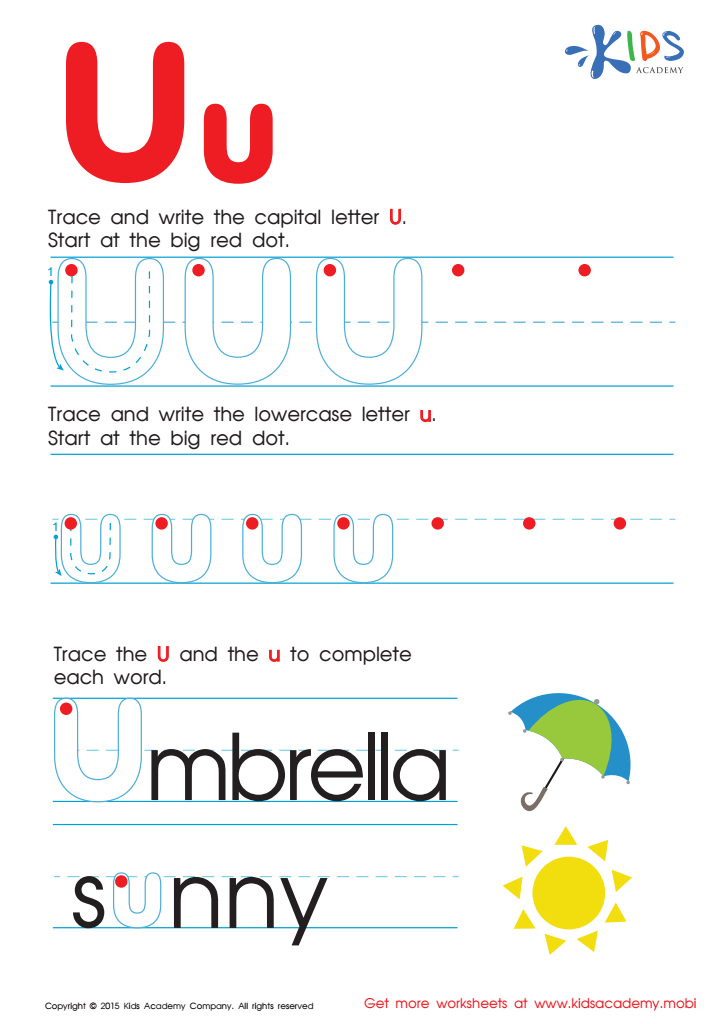
Letter U Tracing Page
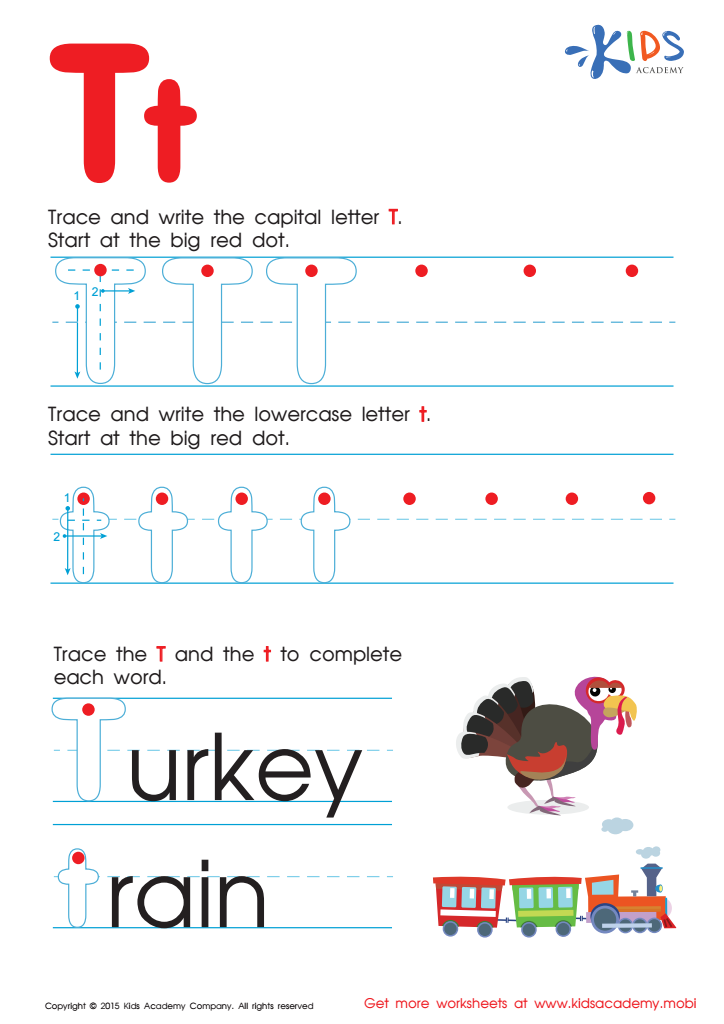
Letter T Tracing Page
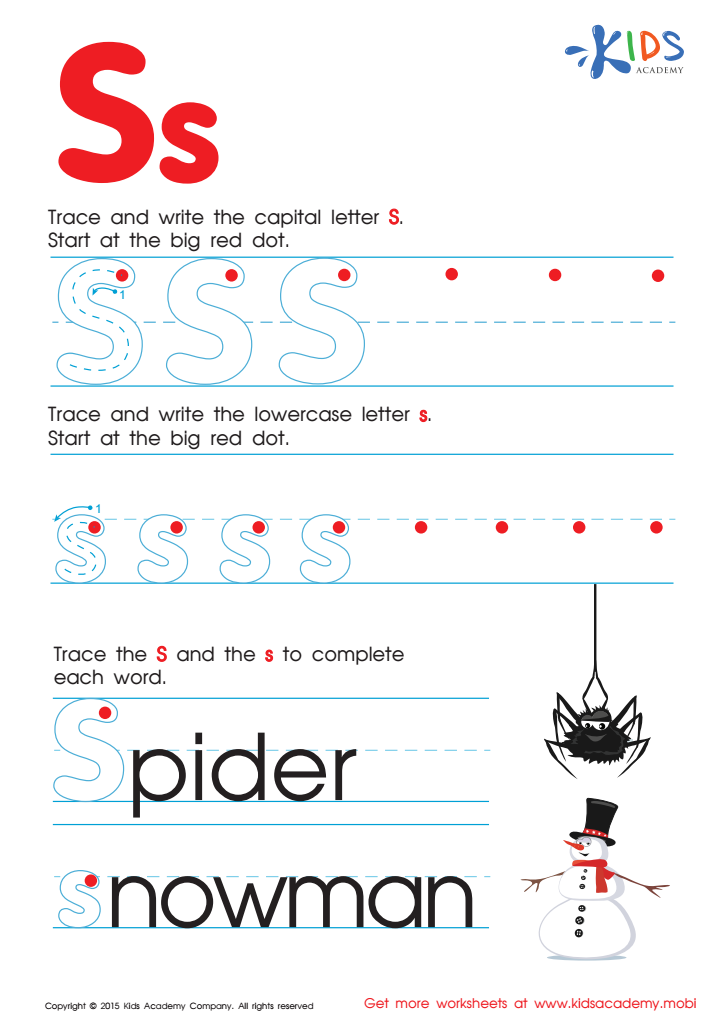
Letter S Tracing Page
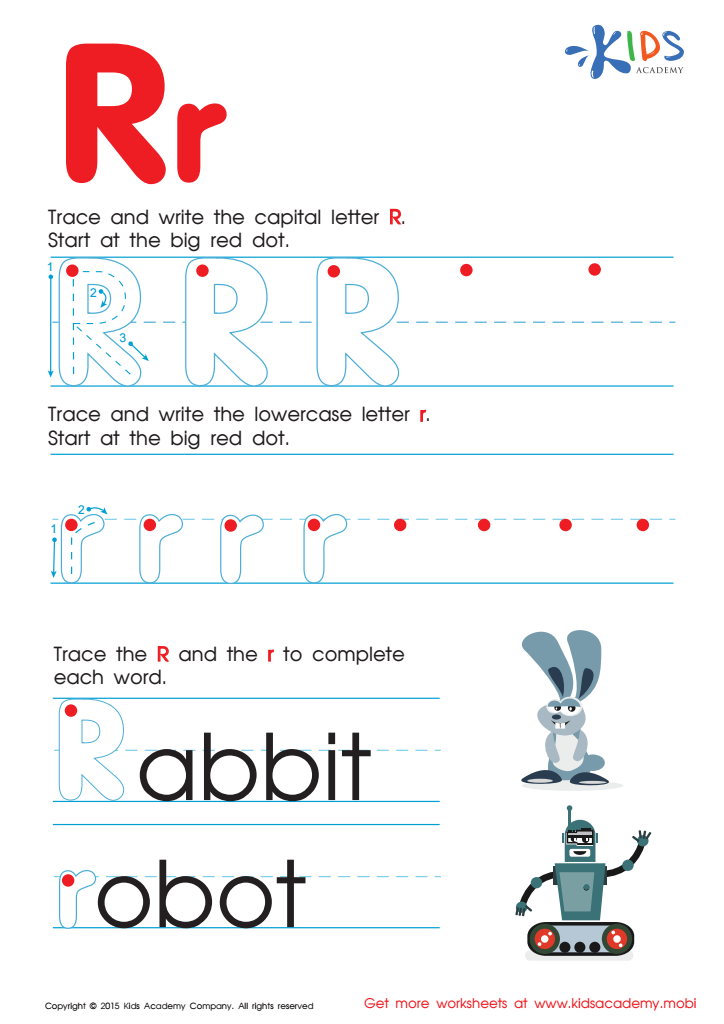
Letter R Tracing Page
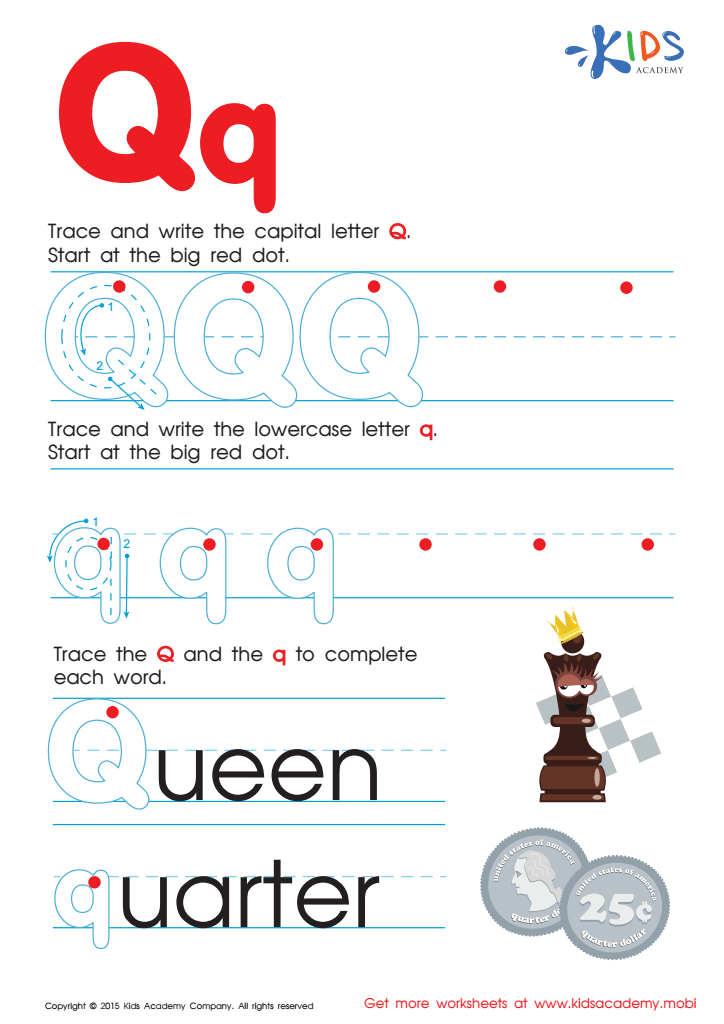
Letter Q Tracing Page








Tracing activities for children ages 5-9 are crucial components of early childhood education that offer numerous benefits for both parents and teachers. At this age, children are in a vital stage of developing fine motor skills, hand-eye coordination, and penmanship. Tracing helps enhance their muscle memory as they learn to manipulate writing instruments with greater precision. This foundational skill not only aids in handwriting but also contributes to their ability to draw and engage in various craft activities.
Moreover, tracing fosters cognitive development, as it encourages spatial awareness and pattern recognition. By following lines and shapes, children learn about shape formation and begin to understand the structure of letters, numbers, and other symbols, reinforcing their literacy and numeracy skills.
As children trace, they also engage in focus and concentration, improving their attention span—important skills for academic success. Additionally, tracing activities can be enjoyable and provide creative opportunities, allowing children to express themselves artistically and develop a sense of achievement.
For parents and teachers, incorporating tracing activities into learning routines not only supports children’s academic skills but also nurtures their confidence and enthusiasm for learning, making it a worthwhile endeavor.








