Alphabet worksheets activities for Ages 6-7
14 filtered results
-
From - To
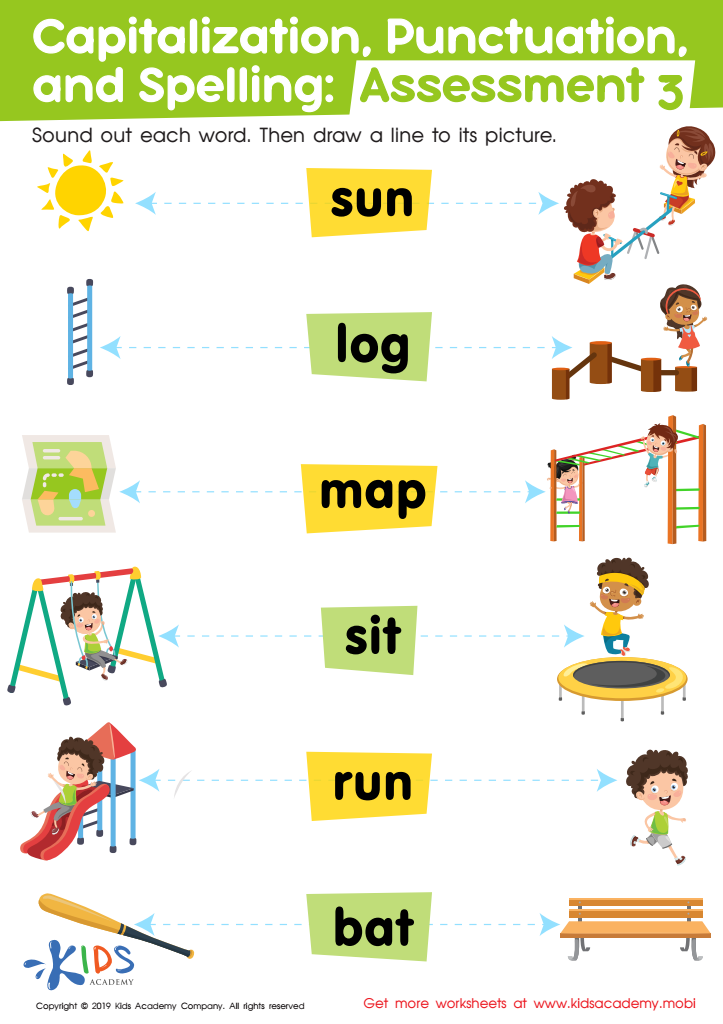
Capitalization. Punctuation. Spelling. Assessment 3 Worksheet
 Assign to My Students
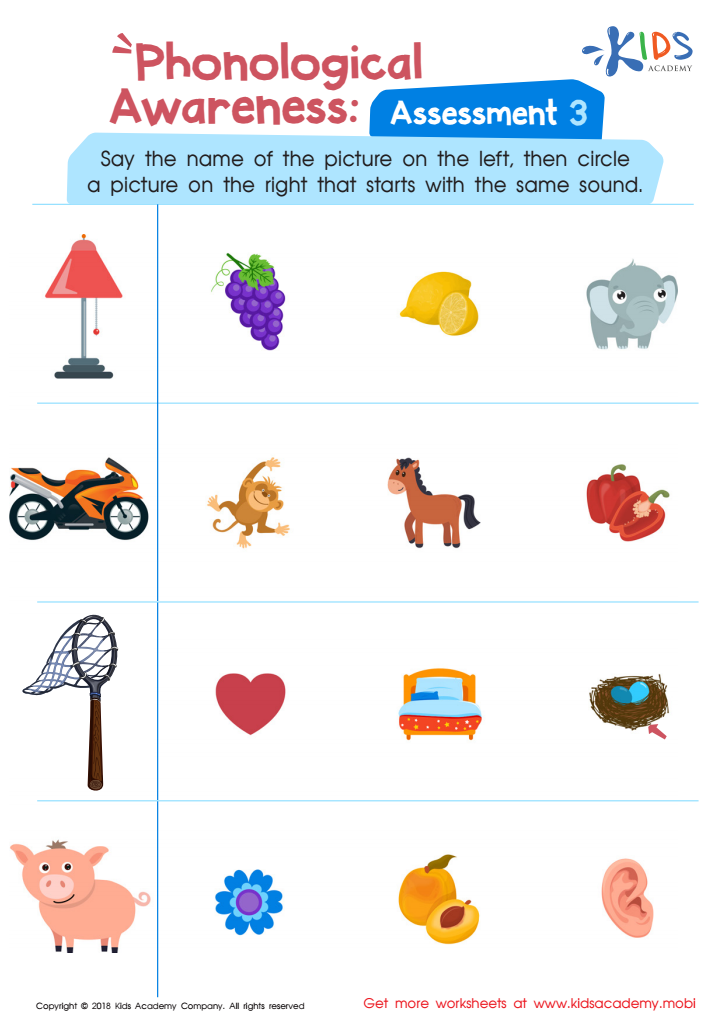
Phonological Awareness: Assessment 3 Worksheet
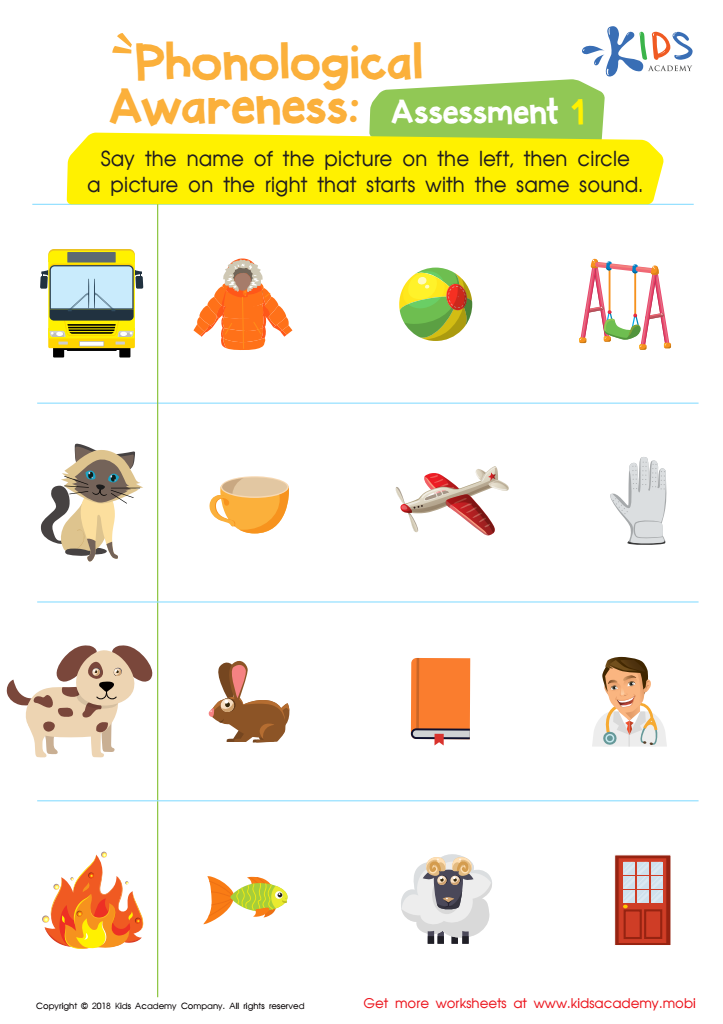
Phonological Awareness: Assessment 1 Worksheet
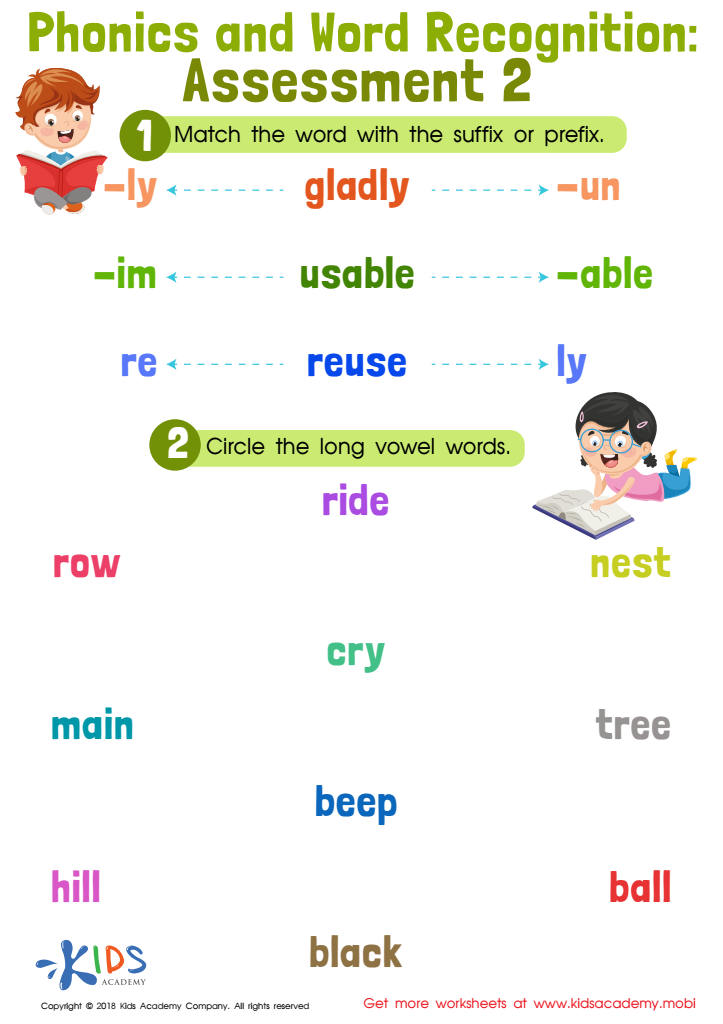
Phonics and Word Recognition: Assessment 2
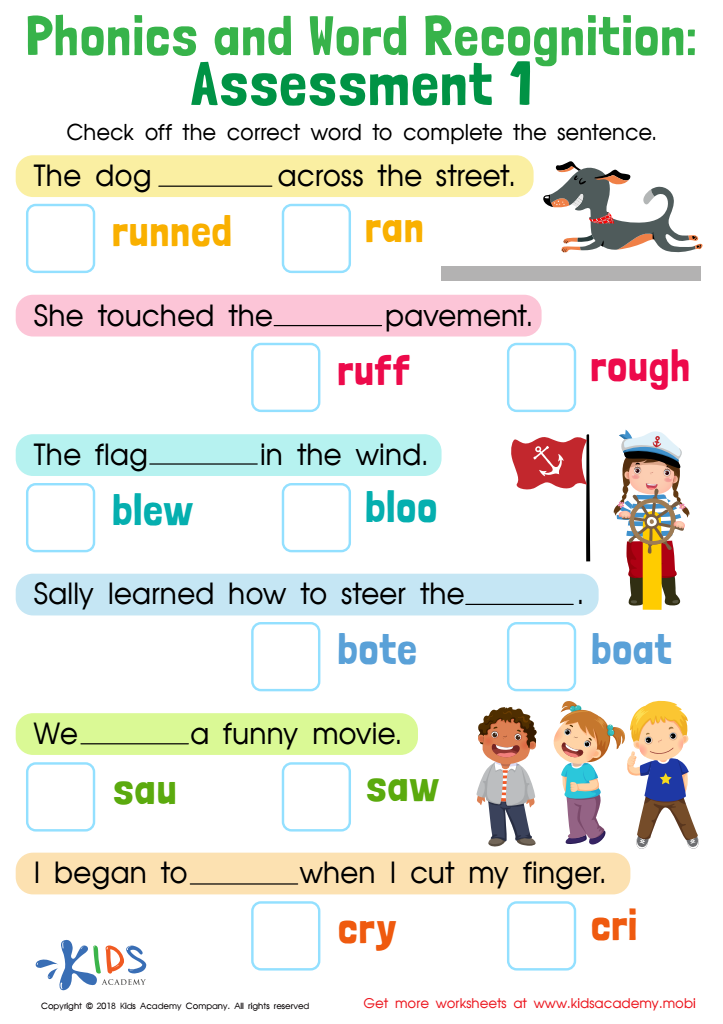
Phonics and Word Recognition: Assessment 1 Worksheet
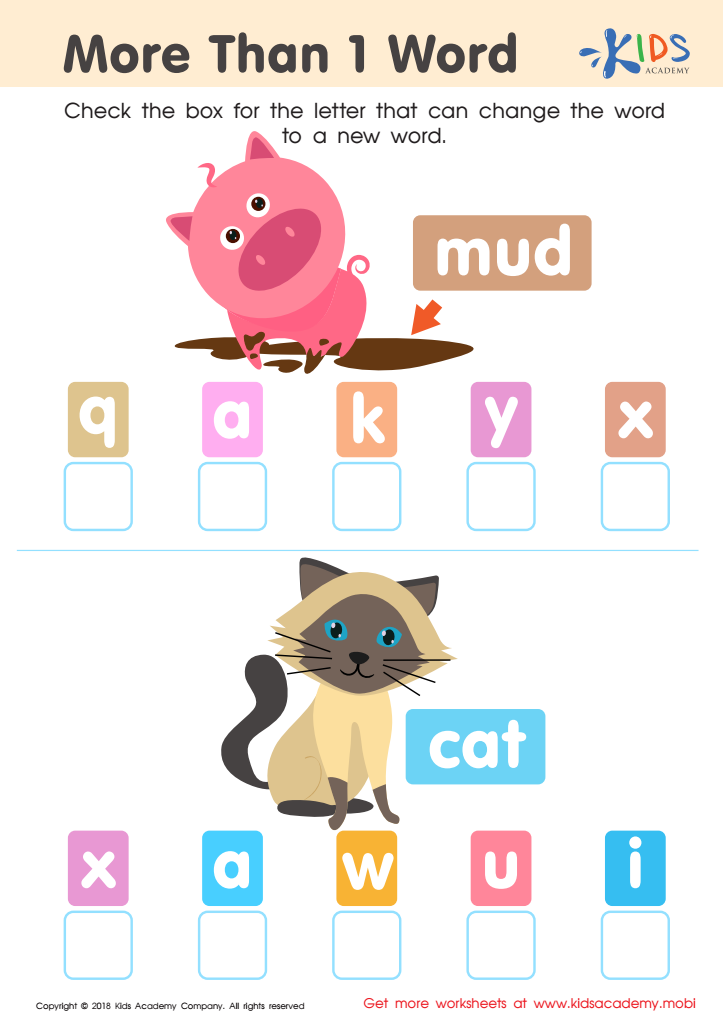
More than 1 word Worksheet
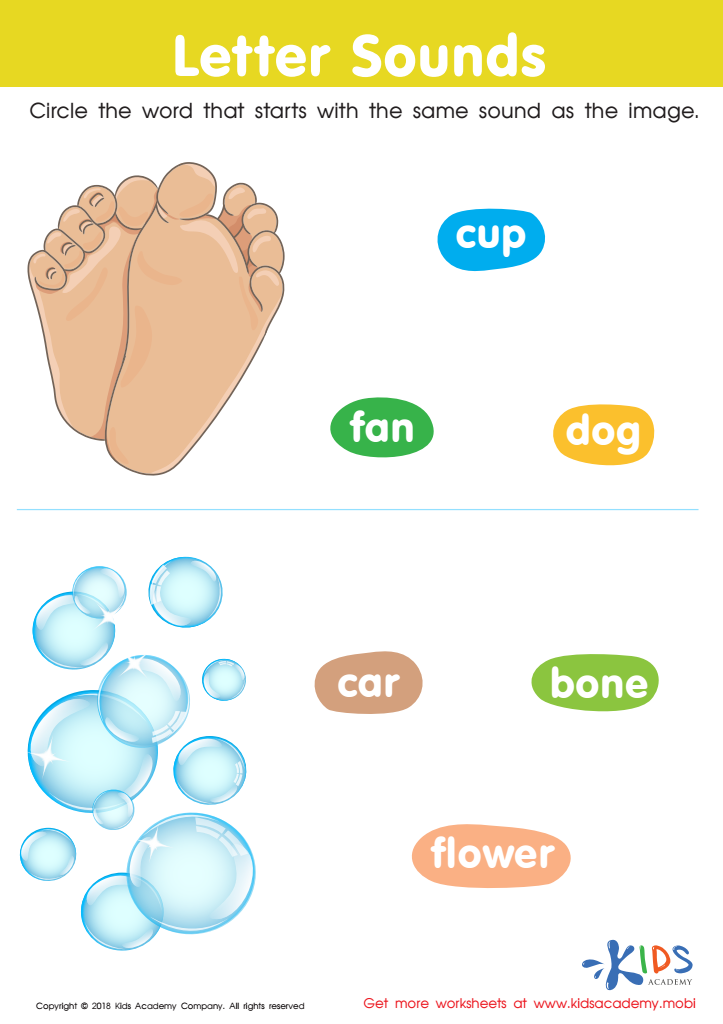
letter sounds Worksheet
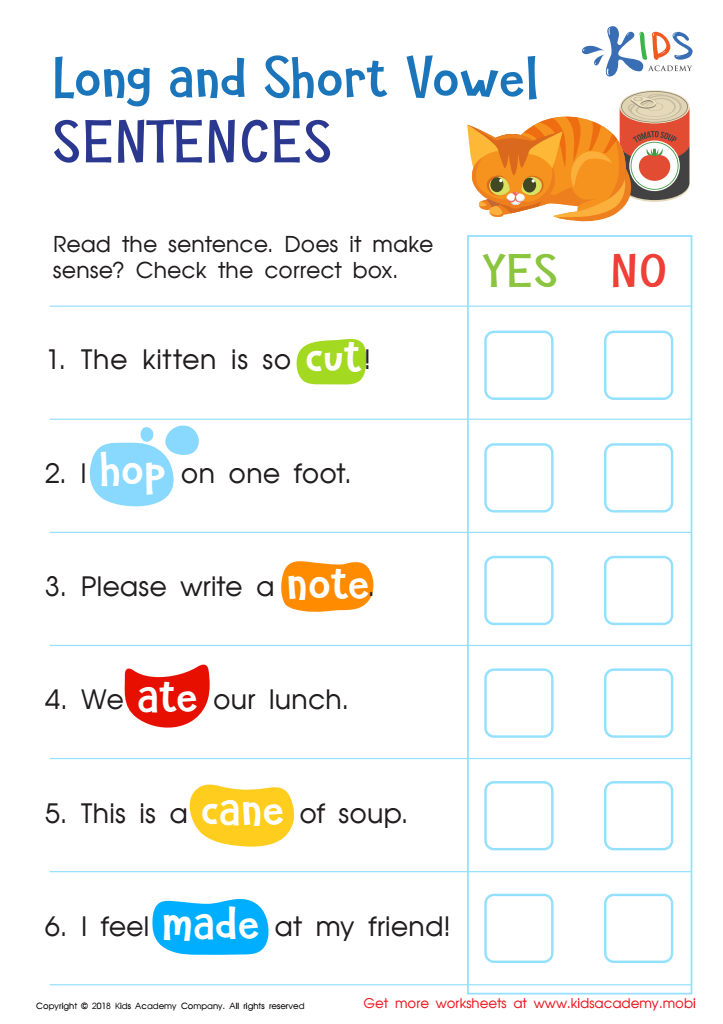
Long and Short Vowel Sentences: Assessment Worksheet
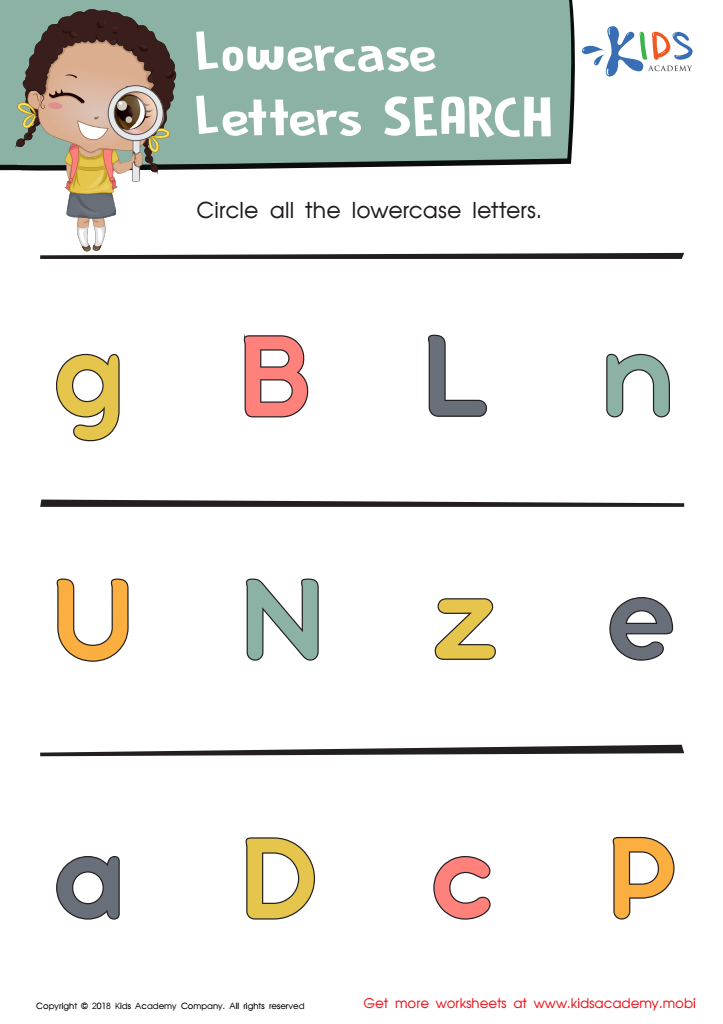
Lowercase Letters Search: Assessment Worksheet
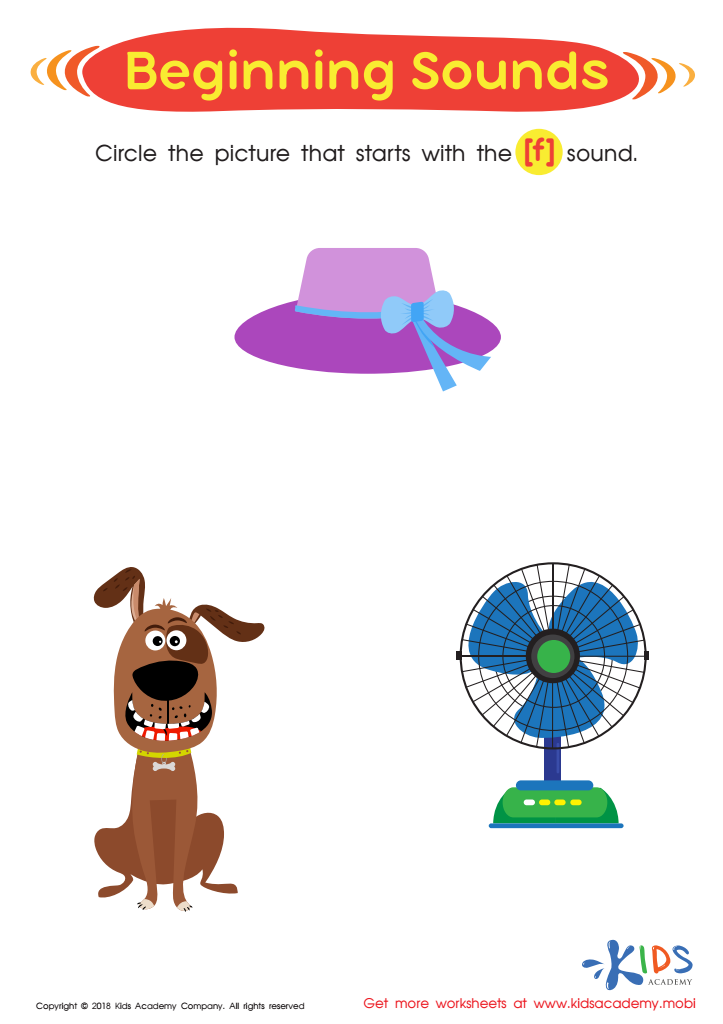
Beginning Sounds Assessment Printable
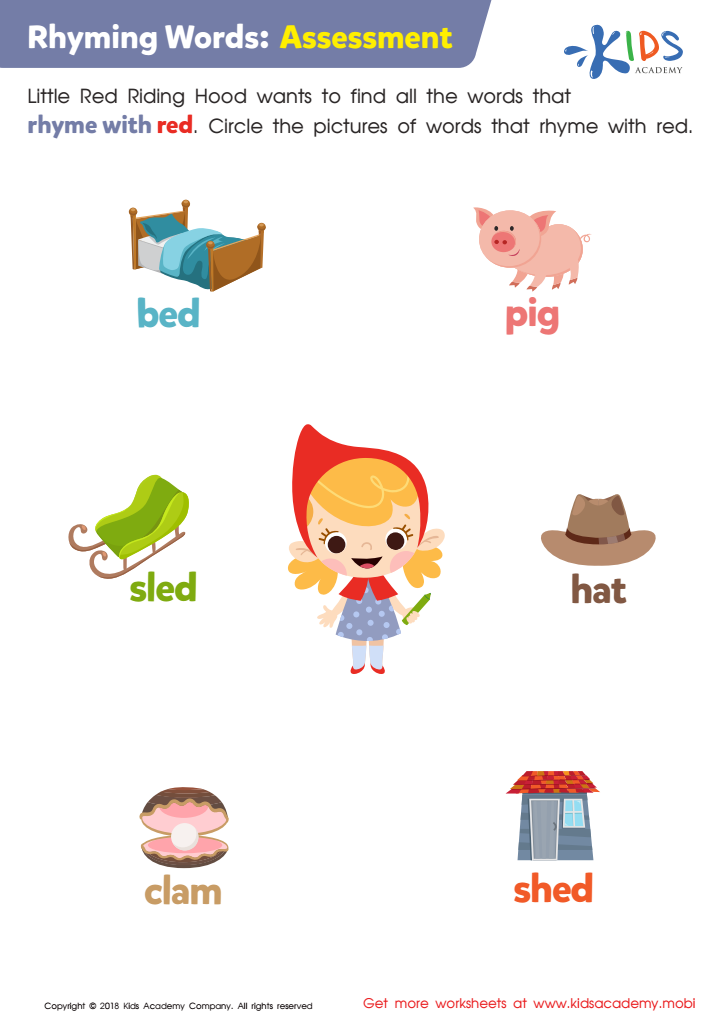
Rhyming Words: Assessment Worksheet
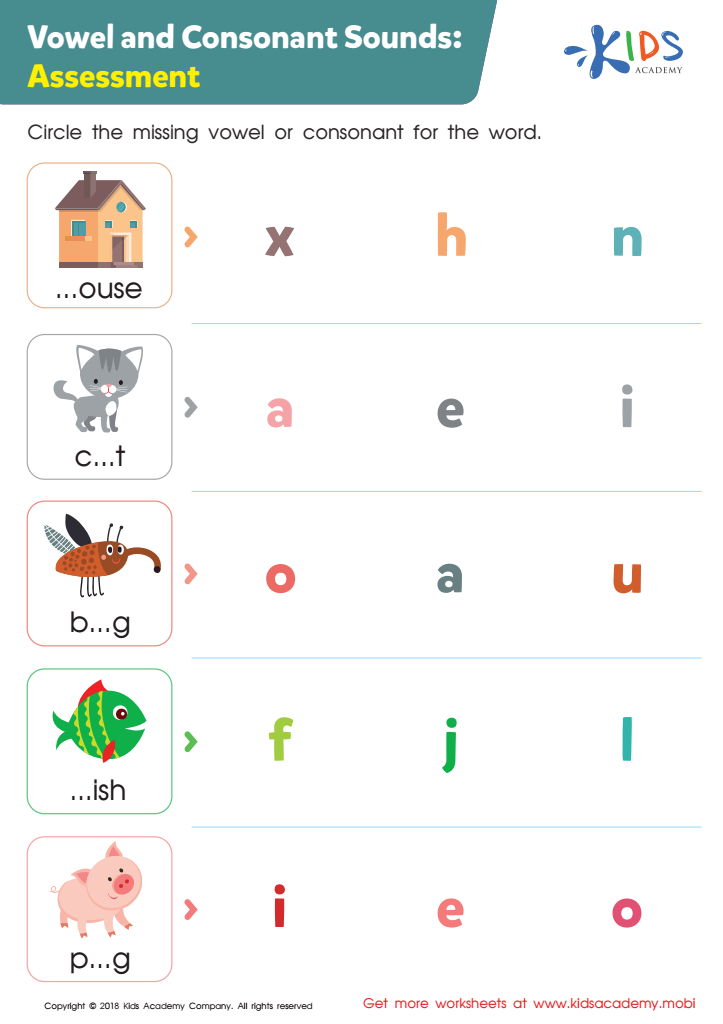
Vowel and Consonant Sounds: Assessment Worksheet
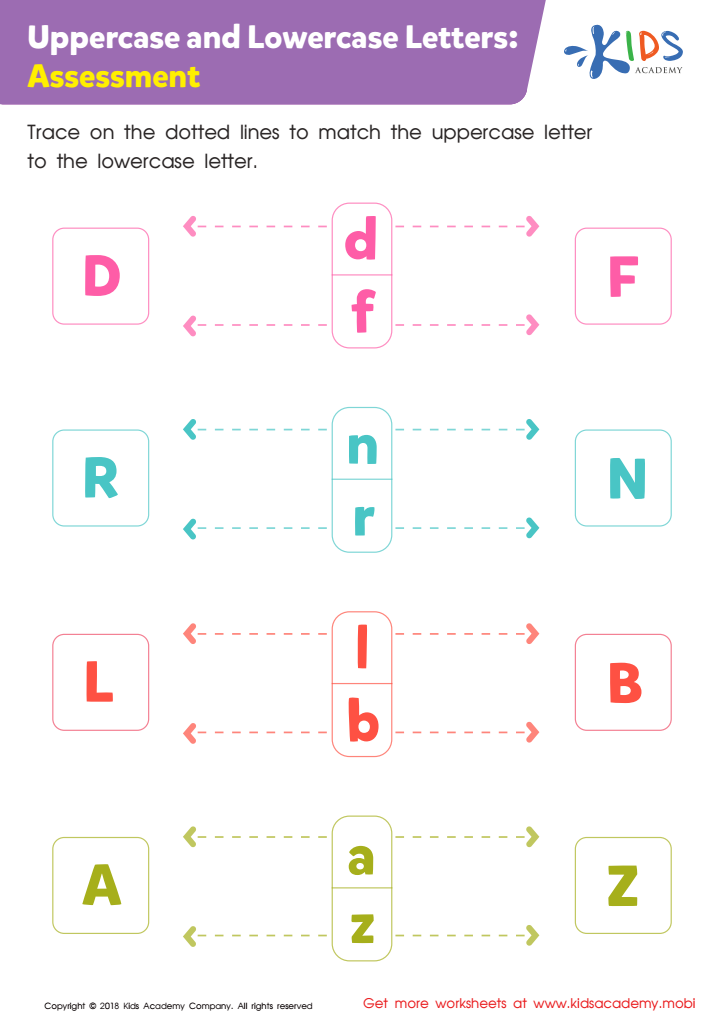
Uppercase and Lowercase Letters: Assessment Worksheet
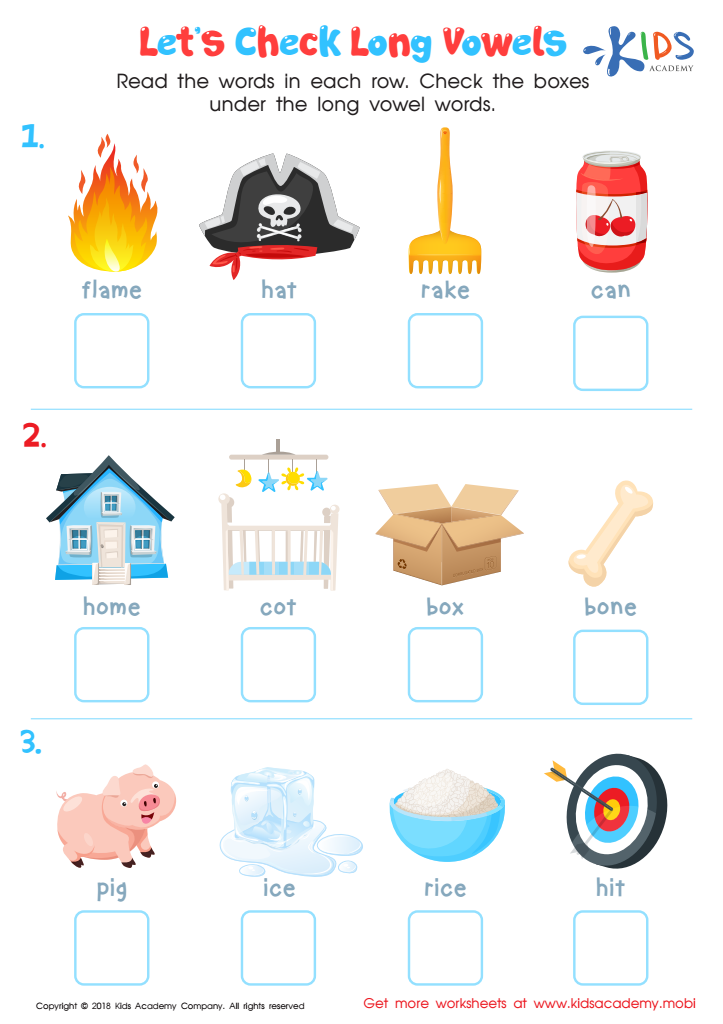
Let's Check Long Vowels: Assessment Worksheet






Alphabet worksheets activities stand out as an invaluable tool in the foundational phase of learning, especially for young learners embarking on their literacy journey. These activities are not just another task to complete; they are gateways to unlocking the world of language, enabling children to make sense of the letters that form the backbone of all written communication.
First and foremost, Alphabet worksheets activities cater to the development of fine motor skills. As children trace, write, and color letters, they refine their hand-eye coordination and pencil control, which are critical for their academic and everyday tasks. Engaging in these activities repeatedly helps solidify these skills, making future learning tasks more approachable and less daunting.
Moreover, these activities serve as a critical stepping stone in phonemic awareness. Through Alphabet worksheets activities, learners are introduced to the sounds associated with each letter, fostering an early understanding of phonics. This foundational knowledge is essential for reading fluency and comprehension as it aids children in decoding new words, significantly impacting their reading journey.
In addition, Alphabet worksheets activities provide a structured way for learners to familiarize themselves with letter shapes and names, creating a visual and auditory link that enhances memory. This recognition is crucial as it lays the groundwork for spelling and writing skills, enabling children to express their thoughts and ideas coherently.
Furthermore, these worksheets offer versatility in teaching methods. They can be designed to cater to various learning styles, whether a child learns best through visual, auditory, or kinesthetic means. This adaptability ensures that each child can engage with the material in a way that resonates best with them, making the learning experience more enjoyable and effective.
In conclusion, Alphabet worksheets activities are more than just simple exercises. They are foundational tools that equip young learners with the skills necessary for successful communication and academic achievement. By incorporating these activities into early education, we pave the way for confident, competent readers and writers who are well-prepared to navigate the complexities of language.








