Tracing worksheets activities for Ages 6-8 - Page 4
147 filtered results
-
From - To
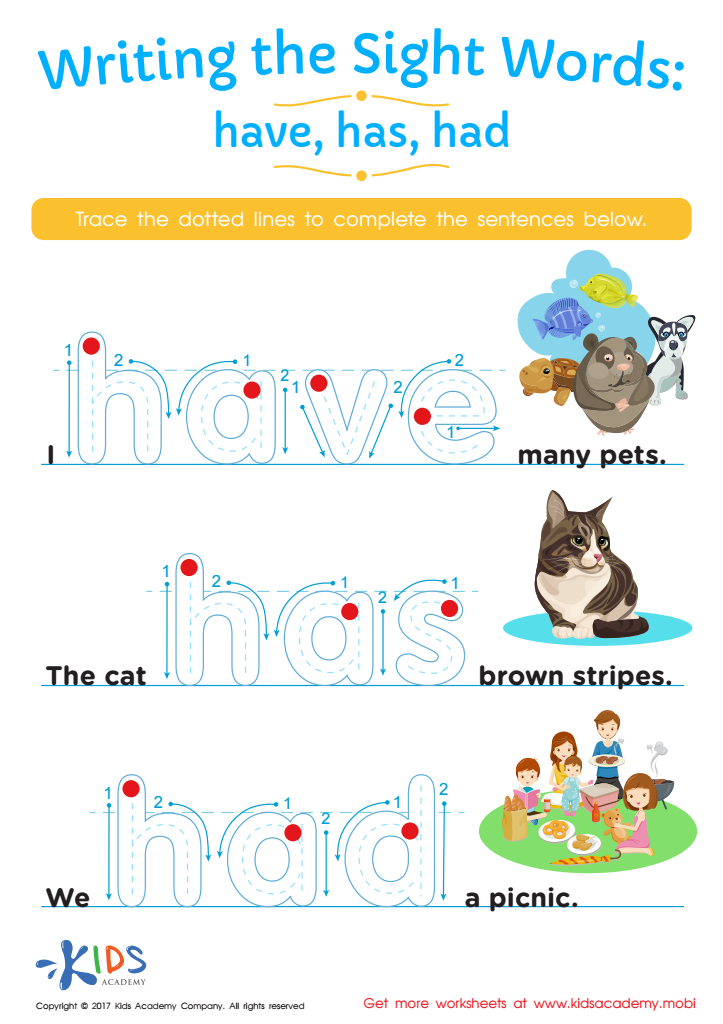
Have, Has, Had Worksheet Sight Words Worksheet
 Assign to My Students
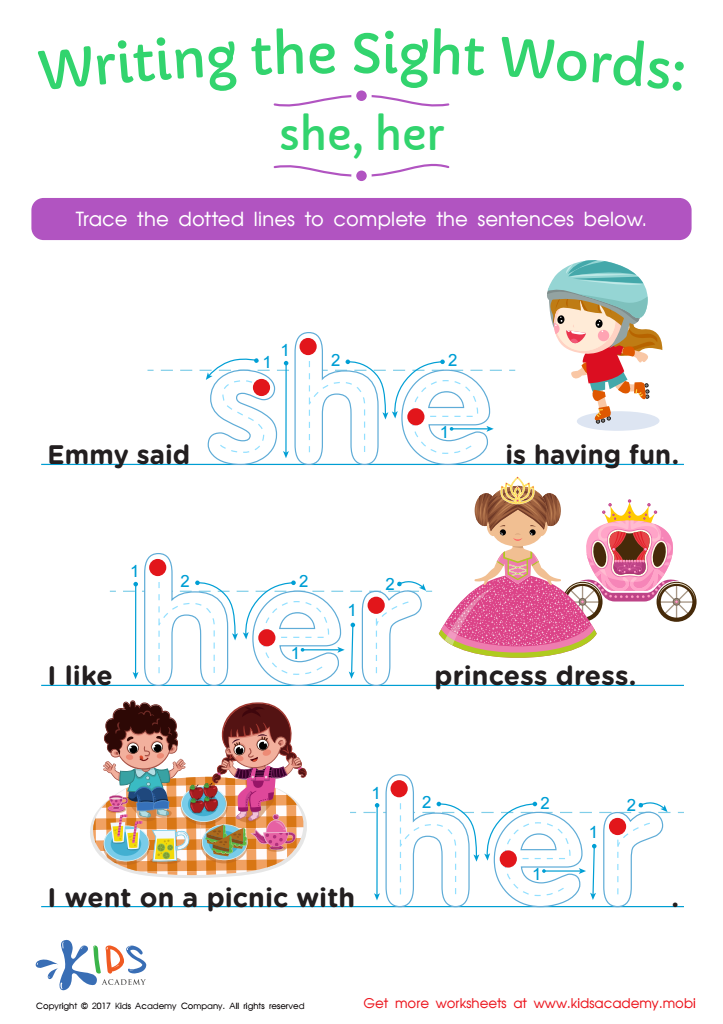
She, Her Printable Sight Words Worksheet
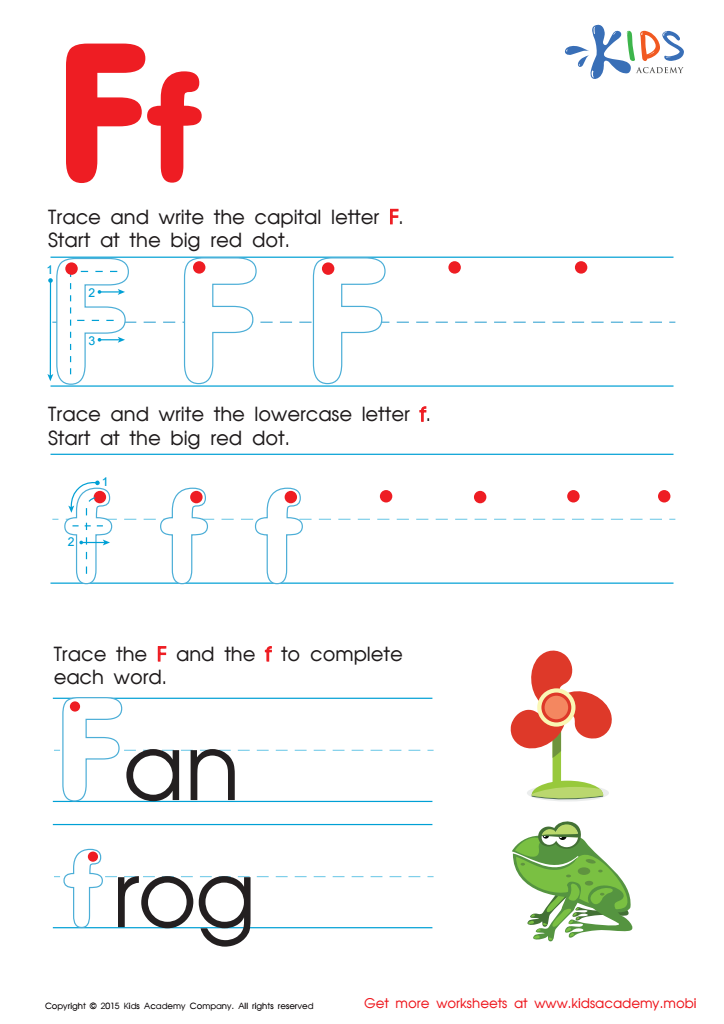
Letter F Tracing Page
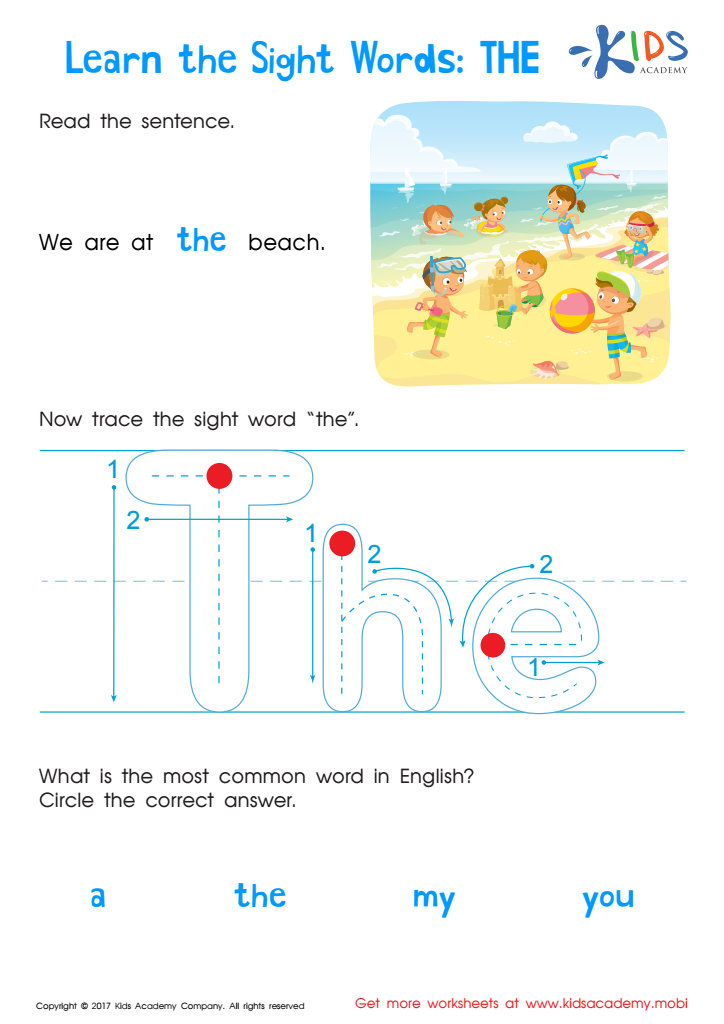
Sight Words: The Worksheet
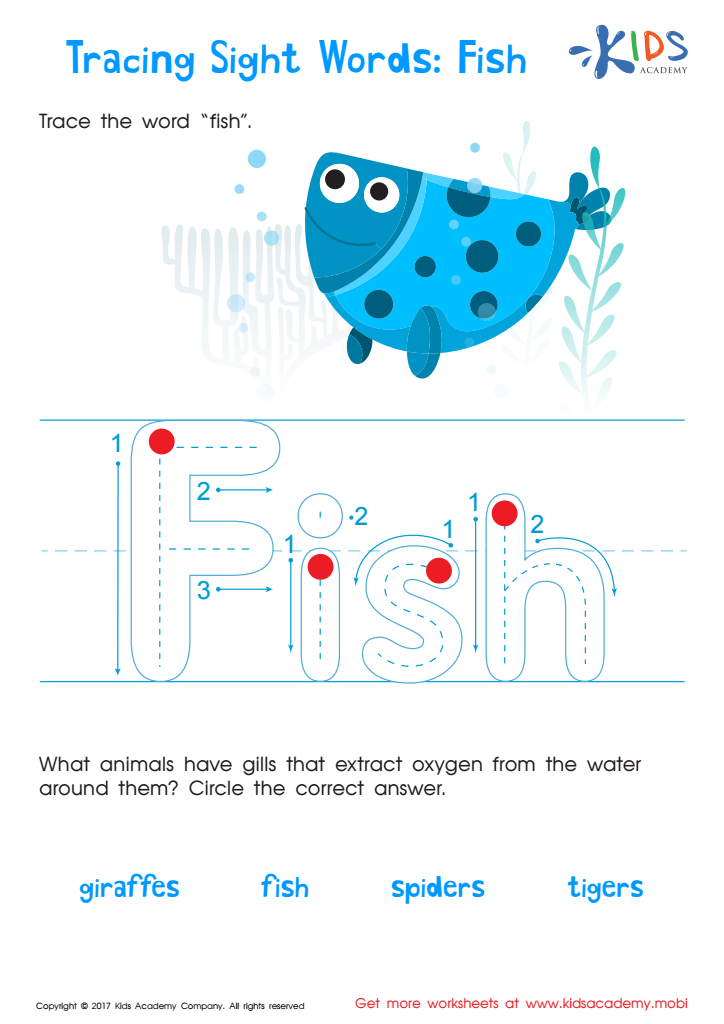
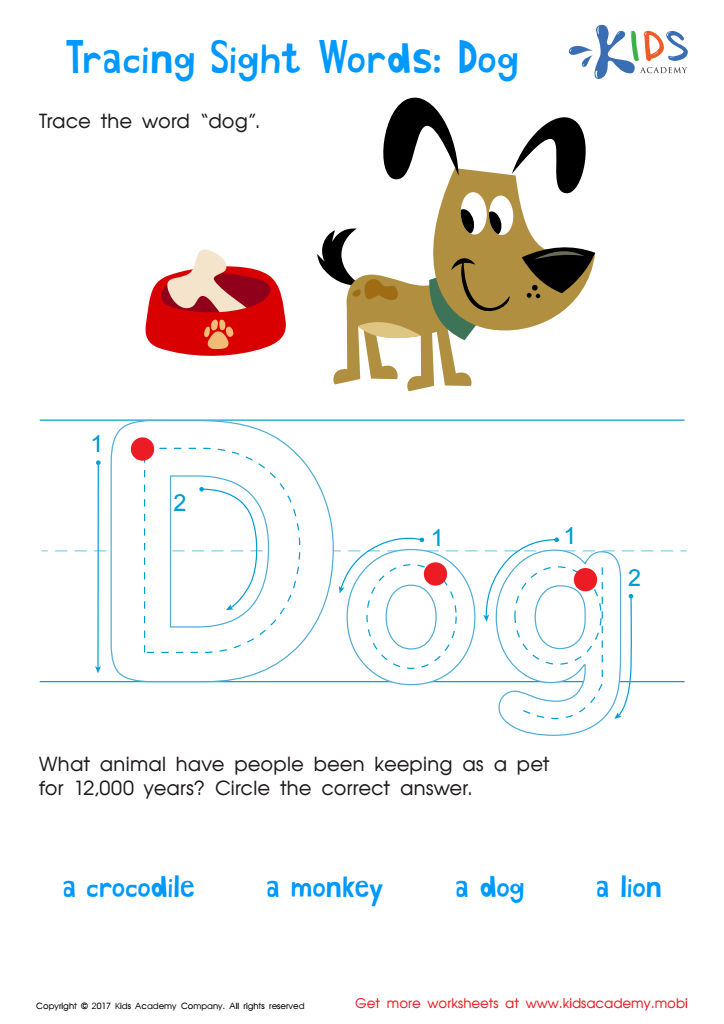
Dog Worksheet Sight Words Worksheet
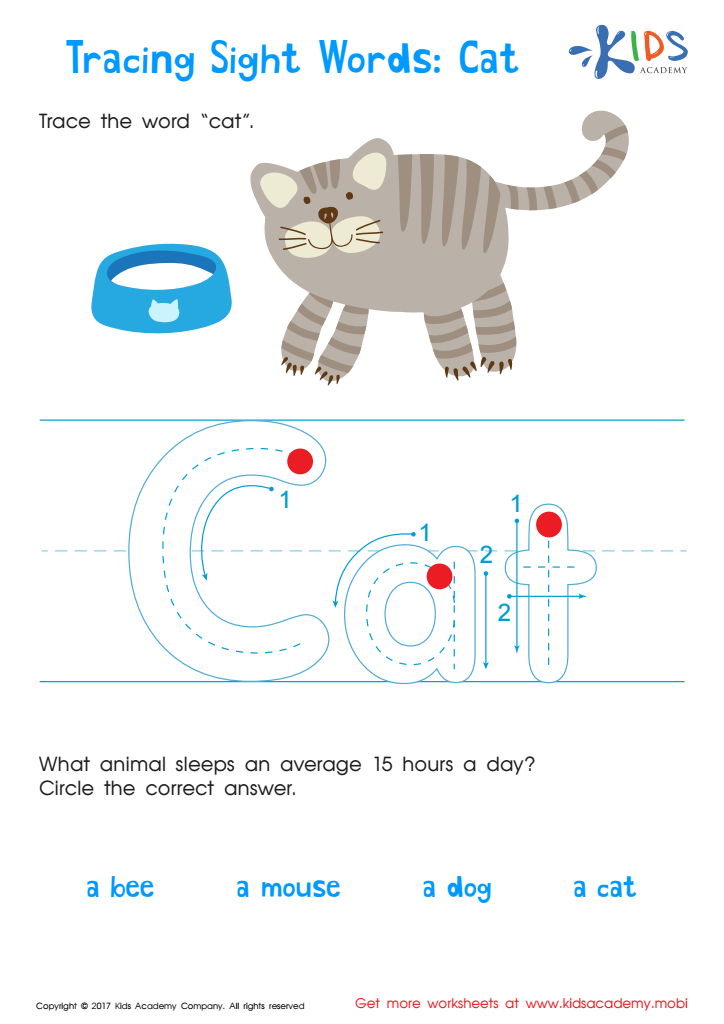
Cat Printable Sight Words Worksheet
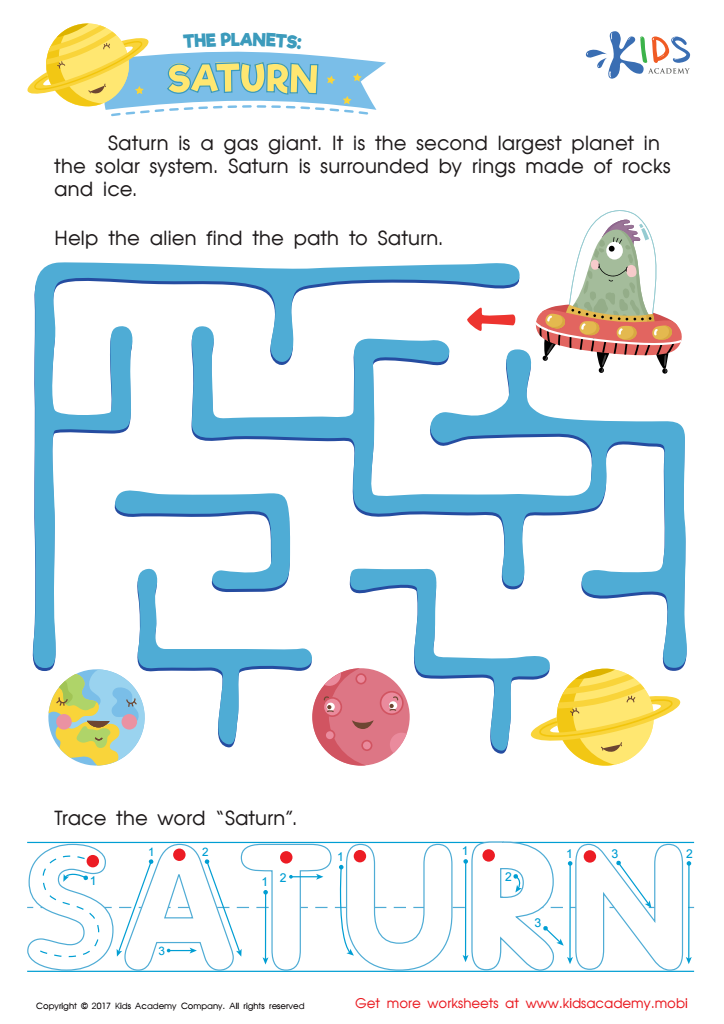
The Planets: Saturn Printable
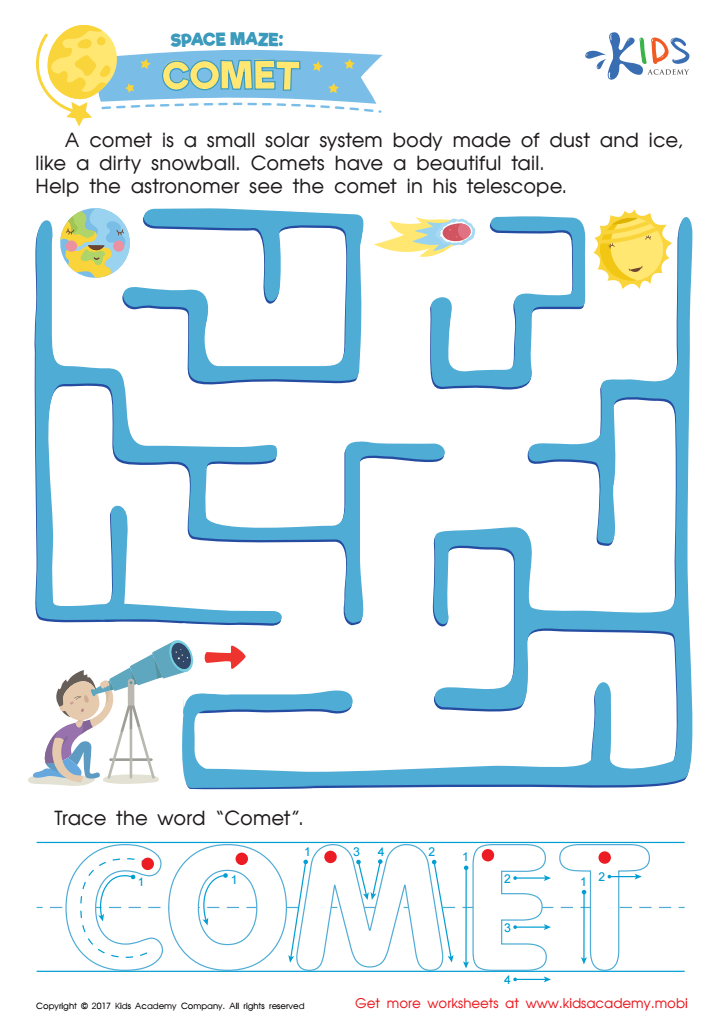


Count the Cherries and Trace the Number 10 Printable
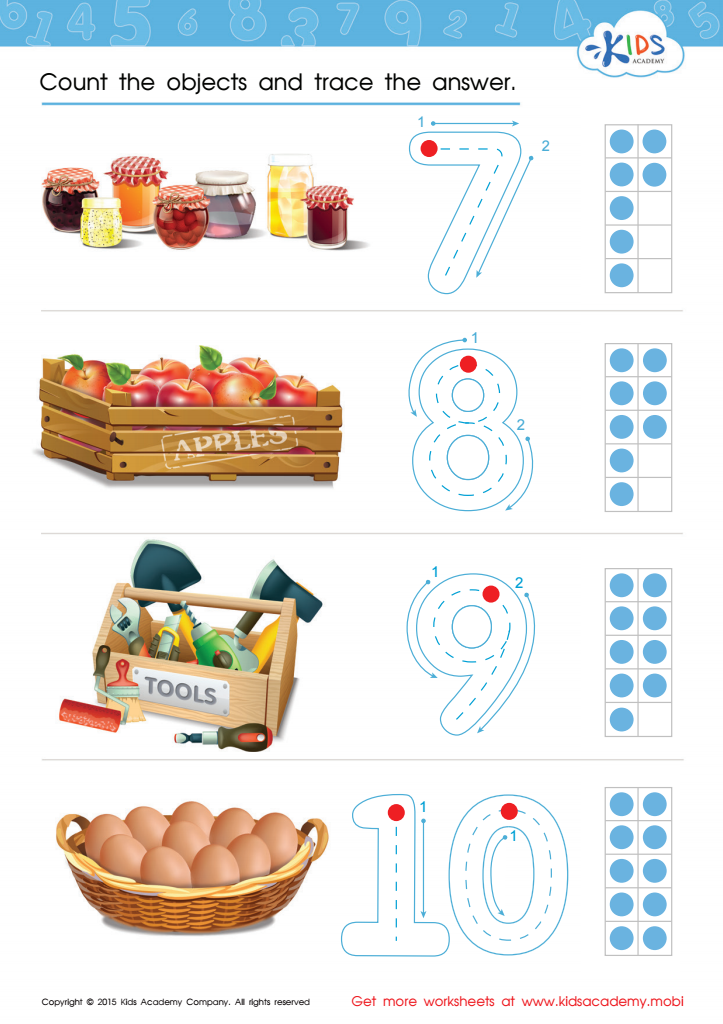
Count and Trace 7 – 10 Worksheet
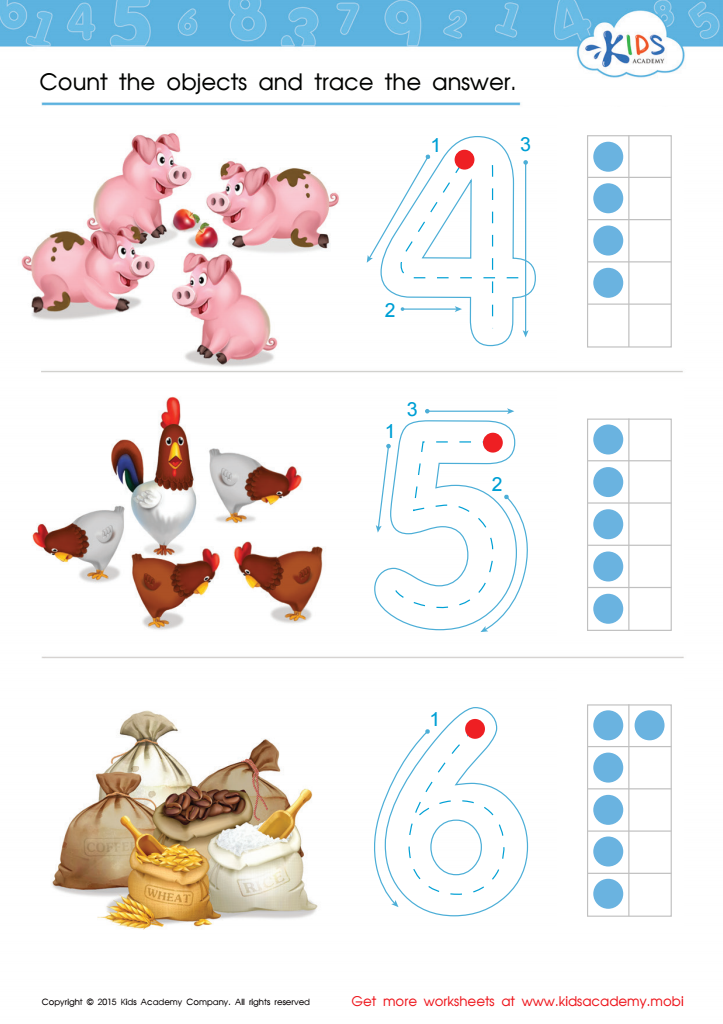
Count and Trace 4 – 6 Worksheet
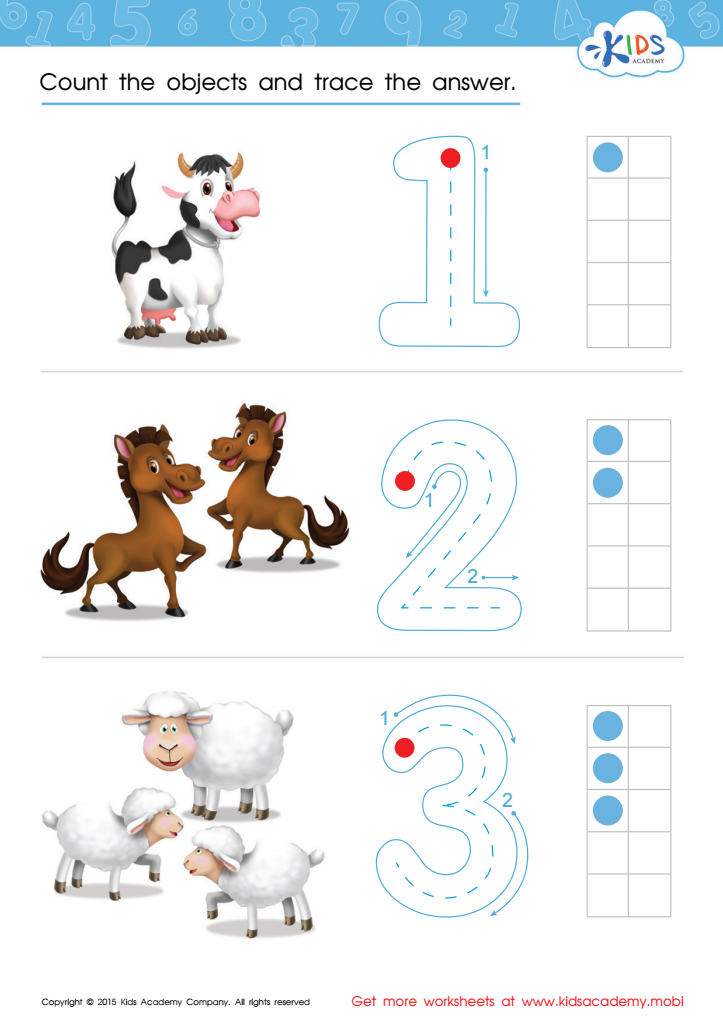
Count and Trace 1 – 3 Worksheet
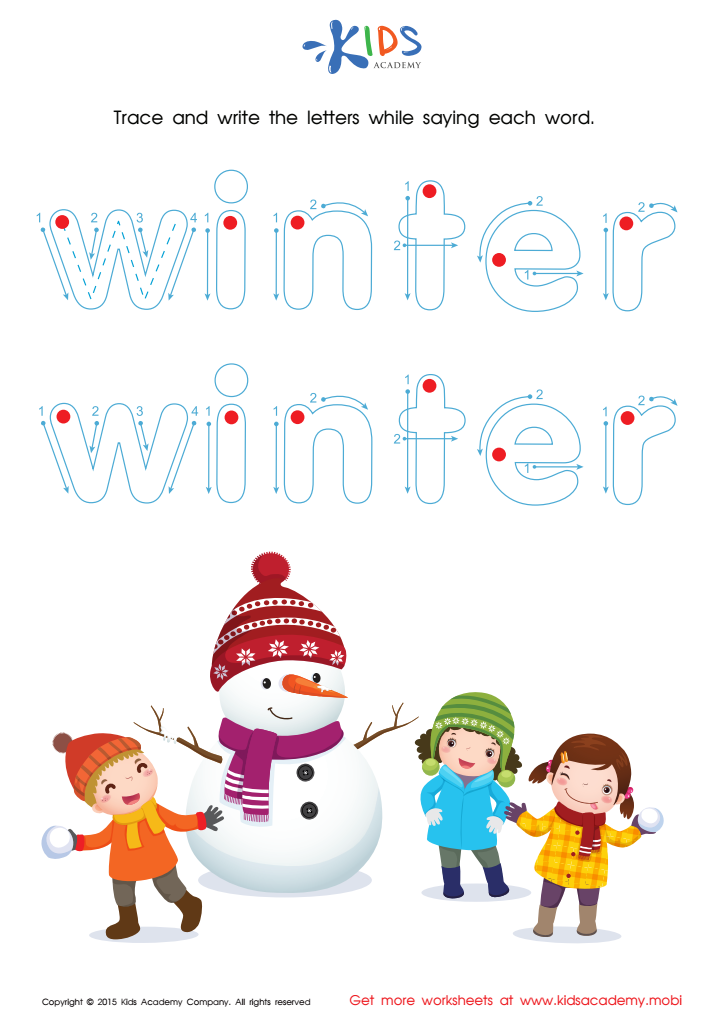
Snowman Tracing Winter Words Worksheet
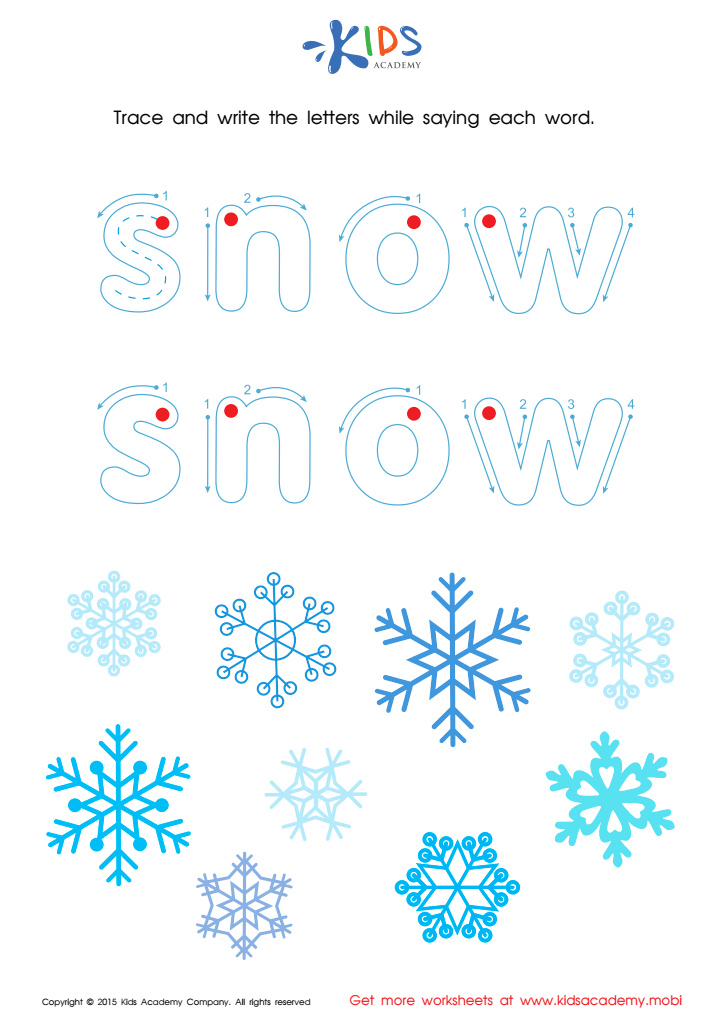
Snowflake Tracing Winter Words Worksheet

Santa Claus Tracing Winter Words Worksheet

Deer Tracing Winter Words Worksheet

Christmas Tree Tracing Winter Words Worksheet
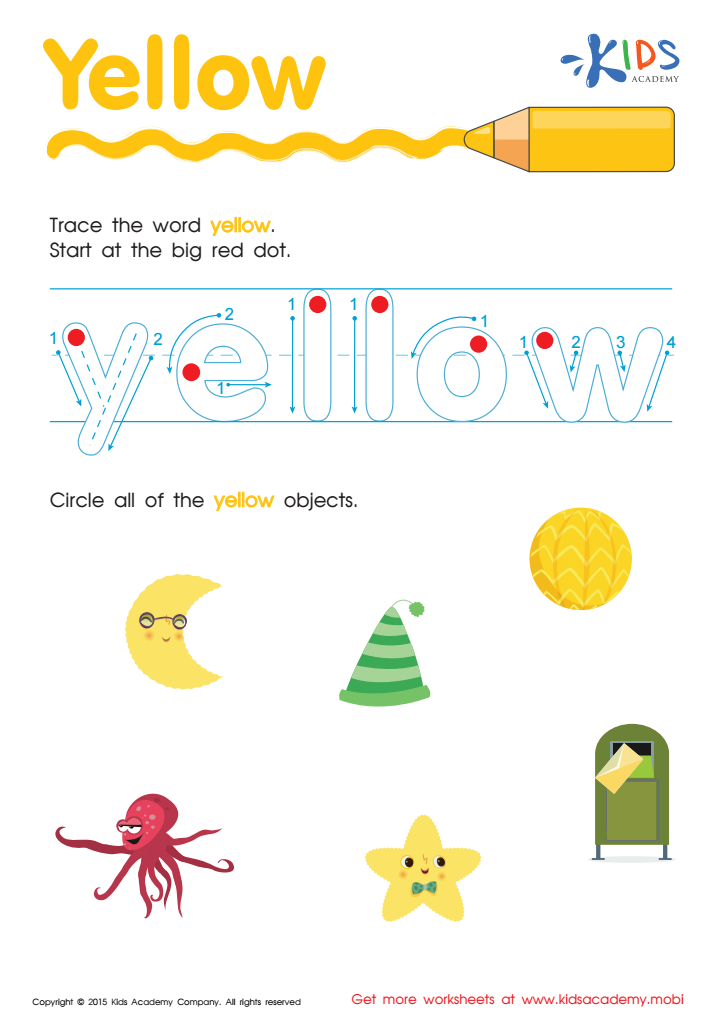
Yellow Tracing Color Words Worksheet
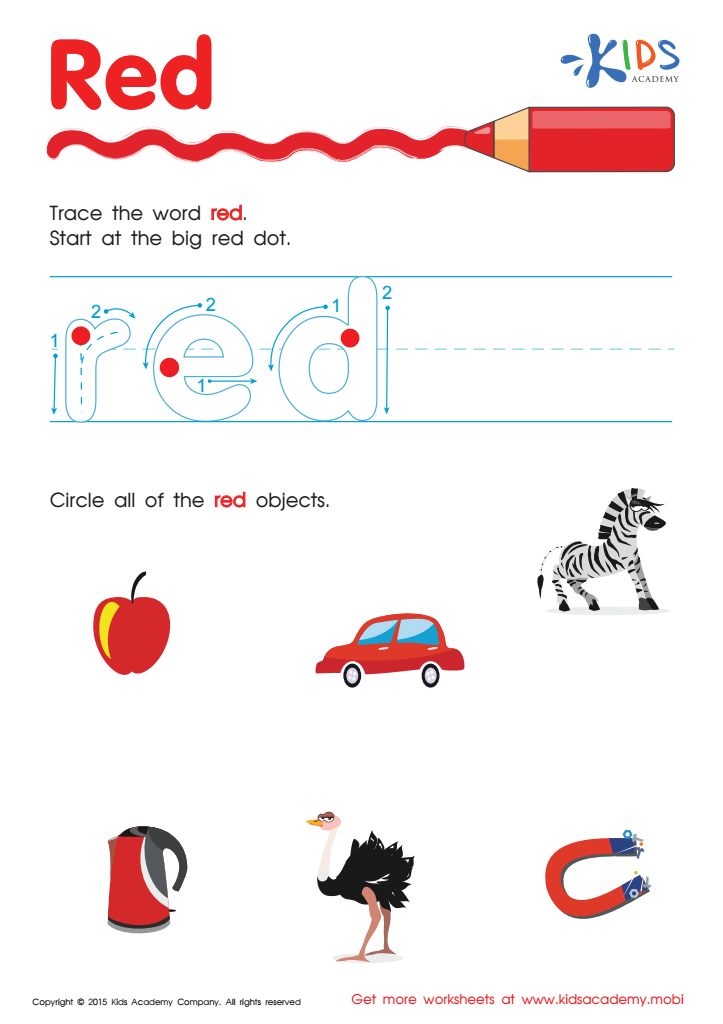
Red Tracing Color Words Printable
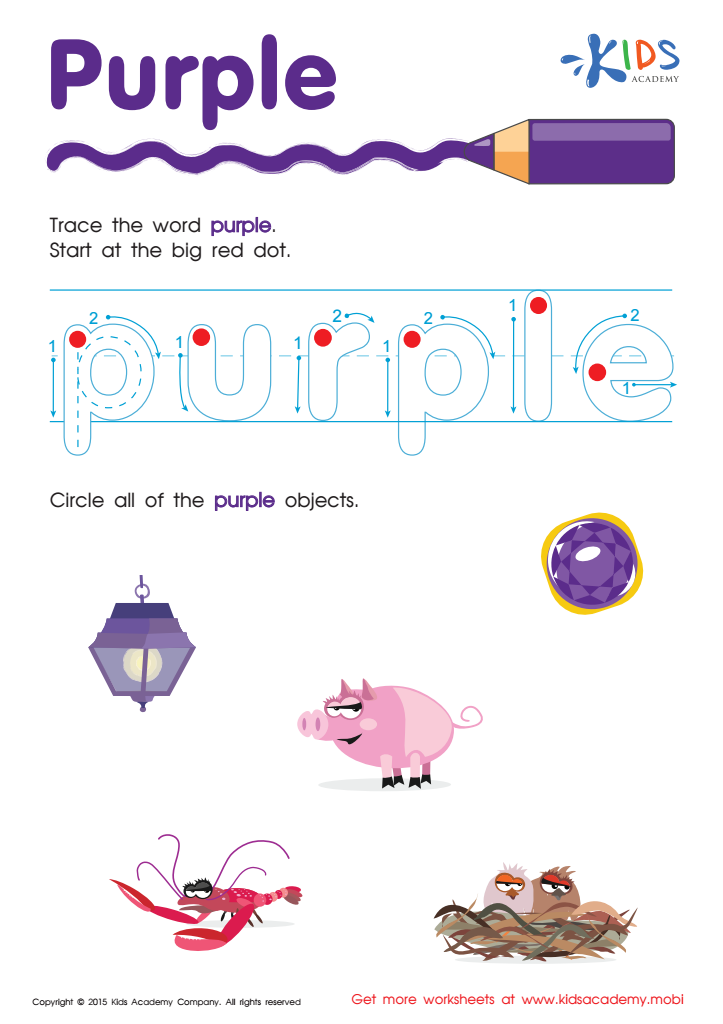
Purple Tracing Color Words Worksheet

Pink Tracing Color Words Worksheet
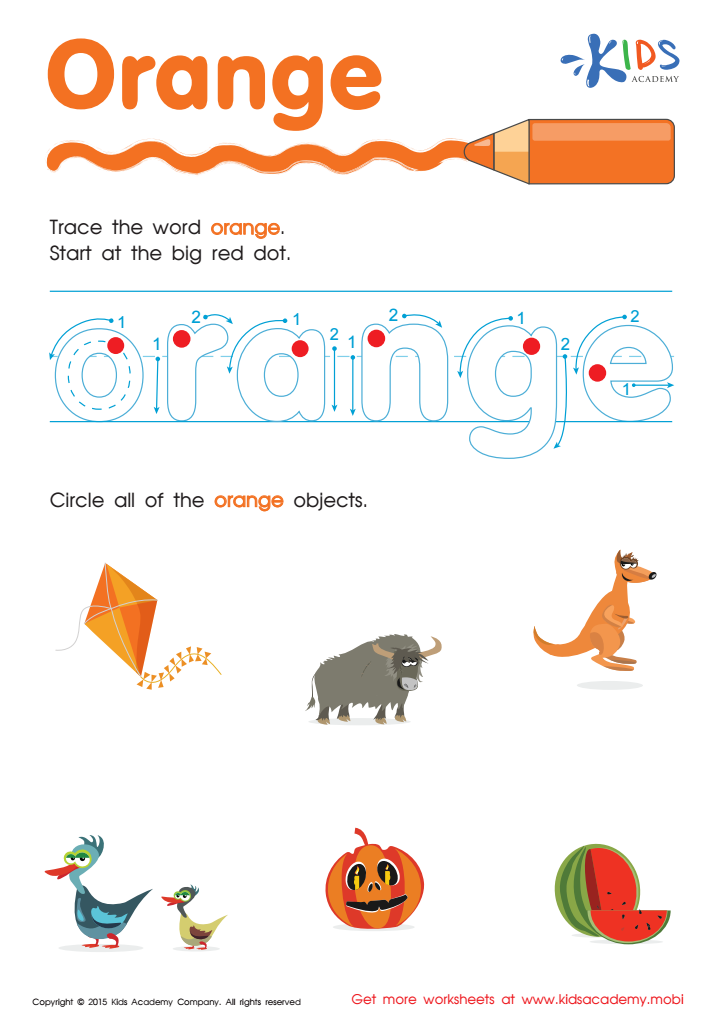
Orange Tracing Color Words Worksheet







Tracing activities for children aged 6-8 are crucial for developing essential skills that lay the foundation for future learning. At this formative stage, children are refining their fine motor skills, which are critical for tasks such as writing, drawing, and typing. Engaging in tracing helps enhance hand-eye coordination and dexterity, enabling children to gain control over their writing instruments.
Moreover, tracing supports literacy development. As children trace letters and numbers, they reinforce the shapes and familiarization with these symbols, which is instrumental in reading and writing proficiency. These activities can make learning more enjoyable, thus fostering a positive attitude toward education.
In addition, tracing activities promote concentration and patience. As children focus on accurately replicating shapes, they learn the importance of careful observation and the value of effort, which are vital traits for academic success. For parents and teachers, implementing tracing as a regular part of a child’s routine can keep them engaged and motivated, making literacy and numeracy both fun and effective.
Ultimately, tracing activities are a simple yet powerful tool for parents and teachers to help children grow in their cognitive and physical development, setting them on the path to lifelong learning.








