Logical Thinking worksheets activities for Ages 6-9
86 filtered results
-
From - To
Discover a collection of engaging Logical Thinking worksheets designed specifically for children aged 6 to 9. These activities foster essential cognitive skills, including problem-solving, pattern recognition, and critical thinking. Our thoughtfully crafted worksheets make learning fun while challenging young minds to think creatively and analytically. Ideal for classroom use or at-home learning, these activities can ease the transition to more complex concepts. With colorful illustrations and interactive tasks, children will enjoy strengthening their logic skills through games, puzzles, and challenges. Enhance your child's educational journey with our comprehensive suite of Logical Thinking worksheets, promoting both academic success and a love for learning.
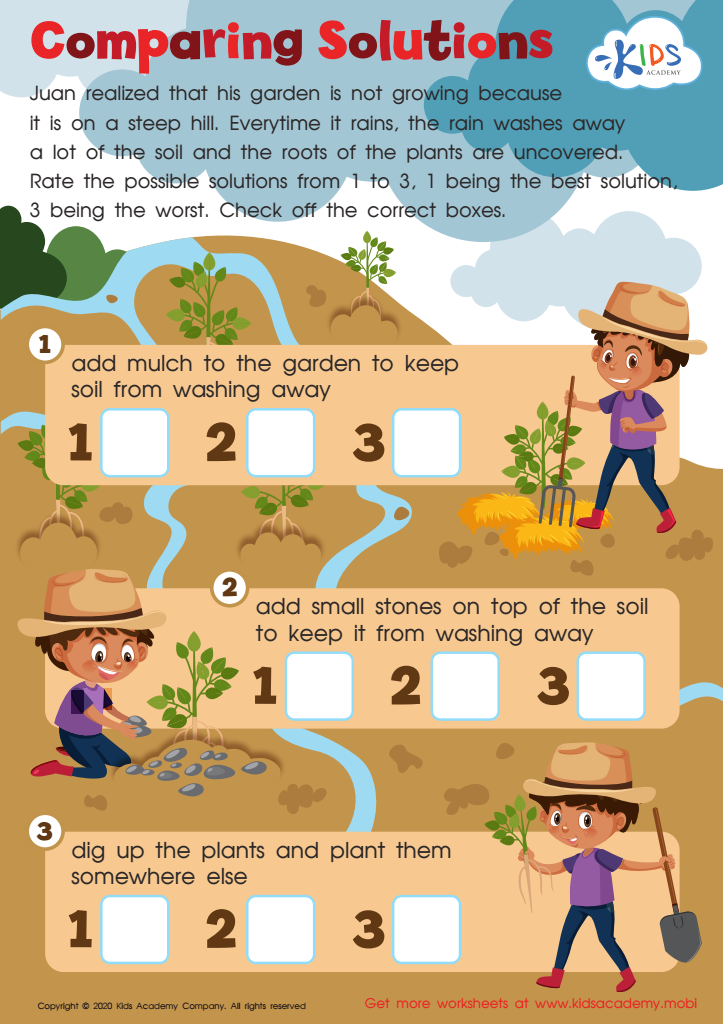
Comparing Solutions Worksheet
 Assign to My Students
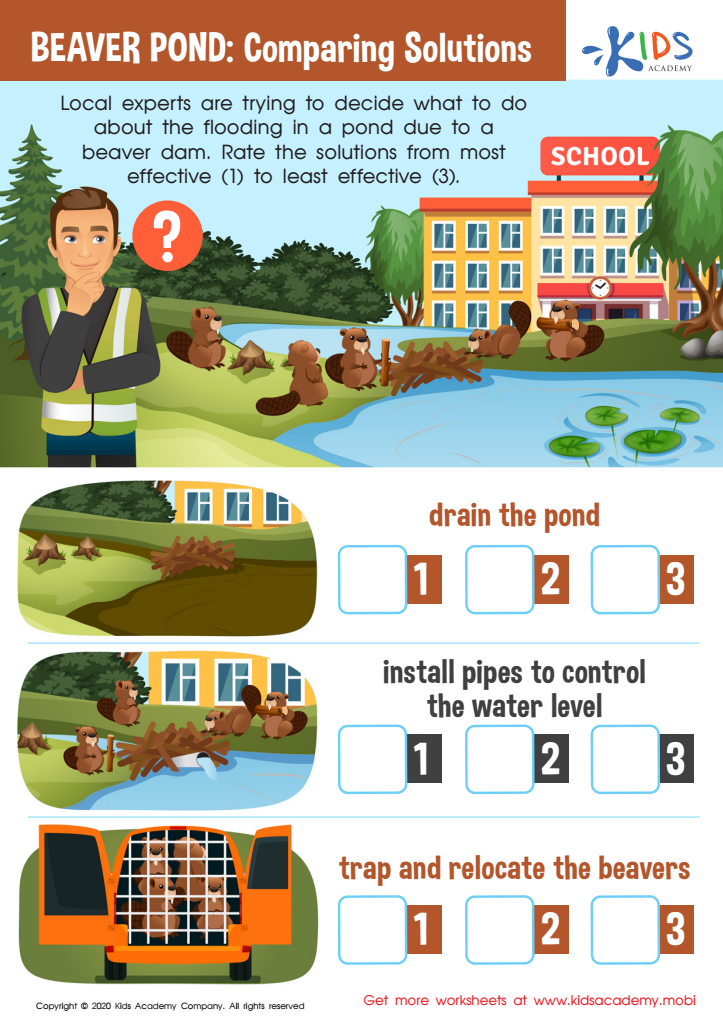
Beaver Pond: Comparing Solutions Worksheet
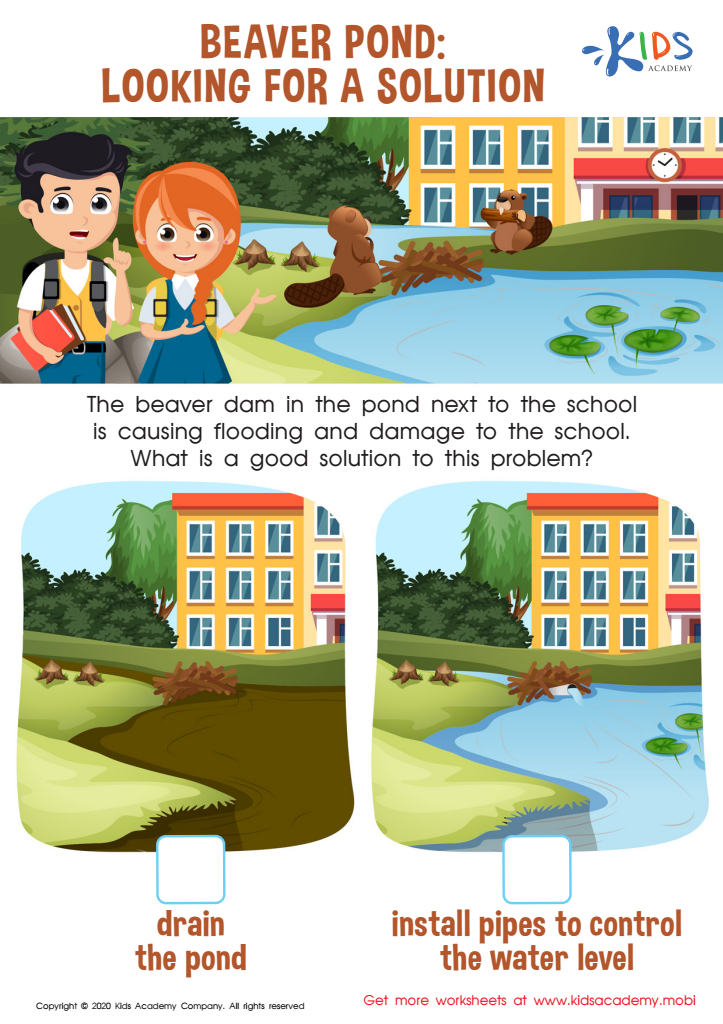
Beaver Pond: Looking for a Solution Worksheet

Developing Solution Worksheet
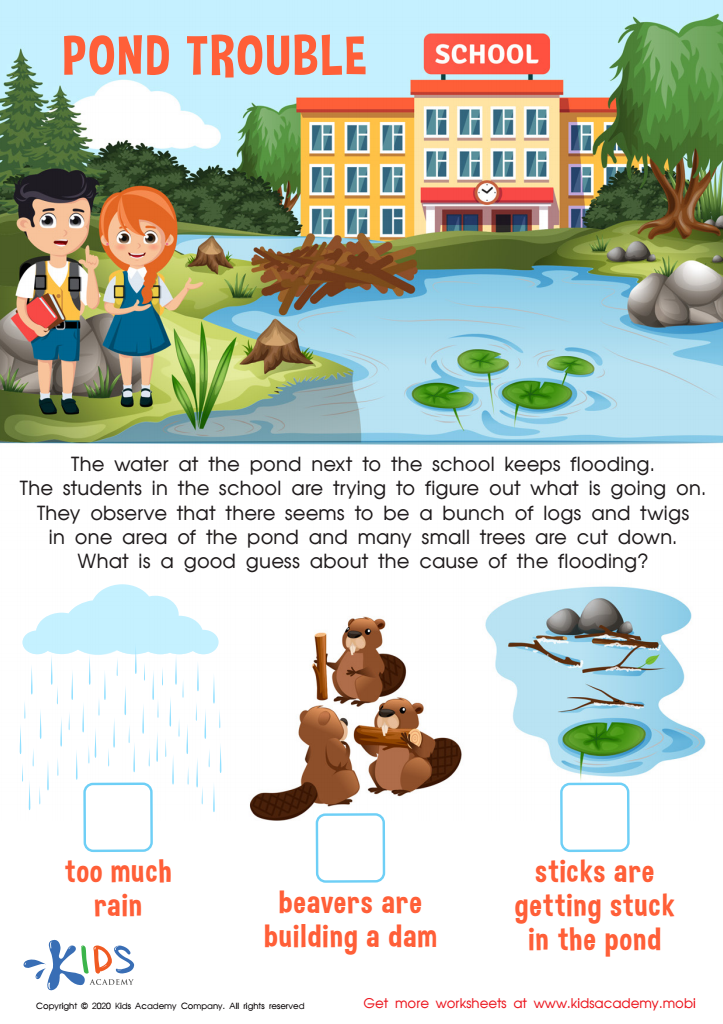
Pond Trouble Worksheet

Identifying a Problem Worksheet
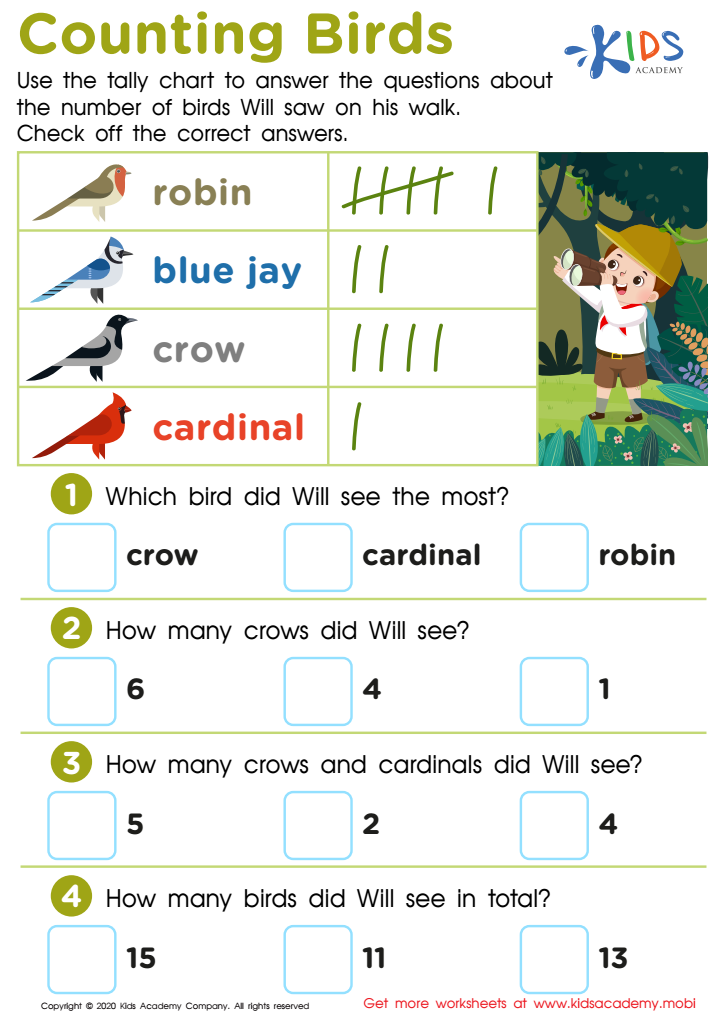
Counting Birds Worksheet
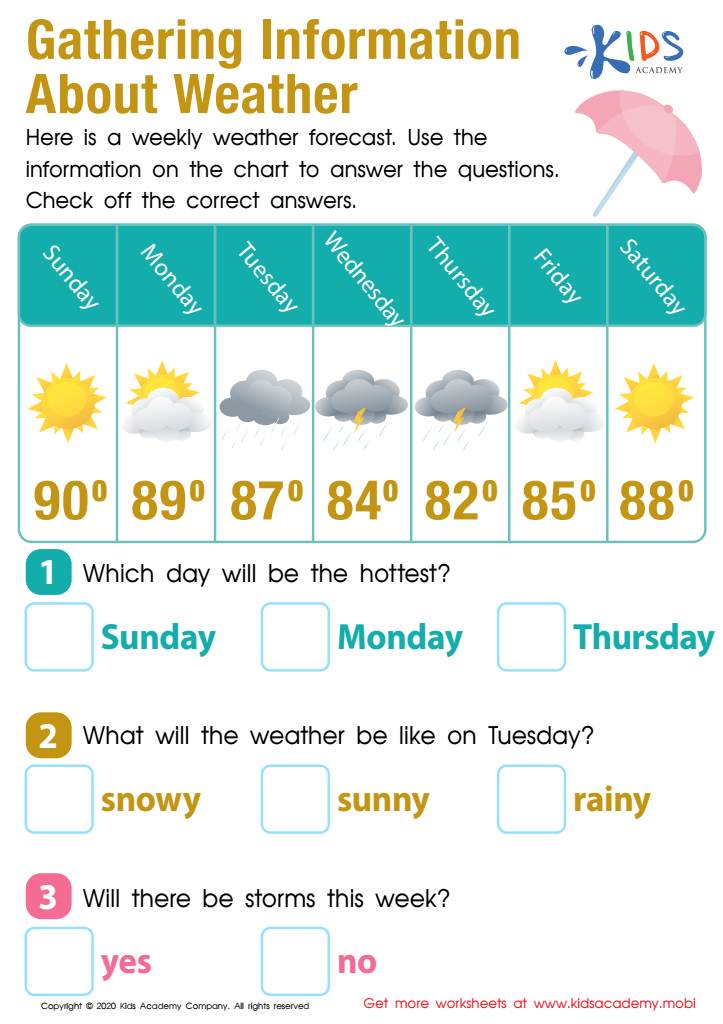
Gathering Information About the Weather Worksheet
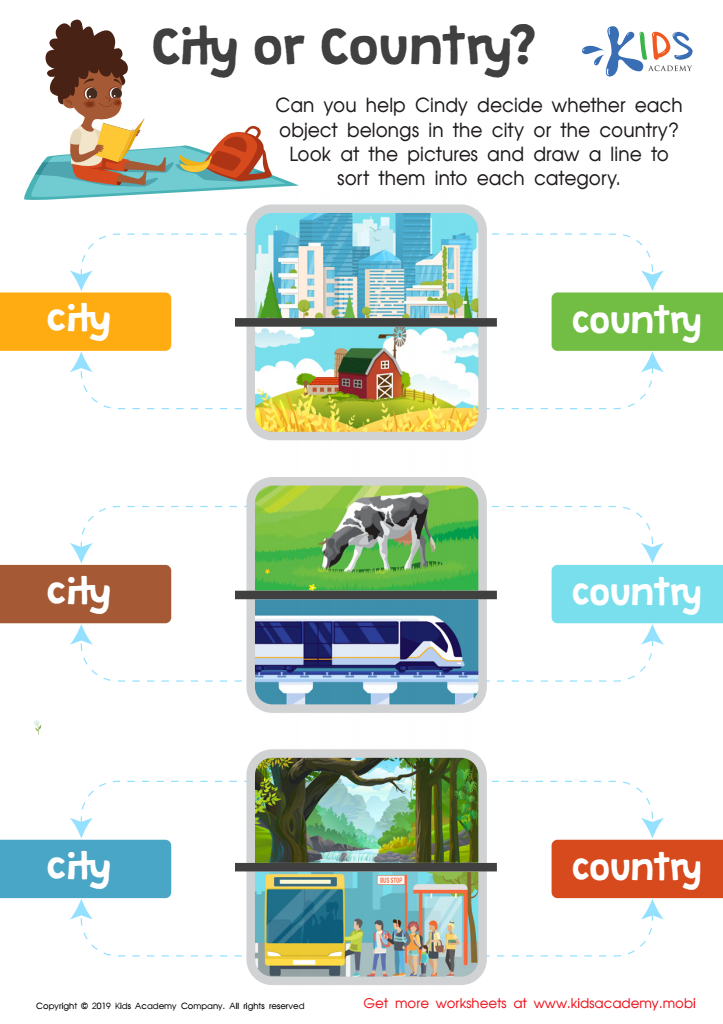
City or Country? Worksheet
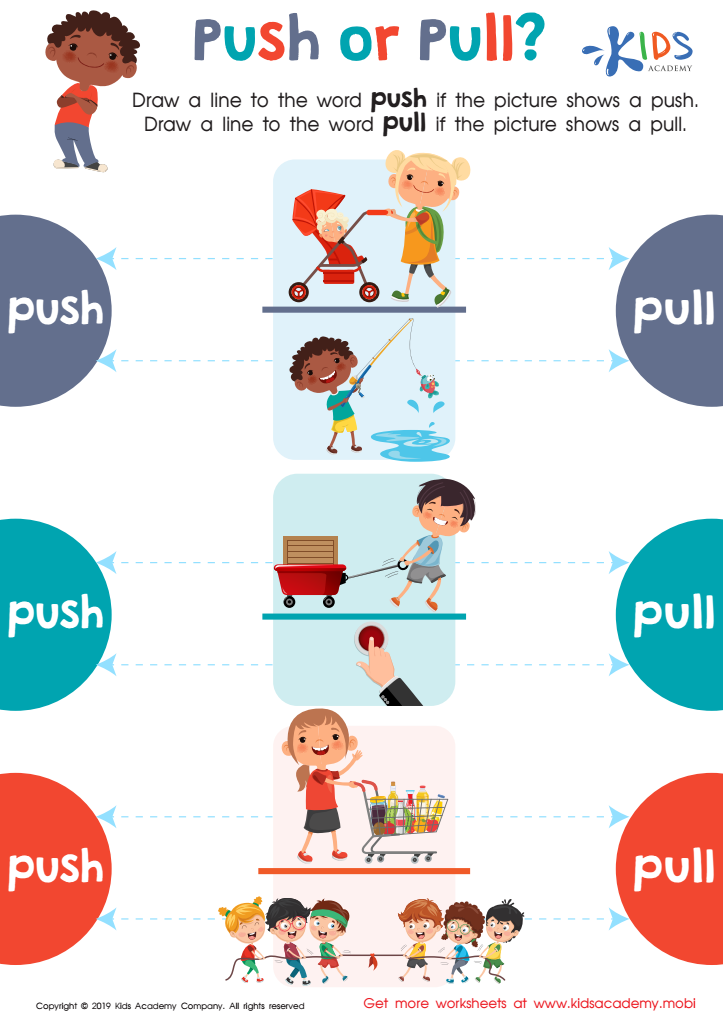
Push or Pull? Worksheet
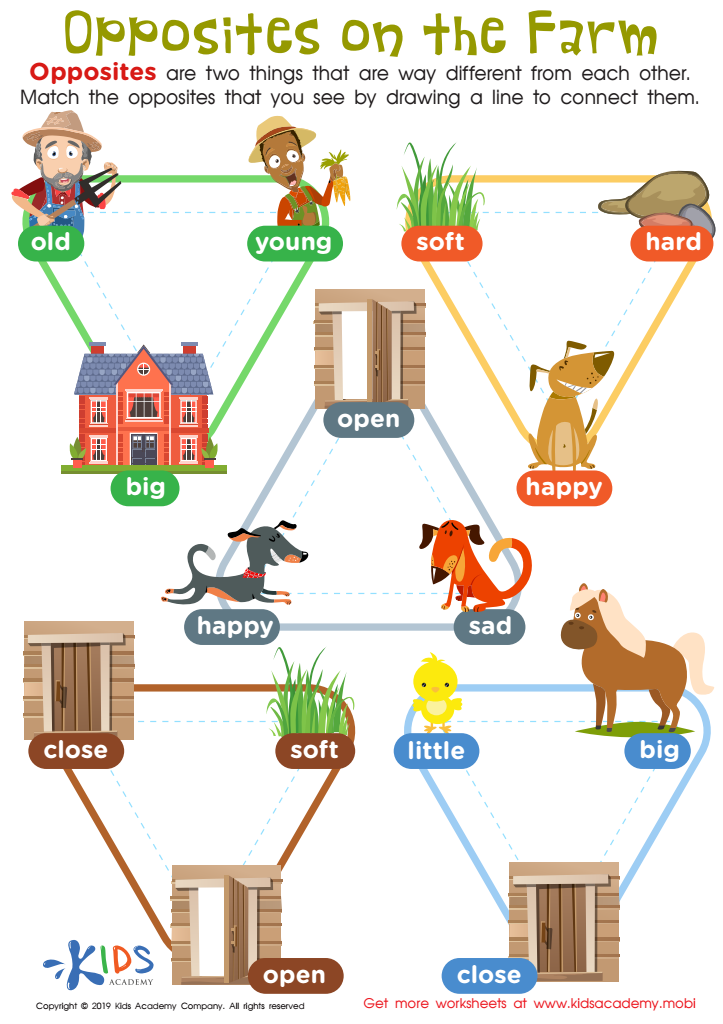
Opposites on the Farm Worksheet
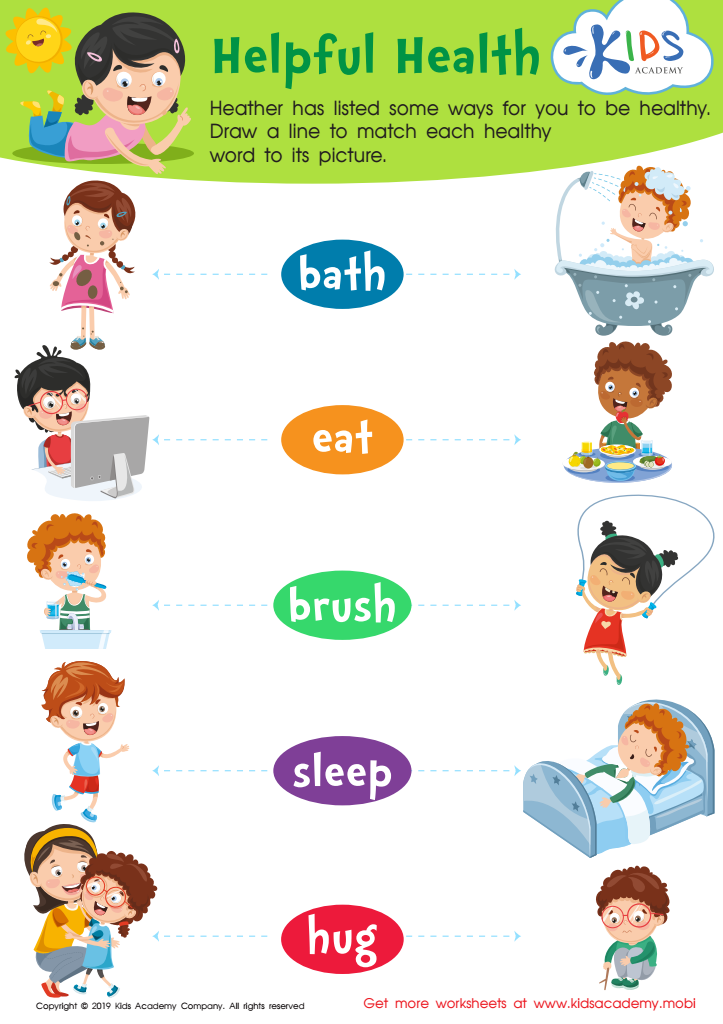
Helpful Health Worksheet
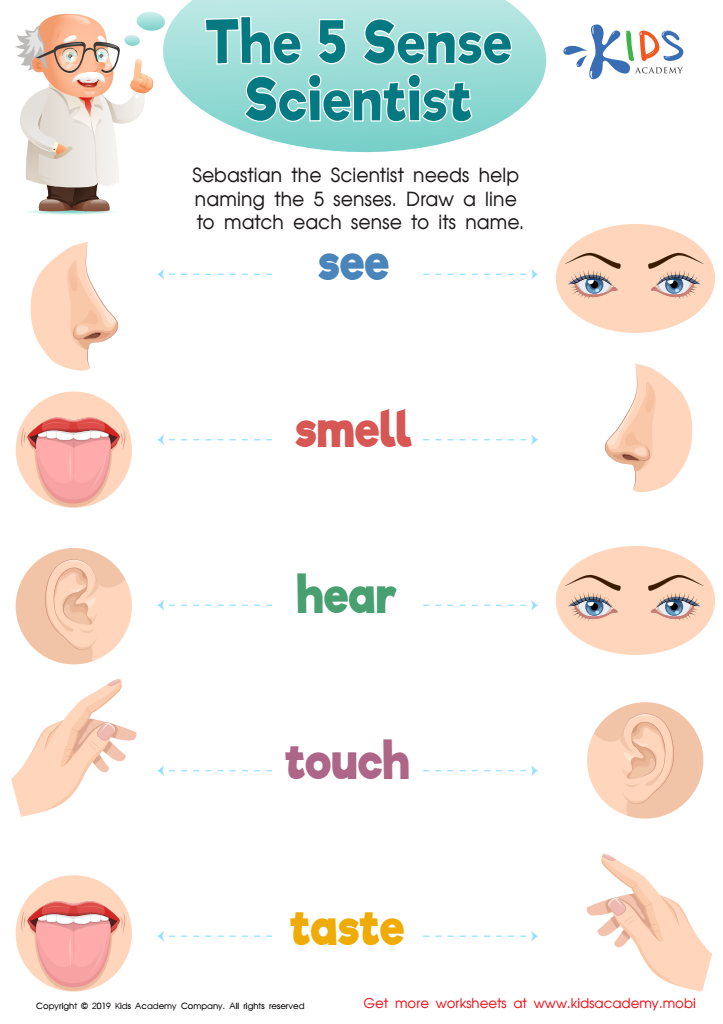
The 5 Sense Scientist Worksheet
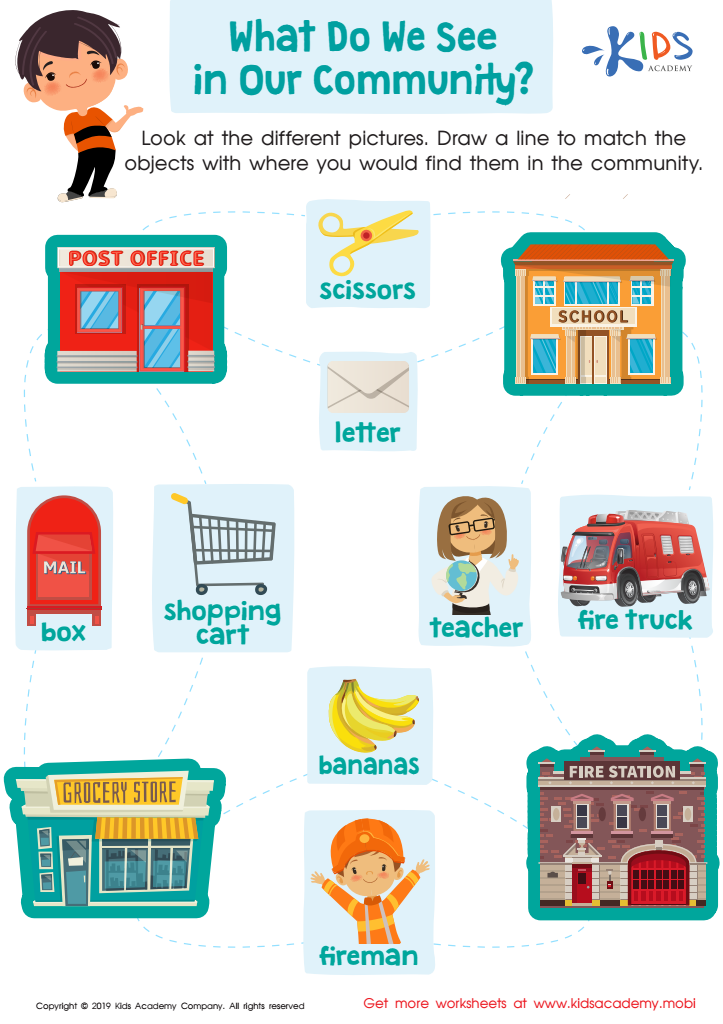
What Do We See in our Community? Worksheet
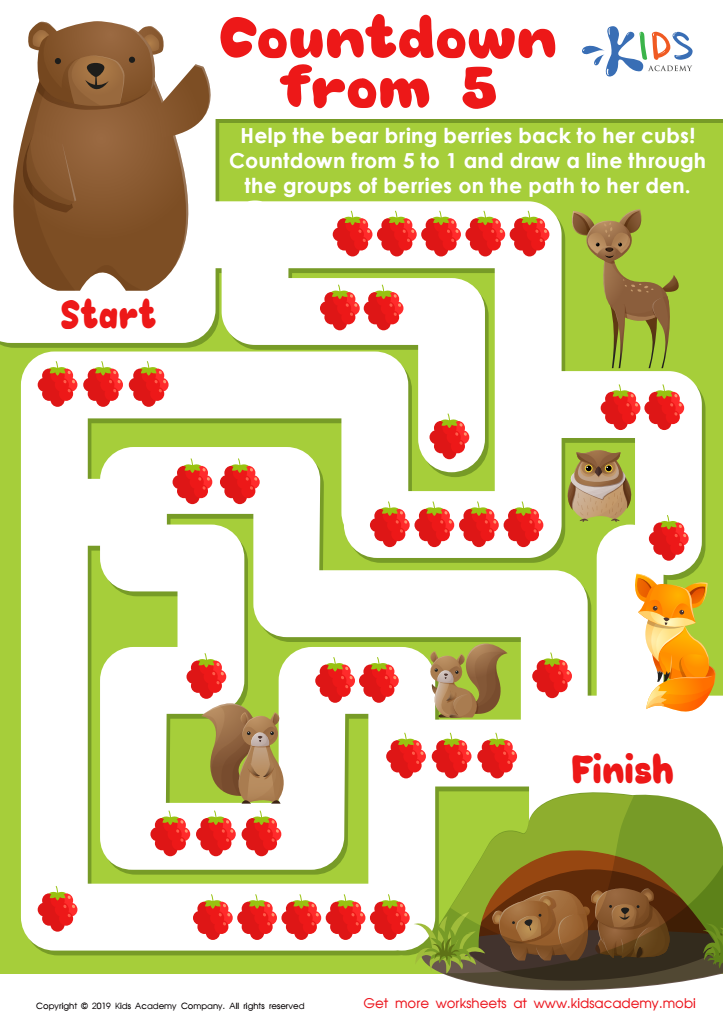
Countdown from 5 Worksheet
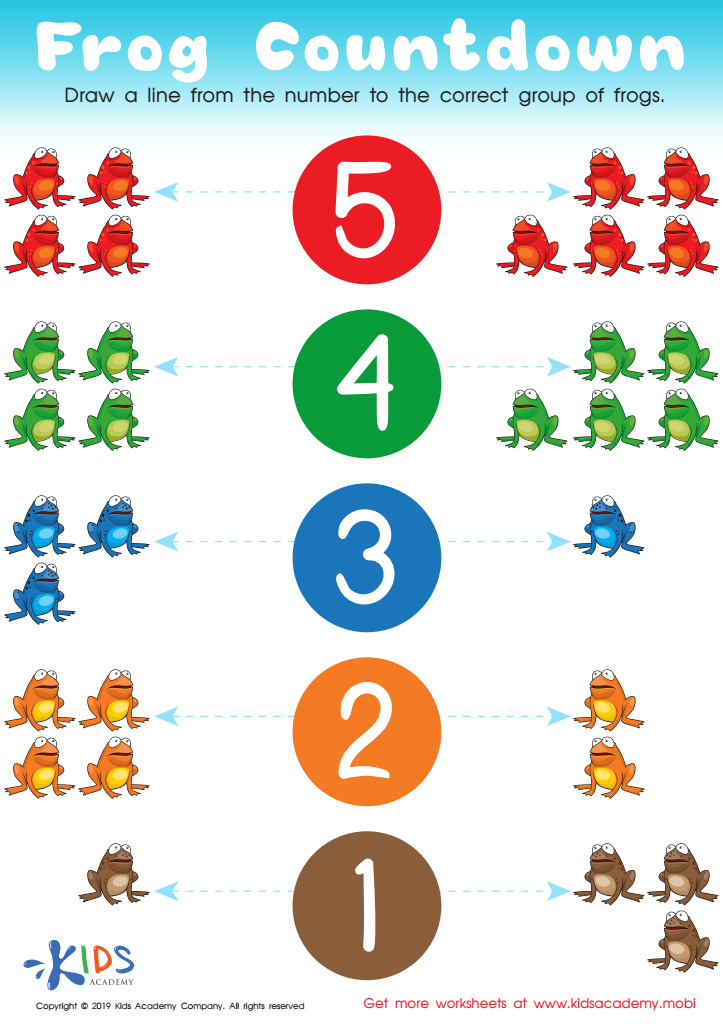
Frog Countdown Worksheet
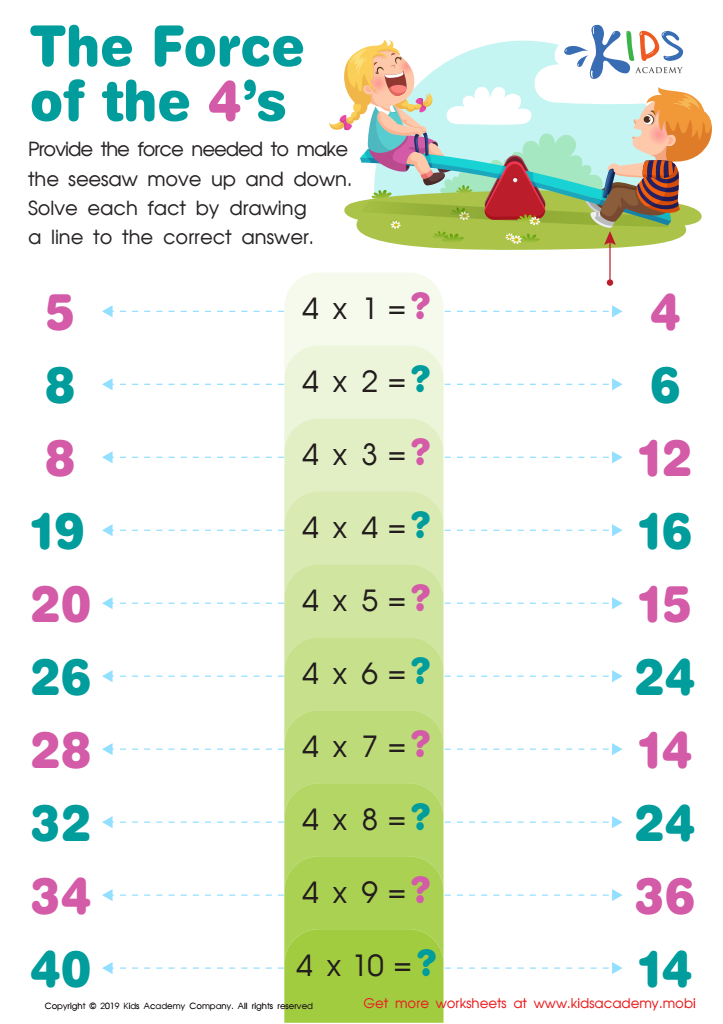
The Force of the 4's Worksheet
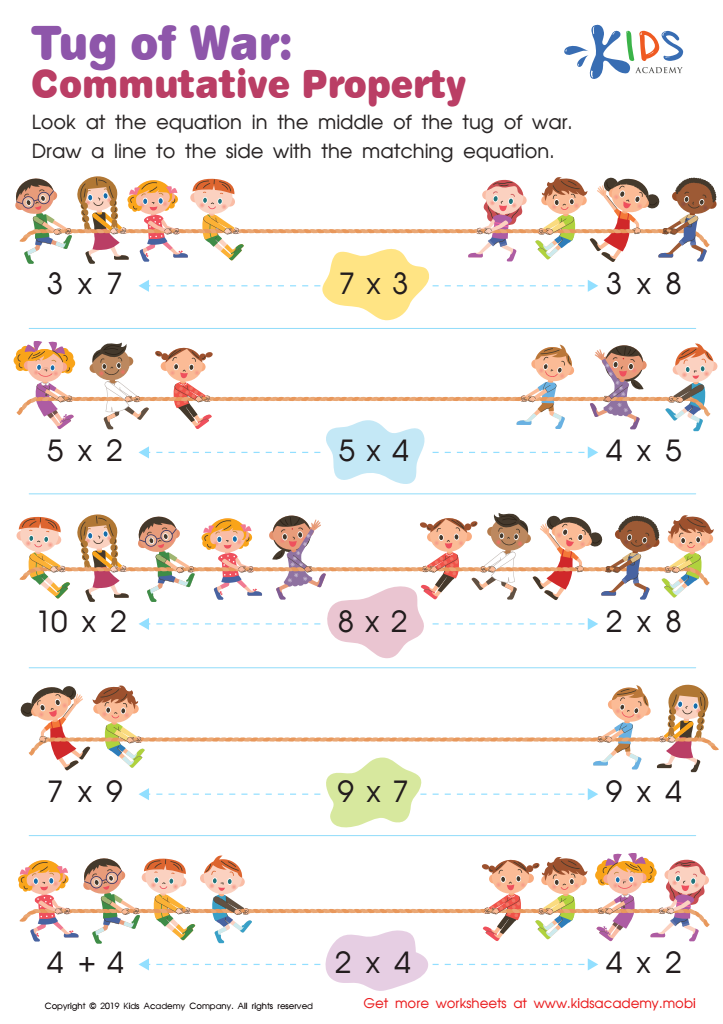
Tug of War: Commutative Property Worksheet
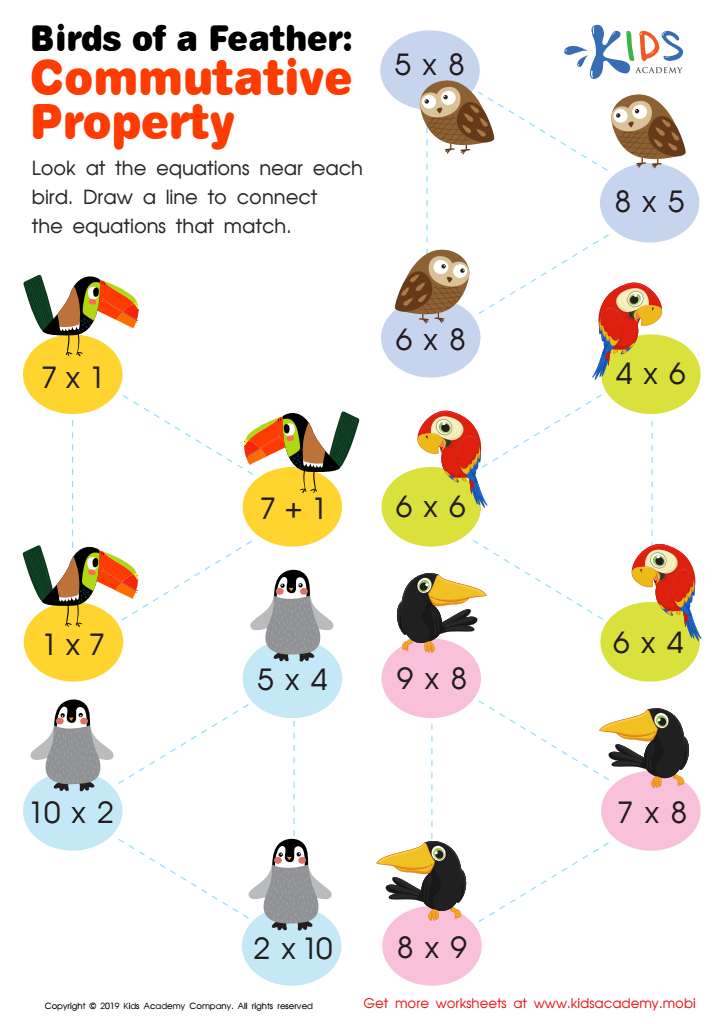
Birds of a Feather: Commutative Property Worksheet
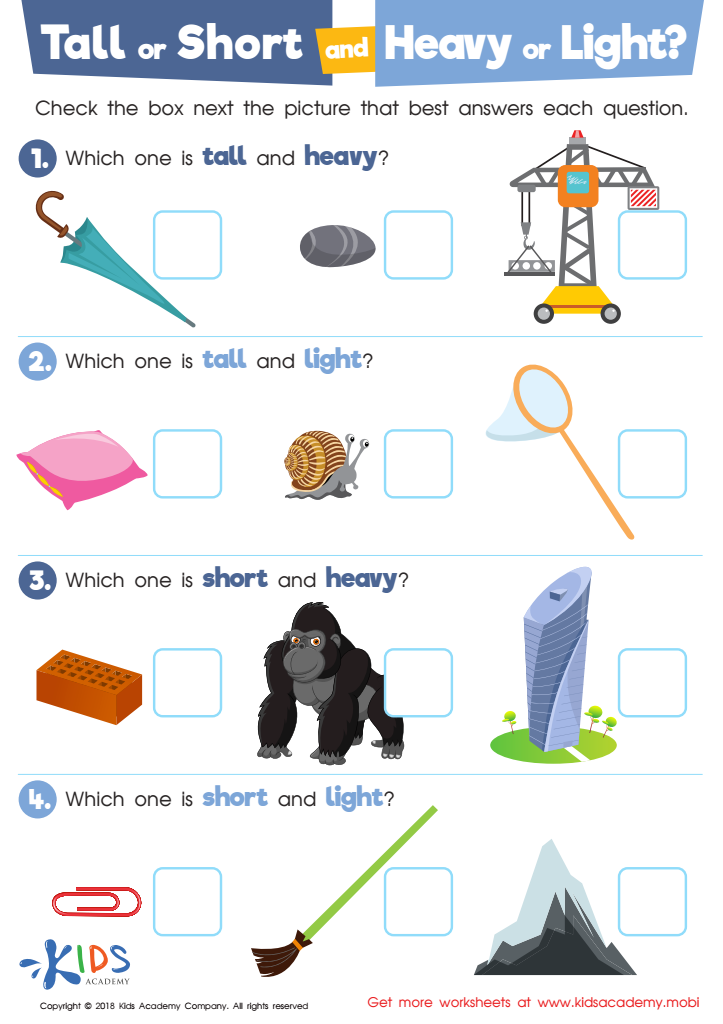
Tall or Short and Heavy or Light? Worksheet
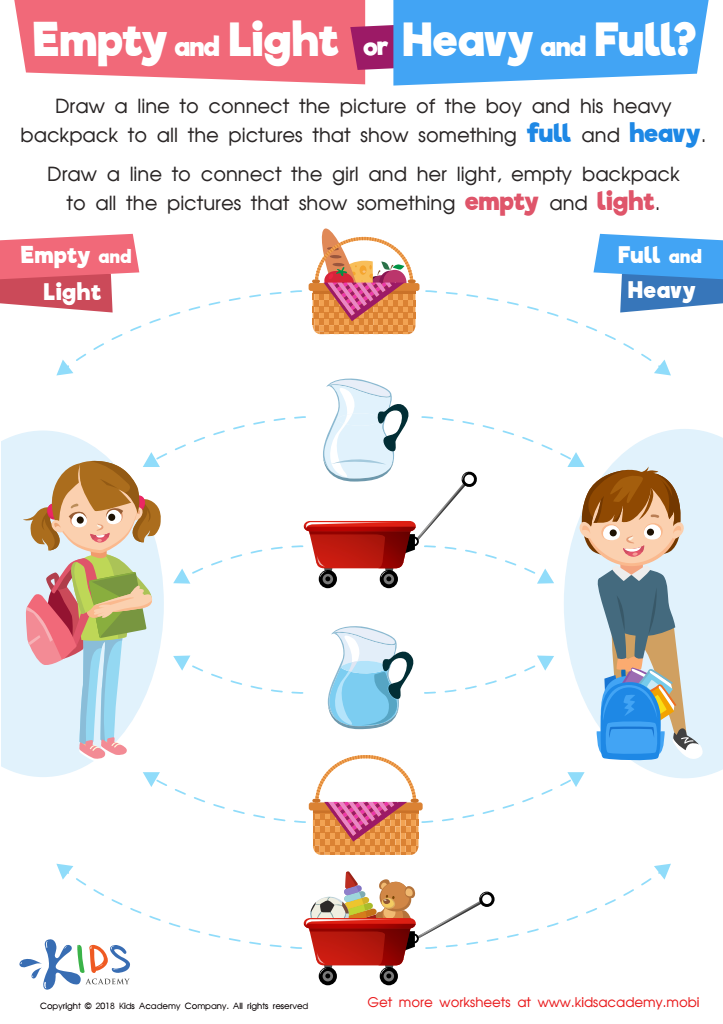
Empty and Light or Heavy and Full? Worksheet
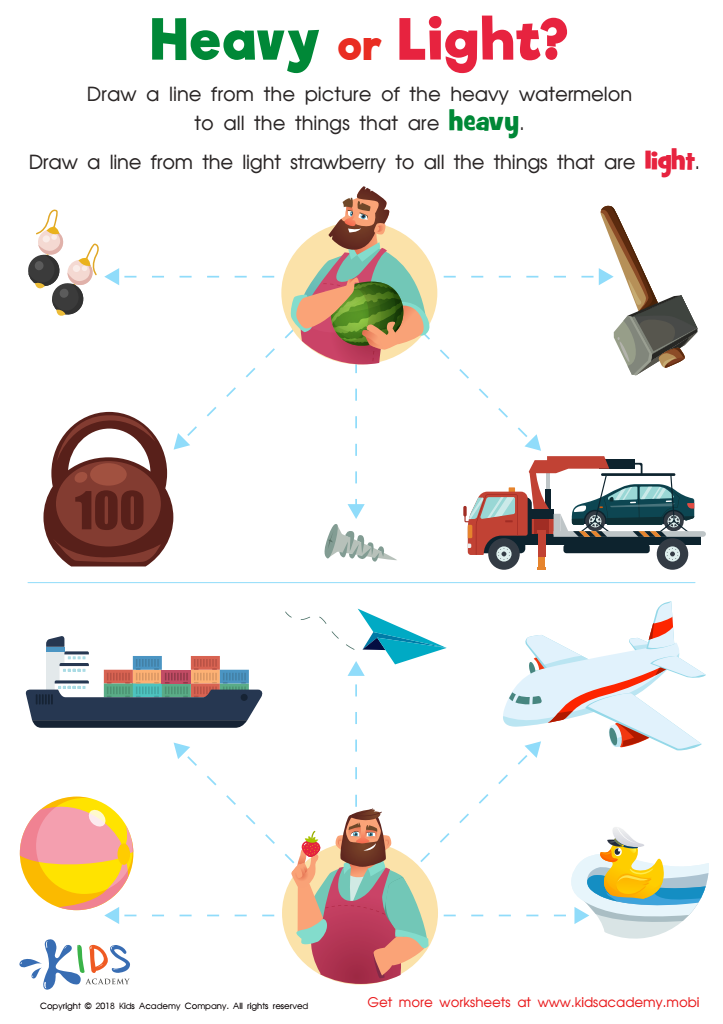
Heavy or Light? Worksheet
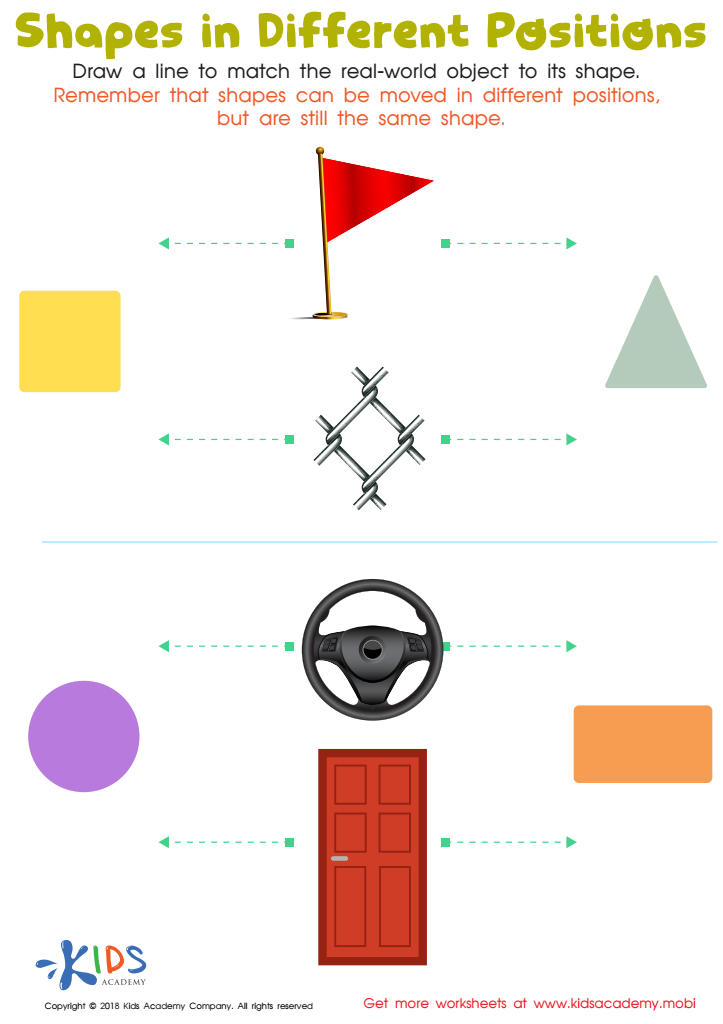
Shapes in Different Positions Worksheet
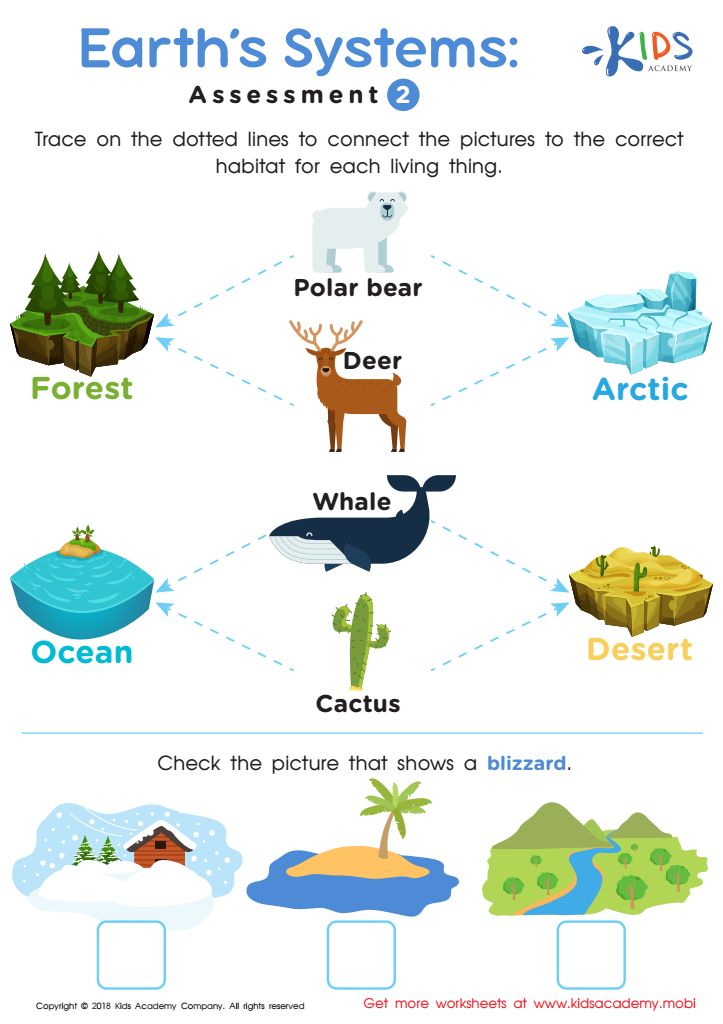
Earth's Systems: Assessment 2







Logical thinking activities for children aged 6-9 are crucial for cognitive development and lifelong learning. At this early age, children's brains are especially receptive to learning fundamental problem-solving skills. These activities foster critical reasoning, enabling kids to analyze situations, draw conclusions, and solve problems creatively. Engaging in logical activities, such as puzzles, categorization games, and simple coding tasks, helps enhance their ability to think sequentially and understand cause-and-effect relationships.
Furthermore, promoting logical thinking aids in academic success. Many subjects, including math and science, rely heavily on logical reasoning. By providing children with opportunities to engage in these activities, parents and teachers can help them develop a strong foundation for future learning, making more complex subjects easier to grasp.
Additionally, these activities can improve children's confidence and decision-making skills. As they tackle challenges and experience success, they build resilience and the ability to persevere through difficulties. In a world saturated with information, strong logical thinkers are better equipped to evaluate situations critically and make informed choices. Ultimately, prioritizing logical thinking activities will enrich children's educational experience and empower them for personal and academic growth.








