Our Planet and Environment worksheets activities for Ages 7-9
5 filtered results
-
From - To
Explore our engaging "Our Planet and Environment" worksheets designed for children ages 7-9! These activities inspire young minds to understand and appreciate the importance of our planet, focusing on topics like ecosystems, wildlife preservation, and environmental responsibility. Each worksheet combines fun exercises with educational content, promoting critical thinking and creativity. Whether it's coloring pages, puzzles, or informative quizzes, our resources are perfect for classrooms or home learning. Help nurture the next generation of environmental stewards by making learning about the Earth both enjoyable and impactful. Start your adventure in environmental education today!
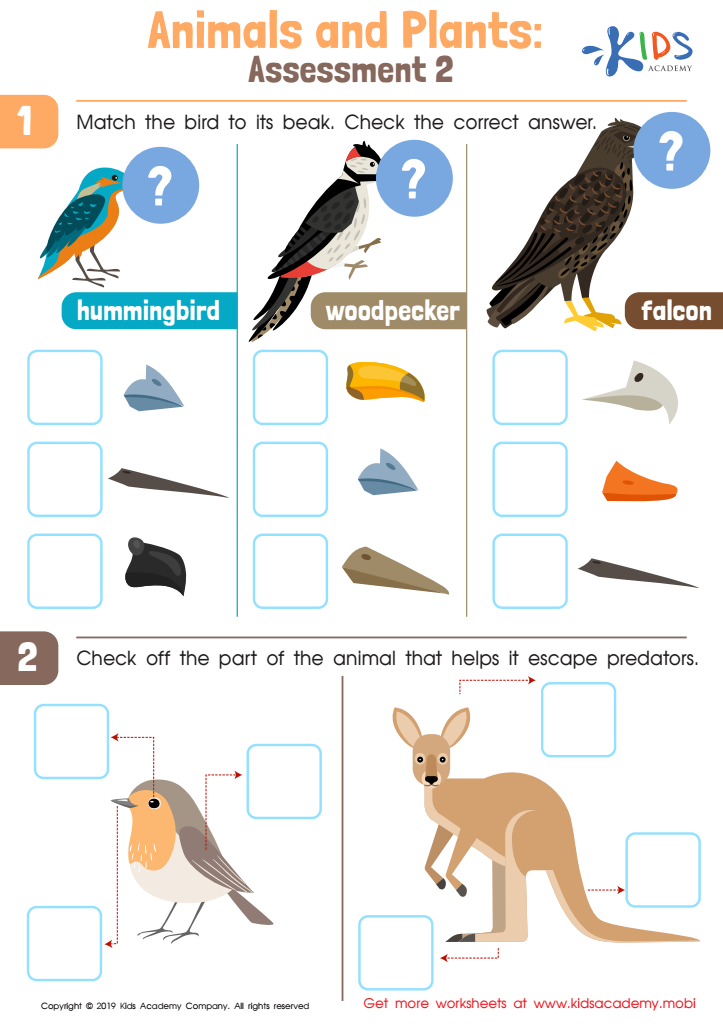
Animals and Plants: Assessment 2 Worksheet
 Assign to My Students
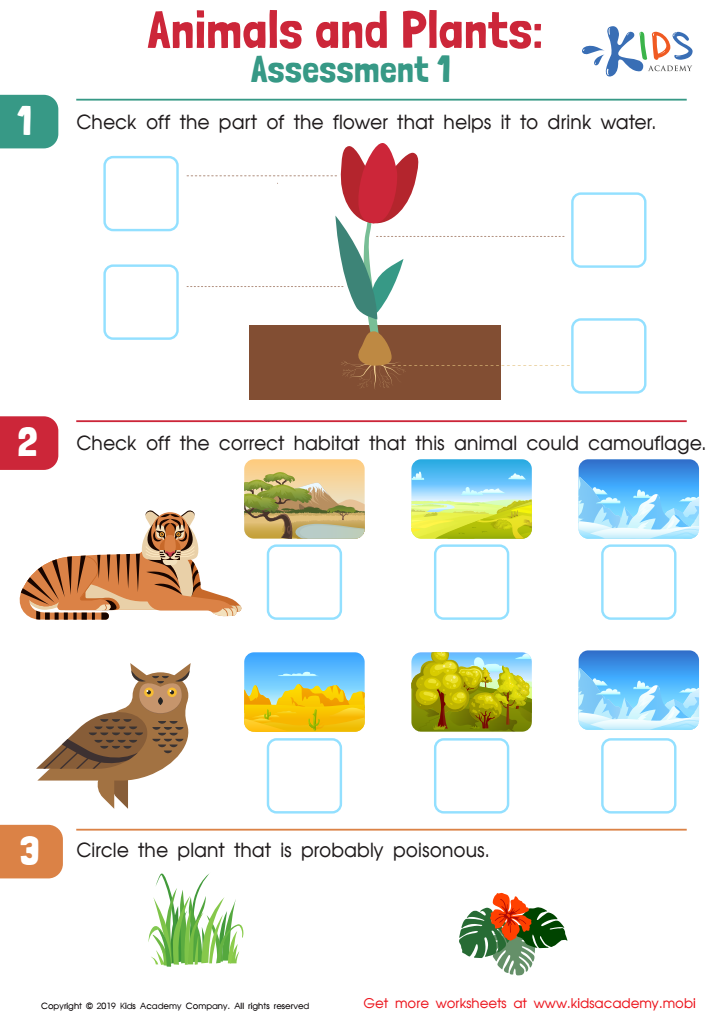
Animals and Plants: Assessment 1 Worksheet
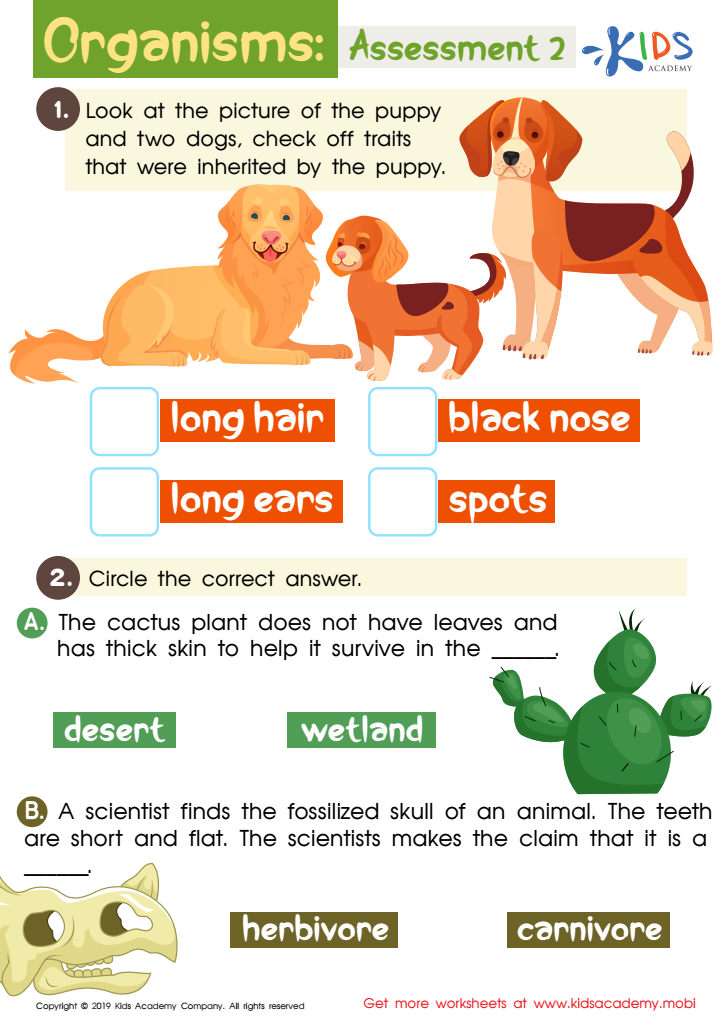
Organisms: Assessment 2 Worksheet
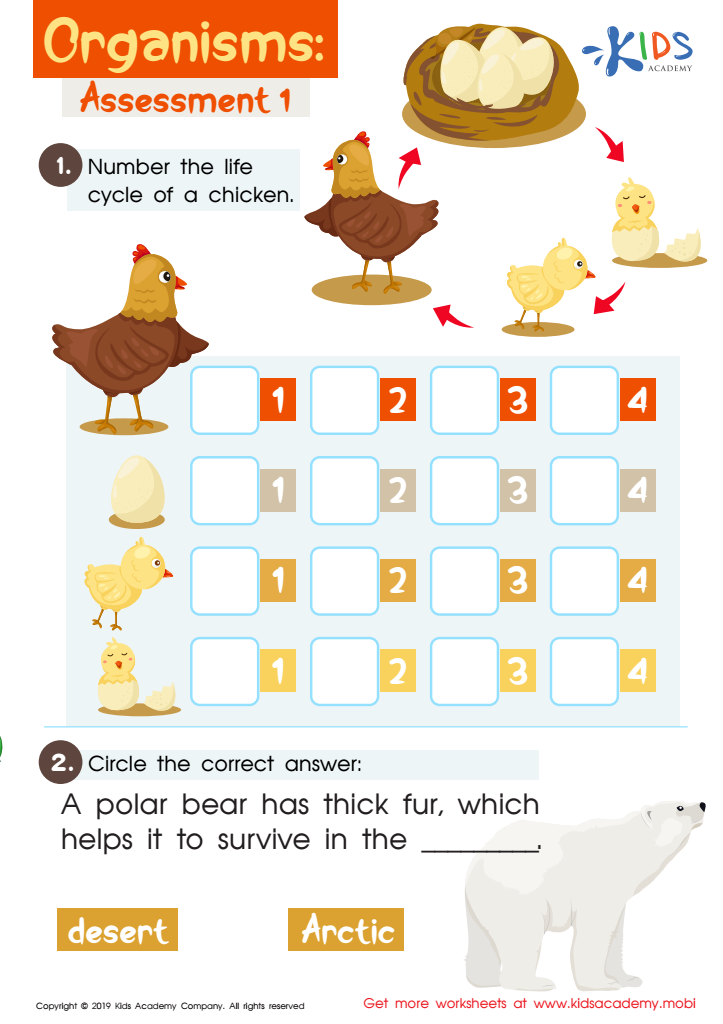
Organisms: Assessment 1 Worksheet
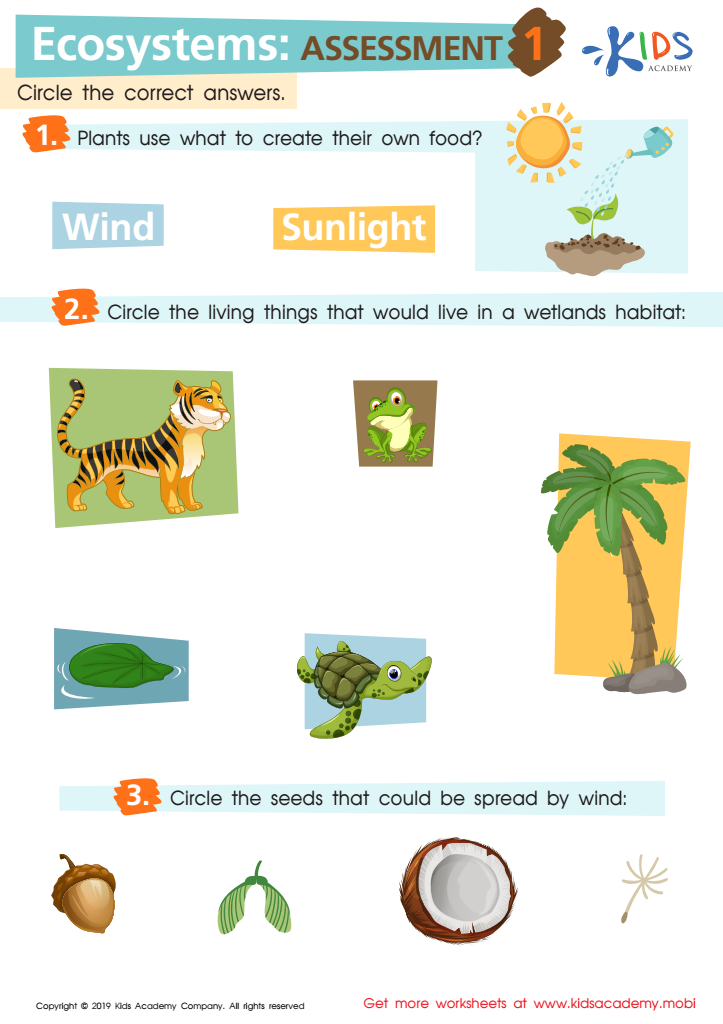
Ecosystems: Assessment 1 Worksheet







Parents and teachers should prioritize activities related to Our Planet and Environment for children aged 7-9 because this age group is crucial for shaping future habits and attitudes toward the Earth. Engaging young learners in environmental activities fosters curiosity and a sense of responsibility. At this stage, children are eager to learn, and hands-on activities help them understand complex environmental issues in accessible ways.
Additionally, these activities promote critical thinking and problem-solving skills. By participating in projects like recycling, planting trees, or local clean-up efforts, children not only learn the importance of sustainability but also cultivate teamwork and communication skills. With discussions around climate change and biodiversity being vital in today’s world, equipping young minds with knowledge about global challenges forms the foundation for responsible citizenship.
Moreover, instilling a love for nature can enhance children's emotional well-being and encourage them to form a connection with their surroundings. When children recognize their role in caring for the environment, they develop empathy for both people and wildlife. Ultimately, nurturing a generation that values and strives to protect our planet is essential for its future sustainability, making this a crucial undertaking for parents and educators alike.








