Tracing Letters worksheets activities for Ages 8-9 - Page 2
43 filtered results
-
From - To
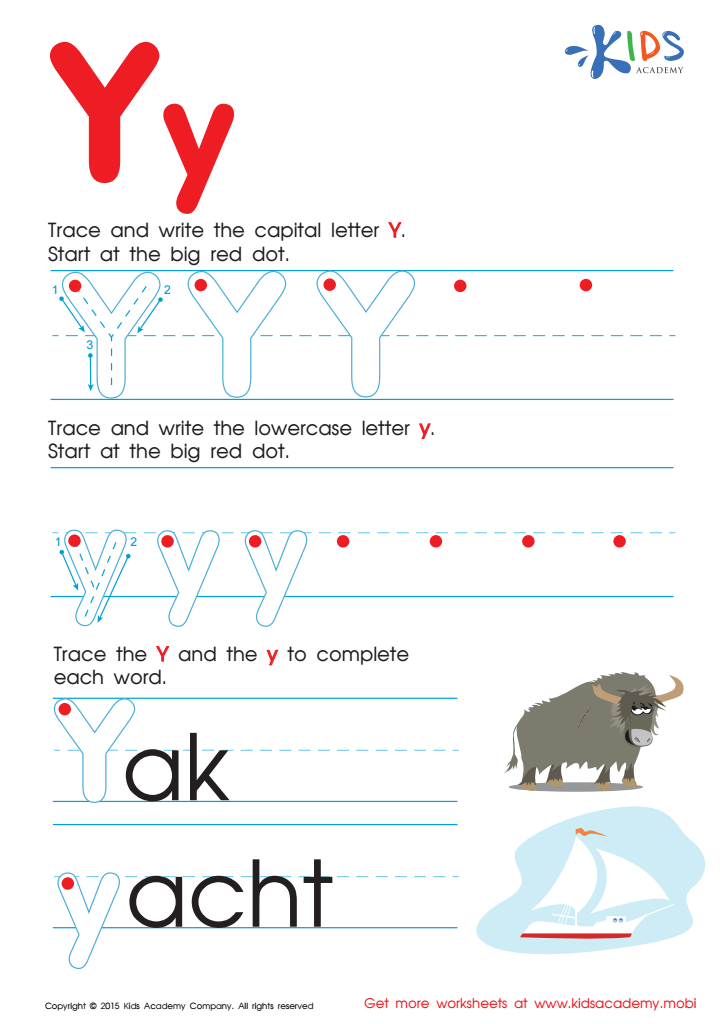
Letter Y Tracing Page
 Assign to My Students
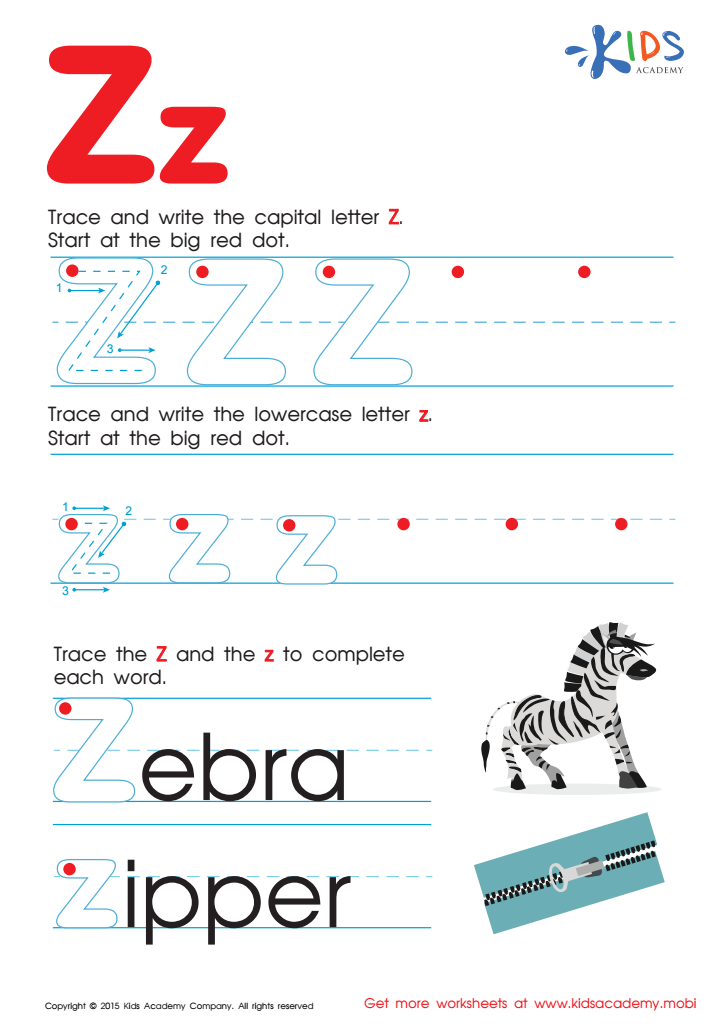
Letter Z Tracing Page
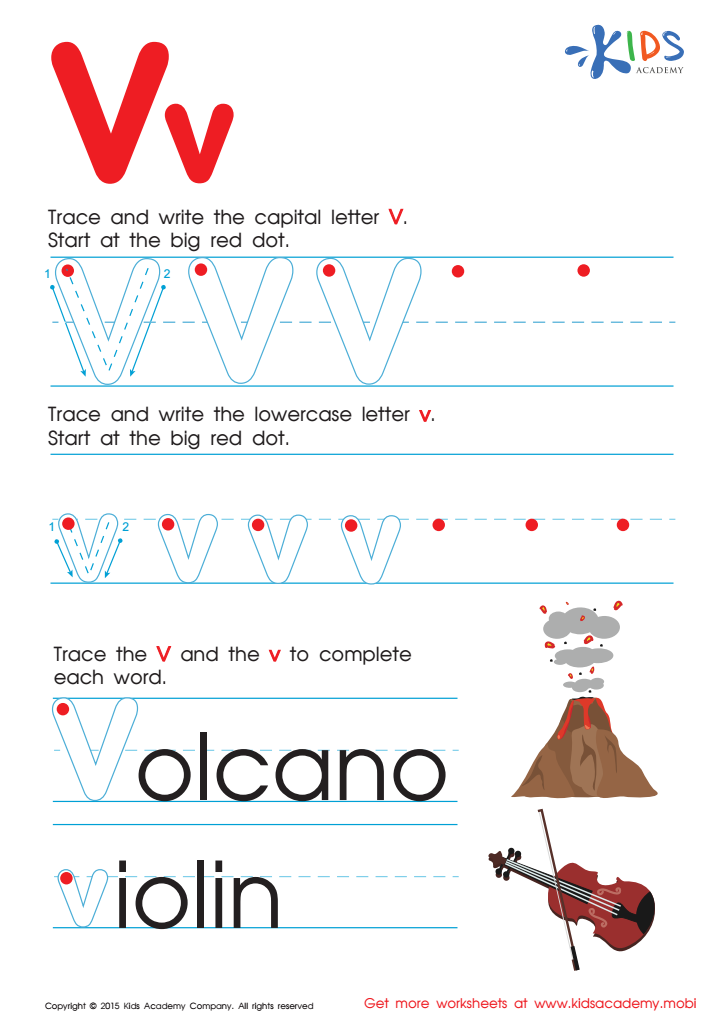
Letter V Tracing Page
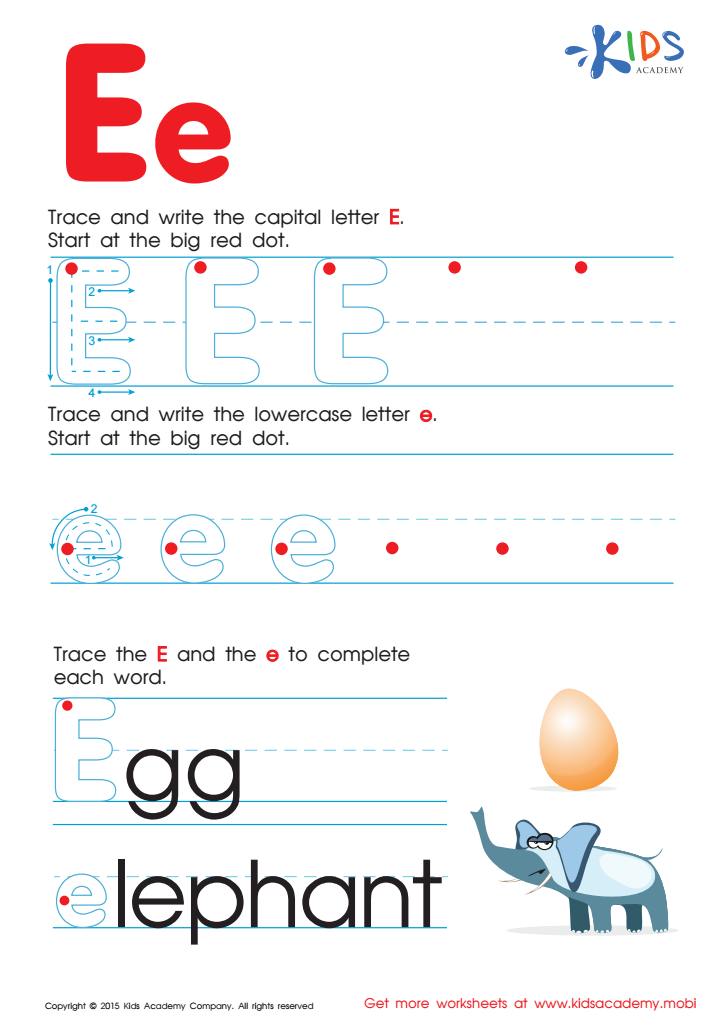
Letter E Tracing Page

Letter D Tracing Page
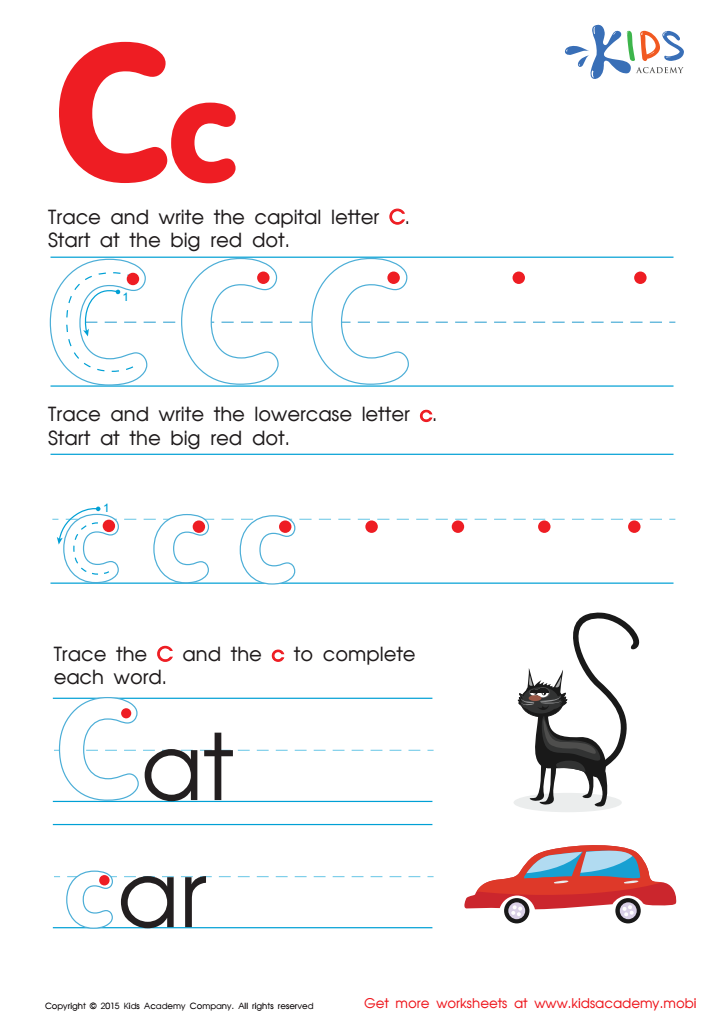
Letter C Tracing Page
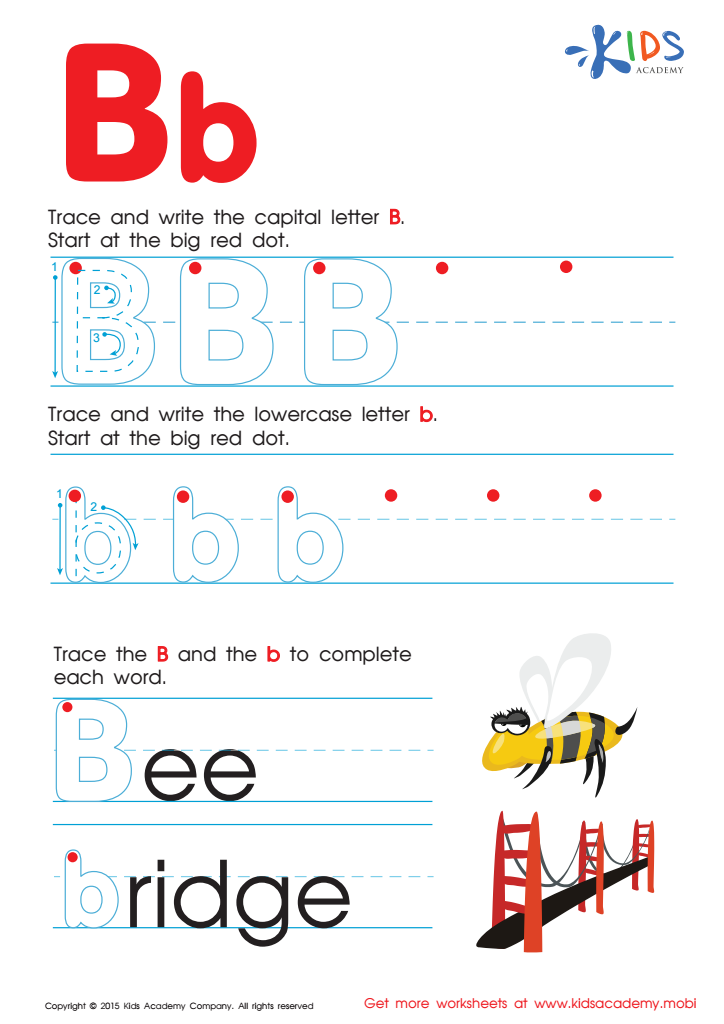
Letter B Tracing Page
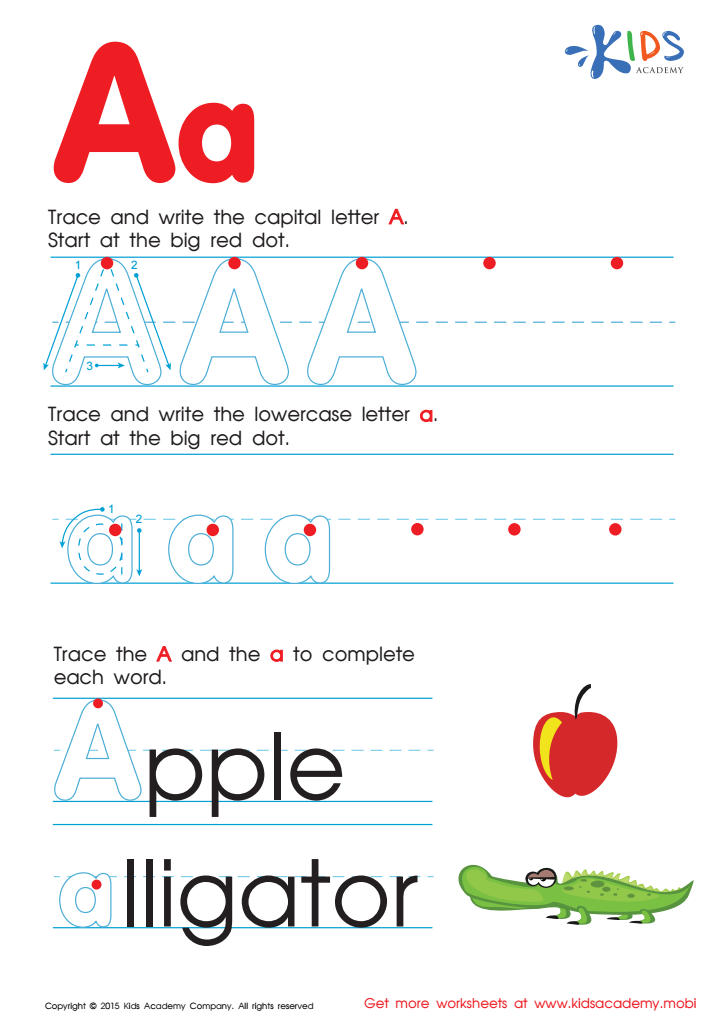
Letter A Tracing Page

Letter G Tracing Page

Letter H Tracing Page
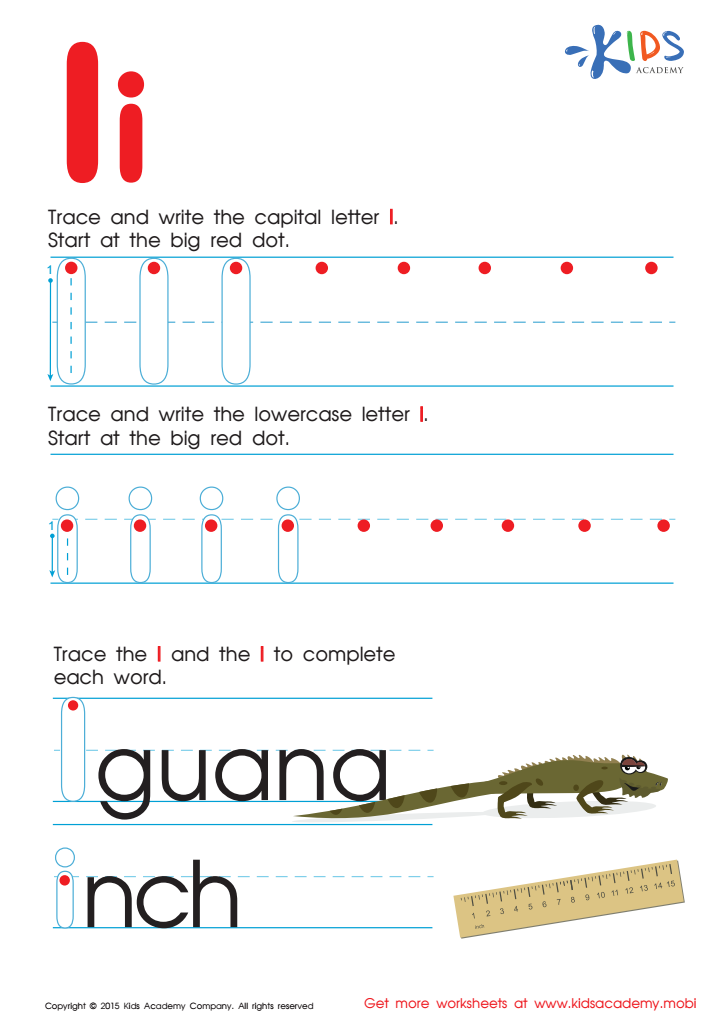
Letter I Tracing Page
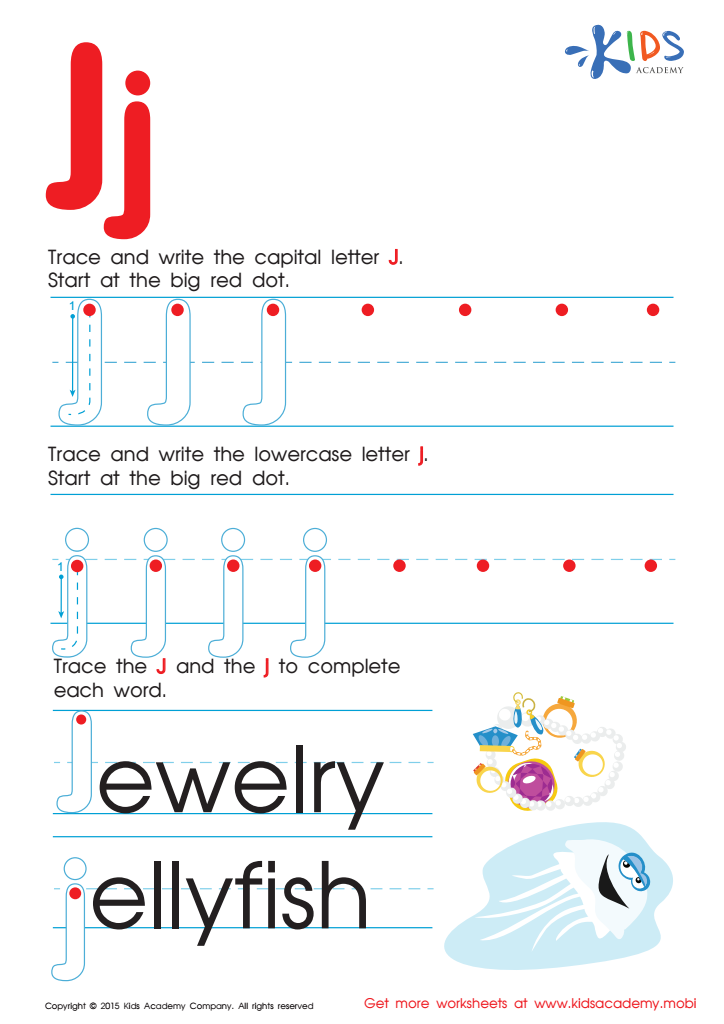
Letter J Tracing Page
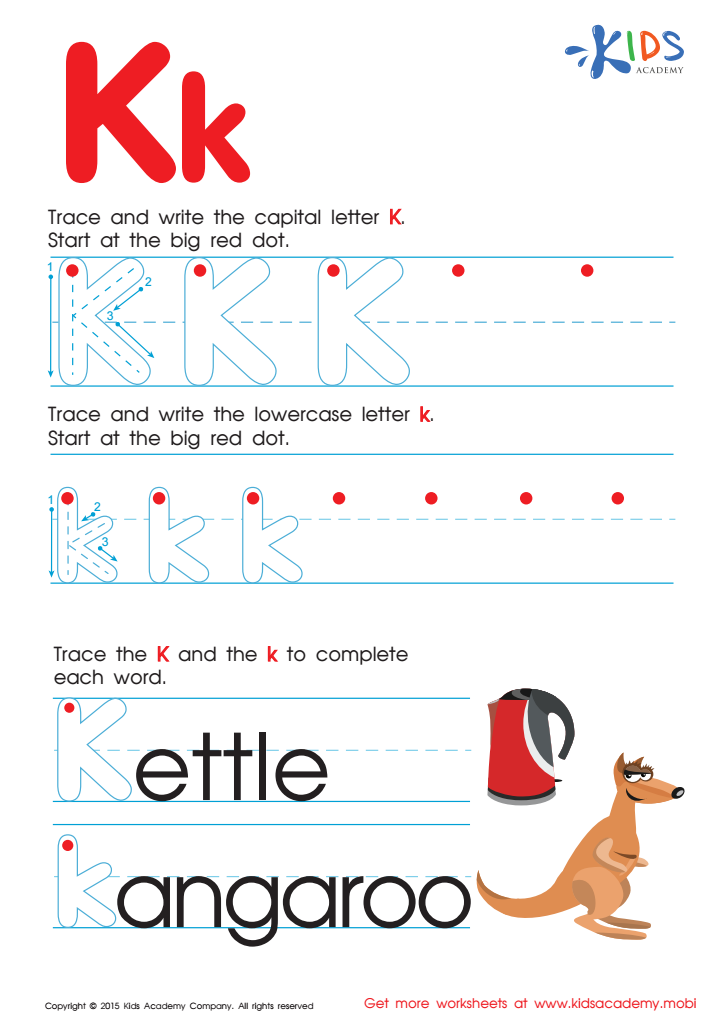
Letter K Tracing Page
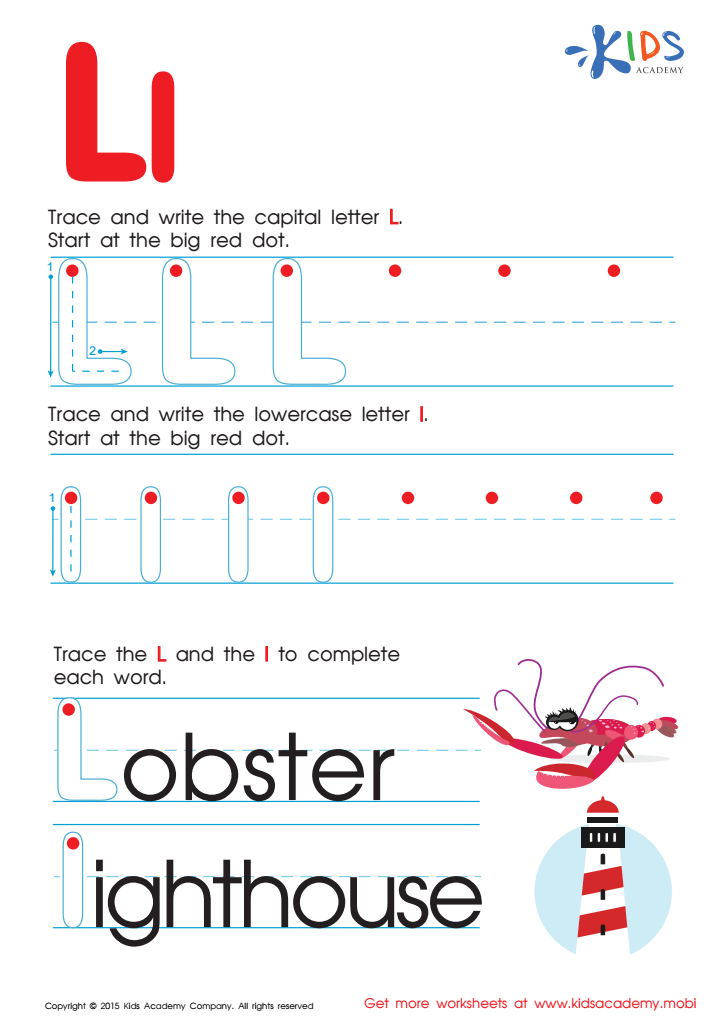
Letter L Tracing Page
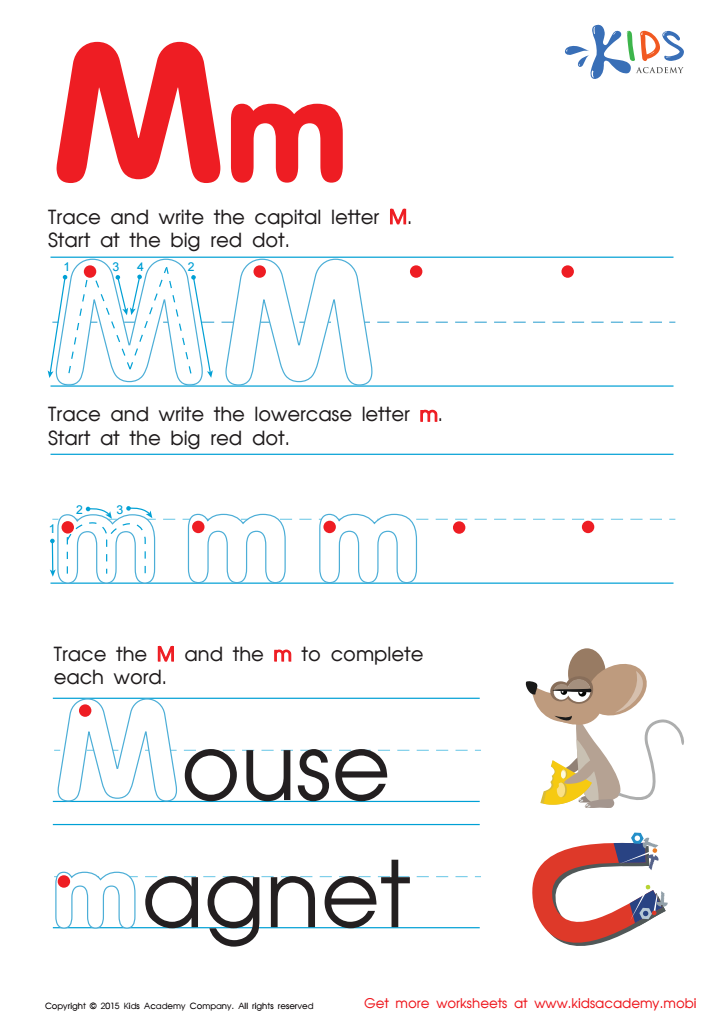
Letter M Tracing Page
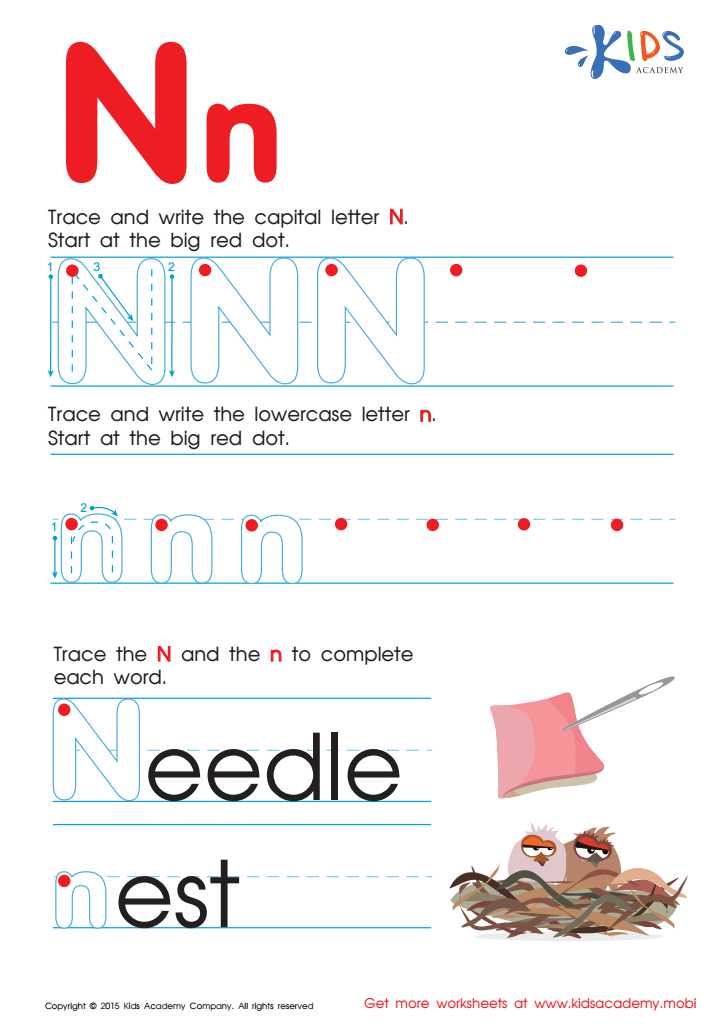
Letter N Tracing Page
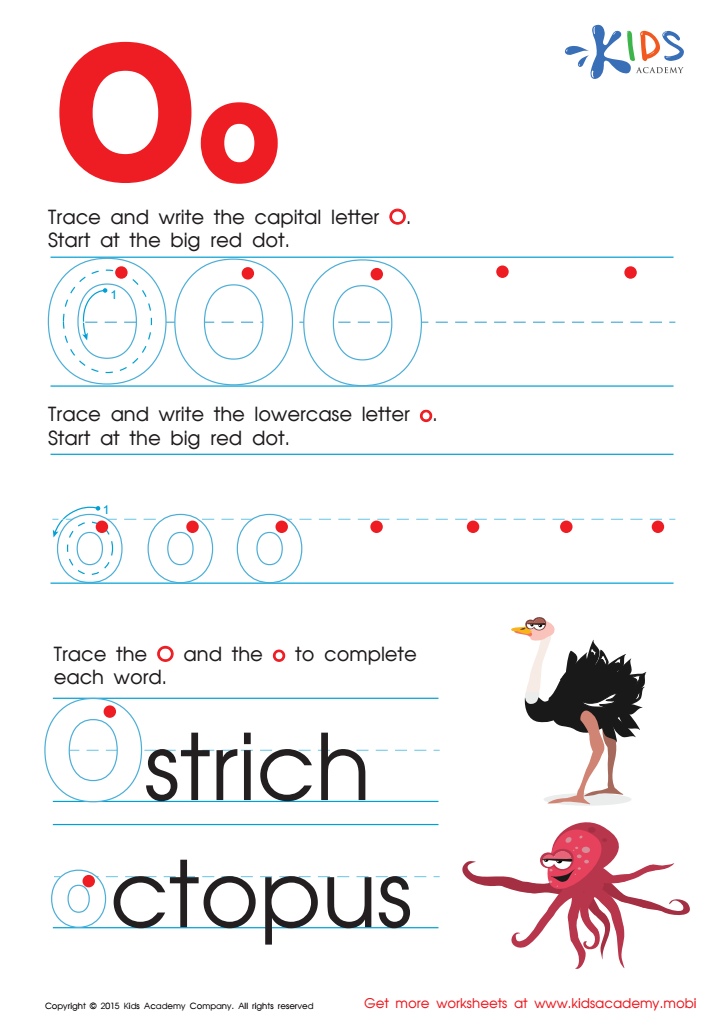
Letter O Tracing Page

Letter P Tracing Page
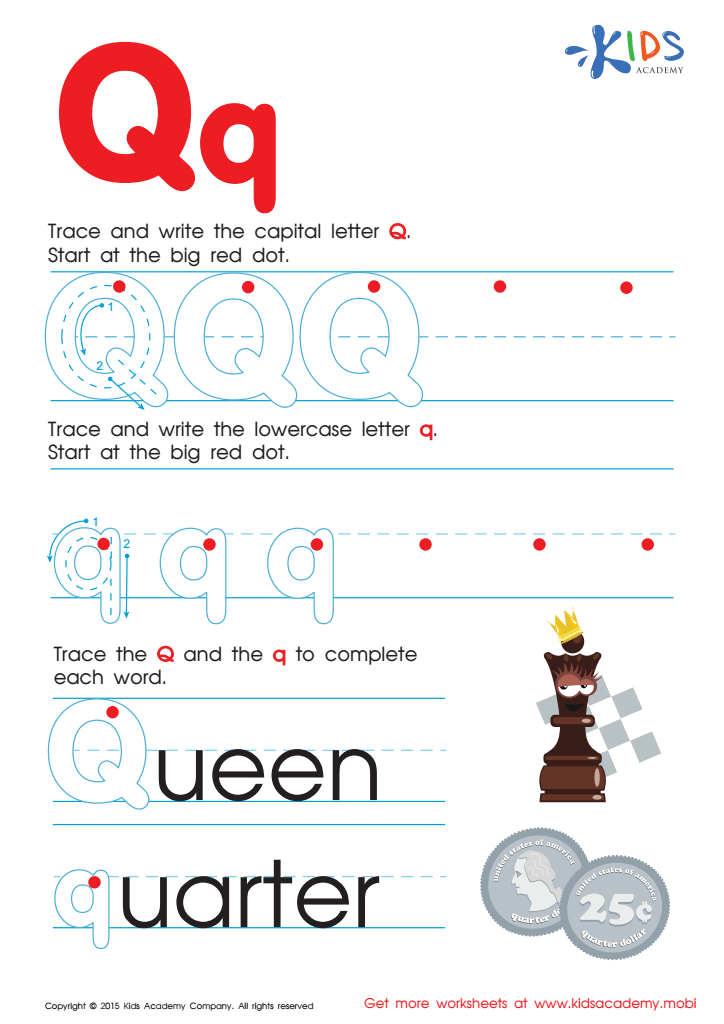
Letter Q Tracing Page








Tracing Letters worksheets activities stand out as a foundational tool in early childhood education, offering a plethora of benefits aimed at enhancing young learners' literacy skills. These activities are meticulously crafted to guide children through the intricate process of letter formation, paving the way for proficient handwriting and reading abilities. Understanding why Tracing Letters worksheets are so beneficial requires a closer look at their educational value and the developmental milestones they support.
First and foremost, Tracing Letters worksheets activities foster fine motor skills development. The act of tracing requires control and precision, engaging small muscles in the hands and fingers. As children practice, they gradually improve their grip, dexterity, and hand-eye coordination. These are not only essential for writing but also for other daily activities, contributing to a child’s overall motor skill proficiency.
Moreover, these worksheets serve as an introduction to the alphabet, laying the foundation for literacy. Through repeated exposure and practice, children become familiar with the shapes and sounds of letters, an essential step in learning to read and write. Tracing Letters worksheets activities make this learning process engaging and enjoyable, enhancing the likelihood of information retention.
Additionally, Tracing Letters worksheets can significantly boost a child’s confidence and independence. As they master the skill of tracing and eventually move on to writing letters without guidance, they experience a sense of accomplishment. This positive reinforcement encourages them to take on new challenges, fostering a love for learning.
In terms of practicality, these worksheets are versatile and easily accessible, making them a favorite among educators and parents alike. They can be used in various settings, from classrooms to home environments, providing a consistent learning experience.
In conclusion, Tracing Letters worksheets activities are invaluable in the realm of early education. By supporting fine motor skills, introducing the alphabet, boosting confidence, and offering versatility, they equip children with the foundational skills necessary for successful literacy development.








