Easy Problem Solving worksheets activities for Ages 4-6
4 filtered results
-
From - To
Discover a delightful collection of Easy Problem Solving worksheets and activities tailored for children aged 4-6! Our engaging resources are designed to foster critical thinking and logical reasoning skills through fun, age-appropriate challenges. Each worksheet is crafted to encourage creative problem-solving while keeping young minds entertained. With colorful illustrations and interactive tasks, kids will explore patterns, shapes, and sequences, helping them to develop essential cognitive abilities. Perfect for classroom use or at-home learning, these worksheets promote independent thinking and boost confidence. Browse our selection today and empower your little learners to tackle problems with enthusiasm!
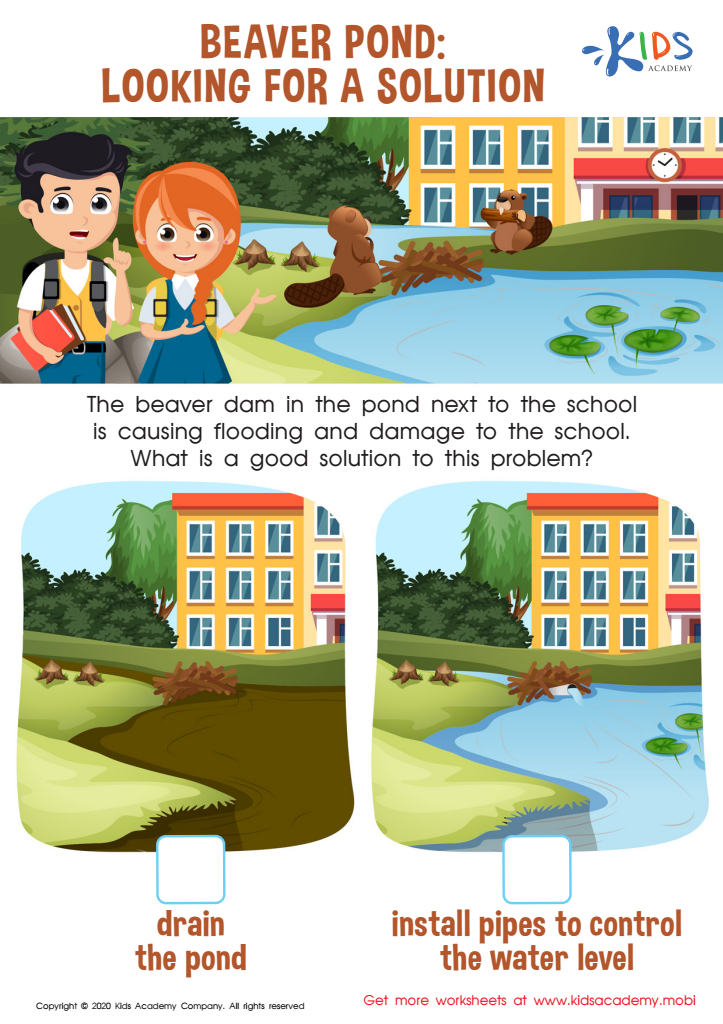
Beaver Pond: Looking for a Solution Worksheet
 Assign to My Students
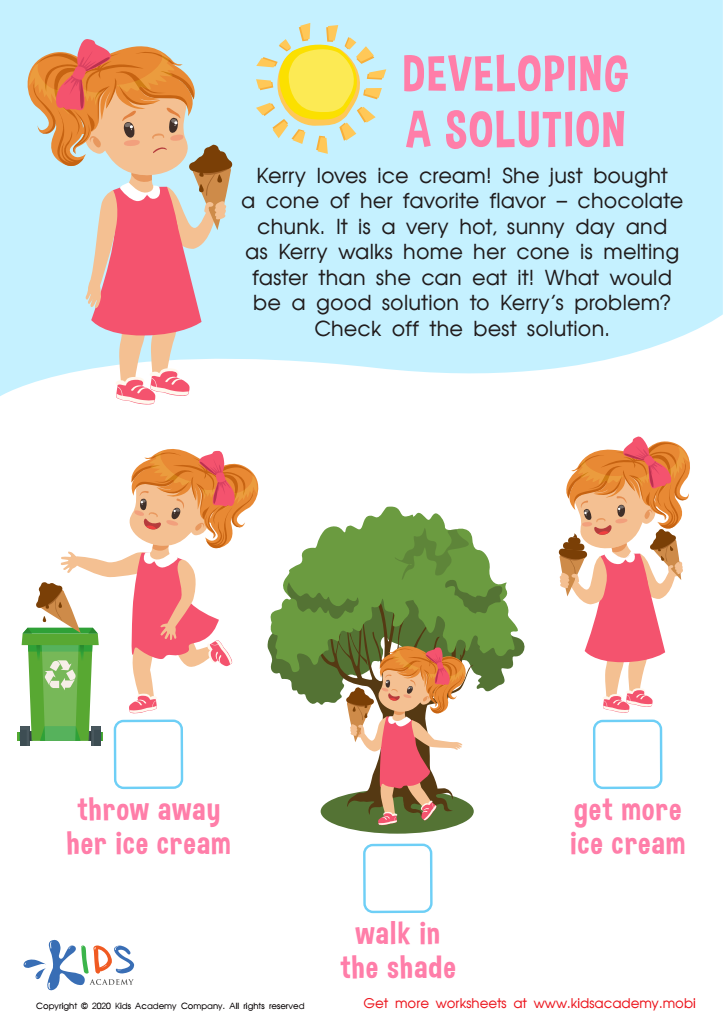
Developing Solution Worksheet
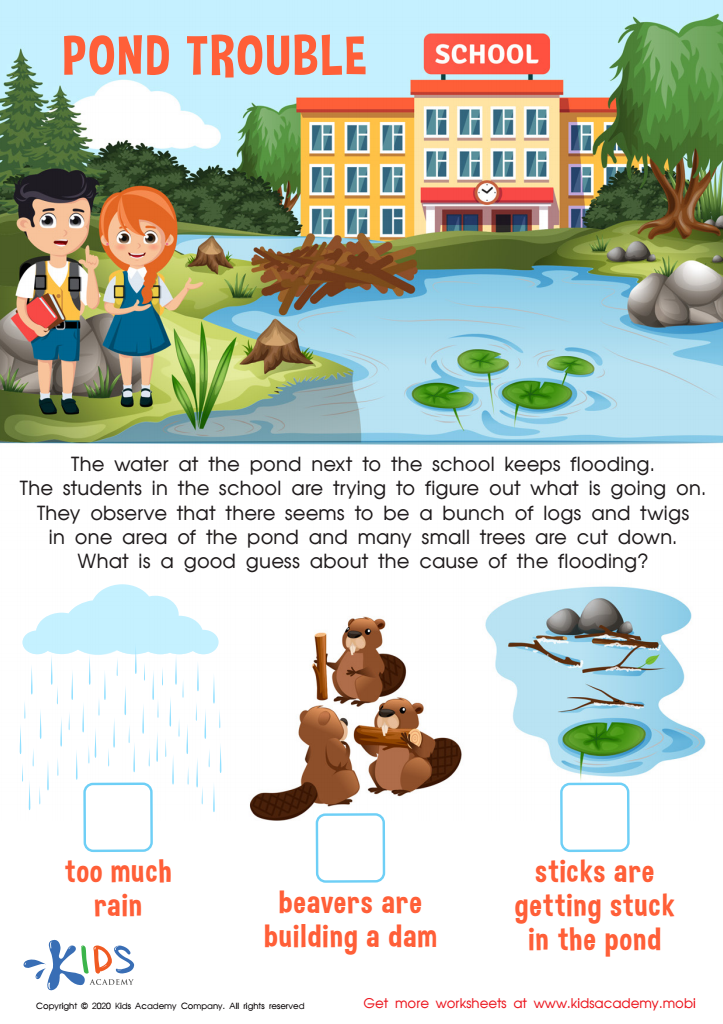
Pond Trouble Worksheet
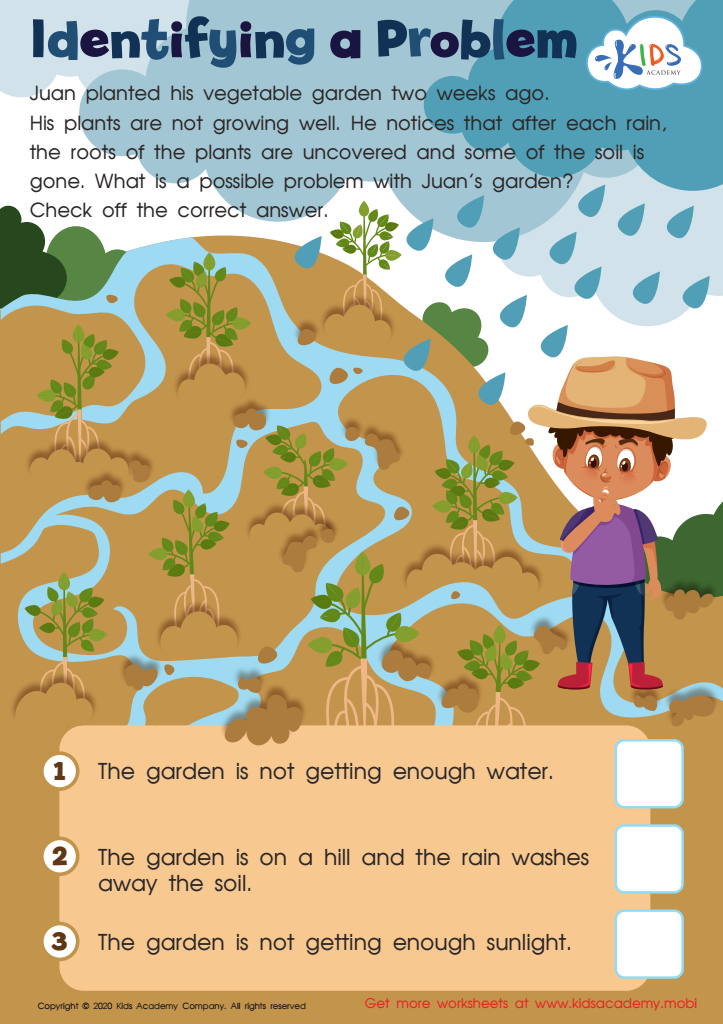
Identifying a Problem Worksheet


.jpg)




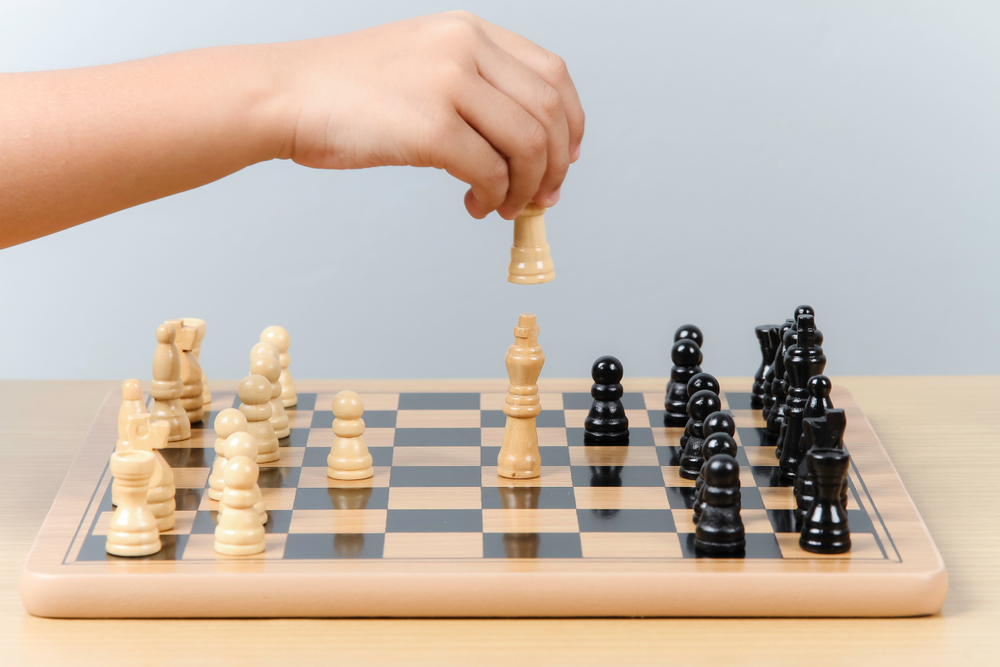
Easy problem-solving activities for children aged 4-6 are pivotal for early cognitive development. At this age, young learners are naturally curious, and engaging them in problem-solving fosters critical thinking skills and creativity. These activities help children learn to identify issues, weigh options, and generate solutions, laying the groundwork for more complex decision-making in later life.
Moreover, incorporating problem-solving into daily lessons or home activities supports social-emotional development. Children learn patience, perseverance, and cooperation through interactions with peers or family members during these tasks. As they encounter challenges, they gain resilience and the ability to manage frustration, essential components of emotional intelligence.
Parents and teachers should also recognize that these activities make learning interactive and enjoyable. By using games, puzzles, and hands-on tasks, adults can encourage a love for learning, essential at this formative stage in a child’s life. Ultimately, investing in easy problem-solving activities promotes lifelong skills, enhances academic readiness, and cultivates confident individuals prepared to navigate future challenges. Therefore, facilitating such experiences is vital for the holistic development of young learners both at home and in educational settings.








