Extra Challenge Tracing worksheets activities for 4-Year-Olds
20 filtered results
-
From - To
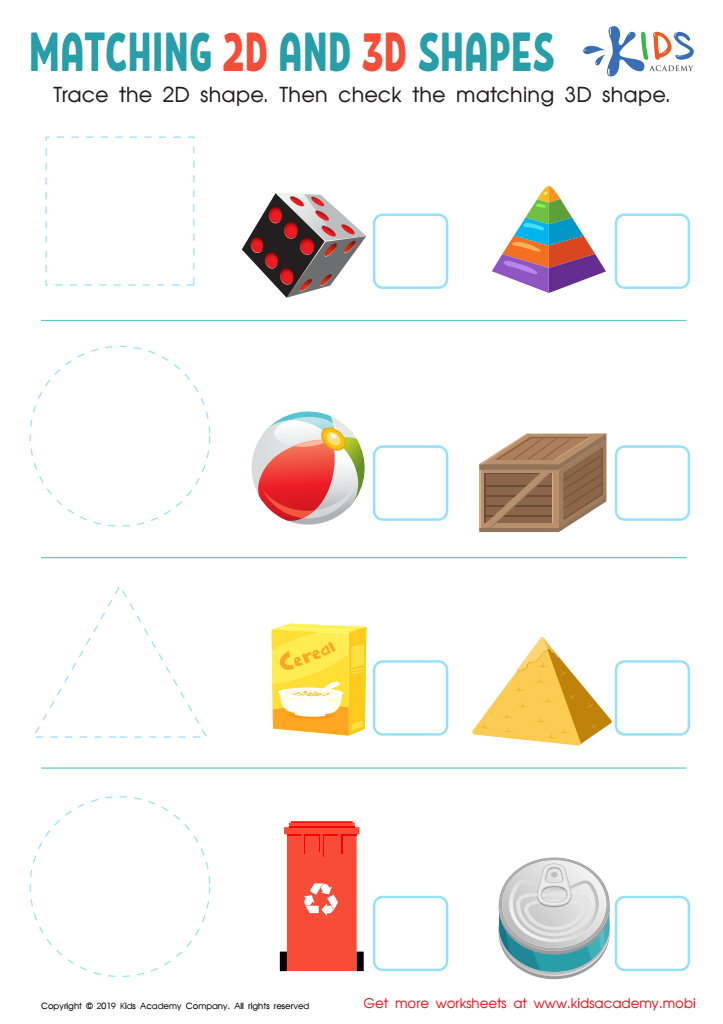
Matching 2D and 3D Shapes Worksheet
 Assign to My Students
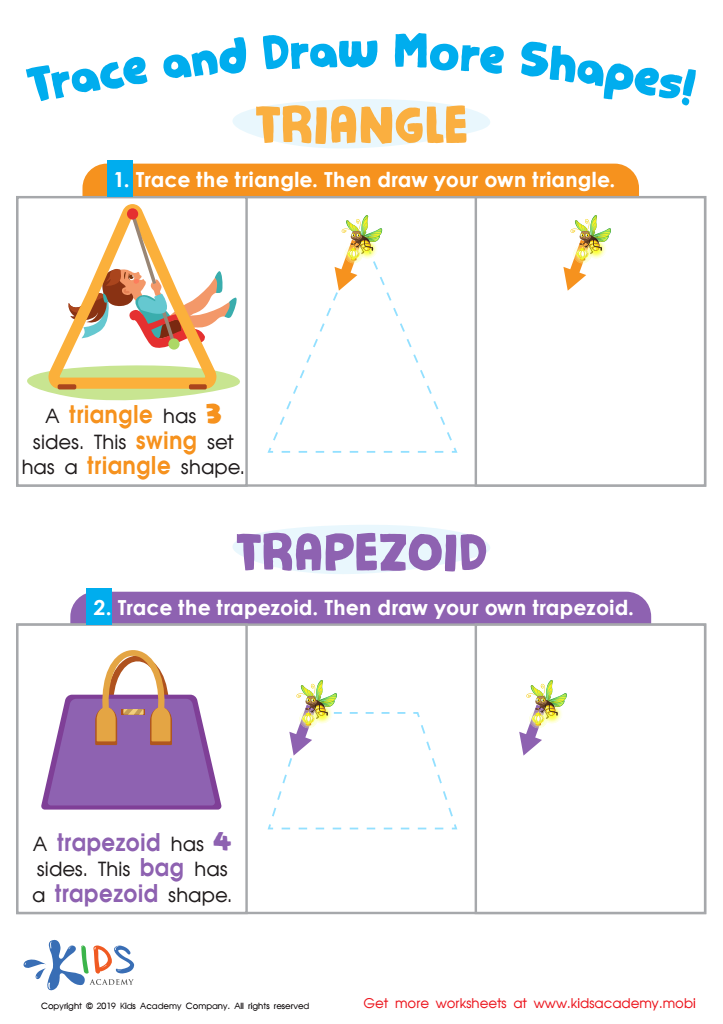
Trace and Draw More Shapes Worksheet
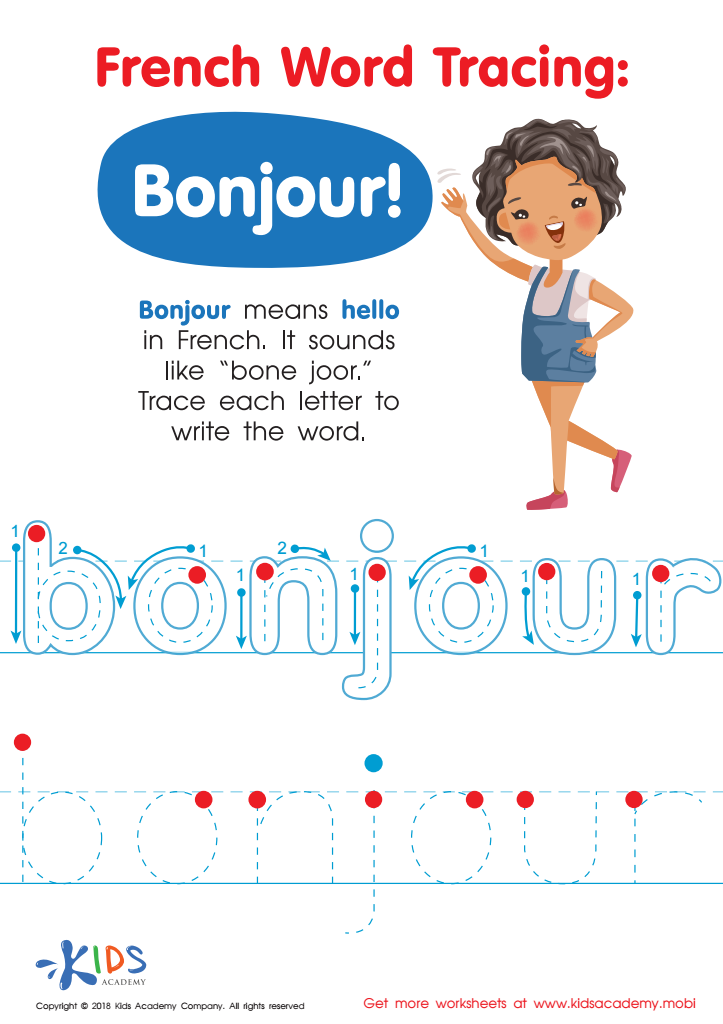
French Word Tracing: Bonjour Worksheet
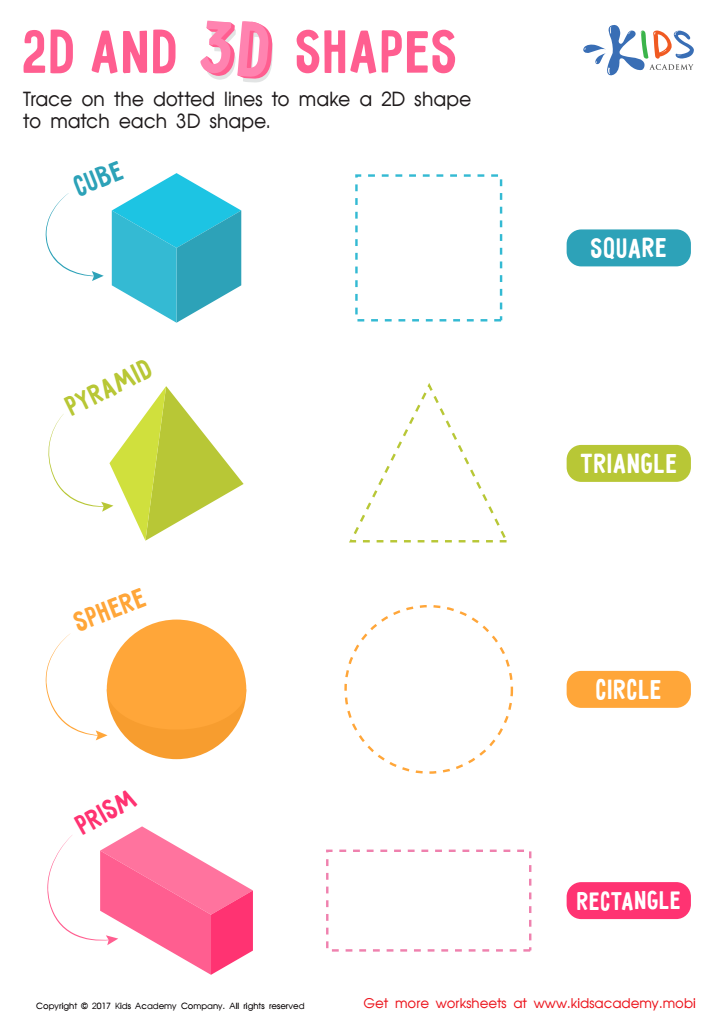
2D and 3D Shapes Worksheet
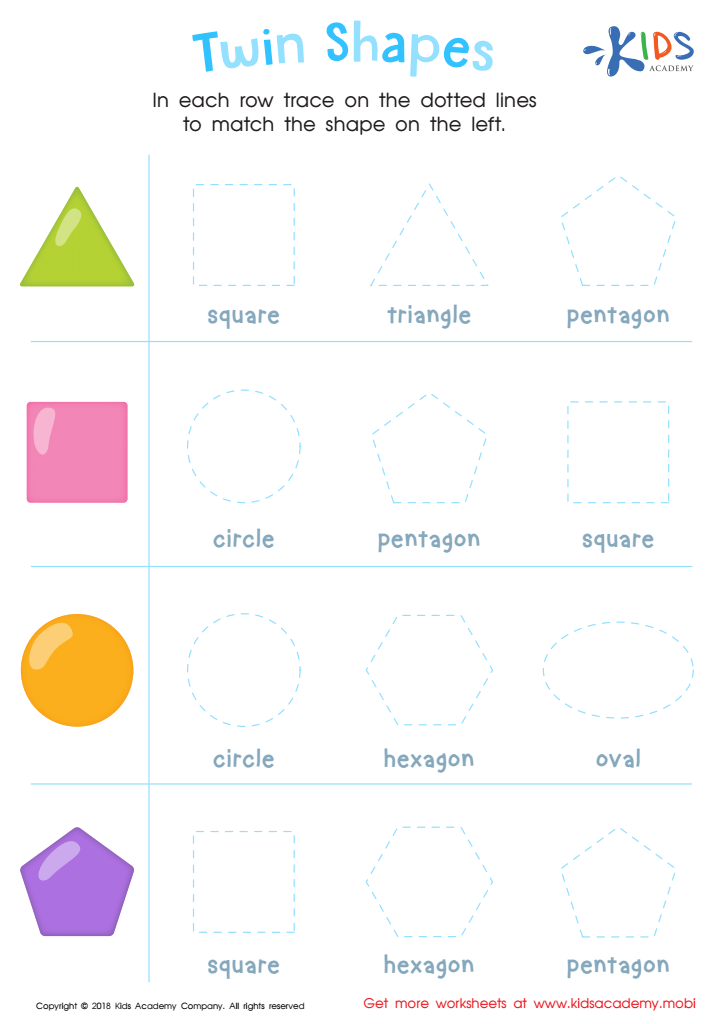
Twin Shapes Dot-to-Dot Worksheet
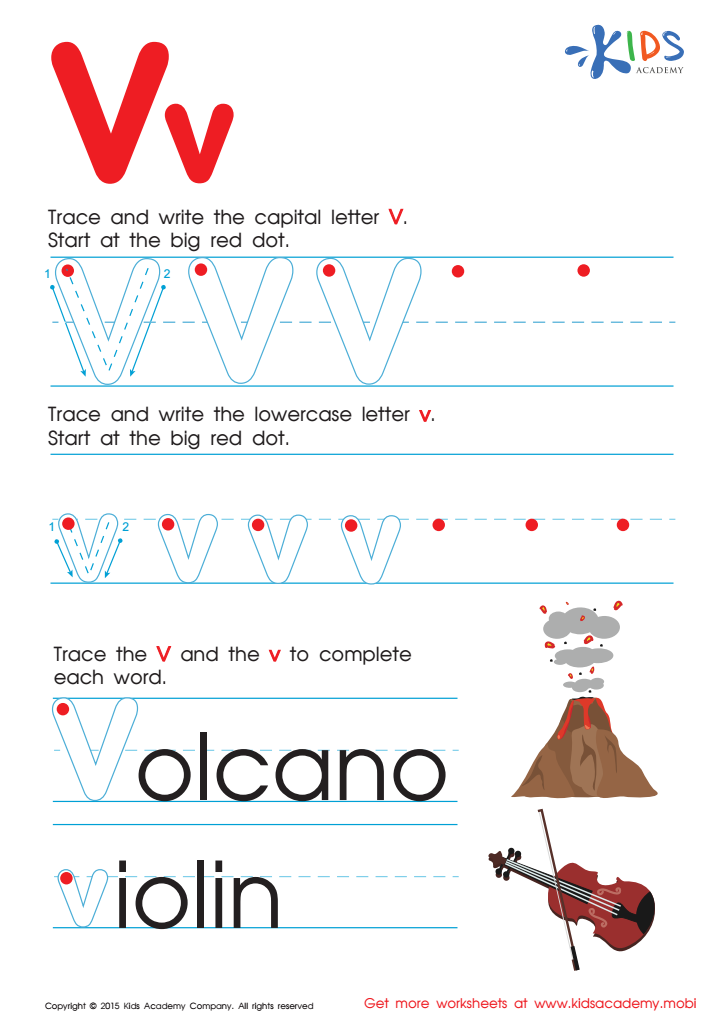
Letter V Tracing Page
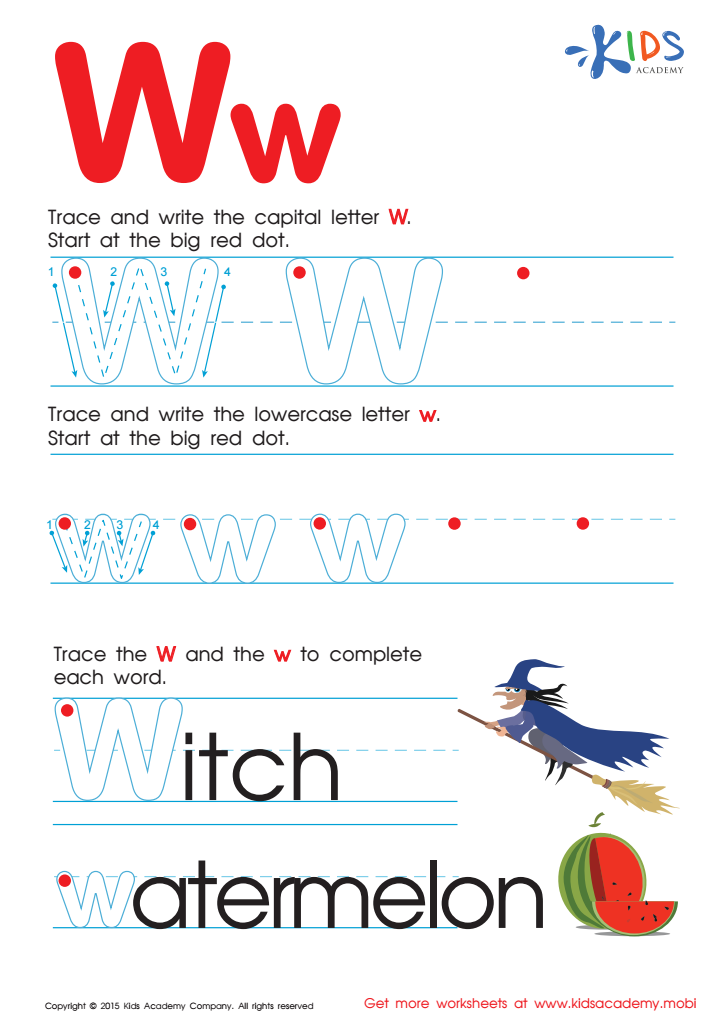
Letter W Tracing Page
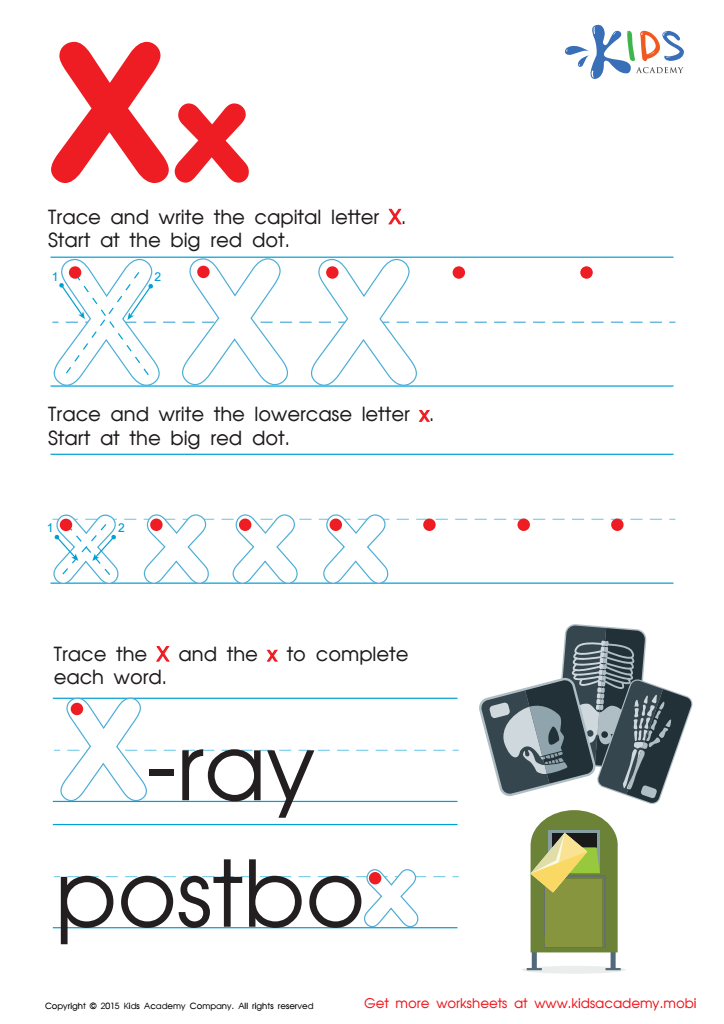
Letter X Tracing Page
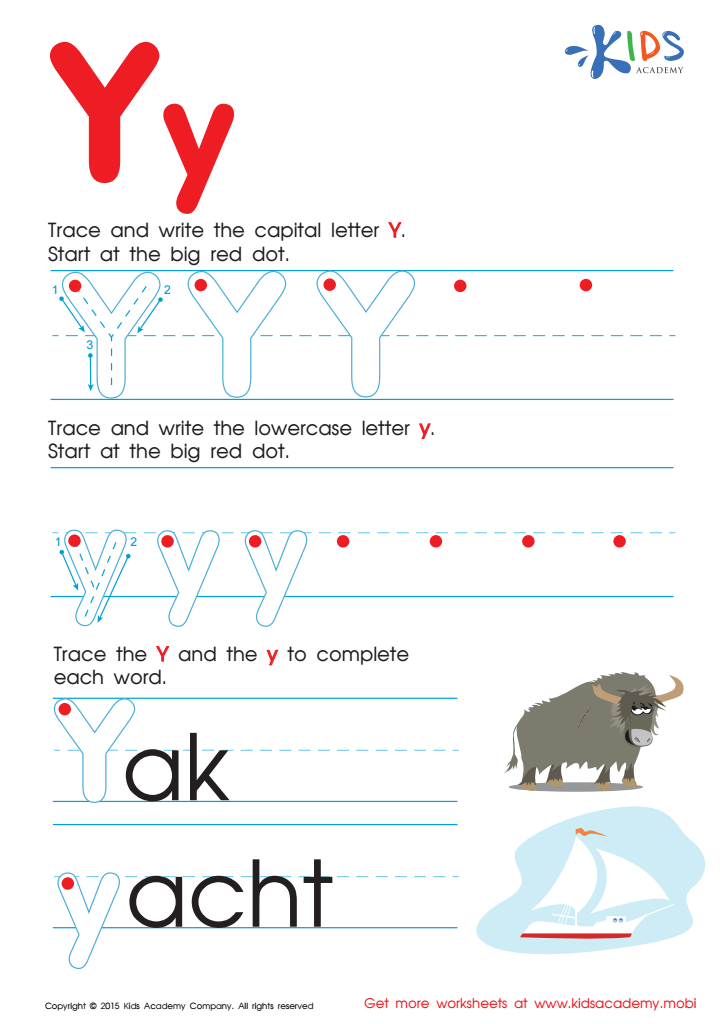
Letter Y Tracing Page
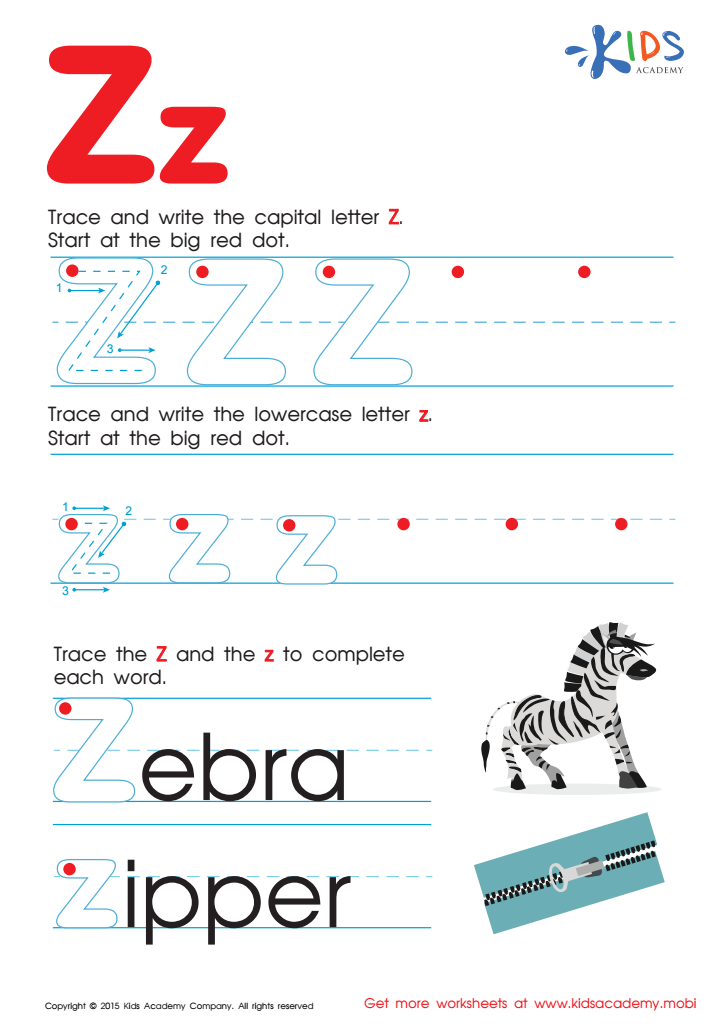
Letter Z Tracing Page

Letter A Tracing Page
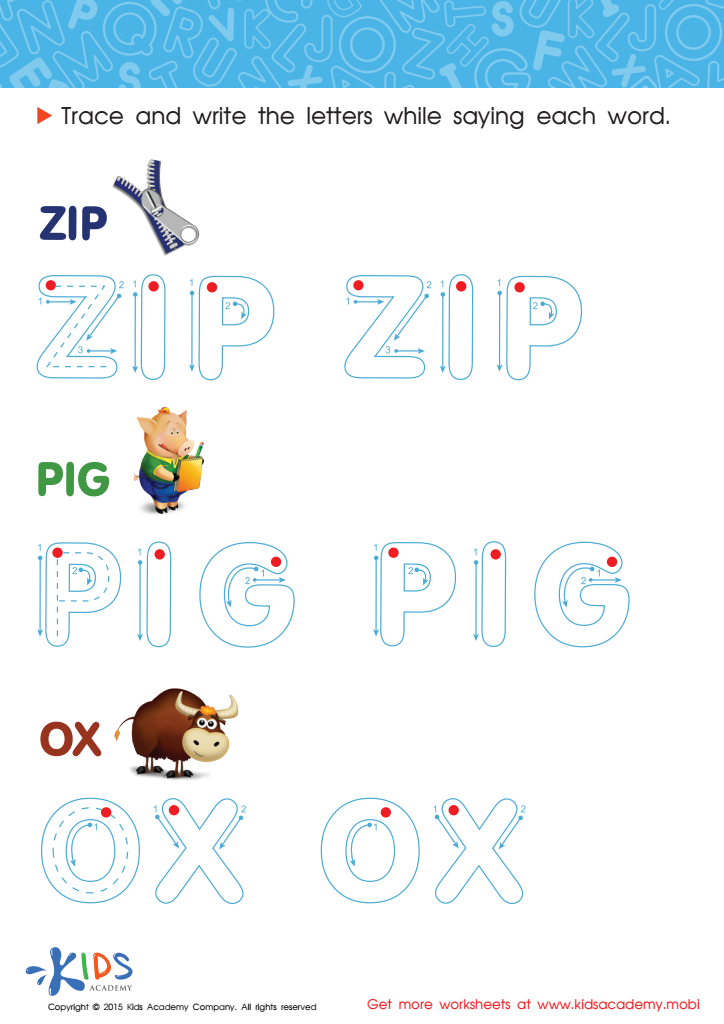
A Zip, a Pig and an Ox Spelling Worksheet
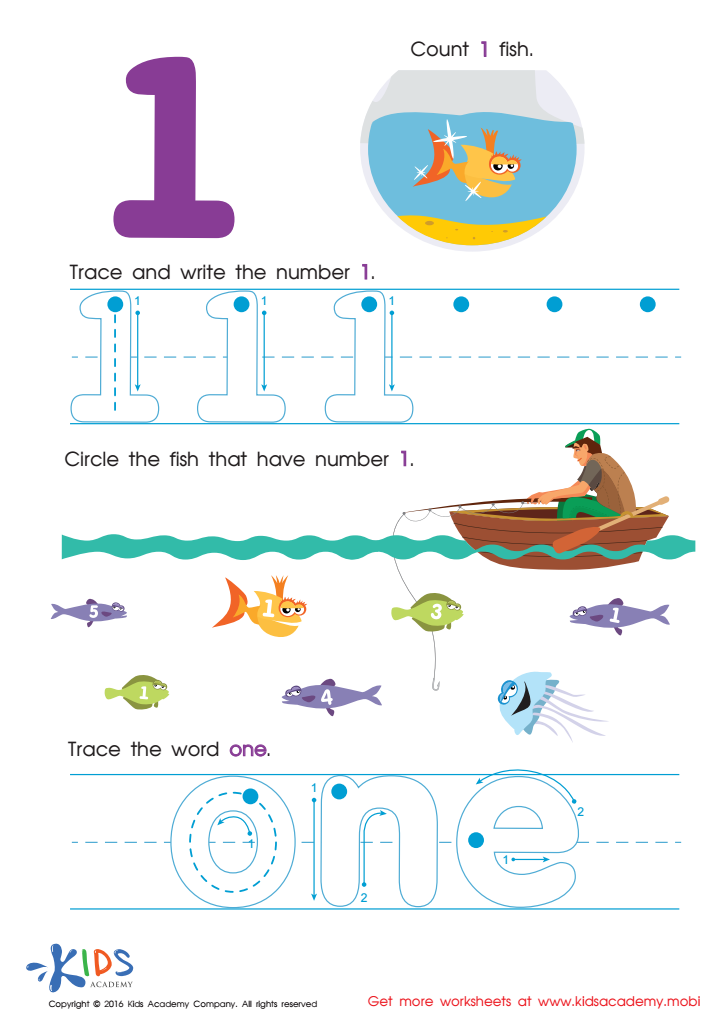
Learning to Write 1 Worksheet
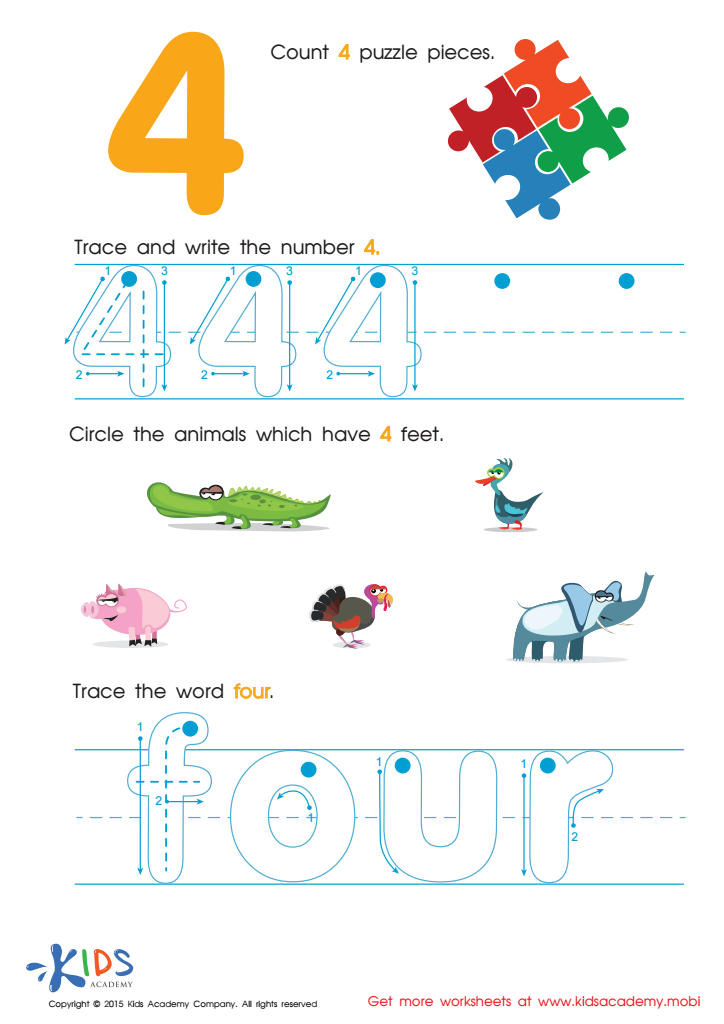
Teaching Children to Write Number 4 Worksheet

Santa Claus Tracing Winter Words Worksheet
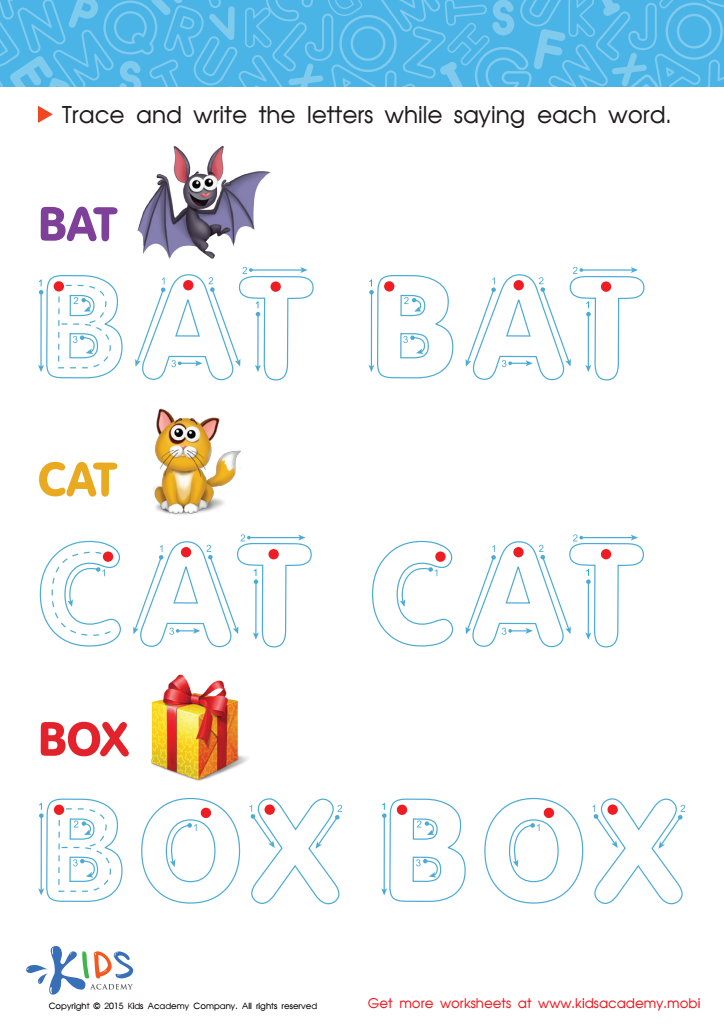
A Bat, a Cat and a Box Spelling Worksheet
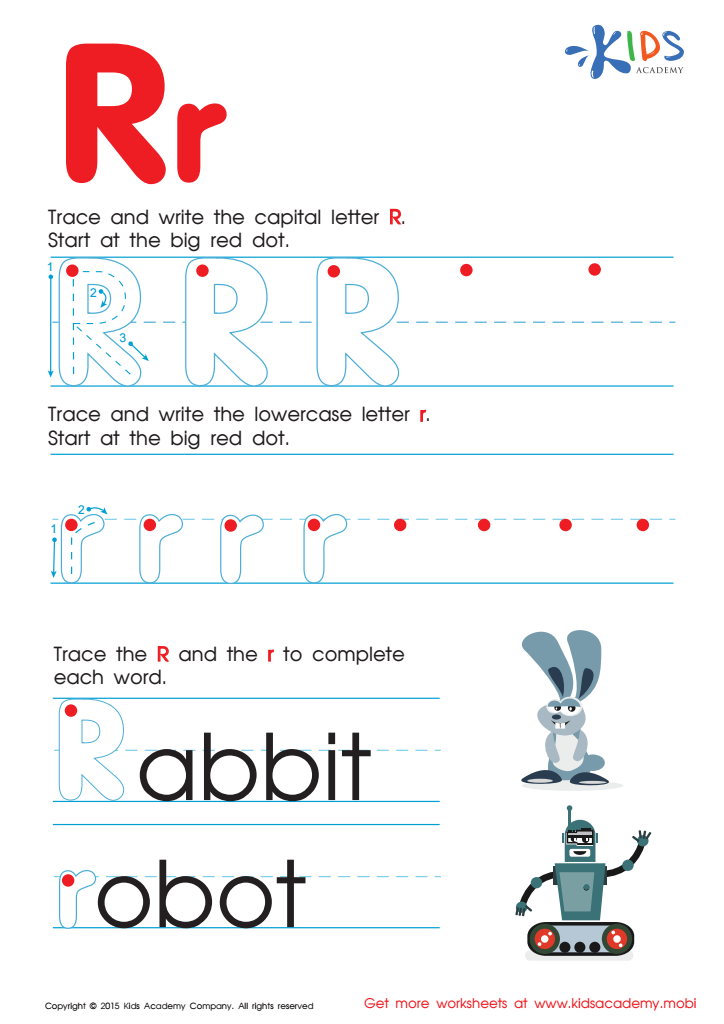
Letter R Tracing Page
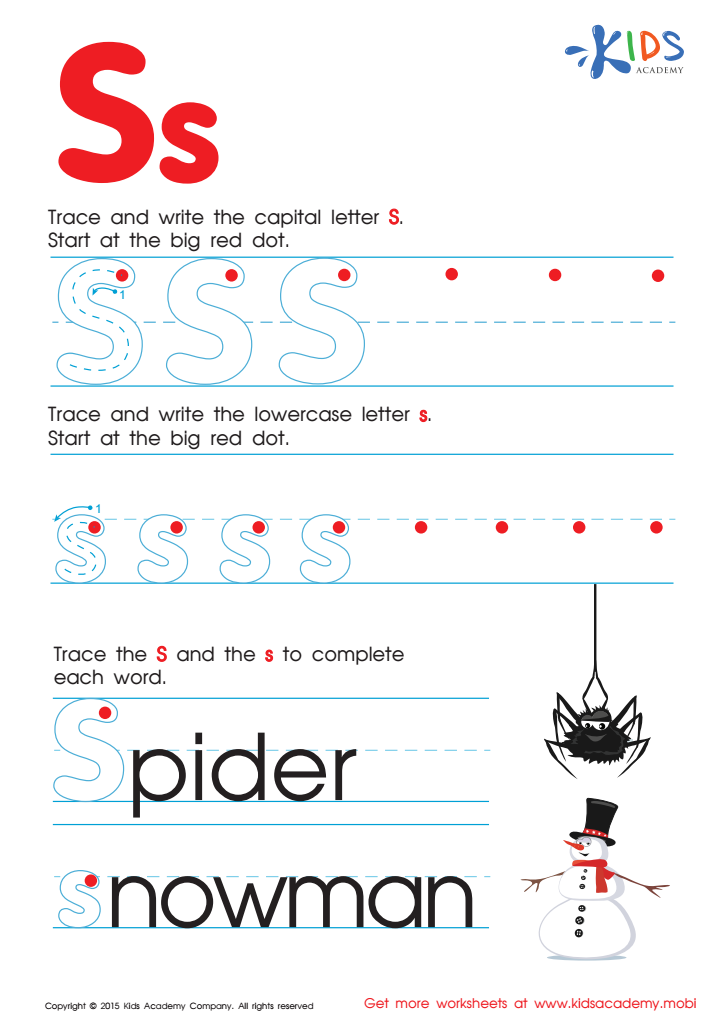
Letter S Tracing Page
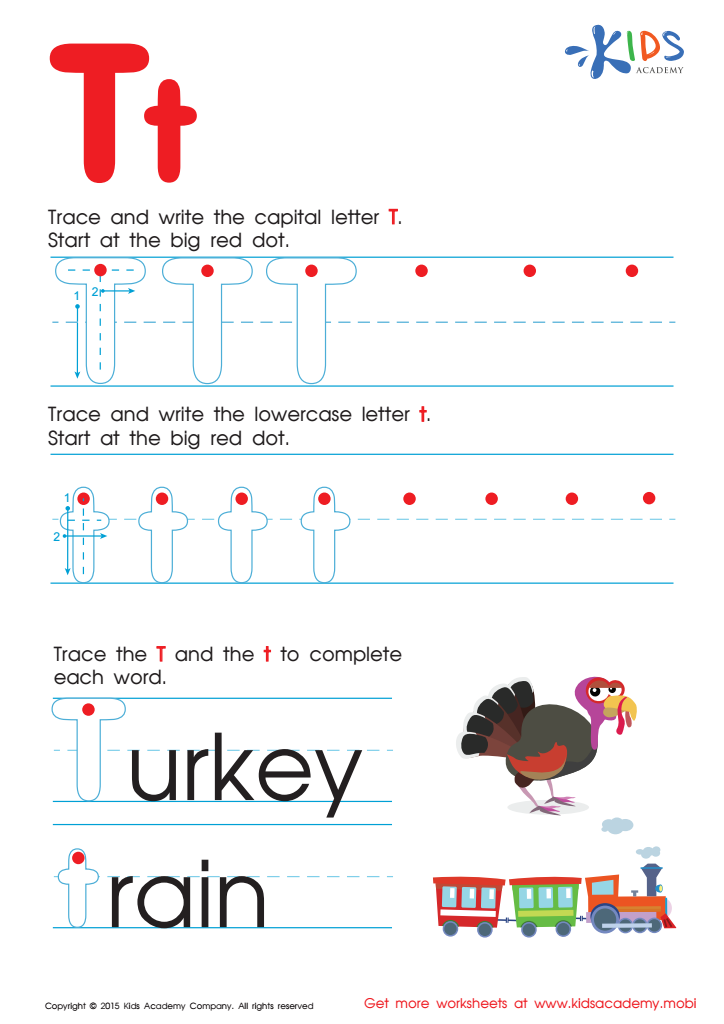
Letter T Tracing Page
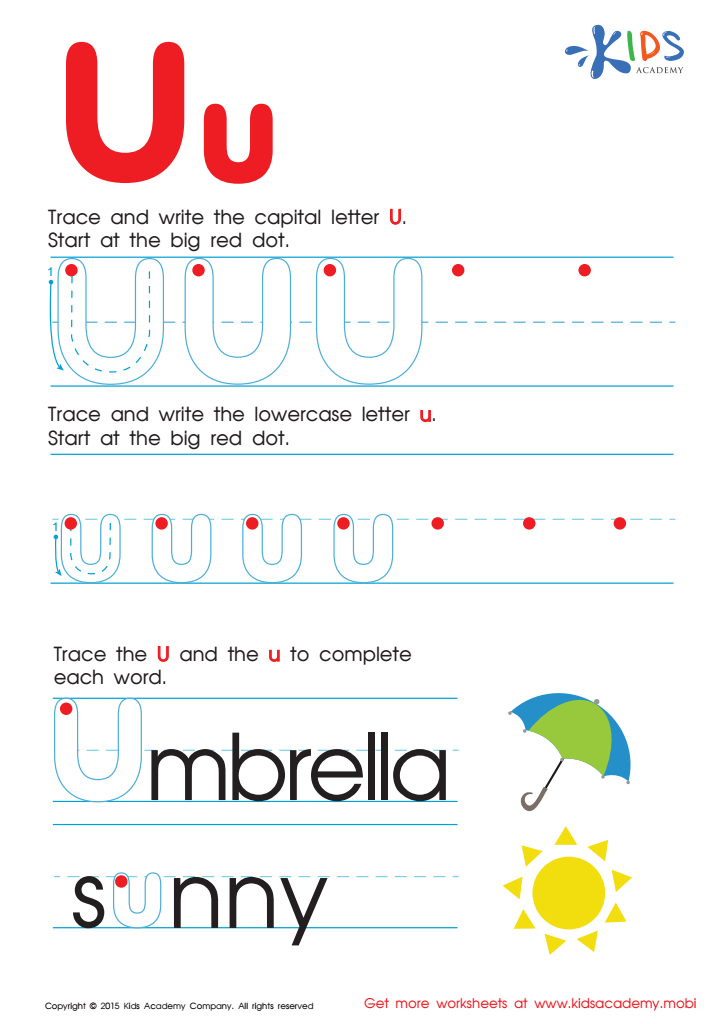
Letter U Tracing Page




.jpg)


Extra Challenge Tracing worksheets activities serve as an invaluable tool in the educational development of young learners. These meticulously designed activities go beyond the traditional methods of learning, providing an engaging and effective way for children to enhance their fine motor skills, hand-eye coordination, and overall cognitive abilities. The importance of incorporating Extra Challenge Tracing worksheets into a child’s learning routine cannot be overstated, as they offer a myriad of benefits that contribute to a child's academic and personal growth.
Firstly, Extra Challenge Tracing worksheets are instrumental in developing fine motor skills. The precise movements required in tracing shapes, letters, and numbers help strengthen the small muscles in a child's hand, preparing them for more complex tasks such as writing and drawing. This foundational skill is crucial for young learners, as it directly impacts their ability to perform in academic settings.
Moreover, these activities significantly enhance hand-eye coordination. As children follow the tracing paths with their eyes while guiding their hands to replicate the shapes, they learn to synchronize their movements. This coordination is essential not just in academic pursuits but also in daily life tasks and sports.
Additionally, Extra Challenge Tracing worksheets stimulate cognitive development. They challenge children to recognize patterns, shapes, and letters, fostering early literacy and numeracy skills. The problem-solving aspect of tracing unfamiliar shapes or patterns also nurtures critical thinking and concentration, skills that are beneficial across all areas of learning.
Furthermore, the sense of accomplishment children feel upon successfully completing these worksheets fosters self-confidence and a positive attitude towards learning. It teaches them the value of practice and perseverance, instilling a growth mindset from an early age.
In conclusion, Extra Challenge Tracing worksheets activities are not merely about following lines on a paper. They are a comprehensive educational tool that supports physical, cognitive, and emotional development. By incorporating these activities into a child’s learning routine, parents and educators are laying a strong foundation for their future academic success and personal growth.








