Normal Tracing Letters worksheets activities for Ages 3-9 - Page 2
32 filtered results
-
From - To
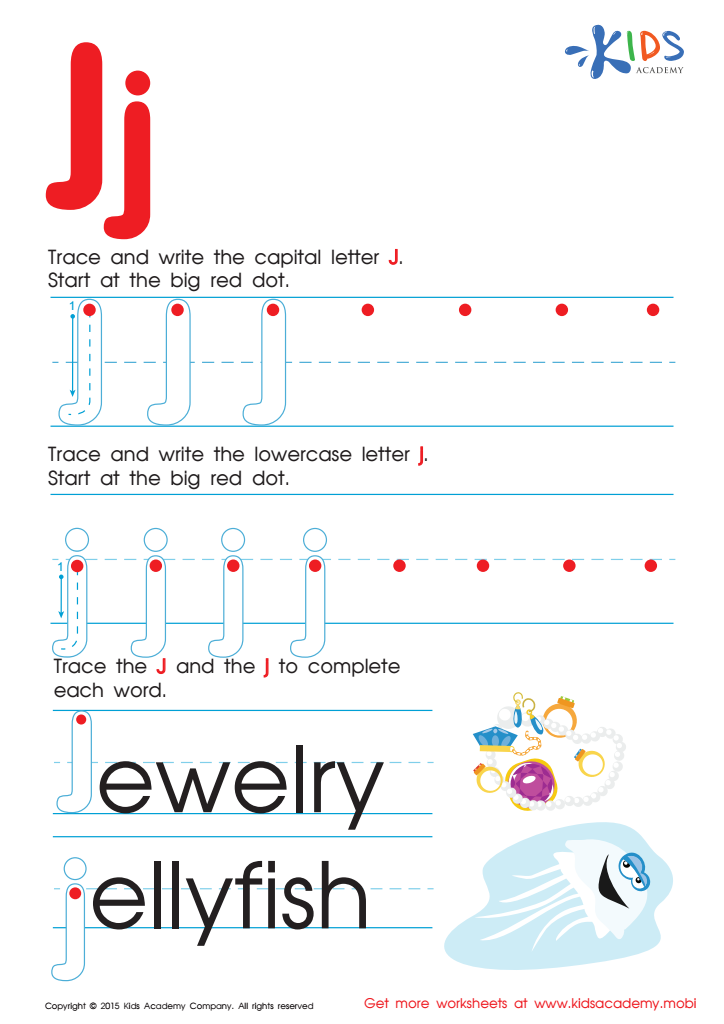
Letter J Tracing Page
 Assign to My Students
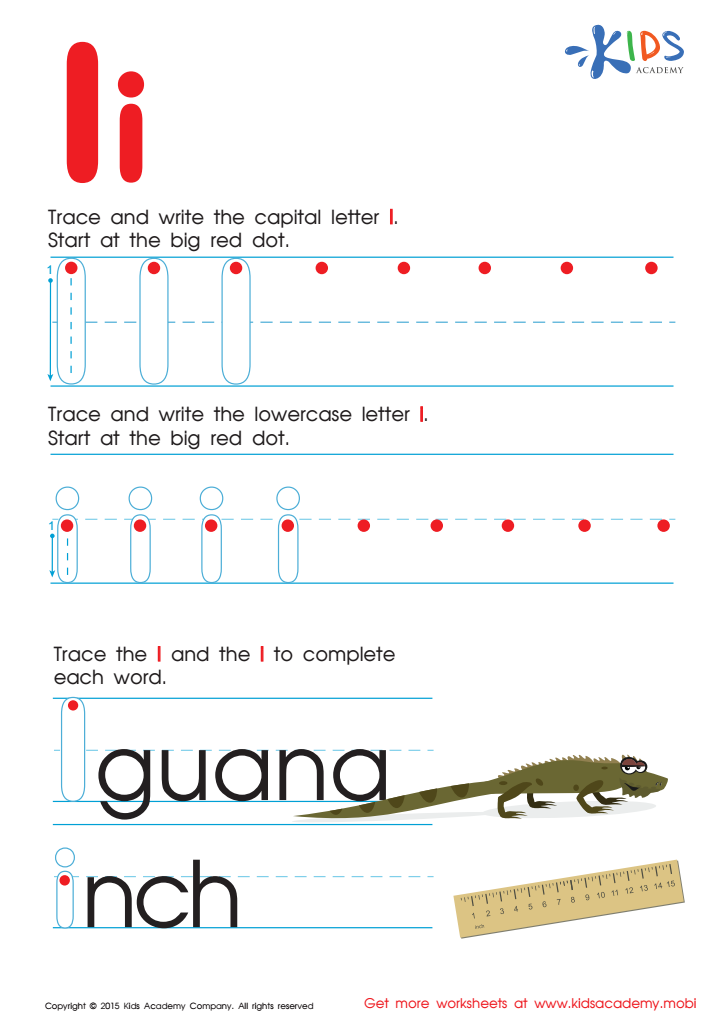
Letter I Tracing Page
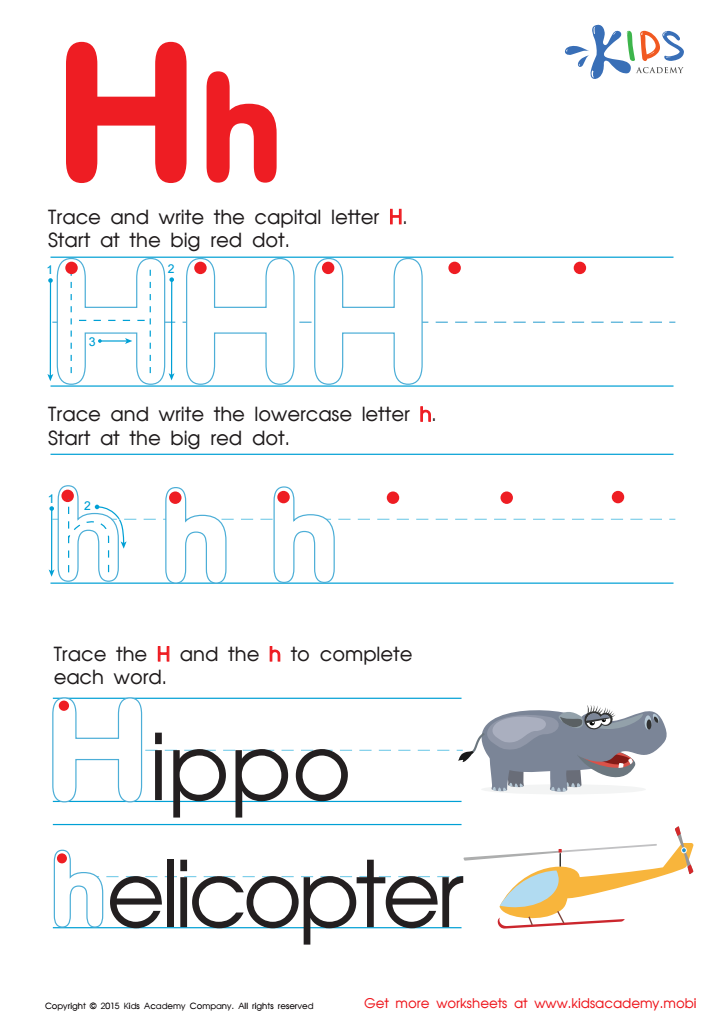
Letter H Tracing Page
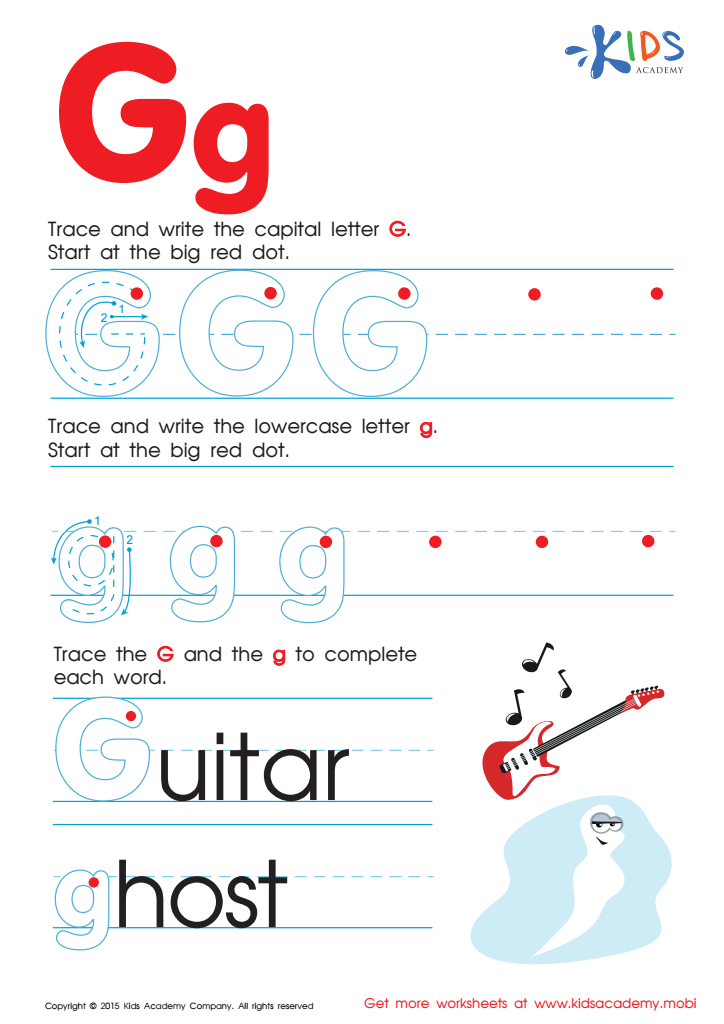
Letter G Tracing Page
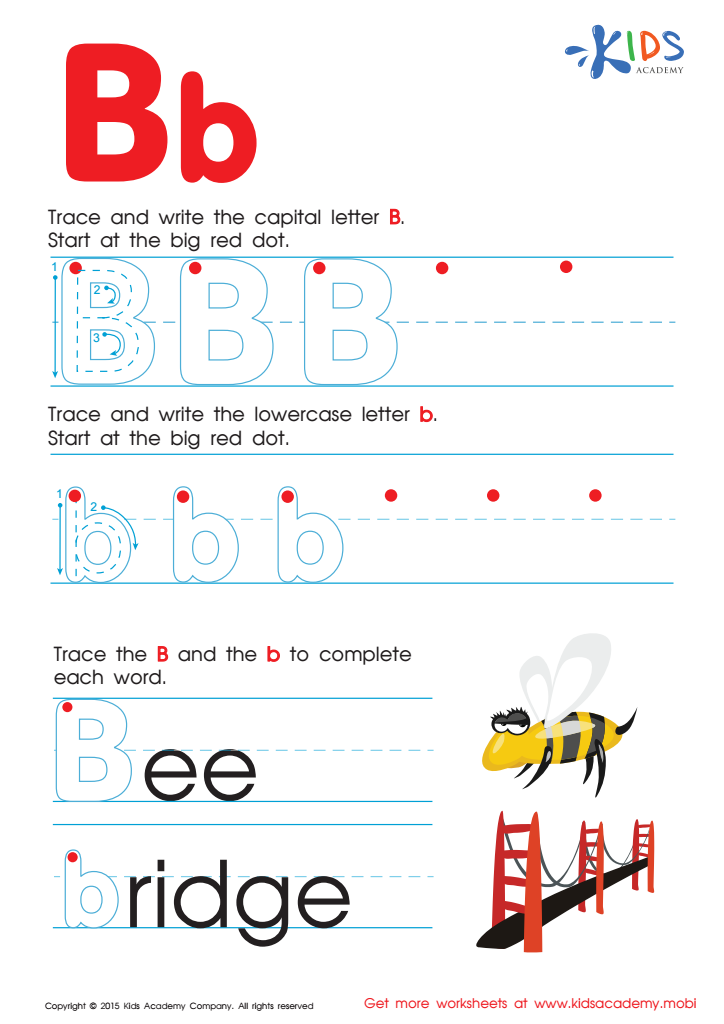
Letter B Tracing Page

Letter C Tracing Page

Letter D Tracing Page

Letter E Tracing Page







Normal tracing letters activities for children aged 3-9 are crucial for early literacy development and fine motor skills. These activities provide a foundational understanding of letter shapes and formations, which is essential for both reading and writing. By tracing letters, children learn to recognize and differentiate between them, aiding in vocabulary building and pronunciation.
From a developmental standpoint, tracing helps enhance hand-eye coordination and dexterity. As children navigate the lines and curves of each letter, they strengthen the small muscles in their hands, which are essential for holding pencils and other writing tools. This practice can lead to improved handwriting and overall confidence when engaging in written tasks.
Furthermore, these activities foster concentration and the ability to follow directions—skills that are valuable across all areas of learning. Parents and teachers who integrate letter-tracing tasks into routines are supporting not only literacy skills but also cognitive and physical development.
Additionally, the incorporation of tracing letters into playful contexts, such as thematic crafts or digital games, can make learning enjoyable and engaging, which is vital for maintaining children's interest. Investing time in these tracing activities lays the groundwork for a successful academic journey, enriching both literacy skills and creative expression.








