Normal Tracing Letters worksheets activities for Ages 5-7 - Page 2
32 filtered results
-
From - To
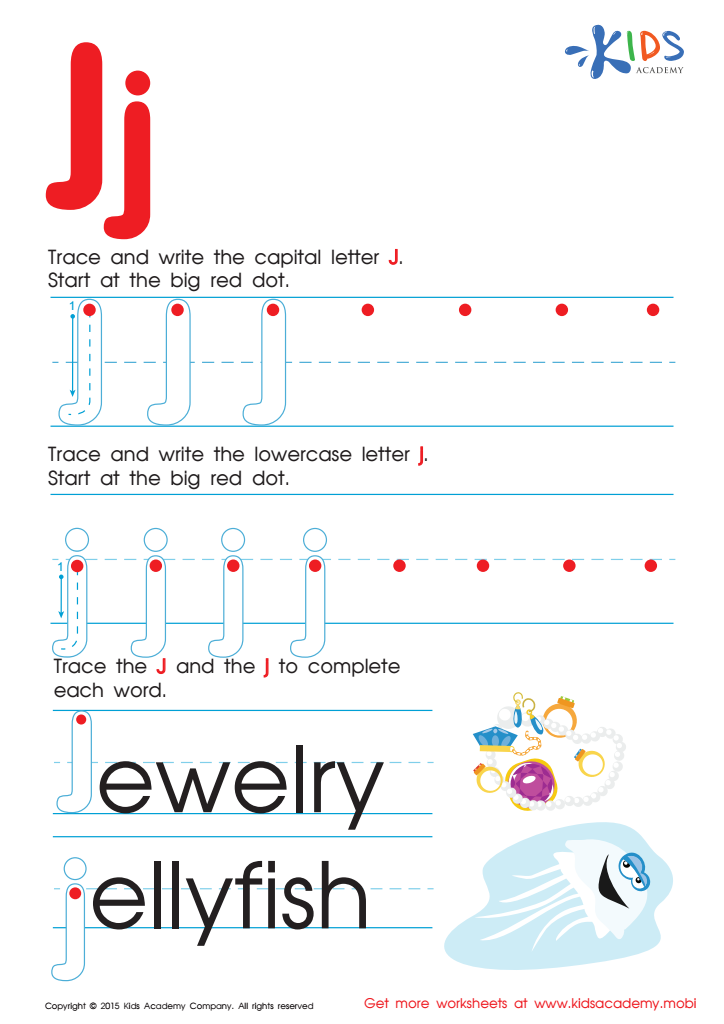
Letter J Tracing Page
 Assign to My Students
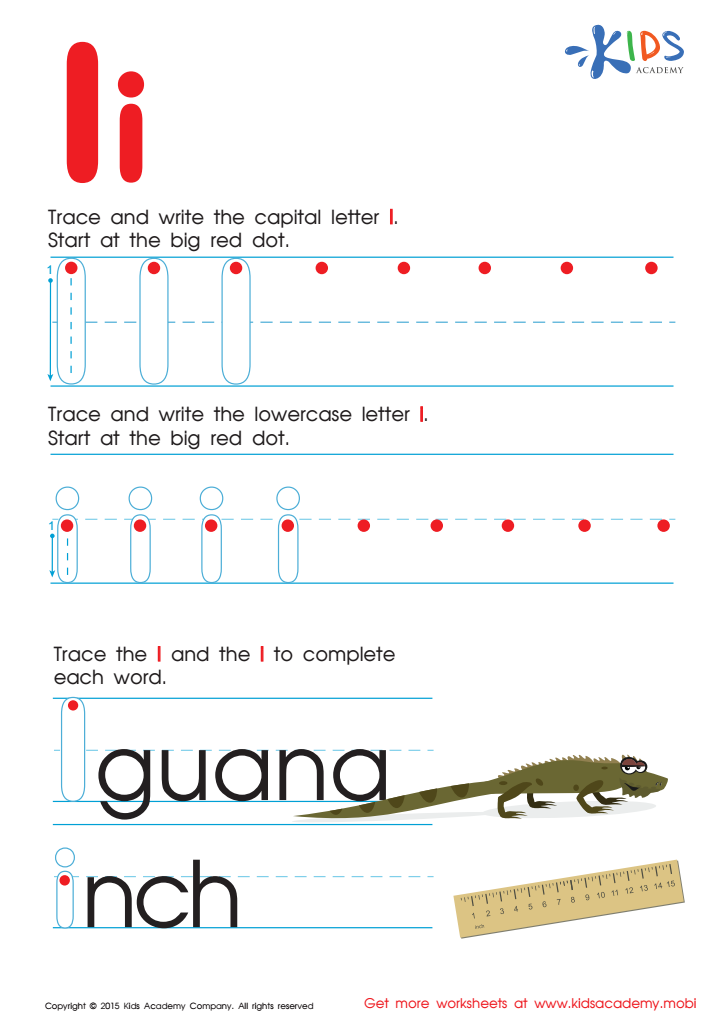
Letter I Tracing Page
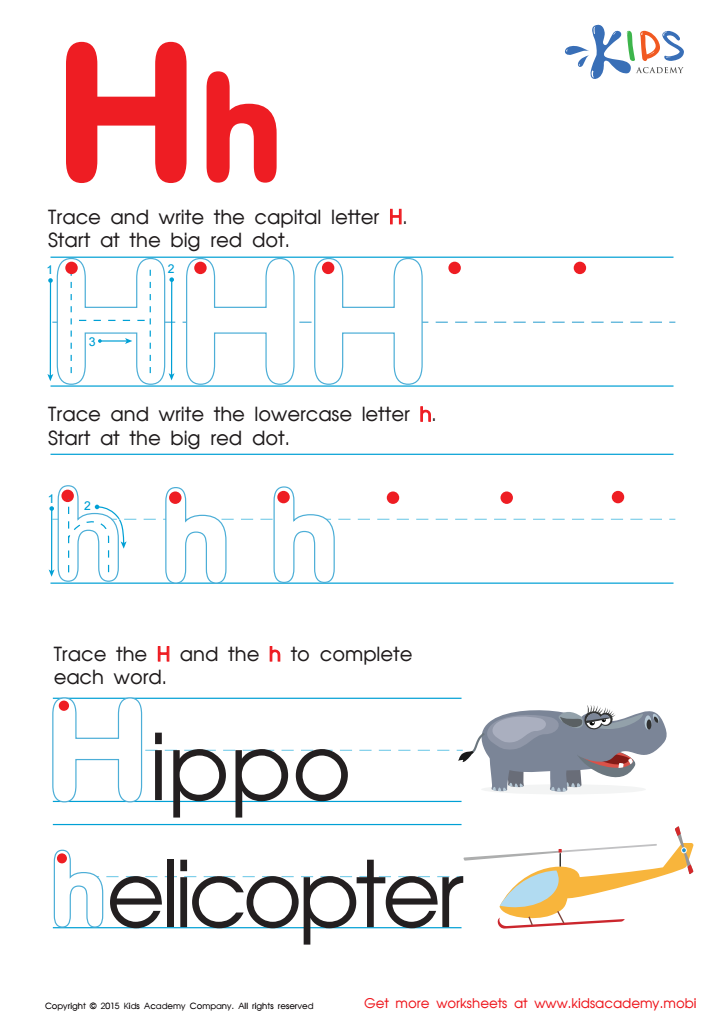
Letter H Tracing Page
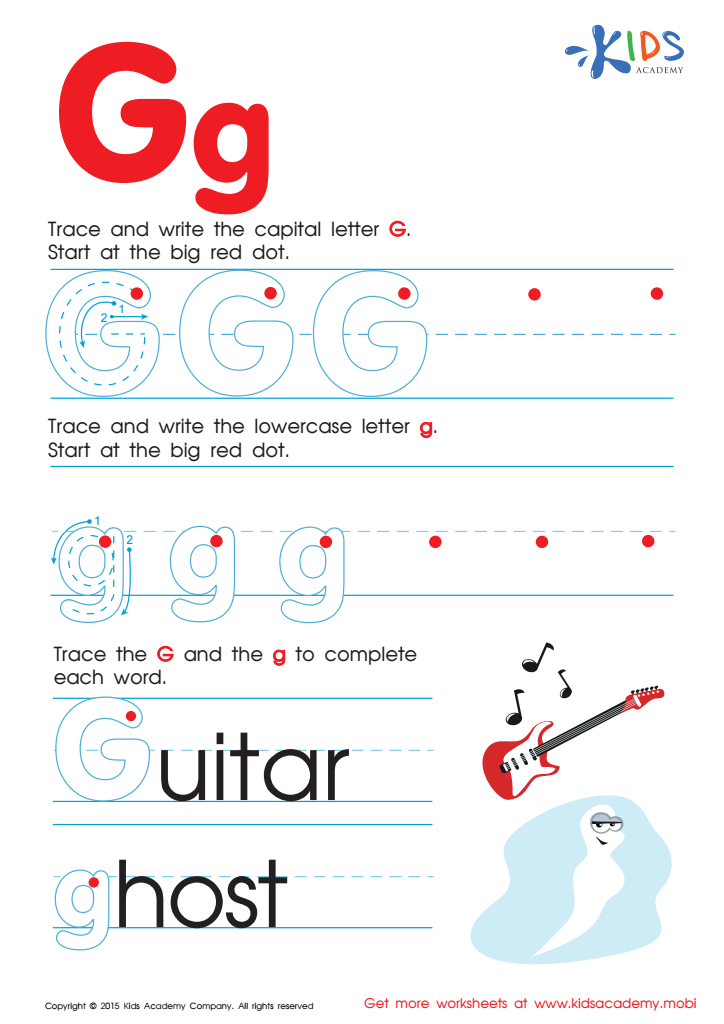
Letter G Tracing Page
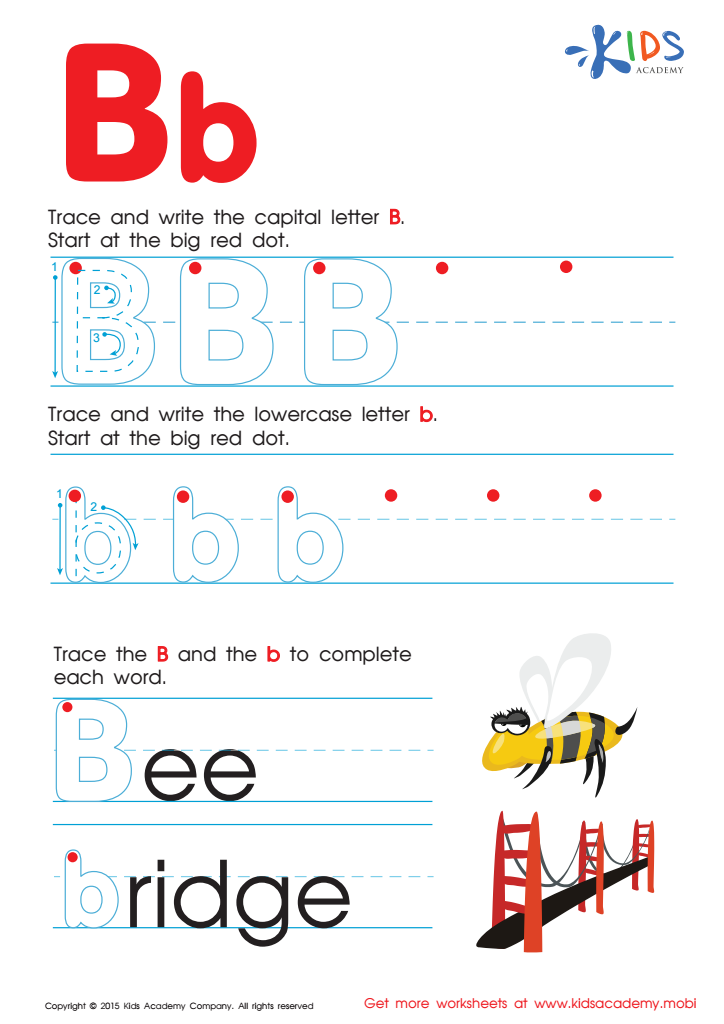
Letter B Tracing Page
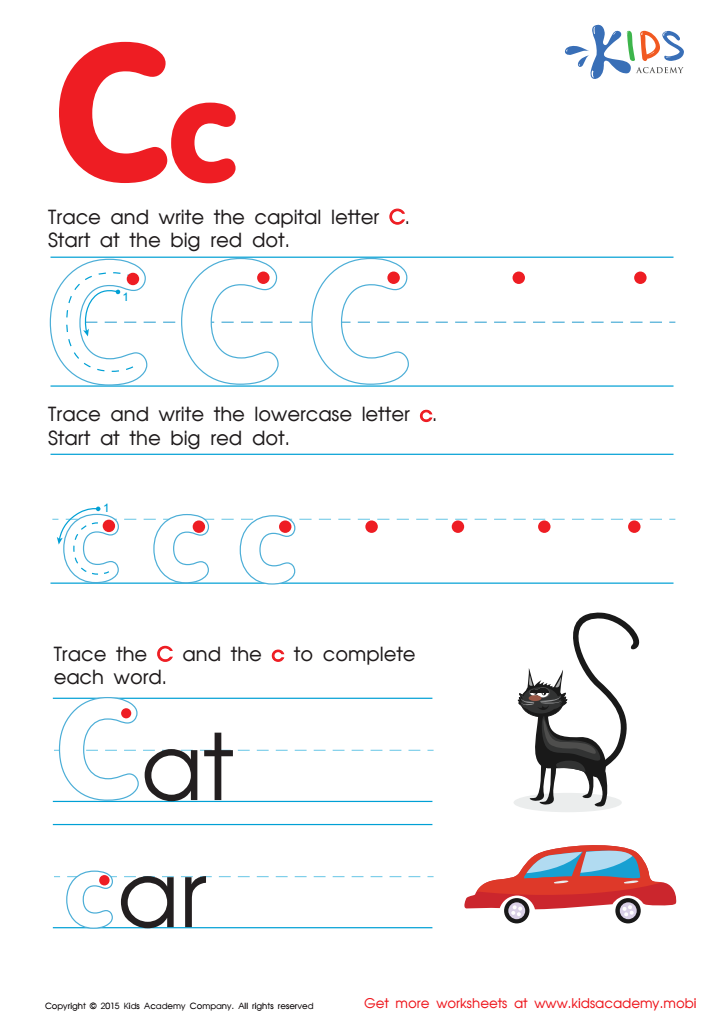
Letter C Tracing Page

Letter D Tracing Page
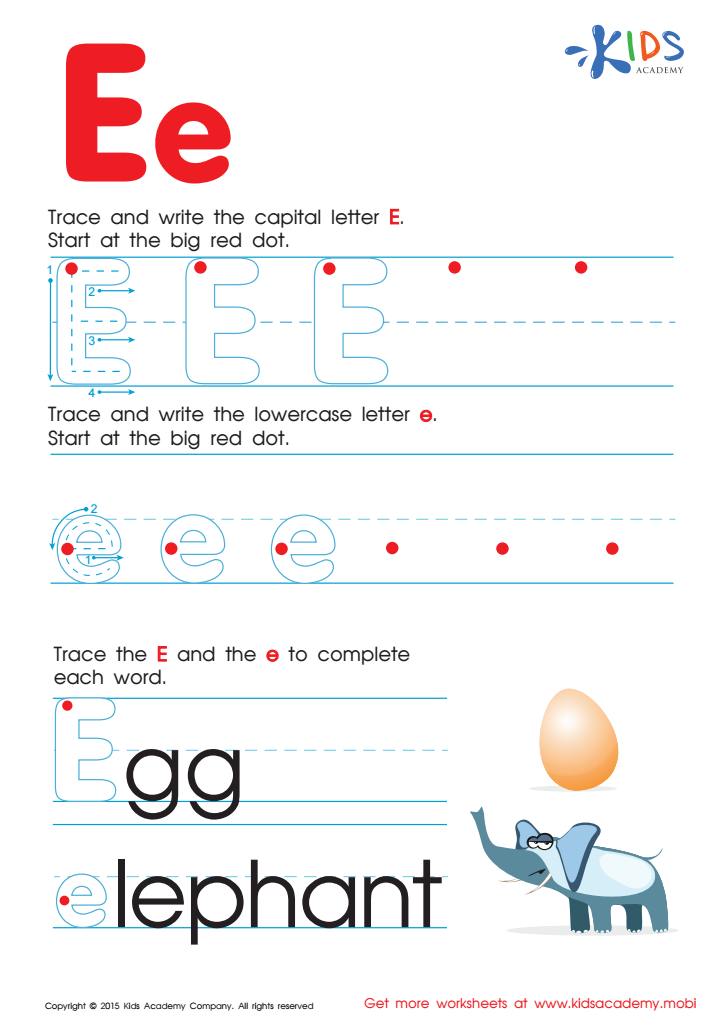
Letter E Tracing Page







Normal tracing letters activities are essential for children aged 5-7 as they lay the foundation for literacy skills during a crucial stage of their development. Firstly, these activities enhance fine motor skills, which are vital for writing. By tracing letters, children improve hand-eye coordination, which benefits their overall writing posture and control.
Additionally, tracing letters helps children recognize letter shapes and develop familiarity with the alphabet, an essential stepping stone for reading fluency. This recognition fosters confidence and prepares them for more complex language tasks.
Engaging in these activities also promotes cognitive development. Children learn the sounds associated with letters, making connections between the visual representation of a letter and its phonetic sound. This early exposure to phonics supports their growing vocabulary and aids in reading comprehension.
Moreover, tracing letters can be a fun, interactive activity when parents or teachers participate, making it a bonding experience. Encouraging a positive attitude toward learning in these early years can instill a lifelong love for reading and writing. Therefore, parents and teachers should prioritize normal tracing tasks as a vital part of early education, supporting both developmental skills and confidence in young learners.








