Normal Tracing worksheets activities for Ages 8-9
38 filtered results
-
From - To
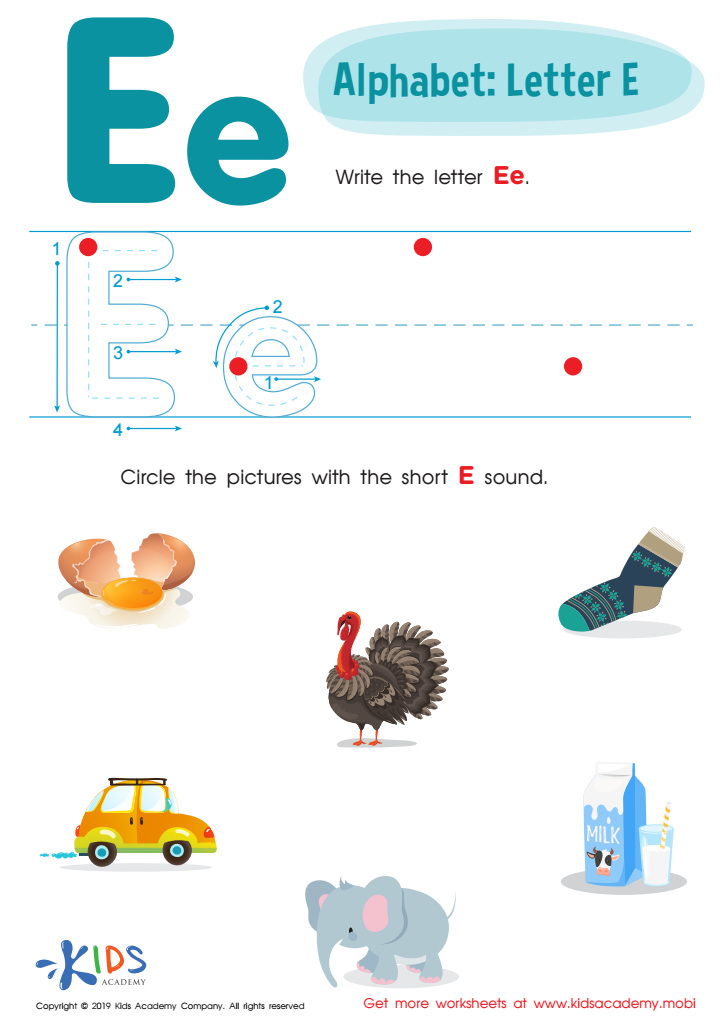
Letter E Tracing Worksheet
 Assign to My Students
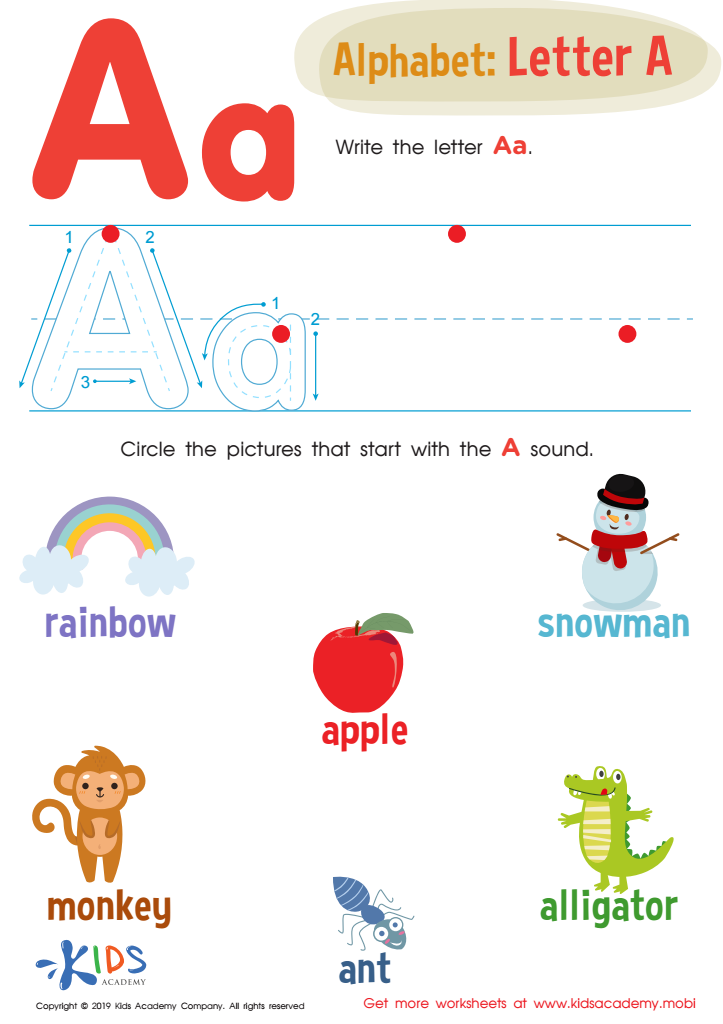
Letter A Tracing Worksheet
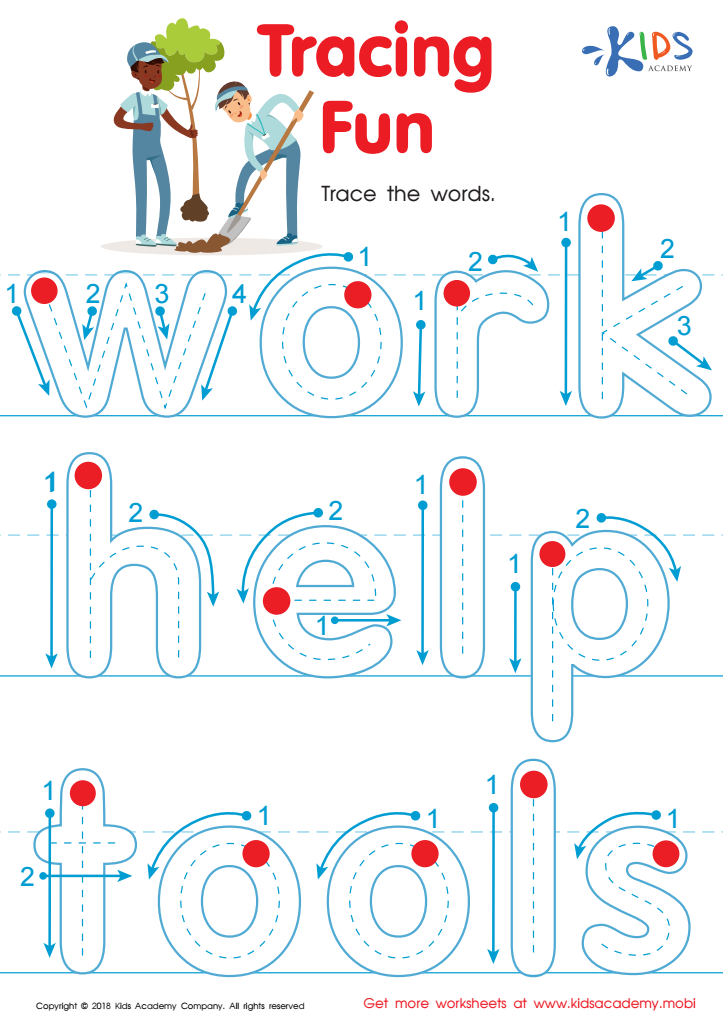
Tracing Fun Worksheet
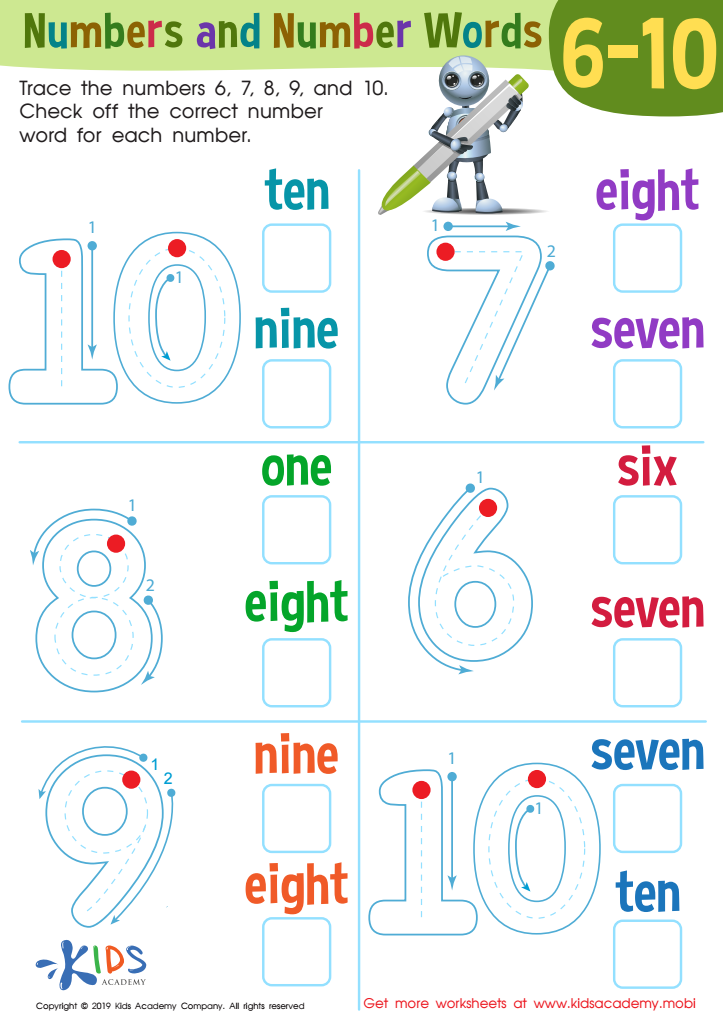
Numbers and Number Words 6–1 Worksheet
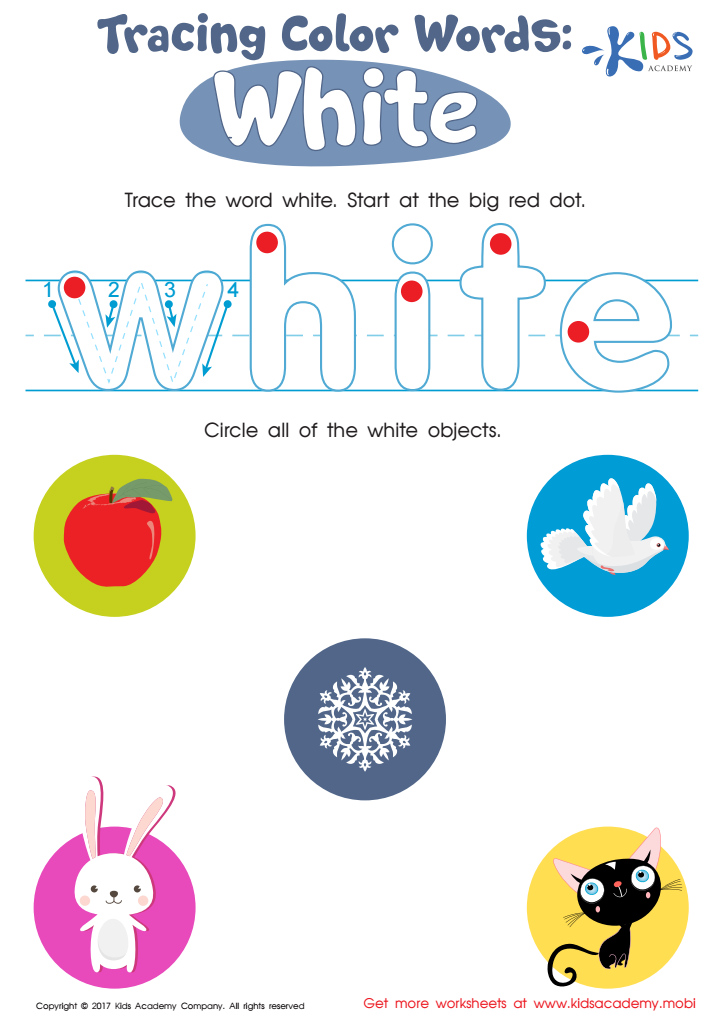
White Tracing Color Words Worksheet
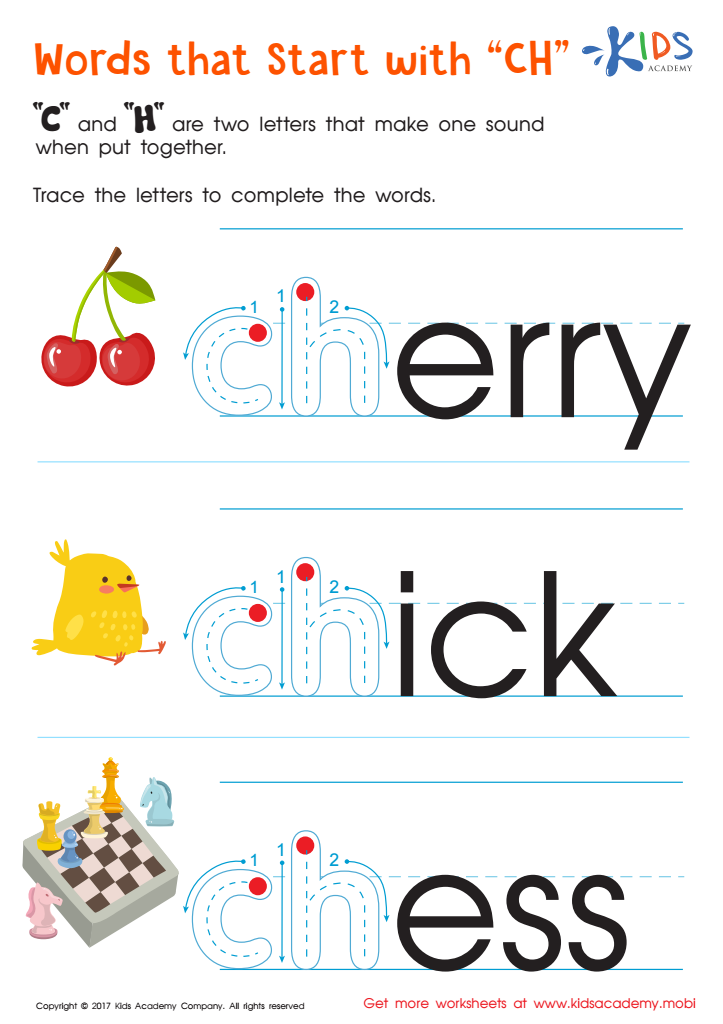
Words That Start with "ch" Spelling Worksheet
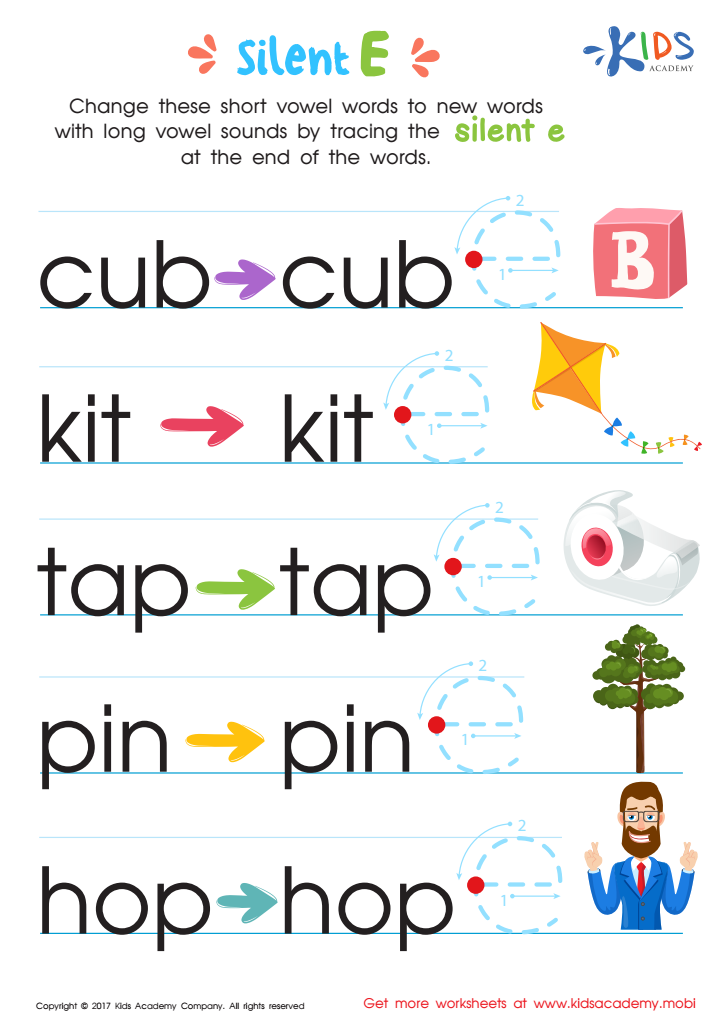
Silent E Words Worksheet
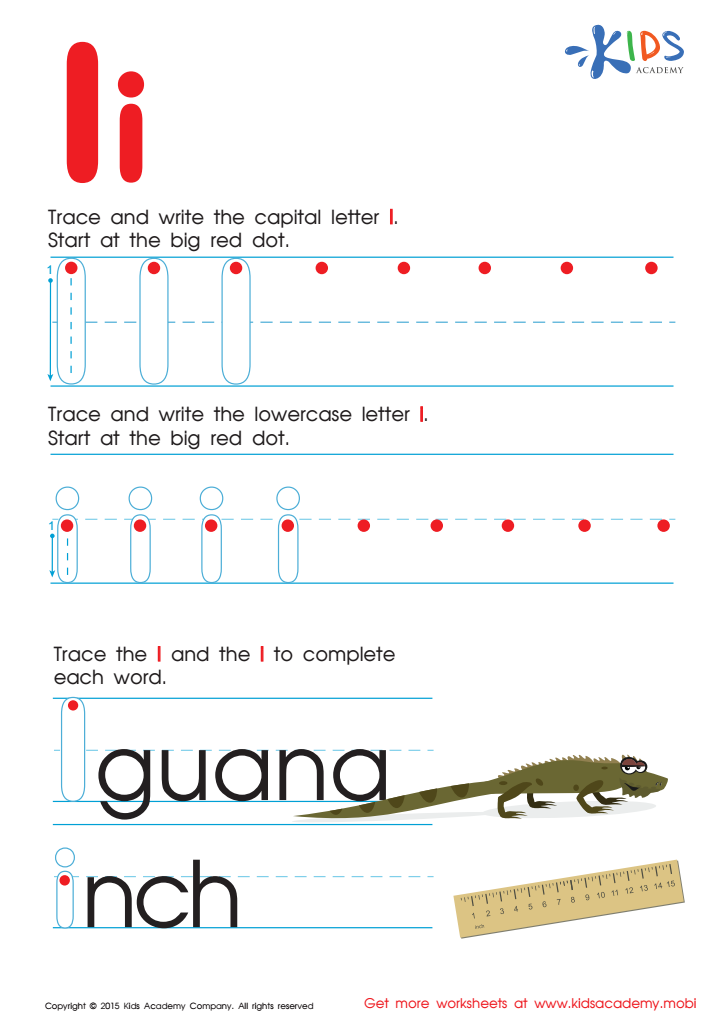
Letter I Tracing Page
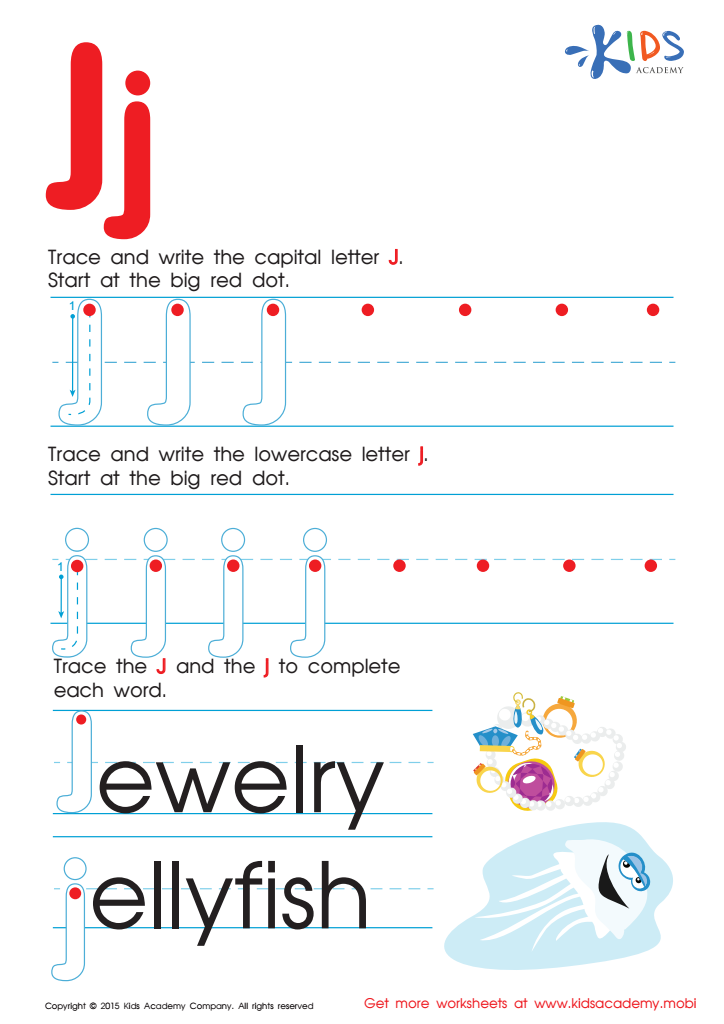
Letter J Tracing Page
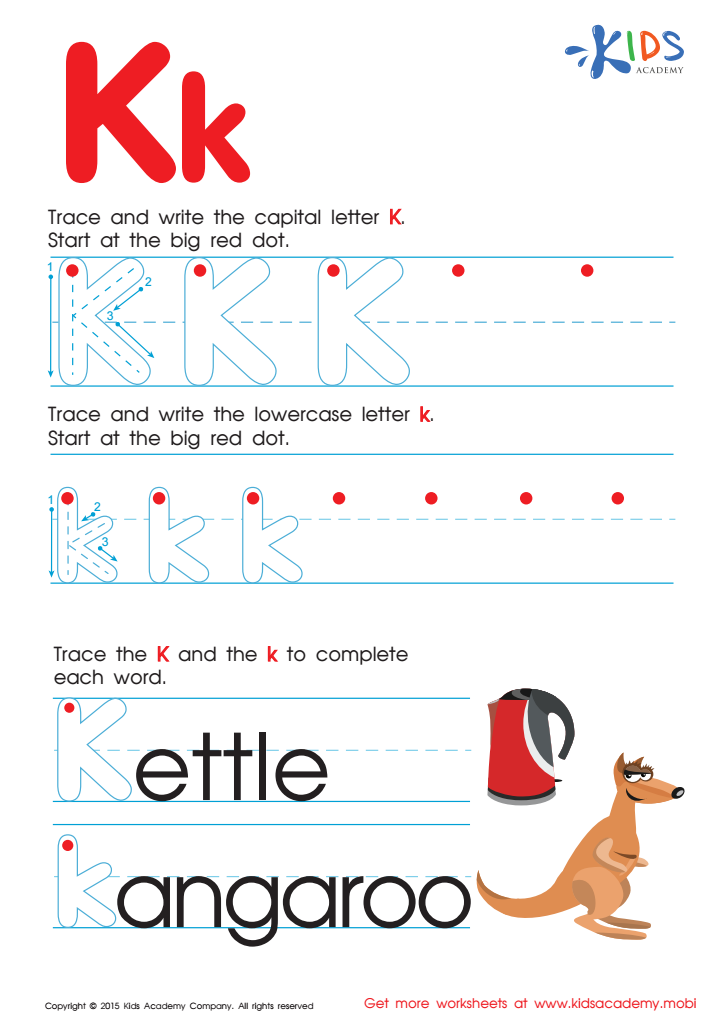
Letter K Tracing Page
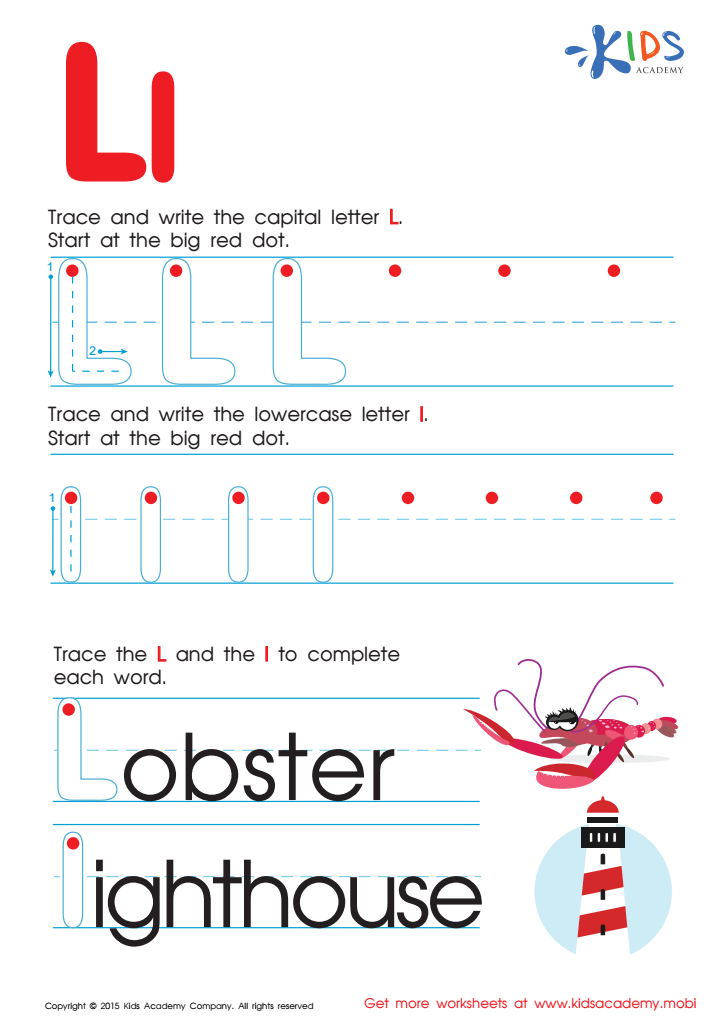
Letter L Tracing Page
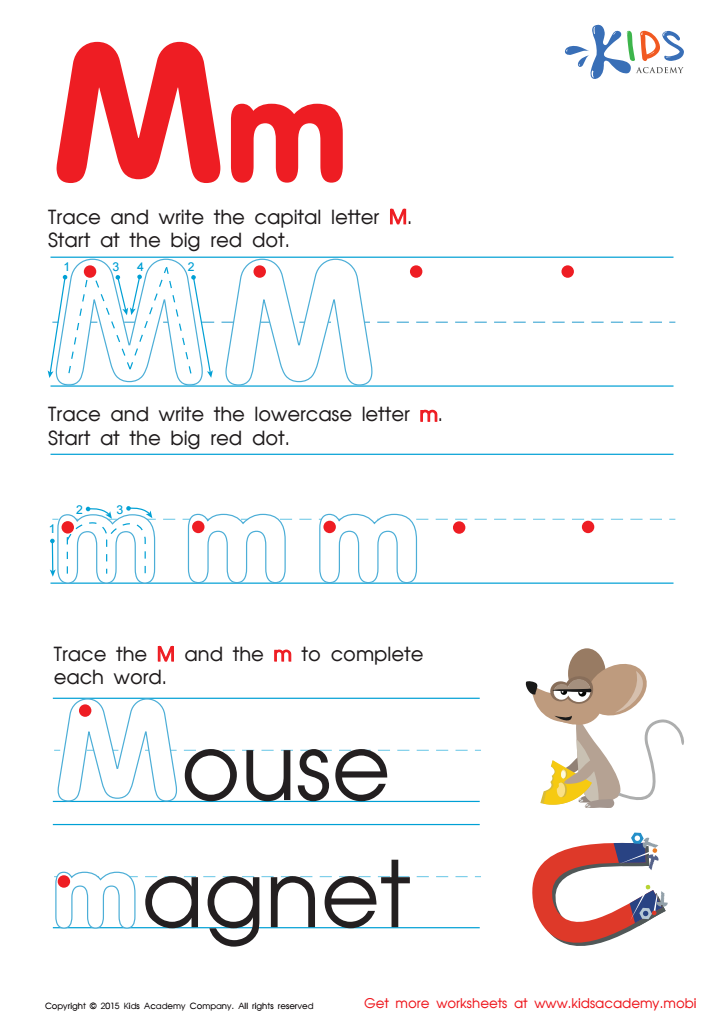
Letter M Tracing Page
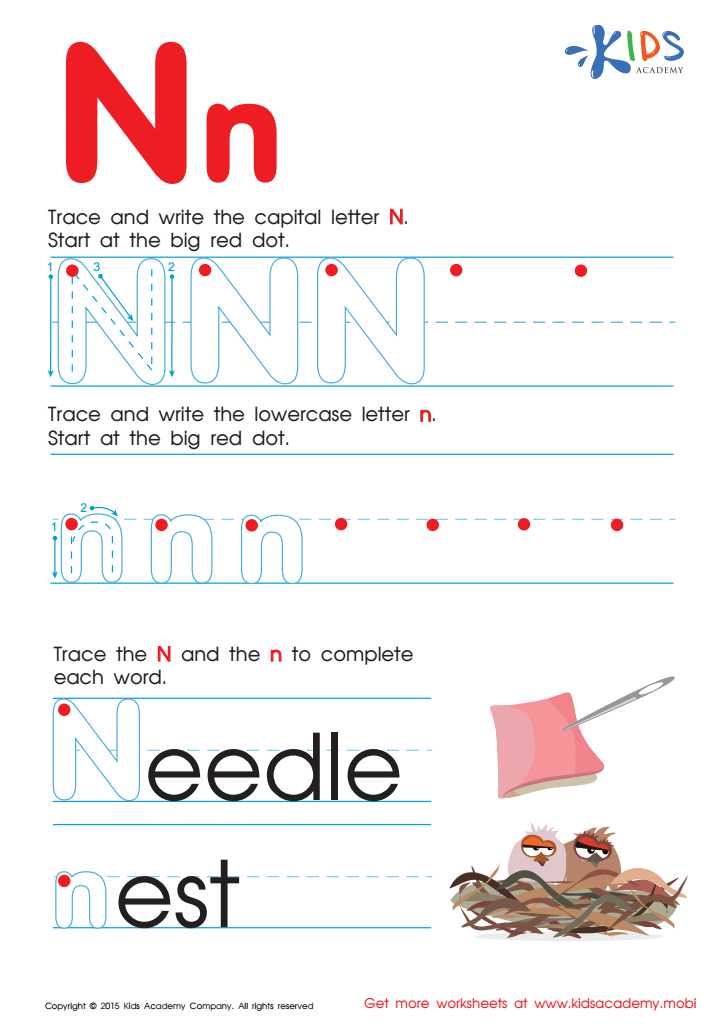
Letter N Tracing Page
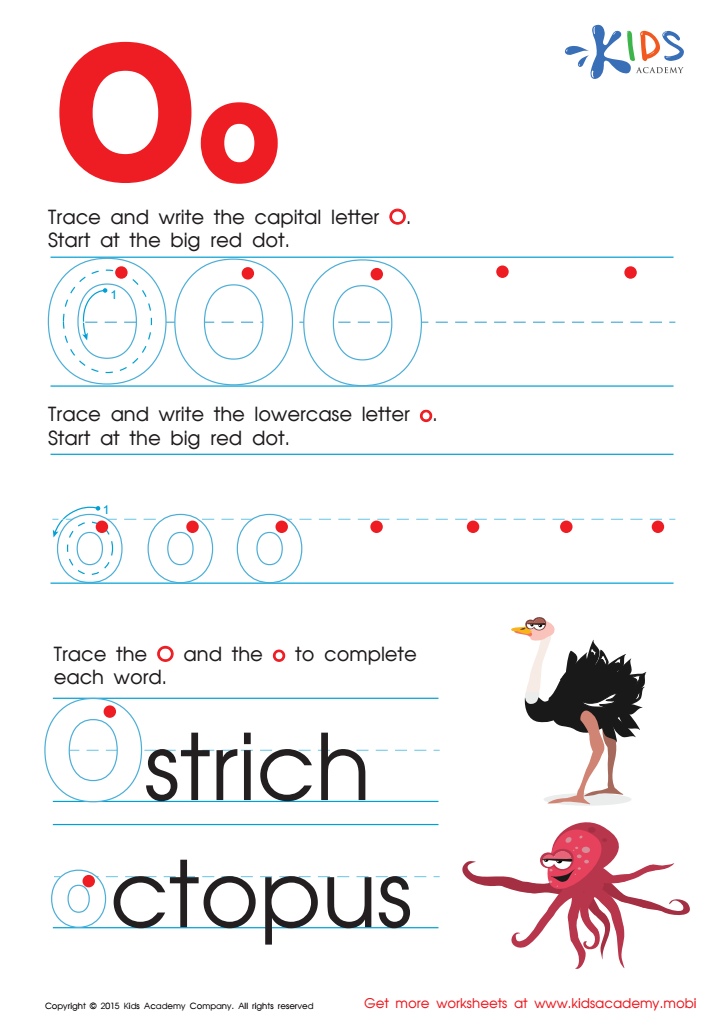
Letter O Tracing Page
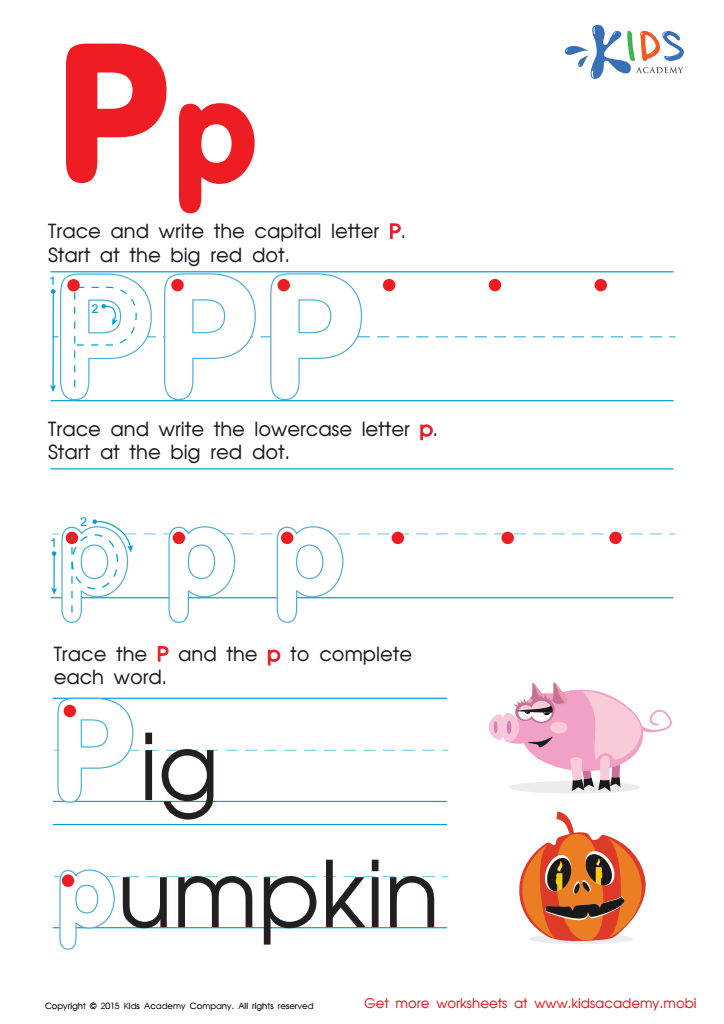
Letter P Tracing Page
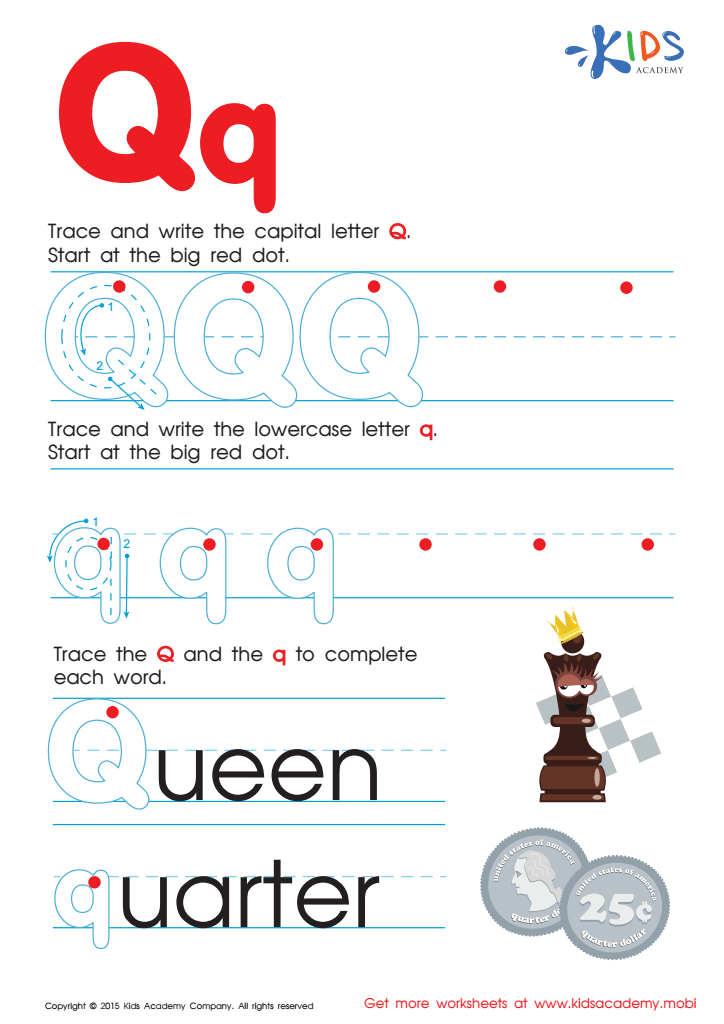
Letter Q Tracing Page
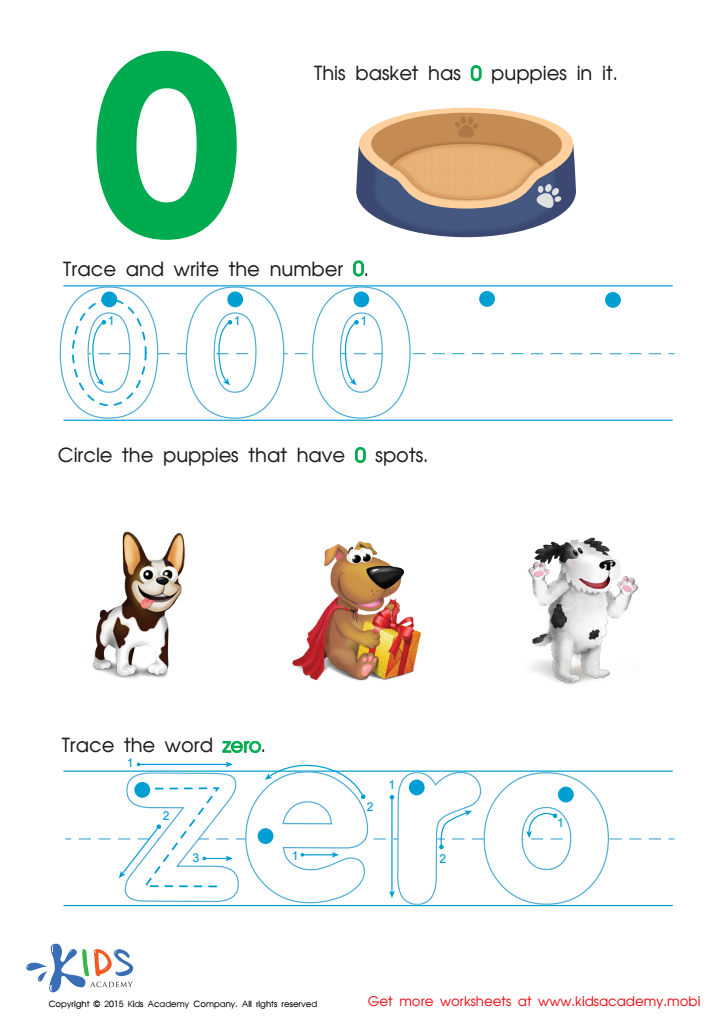
Trace And Write Number 0 Worksheet
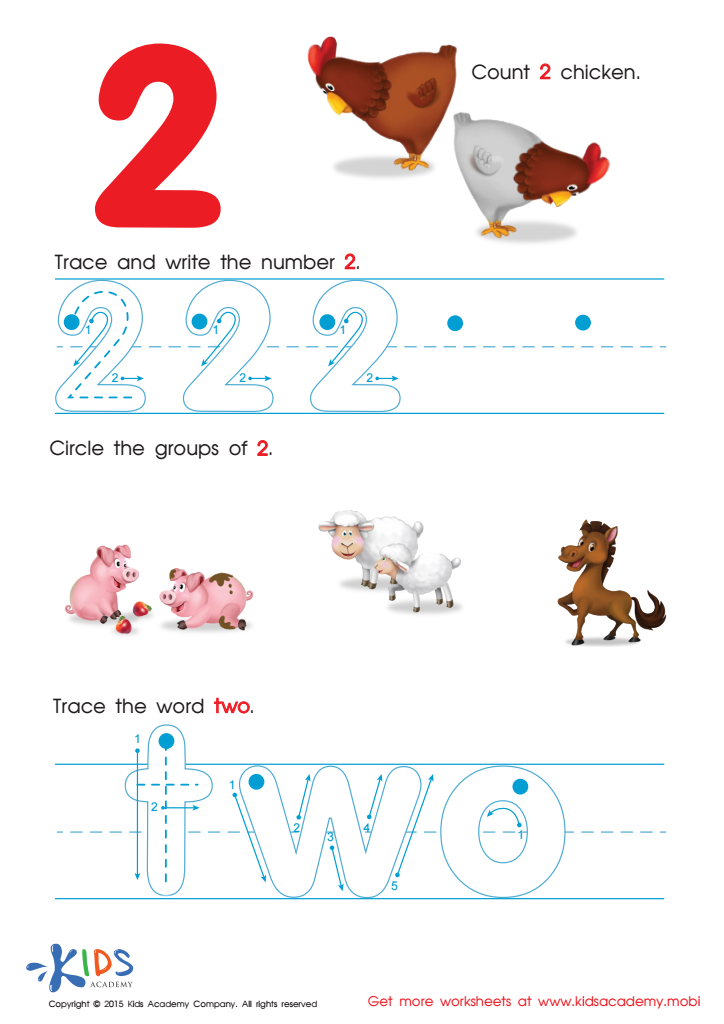
Learn to Write the Number 2 Worksheet
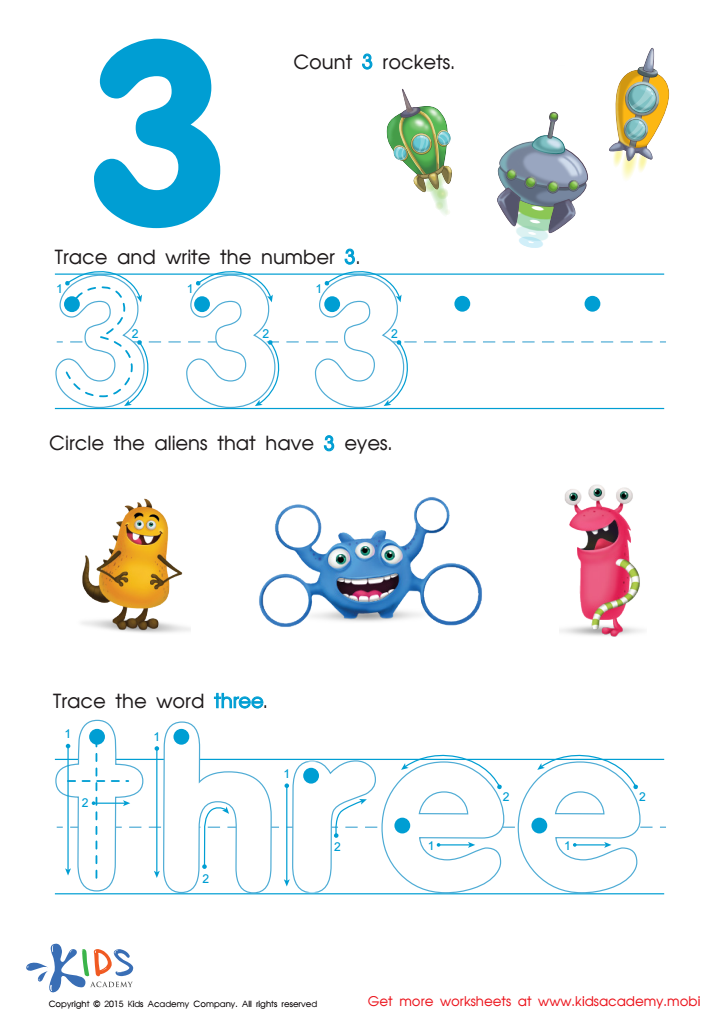
Learning Number Three Worksheet
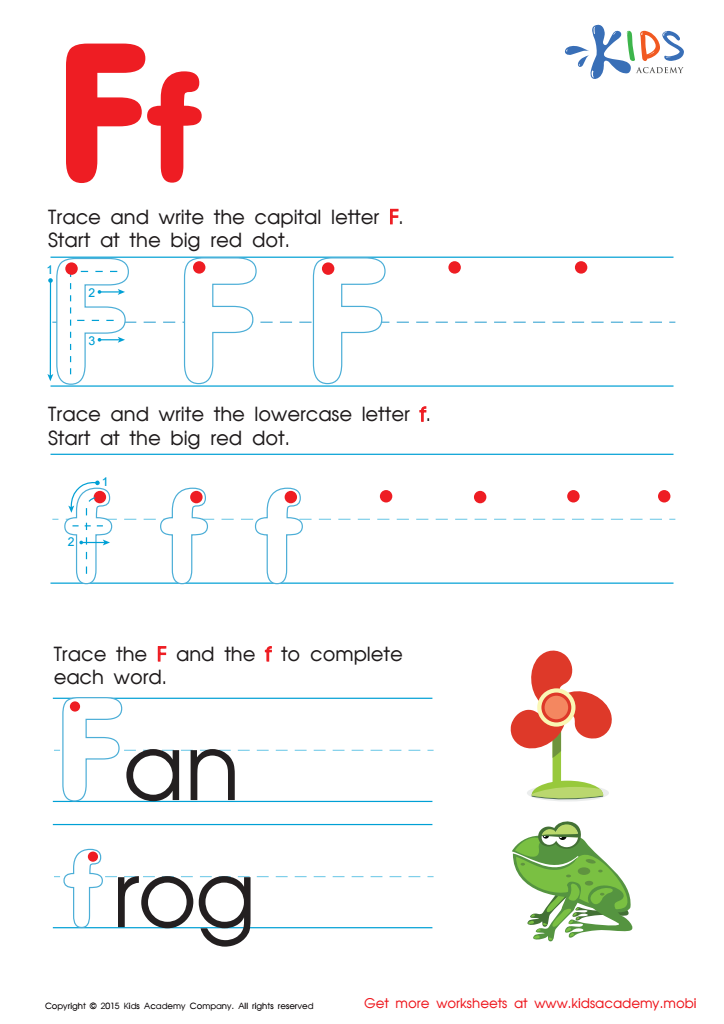
Letter F Tracing Page
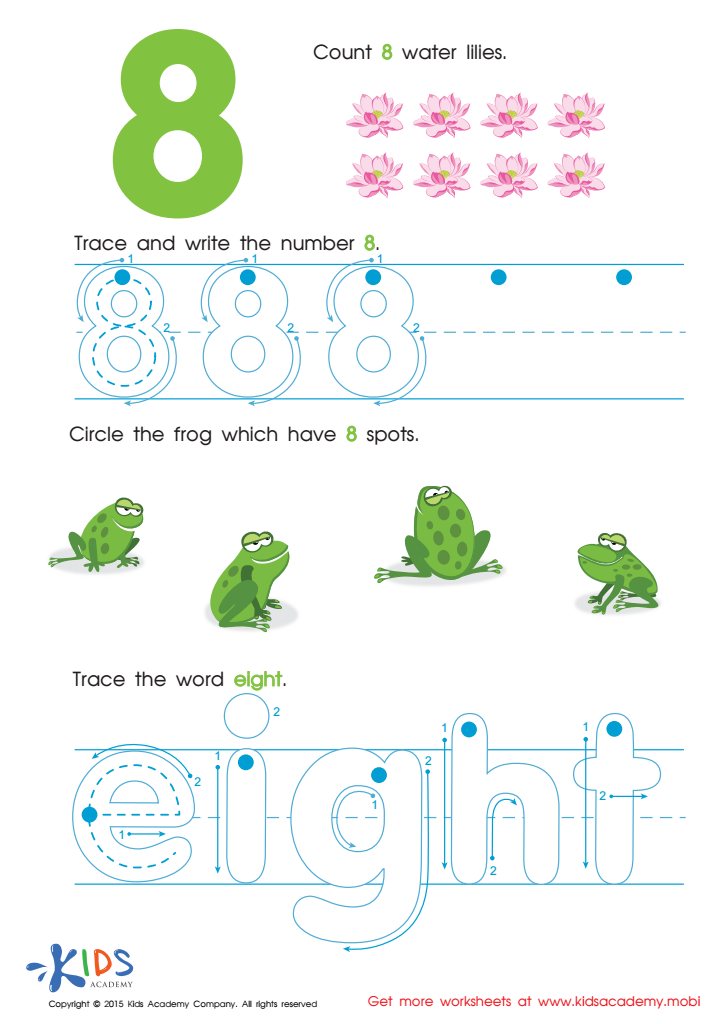
Learn Number 8 Easily Worksheet
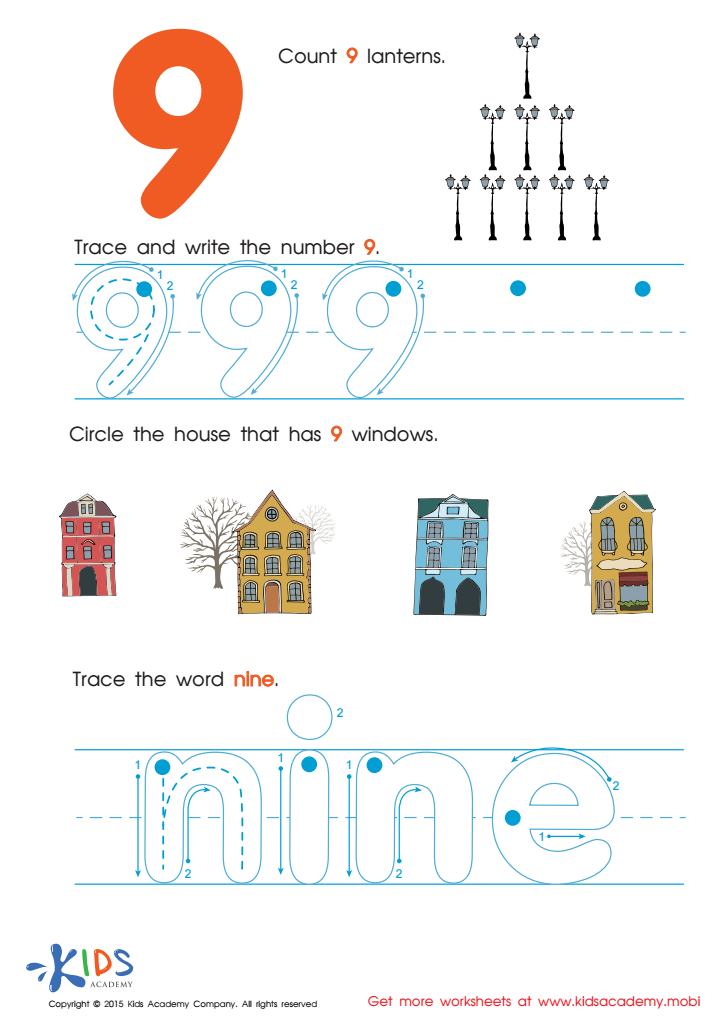
Tracing And Learning to Write Number 9 Worksheet
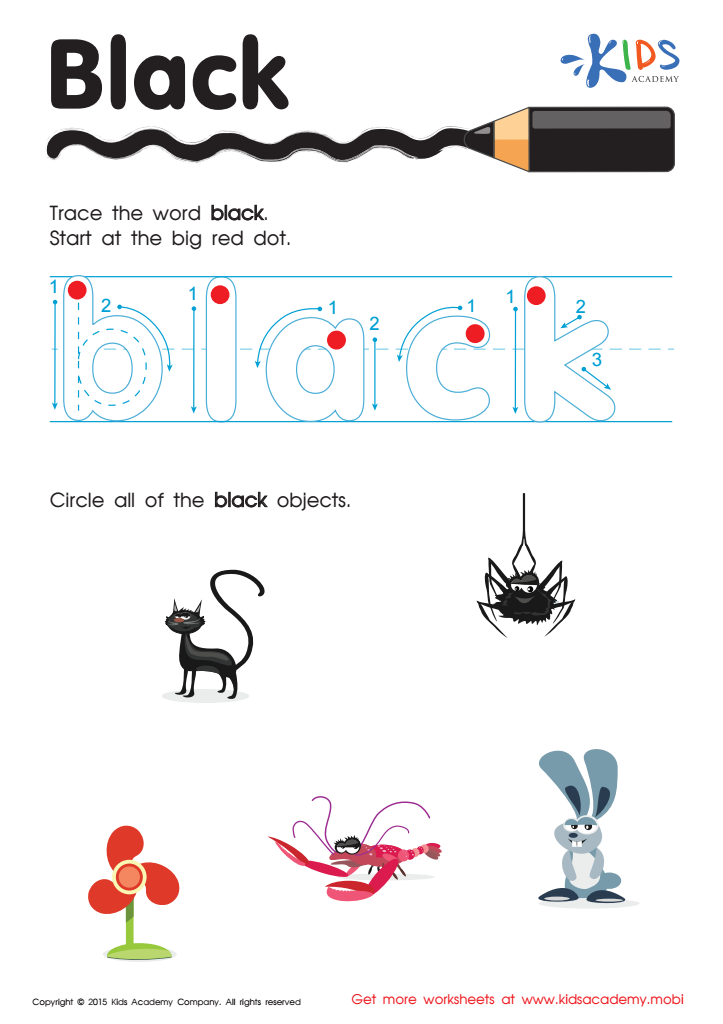
Black Tracing Color Words Printable
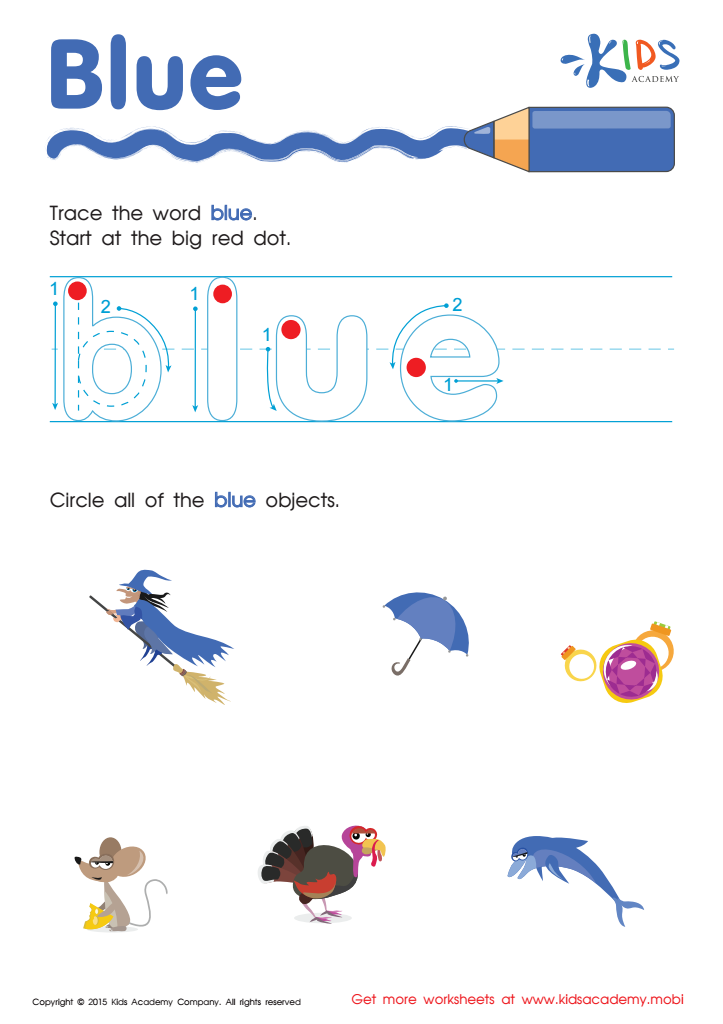
Blue Tracing Color Words Printable






Normal tracing worksheets activities are an integral part of early childhood education, offering numerous benefits that extend beyond simple handwriting practice. These activities are thoughtfully designed to aid in the holistic development of young learners, emphasizing fine motor skills, cognitive development, and foundational literacy skills. Let's delve into why these activities are so useful.
Firstly, normal tracing worksheets activities are excellent for enhancing fine motor skills. As children trace shapes, letters, and numbers, they refine their hand-eye coordination and develop the muscle strength in their hands and fingers. This physical dexterity is crucial not only for writing but also for other daily activities such as tying shoelaces, buttoning clothes, and using utensils.
Cognitive development is another area where these tracing activities shine. They require children to focus, follow patterns, and recognize shapes and letters, all of which are critical thinking skills. This early exposure to structured thinking sets a strong foundation for problem-solving and analytical skills later in life.
Moreover, tracing worksheets are a stepping stone to literacy. By tracing letters and numbers, children become familiar with the symbols and sounds of language, aiding in their reading and writing abilities. This visual and tactile engagement with letters and numbers makes learning more interactive and enjoyable, fostering a positive attitude towards education.
Additionally, normal tracing worksheets activities provide an opportunity for creativity and self-expression. Once children become comfortable with tracing, they often begin to experiment with drawing and writing on their own, using the skills they've developed. This exploration is vital for their confidence and encourages them to express their thoughts and ideas creatively.
In conclusion, normal tracing worksheets activities are much more than simple pre-writing exercises. They are a multifaceted educational tool that promotes fine motor skills, cognitive development, foundational literacy skills, and creativity. By incorporating these activities into early education, we can provide children with a strong and well-rounded foundation for their academic journey.








