Elementary Phonics Worksheets for Ages 3-4
25 filtered results
-
From - To
Dive into the world of sounds and letters with our specially designed Elementary Phonics Worksheets, perfect for young learners aged 3-4. Our engaging collection offers a solid foundation in phonics, blending playful activities with educational content. Tailored to captivate the curious minds of preschoolers, these worksheets cover essential phonics skills, from recognizing letters to beginning sounds, in a fun and interactive way. Whether at home or in the classroom, our Elementary Phonics Worksheets for Ages 3-4 are the ideal starting point for your child's reading journey, promising both learning and enjoyment in equal measure.
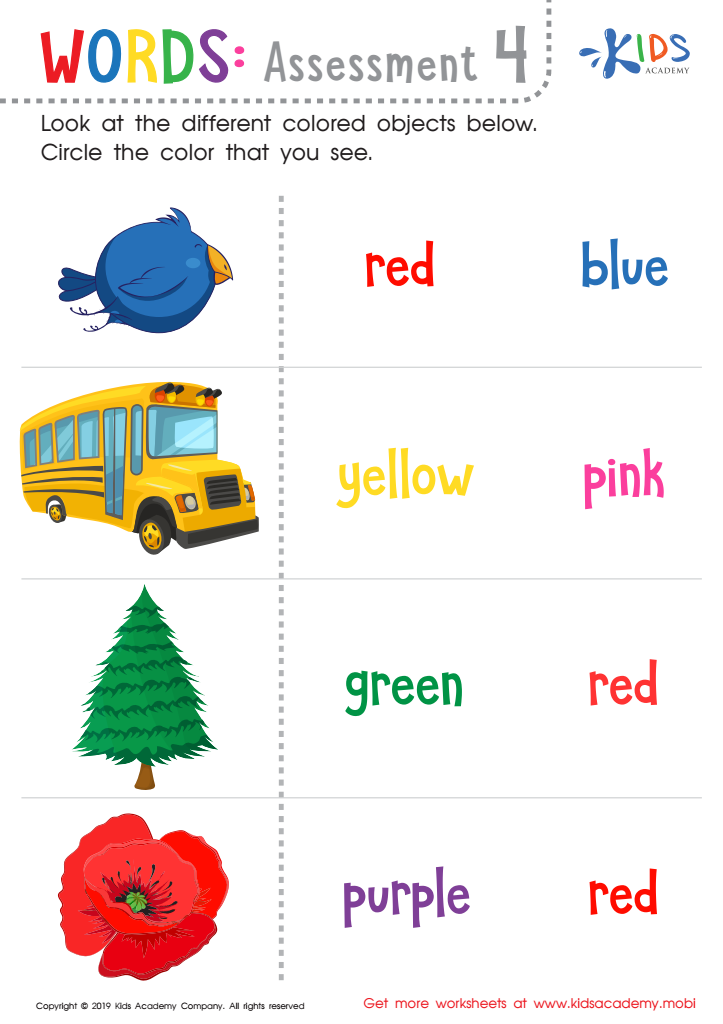
Words: Assessment 4 Worksheet
 Assign to My Students
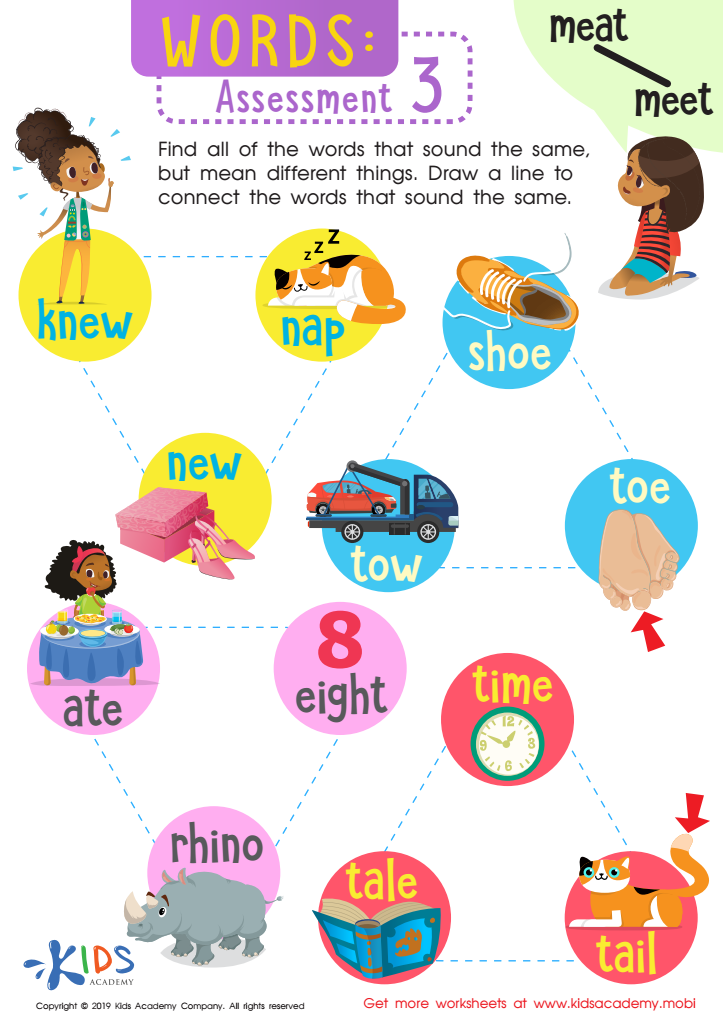
Words: Asessment 3 Worksheet
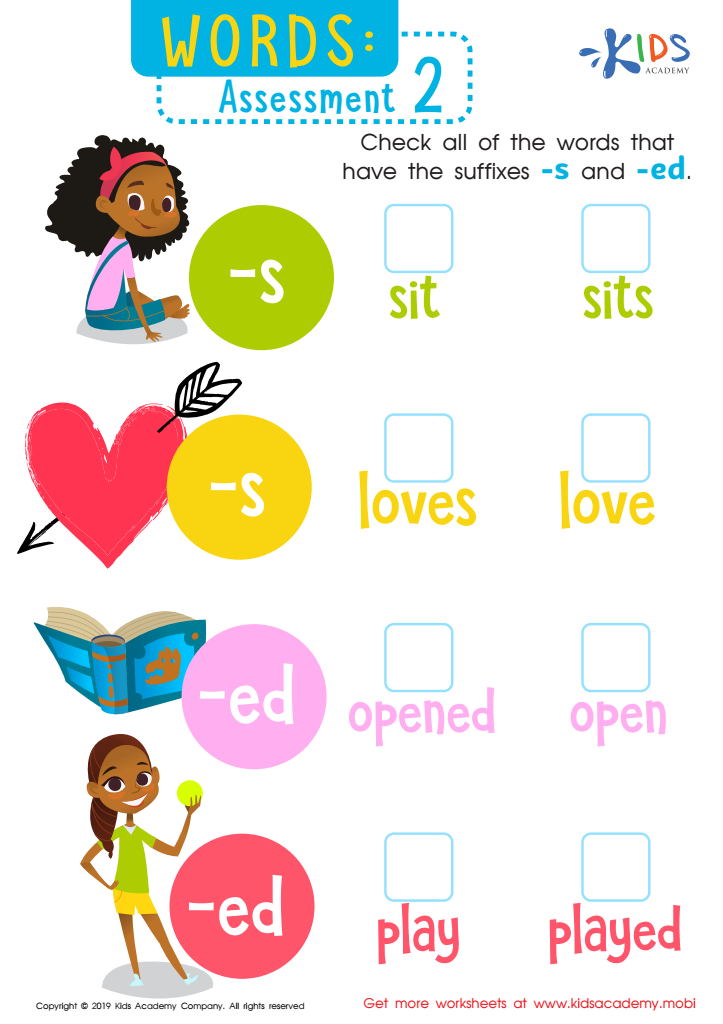
Words: Assessment 2 Worksheet
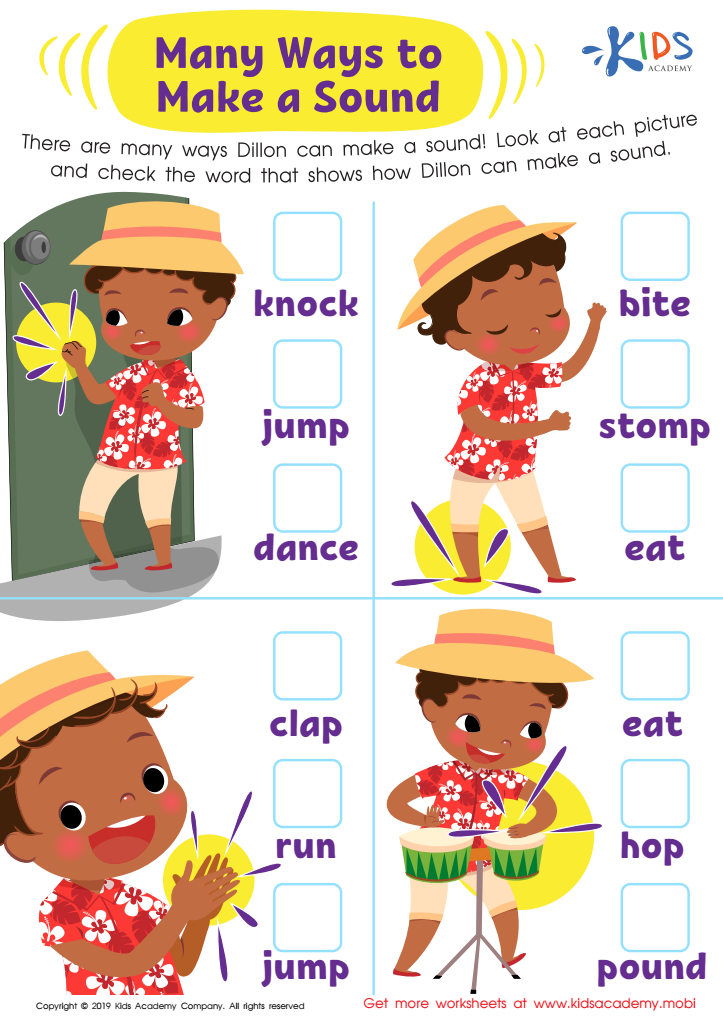
Many Ways to Make a Sound Worksheet
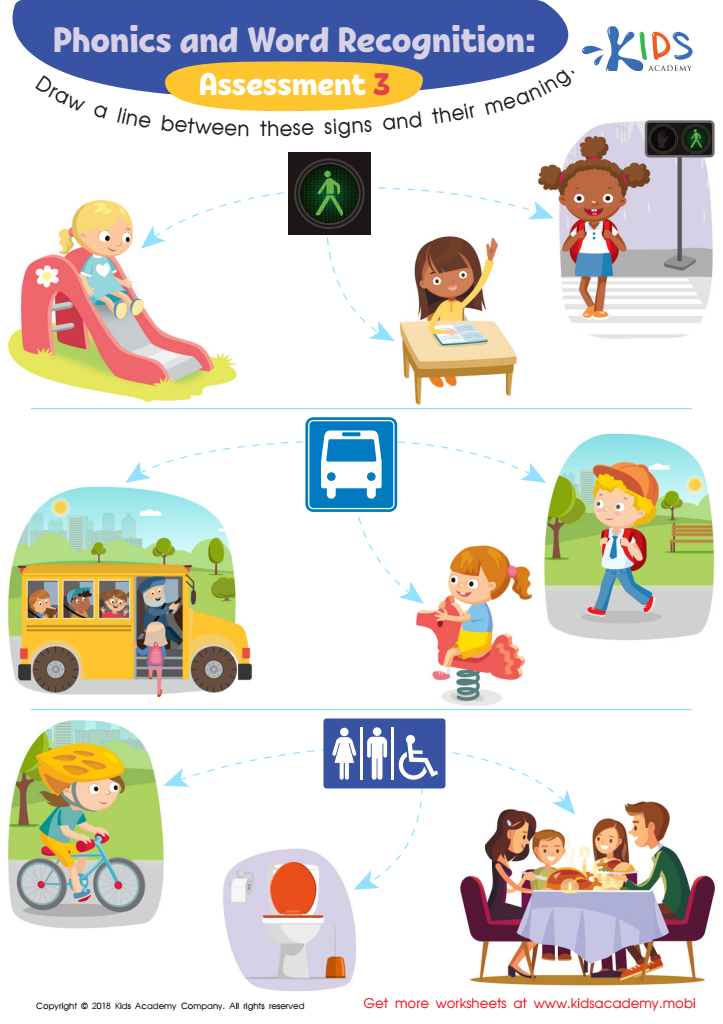
Phonological Awareness: Assessment 3 ELA Worksheet
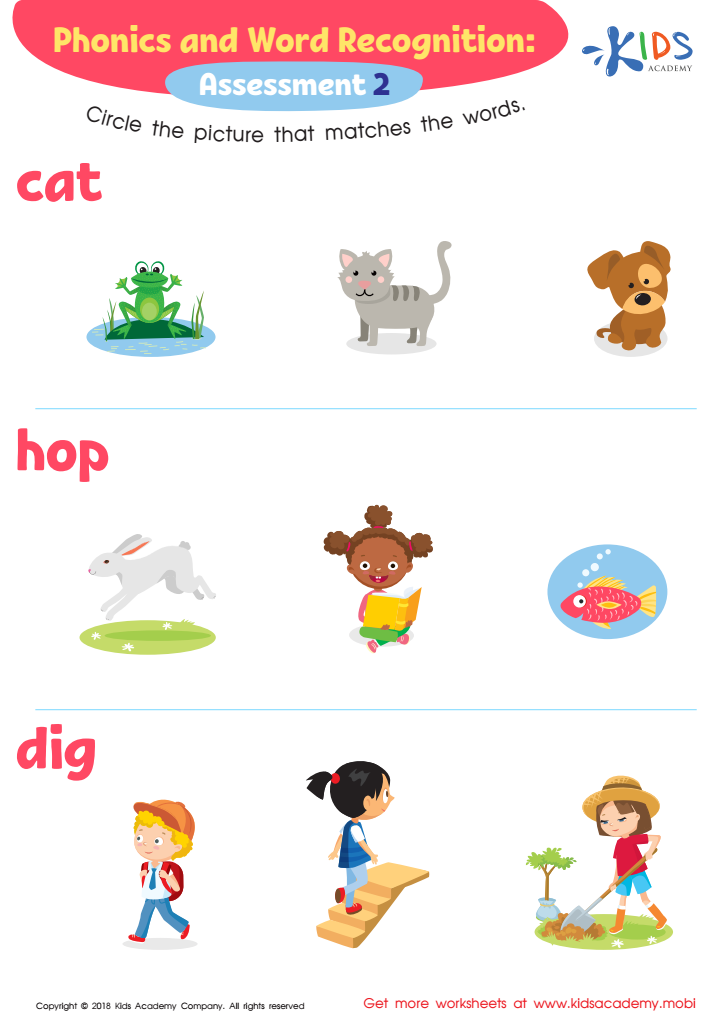
Phonological Awareness: Assessment 2 ELA Worksheet
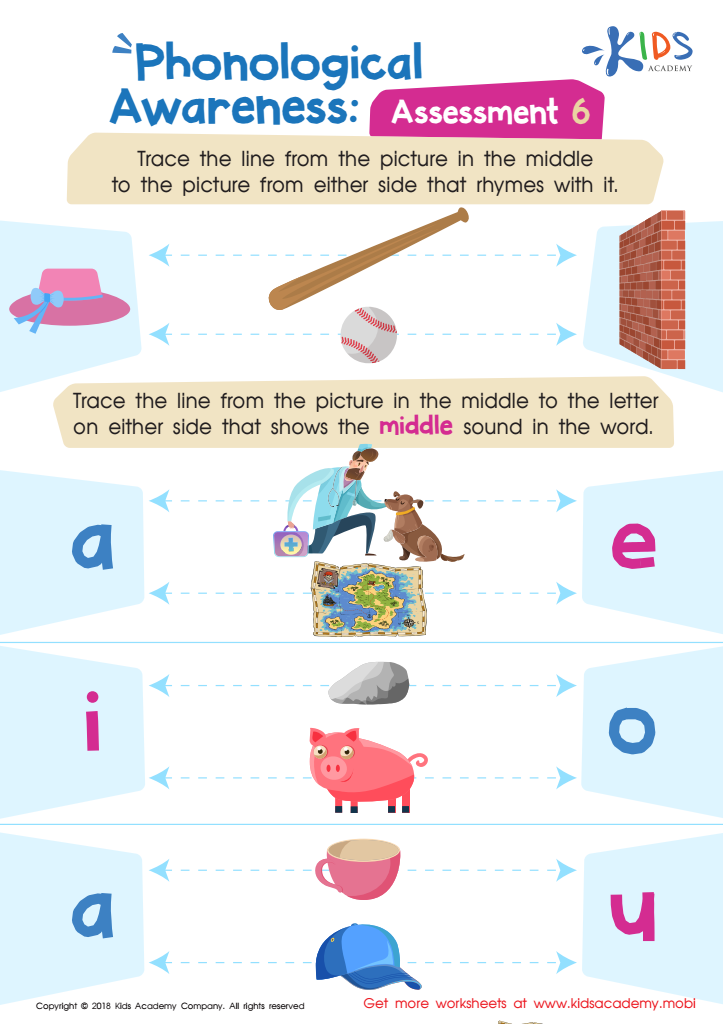
Phonological Awareness: Assessment 6 Worksheet
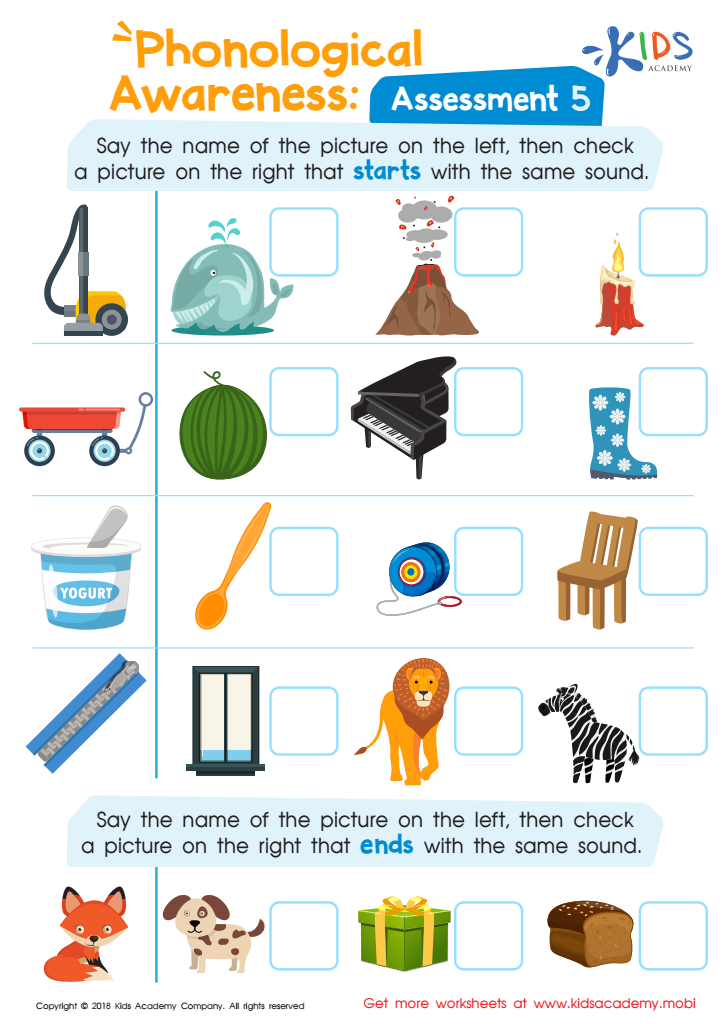
Phonological Awareness: Assessment 5 Worksheet
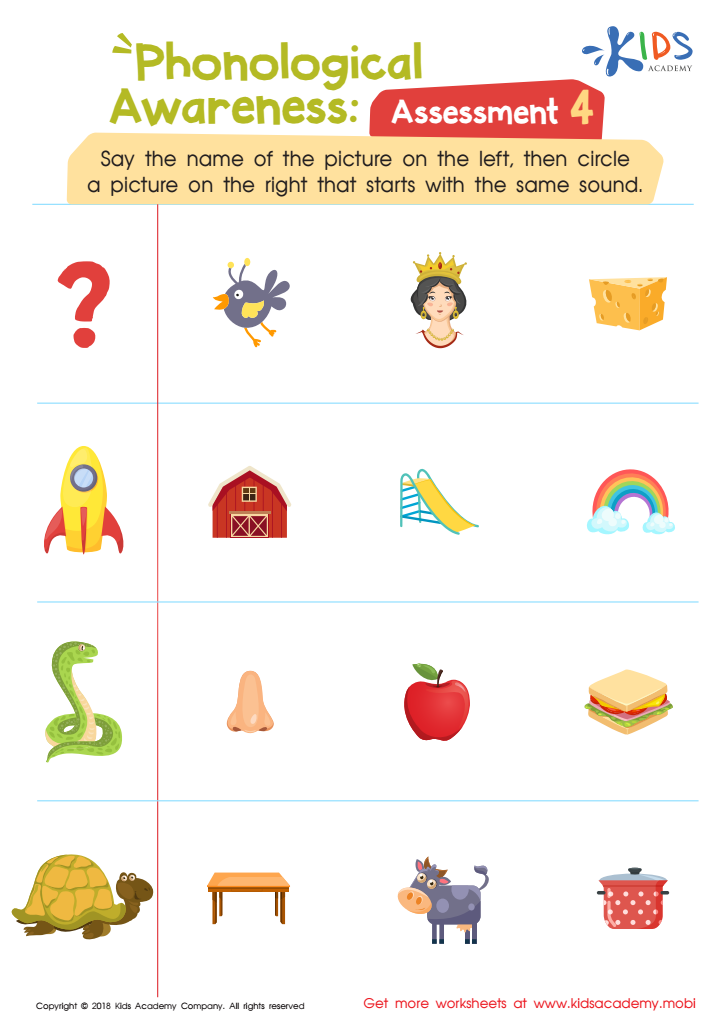
Phonological Awareness: Assessment 4 Worksheet
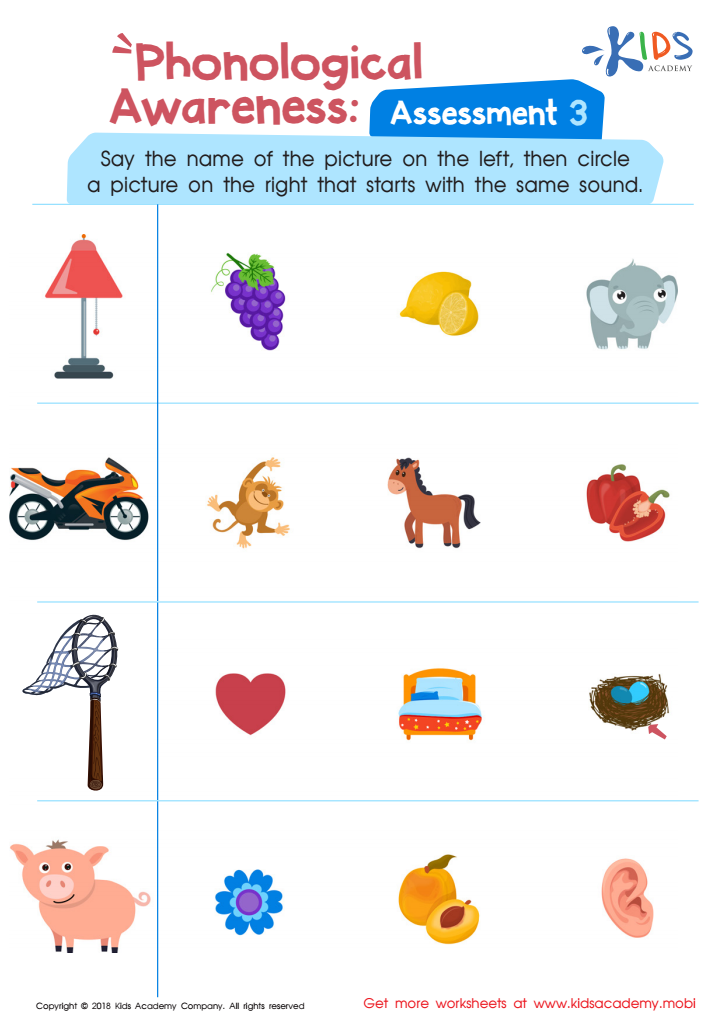
Phonological Awareness: Assessment 3 Worksheet
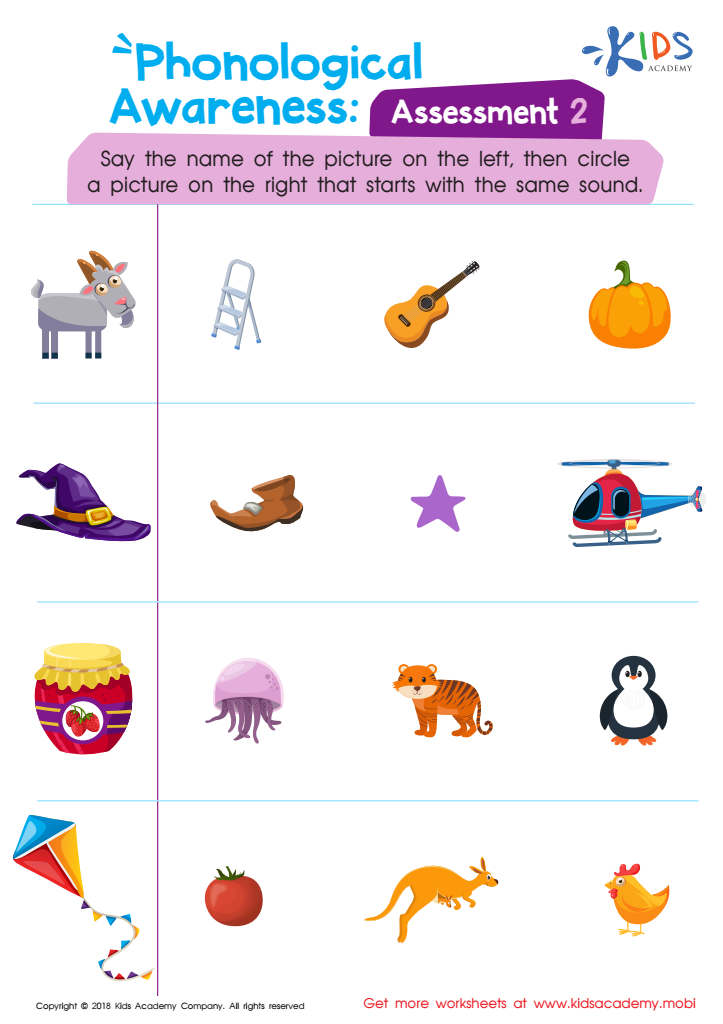
Phonological Awareness: Assessment 2 Worksheet
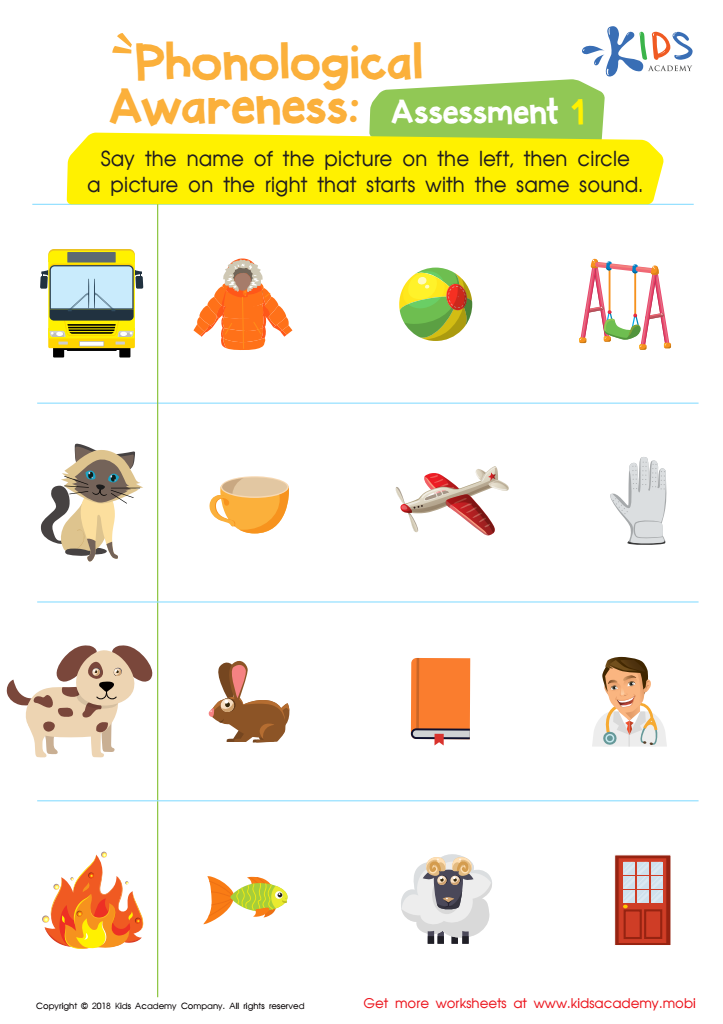
Phonological Awareness: Assessment 1 Worksheet
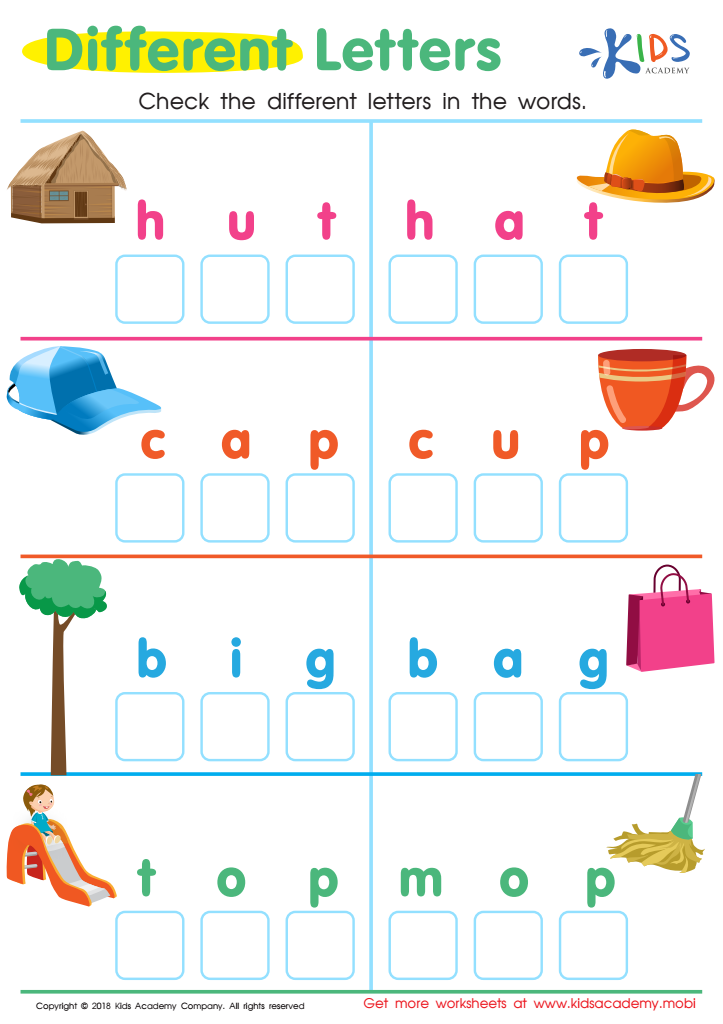
Different Letters Reading Worksheet
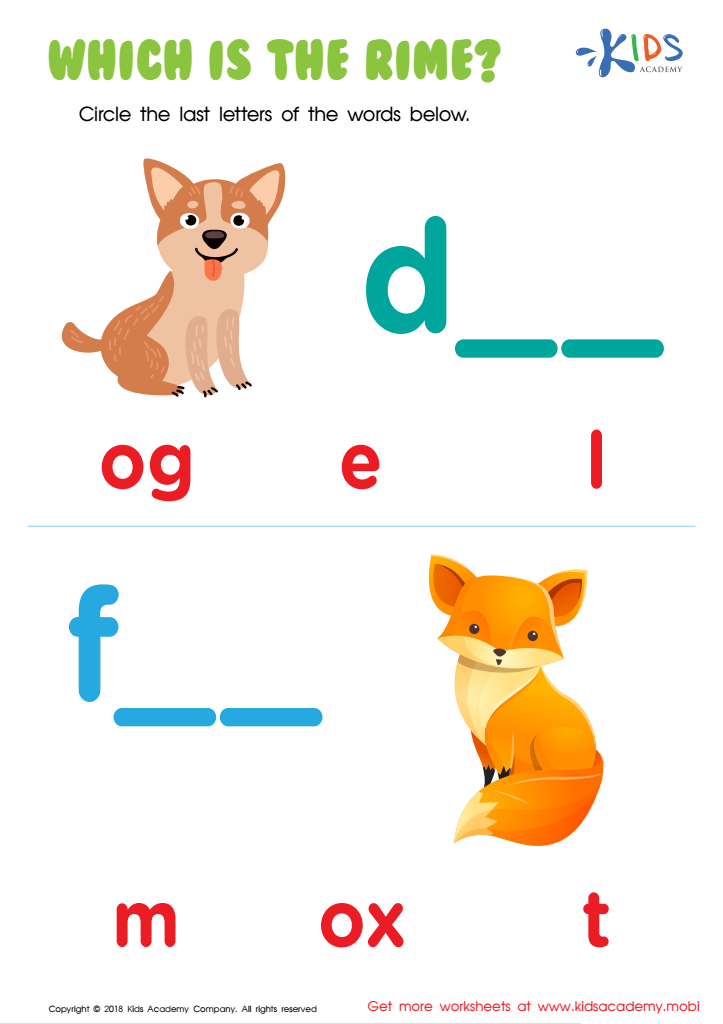
Which Is the Rime? Worksheet
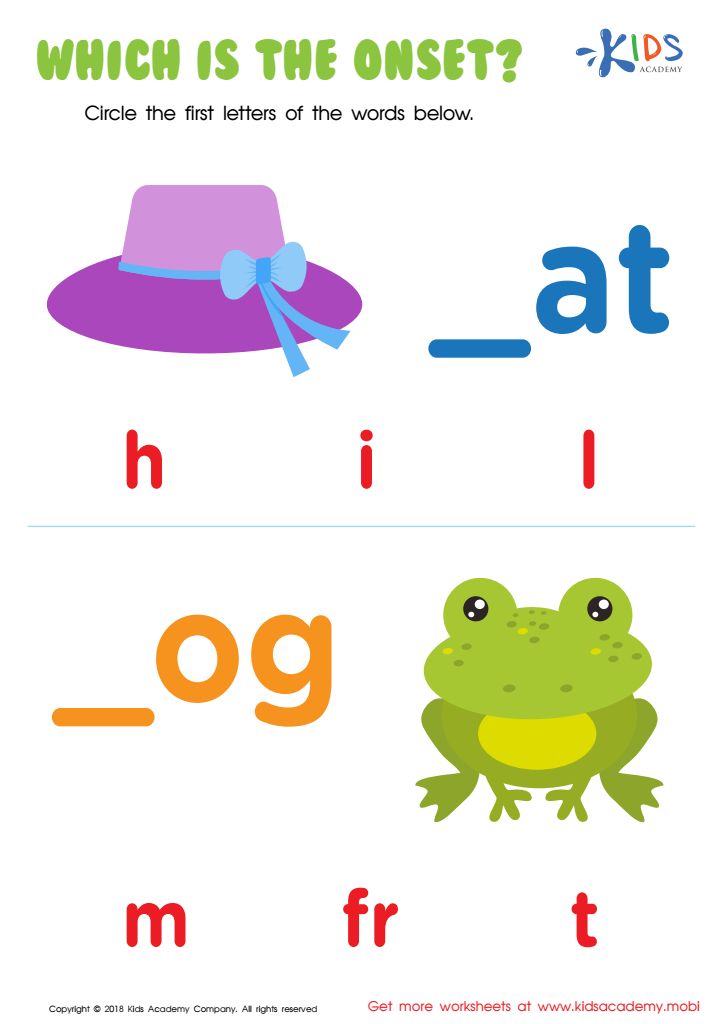
Which Is the Onset? Worksheet
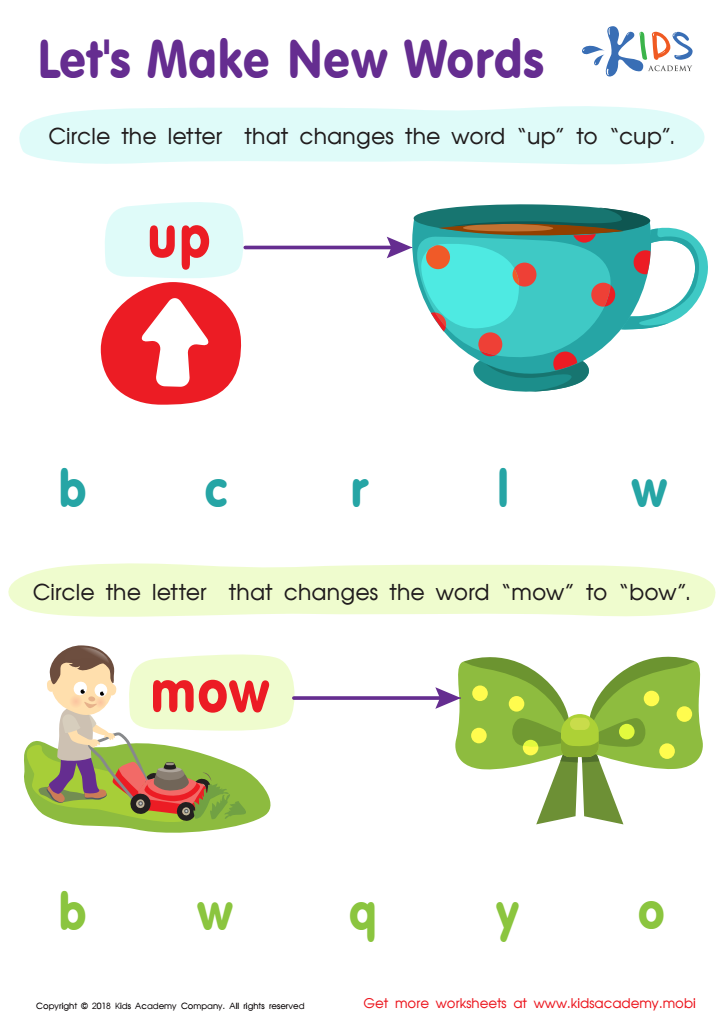
Let's Make New Words Worksheet
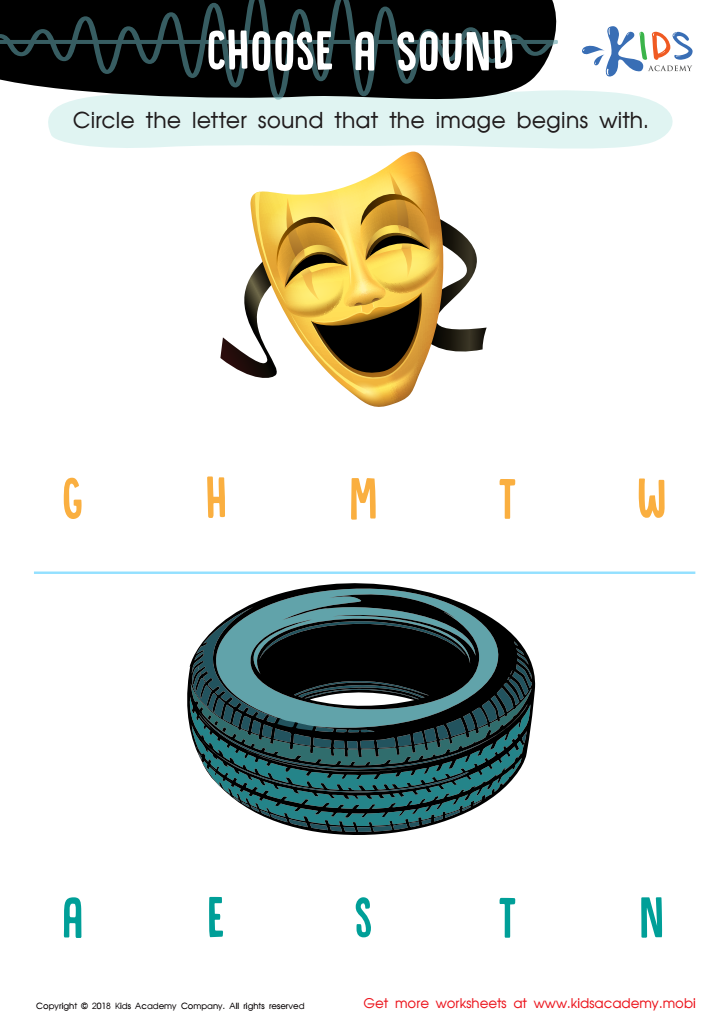
Choose a Sound Worksheet
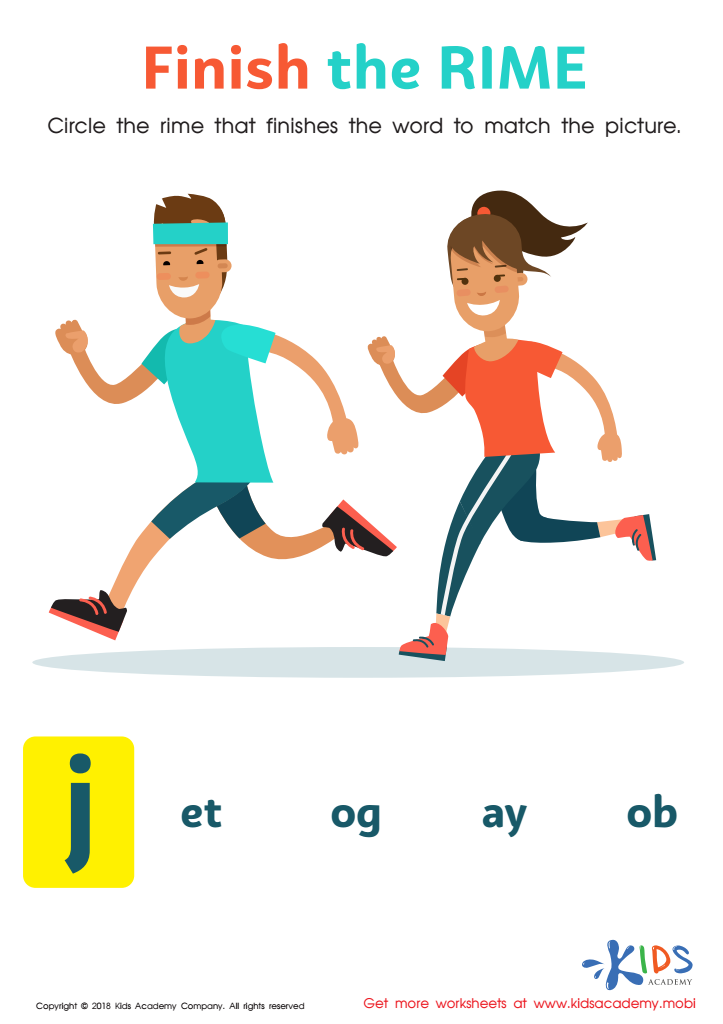
Finish the Rime Worksheet
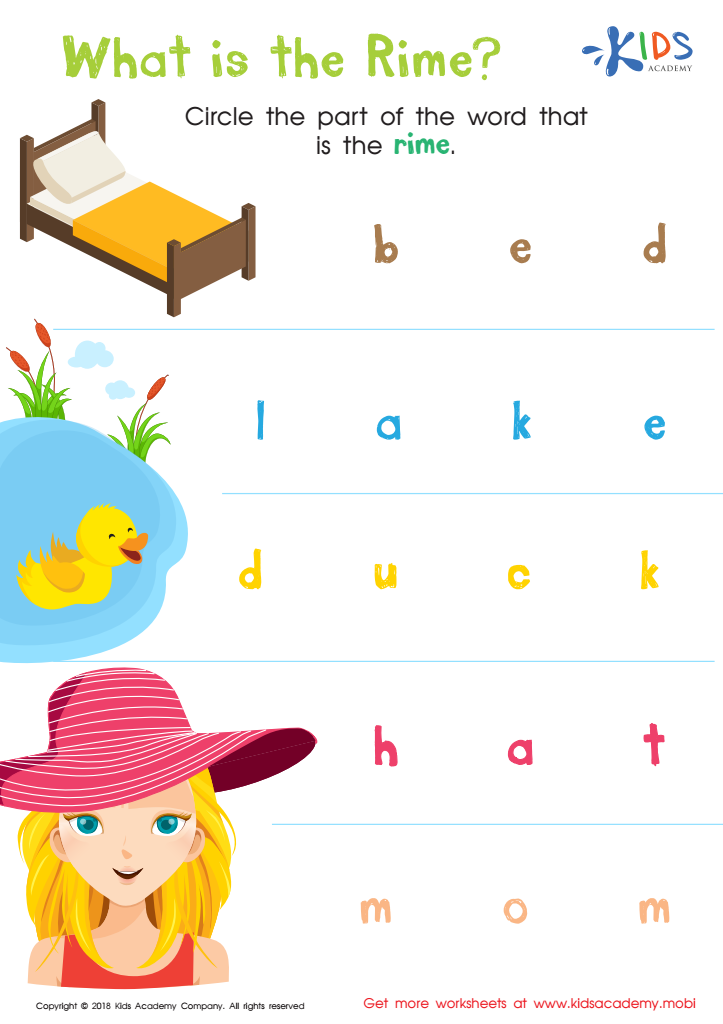
What Is the Rime? Worksheet
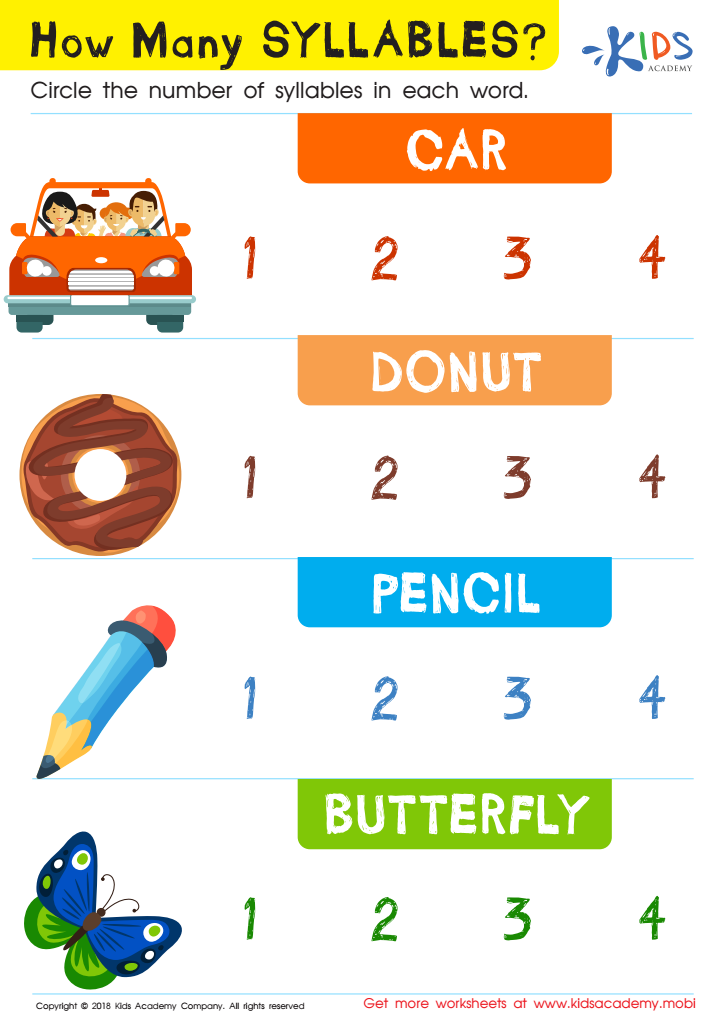
How Many Syllables? Worksheet
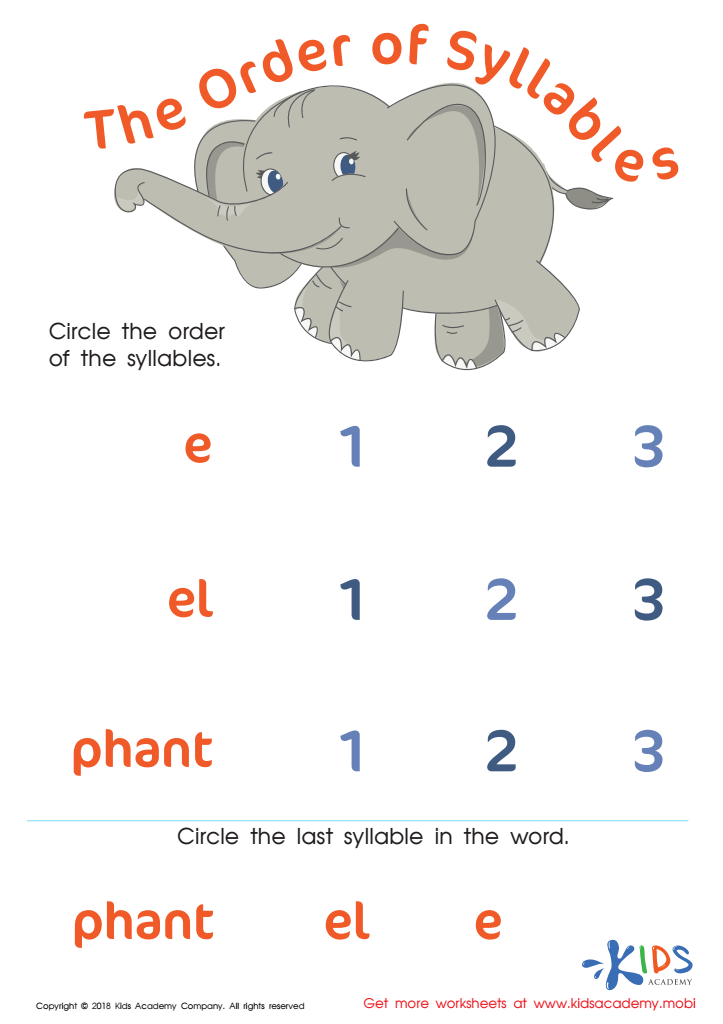
The Order of Syllables Worksheet
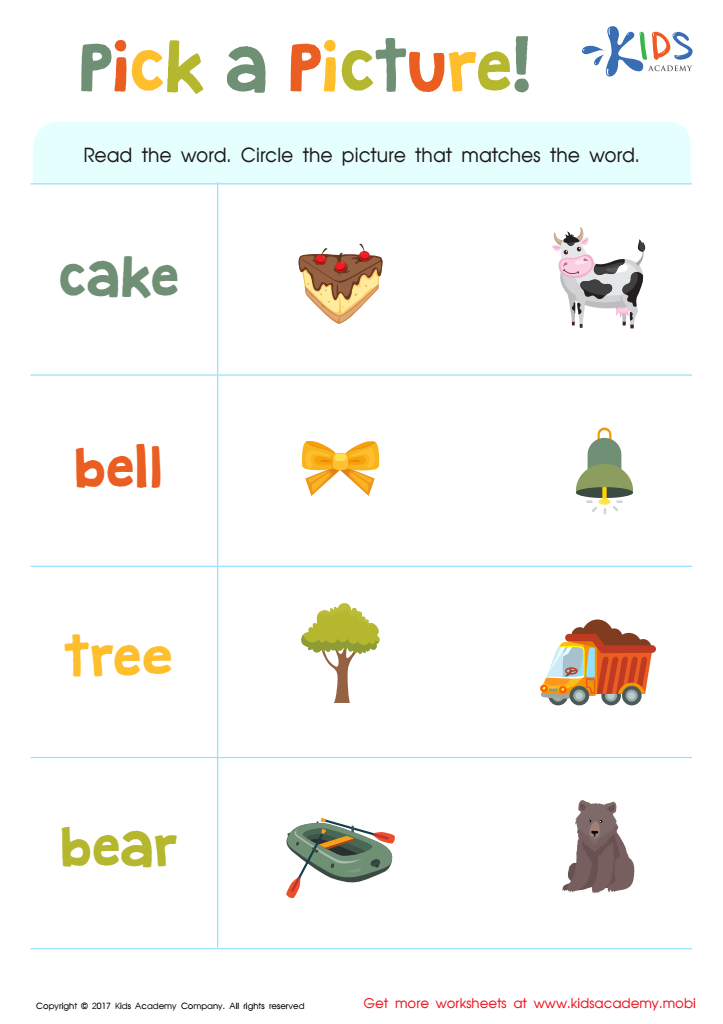
Pick a Picture Word Recognition Worksheet
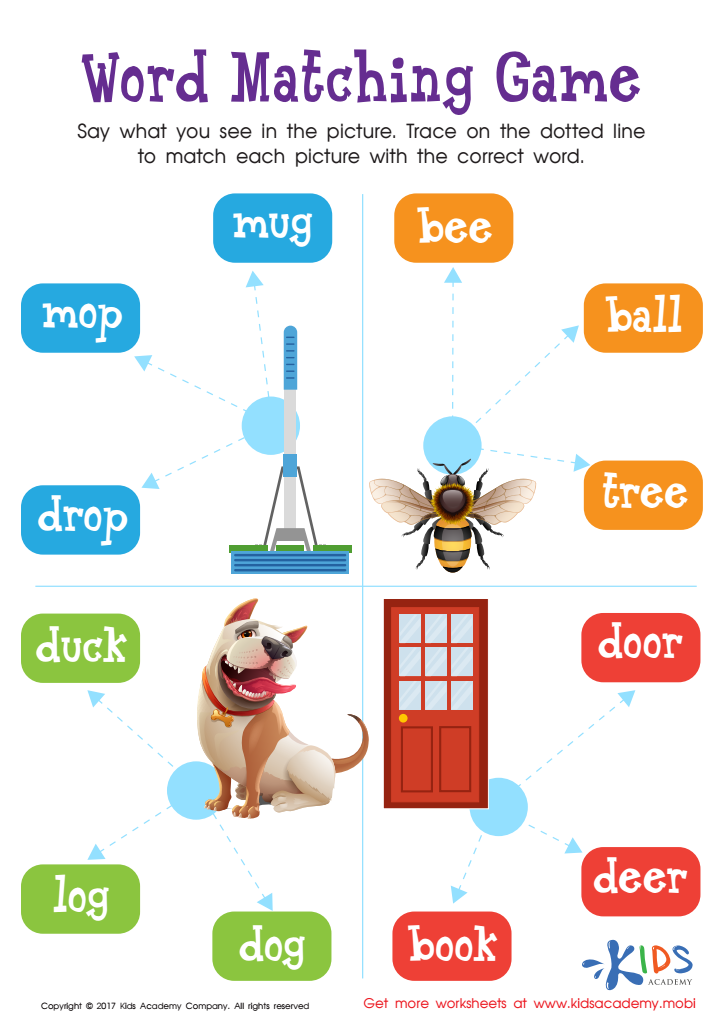
Word Matching Game Worksheet
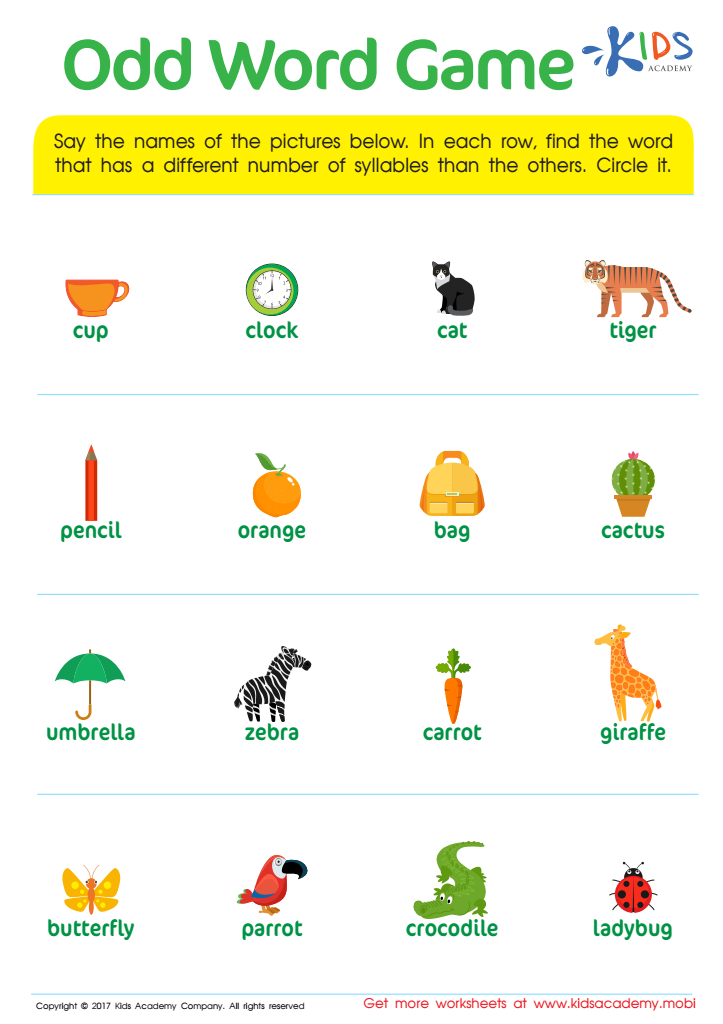
Count Syllables: Odd Word Game Worksheet




Elementary Phonics worksheets tailored for Ages 3-4 serve as an essential tool in laying the foundational stones for early reading skills in preschoolers. These worksheets are designed to introduce young learners to the basic concepts of sounds and letters, crucial for their literacy development. At this tender age, children are at a prime stage to absorb sounds and the alphabet, making Elementary Phonics for Ages 3-4 incredibly beneficial.
The use of phonics worksheets specifically designed for 3 to 4-year-olds encourages interactive learning through engaging activities, such as letter tracing, matching sounds to pictures, and identifying beginning letter sounds. These activities not only keep the children engaged but also bolster their confidence as they recognize and master the sounds of the language.
Moreover, Elementary Phonics worksheets for Ages 3-4 are crafted to cater to the diverse learning paces of young children, ensuring that each child can progress at their own rate. By integrating fun with education, these worksheets stimulate the children's interest in reading and writing from an early age, setting a strong foundation for their future academic success.
In summary, Elementary Phonics worksheets for Ages 3-4 are an indispensable resource in early childhood education, aimed at developing pre-reading skills through enjoyable and age-appropriate activities. They bridge the crucial gap between play and formal learning, making the journey into the world of letters and sounds both exciting and effective for young learners.







