Plants and Animals Worksheets for Ages 3-6 - Page 3
77 filtered results
-
From - To
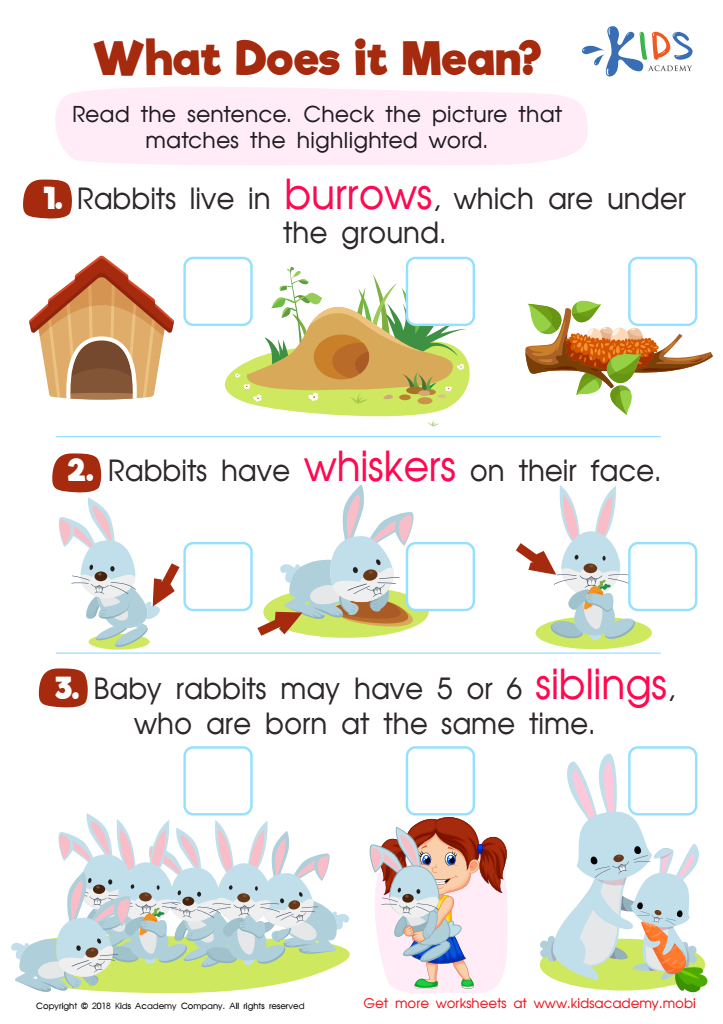
What Does It Mean? Worksheet
 Assign to My Students
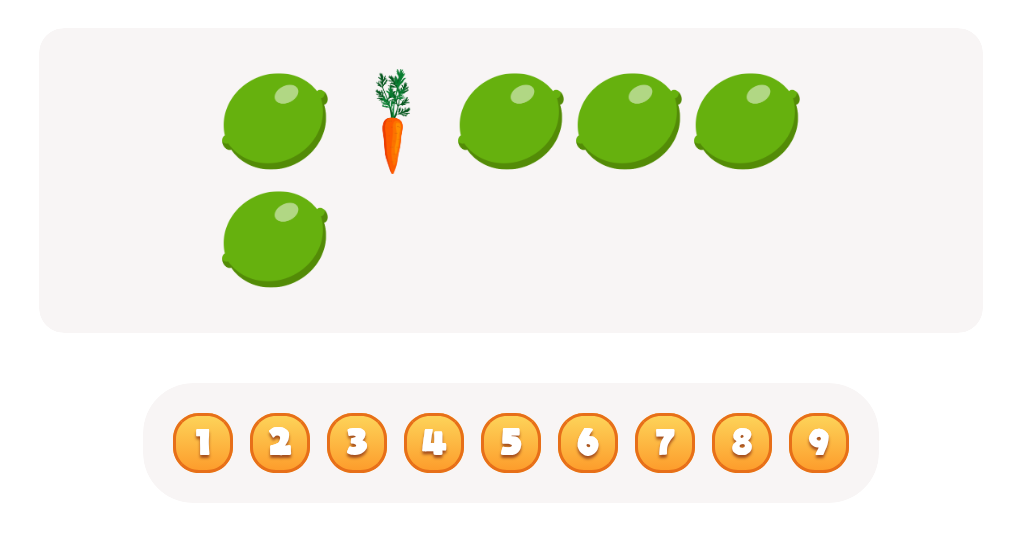


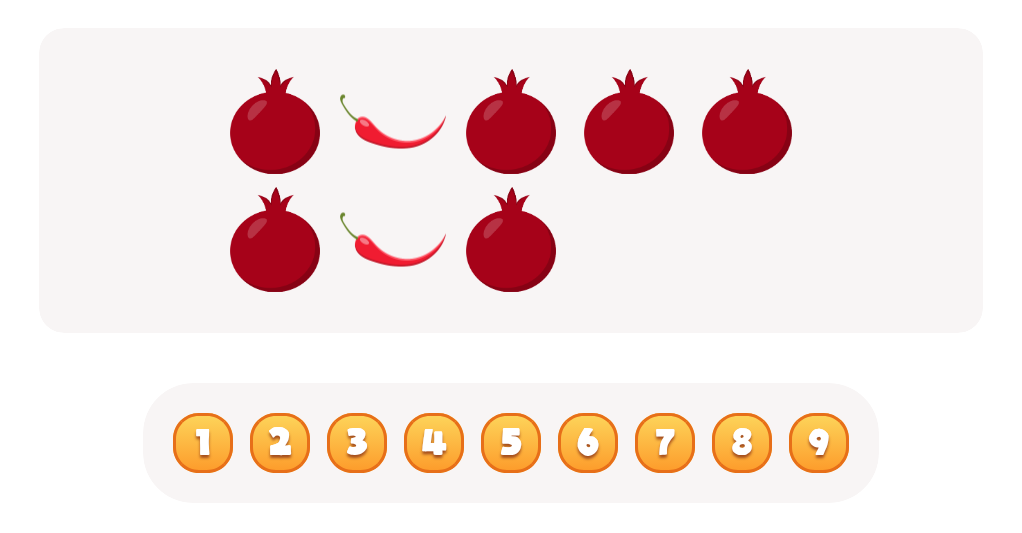
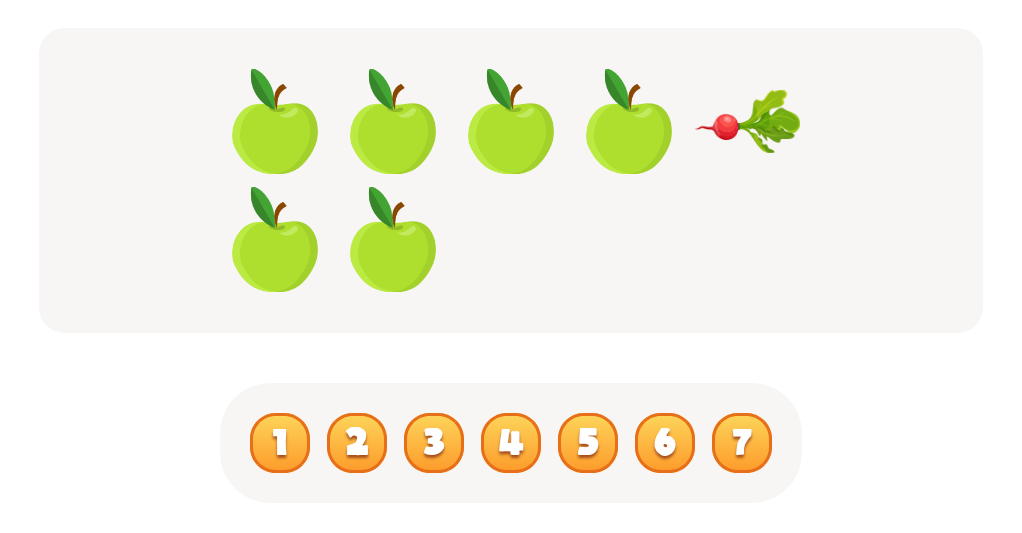
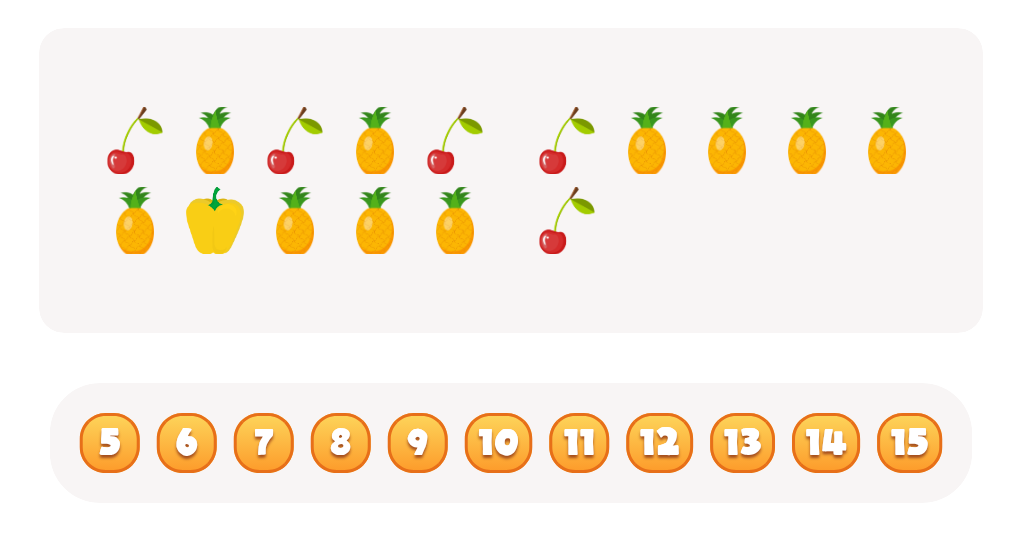
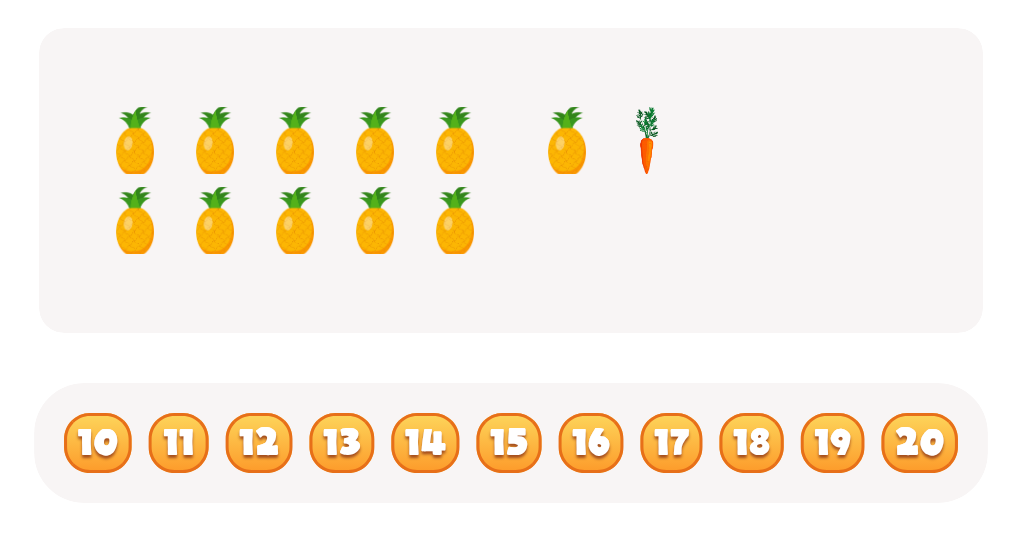
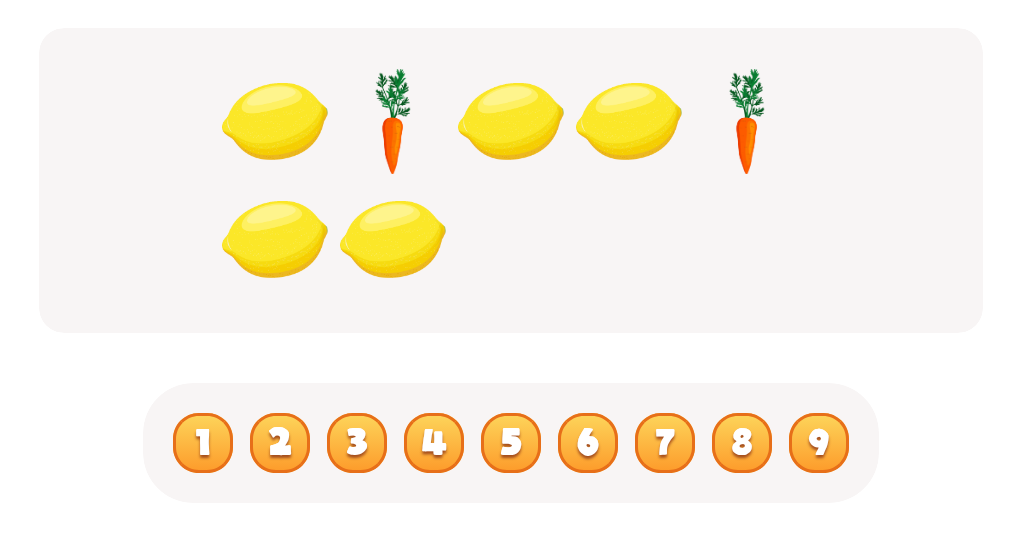
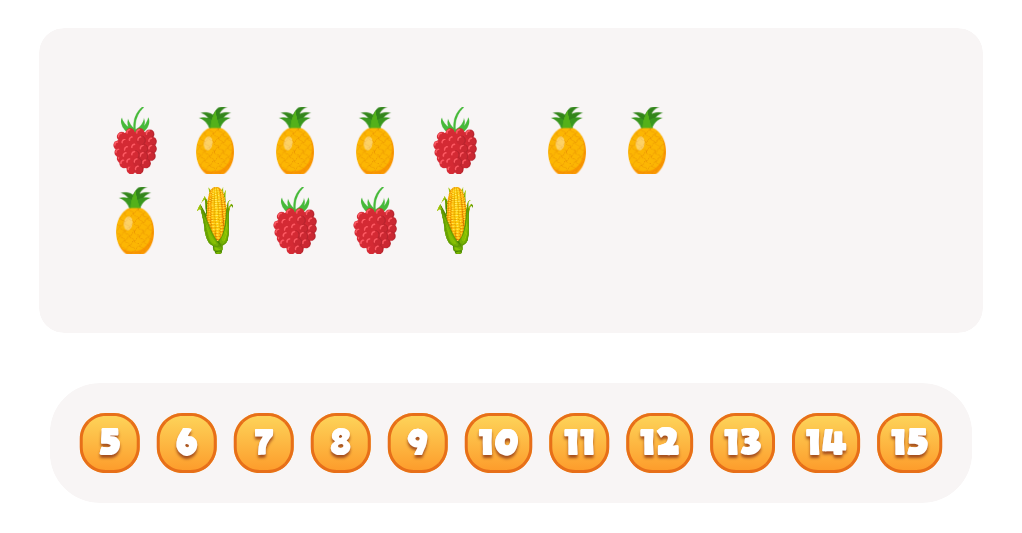
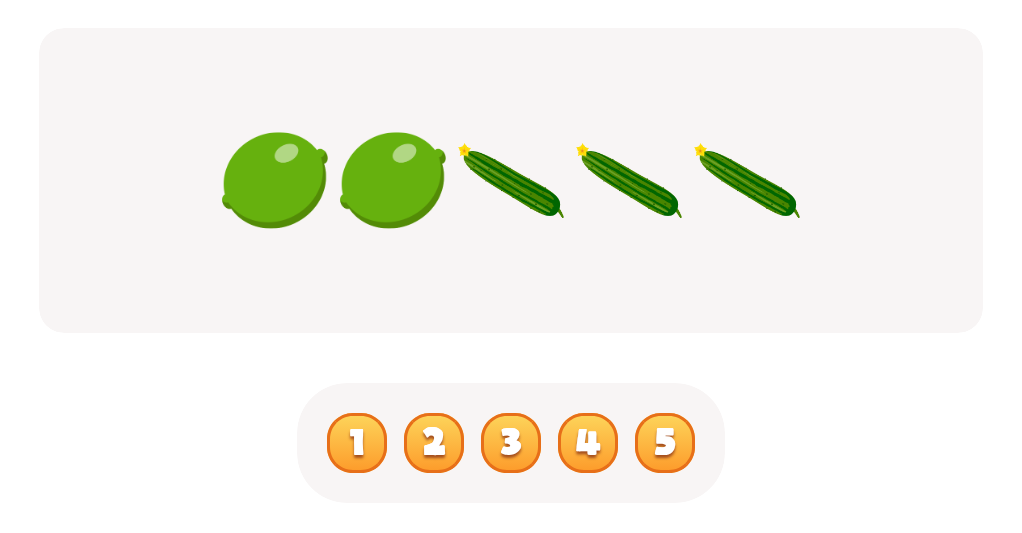
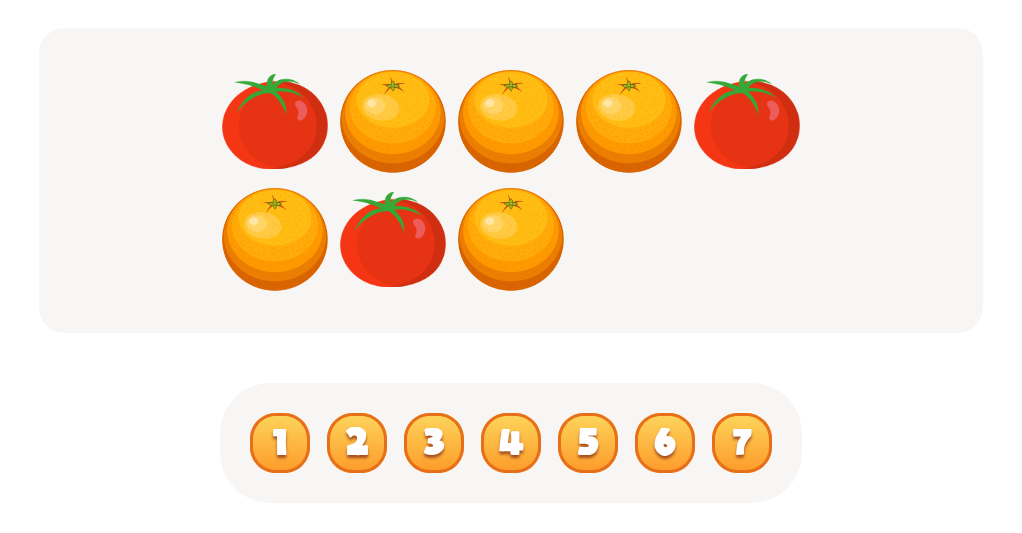
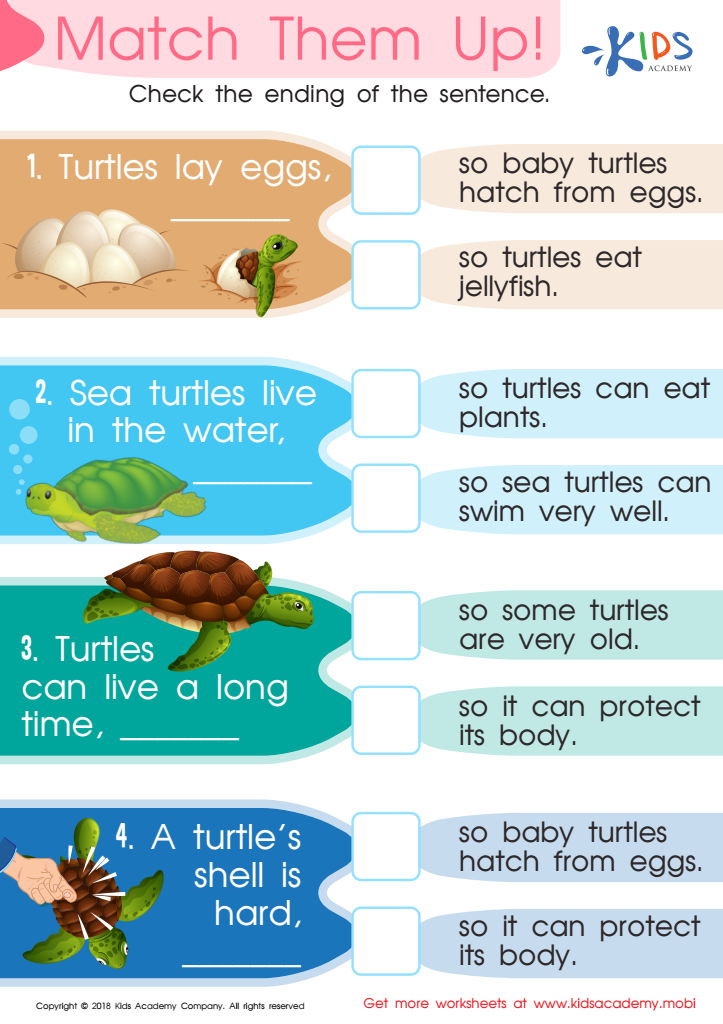
Match Them Up Worksheet
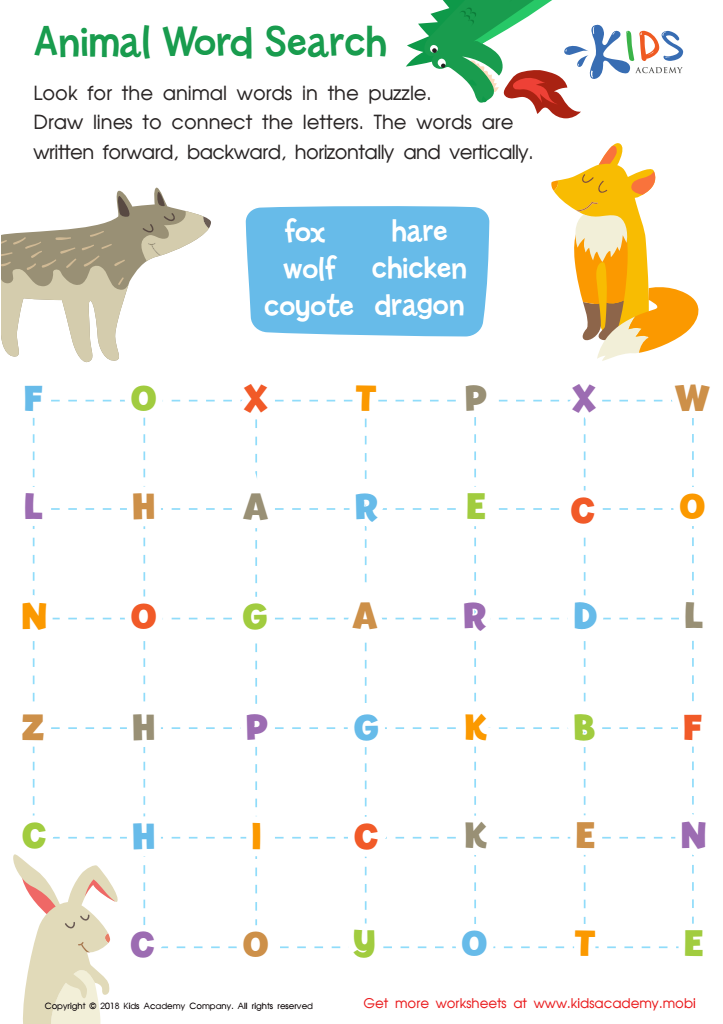
Animal Word Search Worksheet
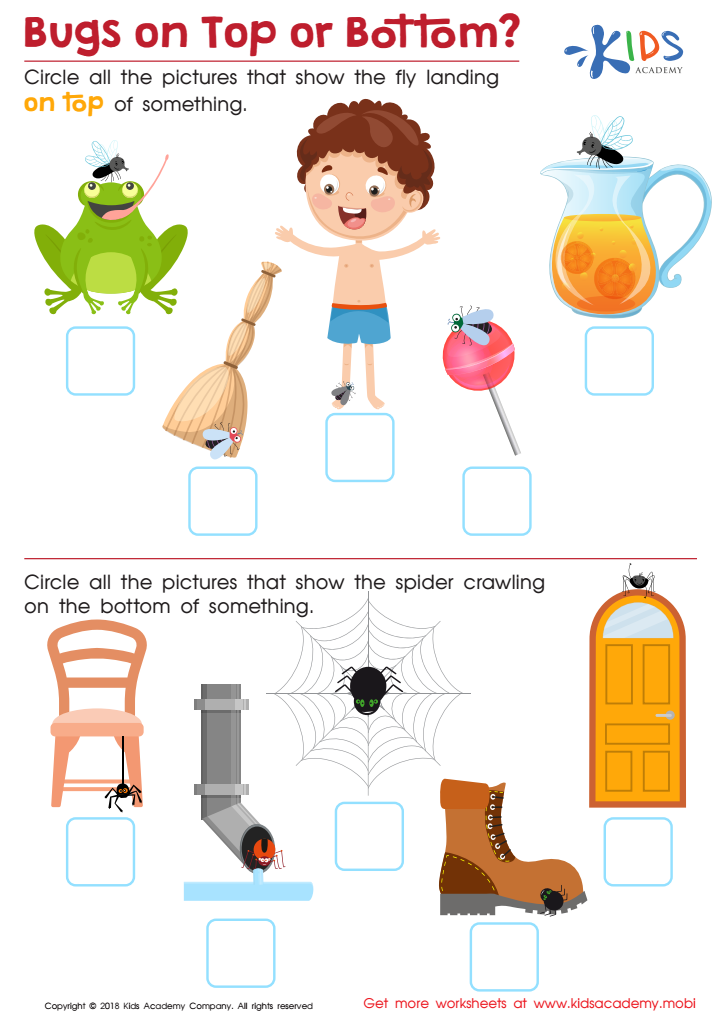
Bugs on Top or Bottom? Worksheet
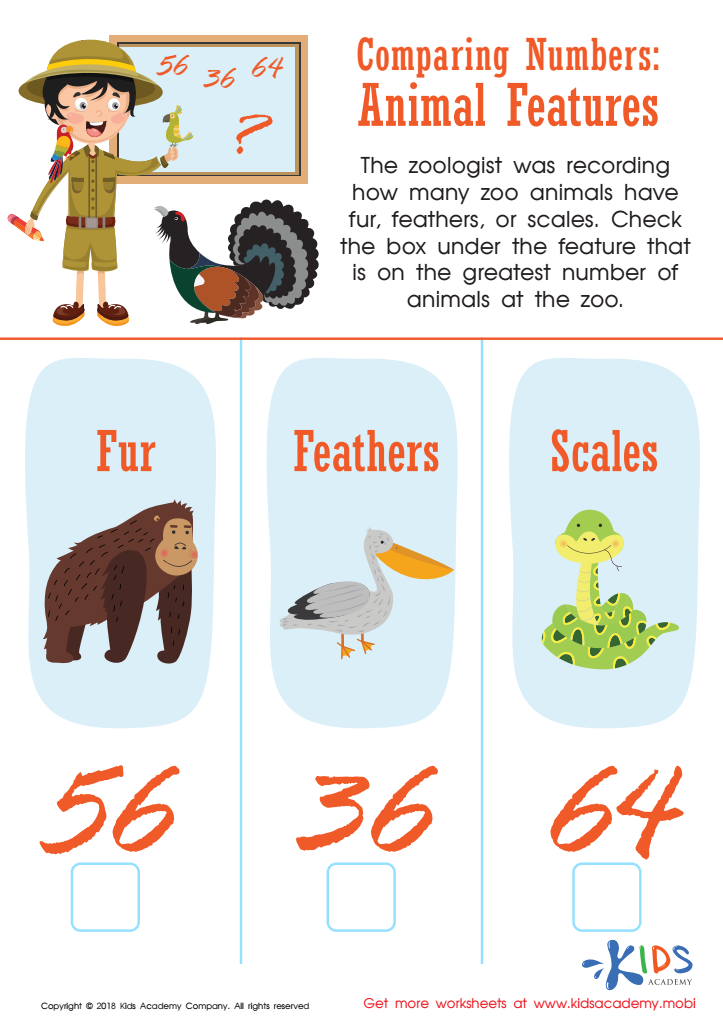
Animal Features Worksheet
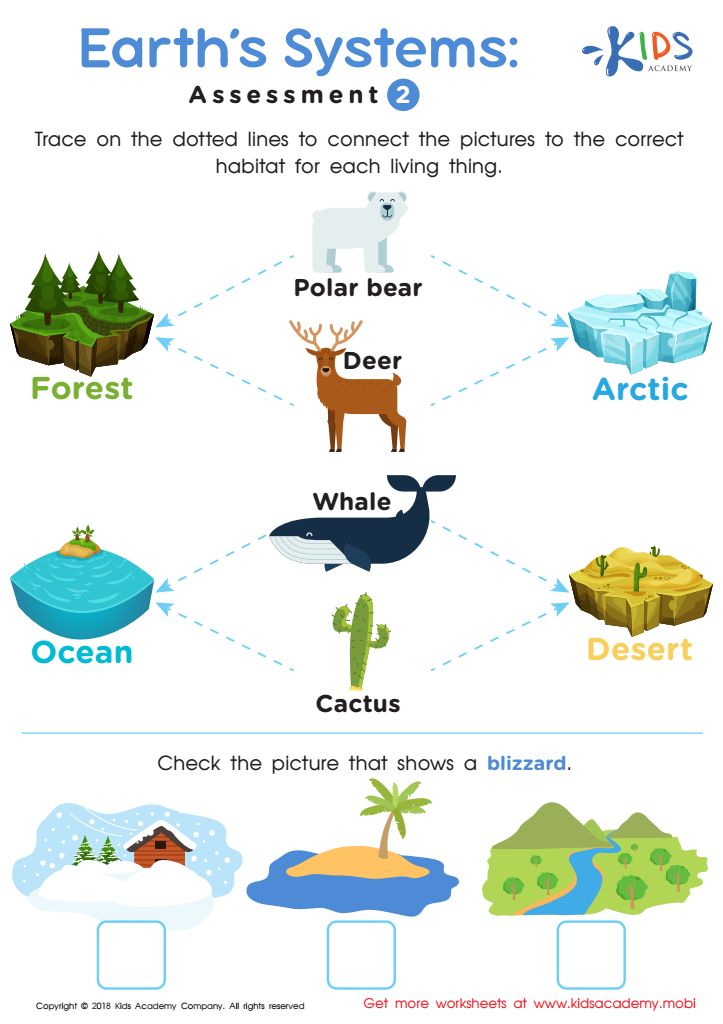
Earth's Systems: Assessment 2
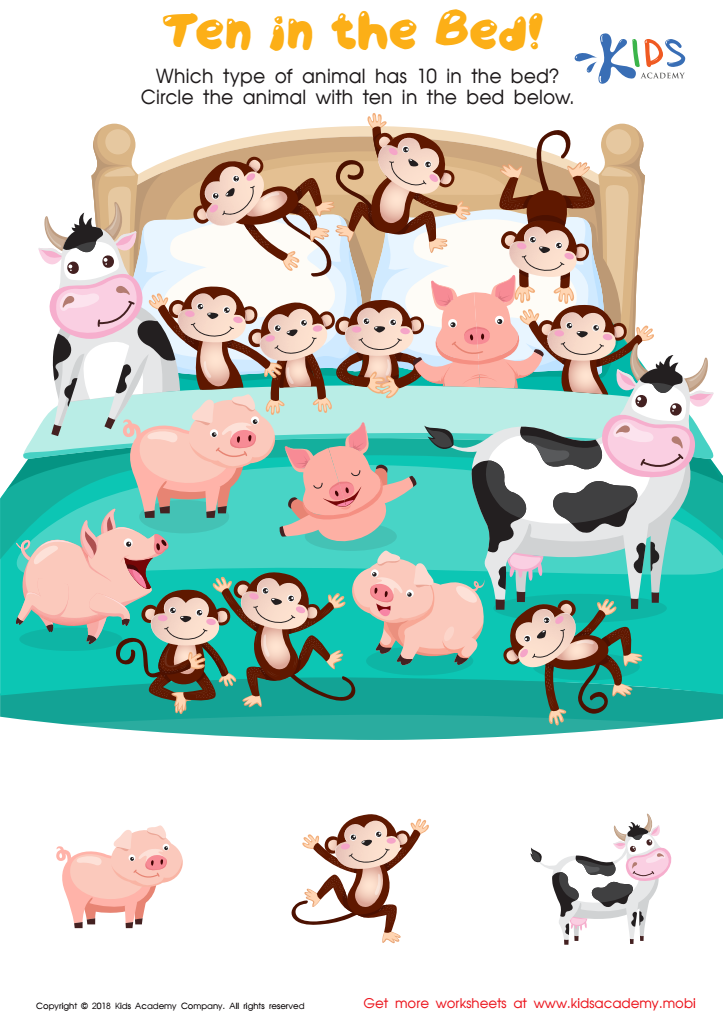
Ten in the Bed Worksheet
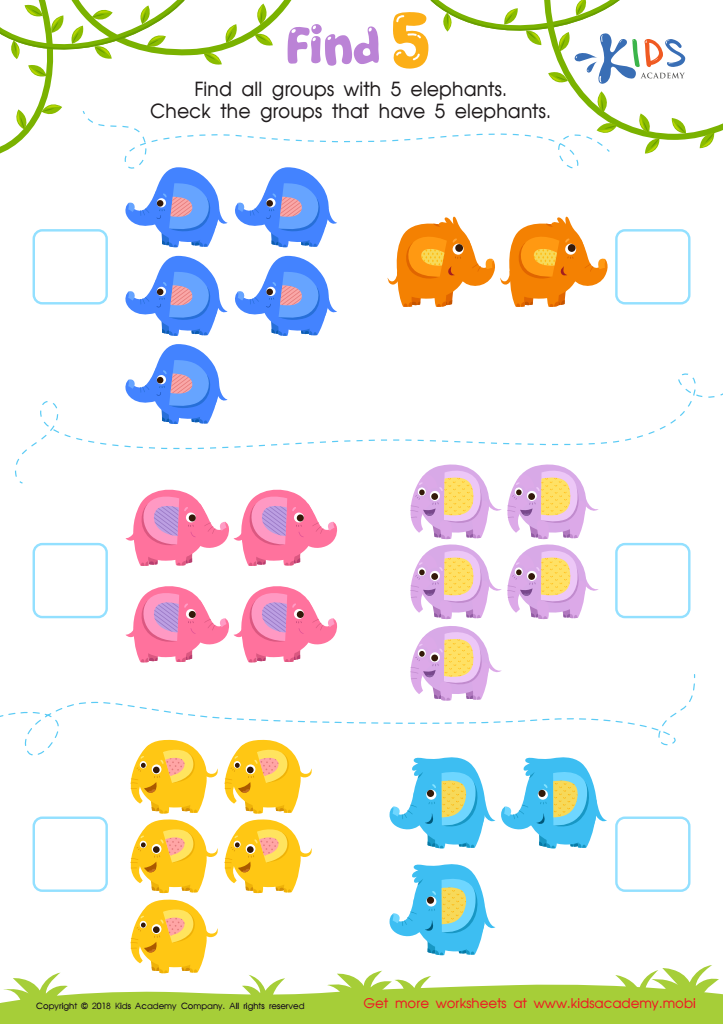
Find 5 Worksheet
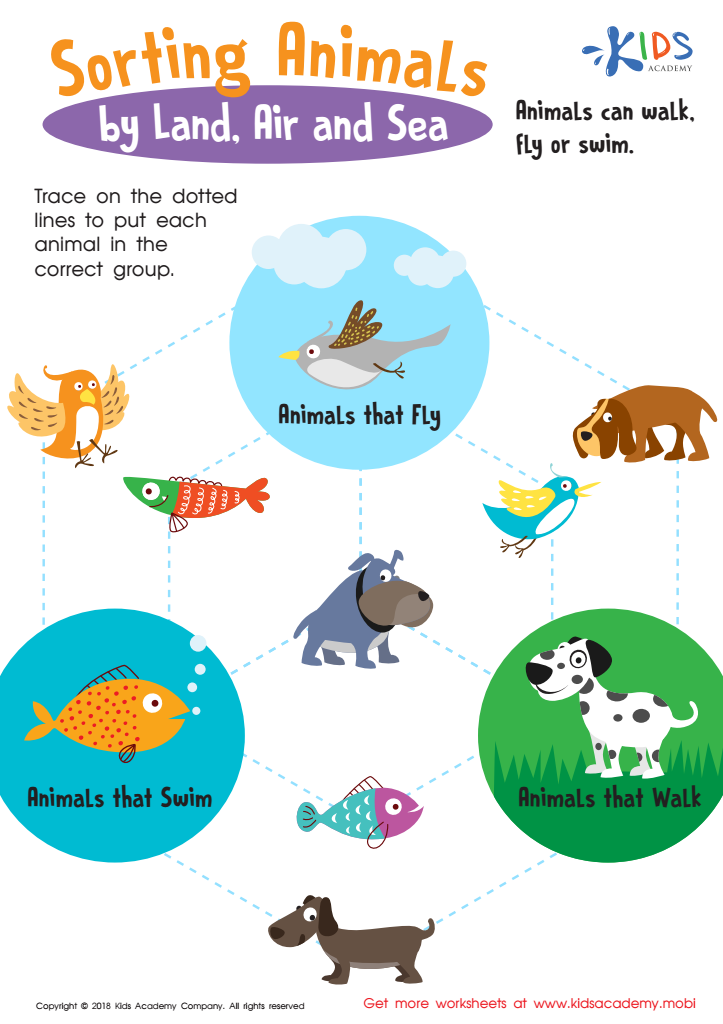
Sorting Animals by Land, Air and Sea Worksheet
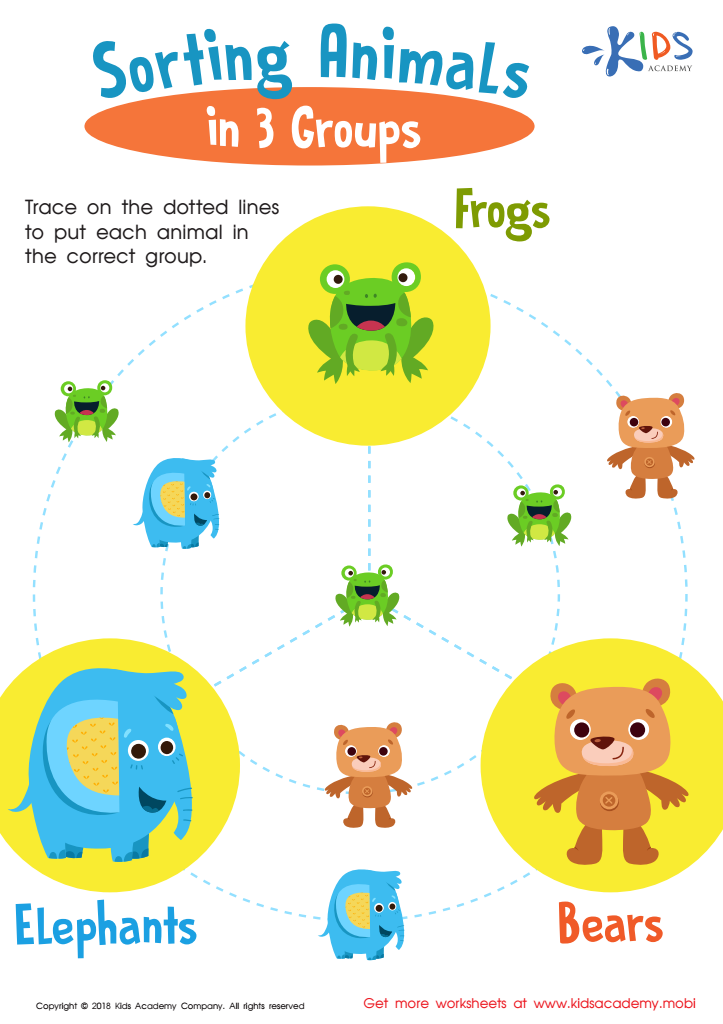
Sorting Animals in 3 Groups Worksheet
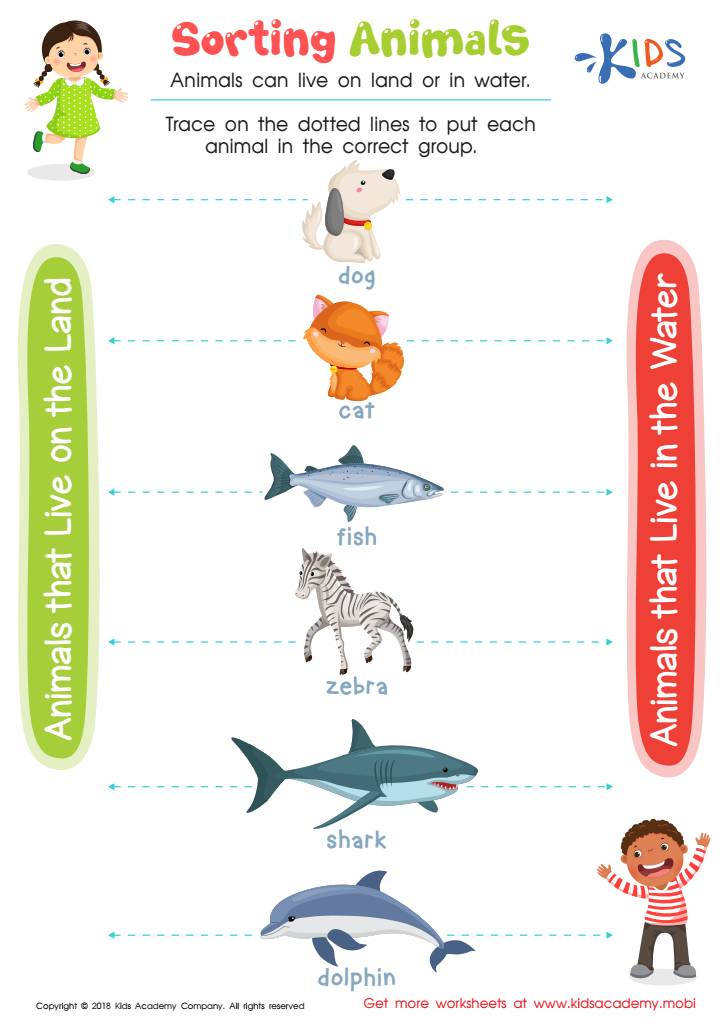
Sorting Animals Worksheet
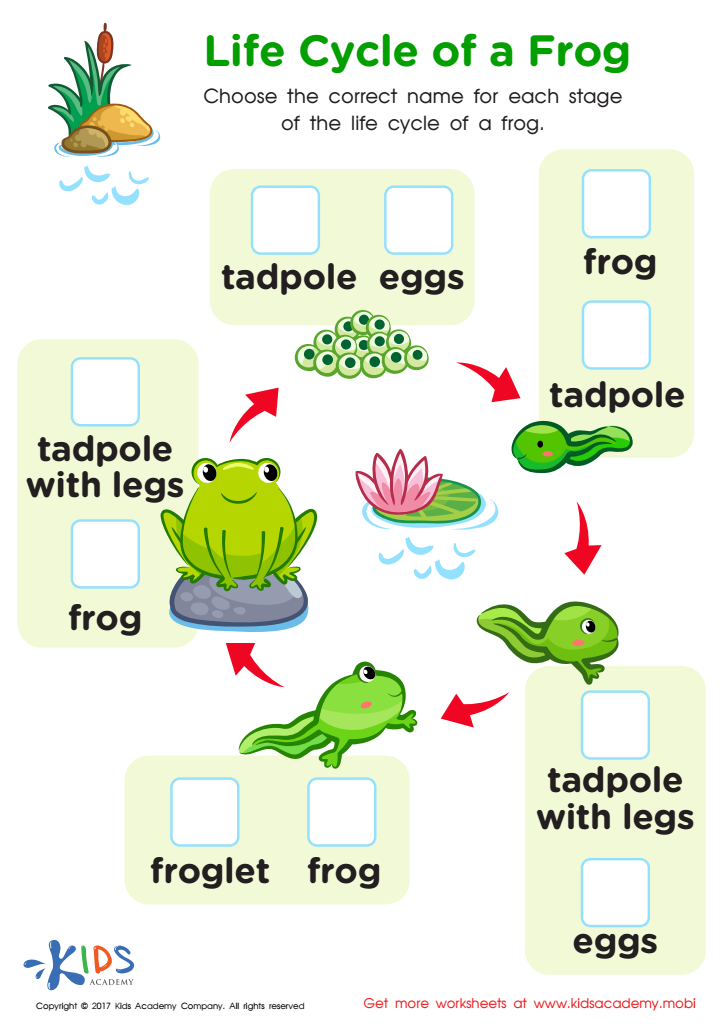
Life Cycle Frog Printable
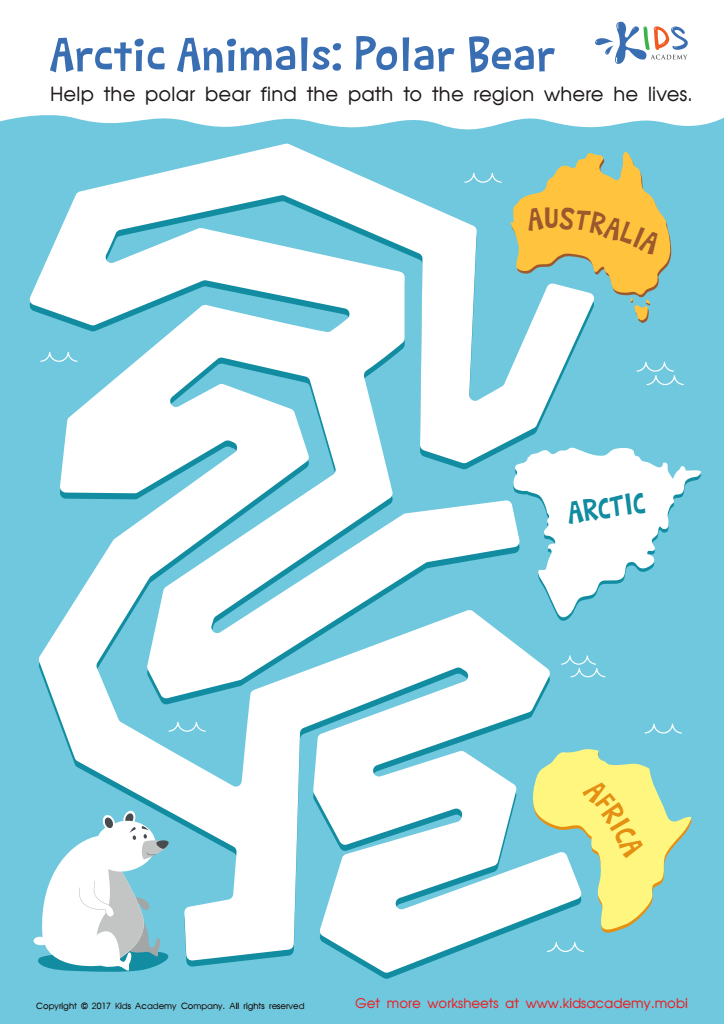
Arctic Animals: Polar Bear Worksheet

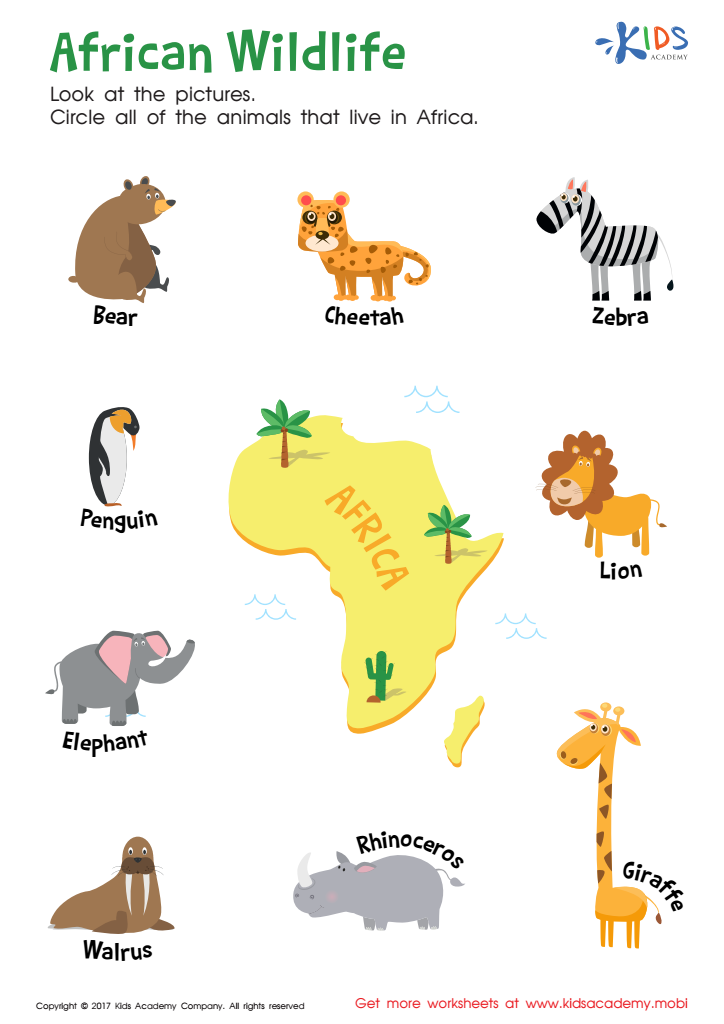
African Wildlife: Giraffe Worksheet
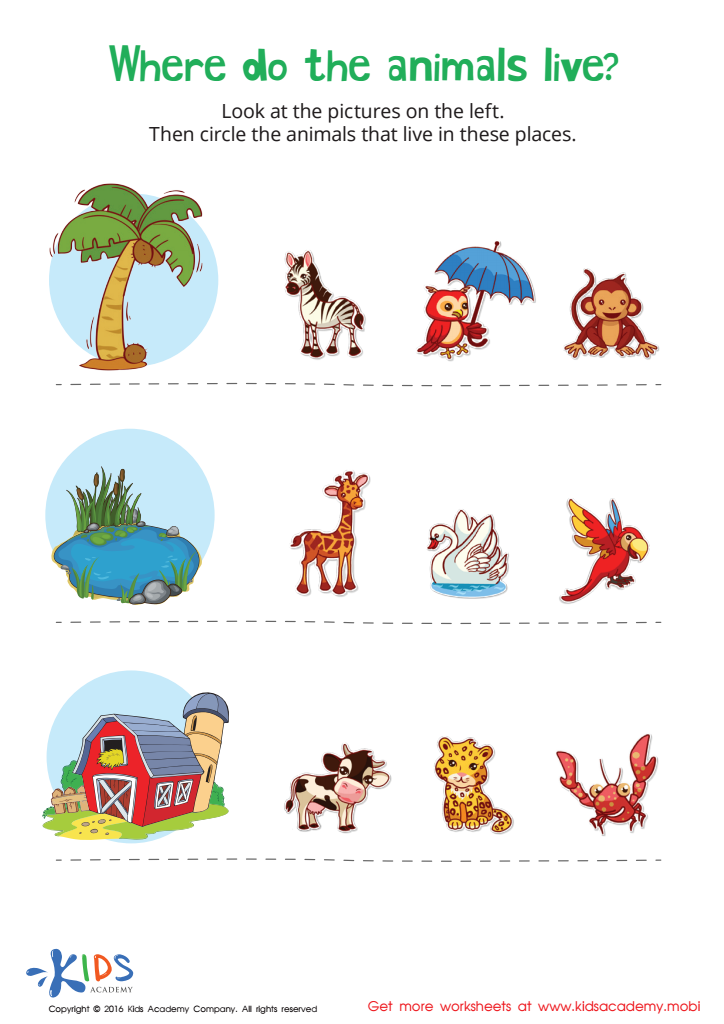
Where Animals Live Worksheet
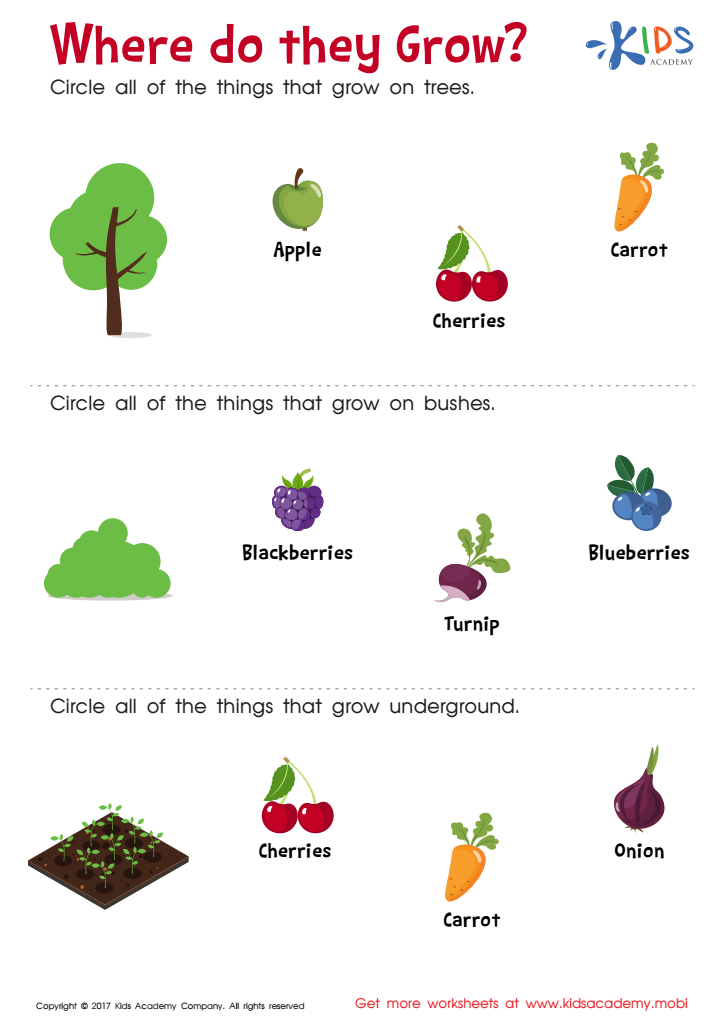
Where Do They Grow Worksheet
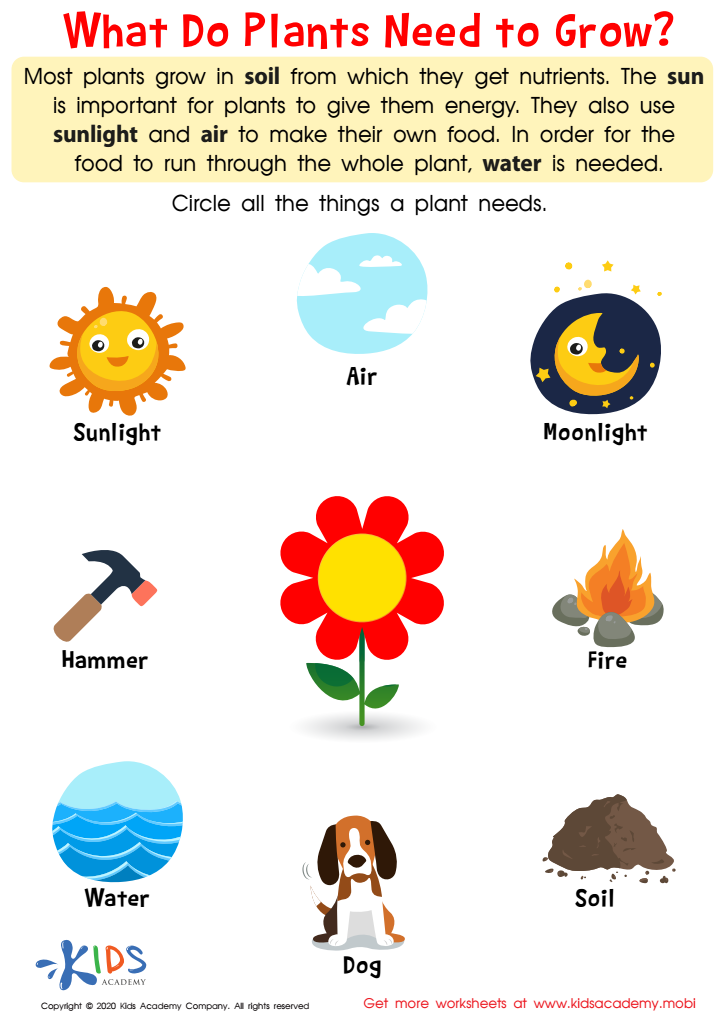
What Do Plants Need to Grow Worksheet
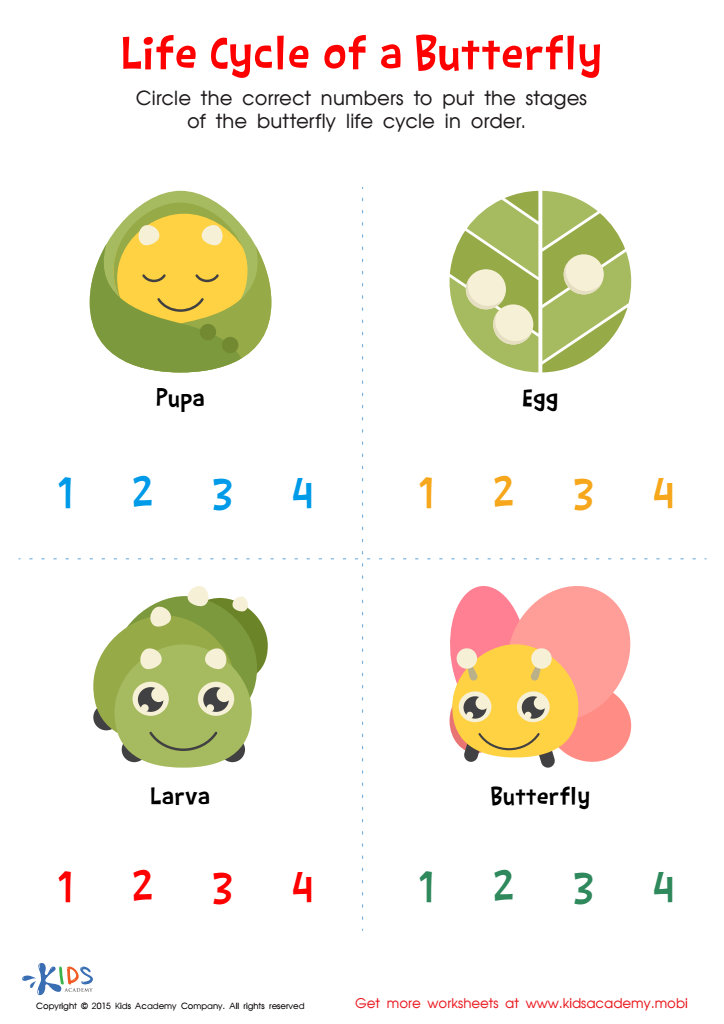
Life Cycle of Butterfly Printable
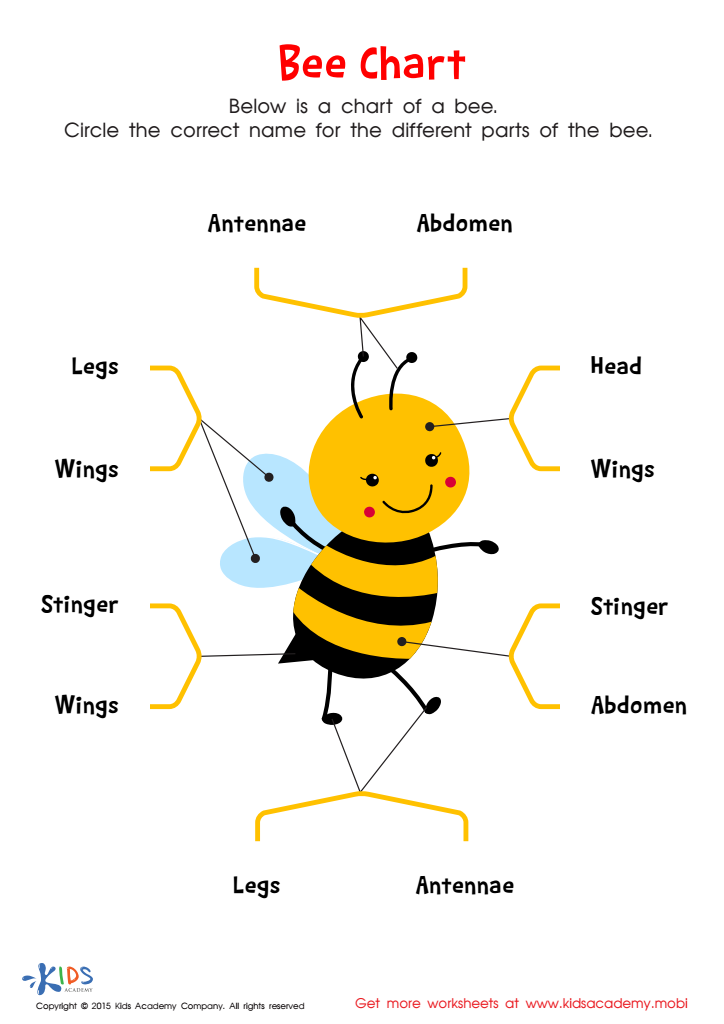
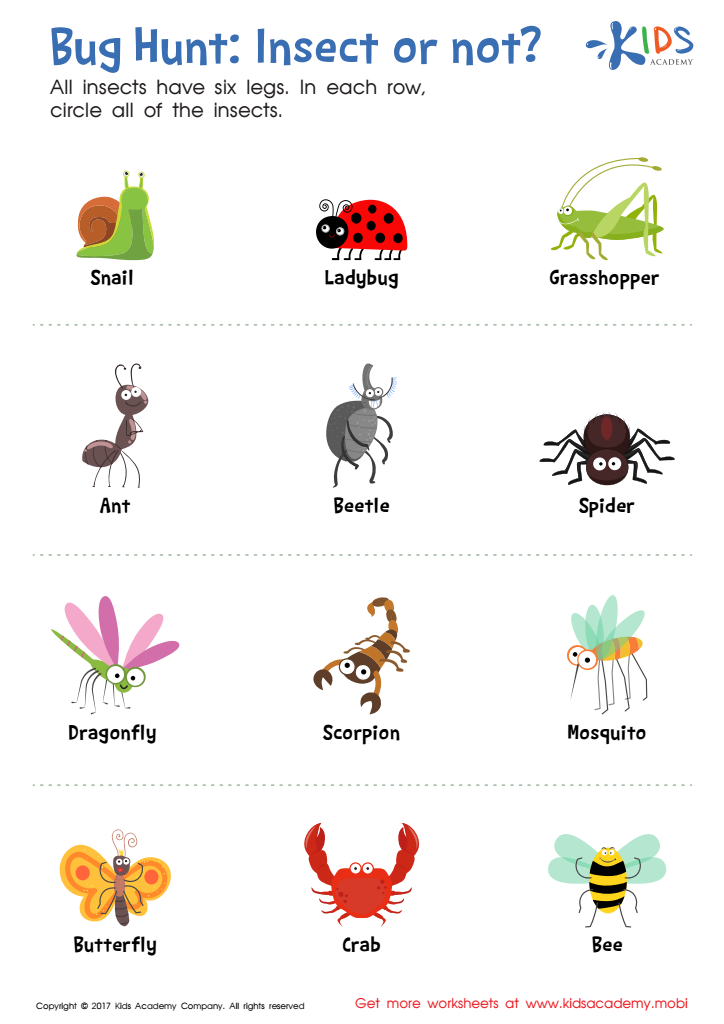
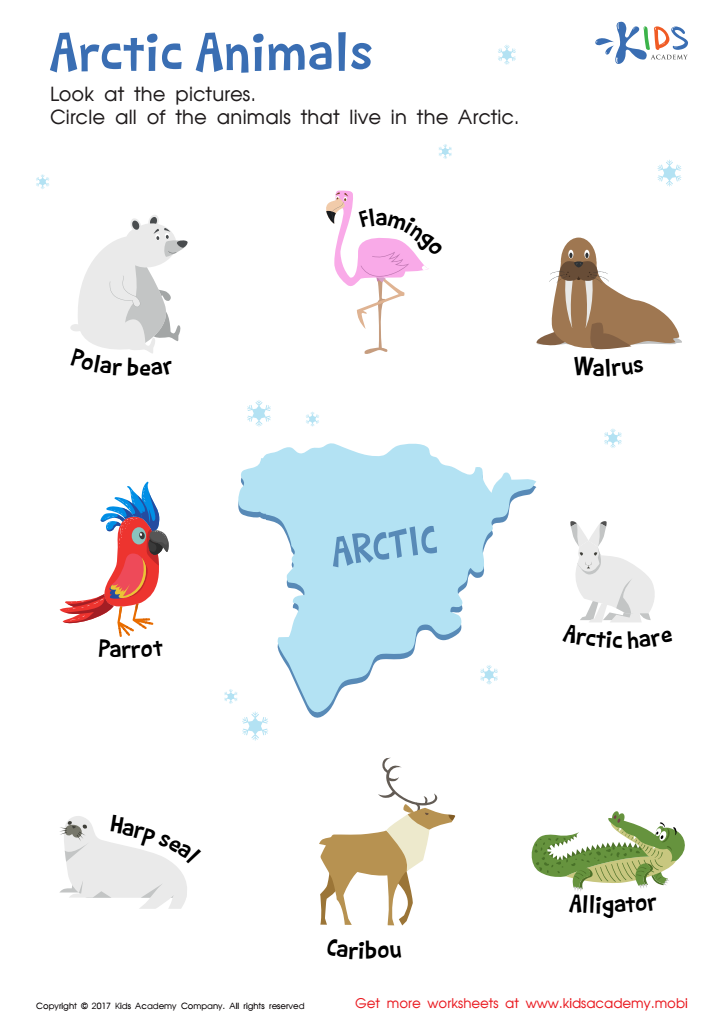
Arctic Animals Worksheet
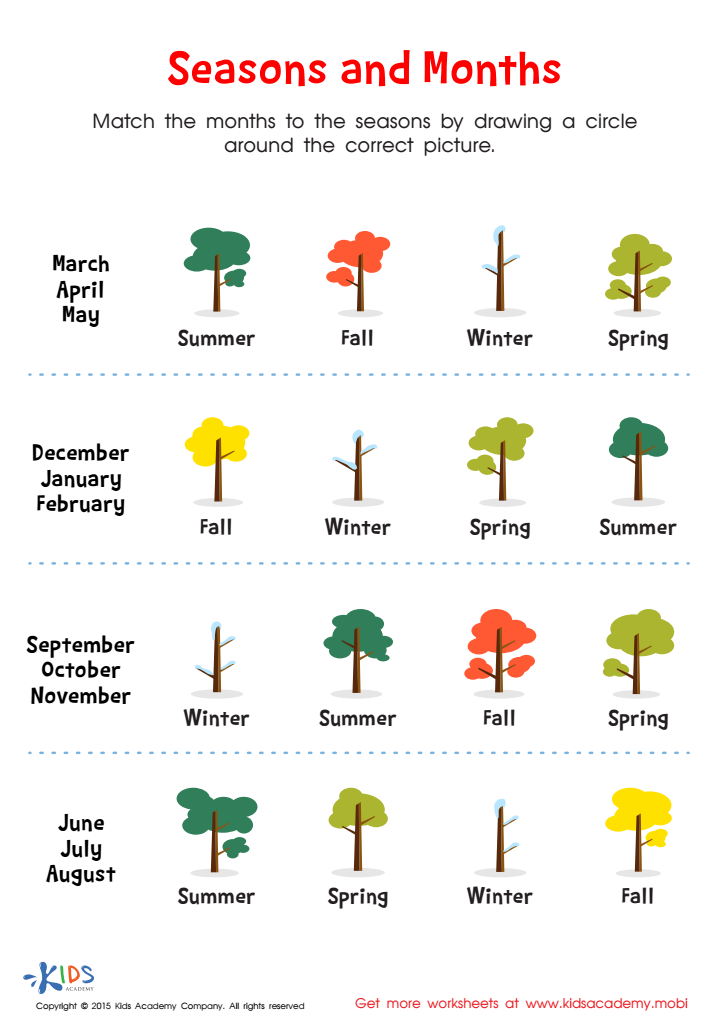
Seasons and Months Worksheet
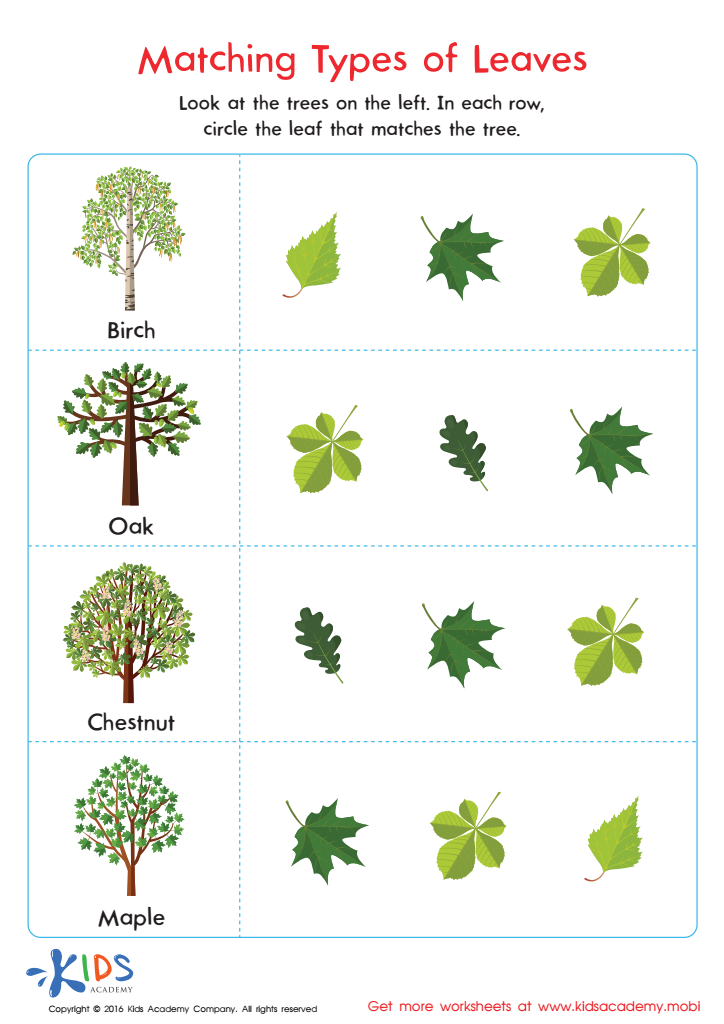
Matching Types of Leaves Printable



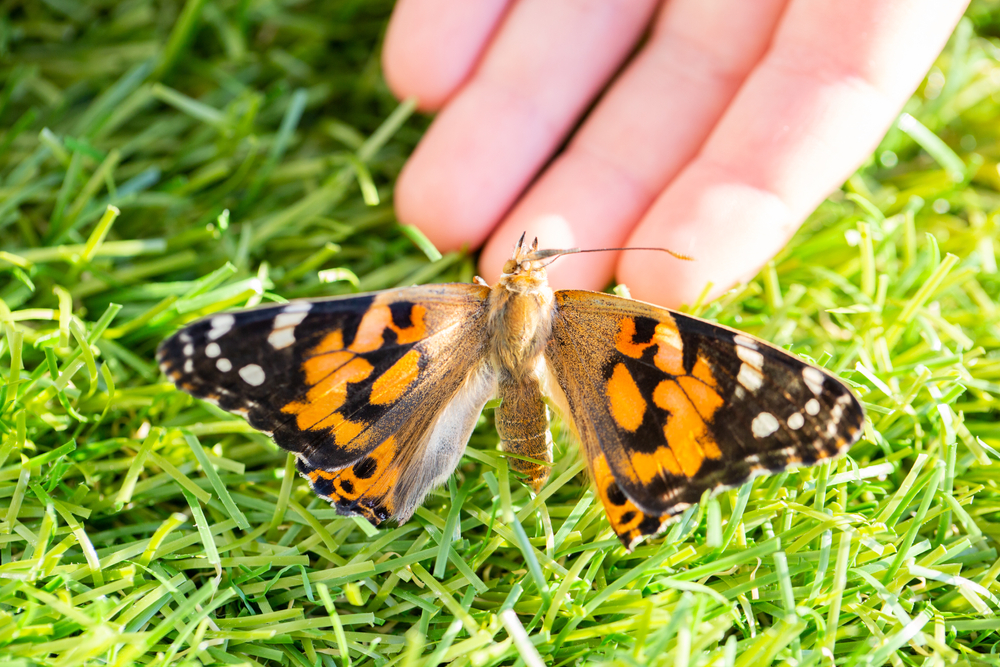




Parents and teachers should care about teaching children aged 3-6 about plants and animals because this knowledge lays the foundation for children's understanding of the natural world. Early exposure to the topics fosters curiosity, encourages exploration, and instills a sense of wonder about nature. Through hands-on activities, children can learn essential concepts such as nurturing plants through growing seeds or understanding the life cycles of animals.
This exploration enhances critical thinking and observation skills, as children are encouraged to ask questions, make discoveries, and apply their findings. Learning about biodiversity also promotes environmental awareness from an early age, encouraging kids to appreciate and respect the ecosystems around them.
Multisensory experiences involving plants and animals—such as gardening, visiting farms, or nature walks—build strong sensory foundations and can improve fine motor skills. Furthermore, discussions about plants and animals can enhance vocabulary, communication skills, and emotional development as children express their feelings toward living beings.
Ultimately, incorporating the themes of plants and animals into early education supports holistic development, encouraging empathy and a sense of responsibility. By caring about these topics, adults cultivate a generation that values and actively participates in the stewardship of our environment.








